


Austria Travel Tips: 15 Things to Know Before You Go
Austria travel tips for U.S. and Canadian travelers: tipping, cash, coffee houses, Sunday closures, trains, the motorway vignette and entry rules.
July 28, 2026 • 8 min read
Austria Travel Tips: 15 Things to Know Before You Go
Austria at a glance
Money and payments
1. Carry some cash, even in cities
Austria uses the euro. Cards and phone payments work in hotels, most restaurants and shops in Vienna and Salzburg. Traditional coffee houses, wine taverns, market stalls and small village shops are where you are most likely to need cash, so keep some euros for small purchases. ATMs are easy to find in cities, train stations and airports.
2. Bring a card with a PIN and a backup
Ticket machines and some terminals ask for a PIN, so make sure you know the PIN for each card you bring. Tell your bank where you are traveling, and keep a second card stored separately from the first.
3. Tip by rounding up, and say the total
In restaurants, a tip of around 10 percent is normal, and more for very good service. In cafés, people often just round up the bill. The local habit is to tell the server the total you want to pay when they bring the bill: if the bill comes to 37, say "Vierzig, bitte" (40, please) and hand over the money or card. "Stimmt so" means "keep the change". Leaving the tip on the table is not the custom.
For taxis, around 10 percent is usual. Hotel porters and housekeeping receive small tips per bag or per night.
Language
4. Learn a few words, starting with Grüß Gott
You can travel Austria in English, especially in Vienna, Salzburg and at the main sights. In small Alpine villages and wine regions, a few words of German help:
Austrians use the formal "Sie" with strangers and service staff, and the informal "du" with friends. If you try German, "Sie" is the safe choice.
Coffee houses and food
5. Sit down in a coffee house and take your time
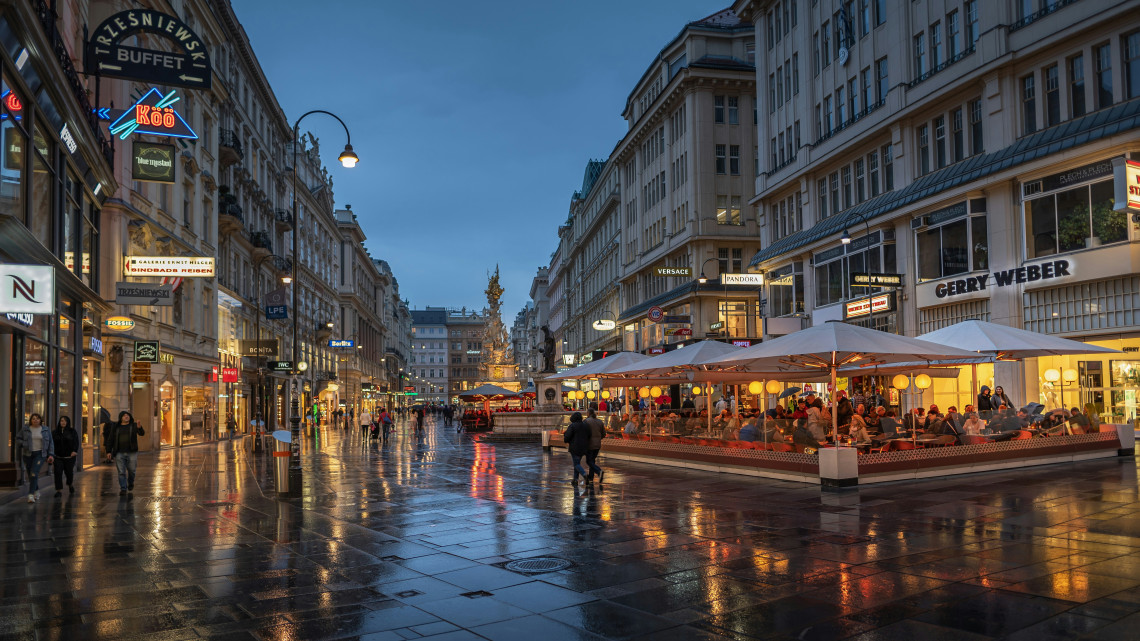
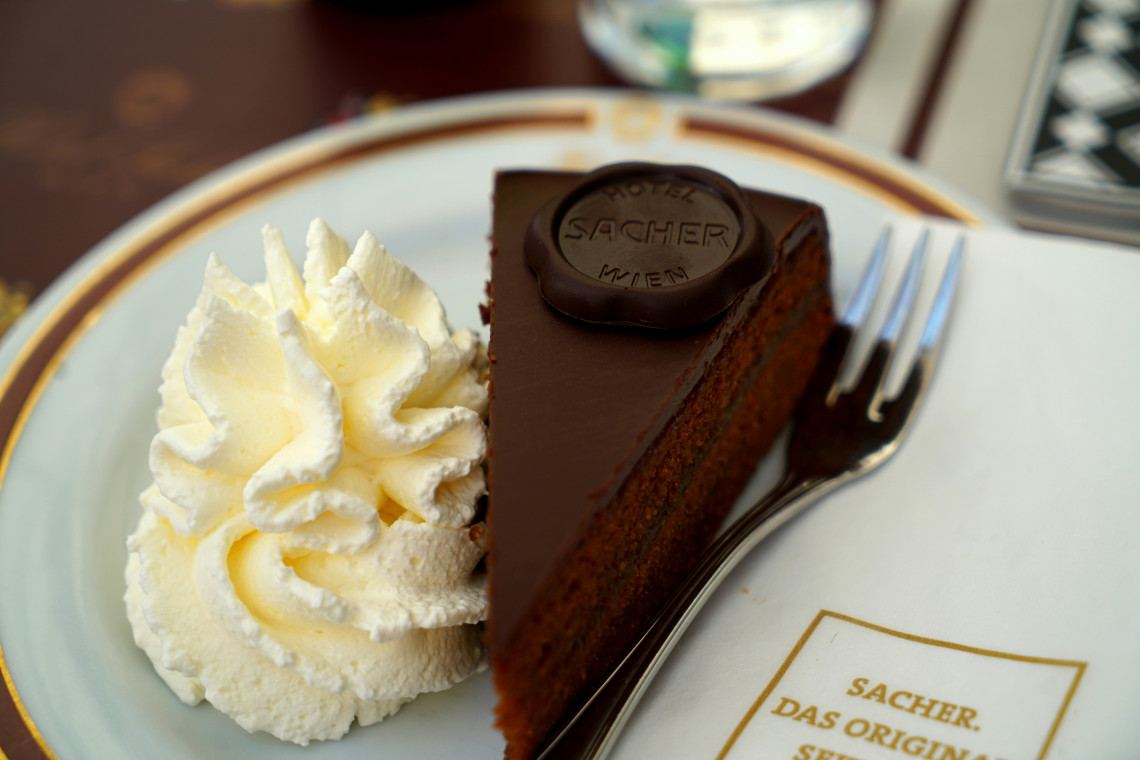
Viennese coffee house culture is listed in Austria's national inventory of intangible cultural heritage, inscribed in 2011. In a traditional coffee house you choose a table, wait for the server and can stay for a long time over one coffee. Ask for the bill with "Zahlen, bitte" when you are ready to leave.
6. Know the coffee names
7. Plan around meal times and Sundays
Traditional restaurants usually serve lunch around midday and dinner in the evening, and some close in the afternoon, while coffee houses stay open all day. On Sundays most shops are closed. Bakeries often open on Sunday mornings, and small food shops in train stations and airports stay open. Buy groceries on Saturday and book Sunday dinner in advance.
8. Visit a Heuriger, a wine tavern run by the winemaker
A Heuriger is a wine tavern that serves the owner's own wine, often with a cold buffet of breads, cheeses and spreads. In Vienna they are found on the edge of the city, in areas such as Grinzing, Nussdorf, Neustift, Heiligenstadt and Stammersdorf. A bundle of pine branches and an "Ausg'steckt" sign show that a tavern is open. Smaller taverns open only on set dates or in the warm months, so check before you go.
Best for: a relaxed evening among vineyards, a short tram or bus ride from central Vienna.
Keep in mind: the simplest taverns serve mostly cold food, and many prefer cash.
9. Drink the tap water
Austria's drinking water comes from groundwater and springs, and tap water is safe to drink across the country. Vienna's water travels from mountain springs through two long pipelines. The historic decorative fountains in Vienna are the exception: their water is not for drinking.
Getting around
10. From Vienna Airport to the city
The City Airport Train (CAT) runs nonstop from Vienna Airport to Wien Mitte station in central Vienna in 16 minutes. Regular S-Bahn trains also run between the airport and the city and take a little longer.
11. Use Vienna's U-Bahn, trams and buses
Vienna's U-Bahn has five lines (U1, U2, U3, U4 and U6), and a sixth line, the U5, is under construction. One ticket works across the U-Bahn, trams and buses, and passes for 24, 48 or 72 hours are sold at station machines and in the Wiener Linien app.
12. Take the train between cities
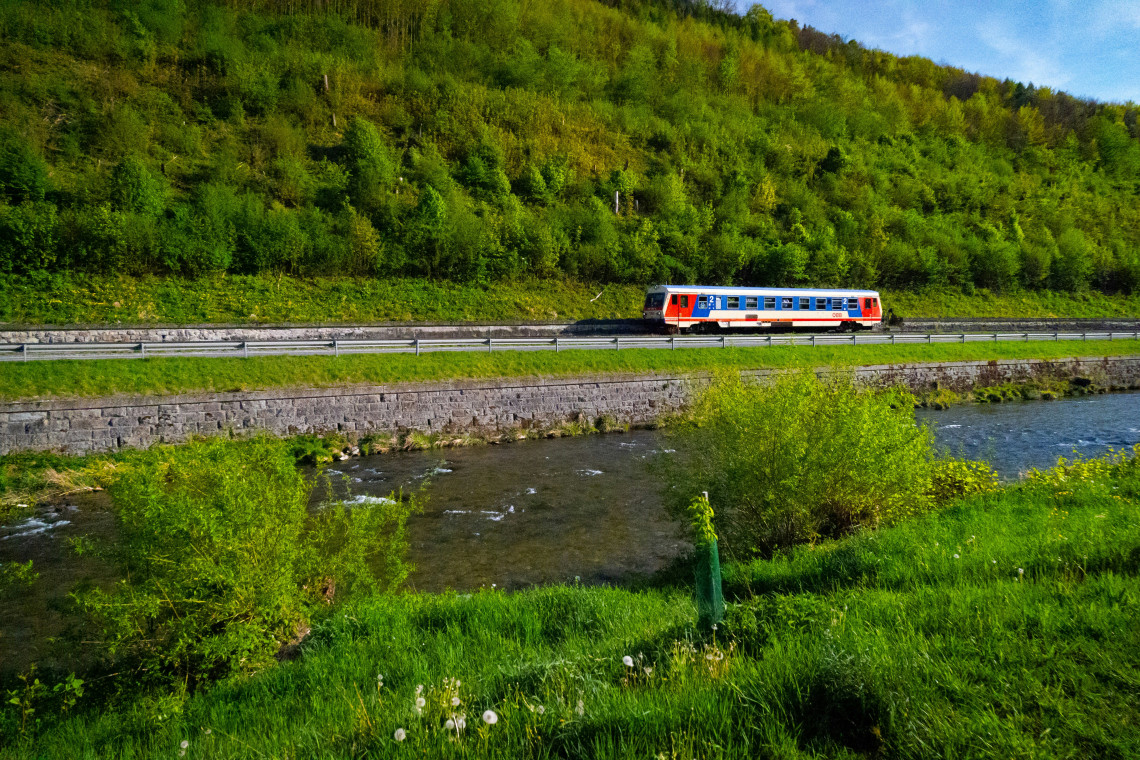
Railjet trains link Vienna and Salzburg in about 2 hours 30 minutes, and reserved seats are available. For most first trips, the train between Vienna, Salzburg and Innsbruck is easier than driving.
Driving in Austria
13. Buy a vignette before you use the motorway
Cars up to 3.5 tonnes need a vignette to use Austria's motorways and expressways. From 1 December 2026 the vignette is digital only and linked to the car's registration number. You can buy it in the ASFINAG app or toll shop, or at petrol stations and Trafik shops. A one-day or ten-day vignette bought online is valid from the date you choose, while two-month and annual vignettes bought online become valid only after a waiting period, so buy longer ones in person. Ask your rental company whether the car already has one.
Some tunnels and mountain sections charge a separate toll on top of the vignette, including the Brenner motorway, the Arlberg tunnel and the Tauern and Karawanken tunnels.
14. Winter tires are required in winter conditions
From 1 November to 15 April, cars must have winter tires (marked M+S) whenever there is snow, slush or ice on the road. Snow chains on at least two drive wheels are allowed instead only where the road is covered in snow or ice. Rental cars in winter usually come with the right tires, but confirm when you book.
Entry rules
15. Check your passport and travel authorization
U.S. and Canadian citizens do not need a visa for stays of up to 90 days in any 180-day period in the Schengen Area, which includes Austria. On your first entry, the EU's Entry/Exit System records your fingerprints and a facial image at the border. The EU's ETIAS travel authorization had not started at the time of writing; check the official EU website before you travel.
Who these tips matter most for
First-time visitors from North America will notice the tipping custom, Sunday closures and cash habits the most, because they differ from home.
Drivers need the vignette and, in winter, the right tires. Travelers who stay on trains and city transport can ignore the driving section.
Travelers who walk slowly or avoid stairs should know that older coffee houses, wine taverns and Alpine villages can have steps and uneven floors.