





Austrian Cuisine: 15 Traditional Dishes to Try
Austrian food explained: Wiener Schnitzel, Tafelspitz, Kaiserschmarrn and 12 more traditional dishes, what they are and where in Austria to try them.
July 28, 2026 • 7 min read
Best Austrian Food: 15 Dishes to Try Beyond Schnitzel
The 15 dishes at a glance
What is the national dish of Austria?
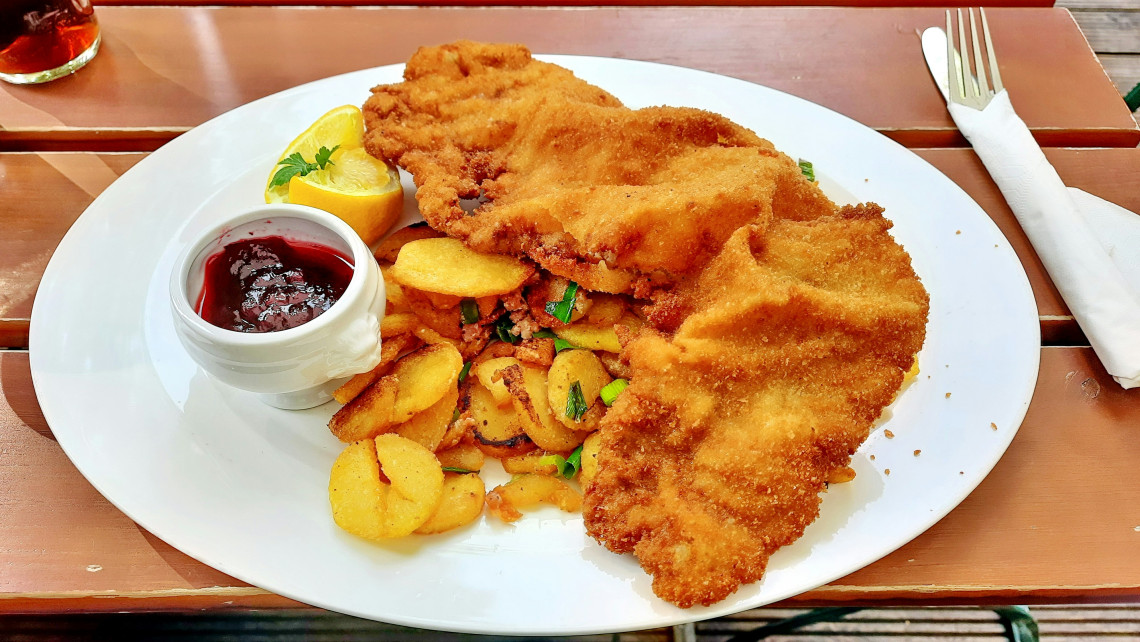
Wiener Schnitzel is the dish most often named as Austria's national dish. Austrian rules reserve the name for veal: a pork version must be labeled "Wiener Schnitzel vom Schwein" or "Schnitzel Wiener Art" (Viennese-style schnitzel). Check the menu wording if you want the veal original.
Traditional sides are potato salad, a green salad with a sweet vinegar dressing, or parsley potatoes, with a wedge of lemon. Fries are common today, but they are a later addition.
Savory Austrian dishes
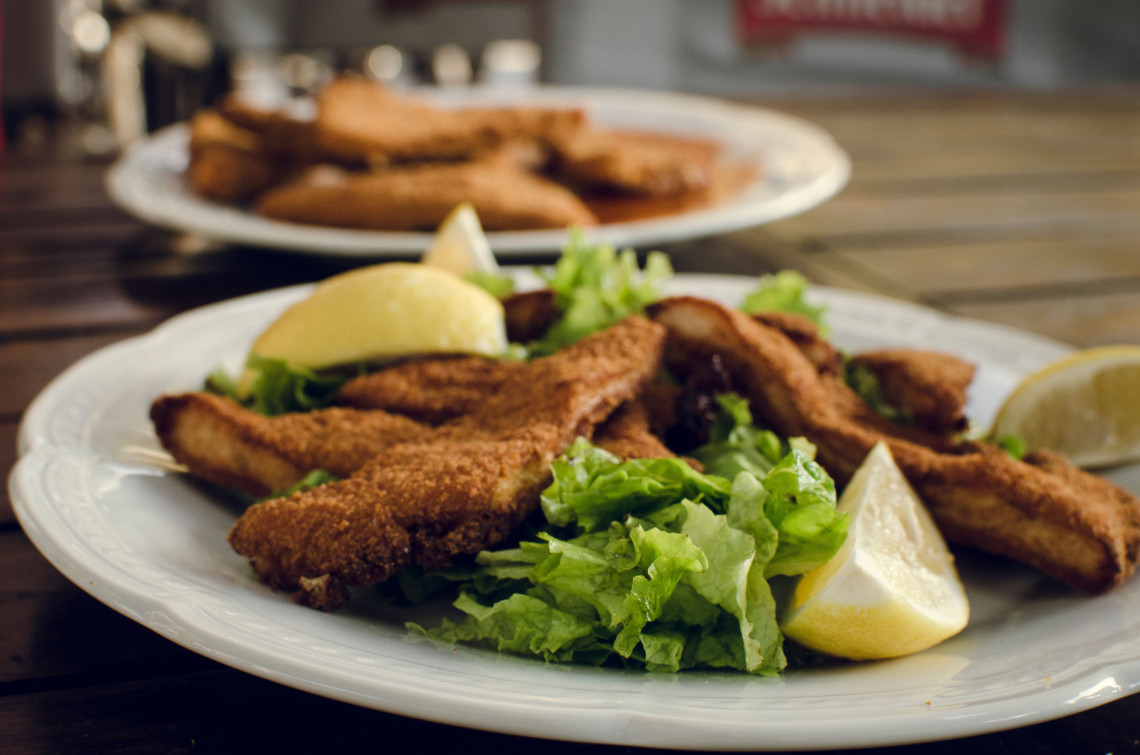
1. Wiener Schnitzel
A veal cutlet pounded thin, coated in flour, egg and breadcrumbs and fried until the crust puffs away from the meat. Every traditional inn and many coffee houses serve it, from Vienna to the Alpine valleys.
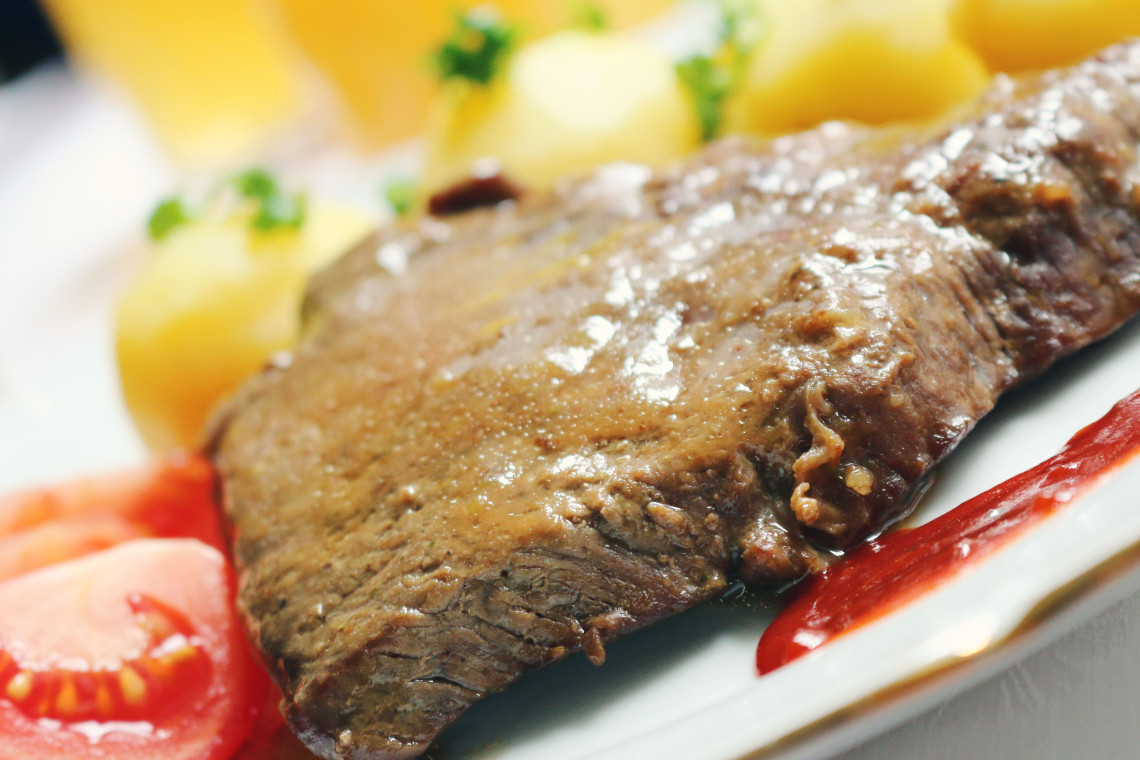
2. Tafelspitz
Beef simmered slowly in broth and served with root vegetables, apple horseradish, chive sauce and roasted potatoes. The broth often arrives first as a soup. It is a Viennese classic, and some restaurants in Vienna specialize in it.
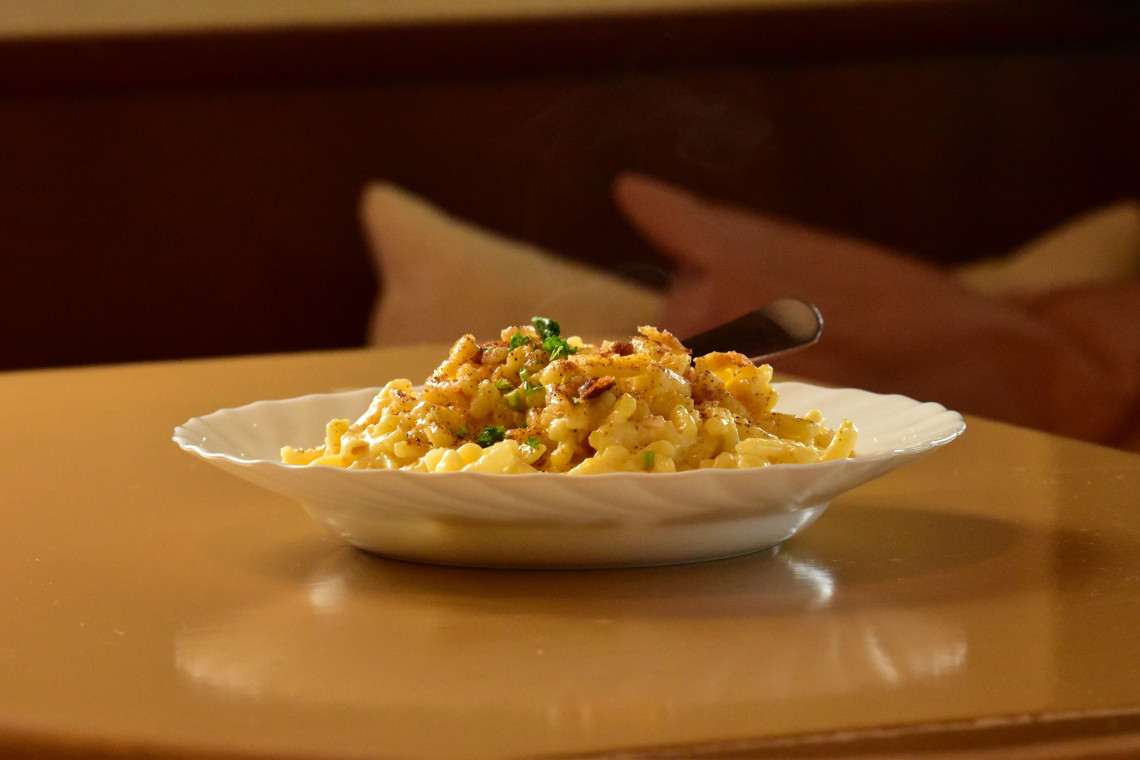
3. Käsespätzle
Small egg noodles layered with melted mountain cheese and topped with crispy fried onions. It is the comfort food of the western Alpine regions, Tyrol and Vorarlberg, and a common lunch after skiing or hiking.
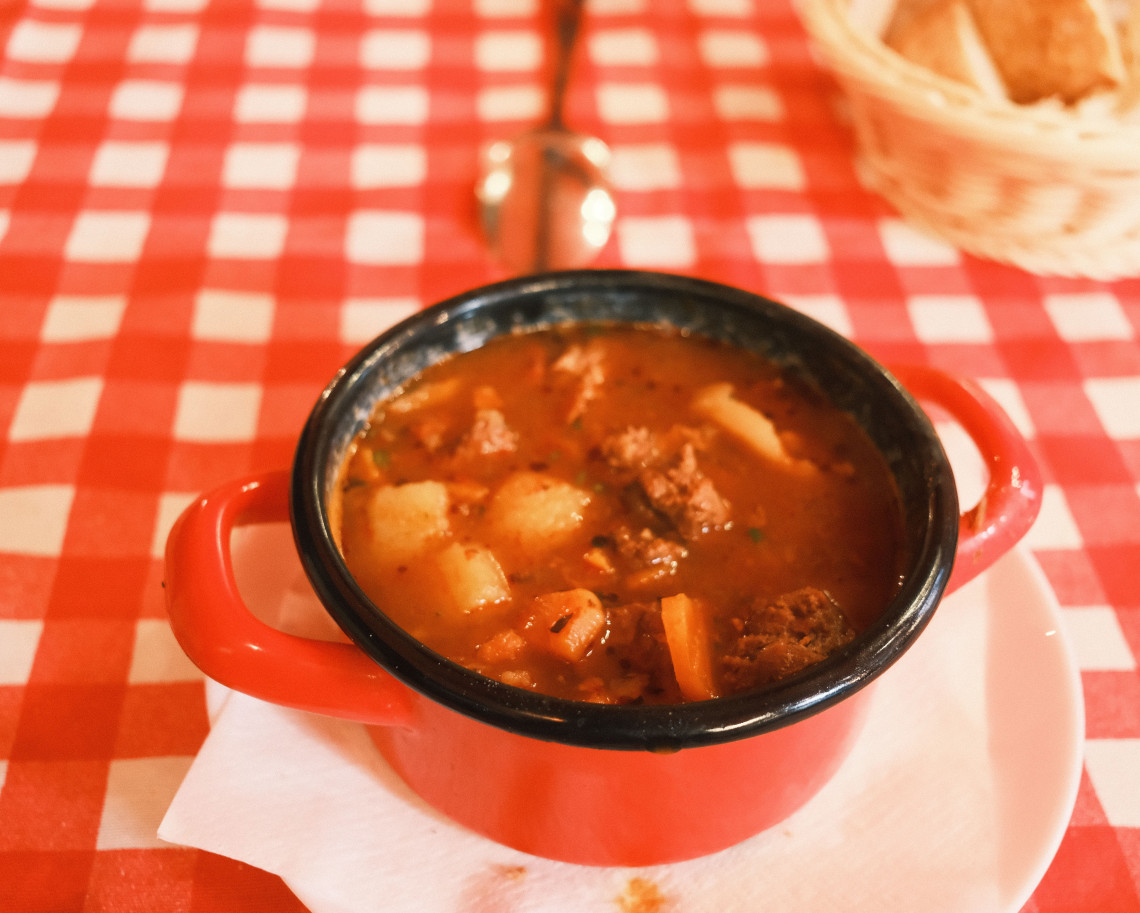
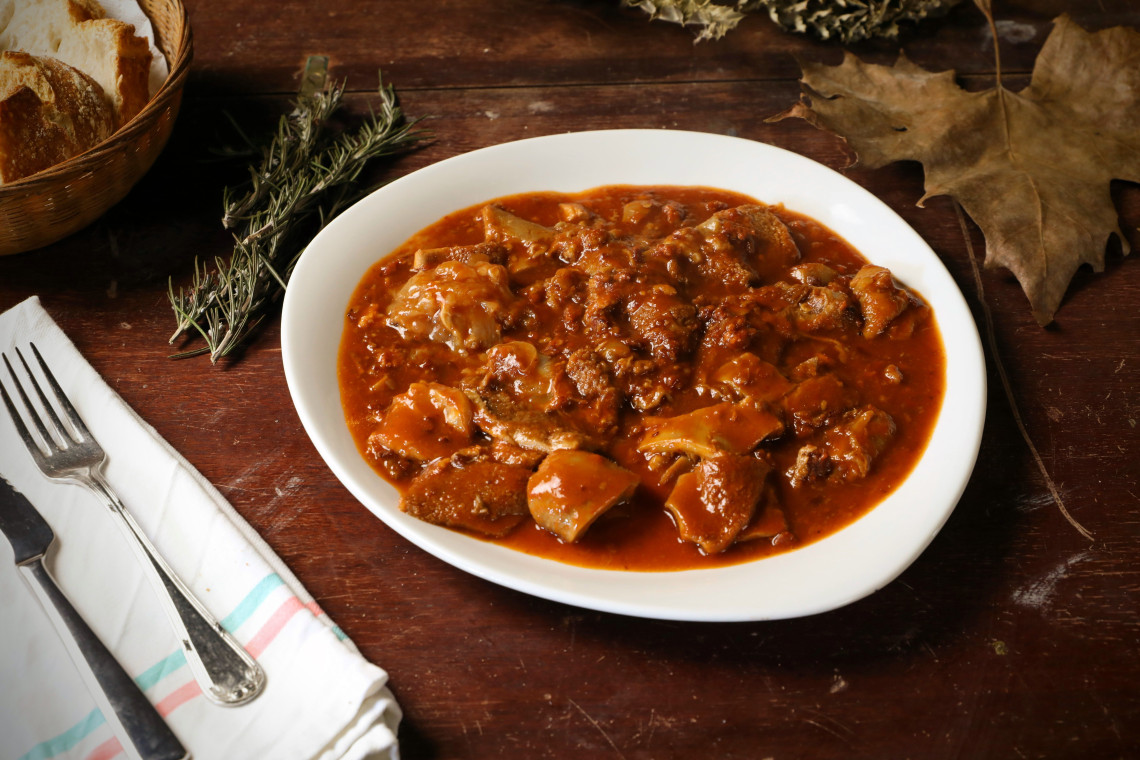
4. Gulasch
A thick beef stew seasoned with paprika and onions, brought to Vienna from the Hungarian side of the old empire. It is usually served with a bread roll or dumplings. The Fiakergulasch version adds a sausage, a fried egg and a pickle.
5. Backhendl
Chicken pieces coated in breadcrumbs and fried, a traditional Sunday dish in Vienna and Styria. It is often served with potato salad, the same as schnitzel.
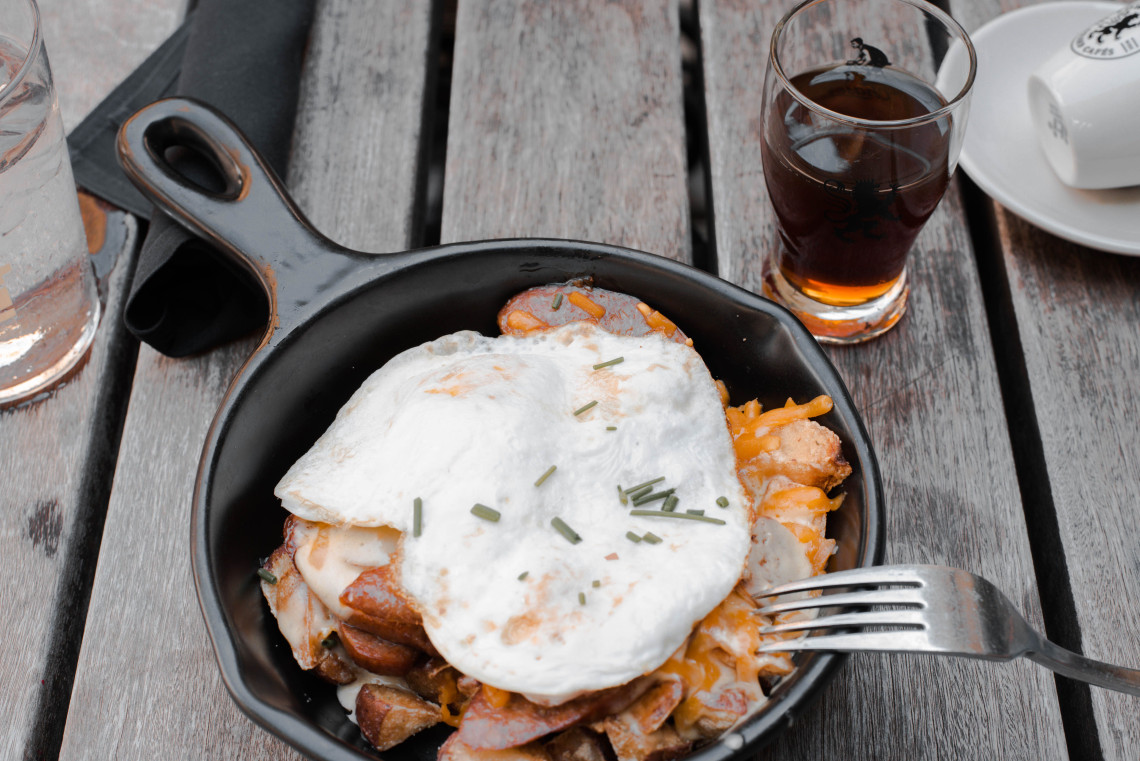
6. Tiroler Gröstl
Potatoes pan-fried with onions and leftover meat or bacon, finished with a fried egg and served in the pan. You will find it in mountain huts and village inns across Tyrol.
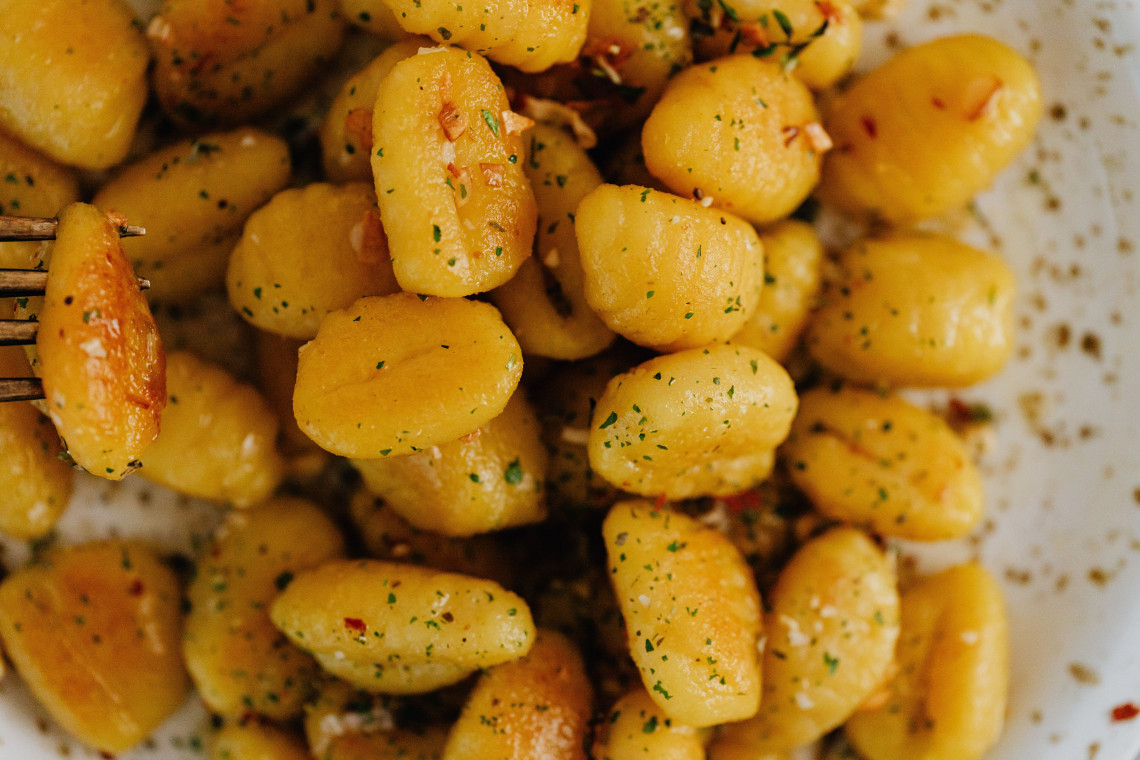
7. Kasnocken
Small dumplings tossed with strong local cheese and crispy onions, the Salzburg region's answer to Käsespätzle. In the Pinzgau area it is a mountain-hut staple.
8. Brettljause
A wooden board of cold cuts, cured ham, cheese, spreads, pickles and bread. It is the standard food at mountain huts and at Heurigen, the wine taverns run by winemakers.
Austrian desserts
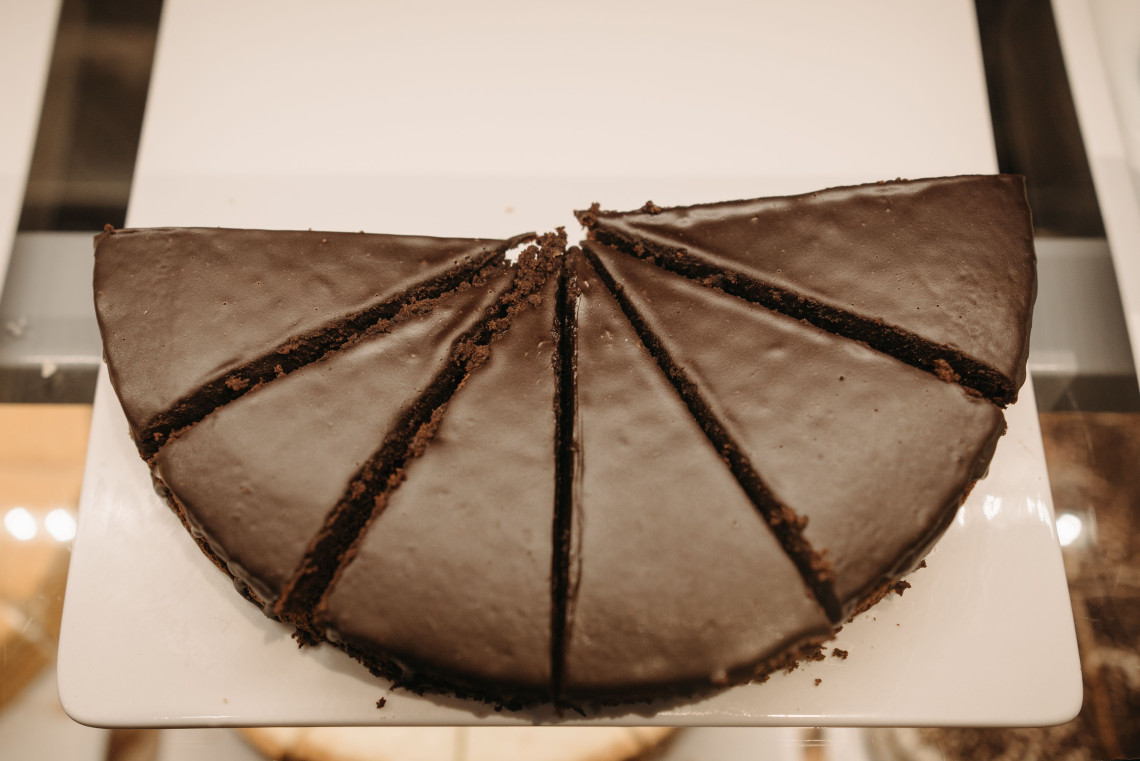
9. Sachertorte
A dense chocolate cake with a thin layer of apricot jam under a dark chocolate glaze, served with unsweetened whipped cream. It is associated with the Sacher family of Vienna. Hotel Sacher and the Demel pastry shop went to court over the right to call their version the original, and today Hotel Sacher sells "Original Sacher-Torte" while Demel sells its own version under a different name. Trying both is a classic Vienna afternoon.
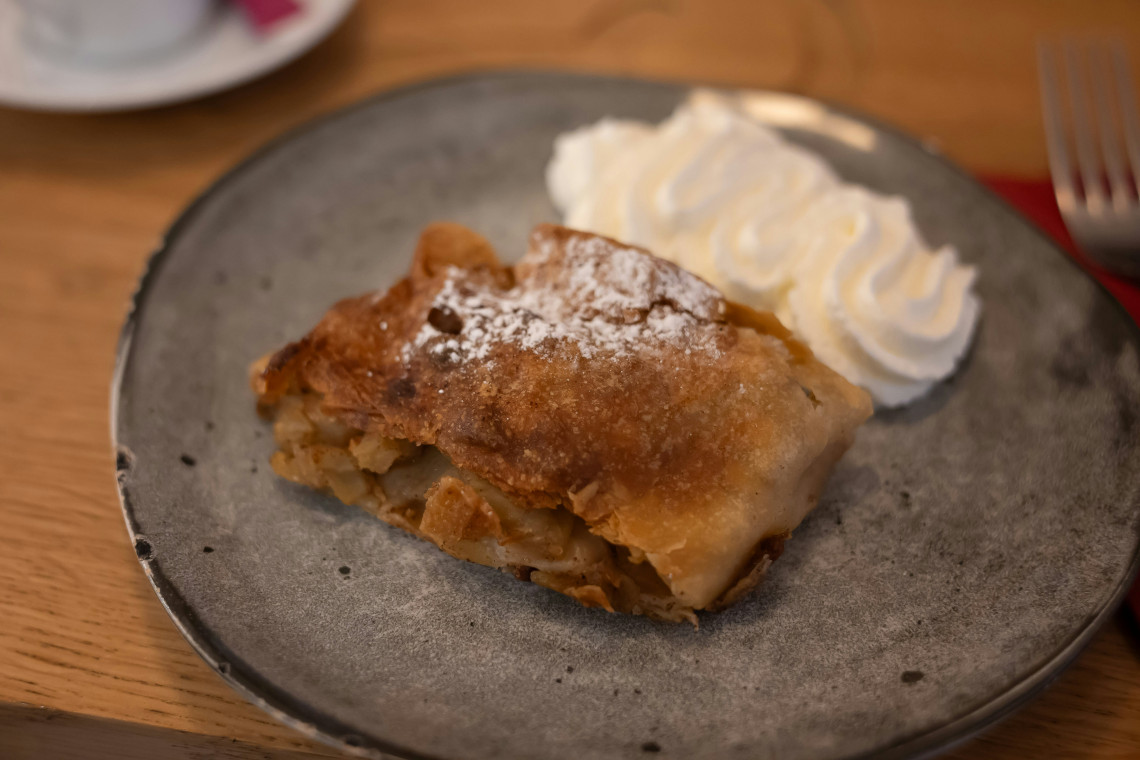
10. Apfelstrudel
Apples, cinnamon, raisins and toasted breadcrumbs rolled in pastry stretched so thin you can read through it. It is served warm, with vanilla sauce or whipped cream, in coffee houses and pastry shops across the country.
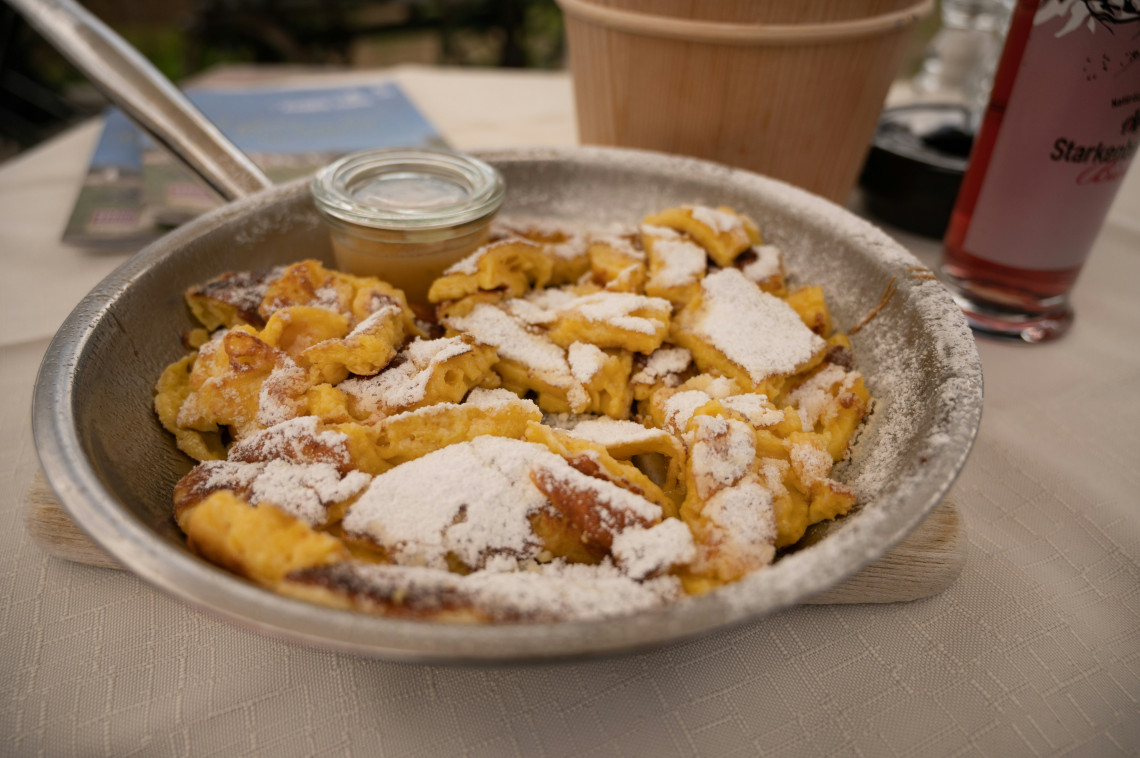
11. Kaiserschmarrn
A thick, fluffy pancake torn into pieces while it cooks, caramelized with sugar and served with plum compote or apple sauce. The name links it to Emperor Franz Joseph, although the story behind it is a legend. In mountain huts it is often eaten as a main course.
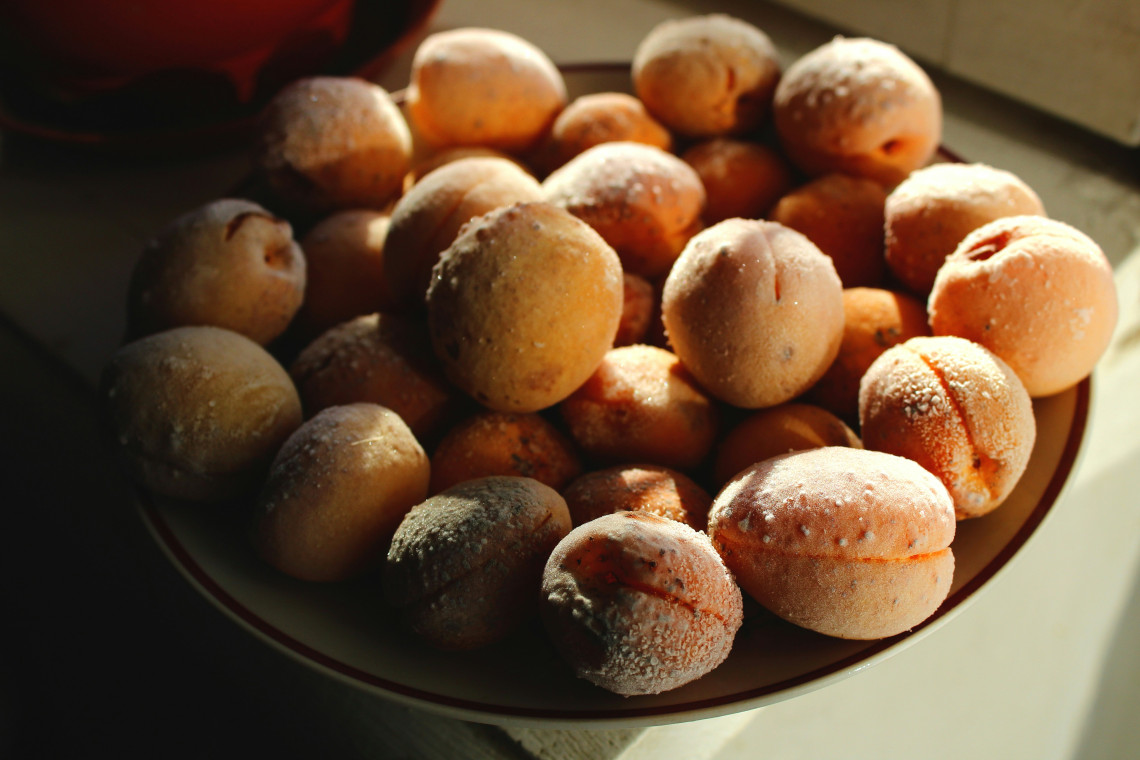
12. Marillenknödel
A whole apricot wrapped in a soft dough, boiled, then rolled in buttered breadcrumbs and sugar. The apricots of the Wachau Valley on the Danube are protected in the EU under the name "Wachauer Marille", and the dumplings taste best in summer when the fruit is fresh.
13. Salzburger Nockerl
A baked sweet soufflé served in tall golden peaks, said to represent the hills around Salzburg. It is made to order and usually shared between two people, so expect to wait for it.
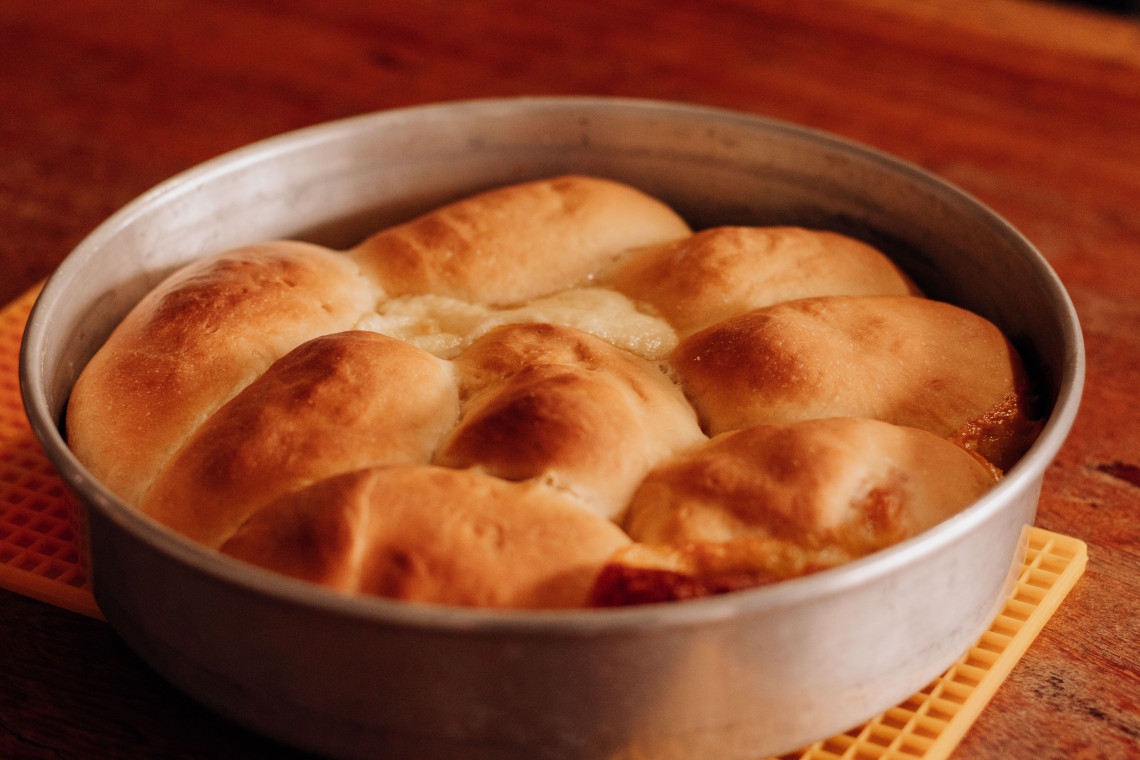
14. Buchteln
Soft yeast buns baked side by side and filled with plum jam or another filling, sometimes served with warm vanilla sauce. They are a Viennese coffee house classic with roots in Bohemia.
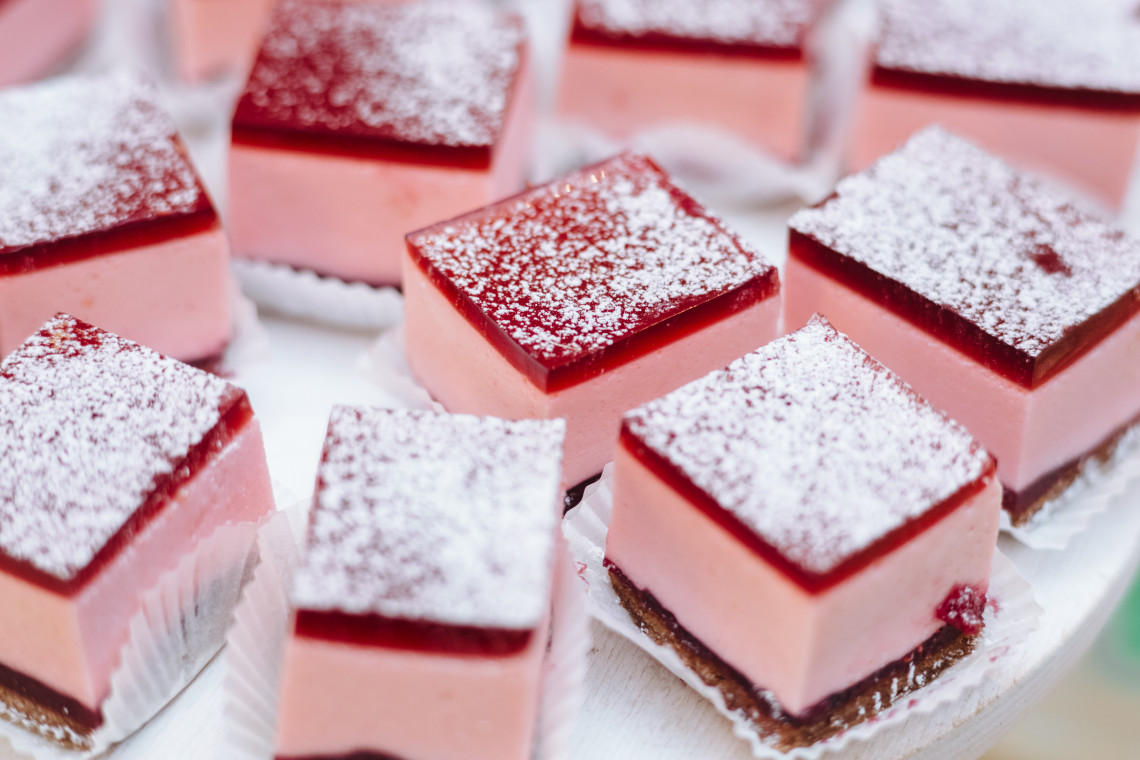
15. Punschkrapfen
A small cube of sponge cake soaked in rum punch and covered in bright pink icing. Pastry shops sell them all year, and they are especially popular in the weeks before Christmas.
Coffee houses and wine taverns
The Viennese coffee house
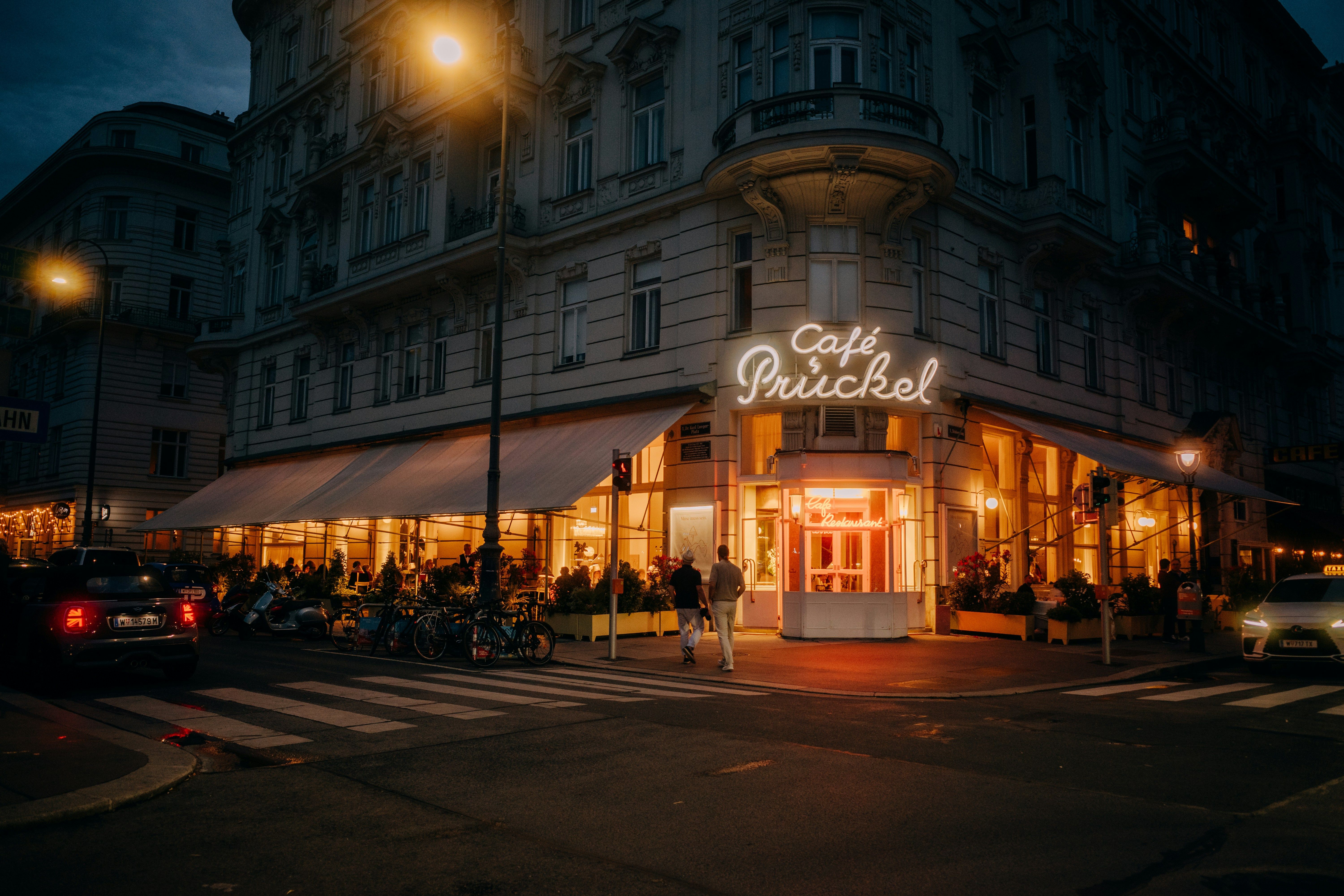
Viennese coffee house culture is listed in Austria's national inventory of intangible cultural heritage. Coffee houses serve cakes, strudel and simple hot dishes all day, and you can stay for a long time over one coffee. The Melange, espresso with steamed milk and foam, is the classic order.
Best for: a slow afternoon with Sachertorte or Apfelstrudel.
Keep in mind: you wait to be seated or choose a free table and order from the server, not at the counter.
The Heuriger
A Heuriger is a wine tavern where the winemaker serves their own wine, often with a cold buffet of cold cuts, cheese and spreads. Vienna has them on the edge of the city, in areas such as Grinzing, Nussdorf, Neustift and Stammersdorf, and the Wachau Valley has many more among the vineyards. Pine branches and an "Ausg'steckt" sign show that a tavern is open.
Best for: a summer or autumn evening with Grüner Veltliner, Austria's best-known white wine.
Keep in mind: smaller taverns open only on set dates, and the food is mostly cold.
Regional specialties
Tips for eating in Austria
- Vegetarians: dumplings such as Kasnocken, spinach dumplings, Käsespätzle and most desserts are meat-free. Ask about broth and bacon in soups and potato dishes.
- Tipping: round up the bill, usually by around 10 percent, and tell the server the total you want to pay.
- Sundays: many restaurants and most shops close or keep short hours, so book Sunday meals ahead.
- Cash: traditional coffee houses, wine taverns and mountain huts may prefer cash.