

Vienna Itinerary: 3 to 7 Days, Plus Day Trips
A Vienna itinerary for 3, 5 or 7 days: palaces, museums and coffee houses day by day, the Wachau Valley, and how to add Salzburg, Budapest or Prague.
July 28, 2026 • 7 min read
Vienna Itinerary: 3 to 7 Days, Plus Day Trips
Vienna at a glance
How many days do you need in Vienna?
Three full days are enough for the Hofburg, Schönbrunn, the Belvedere, St. Stephen's Cathedral and one or two museums, at a pace that leaves time for coffee houses. Four or five days let you add a day trip and slow down. Vienna's sights are spread out, with Schönbrunn and the Belvedere outside the old center, so plan each day around one area.
Day 1: The historic center and the Hofburg
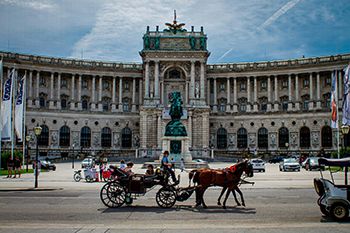
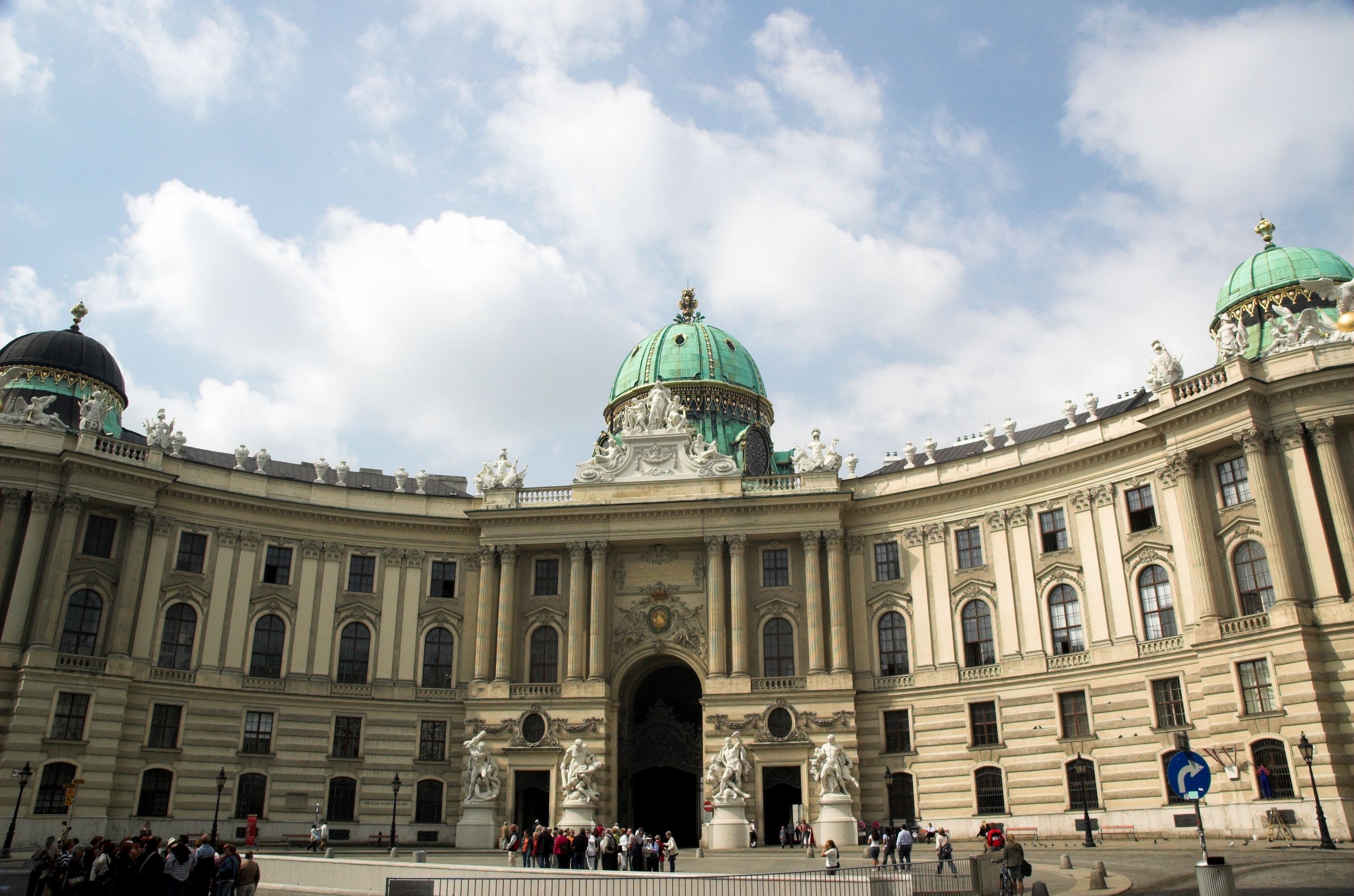
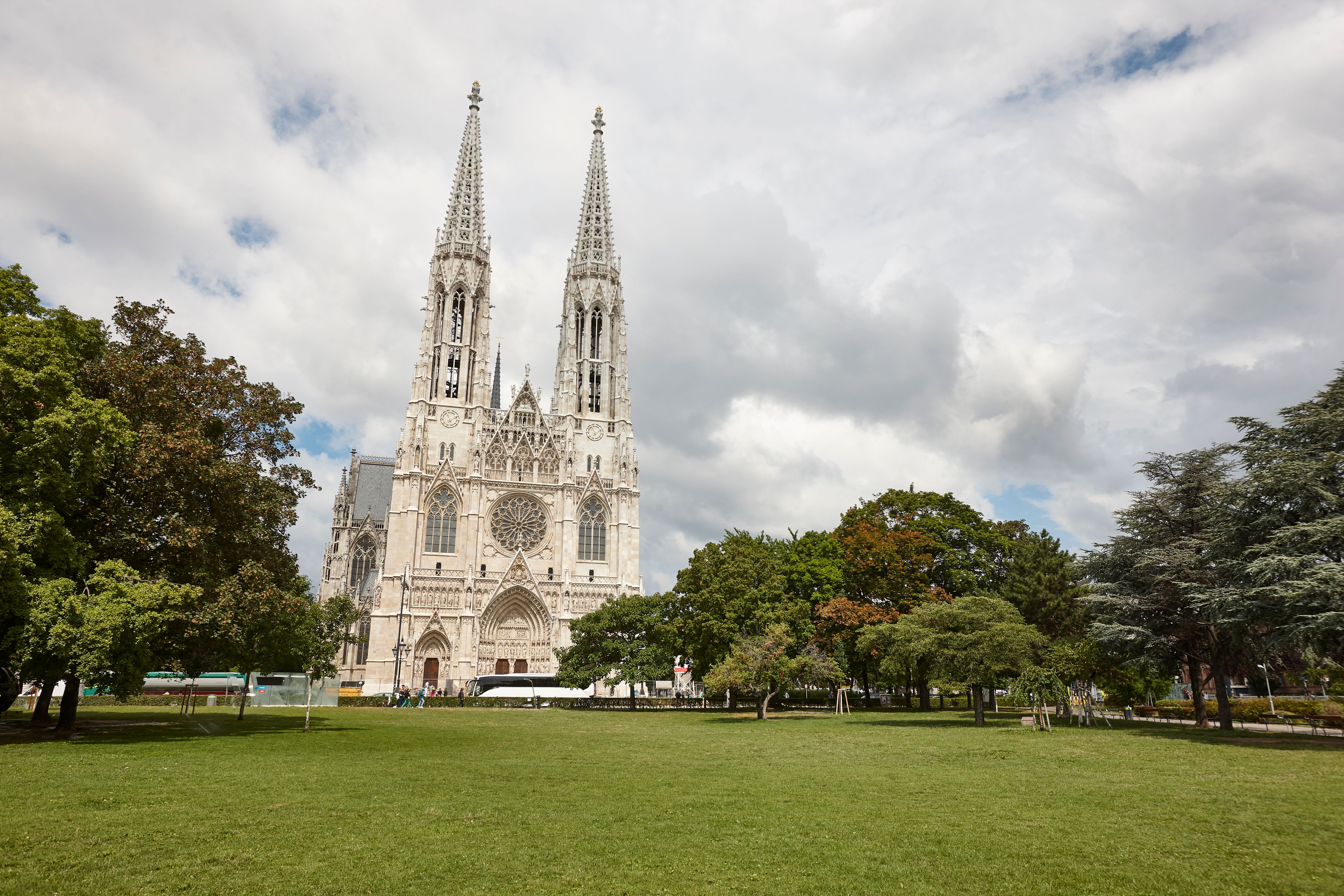
Start at St. Stephen's Cathedral, the Gothic church at the center of the old town, and walk down the Graben and the Kohlmarkt toward the Hofburg, the former imperial palace. The Hofburg complex holds the Imperial Apartments, the Sisi Museum and the Imperial Silver Collection, and is home to the Spanish Riding School.
If you want to see the Lipizzaner horses, the Spanish Riding School offers a Morning Exercise session of about one hour on selected weekday mornings, with classical music, in the Baroque Winter Riding School. Tickets are sold online and can be booked well in advance.
In the afternoon, choose one museum: the Albertina for prints and modern masters, or the Kunsthistorisches Museum for Old Masters. End the day in a traditional coffee house with Sachertorte or Apfelstrudel.
Walking: the center is compact and mostly flat, with cobblestones in places.
Day 2: Schönbrunn Palace and the Naschmarkt
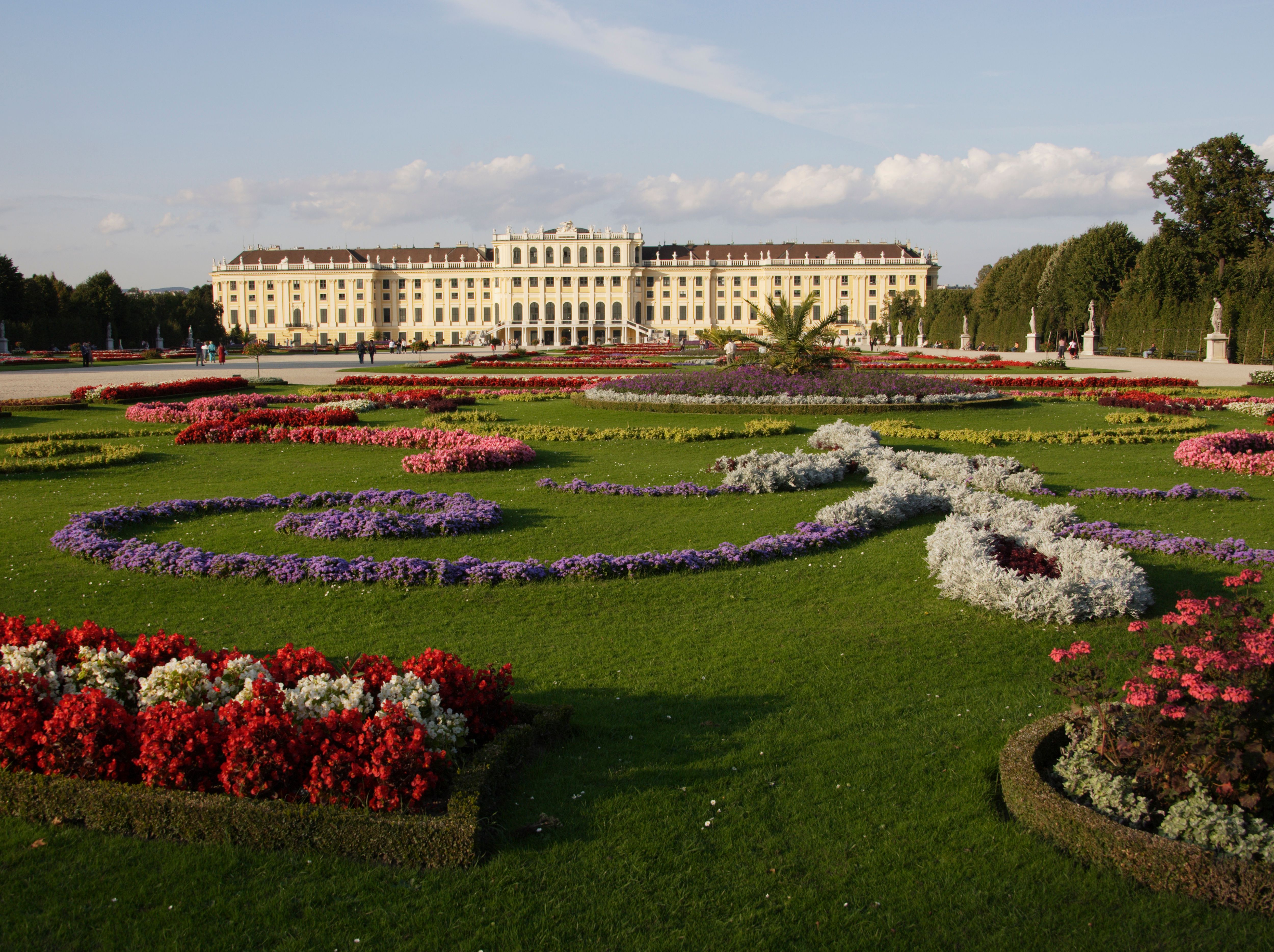
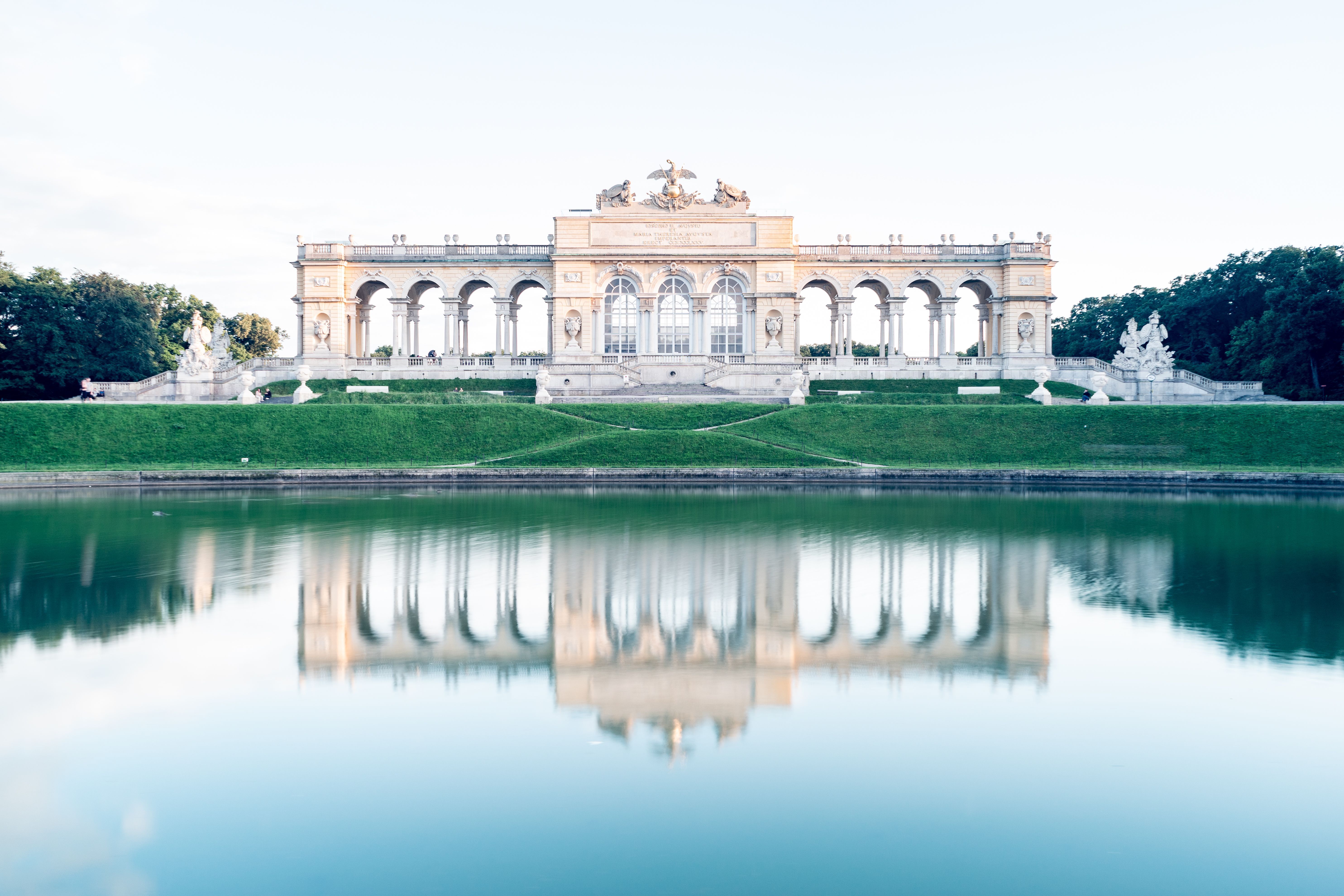
Take the U4 to Schönbrunn, the imperial summer palace, in the morning. Palace tours run on timed tickets, so book a slot online. After the state rooms, walk up through the gardens to the Gloriette for the view back over the palace and the city. The gardens are large, so allow half a day.
Head back toward the center and stop at the Naschmarkt, Vienna's long open-air market lined with food stalls and small restaurants. In the evening, the Vienna State Opera sells standing room tickets from 10 am the day before each performance, online and at the box offices, which is the easiest way to see a performance without planning months ahead.
Walking: Schönbrunn's gardens and the climb to the Gloriette add a fair amount of walking on gravel paths.
Day 3: The Belvedere, the Ringstrasse and the Prater
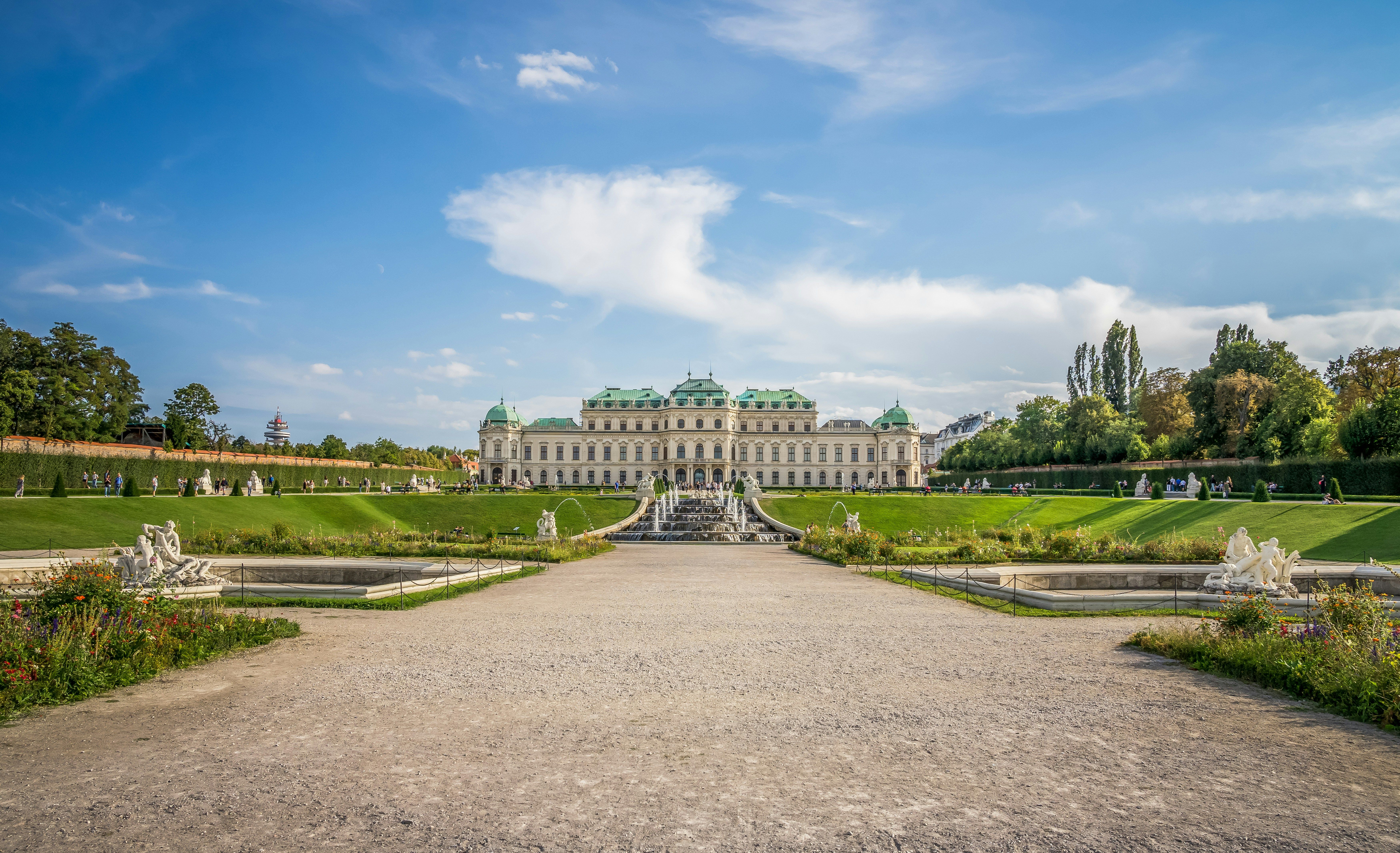
The Upper Belvedere holds a large collection of Gustav Klimt paintings, including The Kiss, along with Baroque rooms and a terraced garden that links it to the Lower Belvedere. Entry is by time slot, which you can book online.
In the afternoon, ride a tram along the Ringstrasse, the boulevard of grand 19th-century buildings that circles the old town, including the Parliament, the City Hall and the State Opera. End the day at the Prater park with a ride on the Giant Ferris Wheel, or at a Heuriger wine tavern on the city's edge.
Days 4 and 5: Day trips and slower days
Day 4: The Wachau Valley
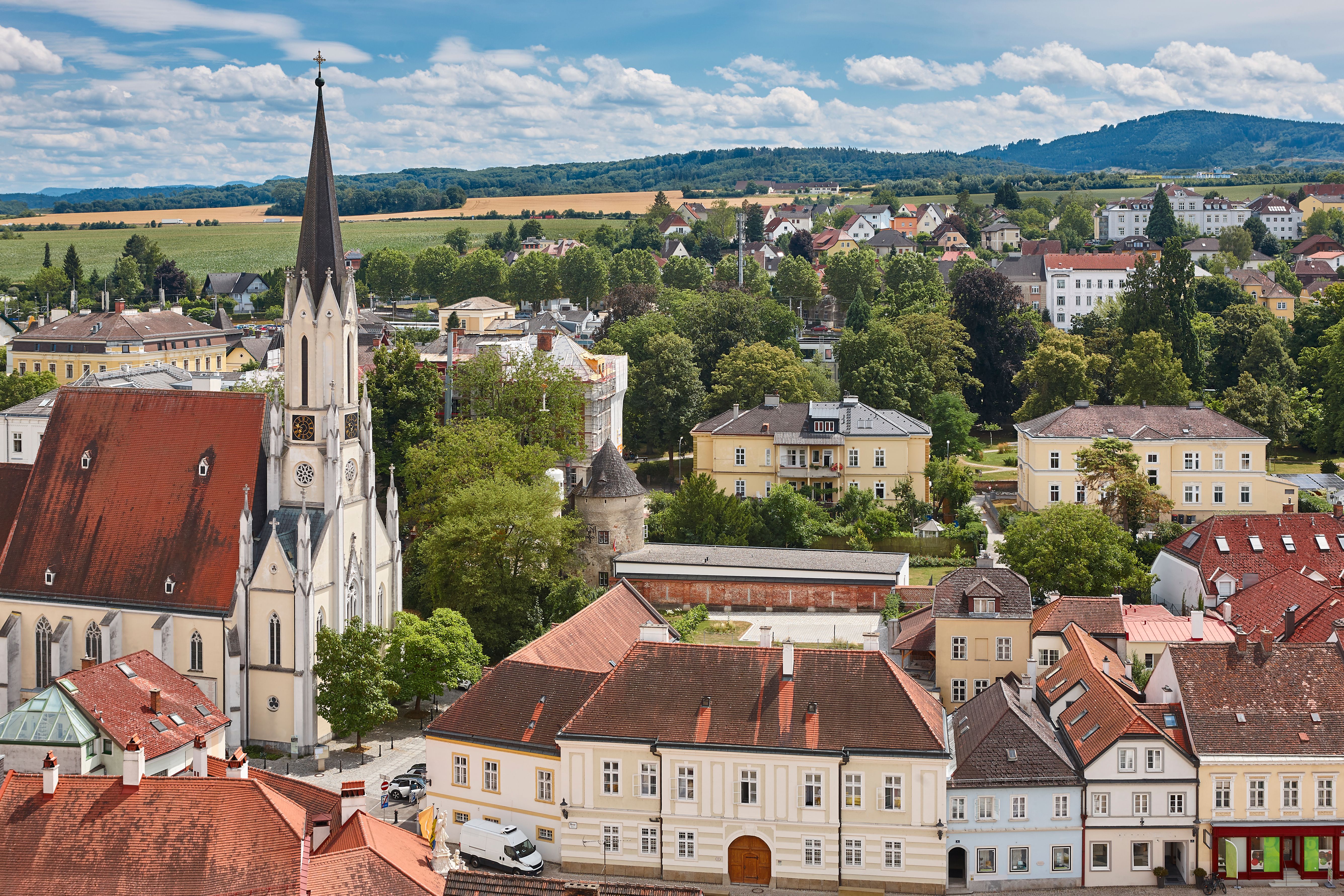
The Wachau is a stretch of the Danube lined with vineyards, apricot orchards and small wine towns. Direct regional trains run from Vienna's Franz-Josefs-Bahnhof to Krems in about 1 hour 10 minutes. From Krems, boats sail along the valley toward Melk, with its large Baroque abbey, in the warmer months, generally from April to October. Dürnstein, with the ruins of its castle above the river, is a popular stop on the way.
Best for: wine, river views and small towns, especially from spring to autumn.
Keep in mind: many wine taverns and boat services close in winter, so in the cold months a guided tour by road is the simpler option.
Day 5: Neighborhoods and coffee houses
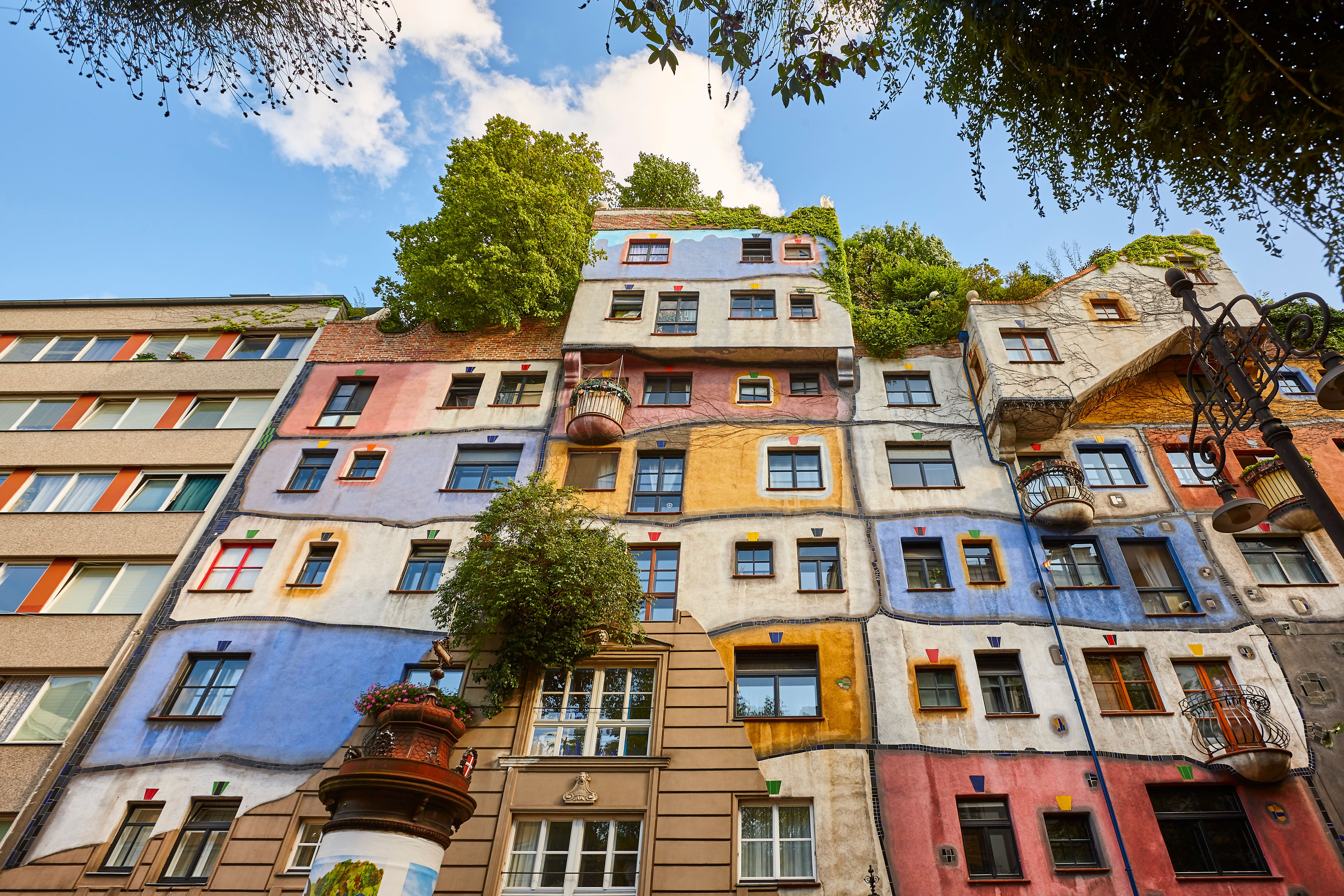
Use a free day for the parts of Vienna that do not need tickets: the Museumsquartier, the colorful Hundertwasserhaus, a walk along the Danube Canal, or an afternoon in a coffee house. In the evening, take the tram out to Grinzing or Nussdorf for a Heuriger, where winemakers serve their own wine with a cold buffet.
7 days: Vienna plus Salzburg, or Vienna plus Budapest or Prague
A week is the right length to add a second city. Two options work well by train:
Vienna and Salzburg suits travelers who want Austria only, with Salzburg's old town, the Mozart sites and an excursion to Hallstatt or the lakes.
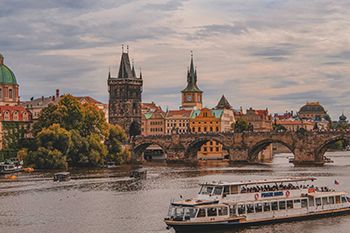
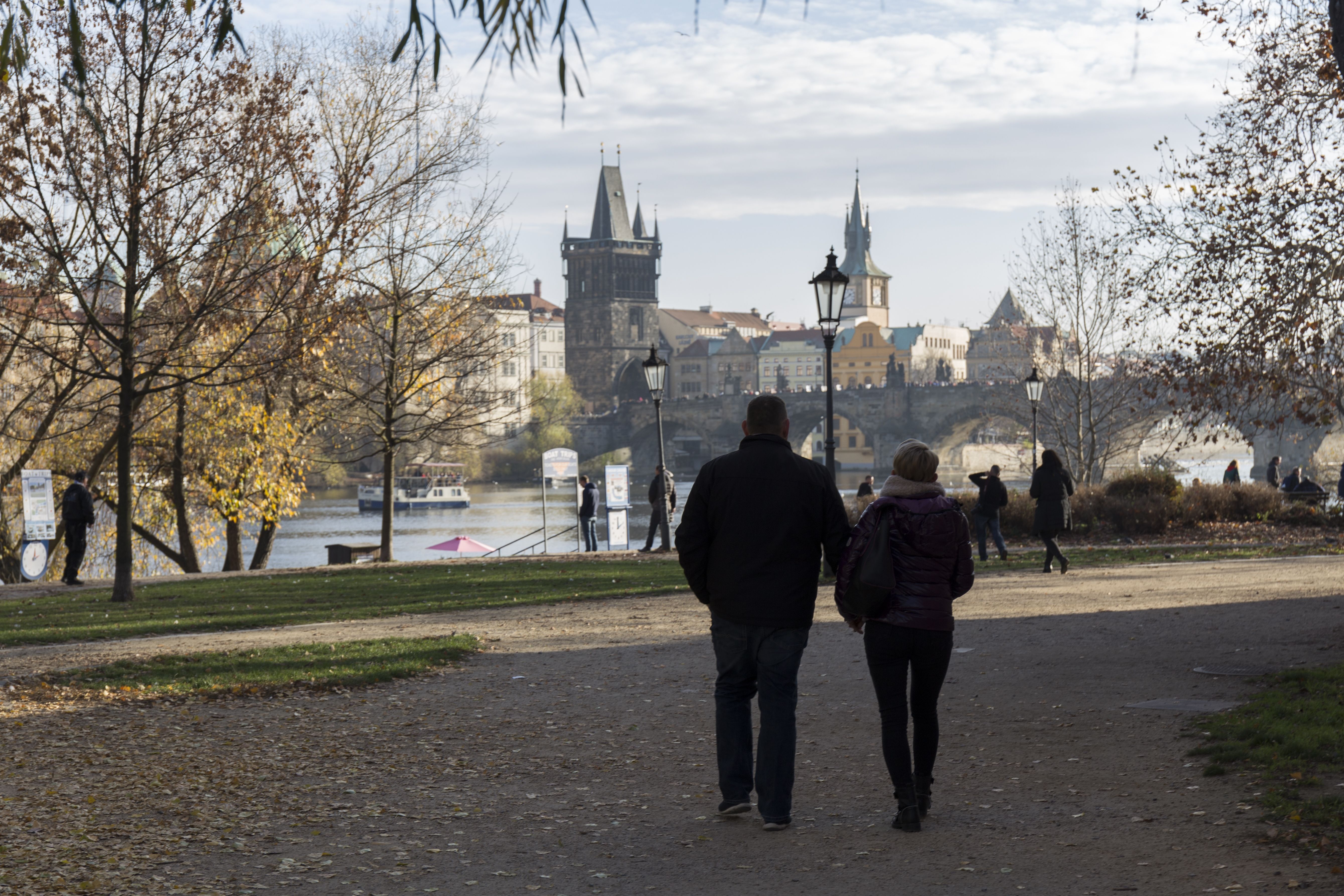
Budapest, Vienna and Prague suits travelers who want three capitals in one trip, at the cost of more time on trains.
10 and 14 days
- 10 days: Vienna 4 nights, Salzburg 3 nights, and 2 or 3 nights in the Salzkammergut lake district around Hallstatt, or in Innsbruck in the Alps.
- 14 days: combine Austria with its neighbors: Budapest, Vienna and Prague, then Salzburg, or Vienna, Salzburg and Munich across the German border.
For routes like these, a travel advisor can link the cities by train and book the hotels in one trip.
When to visit Vienna
Spring and early autumn are the most comfortable months for walking and day trips. Summer brings long days and more visitors at the palaces. From late November to Christmas, Vienna's Christmas markets fill the squares in front of the City Hall, Schönbrunn and other landmarks, and the opera and concert season is in full swing.
Who this itinerary suits, and who it doesn't
Suits: first-time visitors who like history, art, music and long coffee breaks, and travelers who prefer public transport to driving.
Less suited to: travelers who want beaches or nightlife as the focus, or who cannot walk for a few hours a day. Palaces and gardens involve long distances on foot, although taxis and trams cover the gaps.