Santorini or Mykonos: Which Greek Island Suits You?
Santorini or Mykonos? An honest comparison of views, pace, stairs, beaches and nightlife, plus how Santorini compares with Crete and Athens.
November 16, 2026 • 8 min read
Santorini or Mykonos: Which Greek Island Suits You?
Santorini or Mykonos: the side-by-side comparison
Scenery: which island looks more dramatic?
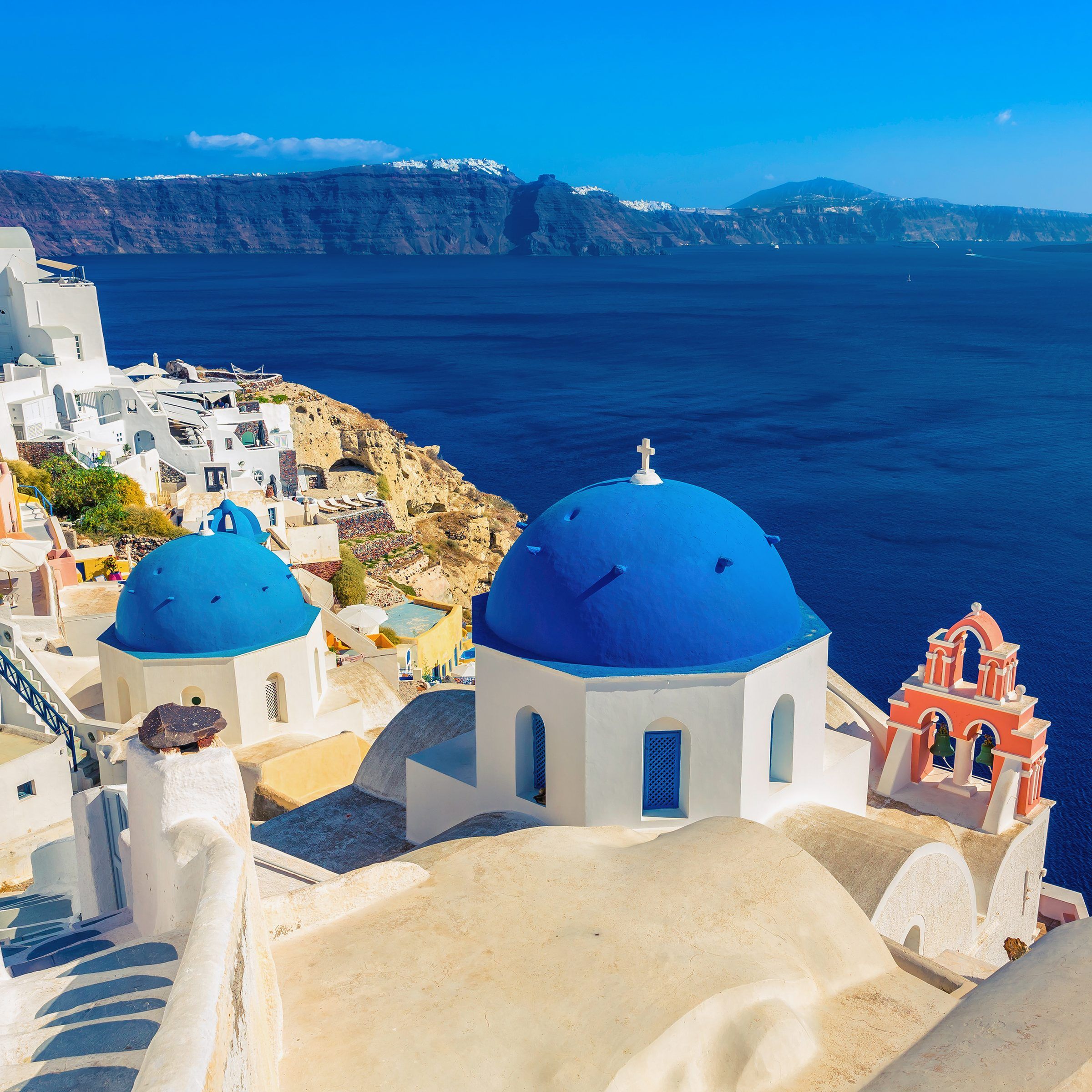
Santorini is the remains of a volcano. Its inner coast is a ring of cliffs, more than 300 m (980 ft) high at the highest point, and the villages of Fira, Imerovigli and Oia sit along the top looking across the flooded caldera. The views are the reason most people go, and they are best from a hotel terrace or a restaurant on the rim at sunset.
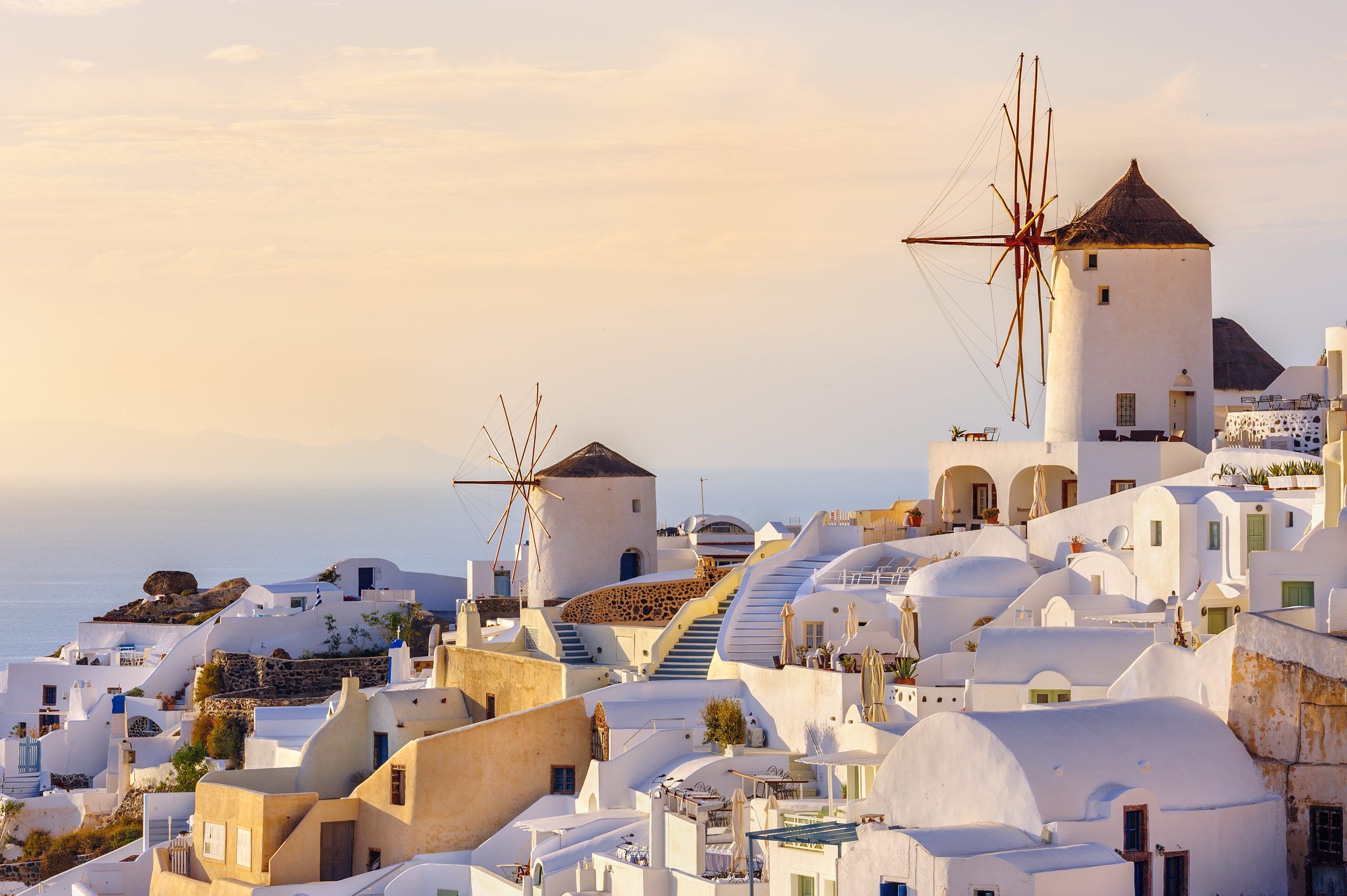
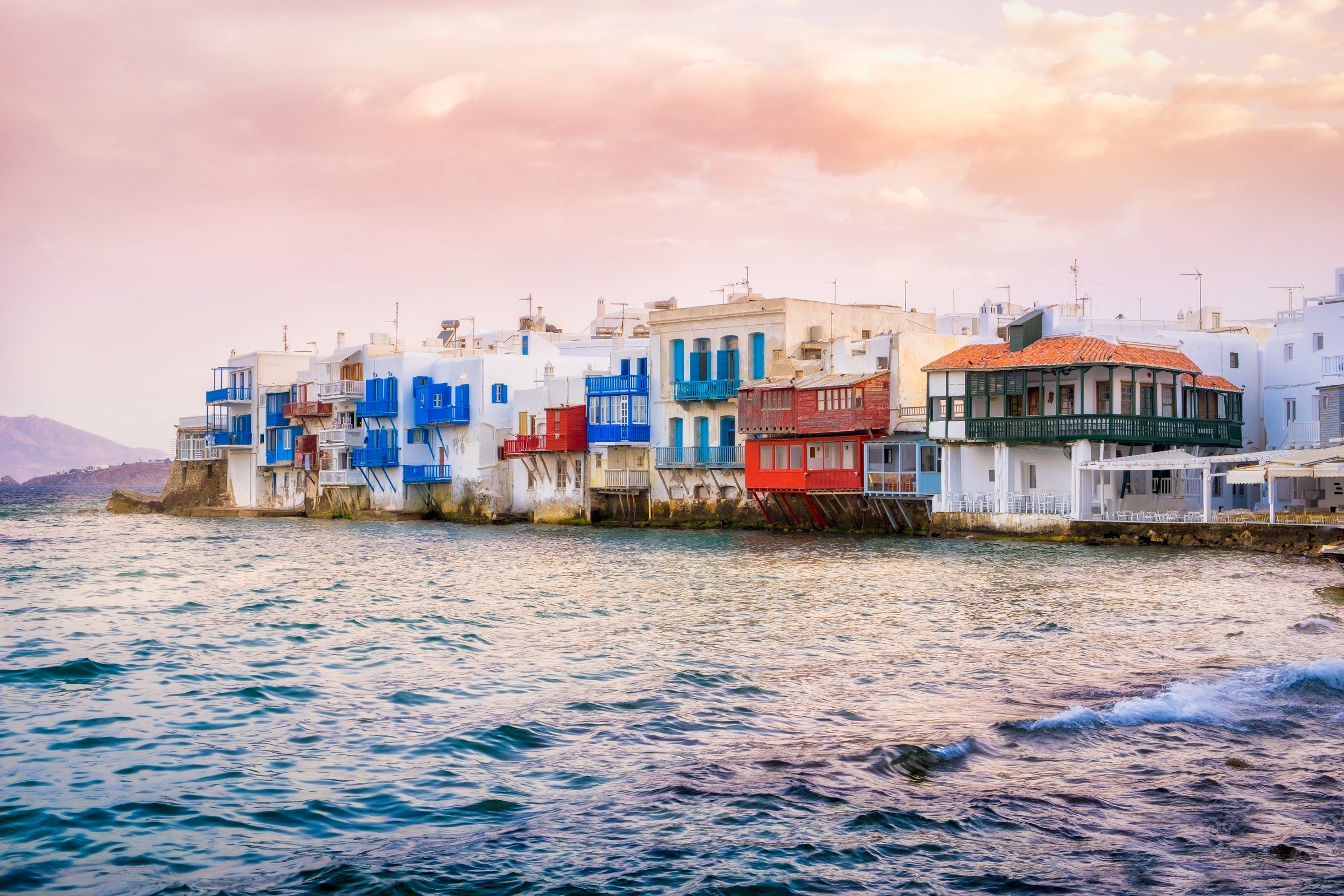
Mykonos has no caldera and no high cliffs. Its look is the classic Cycladic one: white cube houses, blue doors and a row of windmills built by the Venetians in the 16th century on a hill above the town. Little Venice, a line of 18th-century fishermen's houses with balconies hanging over the water, is the island's best-known sunset spot.
Pace and crowds: which island is more relaxing?
Santorini is quiet in the morning and busy in the evening. Crowds gather on the caldera edge for sunset, especially in Oia, and cruise ships anchor off the old port of Skala, sending passengers up to Fira by cable car or on foot. If you want calm, stay in Imerovigli or a village away from the caldera, and watch the sunset from your hotel.
Mykonos is quiet in the morning and lively late at night in summer. The island has a long-standing reputation for parties and upscale nightlife, and it has been a popular destination for gay travelers since the 1980s. Away from the town and the party beaches, the island is calmer than its reputation, but July and August are busy everywhere.
Steps and walking: which island is easier on your knees?
This is the biggest practical difference between the two islands. On Santorini, the footpath from the old port up to Fira has about 600 steep steps, and the cable car climbs about 220 m (722 ft) to spare you the climb. Many caldera hotels sit below the street level of the village, reached by stairs with no lift,.
Mykonos town is close to sea level. The lanes are narrow and paved, with some steps and slopes, but there is no cliff to climb. Ask your hotel about steps before booking on either island, because hillside hotels on Mykonos can also involve stairs.
If walking is limited: choose Mykonos, or on Santorini choose a hotel in a village set back from the caldera, where access is flatter.
Beaches: which island has better beaches?
Mykonos wins for beaches. The well-known bays, such as Ornos, Platys Gialos, Psarou, Agios Ioannis and Paradise, are reached by bus or by small boats that shuttle between beaches. Many have sunbeds, restaurants and beach clubs with music, so ask your hotel which beaches suit a quiet day and which ones play music.
Santorini's beaches are different rather than better. Red Beach, Black Beach and White Beach take their names from the color of the volcanic rock and sand, and the long black-sand beaches of Kamari and Perissa on the east coast have sunbeds and tavernas. The dark sand absorbs heat, which makes the water feel warmer and the sand very hot at midday. Water shoes help on the pebbles.
Nightlife: which island is better after dark?
Mykonos, clearly, if you want music and dancing. The bars of Little Venice fill at sunset and the clubs open late. Expect late nights and noise near the center of town in summer.
Santorini's evenings revolve around dinner. Fira has bars, but many visitors spend the evening on a terrace with local wine, and the island goes quiet after midnight. Santorini wine, made from vines grown in volcanic soil, is a good reason to book a tasting.
Wind and weather
The meltemi, a dry north wind, can blow across the Aegean from May to October and is most frequent in July and August. Both islands feel it. Mykonos is nicknamed the island of the winds, and the wind keeps its summer days cooler: average July highs are about 28 °C (82 °F) on Mykonos and about 30 °C (86 °F) on Santorini. On windy days, choose a beach on the sheltered side of the island and expect rougher ferry crossings.
Santorini or Mykonos: who should choose which?
Santorini
Best for: couples, honeymooners, photographers and travelers who care more about views and food than beaches.
Keep in mind: many stairs, crowded sunset spots in Oia, and beaches with hot dark sand.
Mykonos
Best for: beach days, a social atmosphere and nightlife, plus a boat trip to the ancient island of Delos, about 2 km away and a UNESCO World Heritage Site.
Keep in mind: it can be loud and busy in July and August, and the wind can be strong for days at a time.
Can you visit both Santorini and Mykonos?
Yes. Ferries link the two islands, mainly from late March to mid November, with the fastest boats taking about 2 hours and slower routes taking much longer. A 10-day trip of 3 nights in Athens, 3 on Mykonos and 3 on Santorini works well. Fly from Santorini back to Athens on the last day, which takes about 45 minutes.
Santorini or Crete?
These are very different trips. Santorini is small: you can see the main villages in 2 to 3 days without a car. Crete is the largest Greek island, about 260 km (160 miles) long, with mountains, gorges, Minoan palaces such as Knossos and the Venetian harbor towns of Chania and Rethymno. It needs 5 to 7 days and a rental car.
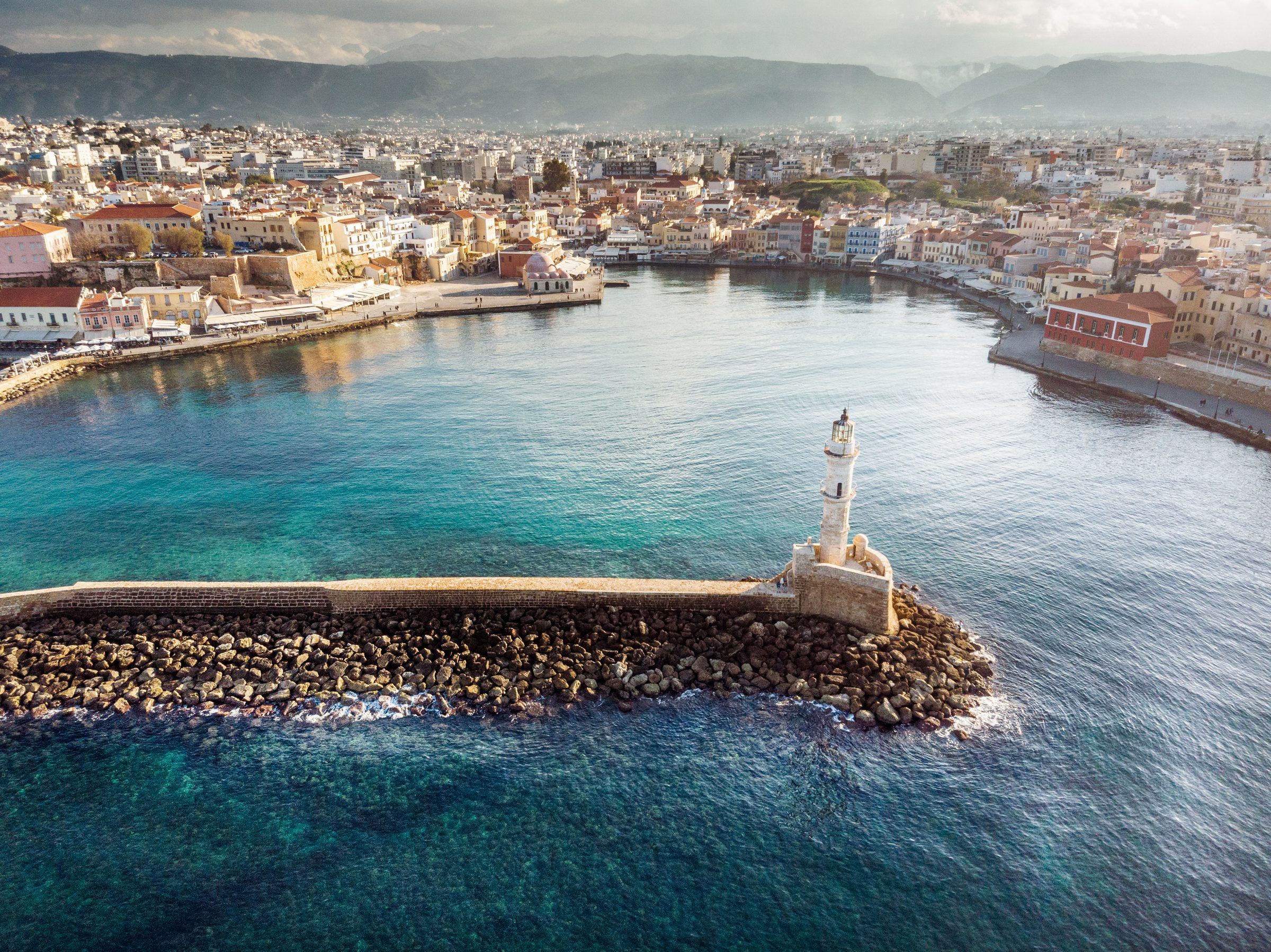
Crete
Best for: a full week on one island, sandy beaches, hiking, archaeology and Cretan food.
Keep in mind: distances are long, Heraklion to Chania is about 138 km (86 miles), and you will spend time driving.
You can combine them: ferries between Santorini and Heraklion run all year, about 1.5 hours by fast boat and 3 hours by conventional ferry.
Santorini or Athens?
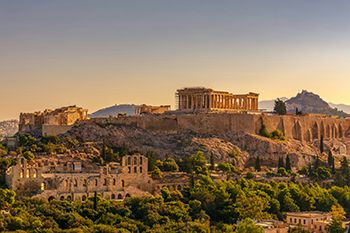
For a first trip to Greece, the honest answer is both. Athens has the Acropolis, the Acropolis Museum and the Ancient Agora, and international flights from the U.S. and Canada land there. Santorini is 45 minutes away by plane. Two nights in Athens is the minimum to see the Acropolis and its museum on different days, and 3 nights on Santorini is the minimum for the island.
Athens
Best for: ancient history, museums and food, at any time of year.
Keep in mind: average highs reach about 34 °C (94 °F) in July and August, and the Acropolis can close during the hottest hours of a heatwave.
Who this trip suits, and who it doesn't
- Santorini suits travelers who are comfortable with stairs, enjoy slow evenings and want views from the hotel. It is less suited to anyone who struggles with steps or wants a long sandy beach outside the door.
- Mykonos suits travelers who want to be on the beach by day and out in the evening. It is less suited to light sleepers staying in the center of town, and to anyone who dislikes strong wind.
- Heat: both islands are cooler than Athens in summer thanks to the sea breeze, but the sun is strong and shade is limited. Plan walks for the morning and late afternoon.
- Driving: not needed on either island for a short stay. Buses, taxis, transfers and boats cover the main sights.