


Driving in Ireland: Rules and Tips for Visitors
Driving in Ireland: driving on the left, speed limits, roundabouts, the M50 toll, renting a car and tips for the Ring of Kerry and Connemara.
November 17, 2026 • 5 min read
Driving in Ireland: Rules and Tips for Visitors
Driving in Ireland at a glance
Rules from the Road Safety Authority of Ireland. Speed limits change by road, so follow the signs.
The rules that matter most
Driving on the left
Traffic keeps left and overtakes on the right. The first hours are the hardest, so pick up your car outside central Dublin and start on a motorway.
Roundabouts
Go clockwise around roundabouts. Traffic already on the roundabout has priority, so give way to traffic coming from your right, as the AA Ireland explains.
Seatbelts, alcohol and phones
Seatbelts are compulsory front and back, and children need suitable car seats. The alcohol limit of 50 mg per 100 ml is lower than the 0.08 percent limit in most U.S. states, and police run random breath tests, so the simplest rule is not to drink and drive at all.
Road types and what to expect
- Motorways (M): fast, well signed and similar to North American highways.
- National roads (N): main routes between towns, mostly two lanes.
- Regional roads (R): narrower, with bends and fewer places to pass.
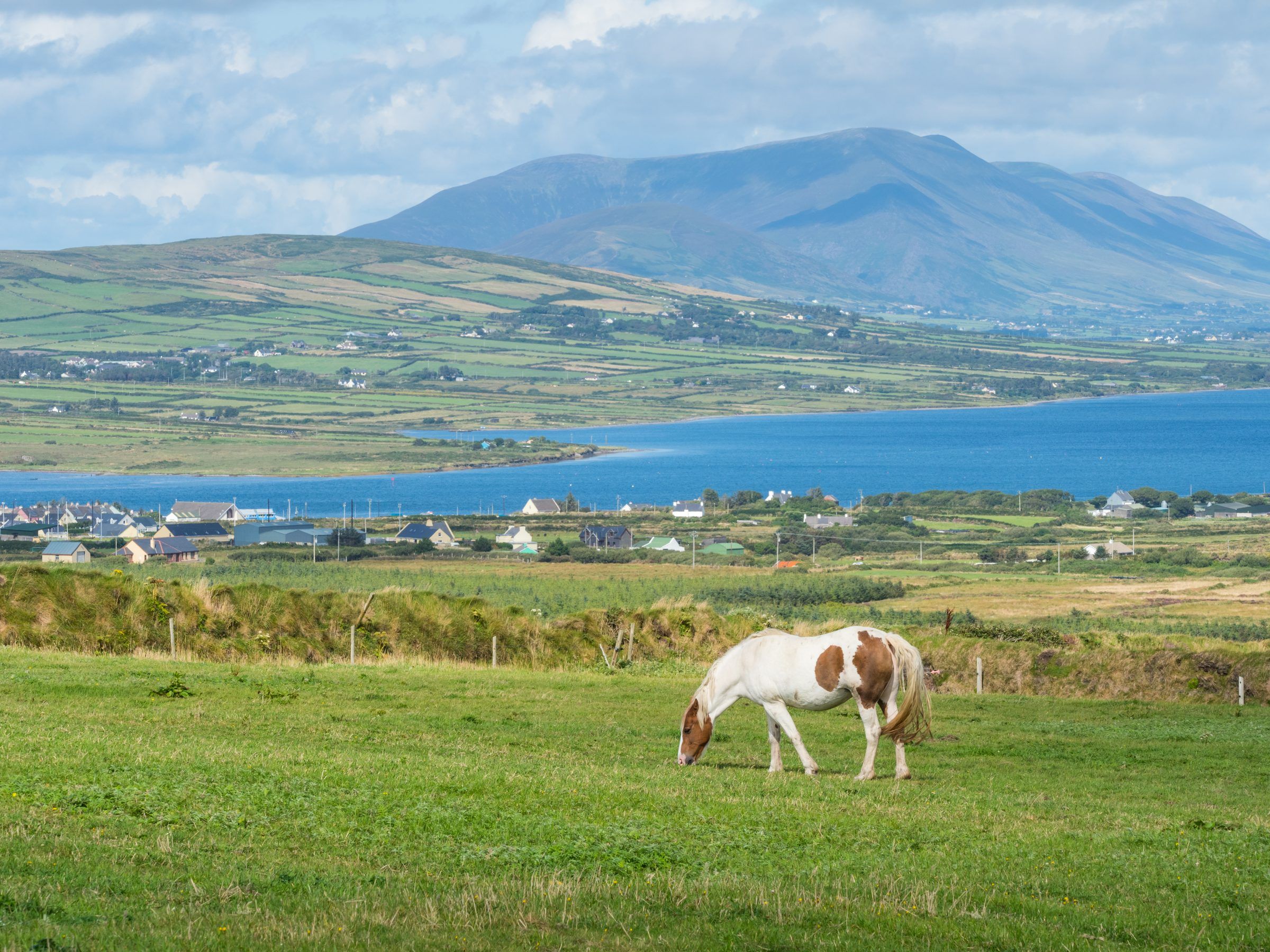
- Local roads (L): often single track with grass in the middle and stone walls on both sides. Use the pull-ins to let oncoming cars pass.
The Road Safety Authority warns that local roads are often narrow with no hard shoulder, and that you should expect tractors and animals in rural areas.
Tolls and the M50
Several motorways have toll plazas where you pay by card or cash. The exception is the M50 ring road around Dublin, which has a barrier-free toll between junctions 6 and 7: cameras read your plate, and if your car is not registered for automatic payment, you pay online by 8 p.m. the following day. Rental companies handle this in different ways, so ask at pickup.
Renting a car
- License: rental companies usually accept a license from your country of residence, but some require an International Driving Permit.
- Automatic or manual: manual cars are often the default and automatics may cost a little more, so request an automatic when you book if you need one.
- Size: a smaller car is easier on narrow roads and in village car parks.
- Insurance: read what the rental includes, and check whether your credit card coverage is valid in Ireland before relying on it.
Popular drives
Ring of Kerry
A 179 km loop from Killarney. Tour coaches drive it anticlockwise because the roads are too narrow for them to pass each other easily, and some drivers go clockwise to stay ahead of them.
Dingle Peninsula
The road around the end of the peninsula passes Dunmore Head, the westernmost point of the Irish mainland, with views of the Blasket Islands.
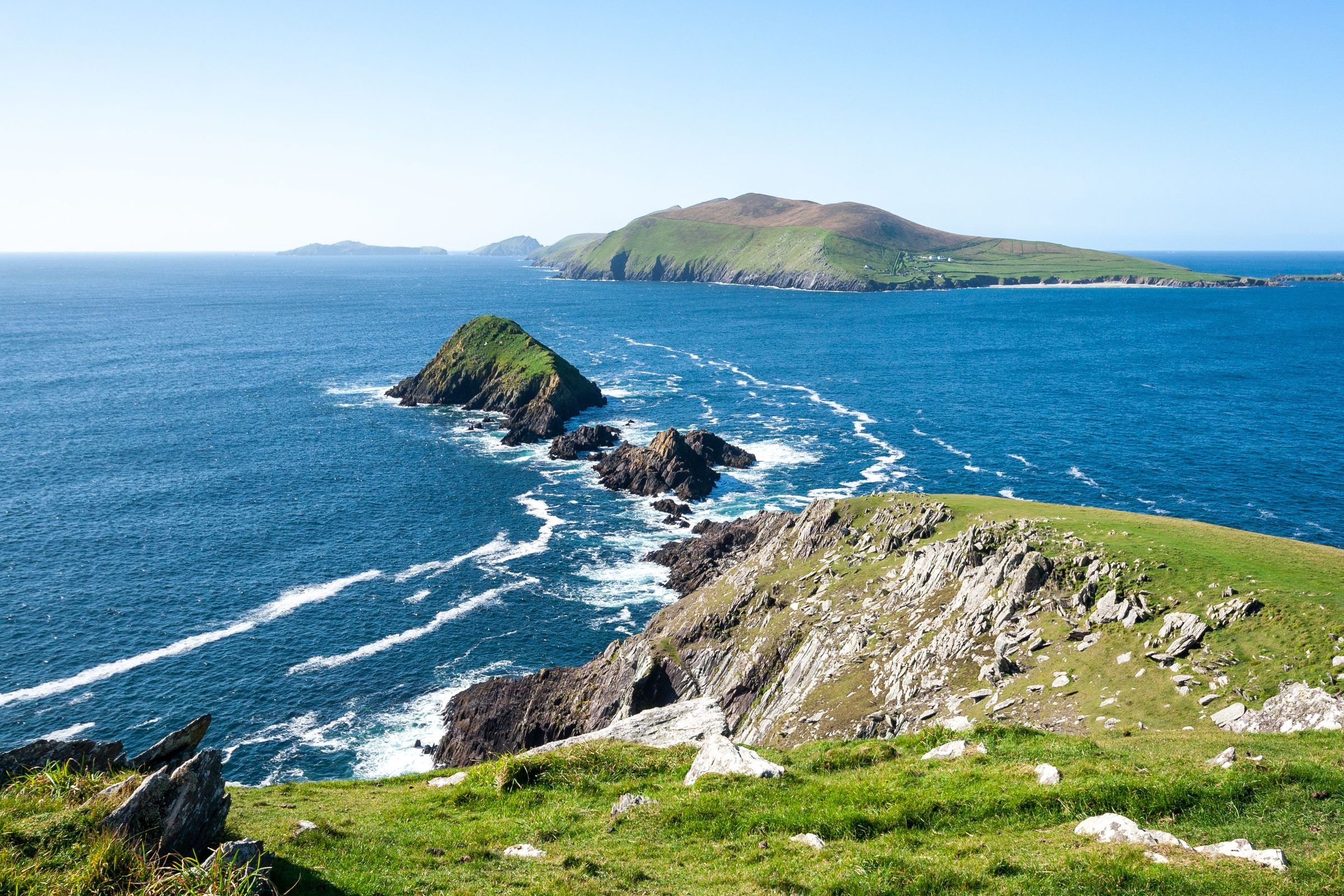
Connemara
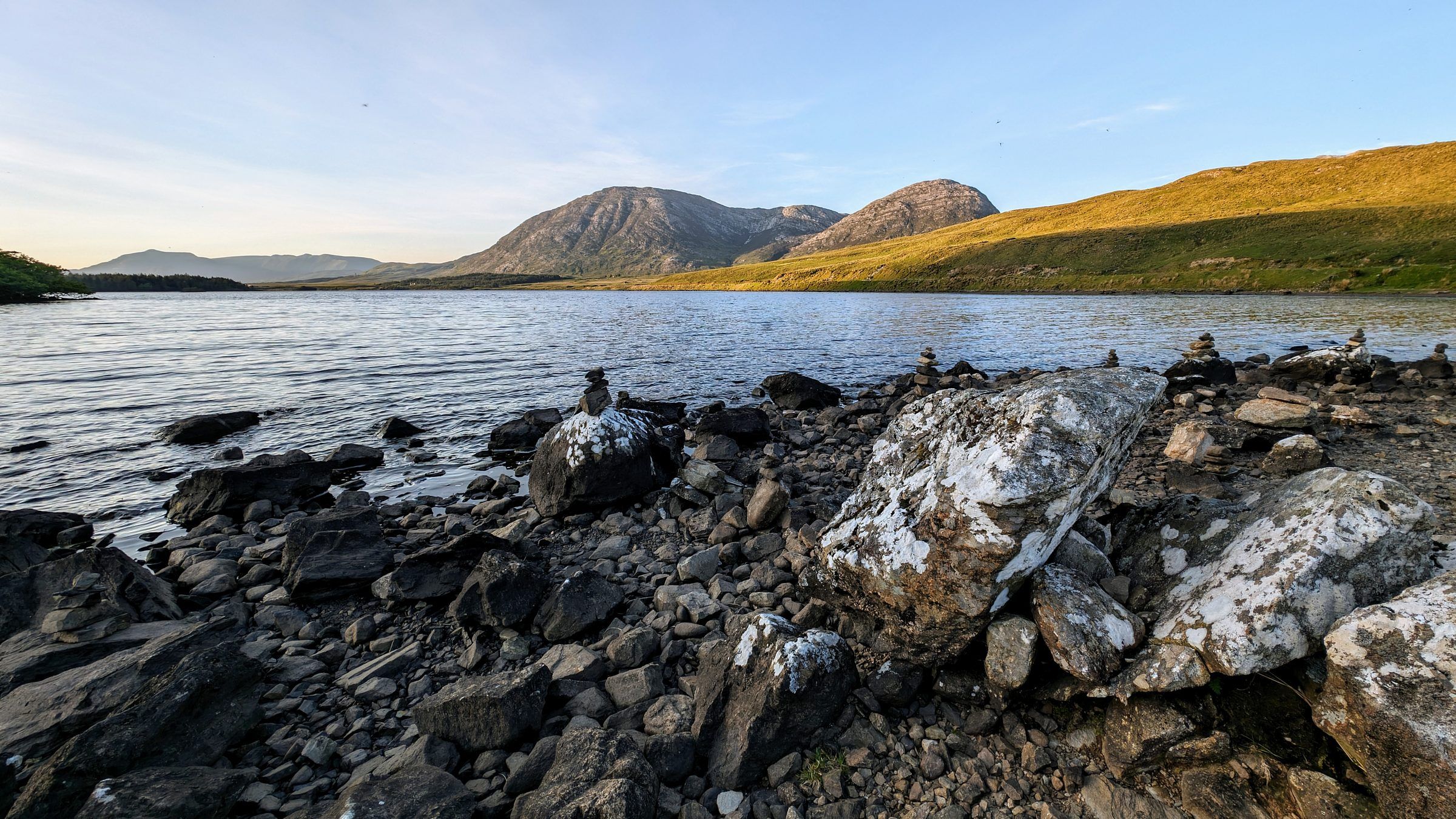
Quiet roads through lakes, bogs and mountains northwest of Galway, with Connemara National Park and Kylemore Abbey along the way.
Driving into Northern Ireland
There are no border checks between the Republic and Northern Ireland, but the rules change: speed limits and distances are in miles per hour, and the currency is the pound sterling. Tell your rental company if you plan to cross, and get a UK ETA before you go.
Who driving in Ireland suits, and who it doesn't
Suits: travelers who want to explore the west coast, stop at viewpoints and stay in small villages.
Less suited to: nervous drivers or anyone staying only in Dublin. A city break works better without a car, and trains or day tours cover the main sights.