by Yes Getaways Team
May 28, 2026 • 9 min read
France rewards almost every month of the year, but the trip you have depends entirely on when you go. Paris in February is a different city to Paris in July. The Côte d'Azur in early June is a different coast to the Côte d'Azur in late August. The lavender fields of Provence are spectacular for exactly three weeks a year and look like ordinary farmland the other forty nine.
This guide walks you through France season by season, then breaks down the best months by region and by activity, so you can match your trip to the moment.
The short answer
For most North American travelers visiting France for sightseeing, food, and city breaks, the two sweet spot windows are late April to mid June and mid September to late October. You get mild weather, longer daylight hours than the shoulder months, meaningfully smaller crowds than July and August, and prices that sit well below summer peak.
If you are going for the French Riviera or for lavender in Provence, target mid June to mid July. If you are going for skiing in the Alps, target mid January to mid March. If you are going for the Alsace Christmas markets, target late November to mid December. If you are going for the wine harvest, target late September.
Spring (April to June): the sweet spot for sightseeing
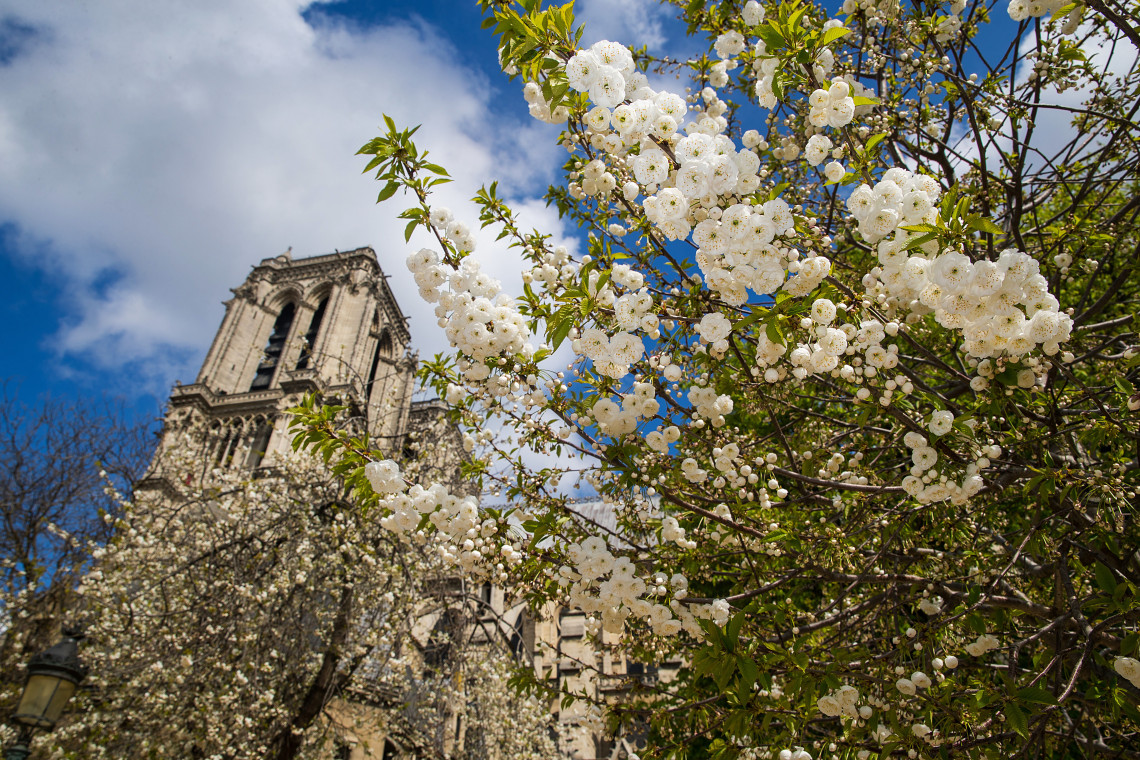
Spring is when France delivers on its postcards. Paris's chestnut trees bloom in April. The Loire Valley gardens open in full color by May. The lavender of Provence begins to flower in late June. Paris daytime temperatures rise from 13°C / 55°F in April to 22°C / 72°F in early June.
Pros: Excellent weather for walking cities and gardens. Lighter museum lines than summer. Versailles and the Loire châteaux are at their most photogenic. The Cannes Film Festival (mid May) and Roland Garros (late May to early June) bring atmosphere to the south and Paris respectively.
Cons: Easter and the French May holidays (May 1, May 8, Ascension, Pentecost) bring big domestic crowds. Sea temperatures are still cool until June. Some Alpine areas are in mud season through April.
Best for: First time France trips, Paris plus Loire Valley combination, Provence and the Riviera before peak season, Burgundy and Champagne wine country.
Summer (July to August): the Riviera, the lavender, and Parisian closures
France in high summer divides cleanly. The Riviera and Provence are at their peak. Paris empties as the French take their own holidays, and many small restaurants and shops close for the entire month of August.
Pros: Lavender in Provence reaches full bloom from late June to mid July. The Côte d'Azur sea temperatures are at their warmest (24°C / 75°F). The Tour de France runs across three weeks in July. Long daylight (sunset around 10 PM at midsummer). Bastille Day (July 14) brings fireworks across the country. Festival d'Avignon and the open air opera at Aix-en-Provence run through July.
Cons: Highest prices of the year, especially on the Riviera. Paris in August can feel hollowed out — many family run restaurants close. Big crowds at the Louvre, Versailles, the Eiffel Tower. The Riviera coastal road becomes one long traffic jam.
Best for: Lavender in Provence (mid June to mid July only). Beach holidays on the Riviera. Tour de France spectating. Music festivals across the south. Family trips with school age children.
Fall (September to October): the wine harvest, the empty Paris
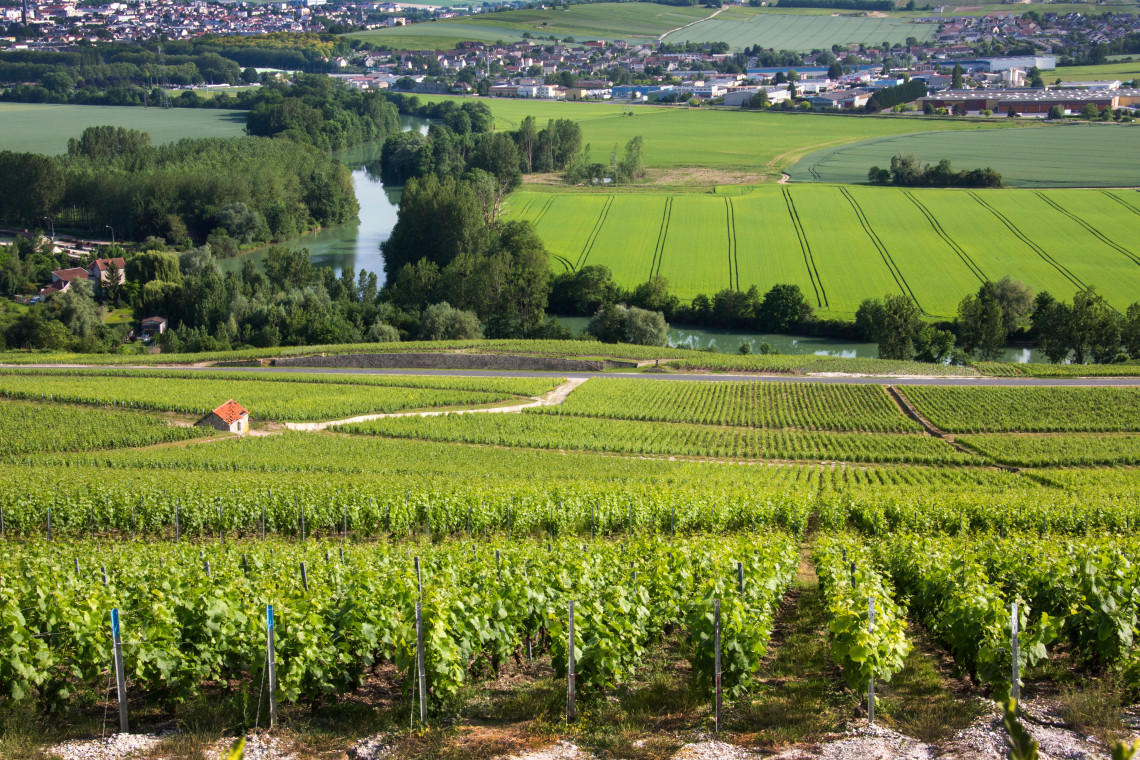
September is arguably the single best month to visit France for most travelers. Summer crowds have cleared but the weather is still warm. October brings the wine harvest across most regions — Champagne first, then Bordeaux, Burgundy, the Loire, and Alsace.
Pros: Comfortable temperatures (18 to 25°C / 65 to 77°F in September). Paris museums and restaurants reopen after the August closures. The wine harvest (vendanges) makes September and early October the foodie sweet spot. Beautiful autumn colors in Burgundy and the Loire from mid October. Sea temperatures on the Riviera still swimmable through September.
Cons: Weather gets unpredictable in late October. Cooler nights from late September. School holidays in late October bring a brief crowd return.
Best for: Wine country (Bordeaux, Burgundy, Champagne, Loire, Alsace). Paris city breaks after the August lull. Provence in the gentler shoulder season. Anyone wanting the Riviera without the July crowd.
Winter (November to March): Paris without lines, Alps with snow
French winter splits into three completely different trips. Paris and the cities become uncrowded and atmospheric. The Alps turn into one of the best ski destinations in the world. Alsace hosts some of the most famous Christmas markets in Europe.
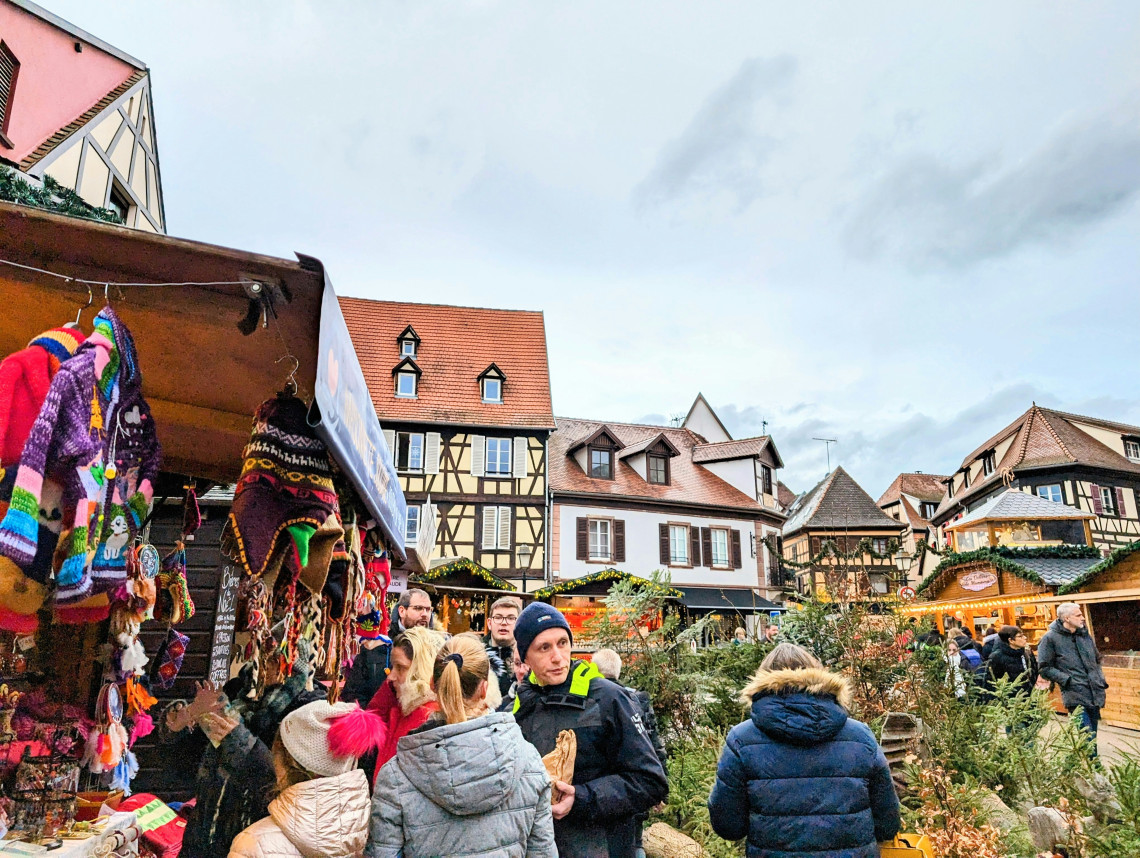
Pros: Lowest prices of the year in Paris (except during the Christmas-New Year window). Walk into the Louvre, Musée d'Orsay, and Sainte-Chapelle with no lines in January and February. Alsace Christmas markets across Strasbourg, Colmar, Riquewihr from late November to late December (Strasbourg's market opens late November and runs through Christmas Eve). Skiing in the French Alps from December to mid April (the Three Valleys, Chamonix, Tignes, Val d'Isère). The Côte d'Azur in winter is mild (12 to 15°C / 54 to 59°F) and quieter than in summer.
Cons: Paris weather is grey and damp from late November through February. Short daylight (sunset around 5 PM in December). Some seasonal Riviera hotels close from late October to Easter. Christmas and New Year prices in Alsace and ski resorts go to peak.
Best for: Christmas markets in Alsace. Skiing in the French Alps. City breaks in Paris for couples who hate crowds. Champagne tastings in the off season.
Best time by region
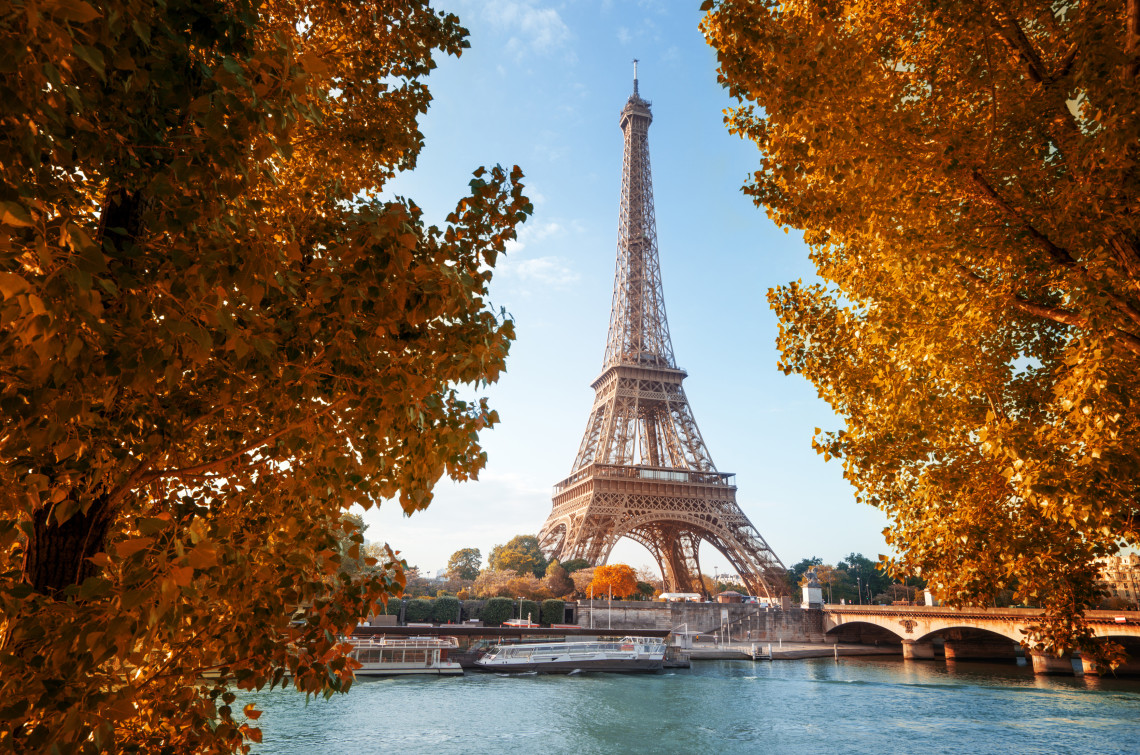
Paris and the Île de France: April, May, June, September, October. Avoid August (closures) and the wettest months (November, December). February for the lowest prices and shortest museum lines.
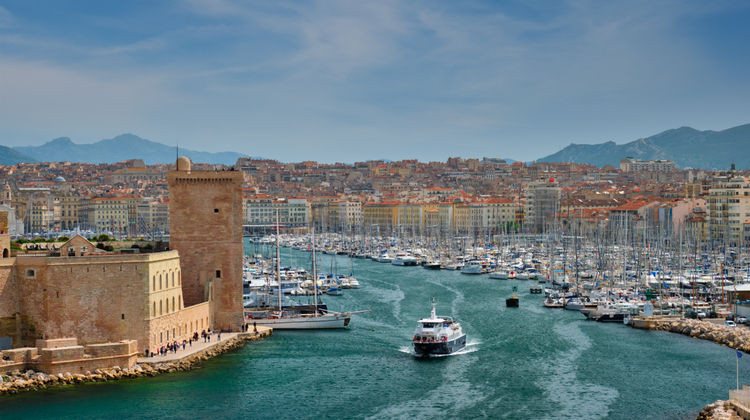
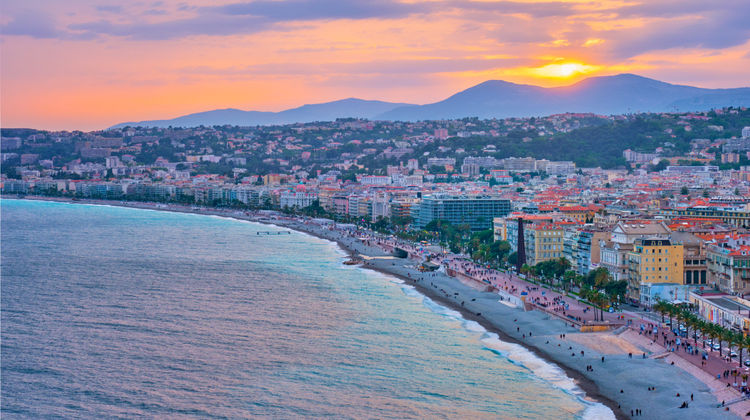
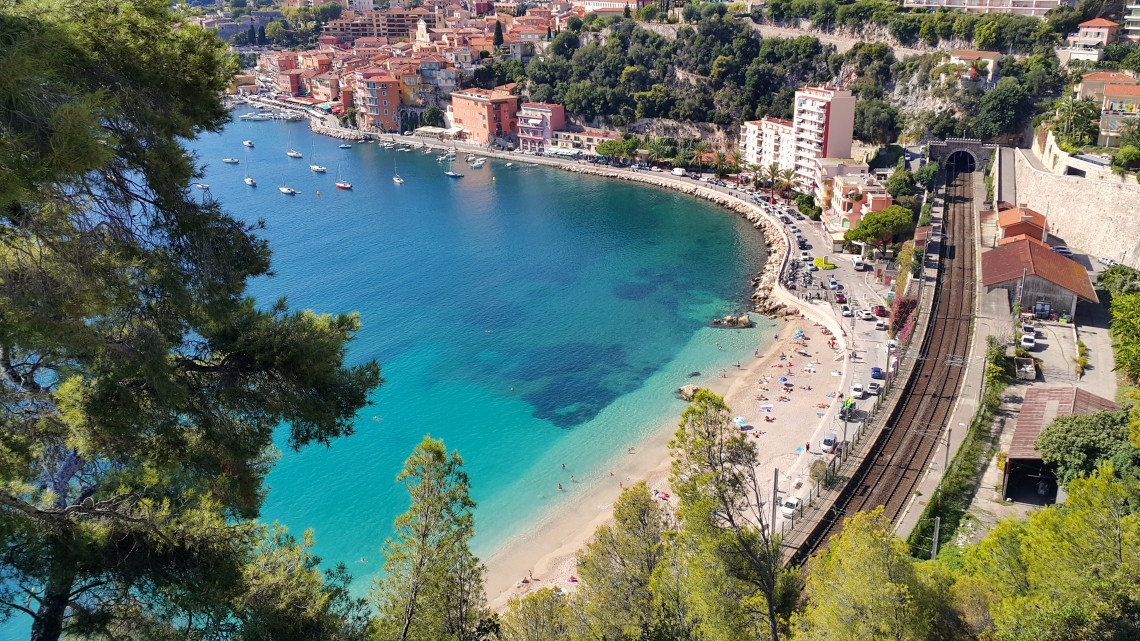
French Riviera (Côte d'Azur): Late May, June, early July, and September. Avoid mid July to mid August unless you can absorb peak prices.
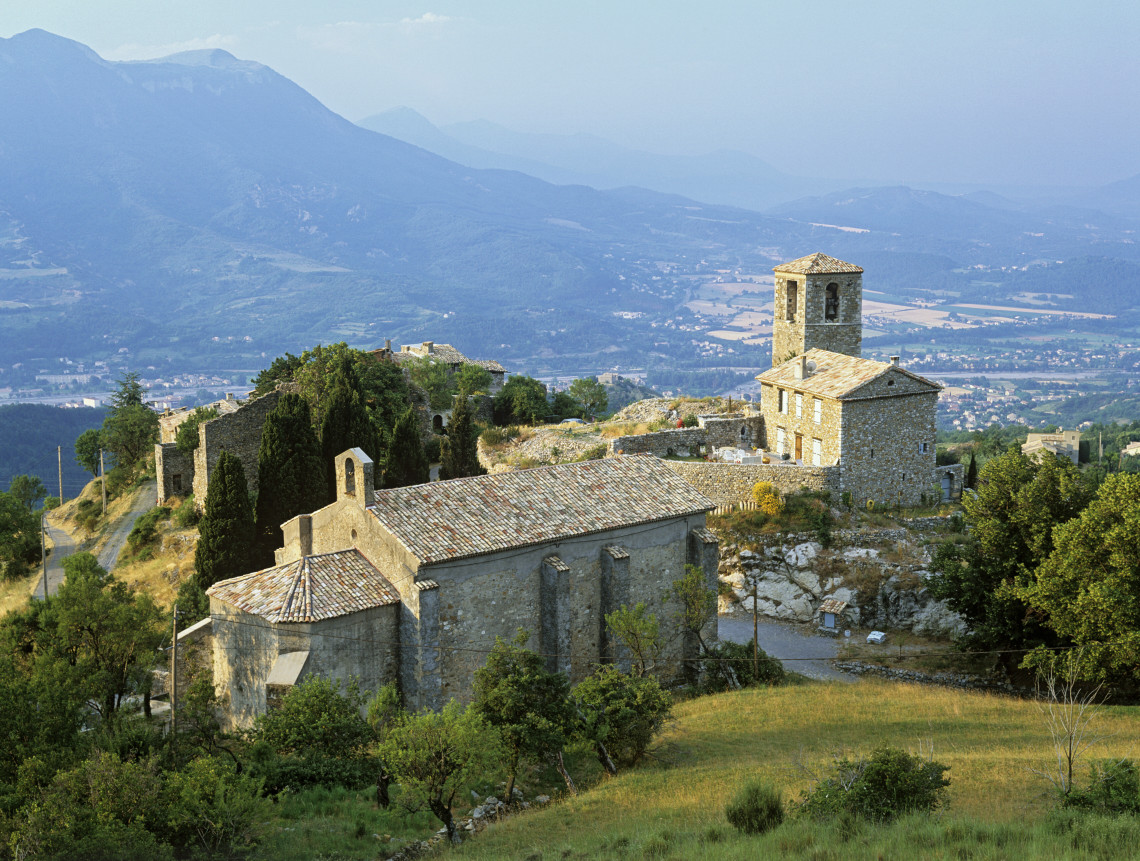
Provence: Late June to mid July for lavender. Late September for wine and quieter weather. Spring (May) for the gardens.
Bordeaux and southwest: May, June, September. The vendange in late September is the foodie sweet spot.
Burgundy: Late September to mid October for wine harvest and autumn colors. May and June for the rest.
Loire Valley: Late April to June and September. Garden season peaks in May and June.
Alsace: September and October for wine and food. Late November to late December for Christmas markets. May to early June for the wine route.
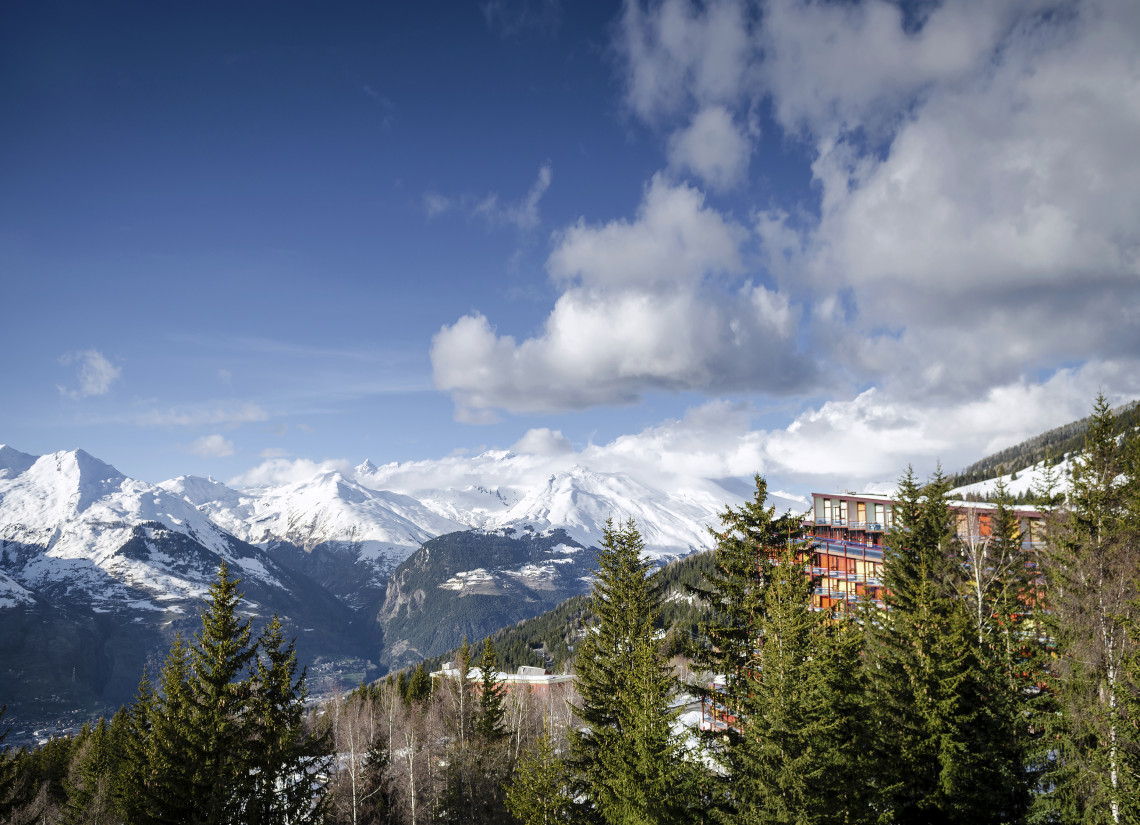
French Alps: January to mid March for skiing. July and August for hiking and via ferrata. Avoid April (mud season).
Brittany and Normandy: June through September for the milder coastal weather. The D-Day beaches are most respected with smaller crowds in May or September.
Corsica: May, June, and September. Sea is swimmable, prices manageable, the maquis is in bloom.
Best time by activity
City sightseeing in Paris: April, May, late September, October. February for low cost trips with very short museum lines.
Lavender in Provence: Mid June to mid July only. The plateau de Valensole is at peak around July 4-14. After mid July the harvest begins and the photogenic version disappears.
French Riviera beach holiday: Late June for warm sea and manageable crowds. Early September is even better.
Skiing: Mid January to mid March in the Alps. February school break is expensive and crowded. March often offers the best snow conditions with longer daylight.
Wine harvest: Champagne in late August to early September. Bordeaux in mid to late September. Burgundy and the Loire in late September. Alsace in late September to early October.
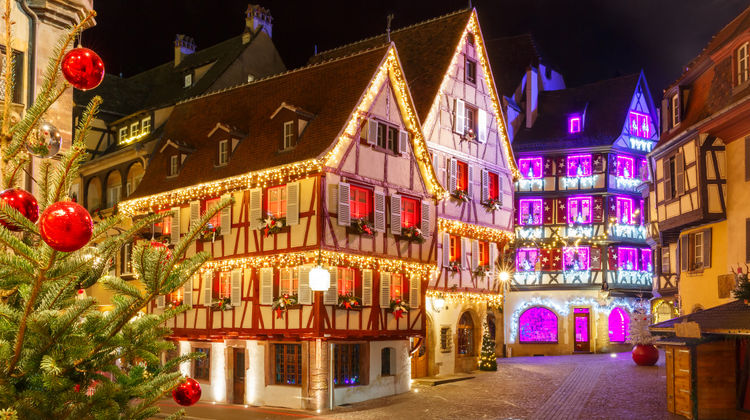
Christmas markets: Late November to December 24 across Alsace. Strasbourg, Colmar, Riquewihr, and Kaysersberg are the famous four. Most close by December 30.
Wildflower season in Corsica or the Pyrenees: April and May.
Cultural festivals: Cannes Film Festival in mid May, Festival d'Avignon in July, Bastille Day fireworks across the country on July 14, Nuit Blanche in Paris in early October.
French holiday calendar (book early or avoid)
- Pâques (Easter Week): One of the highest demand weeks of the year. Book major attractions and restaurants two months ahead.
- May 1 (Fête du Travail), May 8 (Victory in Europe Day), Ascension, Pentecost: Four long weekends in May that fill coastal hotels.
- Fête de la Musique (June 21): Free music across every French city; impossible to avoid and worth experiencing.
- Bastille Day (July 14): Fireworks and military parades; Champs-Élysées morning parade in Paris is the iconic version.
- Tour de France (3 weeks in July): Routes change every year. If you want to see a stage in person, plan ahead.
- August (le mois d'août): Most Parisian small businesses close. Pre-book restaurants if you must visit Paris in August.
- Toussaint (November 1): Long weekend for French families.
- Christmas Markets (late November to late December): Alsace fills with international visitors. Strasbourg, Colmar, Riquewihr accommodation books 6 months ahead.
The bottom line
If you have to pick one month, pick May (best balance of weather, crowds, and price for the whole country) or September (the same case, plus the wine harvest and the post-August Paris reopening).
If you want the cheapest version of France, pick February (Paris museums without lines) or November (after Alsace markets start).
If you want the postcard summer, pick early July for lavender + Riviera, and accept the price.
Browse France vacation packages or request a tailor made France trip for the season that fits you.
Frequently asked questions
What is the cheapest month to visit France?
November and early December (before Alsace Christmas markets ramp up) and the last two weeks of January are typically the cheapest months for flights and hotels in Paris and most French cities, often 30 to 50 percent cheaper than peak summer.
Is Paris hot in July?
Paris is warm rather than hot in July (average daytime 25°C / 77°F), but the city has limited air conditioning in older buildings and the Metro becomes uncomfortable. August can hit the high 30s during heat waves. Most Parisians leave the city in August.
When is Paris least crowded?
February (excluding French school holidays) and early November are the two least crowded months at major Parisian sites. You can walk into the Louvre, Musée d'Orsay, and Sainte-Chapelle with minimal waits.
When is the best time for the lavender in Provence?
Mid June to mid July, with peak bloom typically between July 1 and July 15 on the Valensole plateau. After mid July the harvest begins and the fields are cut. Plan two to three days in Provence to time the visit.
When is the best time for the French Riviera?
Late May to mid June for the perfect balance of weather, swimmable sea, and manageable crowds. September is the connoisseur's pick — sea is still warm, crowds have cleared. Avoid mid July to mid August unless you have specific reasons.
When can I swim in France?
Sea temperatures are comfortable for most North American swimmers from mid June to mid October on the Mediterranean coast (Côte d'Azur, Corsica). On the Atlantic and English Channel coasts, the swimming window is roughly July to early September and the water stays cooler.
Is France worth visiting in winter?
Yes, for the right traveler. Paris in winter is uncrowded, romantic, and significantly cheaper. The Alsace Christmas markets are among the most atmospheric in Europe. The French Alps offer some of the world's best skiing. Avoid winter only if your trip is built around beach or coastal driving.
When is the wine harvest in France? Champagne in late August to early September. Bordeaux mid to late September. Burgundy late September. The Loire late September to early October. Alsace late September to mid October. Wine tasting trips peak between September 15 and October 20.
Should I avoid France in August?
Not if you are going to the Riviera, Provence, Corsica, or the Alps for summer holidays. Do reconsider if your trip is built around Paris — many small restaurants and family run businesses close for two to three weeks around August 15. Pre-book accommodations and reservations.
When are the Alsace Christmas markets?
Late November (typically the Friday of week 47) through December 24 in Strasbourg, Colmar, Riquewihr, Kaysersberg, and other Alsatian towns. Strasbourg's market is the oldest in France (since 1570) and the most international.
Ready to Plan Your France Trip?
We build France trips for U.S. and Canadian travelers every week, with hand-picked hotels in Paris, Provence, the Riviera, the Loire, and Alsace, plus restaurant reservations, train tickets, and on-the-ground support. Tell us when you want to go and we will build the rest around it.