by Yes Getaways Team
June 03, 2026 • 13 min read
France produces more iconic wine than any country on Earth, and most North American travelers can name the four titans: Bordeaux, Burgundy, Champagne, the Loire. The harder question is which one to visit, because they are wildly different places to drink in.
Bordeaux is grand, formal, château-led, big-budget. Burgundy is small, intense, hyper-local, walkable. Champagne is celebratory, theatrical, only an hour from Paris. The Loire is gentler, cheaper, and the easiest first wine trip a non-expert can take.
This guide compares the four honestly so you can pick the right first French wine trip for your taste, budget, and pace.
The four great French wine regions are not interchangeable. Each rewards a different kind of traveler, and the first you visit shapes how you understand all the others.
The short answer
If you love big reds (Cabernet Sauvignon, Merlot), Bordeaux is your region.
If you love delicate reds and whites (Pinot Noir, Chardonnay), Burgundy is your region.
If you love bubbles and want a Paris add-on, Champagne is your region.
If you want a gentle, affordable first wine trip with castles built in, the Loire is your region.
If you want a southern wine experience with rosé and food culture, you have a fifth option: the Rhône or Provence. We will mention these at the end.
Bordeaux: the grand château experience
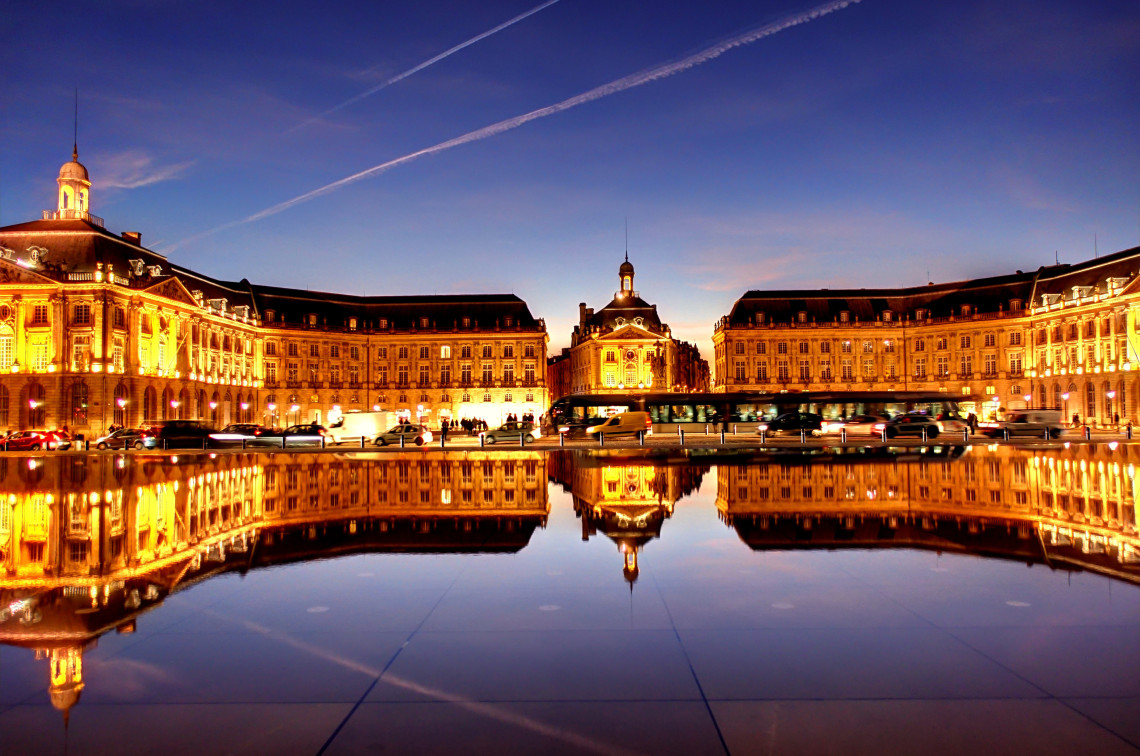
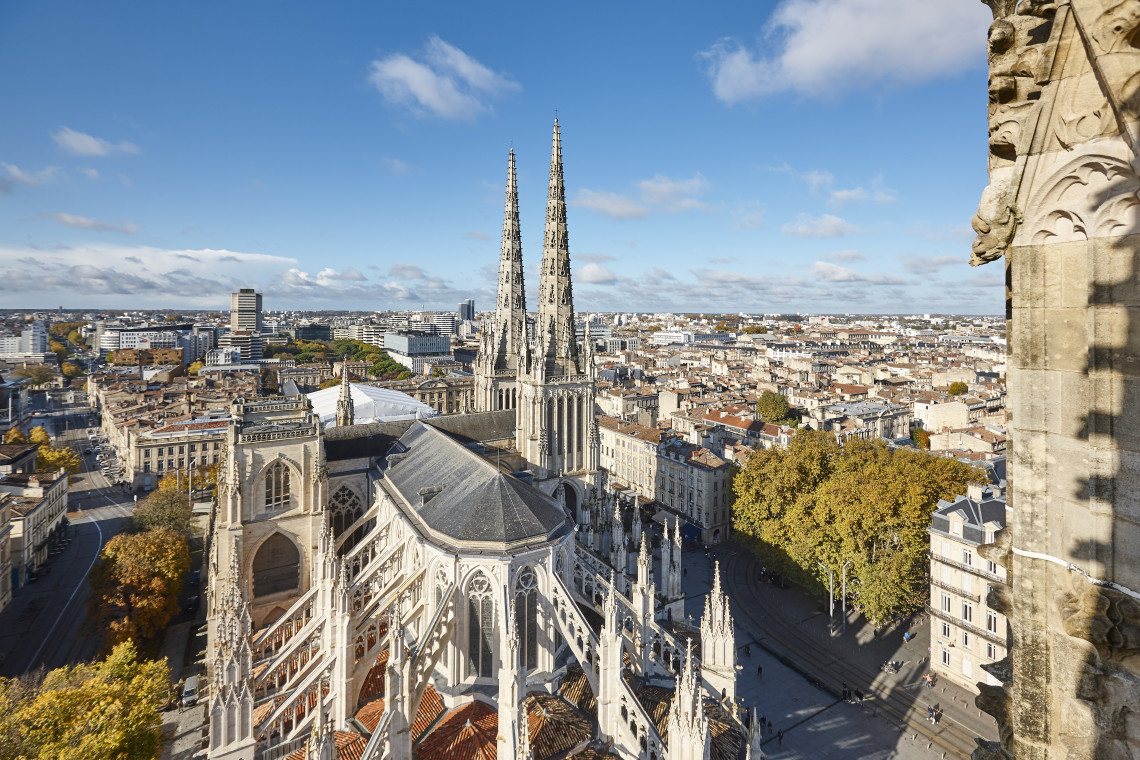
What it is. France's largest fine wine region, in the southwest of the country, centered on the city of Bordeaux. About 7,000 châteaux and producers across 60 official appellations. The wines are predominantly red blends of Cabernet Sauvignon, Merlot, Cabernet Franc, and Petit Verdot, structured to age for decades.
The geography. The Gironde estuary splits the region. The Left Bank (Médoc, Pessac-Léognan, Graves) produces the most famous reds, Cabernet-led, deep and structured. The Right Bank (Saint-Émilion, Pomerol, Fronsac) produces softer Merlot-led wines. The Entre-Deux-Mers between them produces whites and lighter reds.
The experience on the ground. Bordeaux is the most formal of the French wine regions. The famous Left Bank châteaux (Lafite, Latour, Mouton, Margaux, Haut-Brion) are working estates, not casual tasting rooms. Most require advance appointment, often through a wine concierge or travel specialist. The wines are expensive and the tastings can feel like a private viewing rather than a casual drop-in.
The city of Bordeaux itself (population 260,000) is a beautiful 18th century stone city, recently revitalized, with the Cité du Vin museum (a stunning piece of architecture devoted to global wine culture), excellent food, and the highest concentration of fine wine restaurants in France outside Paris.
Saint-Émilion is the storybook village of the Right Bank, easily reached by TGV from Bordeaux in 35 minutes. UNESCO listed, medieval, dense with wineries open for visits, the easiest entry point for first time Bordeaux travelers.
What to drink. Reds: the classified growths if budget permits, but mid-tier Bordeaux from communes like Pessac-Léognan, Saint-Estèphe, and Saint-Émilion offer the region's character at a fraction of the cost. Whites: dry Pessac-Léognan (Smith Haut Lafitte makes a notable one), sweet Sauternes (Château Climens, Suduiraut, Yquem for the legendary version).
Pros:
- The most iconic French wine experience
- The city of Bordeaux is excellent for food and culture
- Saint-Émilion delivers the storybook village factor
- Wines age beautifully and many shippers can arrange transport home
Cons:
- Most expensive of the four regions
- Most formal, least walk-in-friendly
- Médoc châteaux are spread out, a car is essential
- For non-experts, the formal structure can feel intimidating
- Pinot Noir lovers will find the style different
When to go. May to early July, September (harvest, called the vendanges), early October.
Suits travelers who: love structured red wine, want a wine trip with a city base, are comfortable with formal tastings, have a meaningful wine budget.
Burgundy: the small, intense, walkable region
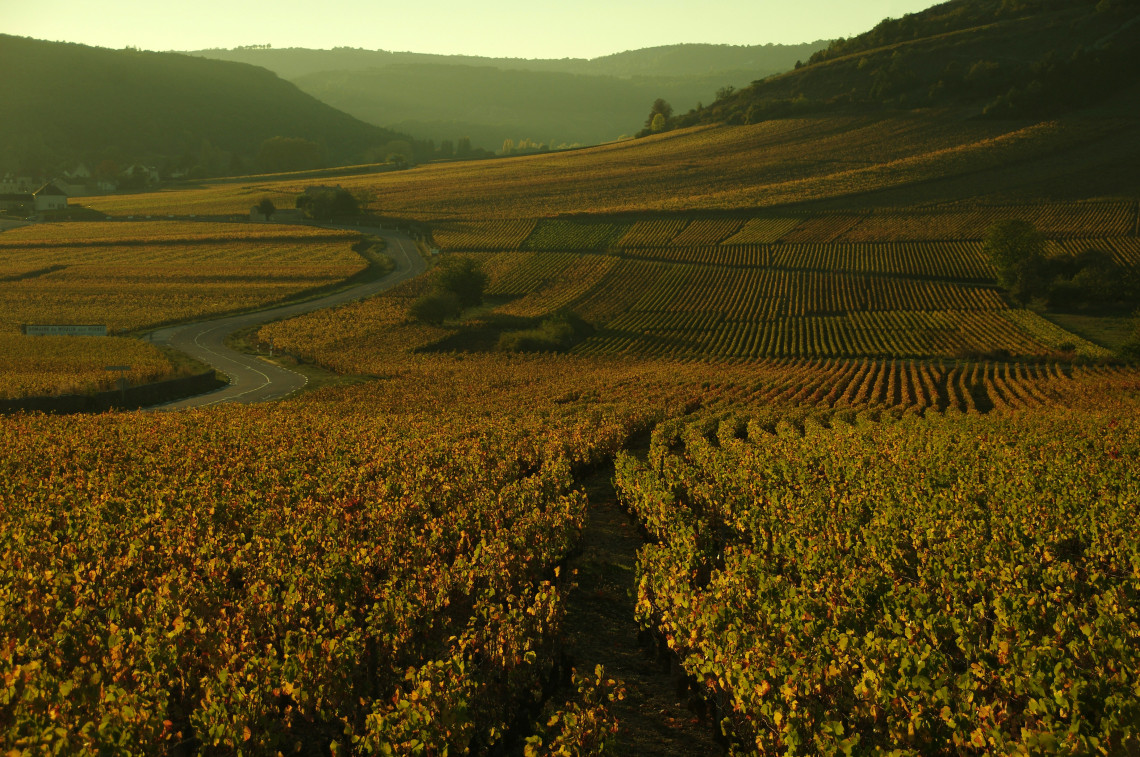
What it is. France's most prestigious red wine region (and arguably the world's), in central east France, between Dijon and Mâcon. The wines are almost all single grape: Pinot Noir for reds, Chardonnay for whites. The region is small, the producers are small, and the wines are some of the most expensive in the world.
The geography. Burgundy splits into several subregions but the famous slope is the Côte d'Or, divided into the Côte de Nuits (red Burgundy at its peak: Gevrey-Chambertin, Vosne-Romanée, Nuits-Saint-Georges) and the Côte de Beaune (white Burgundy at its peak: Meursault, Puligny-Montrachet, Chassagne-Montrachet; plus the great reds of Pommard and Volnay). Beyond the Côte d'Or are Chablis to the north (lean Chardonnay), the Côte Chalonnaise, the Mâconnais, and the Beaujolais (technically Burgundy in some definitions).
The experience on the ground. Burgundy is intimate. Most domaines are family operations of 5 to 30 acres. Tastings are usually in the cellar with the winemaker, the entire village is walkable, and the wines speak in vivid local accents that change from village to village.
Beaune is the wine capital. Population 22,000, perfectly walkable, the Hospices de Beaune (15th century hospital with the famous polychrome roof) at its center, excellent restaurants, and a network of merchant houses (négociants) like Bouchard, Drouhin, Jadot, and Bichot all open for tastings.
The catch: the famous "Grand Cru" wines from named vineyards like Romanée-Conti, Le Montrachet, Chambertin, are extraordinarily expensive (often 500 to 5,000+ dollars a bottle) and most are nearly impossible to taste without serious connections. But mid-tier Burgundy, village level wines from named villages like Meursault, Gevrey, Vosne-Romanée, offer the region's character at much more accessible prices.
What to drink. Reds: village level Gevrey-Chambertin, Volnay, Pommard, Nuits-Saint-Georges for the heart of Pinot Noir. Whites: Meursault for richer Chardonnay, Chablis for leaner, Puligny-Montrachet for the iconic style.
Pros:
- The most intimate French wine experience
- Walkable cellar visits with winemakers
- The complete focus on Pinot Noir and Chardonnay makes the region easy to navigate intellectually
- Beaune is a wonderful base
- Food culture is exceptional (Charolais beef, escargots, jambon persillé)
Cons:
- Wines are expensive at the top tier (and the iconic ones nearly impossible to taste)
- Smaller producers means more advance appointments
- Less train-friendly than Champagne or Bordeaux
- Can feel intimidating to non-experts who do not know the villages
When to go. May to early July, mid September to mid October (harvest).
Suits travelers who: love Pinot Noir or Chardonnay, want intimate cellar experiences, enjoy small towns, are willing to learn village distinctions.
Champagne: the easiest Paris add-on
What it is. France's sparkling wine region, 90 minutes northeast of Paris by TGV. Only sparkling wine produced inside the legally defined Champagne appellation can be labeled "Champagne." Made primarily from Chardonnay, Pinot Noir, and Pinot Meunier through the méthode champenoise.
The geography. The region centers on Reims and Épernay. Reims is the historic capital, with its UNESCO-listed gothic cathedral and the headquarters of the famous Champagne houses: Veuve Clicquot, Pommery, Taittinger, Ruinart, Lanson. Épernay (population 23,000) is smaller and more wine-focused, with the famous Avenue de Champagne lined with Moët & Chandon, Pol Roger, Perrier-Jouët, Mercier. Between them runs the Montagne de Reims with smaller grower-producers in villages like Hautvillers, Aÿ, Bouzy.
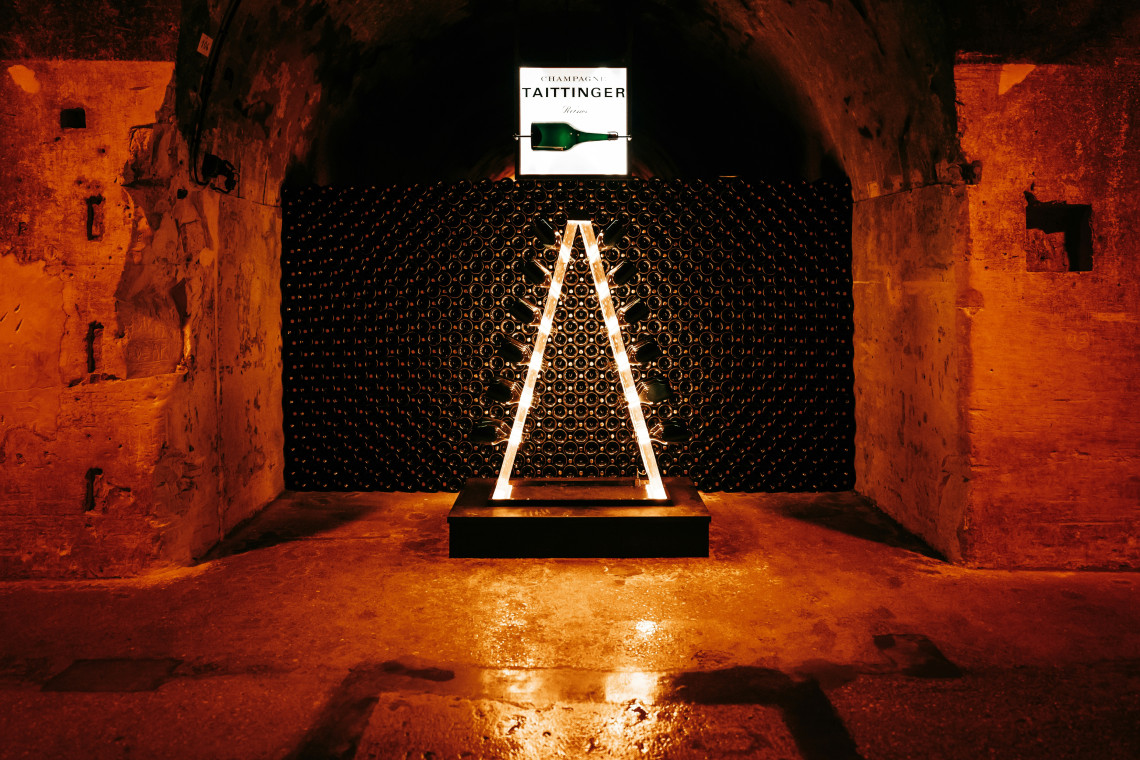
The experience on the ground. Champagne is the most theatrical of the four regions. The big houses run polished tours of their underground chalk cellars (10 to 20 meters down, sometimes UNESCO listed themselves), explain the méthode champenoise, and end with a glass of their wine. Tours typically last 60 to 90 minutes and cost 25 to 65 euros depending on which house and which cuvée you taste.
The increasingly popular alternative is grower Champagne (also called RM or récoltant-manipulant) — small family producers who grow their own grapes and make their own Champagne, rather than blending purchased grapes the way the big houses do. Producers like Egly-Ouriet, Pierre Péters, Larmandier-Bernier, Vilmart deliver Champagne at an entirely different level of nuance.
What to drink. From the big houses: Bollinger, Krug, Pol Roger for classic, Ruinart Blanc de Blancs for elegant, Veuve Clicquot for celebration. From growers: Egly-Ouriet, Pierre Péters, Cédric Bouchard, Selosse if you can find a bottle.
Pros:
- Easiest French wine trip from Paris (45 minutes Paris to Reims by TGV)
- Polished, English-friendly tours at the big houses
- Reims cathedral and Épernay's Avenue de Champagne are tourist destinations in themselves
- 2 to 3 days is enough to do it well
- Christmas markets in Reims (late November to late December)
Cons:
- Less variety of wine to explore than the still wine regions
- Big houses are commercial — small growers require more research
- The countryside between Reims and Épernay is less photogenic than Burgundy or the Loire
- Champagne with food is sometimes confusing for non-experts
When to go. May to October, with September particularly nice during harvest. Late November to late December for the Christmas markets in Reims.
Suits travelers who: want a Paris weekend add-on, love sparkling wine, want polished and accessible tours, are time-constrained.
The Loire: the gentle, affordable, château-led wine trip
What it is. France's longest wine region, stretching 300 km along the Loire river from the Atlantic to the central French countryside. The most diverse of the four in terms of grapes and styles. Whites dominate (Sauvignon Blanc, Chenin Blanc, Muscadet), with notable reds from Cabernet Franc (Chinon, Bourgueil, Saumur-Champigny) and the famous sweet wines of Vouvray and Coteaux du Layon.
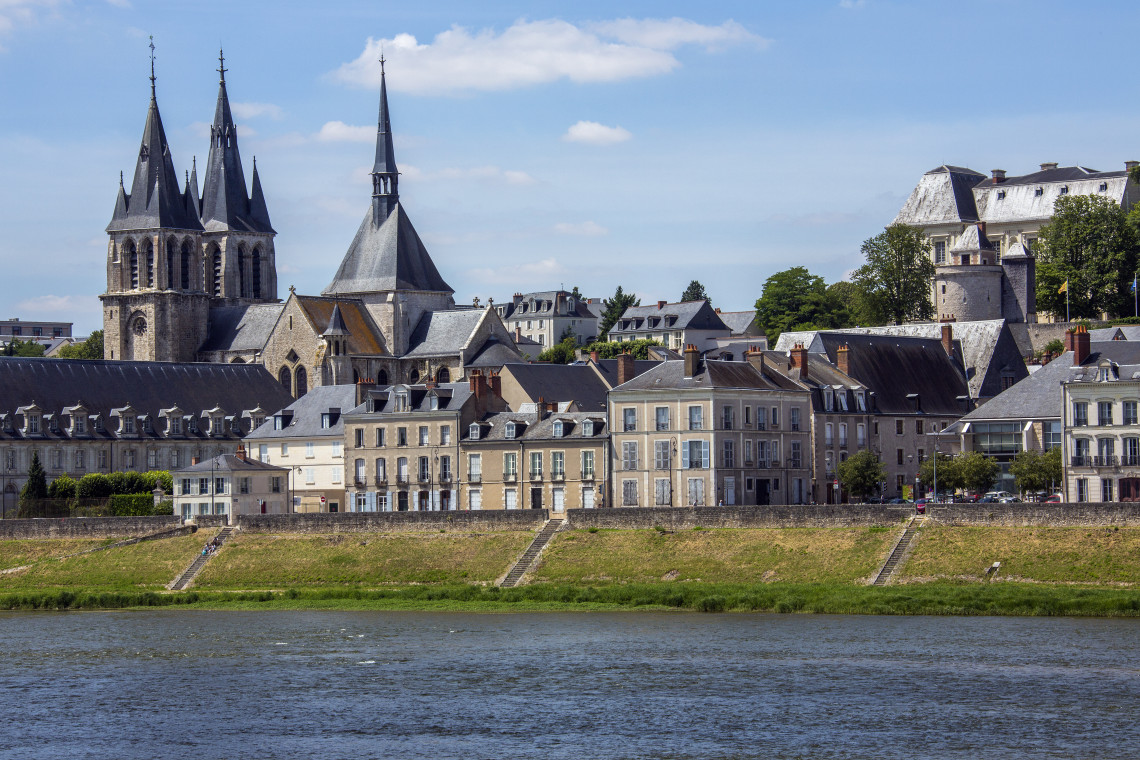
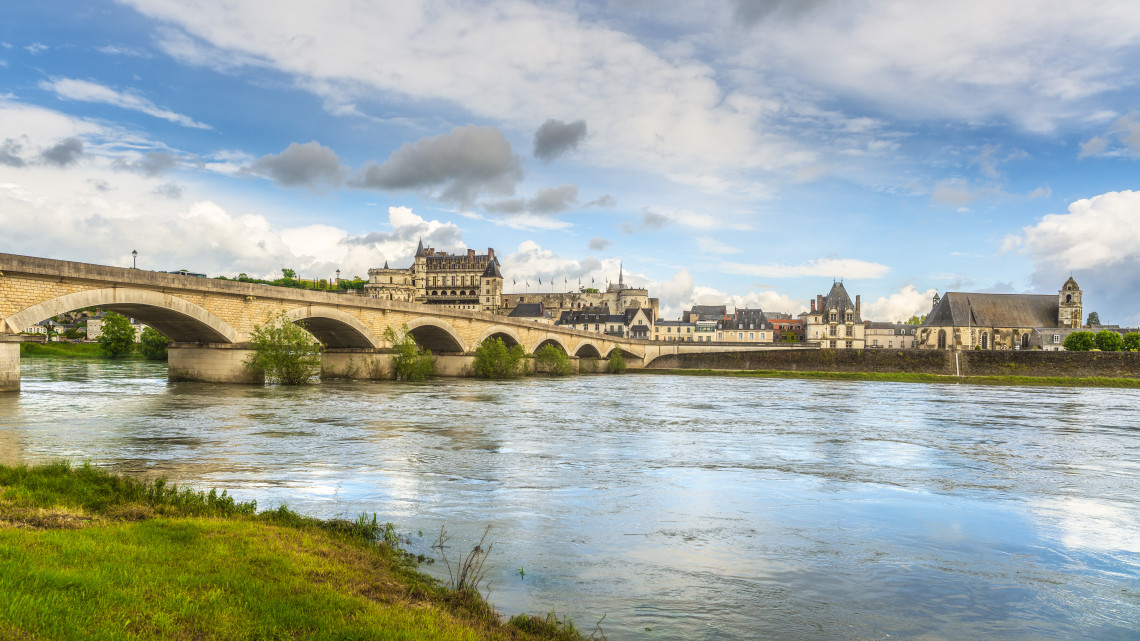
The geography. The wine subregions follow the river from west to east: Pays Nantais (Muscadet, with oysters), Anjou-Saumur (Cabernet Franc, Chenin Blanc, sparkling), Touraine (Vouvray, Chinon), and the Centre-Loire (Sancerre, Pouilly-Fumé). The fame of the Loire Valley as a destination comes mostly from its châteaux (Chambord, Chenonceau, Amboise, Villandry) rather than the wine, but the two trip themes combine seamlessly.
The experience on the ground. The Loire is the most relaxed of the four French wine regions. Tastings are typically casual, prices are well below Bordeaux and Burgundy, English coverage is good in tourist-heavy areas, and the wines themselves are excellent value at every level.
Most Loire wine trips combine 1 to 2 château visits per day with 2 to 4 winery visits. The villages are small and walkable. The Loire's gentleness is its character: the river winds, the light is soft, the wines are clean and food-friendly.
What to drink. Whites: Sancerre and Pouilly-Fumé (steely Sauvignon Blanc at its global peak), Vouvray (dry to sweet Chenin Blanc, age beautifully), Muscadet sur lie. Reds: Chinon and Bourgueil (light, food-friendly Cabernet Franc). Sweet: Coteaux du Layon, Bonnezeaux (rich Chenin Blanc).
Pros:
- Most affordable of the four regions
- Combines naturally with the famous Loire châteaux
- Diverse wine styles in a single trip
- Gentle introduction for wine novices
- Excellent food (rillettes, goat cheese, river fish)
Cons:
- No single dominant style means less "iconic" feel than Bordeaux or Burgundy
- Producers are spread across 300 km of valley, a car is required
- Fewer English-language tours than Champagne
- Wines age less dramatically than Bordeaux
When to go. Late April to early July (gardens at their best), September to mid October (harvest, autumn colors).
Suits travelers who: are new to French wine, want a wine trip that includes non-wine sightseeing (châteaux, gardens), are price-sensitive, prefer light food-friendly wines to powerhouse reds.
The two we recommend most often
For travelers asking us "first French wine trip, which one," the two answers that come up most are:
1. Champagne for travelers with 2 to 3 days as a Paris extension. The logistics are simple (45 minute TGV), the experiences are polished and English-friendly, and most travelers love sparkling wine.
2. The Loire for travelers with 5 to 7 days who want a complete trip that combines wine with non-wine sightseeing. The châteaux give the trip narrative variety that pure wine regions lack.
For returning France travelers who already did Champagne or the Loire, we steer toward Burgundy (for intimacy) or Bordeaux (for grandeur), depending on which red they prefer.
Honorable mention: the southern wine regions
For completeness, the four titans above are not all of French wine. Two southern regions deserve a mention:
The Rhône. Northern Rhône (Côte-Rôtie, Hermitage, Cornas) for powerful Syrah; southern Rhône (Châteauneuf-du-Pape, Gigondas, Vacqueyras) for Grenache-led blends. The Rhône is gaining recognition fast and offers extraordinary value at the mid-tier. Easy to combine with Provence.
Provence and Languedoc. Pink wine country. Côtes de Provence, Bandol, Cassis. Light, dry, food-friendly, sun-soaked. Combines naturally with a Provence or Riviera trip.
If your trip already involves the south of France, do not feel obligated to fly north for wine — the southern regions hold their own.
How to make a French wine trip work
A few practical realities that catch first time wine travelers off guard:
Most great domaines require advance appointments. Walk-in tastings work at many Loire and Saint-Émilion producers, but in Burgundy especially, the small producers want to know you are coming.
Spitting is normal. At a serious tasting you will be offered a spittoon. Use it. Tasting 6 to 12 wines per visit at 3 visits per day adds up fast.
Buying wine to ship home requires planning. Most châteaux can ship to the U.S. but the logistics vary by state. Some U.S. states (Pennsylvania, Utah, others) have restrictions. Confirm before you book a tasting where you expect to buy heavily.
Language matters more in Burgundy than in Bordeaux. Bordeaux's big châteaux have English-speaking staff. Burgundy's small domaines may not. A French-speaking guide or a private driver helps.
Hire a driver. If you intend serious tastings, a private driver for the day (200 to 350 euros) is worth it. Drink-driving enforcement in France is strict and the limit is lower than U.S. or Canadian standards (0.5 g/L).
Frequently asked questions
Which French wine region is best for beginners?
The Loire and Champagne are both gentle entries. The Loire for the variety and the affordability, Champagne for the polish and the Paris proximity.
Which French wine region is best for a single weekend?
Champagne, easily. Paris to Reims is 45 minutes by TGV, and 2 nights in Reims plus Épernay covers the famous houses comfortably.
How much should I budget for a French wine trip?
Per person per day: budget 250 to 400 euros for Loire or basic Champagne, 350 to 600 euros for Burgundy or Bordeaux at the mid-tier, and significantly more for high-end Bordeaux or Grand Cru Burgundy experiences.
Is Burgundy more expensive than Bordeaux?
At the top tier, yes (Grand Cru Burgundy can exceed top Bordeaux). At the mid-tier, Bordeaux is generally pricier per bottle. Day to day visitor experience costs are similar.
Can I combine Burgundy and Champagne?
Yes. Reims to Dijon by TGV is 2h45m. A 6 day trip with 2 nights Champagne, 4 nights Burgundy works well.
Can I combine Bordeaux and Burgundy?
Logistically yes but they are at opposite ends of France (Bordeaux to Dijon is 5h by TGV via Paris). Usually one or the other per trip.
What is the harvest like?
French wine harvest (vendanges) runs late August in southern Champagne, early to mid September across most regions, late September to early October in cooler regions. Harvest weeks are intensely atmospheric but require advance booking — many châteaux do not accept casual visitors during this period.
Should I learn French before a wine trip?
A few key phrases help (bonjour, merci, vous parlez anglais). Bordeaux, Champagne, and tourist-heavy Loire venues have English speakers. Burgundy small domaines often do not. A guide or pre-arranged tour solves the gap.
Where do I ship wine home from?
Most châteaux and many wine shops in tourist towns can arrange shipping to the U.S. and Canada. Costs vary widely (typically 35 to 65 dollars per bottle including duties). Confirm your home state allows direct wine import before buying heavily.
Which French wine region is best for food?
Burgundy and Bordeaux are both food destinations in their own right. Lyon (south of Burgundy) is arguably France's culinary capital. The Loire and Champagne are excellent but less internationally famous for food.
Is the Rhône a serious wine destination?
Yes. Châteauneuf-du-Pape and the northern Rhône (Côte-Rôtie, Hermitage) produce some of France's greatest wines. The Rhône is rising in profile and offers extraordinary value at the mid-tier.
Bordeaux, Burgundy, Champagne, or the Loire?
Our travel experts have built wine trips in all four. We will pair you with the right one.
See France Packages Tailor-Made Trip
.jpg)