by Yes Getaways Team
May 21, 2026 • 16 min read
The single biggest planning decision for an Italian trip is not where to go. It is how to get between places. Italy has one of the best high speed rail networks in the world and one of the most rewarding driving countries in Europe. The catch is that one tool is wrong for the other job, and many first time visitors learn this the hard way.
This guide gives you the honest verdict, the real numbers behind the choice, and the practical advice (including the ZTL trap, which costs unprepared travelers hundreds of euros every year) you need to plan your route confidently.
The verdict in one sentence
Train for cities. Car for countryside. Combine the two for the best Italian trip.
If your itinerary is Rome plus Florence plus Venice plus Milan, take the train. If your itinerary includes Tuscany, the Amalfi Coast, the Dolomites, Puglia, Sicily, or Sardinia, you need a car at some point. The strongest itineraries do both: high speed rail between major cities, then a rental car for the regional deep dive.
When the train is the right call
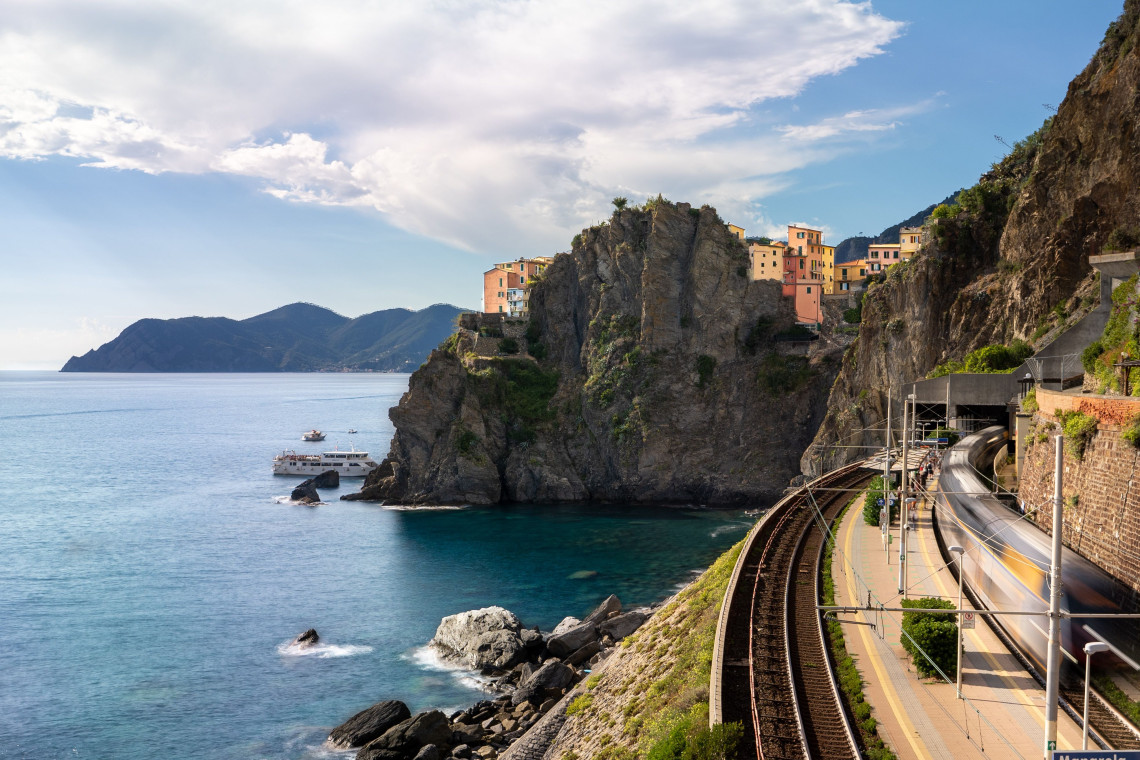
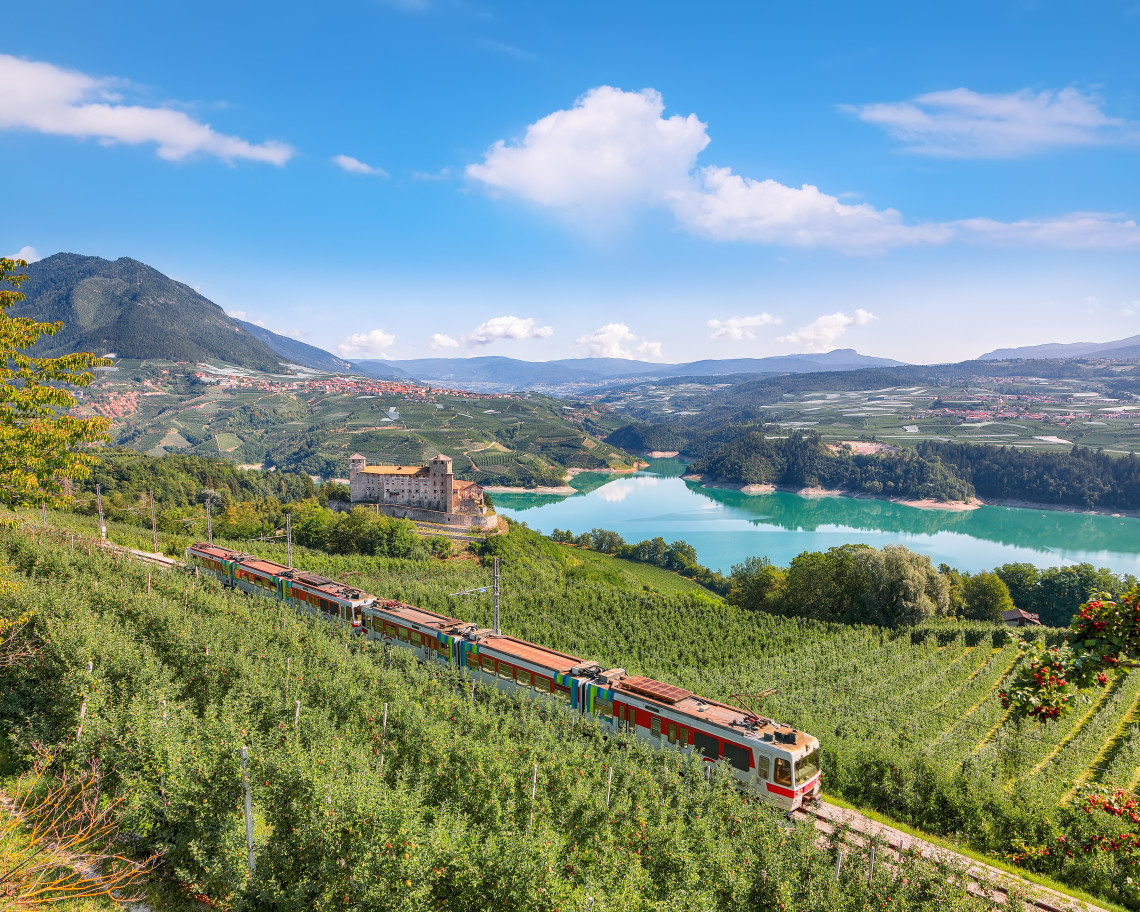
Italy's high speed rail network is one of the best in Europe. The main operators are Trenitalia (the state operator, running Frecciarossa, Frecciargento, and Frecciabianca services) and Italo (a private operator, often slightly cheaper, running on the same lines).
Real journey times on the main lines
- Rome to Florence: 1h 30m (Frecciarossa or Italo, multiple departures per hour)
- Rome to Venice: 3h 45m direct
- Rome to Milan: 3h direct
- Rome to Naples: 1h 10m
- Florence to Venice: 2h 5m
- Florence to Milan: 1h 50m
- Milan to Venice: 2h 30m
- Naples to Milan: 4h 30m
Compare those to driving the same routes (typically two to three times longer with traffic and rest stops) and the case is overwhelming. From the moment the train pulls into a city like Florence or Bologna, you walk out of the station and you are in the historic center on foot.
When the train wins clearly
- Any trip linking Rome, Florence, Venice, Milan, Bologna, Naples, or Turin.
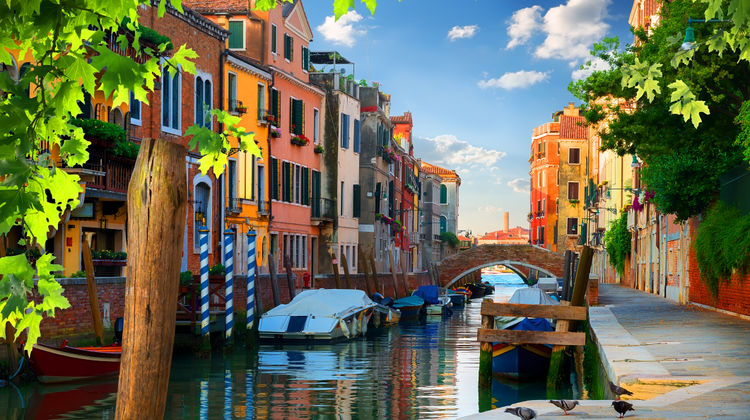
- City breaks where you do not need a car at the destination. Rome, Florence, Venice, Milan and Naples are walkable or excellent for taxis. A rental car would only be a parking headache.
- Tight itineraries where every hour of transit you save buys you another evening at dinner.
How to book trains in Italy
Book on trenitalia.com or italotreno.com. Both have English versions. Tickets for Frecciarossa and Italo are released 4 months ahead and prices rise sharply as the train fills, so book early. A Rome to Florence ticket bought 60 days ahead can be €30. The same train booked the day before can be €90.
There are three main fare classes:
- Standard / Economy: The cheapest, but with the strictest cancellation rules.
- Premium / Comfort: Slightly more flexible, slightly nicer seat.
- Business / Executive: Lounge access, free drinks, much wider seats. Worth it for journeys over 2 hours.
Train traps to avoid
- Validate paper tickets in the green machines at the platform if you buy at a station kiosk. Digital tickets (PDF on your phone) do not need validation. Failure to validate a paper ticket carries a €50 fine.
- Beware of "porters" at Termini in Rome and Napoli Centrale who offer to help with luggage and demand €20 per bag after the fact. Use the official station luggage services only.
- Big city stations have pickpockets. Termini, Milano Centrale, Napoli Centrale, Firenze Santa Maria Novella. Keep your bag on your front.
When the car is the right call
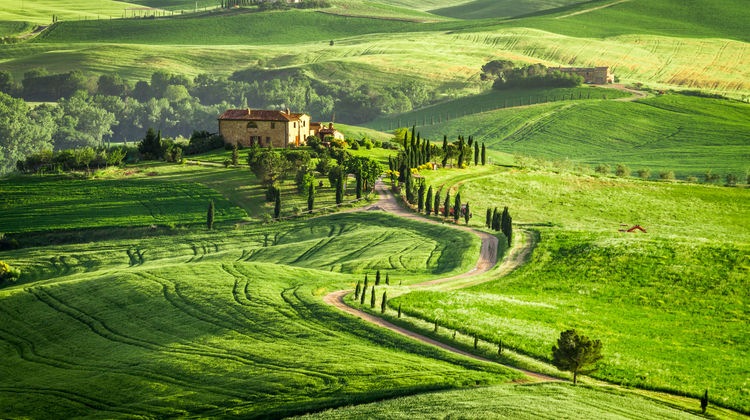
For everywhere outside the high speed corridor, a rental car is transformative. Tuscany's hill towns, the Val d'Orcia, the Amalfi Coast (with a strong caveat), the Dolomites, Puglia, Sicily and Sardinia were not designed for trains. They are designed for slow drives between vineyards and fishing villages.
When the car wins clearly
- Tuscany road trips (Florence, Siena, Pisa, Lucca, the Chianti countryside, San Gimignano, Volterra, Cortona)
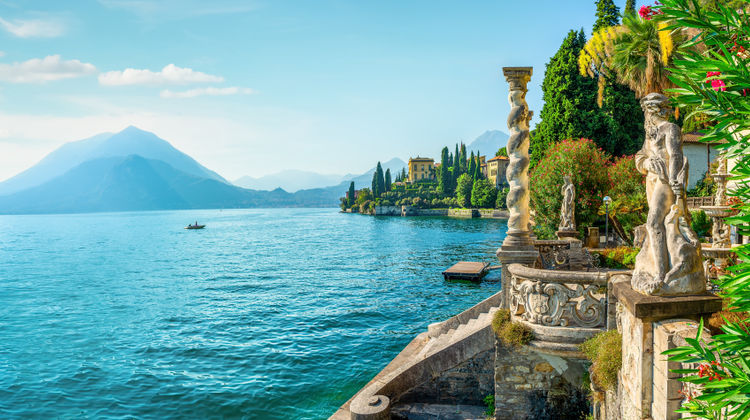
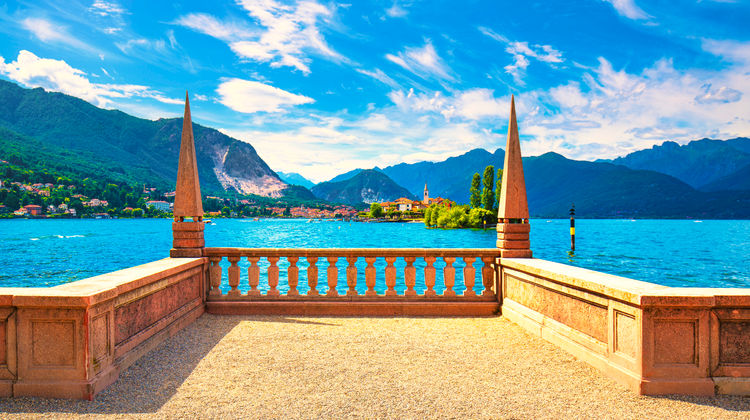
- The Italian Lakes (Lake Como, Lake Garda) where you want to stop at multiple lakeside towns
- The Dolomites for hiking, refugios, scenic drives like the Grande Strada delle Dolomiti
- Puglia and Basilicata (Bari to Lecce, the Itria Valley, Matera, the Salento coast)
- Sicily and Sardinia, where train networks are limited and the most rewarding spots are coastal villages and inland hill towns
- Umbria and Le Marche for the off the beaten path Italy
The Amalfi Coast caveat
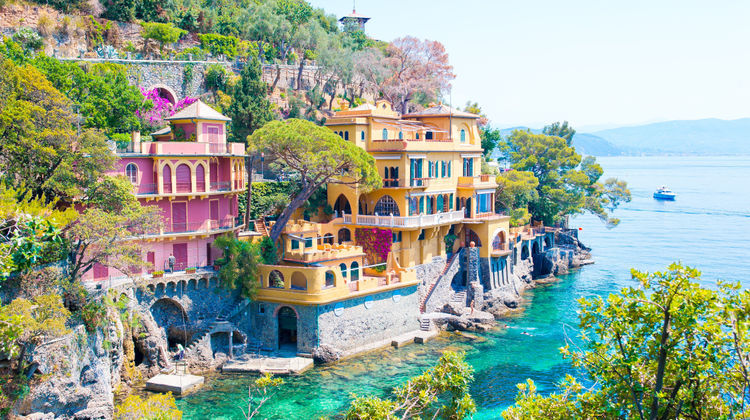
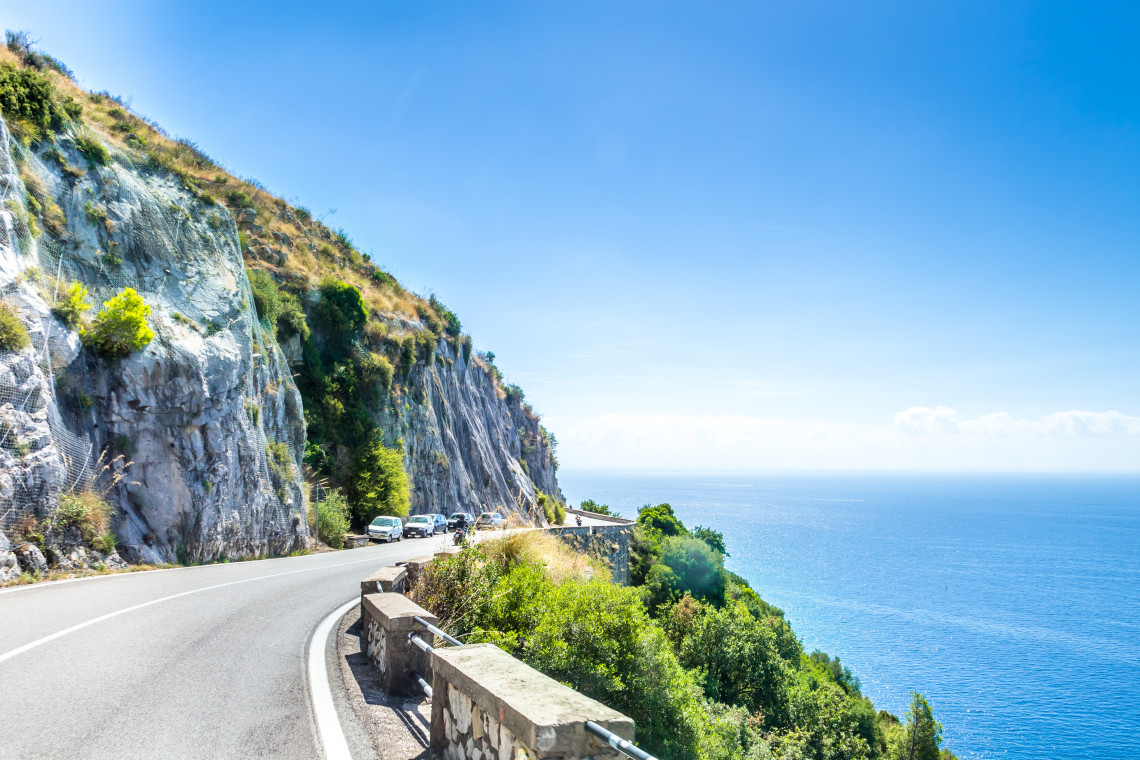
The Amalfi Coast is one of the few places that looks like a car trip on the map but is actually better done with transfers and ferries. The coast road is narrow, slow, and parking in Positano or Amalfi is brutal in season. Most experienced travelers rent the car for inland Campania and use ferries between the coastal towns.
How to rent a car in Italy
- Book through major operators (Hertz, Avis, Europcar, Sixt) for reliability.
- An International Driving Permit (IDP) is officially required for non EU drivers. Many rental companies do not check, but the Italian police can fine you on the spot if you are stopped without one. AAA and CAA issue IDPs for around $25.
- Automatic transmissions are rare in Europe and cost roughly 50 to 100 percent more. Manual transmissions are standard.
- Pick up in cities, drop off in cities. Avoid the expensive surcharge of returning the car in a different country.
- Inspect the car carefully before leaving the lot and photograph every existing scratch.
The ZTL trap (this matters a lot)
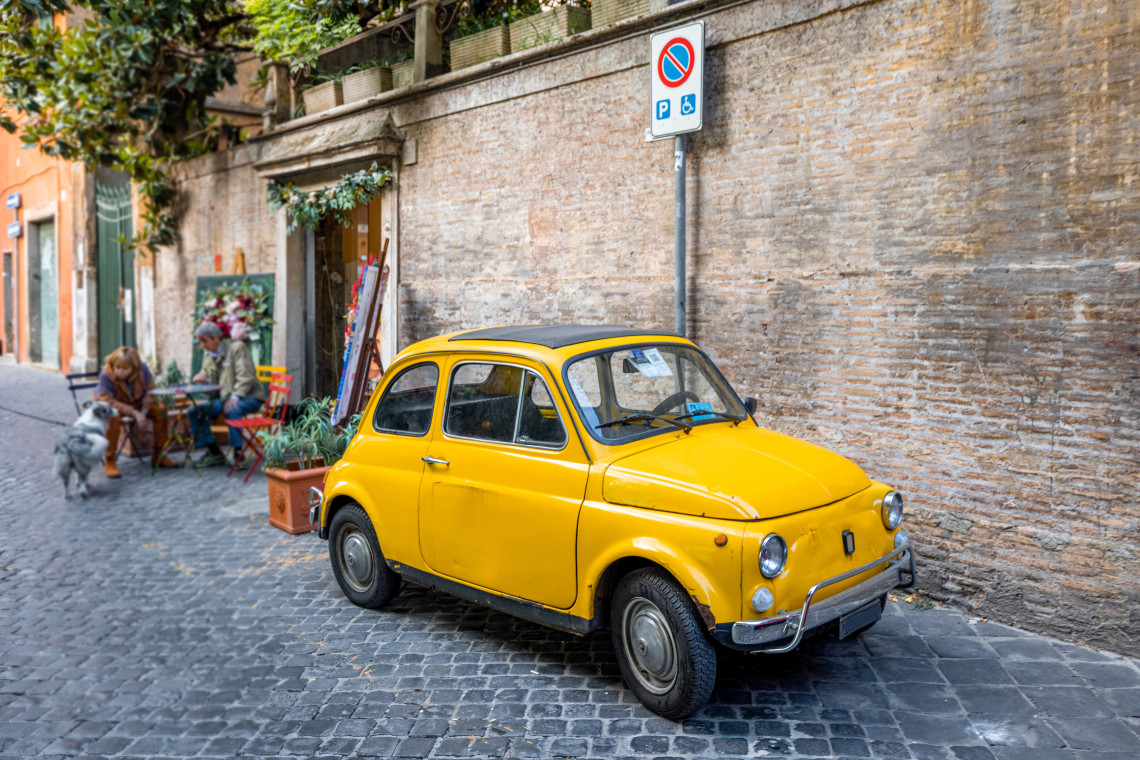
The single biggest mistake car renters make in Italy is driving into a ZTL (Zona a Traffico Limitato). Every Italian historic center, from Rome and Florence to small towns like Lucca and Orvieto, has a ZTL where only authorized vehicles (residents, taxis, deliveries) can enter. The boundaries are marked with a small white circle with a red border, often easy to miss.
Cameras photograph every car that enters. If you are not authorized, a fine of €80 to €130 per violation is mailed to the rental company, who then bills you, often with an additional administrative fee. Drivers who circle a historic center looking for parking can rack up multiple fines, one for each ZTL camera they pass.
The defense:
- Park outside the historic center. Most cities have parking garages or lots clearly signed for visitors right at the ZTL boundary.
- Trust your hotel. If your hotel is inside the ZTL, contact them before arrival. They can pre register your license plate with the local authority for the day of arrival and the day of departure.
- Look for the white circle with the red border. If you see it, do not enter unless you are sure you are authorized.
- Use a GPS that knows ZTL zones (most modern car rental GPS units do, but double check).
Other Italian driving notes
- Tolls (caselli) are common on autostrade (motorways). Take a ticket on entry, pay on exit. Cash, card or Telepass all work.
- Speed limits: 130 km/h on autostrade, 110 on dual carriageways, 90 outside towns, 50 inside town. Heavily enforced by camera.
- The right lane is for driving. The left lane is for overtaking only. Driving slowly in the left lane is genuinely considered rude.
- Roundabouts: vehicles already in the roundabout have the right of way.
- Gas stations on autostrade are spaced every 15 to 25 km and almost always have food. Diesel is typically a few cents cheaper than gasoline.
The best of both: combo itineraries
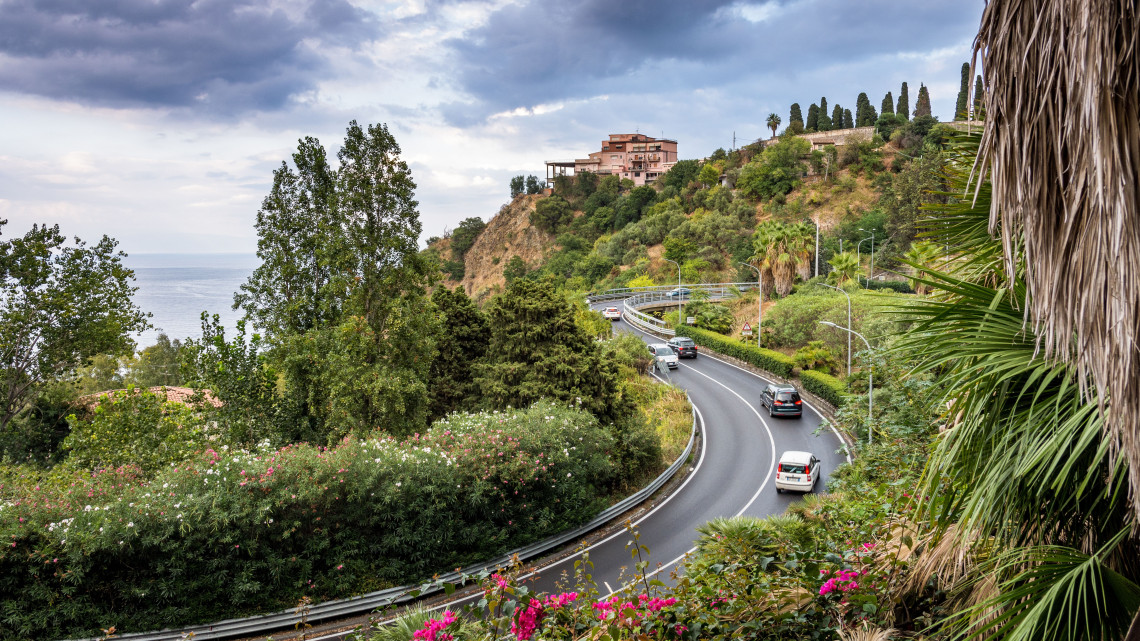
The best Italian trips use both. Here are three combinations that work well:
Classic 10 days
- Train: Rome (3 nights) → Florence (3 nights) → Venice (2 nights)
- Car: Pick up in Florence after the city days, do a 2 day Tuscan countryside loop (Siena, Val d'Orcia, San Gimignano), drop the car back in Florence before the train to Venice.
Foodie 14 days
- Train: Bologna (3 nights, base for Modena, Parma, Reggio Emilia day trips)
- Train: Rome (3 nights)
- Car: Pick up in Naples, drive Amalfi Coast and Puglia (5 nights). Drop in Bari or Brindisi, fly back to Rome.
Adventure 14 days
- Train: Milan (1 night) to Bolzano (in the Dolomites)
- Car: Pick up in Bolzano, 6 nights in the Dolomites (Val Gardena, Cortina d'Ampezzo, Tre Cime).
- Train: Drop the car back in Bolzano. Train to Venice (3 nights). Train to Rome (3 nights).
The bottom line
Both train and car are excellent in Italy. The mistake is using only one when your itinerary needs both. For city to city moves between the big seven (Rome, Florence, Venice, Milan, Bologna, Naples, Turin), the train almost always wins on time, cost, comfort and stress. For exploring the countryside and the regions where the famous photographs are taken, you need a car.
Ready to Plan Your Italy Trip?
Yes Getaways specializes in tailor-made and package trips to Italy, built around what you actually want to do with local expertise that no algorithm can replicate.
Frequently asked questions
Is the train faster than driving in Italy?
Between major cities, yes, dramatically. Rome to Florence is 90 minutes by Frecciarossa versus 3 hours 30 minutes by car. Rome to Venice is 3h 45m by train versus 5 to 6 hours by car. The train also avoids fuel, tolls, parking, and city center traffic.
Do I need an International Driving Permit in Italy?
Yes officially, for U.S. and Canadian drivers. Many rental companies do not check it at pickup, but the Italian Polizia Stradale can issue an on the spot fine if they stop you. The IDP costs around $25 from AAA or CAA and is valid for one year.
Is it dangerous to drive in Italy?
Italian driving is more assertive than most North American driving, especially in Naples and on the Amalfi Coast. Outside city centers it is no more dangerous than driving in the U.S. The biggest financial risk is unintentional ZTL violations, not accidents.
Can I take a train to the Amalfi Coast?
Not directly. The Amalfi Coast has no train station of its own. The nearest is Sorrento (reached by the Circumvesuviana train from Naples). From Sorrento or Salerno you continue by bus, ferry, or transfer.
Can I take a train to the Dolomites?
You can reach Bolzano or Trento by train from Verona or Innsbruck, which gets you to the gateway of the Dolomites. From Bolzano or Trento you need a car or a tour to explore the high valleys.
Is the Eurail Pass worth it for Italy?
For most travelers visiting only Italy with two or three city to city journeys, individual Italo or Trenitalia tickets booked in advance are cheaper. Eurail Passes start to make sense for longer multi country European trips with frequent train use.
How much does it cost to rent a car in Italy?
Compact manual cars start around €25 to €45 per day in shoulder season, rising to €60 to €100 per day in peak summer. Automatics typically cost 50 to 100 percent more. Add fuel (about €1.80 per liter), tolls, and parking.
Are Italian trains safe at night?
Yes overall, but exercise standard precautions, especially around Termini in Rome, Napoli Centrale, and Milano Centrale. Avoid empty carriages late at night, keep your bag on your front in stations, and use a hotel safe for valuables.
Ready to Plan Your Italy Trip?
Yes Getaways specializes in tailor-made and package trips to Italy, built around what you actually want to do with local expertise that no algorithm can replicate.