by Yes Getaways Team
May 22, 2026 • 8 min read
Italy has 20 regions, and almost every one of them deserves its own trip. The frequent first time visitor mistake is trying to see all of Italy in one go and ending up with a blurred week of taxi rides and rushed dinners. The better way to plan an Italian vacation is to start with the question: what kind of trip do you want?
This guide walks through the most rewarding first time Italian regions matched to the most common kinds of trips, plus the default answer that works for most people who have never been.
The default answer for most first time travelers
If this is your first trip to Italy, you have around 7 to 10 days, and you have no strong preference yet, the answer is: the iconic triangle of Rome, Florence and Venice, with optional add ons of Tuscany, the Amalfi Coast, or the Italian Lakes if you have more time.
The reason this is the default is not that it is touristy (it is). It is that these three cities each give you a different and complementary version of Italy: Rome for the ancient world and the Vatican, Florence for the Renaissance and Tuscany's gateway, Venice for the impossible city built on water. You will not regret it.
The three regions involved are:
- Lazio for Rome
- Tuscany for Florence (and the Tuscan countryside)
- Veneto for Venice (and Verona, Padua, the Prosecco hills)
All three are connected by the high speed rail spine, which means you can sleep in city centers and never touch a car. See our Italy by Train vs. Italy by Car guide for the practical side.

By traveler type: which region matches you
If you are a foodie
Go to Emilia-Romagna. It is the food capital of Italy. Bologna, Parma, Modena, Reggio Emilia, Ferrara and Ravenna all sit within a one hour radius of each other. Tagliatelle al ragù, tortellini in brodo, real Parmigiano Reggiano (produced and aged within 30 km of where you eat it), Prosciutto di Parma, balsamic vinegar from Modena that has been aged 25 years, Lambrusco sparkling wine that is nothing like the syrupy import you might have tried in the U.S.
Pair Emilia-Romagna with Piedmont for the most ambitious food itinerary in the country. Turin, the Langhe hills (Barolo, Barbaresco, Asti), Alba's white truffle season in October.
Honest tradeoff: Emilia-Romagna and Piedmont are not the prettiest postcards in Italy. You are not going for the visuals, you are going for the table.

If you are a history and art lover
Go to Lazio plus Tuscany. Rome is the most historically dense city on Earth, with the Colosseum, the Roman Forum, the Pantheon, the catacombs, and the Vatican Museums all walkable from a single hotel. Florence has the Uffizi, the Accademia, the Duomo, the Bargello, the Palazzo Pitti, and more Renaissance masterpieces per square kilometer than any other city in the world.
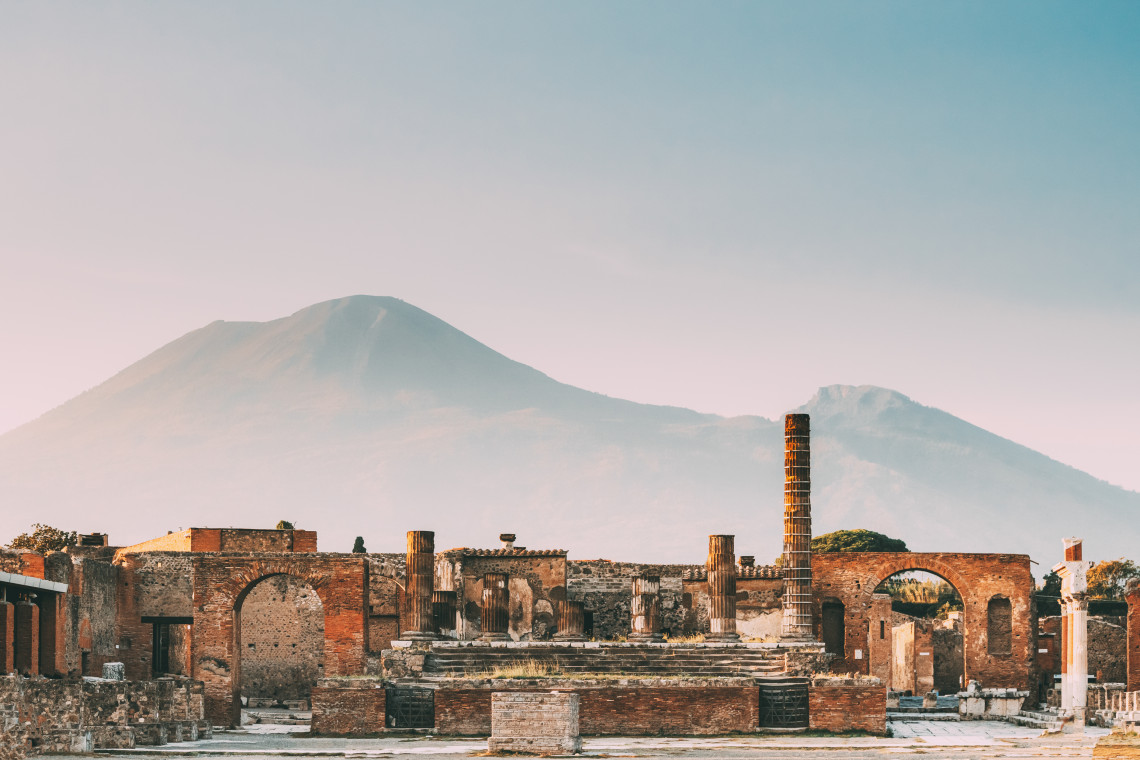
Add Naples and Pompeii for the ancient Roman experience. The Naples Archaeological Museum holds most of the original Pompeii finds.
Honest tradeoff: This is the most popular Italy itinerary, which means crowds. Visit in April, May, late September or October if you can.
If you are a beach lover
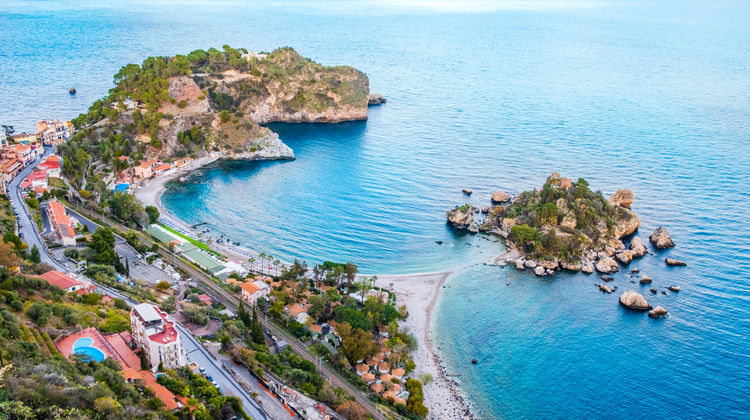
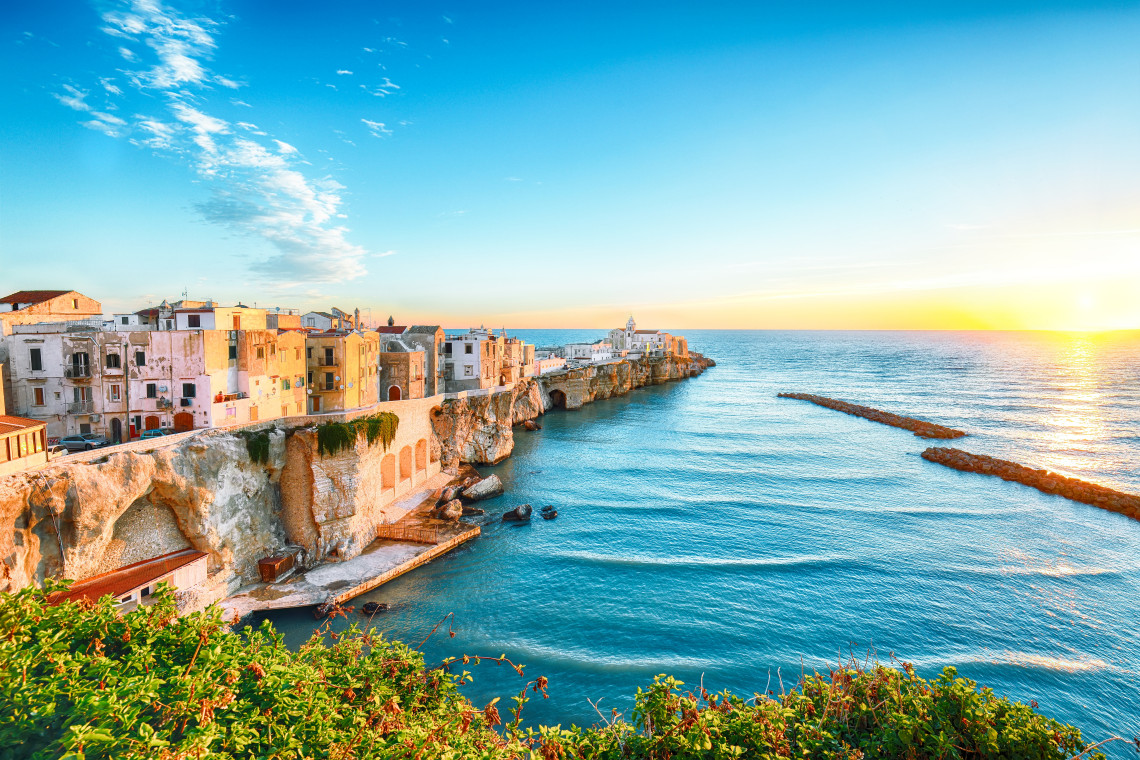
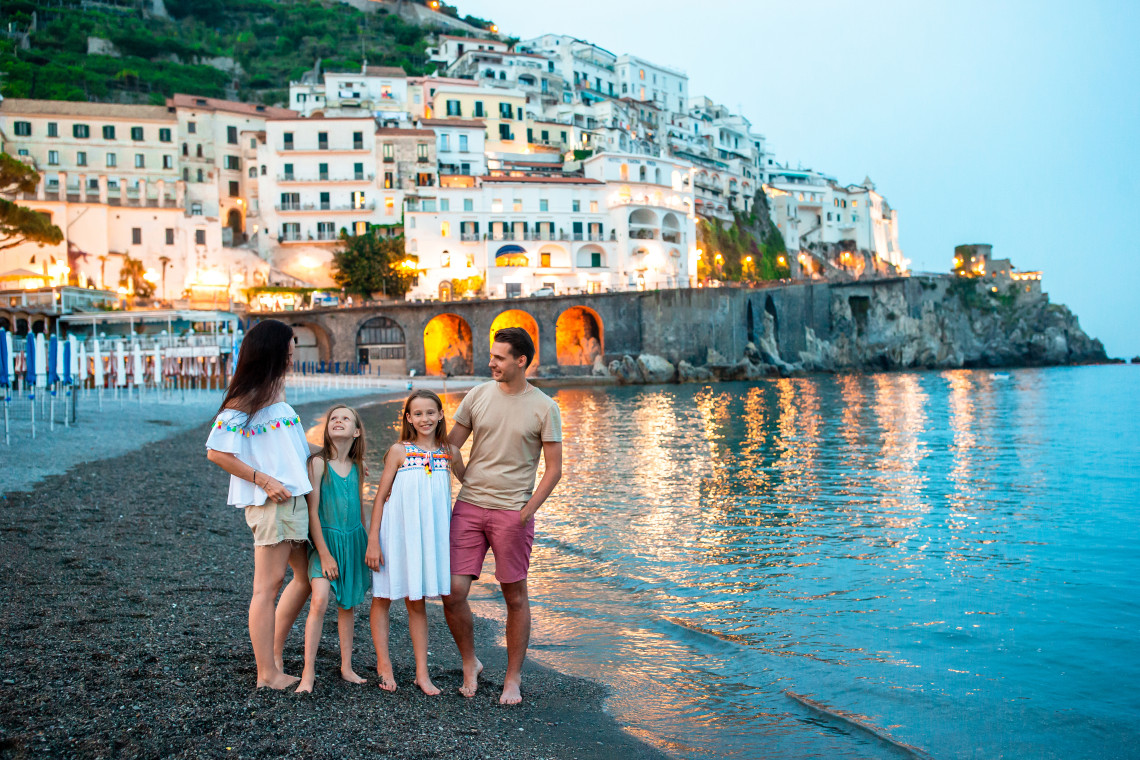
Go to Puglia (the heel of Italy) for sandy beaches, whitewashed villages and the trulli houses of Alberobello. Or Sardinia for some of the most beautiful coastline in the Mediterranean. Or Sicily for beaches plus volcano plus 2,500 years of Greek and Norman history. Or the Amalfi Coast for the postcard cliff villages and the most photographed coastline in the world.
The order I would rank them for first time beach trips:
- Sardinia for serious beaches (Costa Smeralda, La Pelosa, the Maddalena Archipelago)
- Puglia for affordability, character and a great food scene
- Amalfi Coast for the views, accepting that the beaches themselves are pebbly and small
- Sicily if you want history and beach combined
Honest tradeoff: All of these need a car or a private transfer to enjoy properly. None are train friendly.
If you are a mountain person
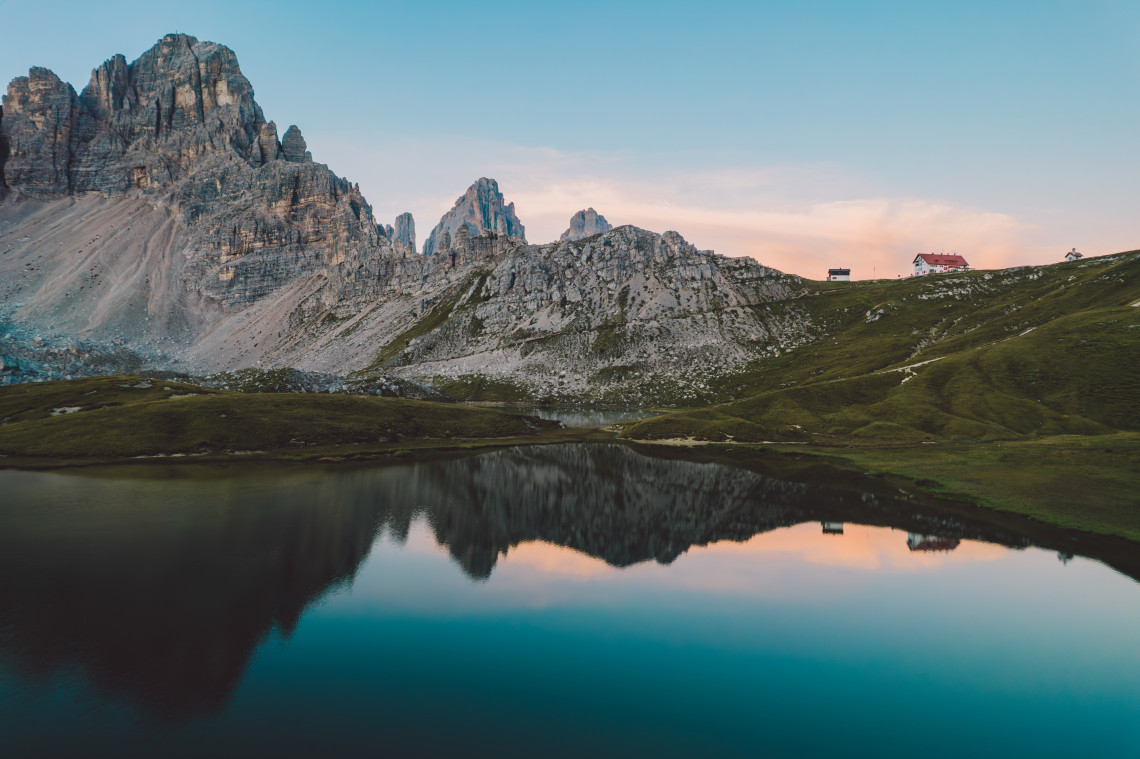
Go to the Dolomites (Trentino-Alto Adige, in the far north). Jagged limestone peaks, hut to hut trekking, world class via ferrata, alpine villages with strong South Tyrolean character (half Italian, half Austrian), and in winter, some of Europe's best skiing.
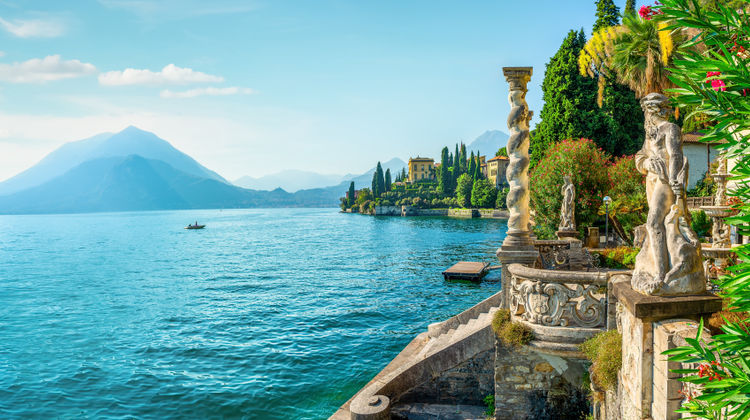
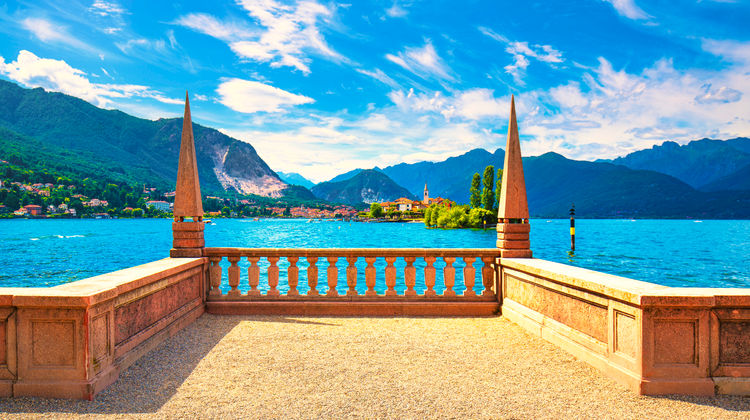
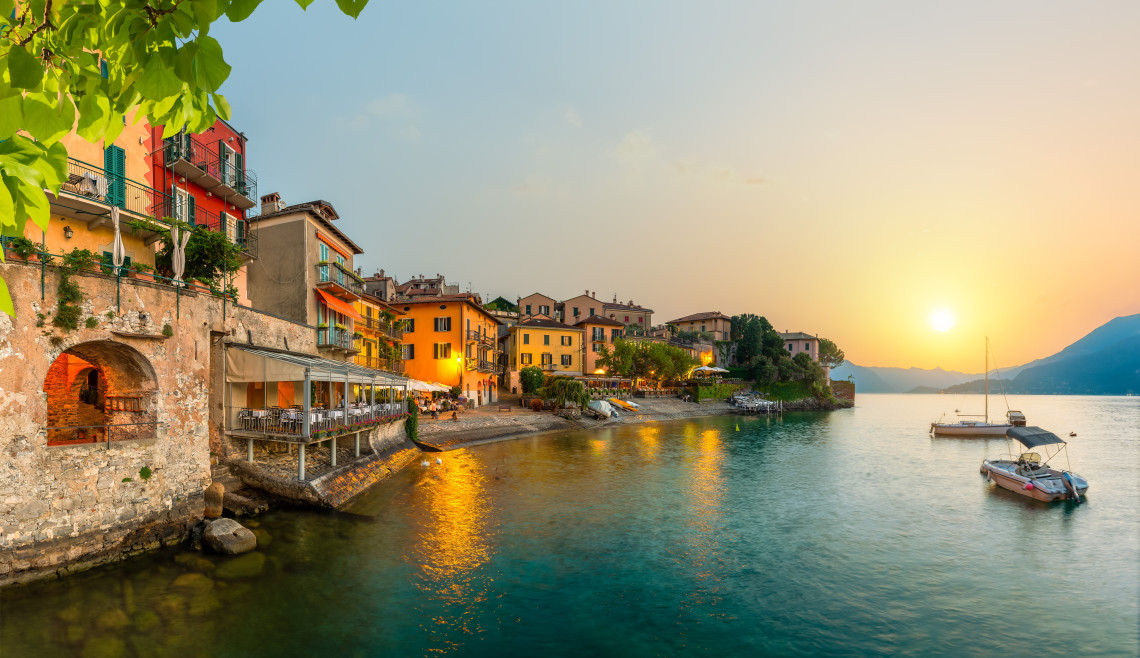
For a slightly easier mountain experience, the Italian Lakes (Como, Garda, Maggiore) sit at the foot of the Alps and combine mountain scenery with lakeside towns.
Honest tradeoff: The Dolomites are not for first timers in a hurry. They reward at least 5 days and serious walking.
If you are on a honeymoon
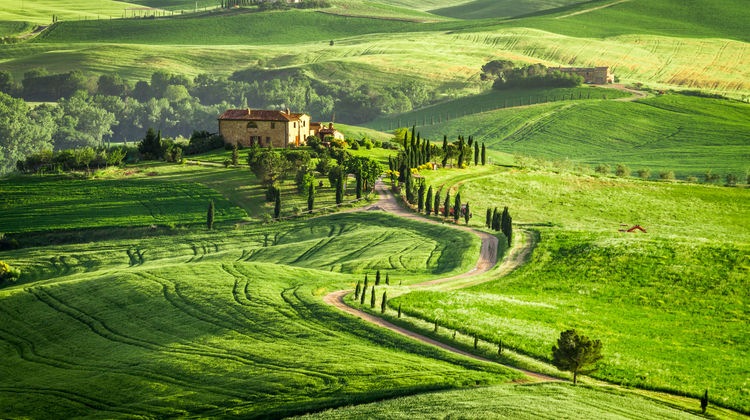
Go to the Amalfi Coast (with optional Capri), Tuscany (with a stay at a Val d'Orcia agriturismo), or Lake Como (Bellagio, Varenna, Tremezzo). All three deliver the photographic Italy honeymoon and have a deep bench of intimate hotels and restaurants.
Our top single recommendation for first time Italy honeymooners is 5 nights on the Amalfi Coast and 4 nights in Tuscany, with Rome bookending the trip on either end.
Honest tradeoff: Honeymoon Italy is expensive. Book early (6 to 9 months out for August). May, June and September are sweet spots for both weather and price.
If you are traveling with kids
Go to Tuscany with an agriturismo as your base, or to Lake Garda in the north which has Italy's largest theme park (Gardaland) plus easy lake activities. Sicily and Puglia are also excellent with kids if you base yourself in one spot.
City heavy itineraries (especially Rome and Florence in July and August) are tough on young children: hot, crowded, lots of walking, lots of standing in lines. If your kids are under 10, lean toward agriturismi and the coast.
Honest tradeoff: Italians love children, but Italian restaurants have late dinner hours (most kitchens open at 7:30 PM, peak service is 9 PM). Plan a long late afternoon break.
If you have only 4 to 5 days
Pick one city and do it well. Rome is the best 4 day Italy choice for first timers. Florence is the second best (you can day trip into Tuscany). Venice on its own can feel slow after 3 days, so save it for a longer trip.
Honest tradeoff: Cross country trips with less than 7 days end up exhausting, not enriching.
If you have 14 days or more
You can do the iconic triangle (Rome, Florence, Venice) PLUS a regional deep dive. The strongest combinations:
- Triangle + Tuscany (classic)
- Triangle + Amalfi Coast (most popular)
- Triangle + Dolomites (most varied)
- Triangle + Sicily (most adventurous)
- Triangle + Puglia (best food per dollar)
Region by region quick guide
- Lazio for Rome and the ancient world. Always rewarding.
- Tuscany for Florence, Siena, Pisa, the wine country and Renaissance landscapes.
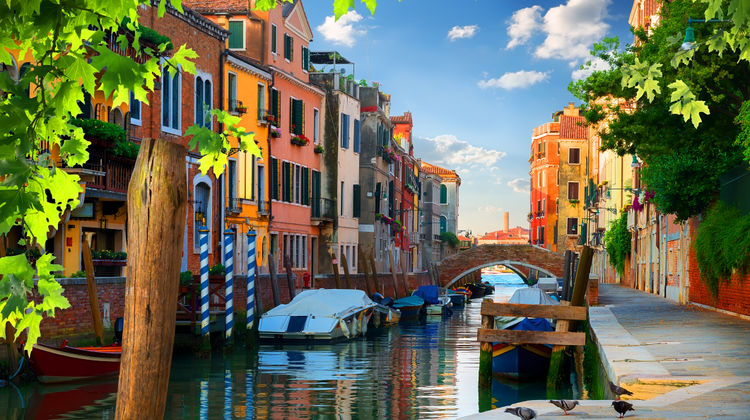
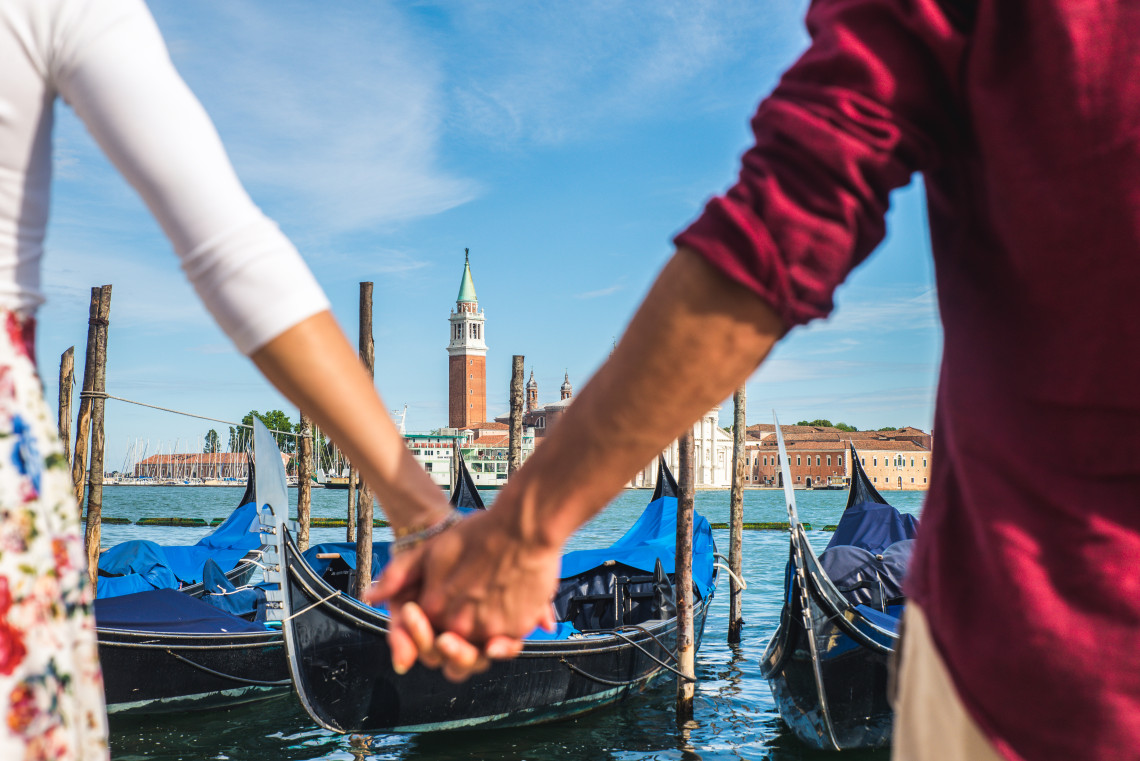
- Veneto for Venice, Verona, Padua and the Prosecco hills.
- Lombardy for Milan, Lake Como, the western shore of Lake Garda.
- Campania for Naples, Pompeii, Capri and the Amalfi Coast.
- Sicily for the most layered island in the Mediterranean: Greek temples, Norman cathedrals, Mount Etna and excellent seafood.
- Piedmont for Turin, the Langhe wines, Alba's white truffles.
- Trentino-Alto Adige for the Dolomites and the South Tyrolean character.
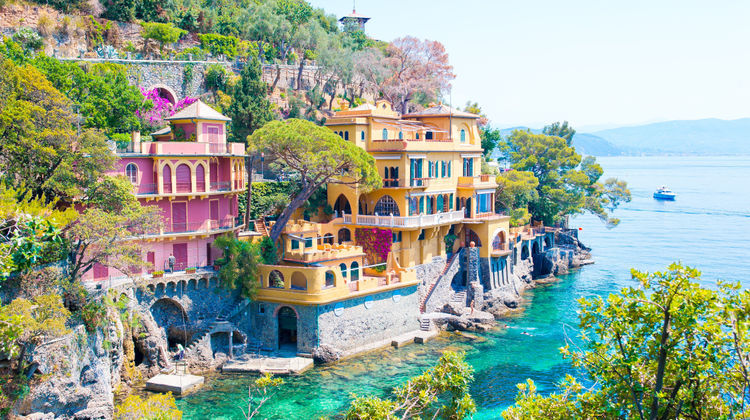
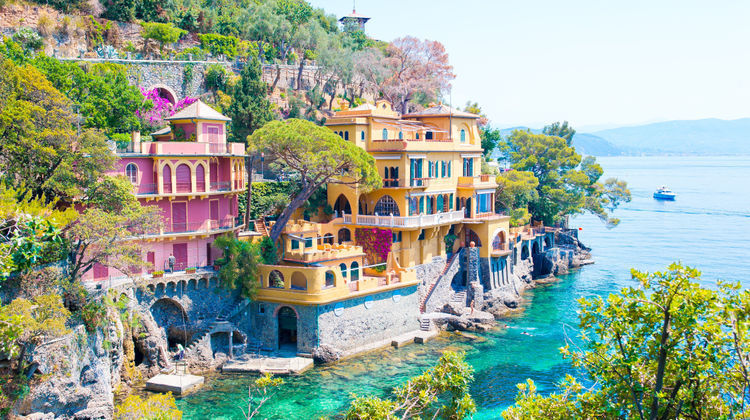
- Liguria for the Cinque Terre, Portofino and the Italian Riviera.
- Emilia-Romagna for Bologna and the food capital of Italy.
- Puglia for the trulli, white villages, and a Mediterranean Italy without crowds.
- Sardinia for the coastline, the food, and the only truly different Italy.
How to combine multiple regions on a first trip
For 10 day trips, two regions is the sweet spot. Train between the cities, rent a car for the countryside region. For 14 day trips, three regions is doable if you keep moves to two.
The mistake to avoid is bouncing every two days. Italy rewards depth more than coverage. Three nights minimum per city is the rule that experienced travelers stick to.
The bottom line
There is no wrong first trip to Italy. Only the trip that fits the version of Italy you want to come home with.
For most first timers, the safest answer is Lazio, Tuscany and Veneto (Rome plus Florence plus Venice), connected by the high speed train. Add a coast or a countryside region if you have 10+ days.
Frequently asked questions
Is Rome a good first stop in Italy?
Yes. Rome is the easiest international arrival airport, the most historically dense city, and the southern anchor of the high speed rail spine. Most first time Italian trips start in Rome.
Should I go to Rome or Florence first?
For most travelers we recommend Rome first (4 nights), then Florence (3 nights), then Venice (2 to 3 nights), in that order. This works geographically (you travel north to south rail wise, ending closer to a Venice or Milan return flight) and emotionally (you start with the biggest, most overwhelming city and ease into smaller ones).
Is Tuscany overrated?
No, but the most photographed parts (the Val d'Orcia, San Gimignano, Pienza) are very crowded in July and August. Visit in May, early June, late September or October and you will see why Tuscany has anchored Italian tourism for centuries.
Is Sicily worth it for a first time trip?
Yes if you have at least 10 days total and you can dedicate 5 to 7 days to Sicily. It is not a quick add on, it is its own trip. For shorter first time Italian trips, save Sicily for trip two.
Should I skip Venice?
No. Venice is unlike anywhere else on Earth, and it is sinking. Go now, accept the crowds at peak hours, and book a hotel inside the historic center so you can experience the city at dawn and after the day trippers leave.
Is the Amalfi Coast better than the Cinque Terre?
They are different. Amalfi has more dramatic vertical scenery, larger and more diverse villages, and better hotels. Cinque Terre is smaller, more rugged, more affordable, and connected by an excellent walking trail between the five towns. For honeymoons, lean Amalfi. For active first time trips, lean Cinque Terre.
Can I do Rome, Florence, Venice AND the Amalfi Coast in 10 days?
Yes but it is tight. Rome 3 nights, Amalfi 3 nights, Florence 2 nights, Venice 2 nights gives you a strong itinerary, but you spend a meaningful portion of your trip on the train. Better with 12 to 14 days.
Is Puglia a good first time Italian region?
For repeat travelers, absolutely. For first timers, only if you are confident you will return to Italy. Puglia rewards travelers who already know what Italy is at its baseline.
Ready to Plan Your Italy Trip?
Yes Getaways specializes in tailor-made and package trips to Italy, built around what you actually want to do with local expertise that no algorithm can replicate.