by Yes Getaways Team
July 24, 2026 • 9 min read
The single most common regret we hear from Christmas market travelers who came home cold and miserable: they packed for "European winter" thinking of London or Rome, and found Nuremberg, Prague, or Vienna genuinely cold.
European Christmas markets happen outdoors, at temperatures typically between -5°C and 5°C (23°F to 41°F), on cobblestone streets, for 4 to 6 hours a day, often in mist or light snow. The right clothing turns cold into atmosphere. The wrong clothing turns the whole trip into a shivering slog.
Cold in Europe is not colder than in the northern U.S. or Canada. But you'll be outdoors far more hours per day than you're used to. The clothing that gets you through a Chicago January walk gets you through Nuremberg in December.
The short answer
For a European Christmas market trip in early to mid December:
- Base layer: Merino wool or synthetic thermal top and long johns.
- Mid layer: Wool sweater or fleece.
- Outer layer: Warm waterproof coat (down or synthetic insulated).
- Bottom: Warm pants (wool or thermal-lined, not just jeans).
- Feet: Waterproof boots with grip, thermal socks (wool or synthetic).
- Head: Warm hat covering ears.
- Hands: Insulated waterproof gloves (touchscreen compatible ideally).
- Neck: Scarf, ideally wool or fleece.
- Bag: Small waterproof daypack for extras.
Key takeaways:
- Coldest: Tallinn, Nuremberg, Dresden, Munich, Salzburg
- Mildest: Cologne, Frankfurt, Berlin
- Most reliable snow: Tallinn, Salzburg, Munich, Dresden
- Rare snow: Cologne, Frankfurt
Rain and mist are more common than snow in most cities. Waterproof outer layers are more important than warmth-only layers.
The layer system explained
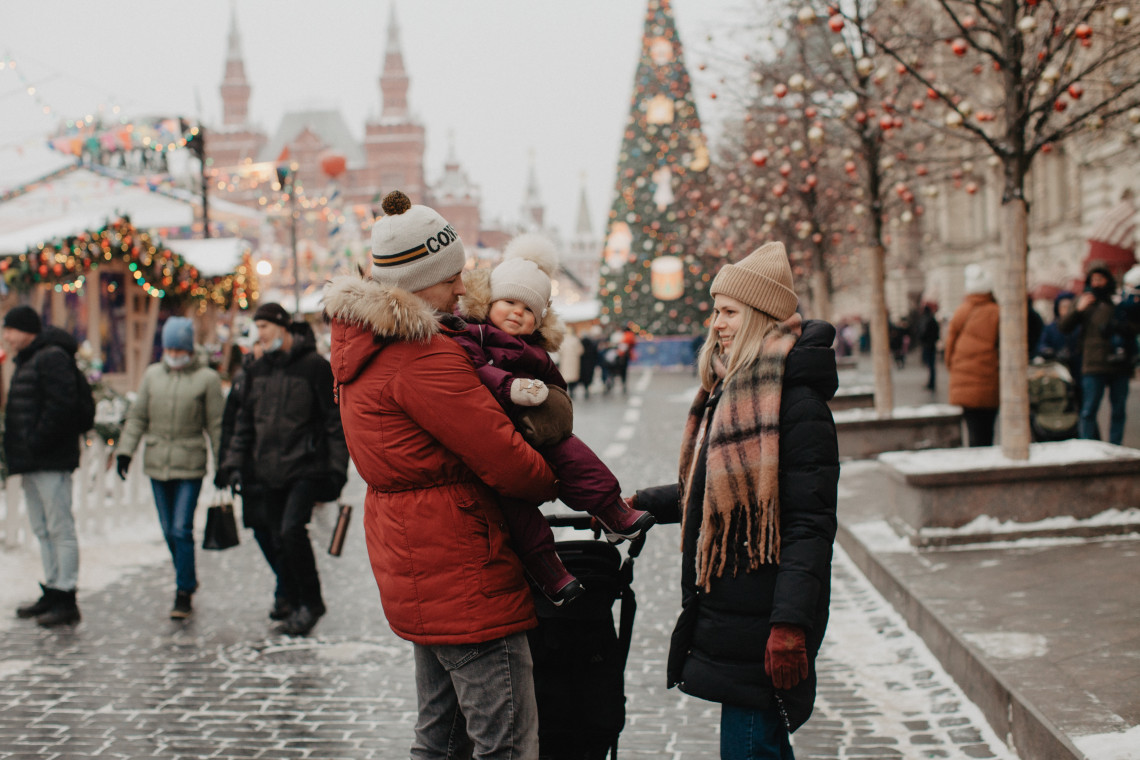
Cold-weather layering is not one thick coat. It's multiple thinner layers that trap air and can be adjusted through the day. From skin outward:
Layer 1: Base (thermal underwear)
Merino wool or synthetic thermal long-sleeve top and long johns. Merino wool is warmer per weight, breathes better, doesn't smell after multiple wears, and dries fast, the best value if you'll do more than one Christmas market trip. Synthetic (polyester with elastane) is cheaper.
Skip cotton entirely. Cotton holds sweat, chills fast, and takes forever to dry. A cotton undershirt in Europe in December will actively make you colder.
Layer 2: Mid (insulation)
A wool sweater, fleece, or light down jacket. Two layer options:
- Warmest day pieces: wool sweater (100% wool preferred; cashmere is warmer per weight but pricier).
- Colder day pieces: fleece pullover or light down vest.
You'll be pulling this layer on and off. Restaurants and cafés are heated to 22-24°C (72-75°F), which feels tropical after 30 minutes outside.
Layer 3: Outer (protection)
A warm waterproof coat. This is the single most important item in your kit. Requirements:
- Warmth: Insulated (down or synthetic). Down is warmer per weight; synthetic works when wet.
- Waterproof or highly water-resistant shell. Christmas market season includes rain and slush.
- Long enough to cover your torso (mid-thigh is ideal for outdoor waiting).
- Hood (essential for rain and wind).
- Pockets with zippers (Christmas markets have pickpockets in tourist areas).
Skip: short leather jackets, wool overcoats without waterproofing, ski jackets that only work in dry snow.
Good options for the U.S. and Canada market: Canada Goose, Patagonia, Arc'teryx, Fjällräven, Uniqlo Ultra Light Down (budget option that works surprisingly well as mid-layer or standalone in milder cities).
Layer 4: Bottom (pants)
Warm pants, not just jeans. Options:
- Thermal-lined jeans or trousers (many outdoor brands make these)
- Wool or corduroy trousers with a base layer underneath
- Softshell trousers (technical outdoor pants, very warm, water-resistant)
- Merino wool leggings under standard trousers (a hidden layer that transforms warmth)
Skip: thin cotton chinos alone. You'll freeze. Denim alone works only in the mildest cities (Cologne, Berlin) on warmer days.
Layer 5: Feet
Cold feet make the whole trip feel colder. Prioritize:
- Waterproof leather or synthetic boots with grip. Cobblestones are slippery when wet or snowy.
- Thermal socks, wool or synthetic hiking socks, not cotton.
- Optional: liner socks (thin sock under a thicker one) for the coldest cities.
Skip: sneakers (not warm, no grip), thin dress shoes, high heels on cobblestones (twist-ankle territory).
Good boot options: Sorel Caribou, Blundstone (waterproof line), Timberland Premium 6" Waterproof, Merrell Moab, Vasque.
Layer 6: Extremities
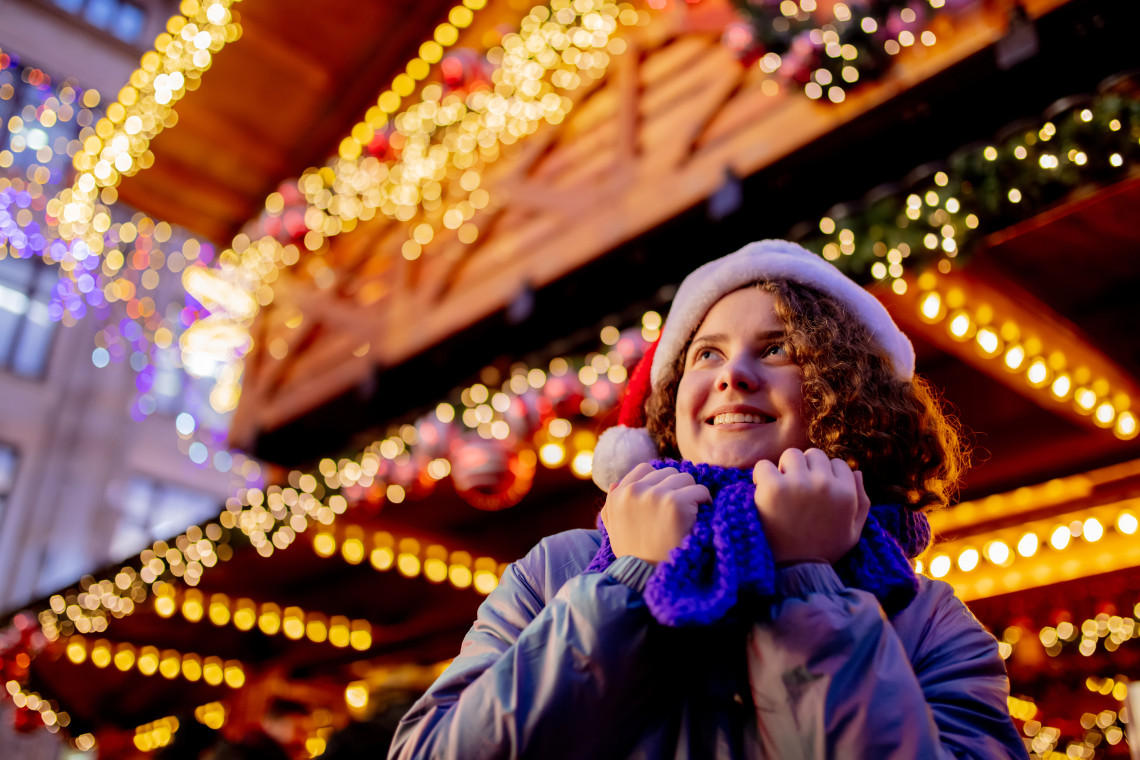
- Warm hat covering ears. Wool or fleece beanie. Fashion is secondary to warmth.
- Insulated gloves. Waterproof and touchscreen-compatible. Two pair strategy: thin merino liner under a thicker outer glove lets you use your phone briefly without removing the outer layer entirely.
- Scarf or neck gaiter. Wool, fleece, or merino. Big enough to wrap around neck and cover the lower face on the coldest nights.
The complete packing checklist
For a 5 to 10 night European Christmas market trip:
Clothing:
- 3-4 merino or synthetic thermal tops
- 2-3 pairs merino or synthetic thermal bottoms (long johns)
- 4-5 wool or synthetic sweaters/fleeces
- 3-4 pairs warm trousers (with base layer plus fleece-lined denim option)
- 6-8 pairs thermal socks
- 1 warm waterproof coat (the essential item)
- 1 lighter mid-layer jacket (backup or warmer indoor use)
- 1 warm hat
- 2 pairs insulated gloves (or 1 pair plus thin liner)
- 1-2 warm scarves
- Underwear (no changes from standard). The base layer sits between skin and underwear
- Sleepwear (hotels are heated, standard cotton is fine)
- 1 pair going-out clothes for a nice dinner or Christmas concert (dress code equals smart casual)
Footwear:
- 1 pair waterproof winter boots with grip
- 1 pair comfortable indoor/walking shoes for airplane/hotel
- Optional: dress shoes for one nice evening
Accessories:
- Warm ear muffs (backup or alternate to hat)
- Neck gaiter (for face coverage on coldest days)
- Hand warmers (chemical or reusable), nice-to-have for coldest days
- Small waterproof daypack (30L or less) for daily use
- Compact umbrella (for rain, not snow)
Non-clothing:
- Portable phone charger (cold drains phone batteries fast)
- Lip balm (cold plus dry air chaps lips fast)
- Moisturizer (skin cracks in cold plus dry indoor heat)
- Sunglasses (bright winter sun plus snow is real)
- Reusable water bottle (indoor heating dehydrates you)
City-specific packing adjustments
For Alsace (Strasbourg, Colmar): Standard cold plus rain kit. Sub-zero nights but rarely snowy during day.
For Tallinn: Add. Coldest city on the list. Bring a serious down coat, thermal underwear for both top and bottom, insulated boots rated for cold.
For Nuremberg, Dresden, Munich, Salzburg: Snow-reliable. Waterproof boots essential. Bring a scarf that can cover face.
For Cologne, Berlin, Frankfurt: Milder. Standard winter kit works. Waterproof is more important than heavy insulation.
For Vienna, Budapest, Prague: Cold with variable weather. Layer system is critical.
For Copenhagen: Windy from the harbor. Windproof shell more critical than in inland cities.
Common packing mistakes
Underestimating cold. "It's only Europe" — Nuremberg in December is genuinely 5°C colder than New York in December. Pack for actual cold.
Overpacking heavy pieces. One warm coat is enough. Don't bring three. Bring more base layers and swap them daily.
Wrong footwear. Sneakers, thin dress shoes, or fashion boots without grip make cobbled markets miserable.
Cotton base layers. Cotton sweat holds cold. Merino or synthetic only.
No hood on the coat. Without a hood you'll be dripping wet in the first rain shower. Bring a hood or bring an umbrella.
Skipping the hat/gloves/scarf trio. These are the biggest heat-loss areas. Skip them and you'll freeze while the rest of you is warm.
Bringing warm-weather cameras and lenses. Camera batteries die fast in cold. Bring spares.
Frequently asked questions
How cold is Europe in December? Typical daytime temperatures at Christmas markets: -5°C to 6°C (23°F to 43°F). Coldest cities: Tallinn, Nuremberg, Munich, Dresden, Salzburg. Mildest: Cologne, Frankfurt, Berlin.
What is the most important item to bring? A warm waterproof coat with a hood. This single item makes or breaks the trip.
Are jeans warm enough for European Christmas markets? Not on their own for most cities. Combine jeans with a merino wool long john base layer for warmth. Consider fleece-lined denim or wool trousers for the coldest cities.
Do I need snow boots? Waterproof boots with grip, yes. Full snow boots only if visiting Tallinn or the Alpine cities (Salzburg, Munich) and expecting heavy snow. Regular winter boots with grip work for most cities.
Are Christmas markets crowded enough for pickpockets? Yes, especially in tourist-heavy areas of Prague, Strasbourg, Vienna, and Berlin. Keep valuables in zippered coat pockets. Standard urban precautions apply.
How do I stay warm without looking bulky? Layer strategically. A merino wool base layer plus light fleece plus a slim insulated down jacket plus a good-looking wool coat over the top equals warm and reasonably slim silhouette. Bulky ski jackets are warm but visually bulky.
What should I wear to a Christmas concert in Vienna or Prague? Business-casual to semi-formal. A blazer, dress trousers, and a decent shirt for men. Dress or nice trousers for women. Not required to be black-tie unless a specific gala.
Do European hotels have heating? Yes, everywhere. Rooms are typically 22-24°C (72-75°F) in December, sometimes warmer. Bring lighter sleepwear than you'd expect.
What about my hair, do I need a hair dryer for winter? Most European hotels provide hair dryers. But cold air outside makes wet hair miserable. Dry fully before going outside. Especially for women with longer hair, factor in extra 30 minutes for drying.
Should I bring hand warmers? Nice-to-have, not essential. Chemical hand warmers (single-use) or rechargeable hand warmers work well for the coldest cities (Tallinn, Nuremberg, Dresden).
What about children's clothing at Christmas markets? Kids need everything adults need, in kid sizes. Same layering. Insulated waterproof snowsuits work well for children under 5. Also bring extra socks. Kids' feet get wet fast.
Can I buy clothing at Christmas markets if I forget something? Some markets sell scarves, mittens, and warm hats, often handmade. Not everything is available. Bring the essentials, buy small extras at markets as needed.
Warm, dry, ready for the market.
Our travel experts include a personalized packing brief for every Christmas market trip.
See Christmas Packages Tailor-Made Trip