July 28, 2026 • 12 min read
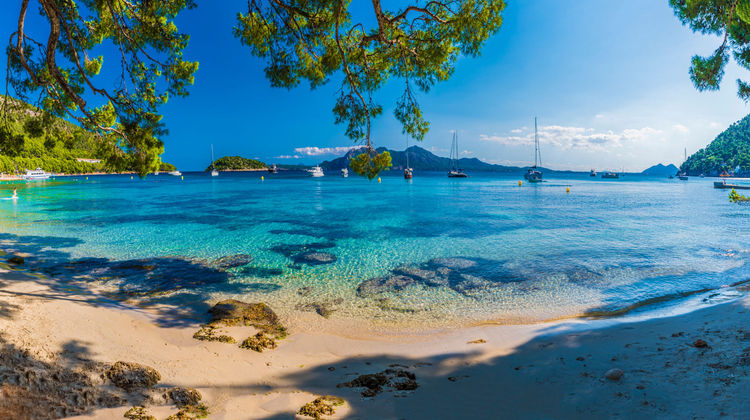
Madrid, Barcelona, Seville, and Granada get the traffic. But some of Spain's most extraordinary places are the small towns that most first-timers skip entirely: villages carved into cliffs, medieval old towns unchanged in 500 years, coastal fishing towns painted in Atlantic colors.
Here are ten small Spanish towns worth building a trip around, with where they are, how to reach them, and when to visit.
The short answer
If you love medieval old towns: Albarracín, Trujillo, Cáceres. If you love clifftop drama: Ronda, Cudillero, Frigiliana. If you love unusual geography: Setenil de las Bodegas (houses under rock), Cudillero (amphitheatre-fishing village). If you love northern Atlantic Spain: Combarro, Cudillero. If you love pueblos blancos (white villages) in Andalusia: Frigiliana, Zahara de la Sierra, Setenil. If you love Catalonia beyond Barcelona: Besalú, Cadaqués.
Ten towns, all reachable in a full or half-day drive from Spain's major cities.
1. Albarracín (Aragón)
Where: Teruel province, southern Aragón. 4h from Madrid by car, 3h from Valencia.
Why go: Considered by many the most beautiful town in Spain. Pink-hued stone houses cling to a hilltop wrapped by the Guadalaviar river. The town's Islamic-era walls and Moorish-Christian mix create an atmosphere of preservation almost unmatched in Europe.
What to see: The walk along the town walls at sunset, the tiny cathedral, the wooden carved balconies, the Muslim castle ruins.
When to go: May-October. Winter is quiet and photogenic if you can handle cold.
Where to stay: Hospedería del Corregidor (converted 16th-century mansion, €90-€150/night) or Casa de Santiago (€100-€180/night).
Combine with: Cuenca (2h drive north), Teruel (30 min south).
2. Cudillero (Asturias)
Where: North coast, Asturias. 30 min west of Oviedo, 2h from Bilbao by car.
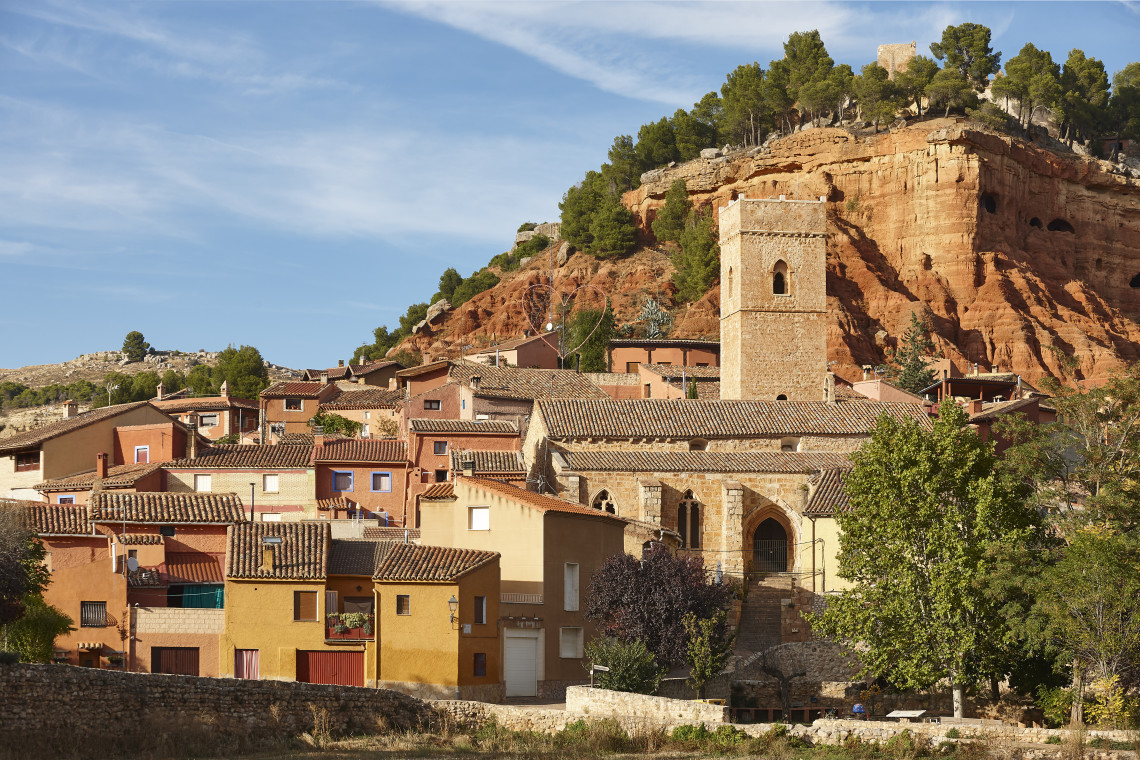
Why go: Fishing village built as an amphitheatre facing a narrow harbor. Houses painted in bright colors climb the steep sides. One of Spain's most photographed villages, still working as a fishing port.
What to see: The main plaza at sunset, the walk uphill along the church viewpoint, fresh grilled sardines and cider (asturiana style, poured from height into wide glasses) at the harbor restaurants.
When to go: Late May to September. Atlantic weather is fickle; even summer needs a windbreaker.
Where to stay: Casona Selgas de Cudillero (€90-€150/night) or nearby El Hotel de la Villa (€80-€120/night).
Combine with: Oviedo and Gijón (Asturian food scene), the Picos de Europa mountains inland, or the coast west toward Luarca and Ribadeo.
3. Frigiliana (Andalusia)
Where: Málaga province, 7 km inland from Nerja. 55 minutes from Málaga airport.
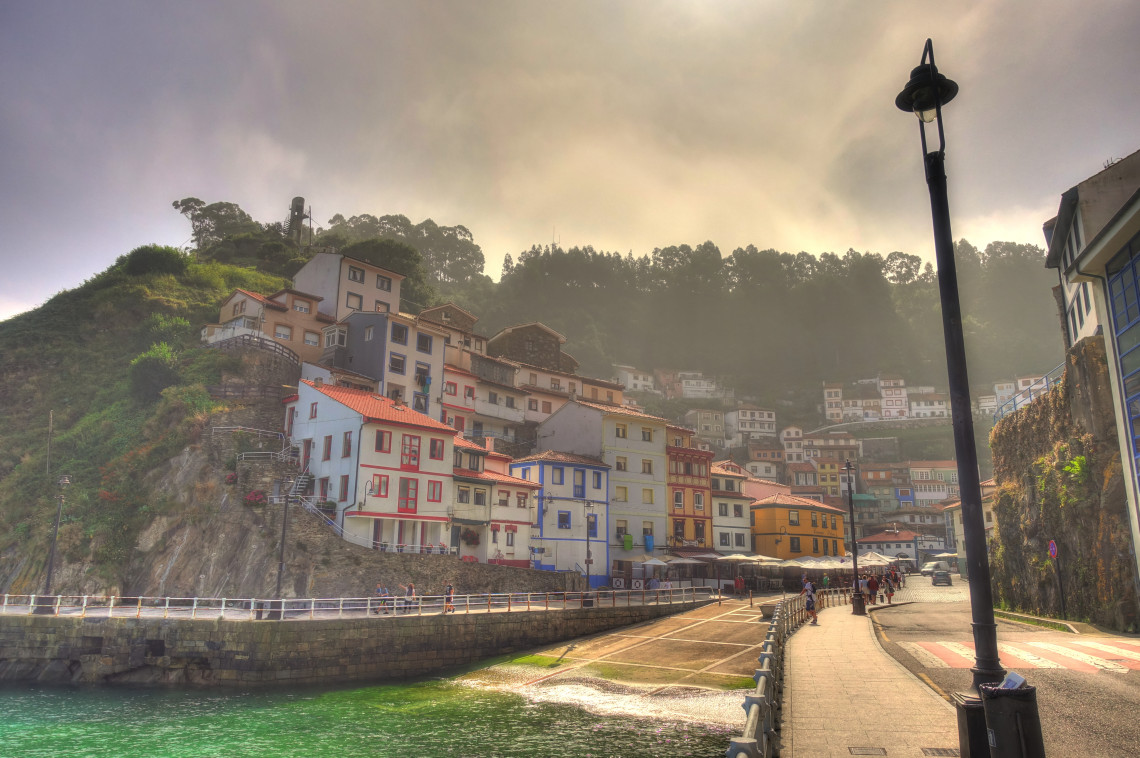
Why go: The most photographed pueblo blanco. Steep whitewashed streets with geranium-lined balconies, Moorish quarter still visible in the winding alleys, hillside views over the Mediterranean.
What to see: The Moorish quarter (barrio mudéjar), the Casa del Apero (old barn now cultural center), and any bar terrace with sea views. The tapas at Bodega La Ermita.
When to go: April-June, September-October. Peak summer has heavy day-tripper crowds from Nerja.
Where to stay: Villa Frigiliana (€150-€300/night boutique) or apartments in the old town.
Combine with: Nerja beaches, Málaga city, or the Costa del Sol drive.
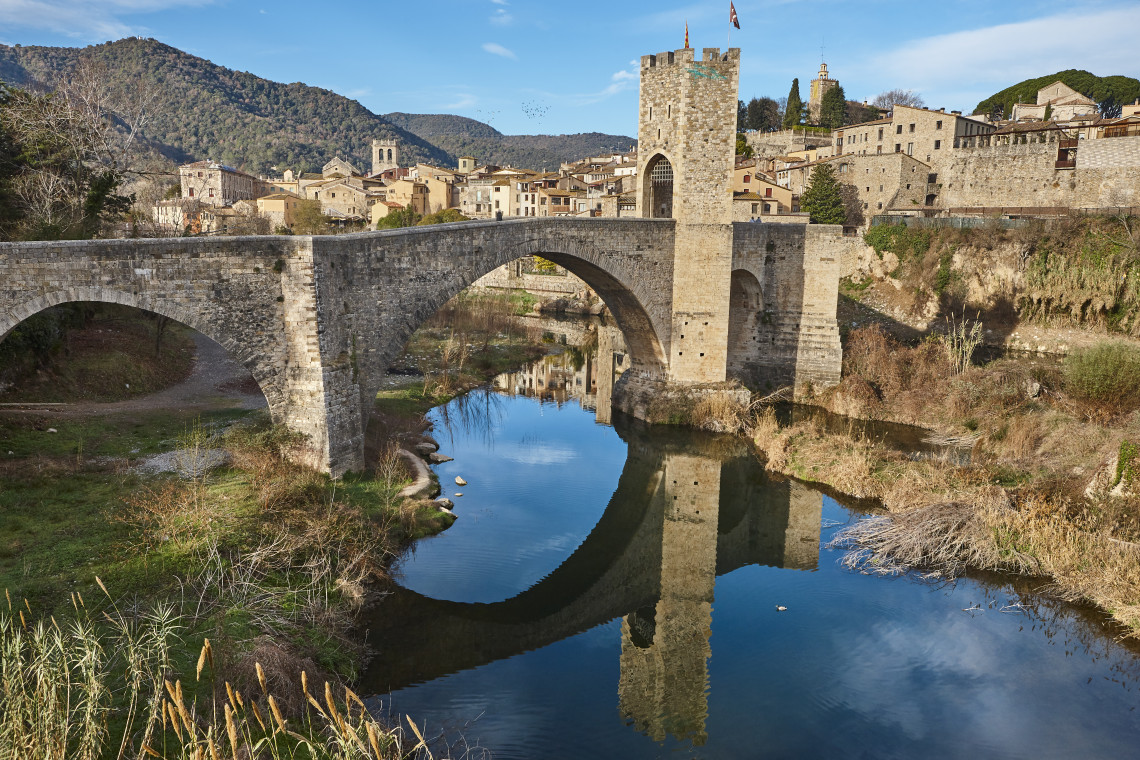
4. Besalú (Catalonia)
Where: Girona province, Catalonia. 40 minutes north of Girona city, 90 minutes north of Barcelona.
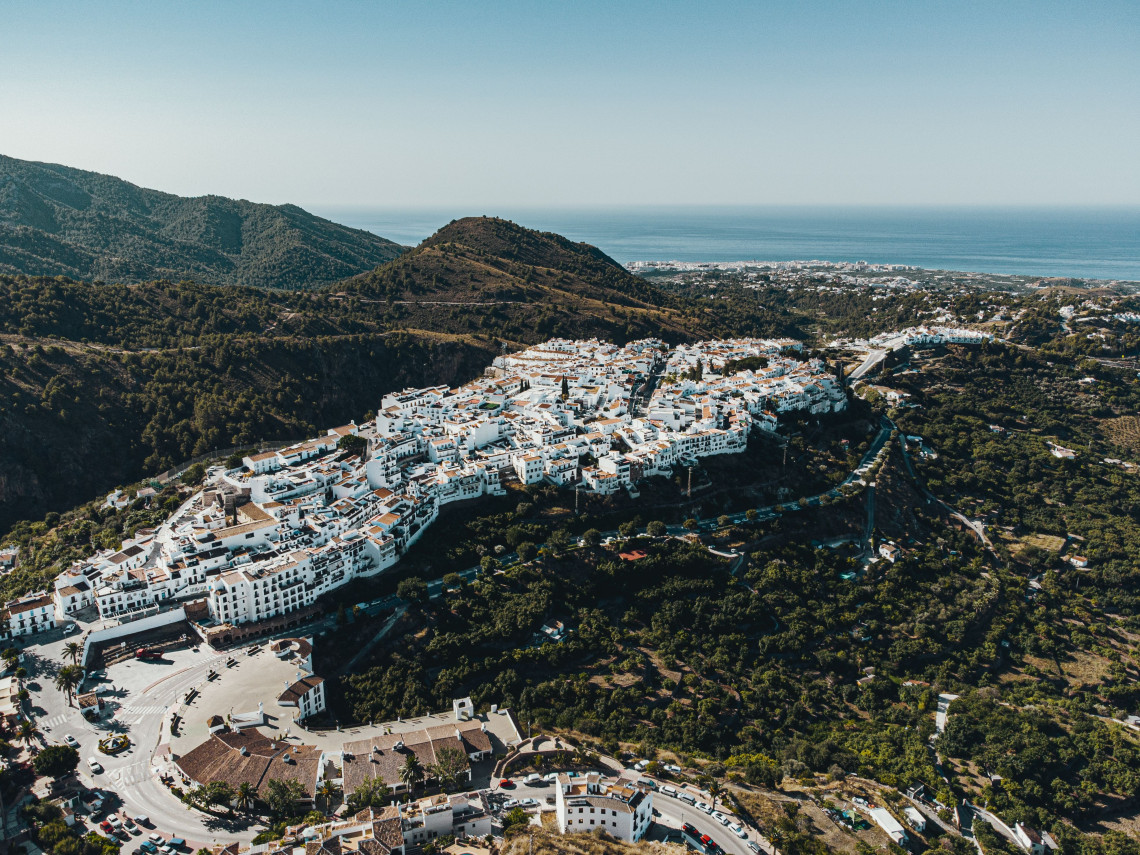
Why go: One of Spain's best-preserved medieval towns. 12th-century Romanesque bridge over the Fluvià river, complete medieval old town, ancient synagogue and Jewish ritual bath (mikvah), one of the oldest in Europe.
What to see: The Pont Vell (medieval bridge), the Jewish quarter and mikvah, the church of Sant Vicenç, and the walk around the town walls.
When to go: April-June, September-October. Summers manageable inland.
Where to stay: Els Jardins de la Martana (€130-€200/night) or Hotel Els Jardins de la Martana.
Combine with: Girona (essential), Cadaqués on the Costa Brava (1h drive), or the Vall de Núria in the Pyrenees.
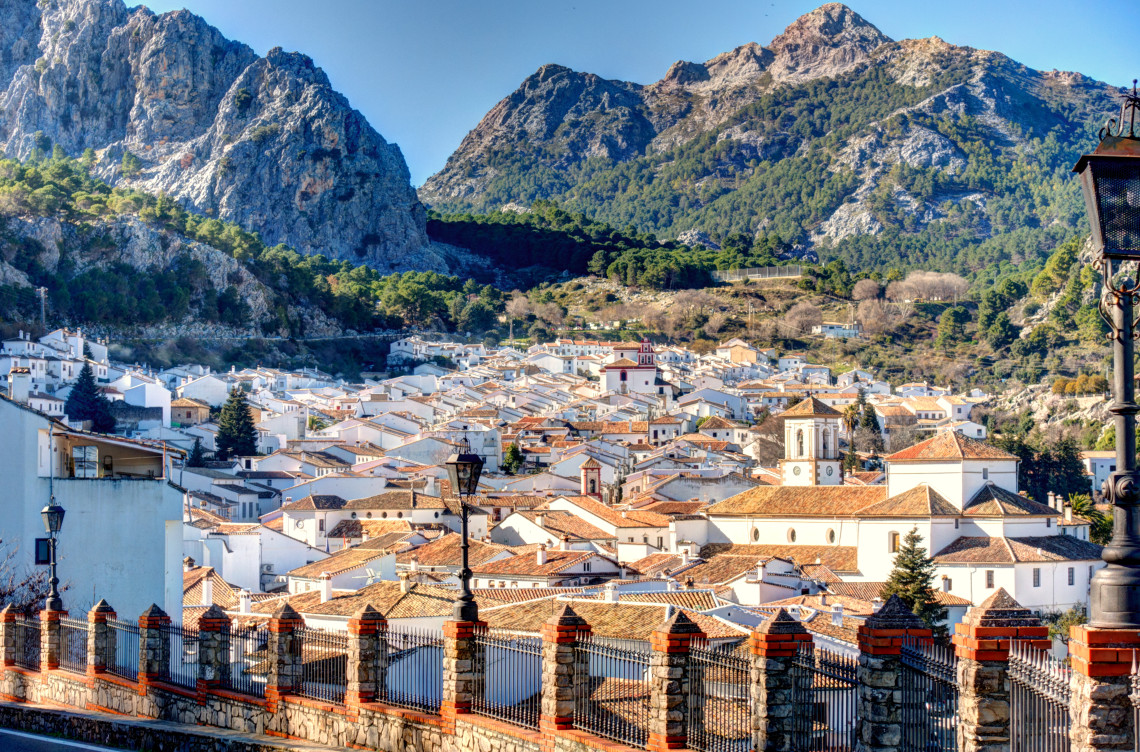
5. Zahara de la Sierra (Andalusia)
Where: Cádiz province, Sierra de Grazalema natural park. 1h 30min drive from Seville or Ronda.
Why go: Whitewashed pueblo blanco on a hilltop with a Moorish castle above and a turquoise reservoir below. The postcard shot of pueblos blancos.
What to see: The climb to the Moorish castle (30 min uphill from the village), the viewpoint at Mirador de Zahara, and simple tapas in the village bars.
When to go: March-June, September-November. Summer inland heat is intense.
Where to stay: Al Lago (boutique hotel + small restaurant, €120-€180/night) or the family-run Hotel Arco de la Villa.
Combine with: Grazalema, Ronda, Setenil, and the pueblos blancos loop.
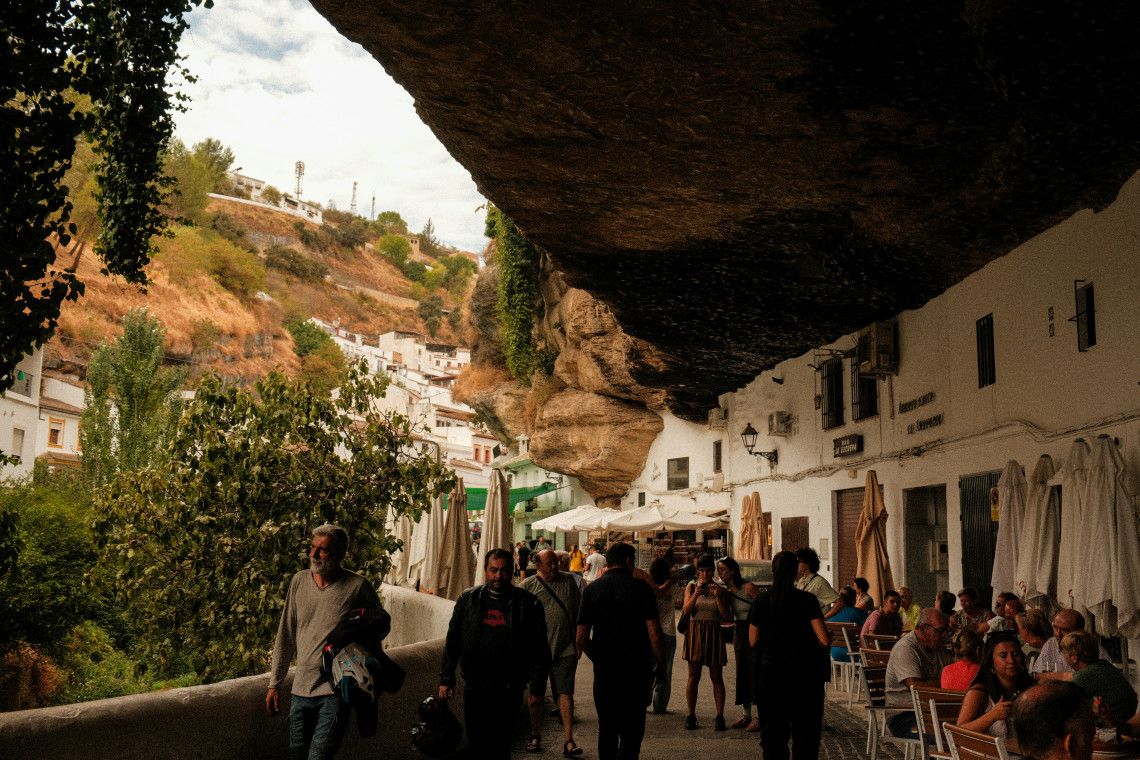
6. Setenil de las Bodegas (Andalusia)
Where: Cádiz province, 30 min from Ronda. 1h 45min from Seville.
Why go: The town is built into and under a giant rock overhang. Streets are literally roofed by boulders. Nowhere else in Spain looks like this.
What to see: Calle Cuevas del Sol (streets where the rock hangs directly over the tapas bars) and Calle Cuevas de la Sombra. Order olives, cured pork, and local wine at any of the bar terraces under the rock.
When to go: April-June, September-October. Manageable summer if you visit before 11am or after 5pm.
Where to stay: Small guesthouses in Setenil itself, or better base in Ronda (30 min away).
Combine with: Ronda, Zahara, Grazalema, the Andalusia loop.
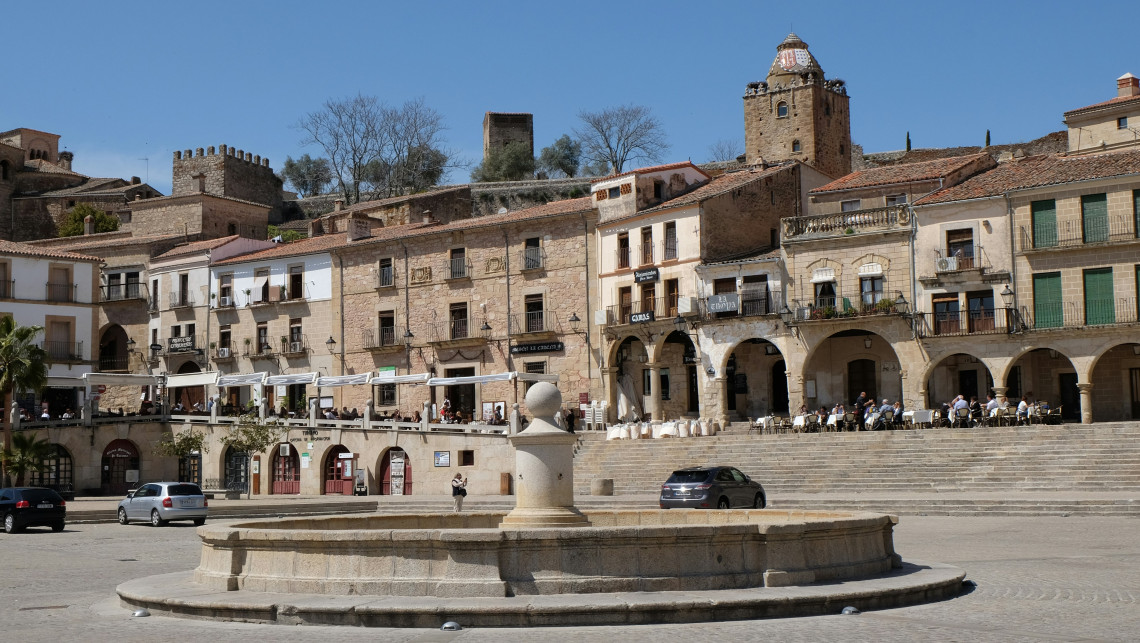
7. Trujillo (Extremadura)
Where: Cáceres province, western Spain. 2h 30min from Madrid, 3h from Seville.
Why go: Historic hometown of Francisco Pizarro (conqueror of the Inca Empire). Massive main square (Plaza Mayor) surrounded by 16th-century palaces built with Peruvian gold. Feels like a movie set of medieval Spain.
What to see: Plaza Mayor, the castle (walk up for the panorama over the Extremaduran plains), the Palacio del Marqués de Piedras Albas, and the medieval Jewish quarter.
When to go: April-June, September-October. Extremaduran summers are hot.
Where to stay: Parador de Trujillo (former convent, €130-€230/night) or NH Palacio de Santa Marta.
Combine with: Cáceres (30 min away, UNESCO medieval town), Guadalupe monastery, or Mérida's Roman ruins.
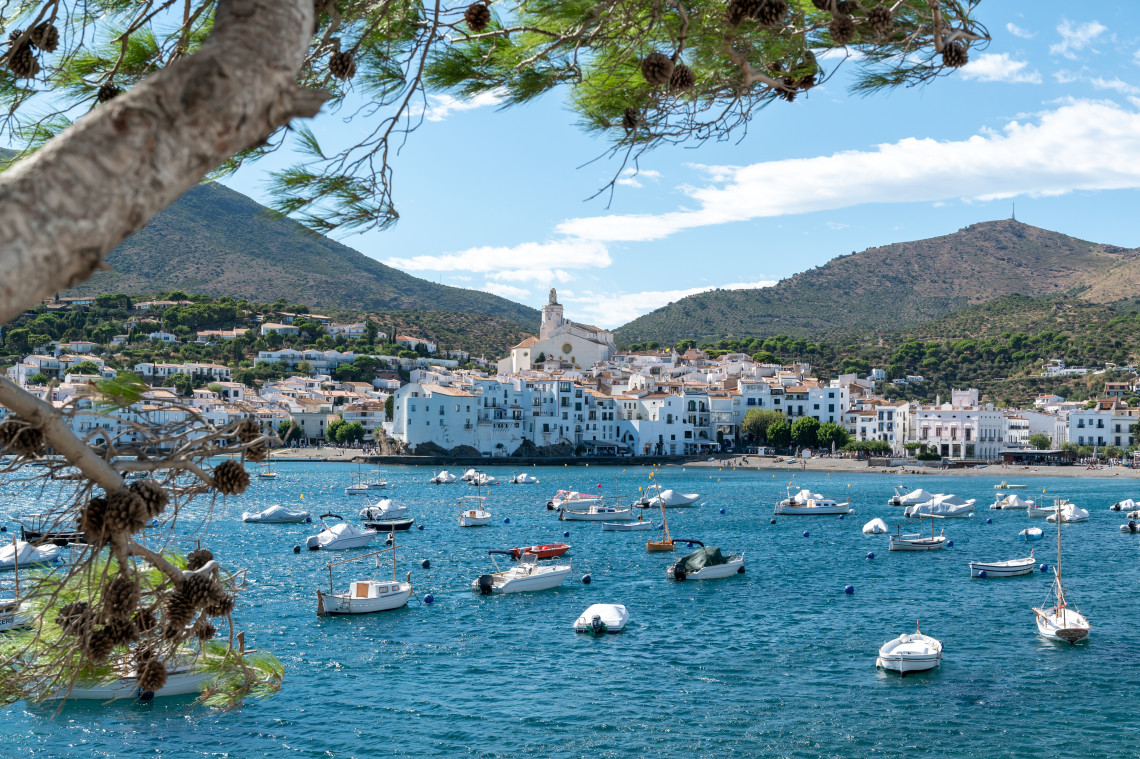
8. Cadaqués (Catalonia)
Where: Costa Brava, northeastern Catalonia. 2h 30min from Barcelona by car, 3h by train + bus.
Why go: Whitewashed village on the Costa Brava, home of Salvador Dalí (who lived nearby in Port Lligat). Turquoise-water bays, restored fishing houses, atmospheric evening light. Voted one of Europe's most beautiful coastal villages.
What to see: Dalí House-Museum in Port Lligat (book ahead), the harbor at sunset, Cap de Creus natural park hikes, the church of Santa Maria on the hilltop.
When to go: May-June, September-October. Summer is crowded but the Mediterranean water is warmest.
Where to stay: Hotel Playa Sol (waterfront, €200-€350/night) or Casa Anamaria (boutique, €150-€250/night).
Combine with: Girona, Besalú, Figueres (Dalí Theatre-Museum), the Costa Brava drive.
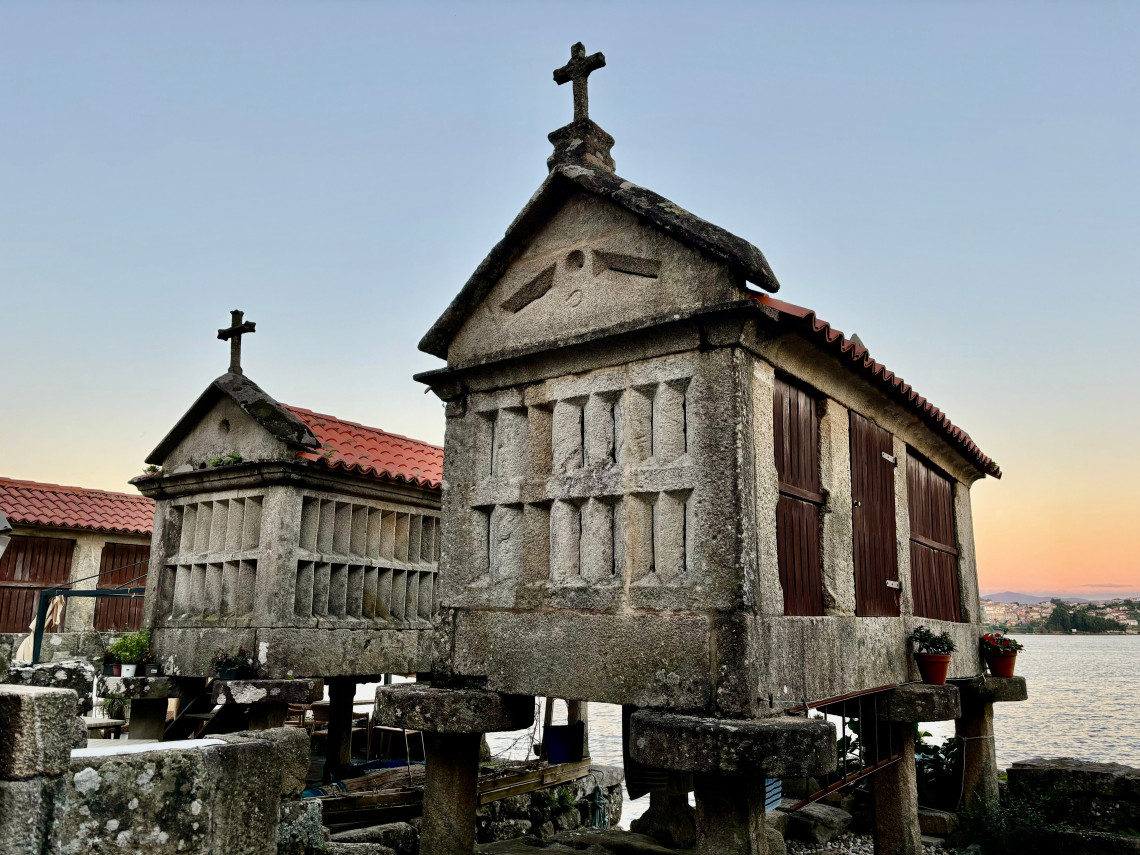
9. Combarro (Galicia)
Where: Pontevedra province, Rías Baixas, Galicia. 20 min from Pontevedra, 1h from Santiago de Compostela.
Why go: Fishing village on the Ría de Pontevedra with dozens of hórreos (stone granaries) built along the seafront. The old town feels essentially medieval. The hórreos are unique to Galicia and northern Portugal.
What to see: The seafront hórreos, the old town streets, and the seafood restaurants along the harbor (mejillones/mussels, pulpo/octopus, albariño wine).
When to go: June-September. Winter is wet and moody.
Where to stay: Hotel Rústico Casa da Botica (nearby) or apartments in Combarro itself. Base in Pontevedra for wider options.
Combine with: Santiago de Compostela, Rías Baixas wine country (Cambados, Meaño), the Camino de Santiago Portuguese route.
10. Guadalupe (Extremadura)
Where: Cáceres province, deep Extremadura. 3h drive from Madrid, 2h from Trujillo.
Why go: The Royal Monastery of Santa María de Guadalupe (UNESCO) was one of Spain's most important pilgrimage sites in the Middle Ages. The monastery combines Gothic, Mudejar, and Baroque architecture. Christopher Columbus signed the paperwork here to sail west; the first Native Americans baptized in Spain were baptized in this monastery.
What to see: The monastery interior (guided tour required), the surrounding mountain village, and the Reliquary and Museum with paintings by Zurbarán and Goya.
When to go: April-June, September-November.
Where to stay: Parador de Guadalupe (in a 15th-century hospital) or the Hospedería del Real Monasterio (converted monastery quarters, €90-€150/night).
Combine with: Trujillo (2h north), Cáceres (2h north), or the Extremadura and Portugal border route.
Bonus honorable mentions
Chinchón (Madrid province): Circular plaza with three levels of wooden balconies. 45 min from Madrid. Famous anise liqueur and garlic soup.
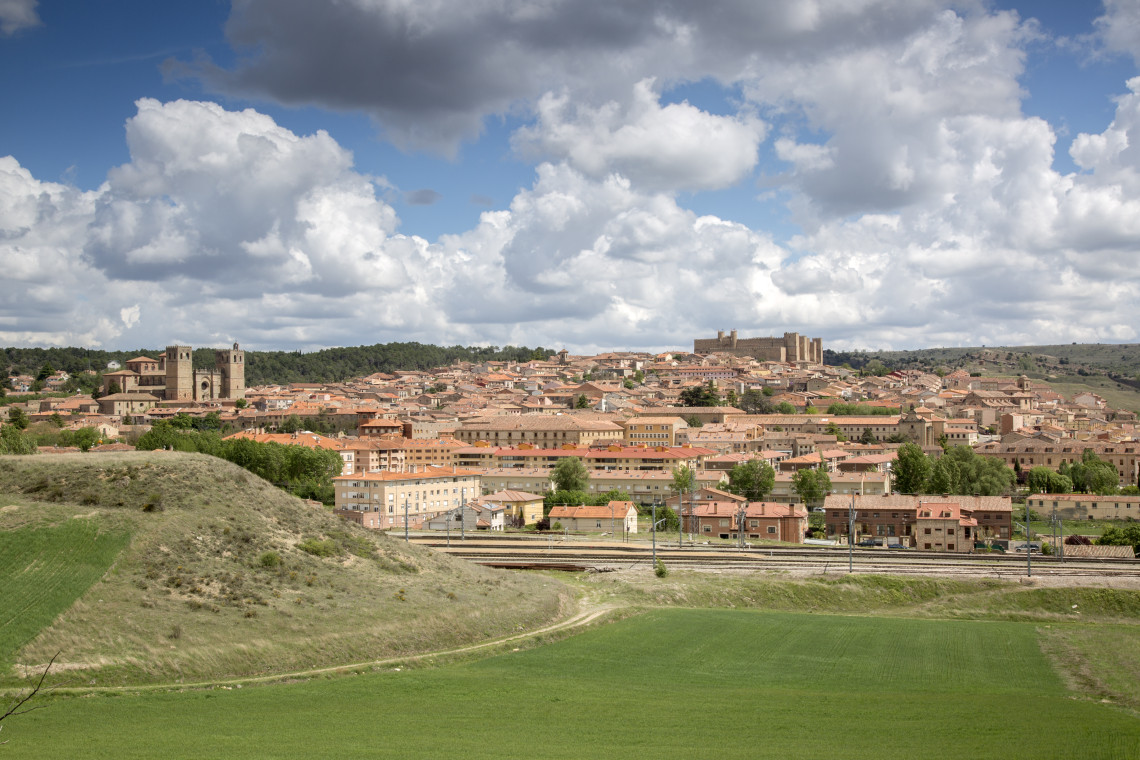
Sigüenza (Guadalajara): Medieval castle-parador above a preserved old town. 2h from Madrid.
Vejer de la Frontera (Cádiz): Whitewashed hilltop town between Cádiz and Tarifa. Views to Morocco on clear days.
Peñíscola (Castellón): Castle town on a peninsula. Filmed as Meereen in Game of Thrones. 2h south of Barcelona.
La Alberca (Salamanca): Medieval mountain village in the Sierra de Francia. Wooden balconies and stone houses.
Morella (Castellón): Walled town on a hill with a Templar-era castle. Inland from Valencia.
How to build a hidden Spain trip
A hidden Andalusia loop (5-6 days): Málaga → Frigiliana → Ronda → Setenil → Zahara de la Sierra → Grazalema → Cadiz → back to Málaga or Seville.
A hidden Catalonia + Costa Brava loop (4-5 days): Barcelona → Girona → Besalú → Cadaqués → Barcelona.
A hidden Extremadura + Castilla loop (5-6 days): Madrid → Trujillo → Cáceres → Guadalupe → Chinchón → Madrid. Deeply off the beaten path.
A hidden Northern Spain loop (5-7 days): Bilbao → Cudillero → Oviedo → Santiago de Compostela → Combarro → Rías Baixas → back to Bilbao (or fly out Santiago).
Practical tips for visiting Spain's small towns
Rent a car. Public transport to most of these towns is inconvenient. A rental car is essential.
Choose paradores where possible. The state-run parador chain converts old convents, monasteries, and castles into hotels. Reliable comfort in remote locations. Trujillo, Guadalupe, Sigüenza, and Chinchón all have excellent paradores.
Small-town restaurant hours are strict. Lunch 2-4pm, dinner 8-10pm. Off those hours you may find cafés and bars only.
Cash is more useful in small towns. Most take cards but small tapas bars, markets, and rural gas stations may prefer cash.
Language: English is less common in these towns than in Madrid or Barcelona. Basic Spanish helps enormously.
Book paradores 3-6 months ahead for high season (spring and fall weekends).
Bottom line
Spain's small towns reward travelers who slow down. Rent a car, base in a parador or boutique rural hotel, and drive between two or three of these across a week. You'll come home with a Spain that most tourists never see.
Frequently asked questions
What are the most beautiful small towns in Spain? Albarracín (Aragón), Cudillero (Asturias), Frigiliana (Andalusia), Besalú (Catalonia), Setenil de las Bodegas (Andalusia), Cadaqués (Costa Brava), and Trujillo (Extremadura) are among the most beautiful.
What is a pueblo blanco? A whitewashed village in southern Spain, mostly in Andalusia. The tradition of whitewashing comes from the Moorish era and helps reflect heat in summer. Frigiliana, Zahara de la Sierra, and Setenil de las Bodegas are classic examples.
What is Spain's most beautiful village? Frequently voted: Albarracín in Aragón. Other frequent contenders: Cudillero, Frigiliana, Setenil, and Cadaqués.
How do I visit small towns in Spain? Rent a car. Public transport reaches them slowly. A 7-14 day rural Spain trip requires a rental car.
Are Spanish villages walkable? Yes, all of them. Most are small enough to explore in 2-4 hours. Steep hillsides are common; comfortable shoes required.
What is Setenil de las Bodegas famous for? Houses and streets built into and under a massive rock overhang. Streets like Calle Cuevas del Sol are literally roofed by boulders.
Where can I see white villages in Spain? Andalusia's Sierra de Grazalema and Sierra de Cádiz: Ronda, Zahara de la Sierra, Grazalema, Setenil, Arcos de la Frontera. Also Frigiliana between Málaga and Nerja.
What is a parador? A state-run luxury hotel in Spain, often converted from a former convent, monastery, castle, or palace. Reliable comfort in historic buildings. Trujillo, Guadalupe, Sigüenza, and dozens of others have excellent paradores.
When is the best time to visit Spanish small towns? Late April to June, September to early November. Avoid August (heat and closures) and Christmas week (many closures).
Are Spanish small towns child-friendly? Yes. Cobbled streets can be tough for strollers but children are welcomed in restaurants and hotels.
Is Cadaqués worth visiting? Yes. One of the Costa Brava's most beautiful villages. Home of Salvador Dalí (his house is nearby at Port Lligat).
How do I get to Cudillero? By rental car from Oviedo (30 min) or Bilbao (2h). No practical public transport option.
Are there hidden towns near Madrid? Chinchón (45 min), Sigüenza (2h), Toledo and Segovia (30 min by AVE) are all reachable in a day from Madrid.
The Spain most tourists miss.
Our Spain travel experts route you through small towns with paradores, rental cars, and boutique rural stays.
See Spain Packages Tailor-Made Trip