by Yes Getaways Team
August 3, 2026 • 12 min read
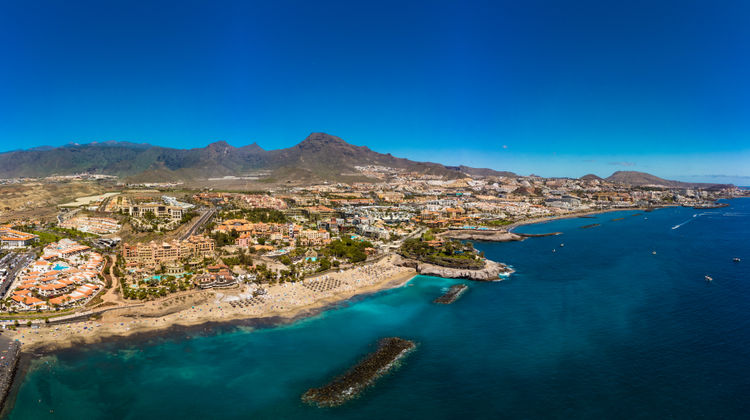
Málaga is the Andalusian city most first-time visitors underestimate. Picasso's birthplace, the Alcazaba Moorish fortress, one of Spain's best city beaches, and 320 days of sun per year make it the gateway to the Costa del Sol and one of the easiest bases for the full Andalusia loop.
Here is the honest guide to what to see, when to go, where to stay, and how to combine Málaga with Ronda, Granada, Seville, or the white villages next door.
The short answer
Málaga sits on the Mediterranean coast of Andalusia, 500 km south of Madrid and directly reachable by AVE (2h 40min). It is Spain's sixth-largest city, birthplace of Pablo Picasso, and the transport hub for the Costa del Sol resorts of Marbella, Nerja, and Torremolinos.
Plan for:
- 2 to 3 nights in the city itself (Alcazaba, Picasso Museum, Cathedral, Malagueta beach, historic center).
- Best months: April to June and September to early November. Winter is mild (16 to 18°C / 61 to 65°F) and the cheapest.
- Base in: Centro Histórico (old town) or Soho (creative neighborhood between the port and the center).
- Combine with: Ronda, Frigiliana, Nerja, Granada, and Seville for the classic Andalusia loop.
Best time to visit Málaga
Málaga's Mediterranean climate is the mildest on mainland Spain. It gets 320 days of sun a year and rarely drops below 12°C / 54°F even in January. That said, the trip you have depends on when you go.
Spring (April to June): The best all-round window. Daytime 20 to 28°C / 68 to 82°F, gardens in bloom, Semana Santa processions in Holy Week (one of Spain's most spectacular, second only to Seville). Book 3+ months ahead if you want Semana Santa.
Summer (July to August): Peak beach season. 28 to 32°C / 82 to 90°F with sea breezes making it more bearable than inland Seville. Feria de Málaga in mid-August is the city's biggest festival (10 days of flamenco, horses, and street parties). Hotel prices peak.
Fall (September to early November): The second sweet spot. Sea still swimmable through October, temperatures comfortable, crowds thinning.
Winter (December to March): Málaga is one of Europe's mildest winter city breaks. Cheaper hotels, empty museums, and daytime temperatures still 16 to 18°C / 61 to 65°F. Rain is possible but rare.
What to see in Málaga
The Alcazaba
Málaga's 11th-century Moorish fortress climbs the hill above the Roman Theatre. Better preserved than most Andalusian fortresses, with gardens, patios, and reflecting pools inside the walls. Entry €3.50, or €5.50 combined with Gibralfaro. Open 9am to 8pm in summer, 9am to 6pm in winter. Free every Sunday from 2pm.
Gibralfaro Castle
Connected to the Alcazaba by a walled corridor. Climb the walls for the best panoramic view of Málaga: the port, the bullring, the Mediterranean. About 20 minutes uphill from the Alcazaba. Bring water in summer.
Picasso Museum
The museum in the 16th-century Palacio de Buenavista holds 285 works spanning Picasso's entire career, donated largely by his family. Not the largest Picasso collection in the world (that's Barcelona and Paris) but the most personal, in the city where he was born in 1881. Entry €12. Closed Mondays. Book online to skip the ticket queue.
Málaga Cathedral (La Manquita)
The "one-armed lady," nicknamed for its unfinished south tower. Construction began in 1528 and stopped for lack of funds in 1782, leaving the asymmetric silhouette that defines the Málaga skyline. Interior is Renaissance-Baroque with elaborate choir stalls. Rooftop tour (€10) gives panoramic city views. Entry €8.
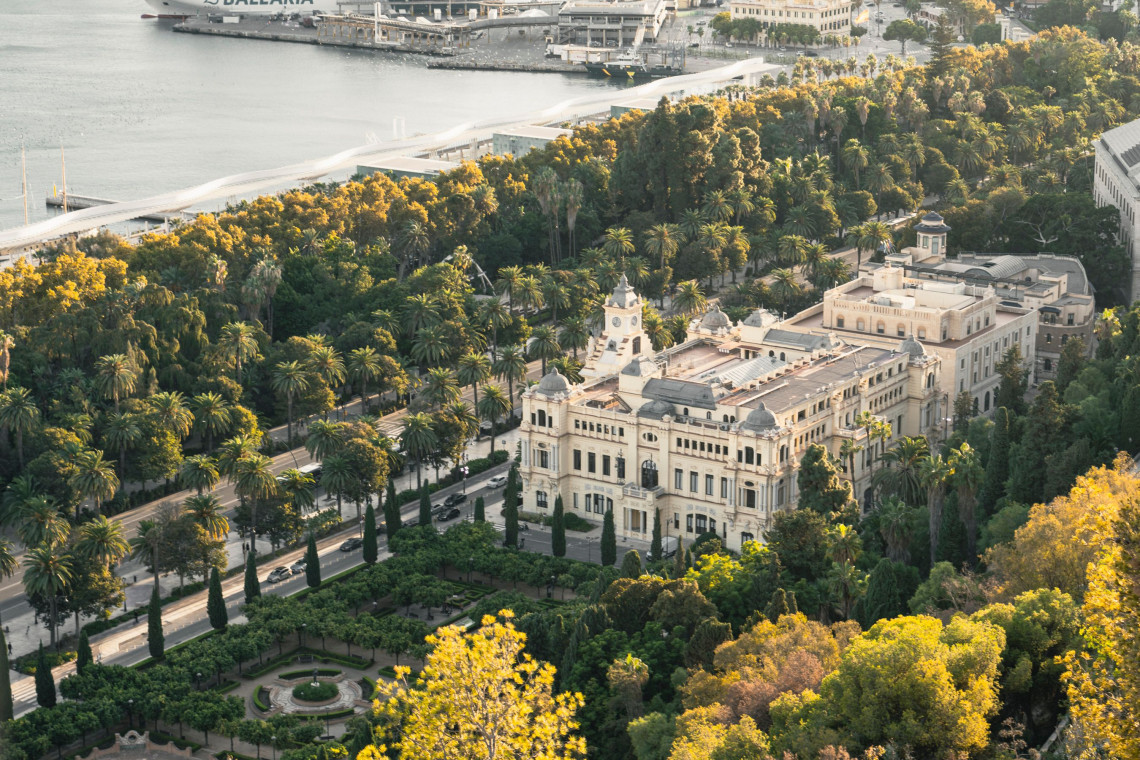
Roman Theatre
At the foot of the Alcazaba, the 1st-century BC Roman theatre was rediscovered in 1951 during construction. Small but perfectly preserved. Free entry. Visitor center explains the site's history from Roman through Moorish reuse of the stones.
Casa Natal de Picasso
Picasso's birthplace on Plaza de la Merced, now a small museum with early sketches, family photographs, and personal items. €4 entry. Worth 30 minutes if you're already at the Picasso Museum.
Muelle Uno and the Málaga Port
The port promenade was renovated in 2011 into a modern shopping and dining strip. Home to the Centre Pompidou Málaga (French museum outpost, €9) housed in a colored glass cube on the waterfront. Good sunset walk.
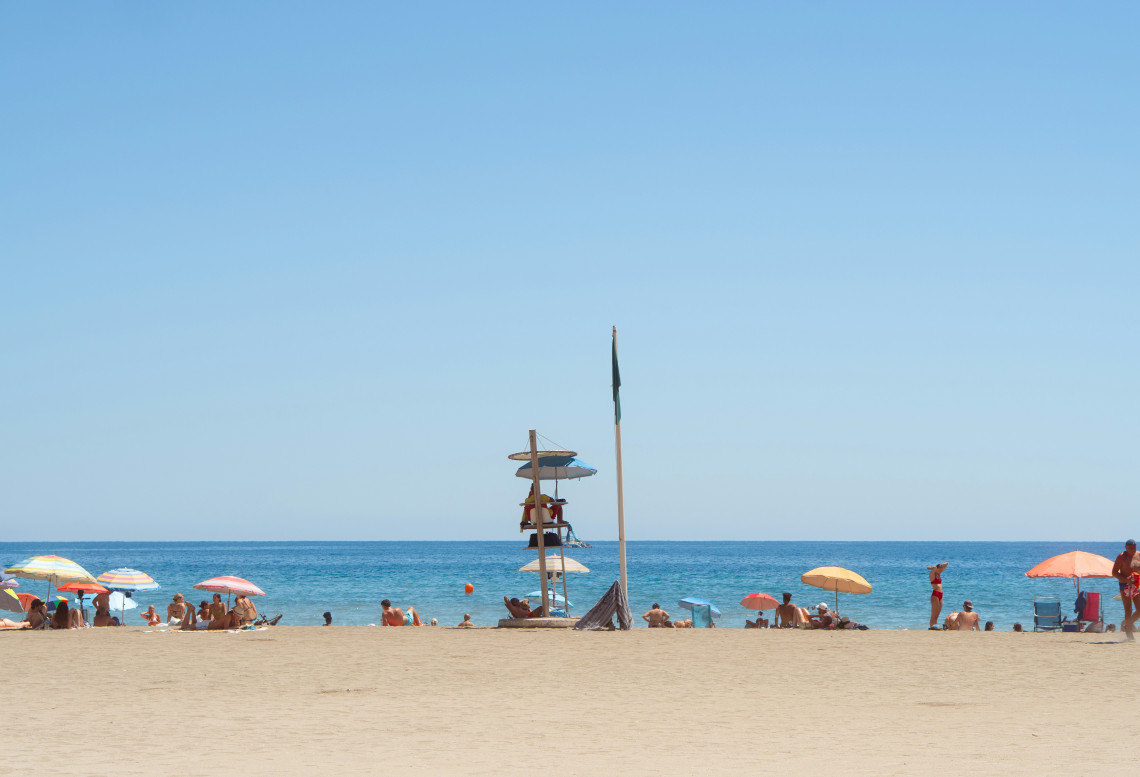
Malagueta Beach
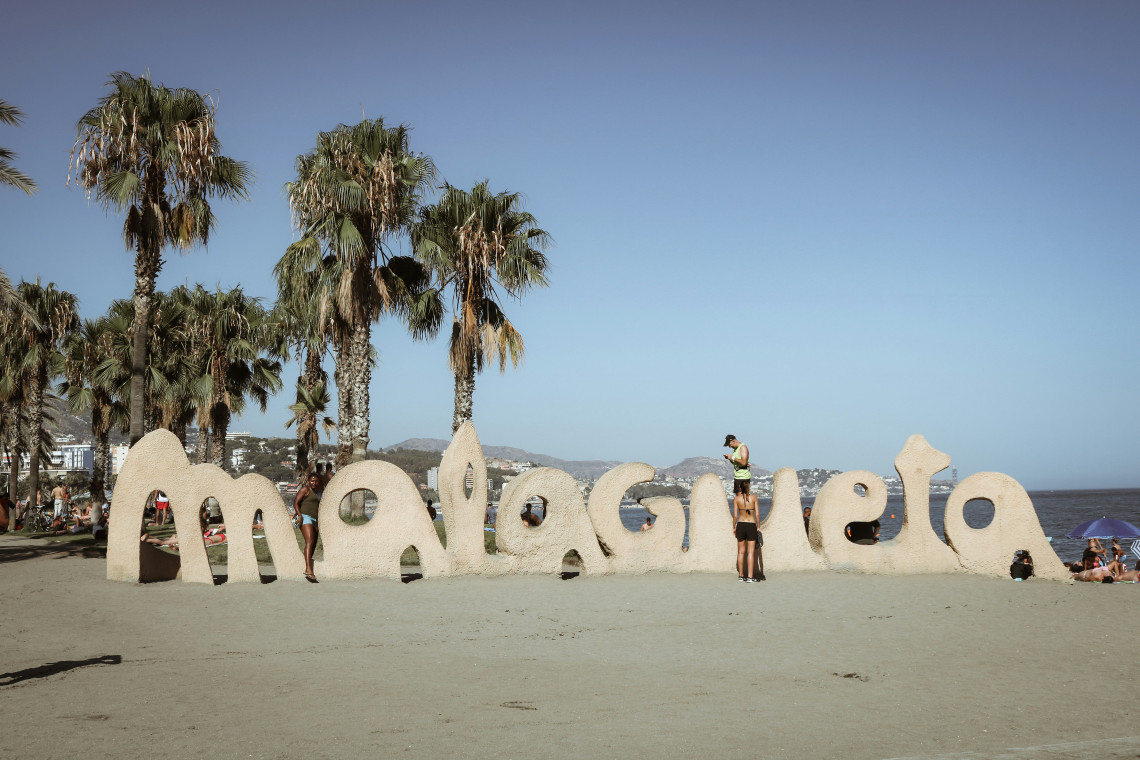
The city beach, 10 minutes' walk from the historic center. Golden sand, chiringuitos (beach restaurants) serving espeto de sardinas grilled over open fires on the sand, and a working-class Málaga atmosphere. Not the prettiest beach in Andalusia but the most convenient.
What to eat in Málaga
Málaga's food is Andalusian coastal: seafood, olive oil, and fried fish, plus a distinctive sweet-wine tradition.
Signature dishes:
- Espeto de sardinas: Sardines skewered on bamboo and grilled over open wood fires on the beach. A summer tradition. Try Chiringuito El Cachalote or Chiringuito Tintero for the version locals eat.
- Pescaíto frito: Andalusian mixed fried seafood. Try it at Casa Aranda or El Pimpi.
- Gazpachuelo: Málaga's local warm fish soup with mayonnaise and potato. Distinct from Andalusian gazpacho.
- Boquerones al limón: Fresh anchovies cured in vinegar and lemon.
- Ajoblanco: Chilled almond and garlic soup, often served with grapes.
- Málaga sweet wine (Vino de Málaga): Fortified sweet wine from local Moscatel and Pedro Ximénez grapes. Try at Antigua Casa de Guardia (Málaga's oldest tavern, since 1840).
Where to eat:
- El Pimpi: Historic taverna, tapas, Málaga sweet wine, Antonio Banderas is a regular (he was born in Málaga).
- Uvedoble Taberna: Modern Andalusian tapas near the Cathedral.
- La Cosmopolita: Creative Málaga cuisine, mid-range fine dining.
- José Carlos García: Michelin-starred, at Muelle Uno.
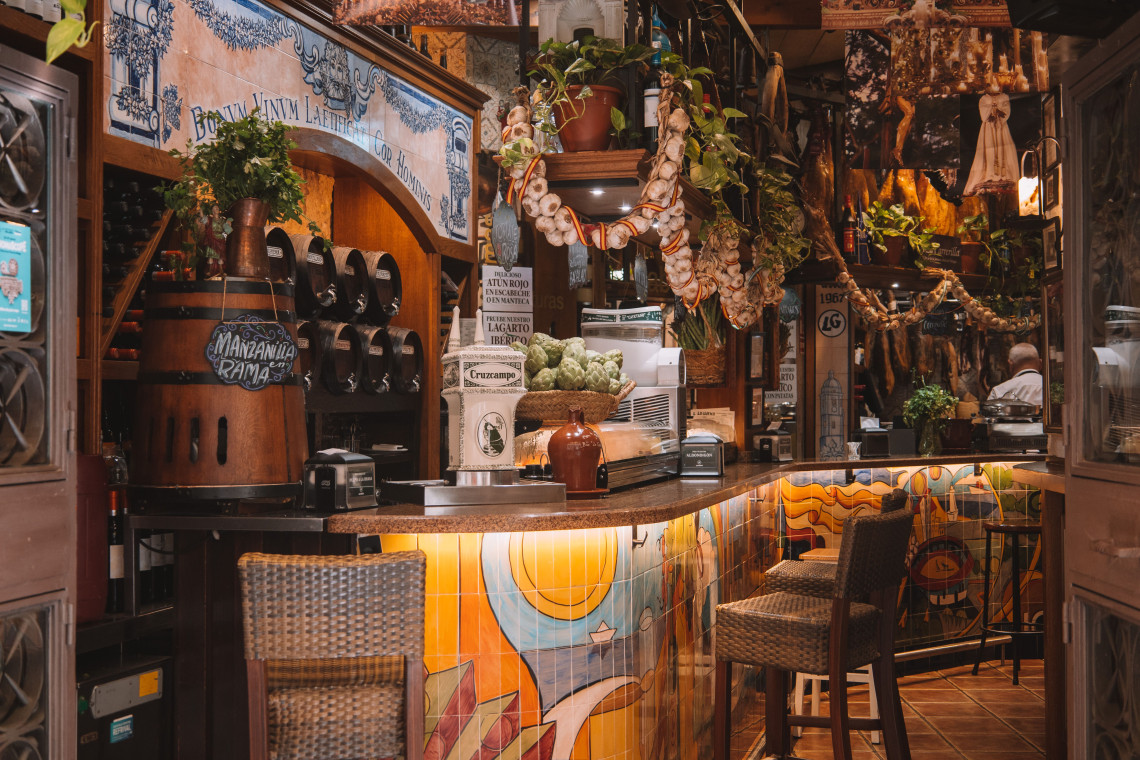
- Mercado de Atarazanas: Historic covered market (rebuilt 1879) with tapas stalls inside. Order fresh from the fish counter and they'll cook it at the market bar.
Where to stay in Málaga
Best neighborhoods:
- Centro Histórico (old town): Walking distance to every major site. Best for first-timers.
- Soho: Creative barrio between the port and the center. Street art, boutique hotels, mid-range.
- La Malagueta: Beachfront. Trades walking-distance monuments for beach access.
- Muelle Uno / Puerto: Modern port area. Newer hotels, sea views, walking distance to old town.
Hotel picks:
- Palacio Solecio (5-star): Restored 18th-century palace in the historic center. €200 to €350/night.
- Room Mate Larios (4-star): Rooftop pool with cathedral views. €150 to €250/night.
- Molina Lario (4-star): Central, mid-range, reliable. €120 to €200/night.
- Parador de Málaga Gibralfaro: Panoramic view from the top of Gibralfaro hill. €180 to €280/night. Requires taxi to the center.
How to get to Málaga
By plane: Málaga-Costa del Sol Airport (AGP) is Spain's fourth-busiest, with direct flights from most European hubs and seasonal routes from Toronto, Montreal, and Newark. 15 minutes to the city center by taxi (€25) or train (€2.60).
By AVE: Madrid to Málaga is 2h 40min direct. Book on renfe.com, iryo.eu, or ouigo.com. Fares from €19 booked 4-8 weeks ahead. Trains arrive at María Zambrano station, 15 minutes walk to the old town.
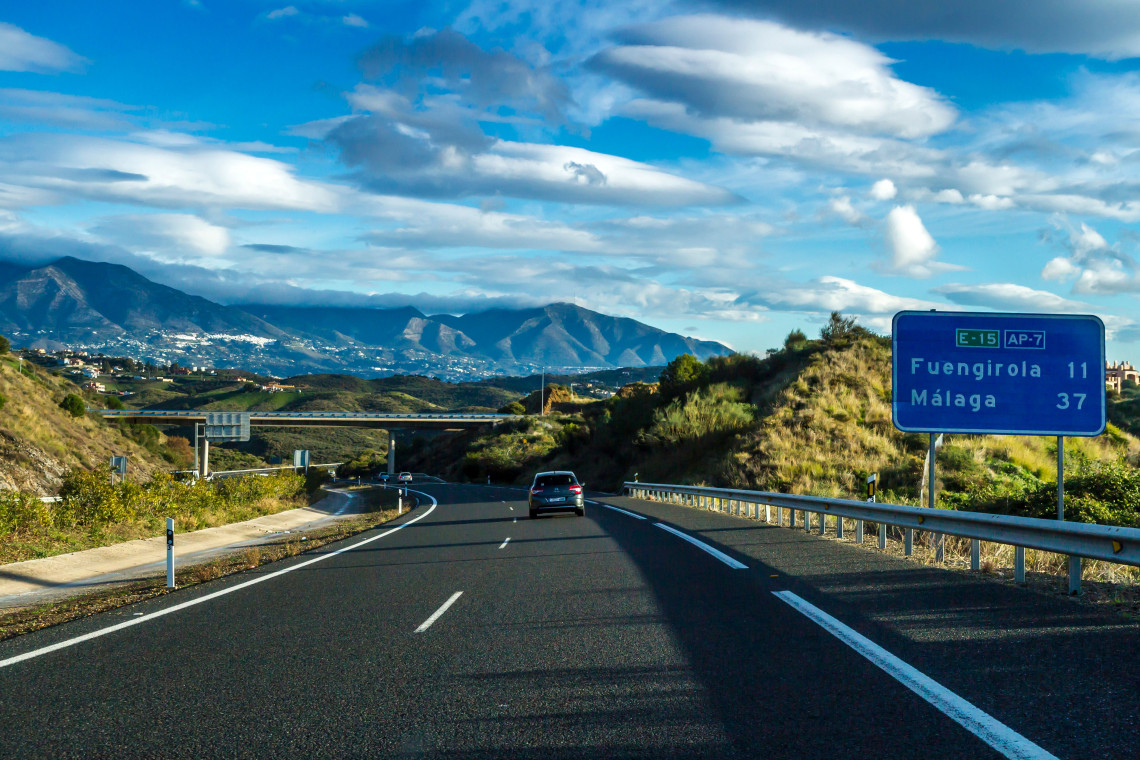
By car: Málaga is 550 km from Madrid (5h drive) and 200 km from Seville (2h). Avoid driving into the old town; use one of the underground parking garages (Alcazaba, Plaza de la Marina) at €18 to €22 per day.
Getting around Málaga
The historic center is fully walkable. For everything else:
- Metro: Two lines, useful mostly for reaching the University or western beaches. €1.35 per ride.
- Cercanías train: Runs along the coast to Torremolinos, Fuengirola, and Benalmádena. Useful for Costa del Sol day trips.
- Buses: Extensive network, EMT app for tickets.
- Taxi and Cabify: Both work well. Airport to center is €25.
Day trips from Málaga
Málaga is one of Spain's best day-trip hubs because so much of Andalusia sits within 1 to 2 hours.
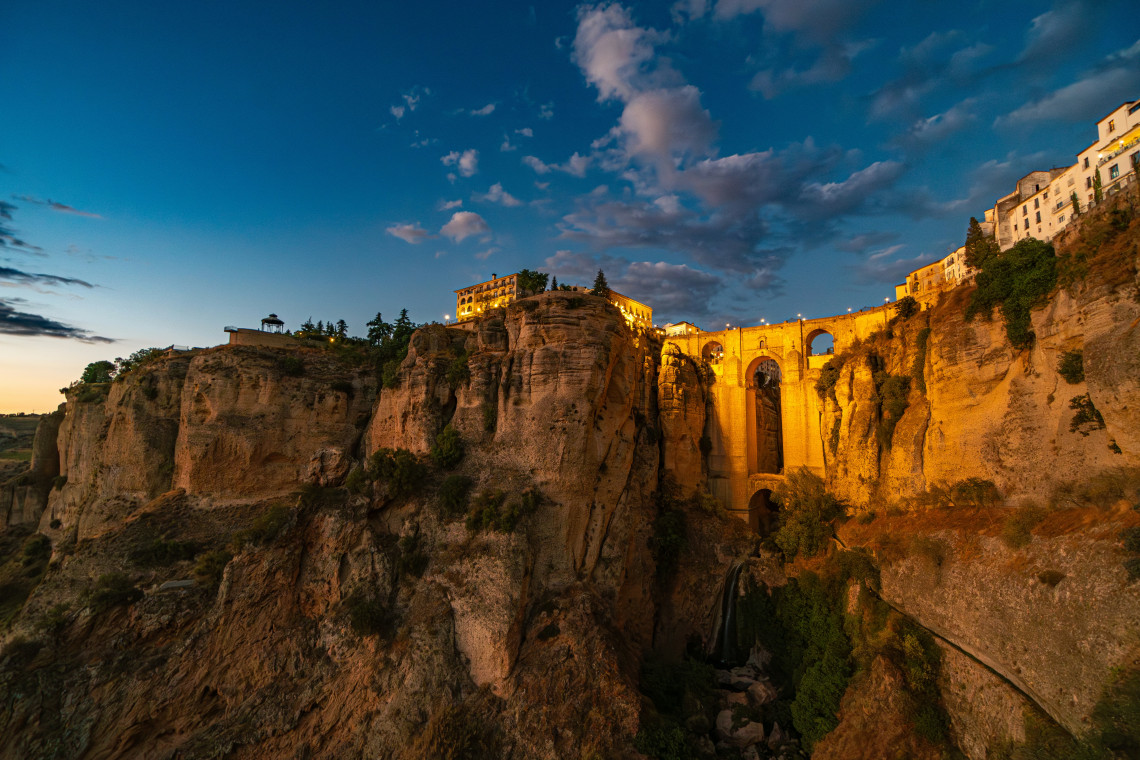
Ronda (1h 40min drive or 2h by train). The clifftop town over the Tajo gorge and the Puente Nuevo bridge. Combine with pueblos blancos on the way back (Setenil, Zahara).
Frigiliana (1h drive). The most photographed pueblo blanco. Steep whitewashed streets, geraniums, Mediterranean views. Pair with Nerja beaches.
Nerja (1h drive). Cliffside town on the Costa del Sol with the famous Balcón de Europa terrace and dramatic prehistoric caves nearby.
Granada (1h 30min drive). The Alhambra. Book 2 to 3 months ahead. Doable as a very long day but better as an overnight from Málaga.
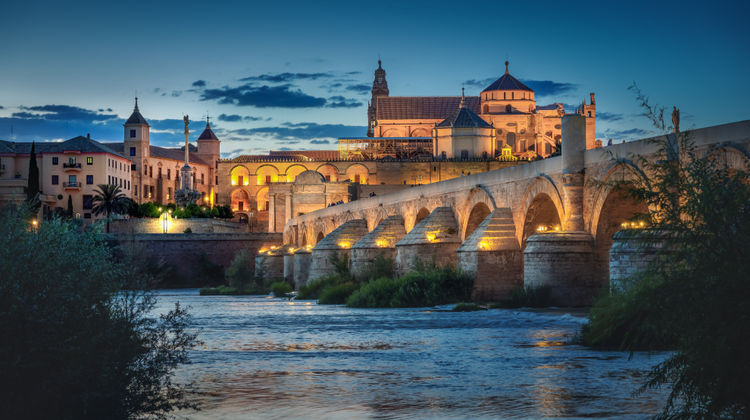
Córdoba (2h by AVE). The Mezquita and Jewish Quarter.
Marbella (45 min drive). Costa del Sol resort. Puerto Banús marina, Old Town, upscale beaches.
Gibraltar (1h 30min drive). British overseas territory. The Rock, the Barbary macaques, and duty-free shopping.
Antequera (45 min drive). El Torcal karst limestone landscape and prehistoric dolmens.
Málaga festivals worth knowing about
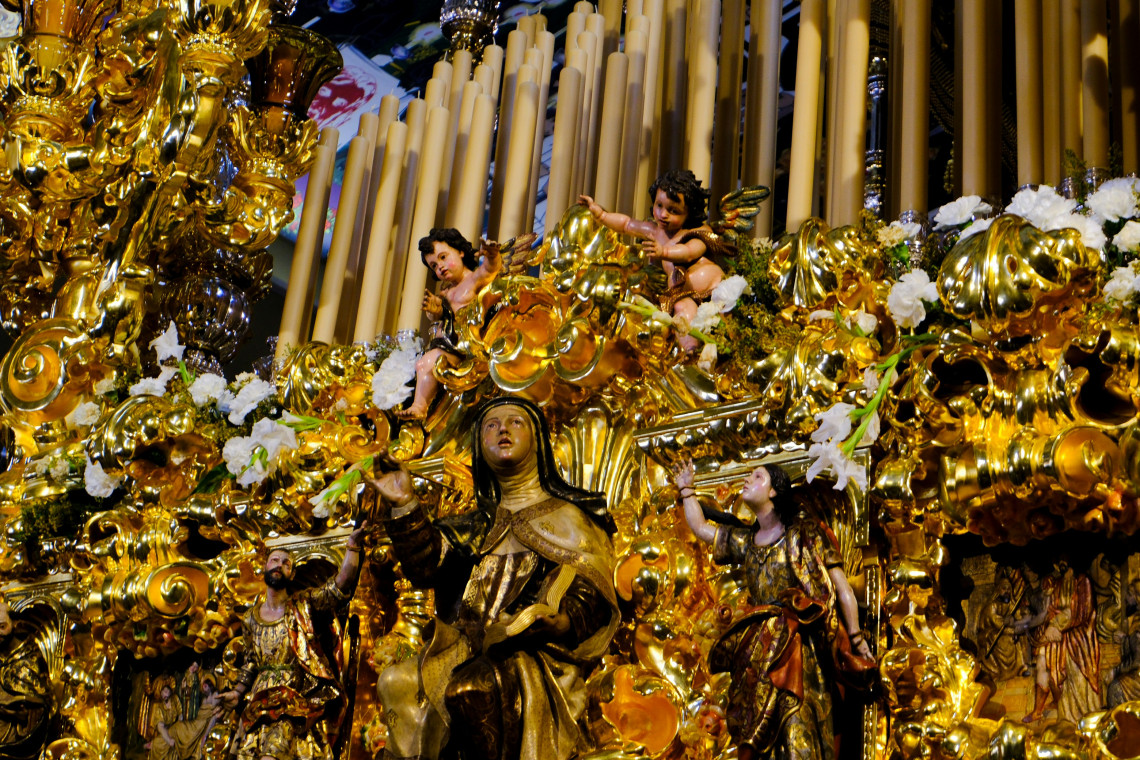
Semana Santa (Holy Week, late March or April): Málaga's Holy Week processions are among Spain's three most impressive, alongside Seville and Valladolid. Massive throne-borne statues carried through the old town by brotherhoods for eight straight days. Hotel prices double or triple.
Feria de Málaga (mid-August, 10 days): The city's biggest party. Daytime feria in the old town (flamenco, sherry, horses), nighttime feria at the fairground outside town (concerts, rides, food stalls). One of Andalusia's great festivals.
Málaga Film Festival (mid-March): Spain's most important Spanish-language film festival. Antonio Banderas is closely associated.
Christmas lights on Calle Larios (late November to January 6): The Larios Christmas lights are among Spain's most famous. Nightly light and music shows on the main pedestrian street.
Practical tips for visiting Málaga
Sunday timing: Museums and monuments open normal hours. Some tapas bars closed. Cathedral opens later for Sunday mass.
Free days: Alcazaba is free every Sunday from 2pm. Picasso Museum has free entry on Sunday from 5pm.
Language: Spanish universal. English widely spoken in hotels, port area, and tourist restaurants. Less common in local tapas bars.
Money: Cards accepted everywhere. Cash useful for chiringuitos and small tapas bars.
Beach etiquette: Topless sunbathing is legal. Chiringuitos serve simple food; you can also bring your own picnic to public beaches.
Semana Santa notes: Many restaurants close on Good Friday. Book accommodation months ahead. Some processions restrict street access for hours.
Airport transfer: The Cercanías train from the airport to the María Zambrano station and old town costs €2.60 and runs every 20 minutes. Faster and cheaper than a taxi.
Bottom line
Málaga is the underestimated Andalusian city that punches well above its reputation. Two to three nights in the old town gives you Picasso, the Alcazaba, the Cathedral, tapas at El Pimpi, an espeto lunch on Malagueta beach, and a launchpad for the Andalusia loop. Combined with Ronda, Granada, and Seville, it makes one of Europe's most rewarding week-long trips.
Frequently asked questions
How many days do you need in Málaga? Two to three nights covers the main sights (Alcazaba, Picasso Museum, Cathedral, Malagueta beach). Add a night if you want day trips to Ronda, Nerja, or Frigiliana.
Is Málaga worth visiting? Yes. Málaga is one of Spain's most affordable and mild-weather cities, with Picasso's museum, the Alcazaba, and easy access to the Costa del Sol and the classic Andalusia loop.
What is Málaga best known for? Picasso's birthplace, the Alcazaba Moorish fortress, Costa del Sol beaches, espeto de sardinas grilled on the sand, 320 days of sun a year, and Semana Santa processions.
When is the best time to visit Málaga? April to June and September to early November. Winter is the mildest of any mainland Spanish city (16 to 18°C / 61 to 65°F daytime) and the cheapest.
Is Málaga safe for tourists? Yes. Petty theft in tourist zones and beach areas is the main risk. Otherwise very safe.
How do I get from Málaga airport to the city? Cercanías train (€2.60, 12 min to María Zambrano central station) is the cheapest and fastest option. Taxi is about €25 and 15 minutes.
Where should I stay in Málaga? Centro Histórico (old town) for first-timers. Soho for creative and mid-range boutique. La Malagueta for beachfront.
How far is Málaga from Granada? About 1h 30min by car or 1h 20min by direct bus. No direct AVE yet.
Is Málaga good for a beach holiday? Yes, but the wider Costa del Sol (Torremolinos, Fuengirola, Marbella, Nerja) has better beaches. Málaga itself works for a city break with beach access.
Is Málaga a good base for exploring Andalusia? Yes. Ronda (1h 40min), Nerja (1h), Frigiliana (1h), Granada (1h 30min), and Córdoba (2h by AVE) are all day-trip distances from Málaga.
What food is Málaga famous for? Espeto de sardinas (grilled sardines on skewers), pescaíto frito (mixed fried seafood), gazpachuelo, ajoblanco, and Málaga sweet wine.
Does Málaga have direct flights from the U.S.? Direct seasonal flights from Newark, Toronto, and Montreal. Most U.S. travelers connect through Madrid, London, Paris, or Amsterdam.
Is Málaga expensive? No. Málaga is one of Spain's most affordable major cities. Hotels and restaurants are 30-40% cheaper than Barcelona or San Sebastián.
What is the Alcazaba? An 11th-century Moorish fortress-palace on the hill above the Roman Theatre. Not to be confused with the Alhambra in Granada. Smaller but well preserved, with gardens and panoramic views.
Can I visit the Picasso Museum without booking ahead? Usually yes, except in July, August, and around Semana Santa. Booking online skips the ticket queue and is recommended anyway.
Málaga, sun-soaked and sorted.
Our Spain travel experts pair Málaga with Ronda, Granada, and the white villages into one clean Andalusia loop.
See Spain Packages Tailor-Made Trip