August 3, 2026 • 13 min read
Seville is the emotional heart of Andalusia. Home to the world's largest Gothic cathedral, the Alcázar (a Moorish-Mudejar palace still used by the Spanish royal family), the orange-blossom Barrio Santa Cruz, and the flamenco tradition of Triana. It also hosts two of Spain's greatest festivals: Semana Santa and the Feria de Abril.
Here is the honest guide to what to see, when to go, where to stay, and how to fit Seville into the Andalusia loop.
The short answer
Seville sits in western Andalusia on the Guadalquivir river, 500 km south of Madrid (2h 30min by AVE) and 200 km northwest of Málaga. Population around 690,000, making it Andalusia's largest city. Historically the exclusive port for Spain's trade with the Americas from 1503 to 1717, which paid for its greatest monuments.
Plan for:
- 3 nights in Seville minimum.
- Book the Alcázar 2 to 4 weeks ahead. Book the Cathedral in advance in high season.
- Best months: March to May and October to early November.
- Avoid July and August unless you tolerate 40°C+ (104°F) heat.
- Base in: Barrio Santa Cruz or Triana.
- Combine with: Córdoba (45 min by AVE), Ronda, Granada, and Málaga for the classic Andalusia loop.
Best time to visit Seville
Seville's climate is extreme. Summers regularly break 40°C / 104°F (Europe's hottest big city record). Winters are mild. Spring and autumn are the sweet spots, but Semana Santa (Holy Week) and the Feria de Abril spike prices.
Spring (March to May): The classic sweet spot. Orange trees in bloom, comfortable 20 to 28°C / 68 to 82°F. Semana Santa and the Feria de Abril fall in this window. Extraordinary experiences, but hotel prices double or triple. Book 6 months ahead if you want either festival.
Summer (June to August): Brutal. July and August regularly break 40°C / 104°F. Locals leave the city. Many restaurants close in August. Avoid unless you love extreme heat.
Fall (September to early November): The second sweet spot. Temperatures drop back into the 22 to 30°C / 72 to 86°F range. Fewer crowds, better hotel prices.
Winter (December to February): Mild (16 to 20°C / 61 to 68°F daytime). Cheapest and quietest. Cathedral, Alcázar, and Plaza de España without the crowds. Christmas markets in Plaza de San Francisco and Plaza Nueva.
What to see in Seville
Seville Cathedral and La Giralda
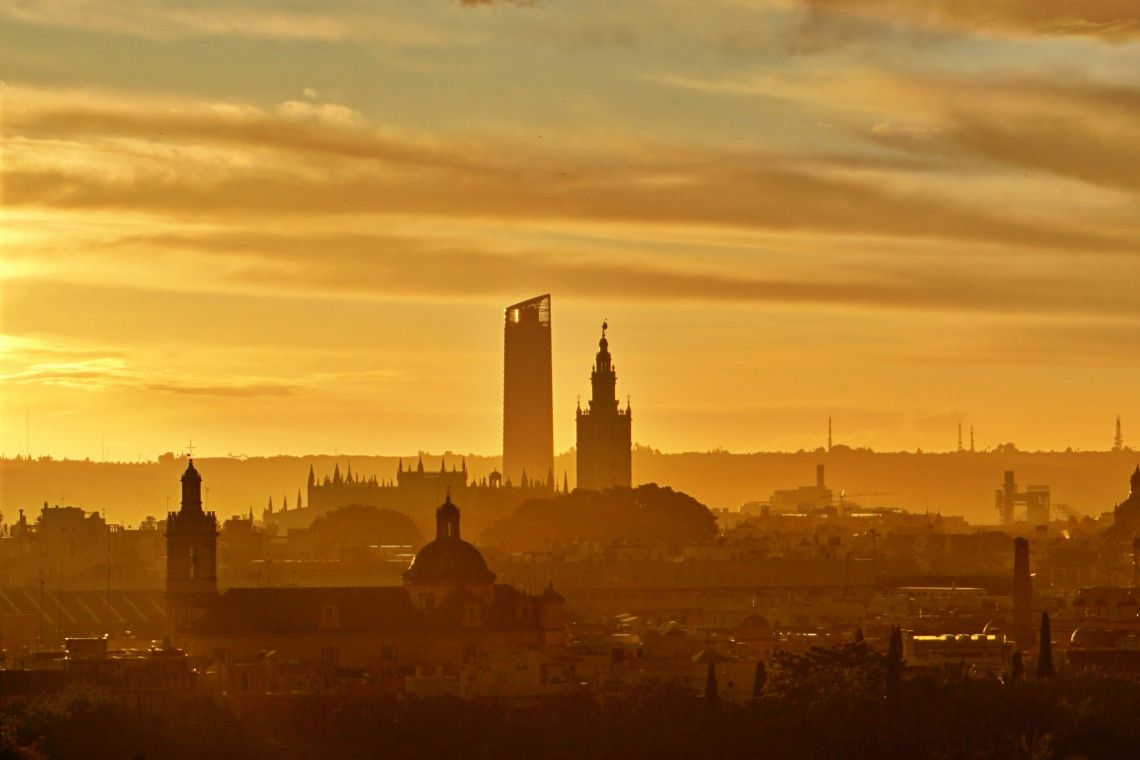
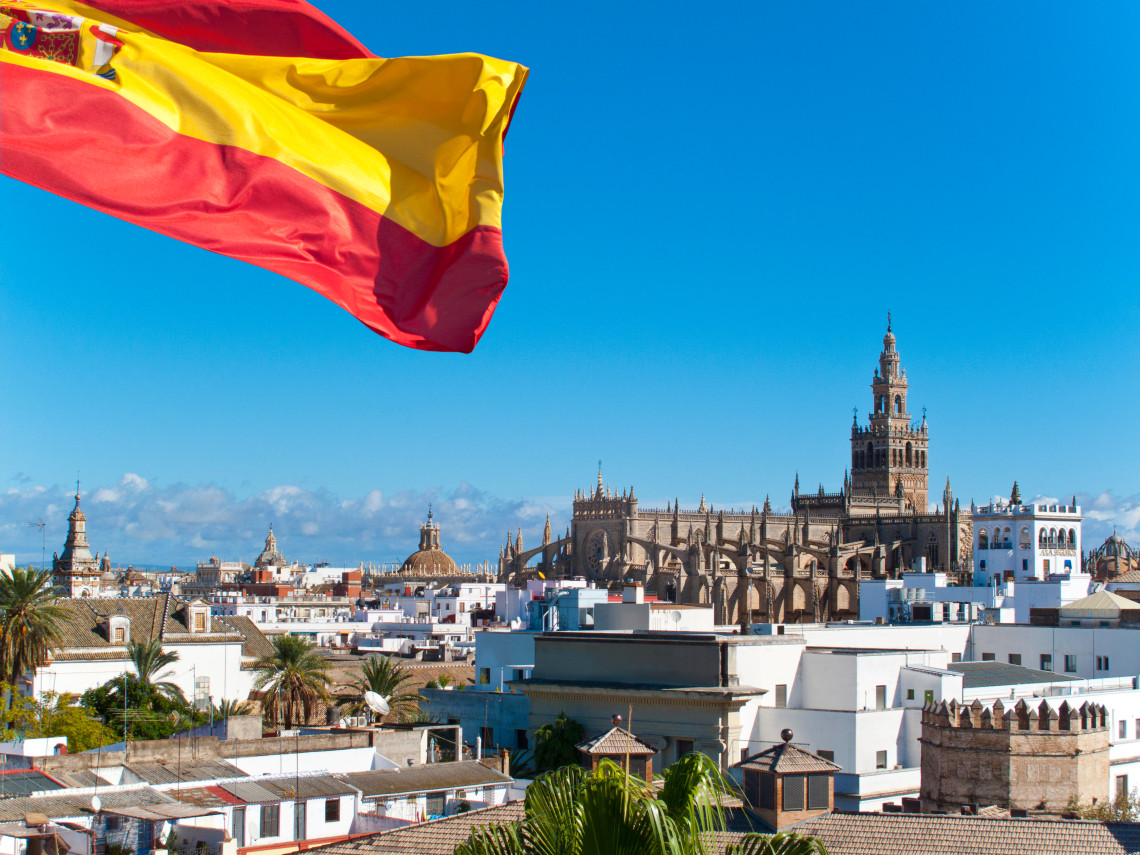
The world's largest Gothic cathedral, built between 1401 and 1528 on the site of the former Almohad Great Mosque. Christopher Columbus is buried inside (though scholars still debate what percentage of the remains are actually his). The Giralda bell tower was the mosque's minaret, converted after the Reconquest. Climb the 34 gently sloped ramps (built so the muezzin could ride up on horseback) for panoramic views.
- Entry: €14 (includes Giralda climb).
- Free entry Monday 4:30-6pm (long lines).
- Book online to skip the ticket queue.
- Allow 90 minutes to 2 hours.
Real Alcázar
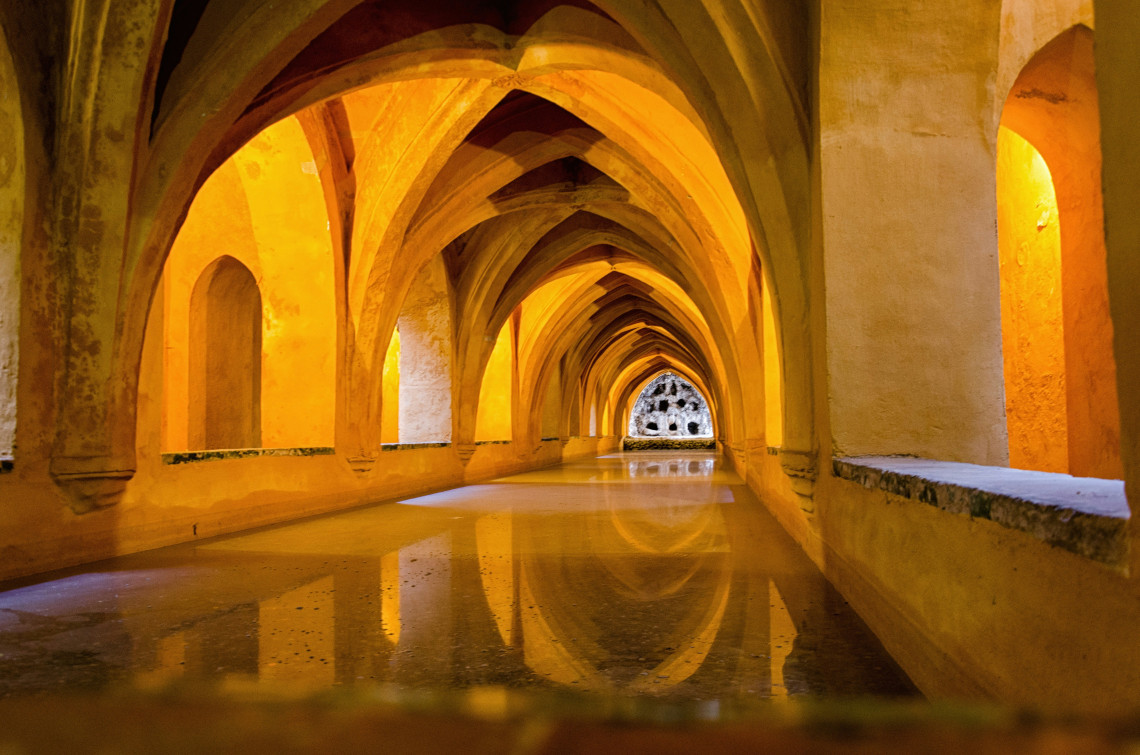
The oldest royal palace still in use in Europe. Built by the Moors and then extensively expanded in Mudéjar style after the Reconquest. Featured as Dorne in Game of Thrones. The gardens (60,000 m²) are as much the draw as the palace itself.
- Entry: €14.50 general, €7 for the royal upstairs quarters (Cuarto Real Alto) as separate add-on.
- Free entry Monday 4-5pm (April-Sep) and 4-6pm (Oct-Mar). Very long lines.
- Book 2 to 4 weeks ahead in high season. Sells out.
- Bring your passport. ID is checked.
- Allow 2 to 3 hours.
Plaza de España
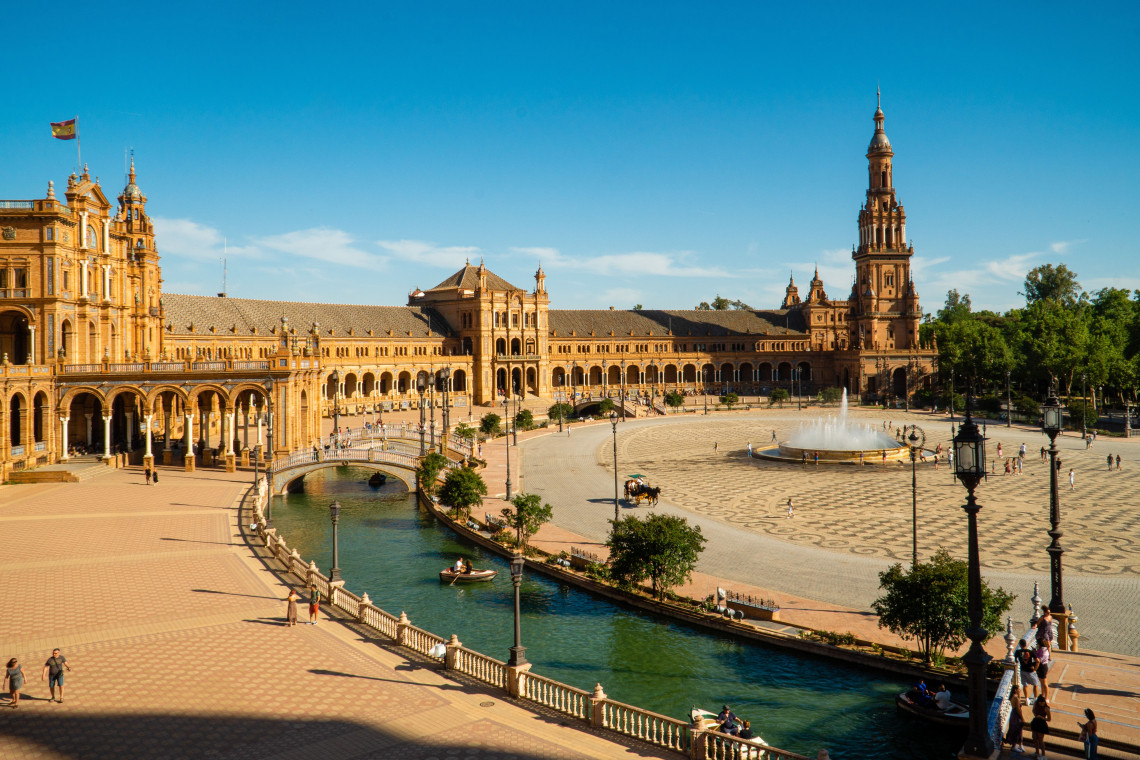
The semi-circular tiled plaza built for the 1929 Ibero-American Exposition. The tiled alcoves represent all 48 Spanish provinces. Featured as Naboo in Star Wars Episode II and as Bardas Palace in Lawrence of Arabia. Free to enter. Best light in late afternoon. Rowboat rides on the small canal (€6 for 35 minutes) are a classic.
Barrio Santa Cruz
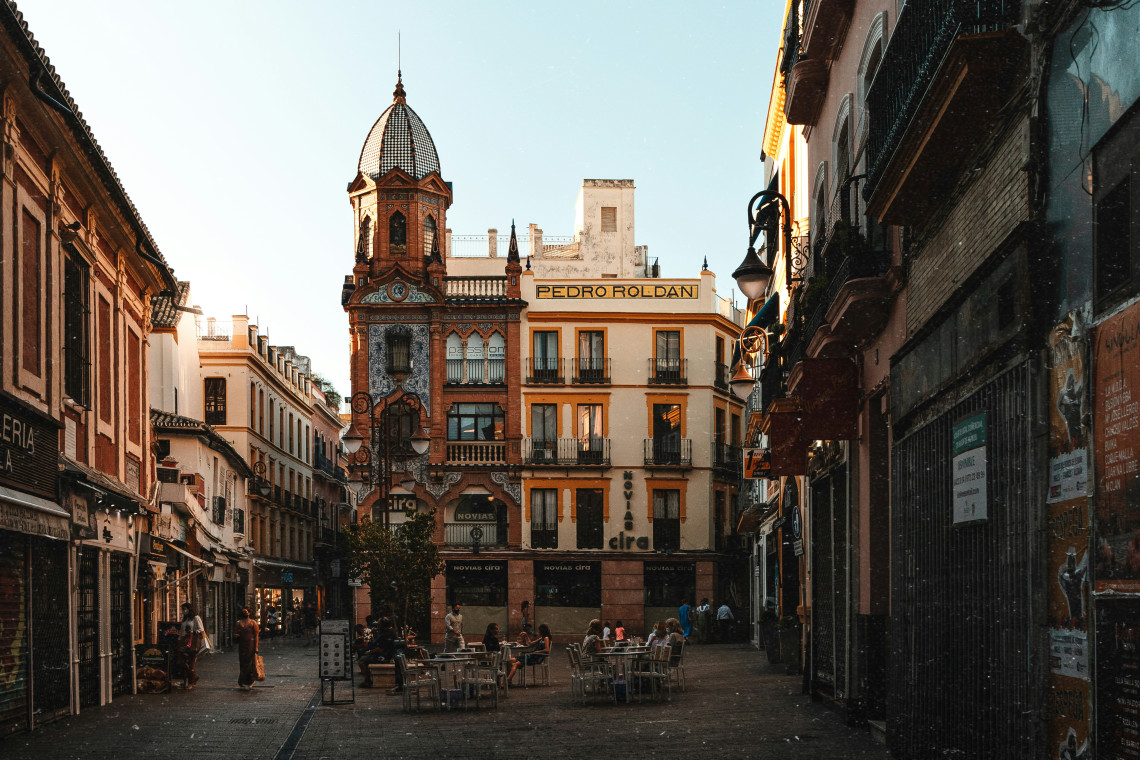
The old Jewish quarter, restructured in the 20th century for tourism but still one of Spain's most atmospheric neighborhoods. Narrow orange-blossom alleyways, hidden patios, small squares, tapas taverns. Best explored on foot with no map. Get lost.
Metropol Parasol (Las Setas)
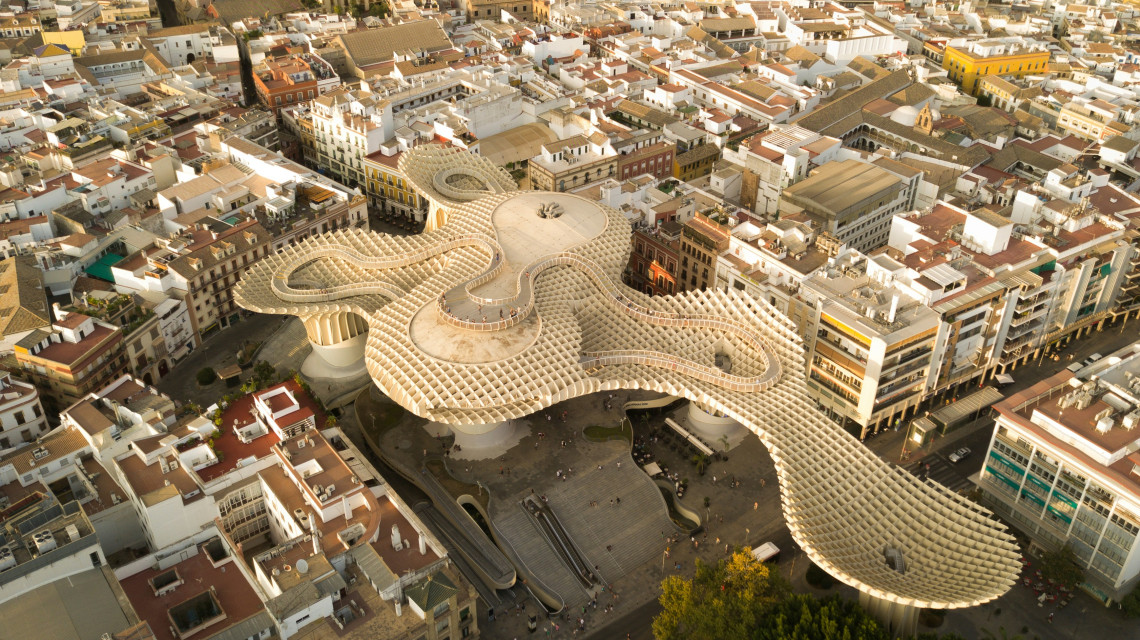
The modern wooden mushroom structure in Plaza de la Encarnación, opened 2011. World's largest wooden structure. Rooftop walkway with panoramic city views. Entry €15. Underneath, a Roman ruins museum (free) preserves 1st-century remains found during construction.
Triana
Across the Guadalquivir. Working-class historic neighborhood, birthplace of many flamenco greats. Cross the Puente de Isabel II (Triana Bridge) at sunset. Explore Calle Betis (riverside restaurants), Mercado de Triana (covered market with tapas stalls), and the ceramic workshops on Calle San Jorge.
Torre del Oro
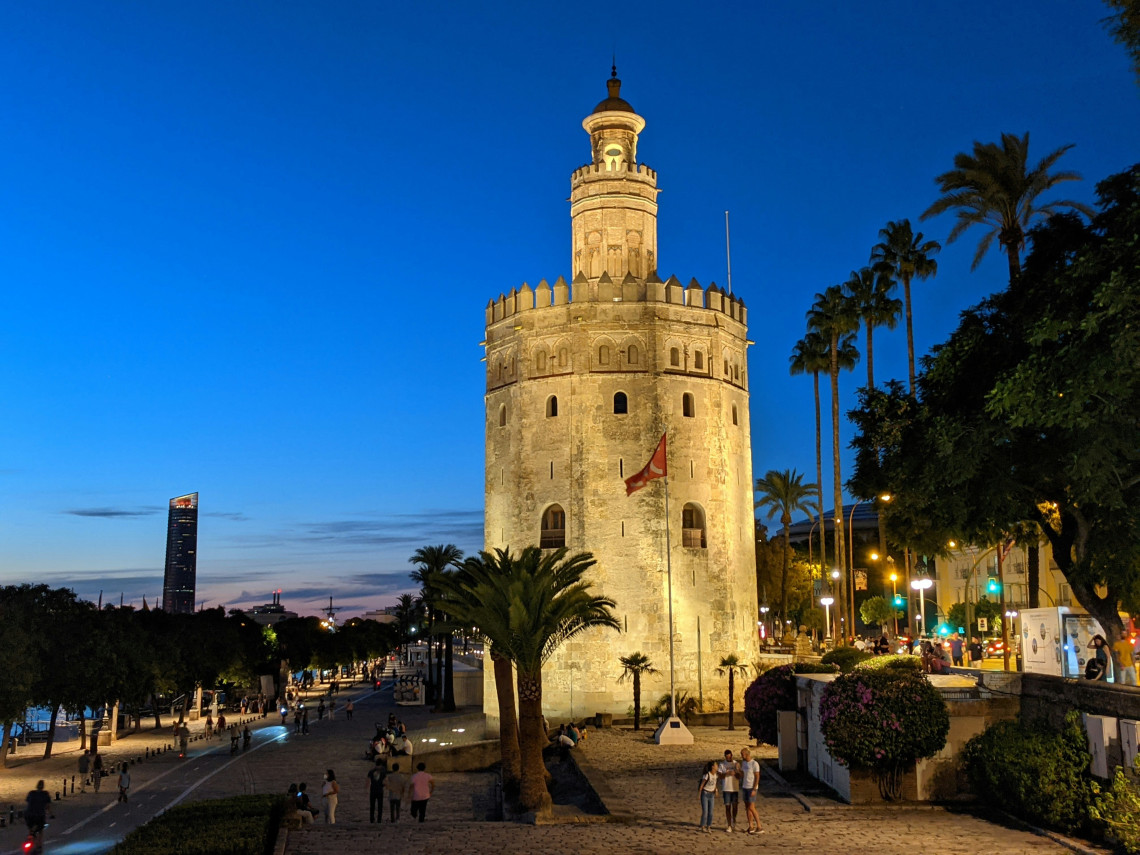
The 12-sided Almohad watchtower on the riverbank, built 1220. Named for the golden tiles that once covered it. Now a small naval museum (€3).
Casa de Pilatos
The Andalusian aristocratic palace with Mudéjar, Gothic, and Renaissance elements. One of Seville's most beautiful noble houses and often overlooked. Entry €12.
Museo de Bellas Artes
Spain's second-most-important art museum after the Prado. Extensive collection of Zurbarán, Murillo, and Velázquez in a former 17th-century convent. Entry €1.50. Absurdly good value.
Flamenco in Seville
Seville and Jerez de la Frontera are flamenco's two great capitals. Do not skip a live show.
Tablao options:
- La Casa del Flamenco (Barrio Santa Cruz): Intimate courtyard shows. €22. Book ahead.
- Casa de la Memoria: Cultural center, artistic flamenco, small venue. €20.
- Tablao El Arenal: More touristic but reliably high-quality. Includes dinner option (pricey). €40 without dinner.
- Museo del Baile Flamenco: Cristina Hoyos's museum with evening shows. €30.
Free flamenco: Many bars in Triana (La Anselma, Casa Anselma) have spontaneous flamenco sessions late in the evening. No cover.
Semana Santa and Feria de Abril
These two festivals are Seville's identity and among the great cultural experiences in Europe.
Semana Santa (Holy Week, late March or April)
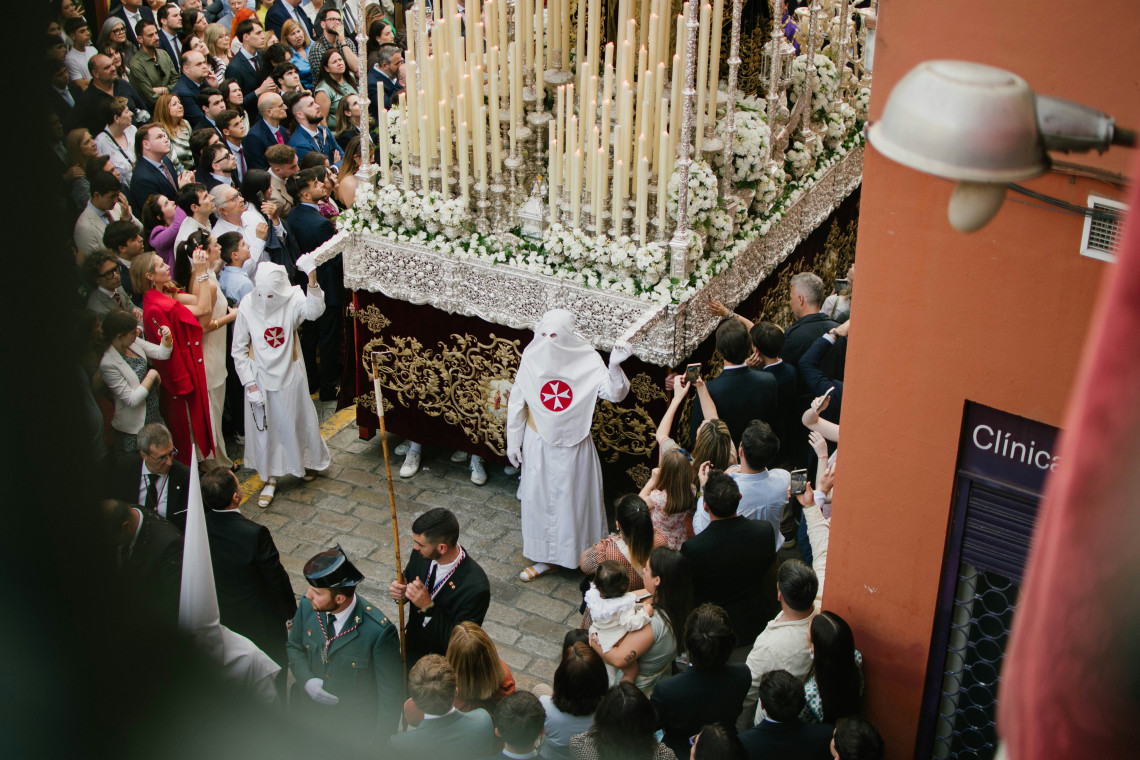
Spain's most famous Holy Week processions. For 8 days (Palm Sunday to Easter Sunday), 60+ religious brotherhoods carry massive throne-borne statues through the city, accompanied by candlelit processions, saeta (a cappella flamenco laments), and thousands of costumed nazarenos. It is at once solemn, theatrical, and unlike anything else in Europe.
What to know:
- Hotel prices triple. Book 6+ months ahead.
- Some processions block streets for hours. Get an official program (Diario ABC's cathedral supplement).
- Madrugá (early morning of Good Friday) is the most intense night.
- Not the best trip for museum-focused visitors: Alcázar and Cathedral have shortened hours.
Feria de Abril (Late April to early May)
Seville's springtime carnival on the fairground across the river. 1,000+ decorated tents (casetas), horse parades, flamenco, sherry (Manzanilla), fried food. Traditional flamenco dress worn by many women. Most casetas are private (you need an invitation) but public casetas exist.
- Two weeks after Semana Santa.
- Hotel prices double.
- Book 4 to 6 months ahead.
What to eat in Seville
Seville is one of Spain's great tapas cities, with a distinct Andalusian style: fried seafood, sherry-based dishes, and orange-influenced desserts.
Signature dishes:
- Pescaíto frito: Andalusian fried mixed seafood, often served in paper cones.
- Gazpacho and salmorejo: Cold tomato soups; salmorejo is thicker (Córdoba specialty but universal here).
- Espinacas con garbanzos: Spinach with chickpeas, a lenten dish that stuck around.
- Solomillo al whisky: Pork tenderloin with whiskey sauce, a Seville classic.
- Puntillitas: Tiny fried squid.
- Torrijas: Andalusian French toast (typical Semana Santa).
- Sherry (from nearby Jerez): Fino, Manzanilla, Amontillado, Oloroso, Pedro Ximénez. Try at Casa Morales (est. 1850).
Where to eat:
- El Rinconcillo (est. 1670): Spain's oldest bar. Historic tapas taverna. Order espinacas con garbanzos.
- Casa Morales: Historic sherry bar. Wines from the barrel.
- Bar Alfalfa: Modern Andalusian tapas, popular with locals.
- Eslava (Calle Eslava): Modern tapas with a Michelin-adjacent reputation.
- Casa Robles (Calle Álvarez Quintero): Historic classic Andalusian.
- Abades Triana: Riverside dining with Cathedral views.
- Cañabota: Michelin-starred seafood tasting menu.
- Mercado de Triana: Market with tapas counters inside. Fresh from the source.
Where to stay in Seville
Best neighborhoods:
- Barrio Santa Cruz: Walking distance to Cathedral, Alcázar, tapas. Best for first-timers. Streets so narrow that most rooms face inner patios.
- El Arenal: Between the Cathedral and the river. Quieter, near the bullring.
- Triana: Across the river. Local vibe, best tapas density, sunset views back to the Cathedral.
- Alameda de Hércules: Bohemian, LGBT-friendly, further from monuments but great food scene.
Hotel picks:
- Hotel Alfonso XIII (5-star luxury): 1929 landmark opened for the Ibero-American Exposition. €400 to €700/night. The Seville hotel.
- EME Catedral Mercer (5-star boutique): Rooftop terrace next to the Cathedral with unmatched Giralda views. €250 to €450/night.
- Hotel Casa 1800 (4-star boutique): In Barrio Santa Cruz. Rooftop with Cathedral view. €200 to €350/night.
- Corral del Rey (boutique): Restored 17th-century palace, five rooms. €300 to €500/night.
- Las Casas de la Judería: Interconnected old palaces in Santa Cruz. €150 to €280/night.
- Hotel Bécquer (4-star): Central, mid-range, reliable. €130 to €200/night.
How to get to Seville
By plane: Seville Airport (SVQ) has direct European flights but limited transatlantic. Most U.S. travelers fly to Madrid or Málaga and connect. Airport to city center is 20 minutes by taxi (€25) or bus (€4).
By AVE: Madrid to Seville in 2h 30min. The original AVE line (opened 1992) and still one of the world's best rail experiences. Book on renfe.com, iryo.eu, or ouigo.com. Fares from €19 booked 4-8 weeks ahead. Arrives at Santa Justa station, 15 minutes' walk to the historic center.
By car: Málaga to Seville is 2h (A-92). Madrid to Seville is 5h30. Do not drive into the old center (restricted access zones, narrow streets, no parking). Use Parking Cano y Cueto or Paseo Colón.
From Málaga: AVE 2h 30min. Bus (Alsa) 2h 45min for €22.
Getting around Seville
The historic center is walkable end to end. Distances are short. Sevici bikes (short-term rental) are useful.
- Metro (single line): Useful mostly for reaching the outskirts.
- Trams: T1 runs from Plaza Nueva through the center. €1.40.
- Buses (Tussam): Extensive network. €1.40 per ride.
- Taxis: €5 to €8 for most in-town trips. Metered.
- Uber and Cabify: Both operate.
- Sevici bike-share: €13.33/week subscription, unlimited 30-min rides.
Day trips from Seville
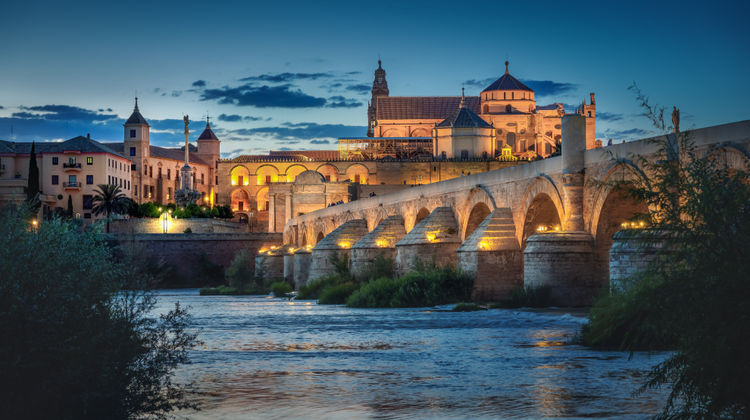
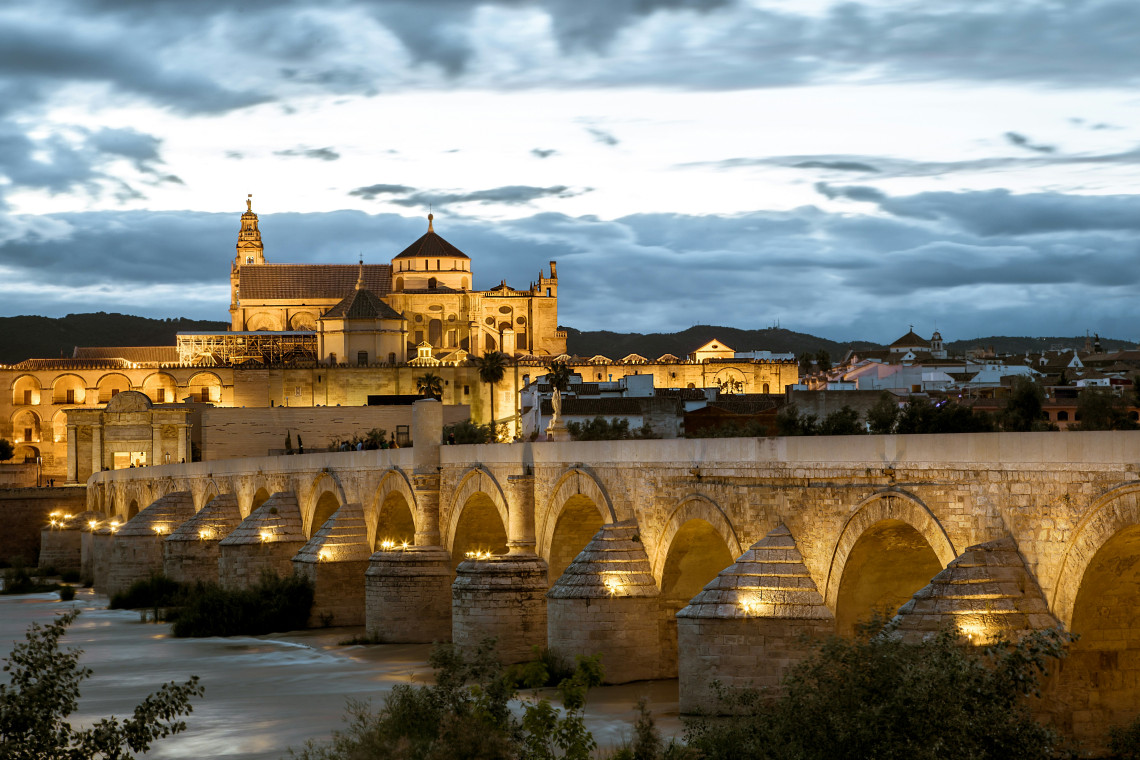
Córdoba (45 min by AVE). The Mezquita (converted mosque-cathedral) and Jewish Quarter. The essential Seville day trip.
Cádiz (1h 30min by train or 1h 40min by car). Europe's oldest continuously inhabited city. Peninsula town surrounded by sea on three sides. Beaches and old town.
Jerez de la Frontera (1h by train or 1h 15min by car). Sherry country and equestrian shows at the Royal Andalusian School.
Ronda (1h 45min by car). Clifftop pueblo blanco with the Puente Nuevo bridge over the Tajo gorge.
Italica (30 min by car). Roman ruins of the birthplace of Emperor Trajan and Hadrian. Amphitheater used as Dragonpit in Game of Thrones.
Doñana National Park (1h drive). Europe's largest wetland. 4x4 tours from El Rocío.
Carmona (30 min by car). Whitewashed hilltop town with a preserved medieval alcázar.
Practical tips for visiting Seville
Book Alcázar and Cathedral online. Same-day tickets are often sold out in high season. Cathedral queue can be 90 minutes without a pre-booked ticket.
Do not skip Triana. Locals eat here. Cross the bridge for dinner even if you sleep in Santa Cruz.
Sunday tapas. Many restaurants closed. Reliable options: El Rinconcillo, Casa Morales, Bar Alfalfa.
Comfortable shoes. Cobbles are aggressive.
Free days. Alcázar Monday 4-6pm. Cathedral Monday 4:30-6pm. Museo de Bellas Artes free entry with EU ID; €1.50 otherwise. Prepare for lines.
Sunset spots. Metropol Parasol rooftop, EME Catedral rooftop, or the Triana bridge looking back at the Cathedral.
Semana Santa tips. Get the ABC newspaper's official processions supplement. Bring cash for street food vendors. Wear dark clothing if attending the more solemn evening processions.
Feria de Abril tips. Many casetas are private (family or brotherhood). Public casetas exist. Traditional flamenco dress is not required for visitors but appreciated.
No siesta myth here. Small shops close 2-5pm, but restaurants open for lunch, and most museums stay open.
Seville festivals worth knowing
- Semana Santa (late March or April). See above.
- Feria de Abril (late April to early May). See above.
- Corpus Christi (late May or June). Rose petals carpet Cathedral floor.
- Bienal de Flamenco (September, every two years). Two-week flamenco festival at multiple venues. Next in 2026.
- Autumn Festival Feast of San Miguel (end of September). Local barrios.
- Christmas and Reyes Magos (mid-December to January 6). Belén (nativity scene) exhibitions across the city. Cabalgata de Reyes on January 5 evening.
Seville vs the other Andalusian cities
Seville vs Granada: Seville is bigger, more theatrical (flamenco, Semana Santa, Feria). Granada is smaller and has the Alhambra. Different vibes; combine both.
Seville vs Córdoba: Córdoba is smaller and one day is enough. Seville needs 3+ nights. Both have Moorish masterpieces (Alcázar in Seville, Mezquita in Córdoba).
Seville vs Málaga: Málaga is coastal and milder. Seville is inland, hotter in summer, and has arguably the greatest cultural depth of any Andalusian city.
Seville vs Madrid: Different scale. Madrid has the Prado. Seville has the Cathedral, Alcázar, and flamenco. Both essential.
Bottom line
Seville is the emotional soul of Andalusia and one of Europe's great cultural cities. Three nights minimum for the Cathedral, Alcázar, Barrio Santa Cruz, Triana, and a flamenco tablao. Add Córdoba as a day trip (45 min by AVE). Combined with Granada, Ronda, and Málaga, Seville anchors the classic 7 to 10 day Andalusia loop. Book Semana Santa or Feria de Abril 6 months out.
Frequently asked questions
How many days do you need in Seville? Three nights minimum. Two for the essentials (Cathedral, Alcázar, Santa Cruz, Plaza de España, flamenco), one for a Córdoba day trip or slower pace.
Is Seville worth visiting? Yes. Seville has the world's largest Gothic cathedral, one of Europe's most beautiful royal palaces, Spain's greatest Holy Week festival, and the finest flamenco tradition. Essential Andalusia.
When is the best time to visit Seville? March to May and October to early November. Semana Santa and Feria de Abril in spring are extraordinary but hotel prices triple.
Is Seville too hot in summer? Yes. July and August regularly exceed 40°C / 104°F. Locals leave the city. Not recommended for most travelers.
How do I book Alcázar tickets? Book online at alcazarsevilla.org 2 to 4 weeks ahead in high season. €14.50 general. Never buy from third-party resellers.
How do I book the Seville Cathedral? Book online at catedraldesevilla.es. €14 including the Giralda climb. Free Monday 4:30-6pm (long queue).
Is Seville safe for tourists? Yes. Petty theft in tourist zones (Cathedral area, Alcázar) is the main risk. Otherwise very safe.
Where should I stay in Seville? Barrio Santa Cruz for first-timers (walking distance to everything). Triana for local vibe. El Arenal for quieter riverside.
Is Semana Santa worth planning around? Yes, if you want a once-in-a-lifetime cultural experience. No, if you want quiet sightseeing (crowds and closures make museum visits slower). Hotel prices triple; book 6 months out.
Is Feria de Abril open to tourists? Yes. Many casetas are private (family, brotherhood, or company) but public casetas exist. You can walk the fairground, ride the attractions, and eat and drink freely.
How far is Seville from Málaga? About 2h by car via the A-92, or 2h 30min via AVE. Alsa buses run frequently for €22.
How far is Seville from Córdoba? 45 minutes by AVE, 1h 45min by car. The easiest Andalusia day trip.
Is there a beach in Seville? No. The Guadalquivir river runs through the city but Seville is 100 km from the Atlantic coast. Nearest beaches are Cádiz province (1h 30min drive).
Is Seville expensive? No. Cheaper than Barcelona and Madrid, similar to Granada, more expensive than Málaga.
How do I get around Seville? On foot for the historic center. Tram and bus for wider areas. Sevici bike-share for medium distances. Taxis and Uber for evenings.
What is Barrio Santa Cruz? The old Jewish quarter, restructured for tourism in the 20th century but still Seville's most atmospheric neighborhood. Narrow orange-blossom alleyways, hidden patios, small squares.
Seville, deep and done right.
Our Spain travel experts pre-book the Alcázar and Cathedral, add a flamenco tablao, and pair Seville with Córdoba, Granada, and Málaga into one clean Andalusia loop.
See Spain Packages Tailor-Made Trip