





Belgian Beer Guide: Trappists, Lambics and Styles
Belgian beer guide: UNESCO-listed beer culture, Trappist breweries, lambics, other styles and Stella Artois in Leuven.
November 24, 2026 • 3 min read
Belgian Beer Guide: Trappists, Lambics and Styles
Belgian beer at a glance
Facts from Wikipedia.
Trappist beers
Today, authentic brewing monks are found only in the Trappist orders, six of them in Belgium. Unlike abbey beers, Trappist beers must be brewed inside the abbey. Monastic brewing gained renown from the late 19th century, when the Trappists of Chimay sold a brown beer commercially.
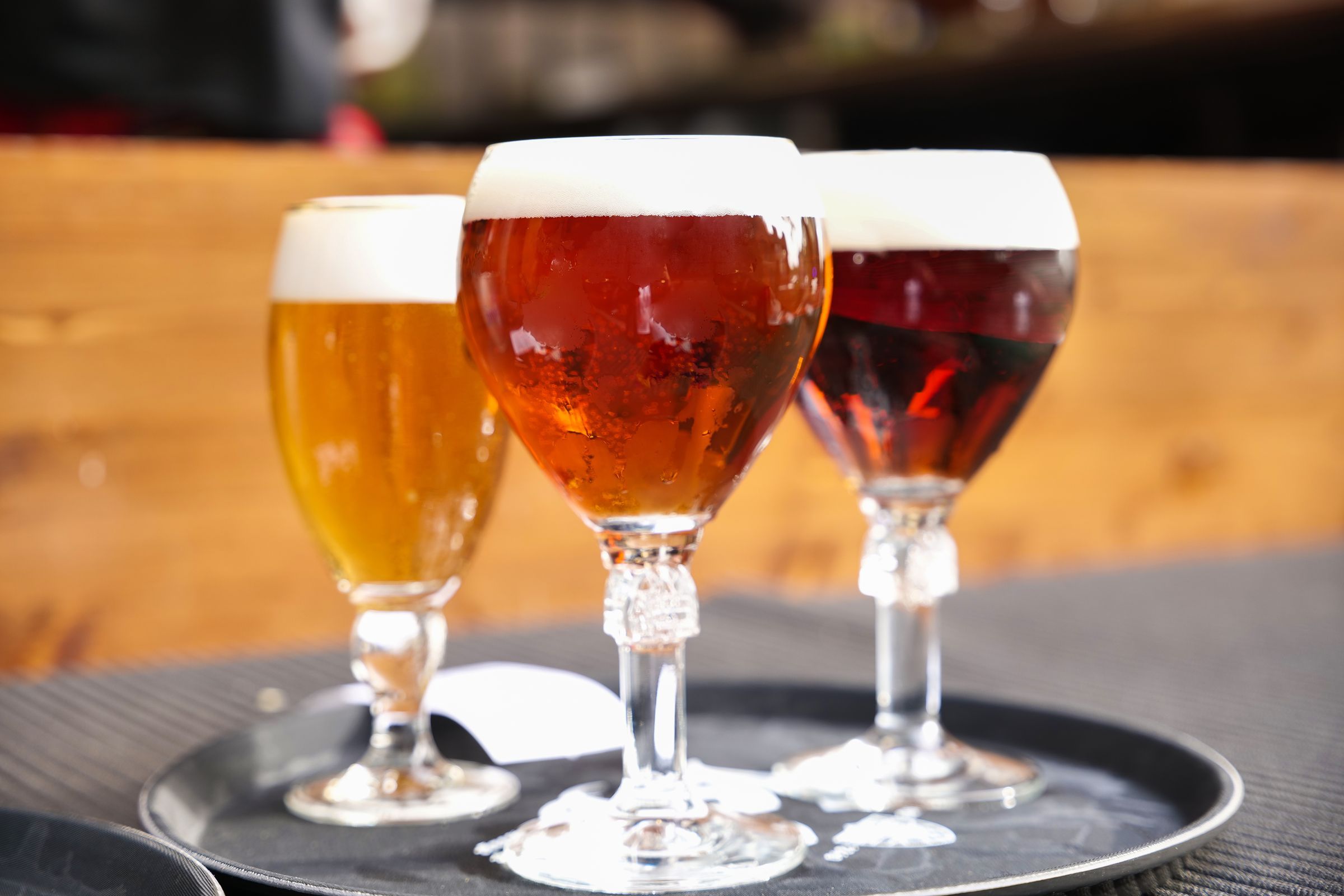
Best for: strong, complex ales.
Keep in mind: an abbey beer is not the same as a Trappist beer.
Lambics
In the Pajottenland, beers were brewed with wild yeasts and spontaneous fermentation, a process particular to the Zenne valley, which produced lambic styles.
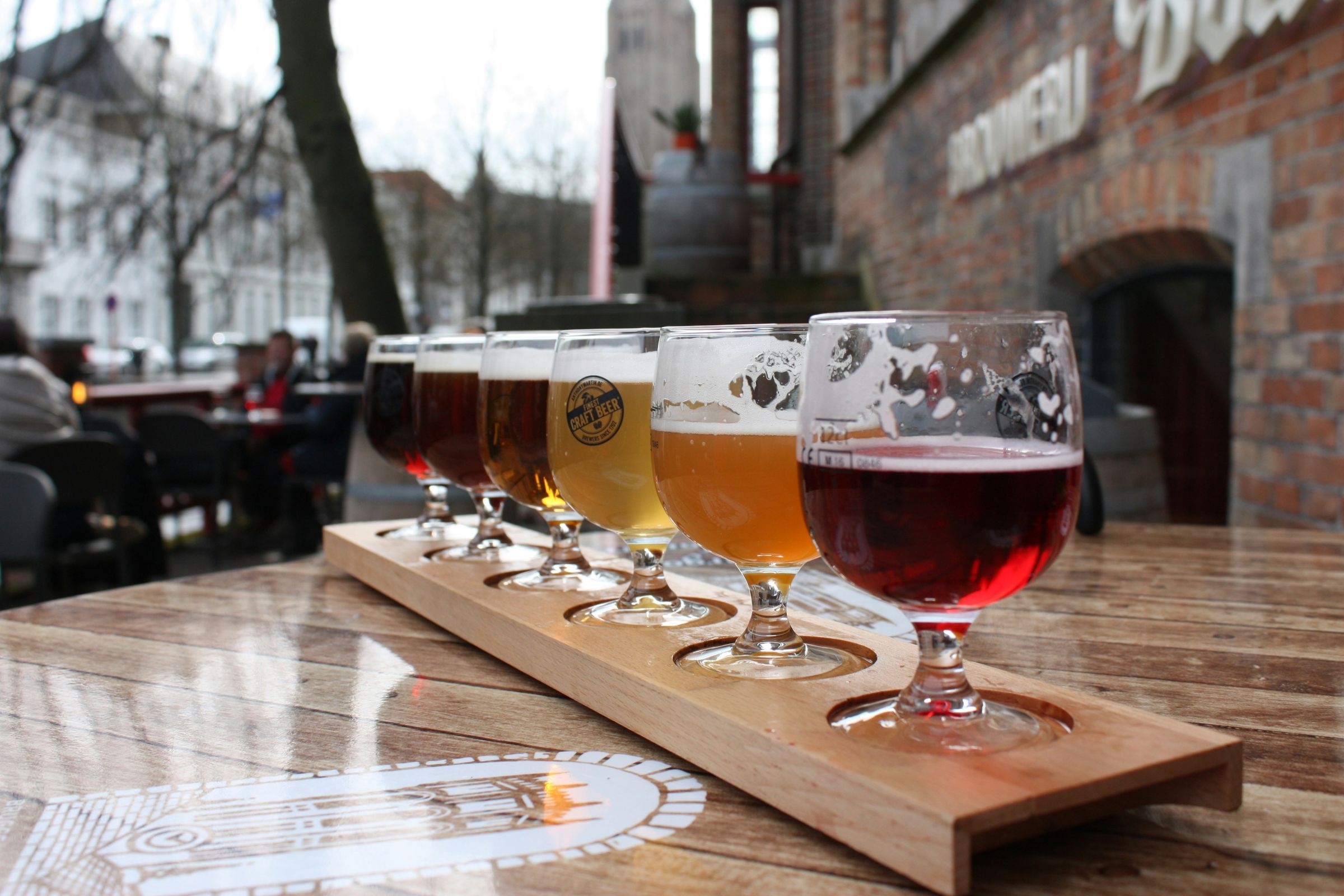
Best for: sour and fruit-forward beers.
Keep in mind: lambics use wild yeasts and spontaneous fermentation.
Other styles
Wikipedia lists white beer, lambic and Flemish old brown among the traditional styles that survived, alongside newer top-fermented local styles.
Leuven and Stella Artois
Sebastien Artois became master brewer at Den Horn in Leuven in 1708 and gave the brewery his name in 1717. Stella Artois, now part of AB InBev, is still brewed in Leuven.
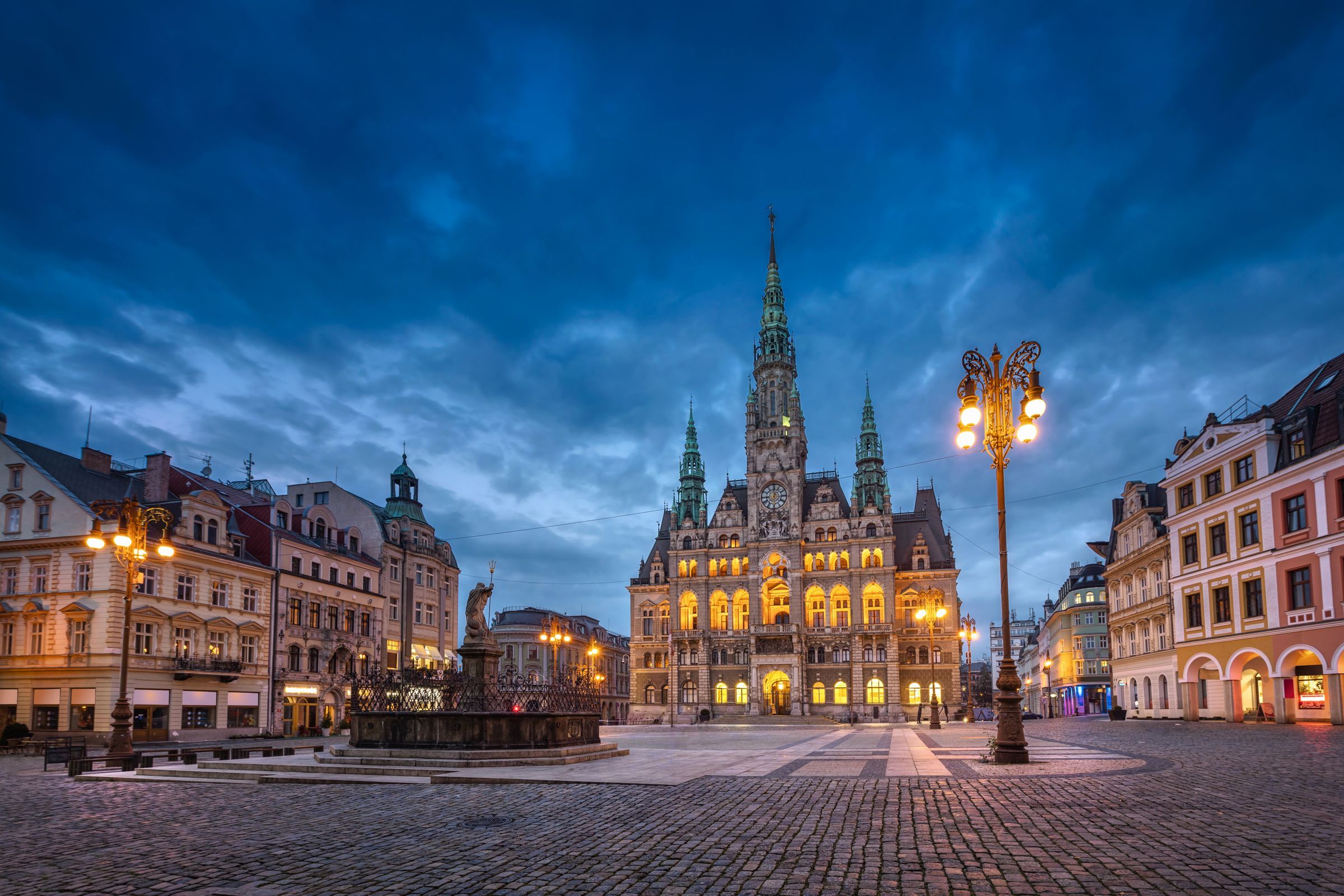
Variety
Belgium produces less than one percent of the world's beer and has fewer breweries than some US states, but Wikipedia says it has more diversity of styles.
Who a beer trip suits, and who it doesn't
Suits: beer lovers curious about Trappists, lambics and local styles.
Less suited to: non-drinkers, though food, art and chocolate fill any itinerary.