


Croatia Travel Tips: 15 Things to Know Before You Go
Croatia travel tips: Schengen entry rules, the euro, tipping, ferries, tolls, dress rules in Split and Dubrovnik, cruise crowds and booking ahead.
November 18, 2026 • 4 min read
Croatia Travel Tips: 15 Things to Know Before You Go
Croatia at a glance
Entry and money
1. No visa, but count your days
Croatia is in the Schengen Area, so your days in Croatia count toward the 90 days allowed in any 180-day period across Schengen countries.
2. ETIAS is not required yet
AFAR reported in July 2026 that the EU's ETIAS launch was delayed to 2027. Check the official ETIAS website before you travel.
3. Croatia uses the euro
The euro replaced the kuna on January 1, 2023. Old kuna notes can only be exchanged at the Croatian National Bank.
4. Tip around 10 percent
Lonely Planet suggests at least 10 percent in restaurants and rounding up in bars, cafés and taxis.
Getting around
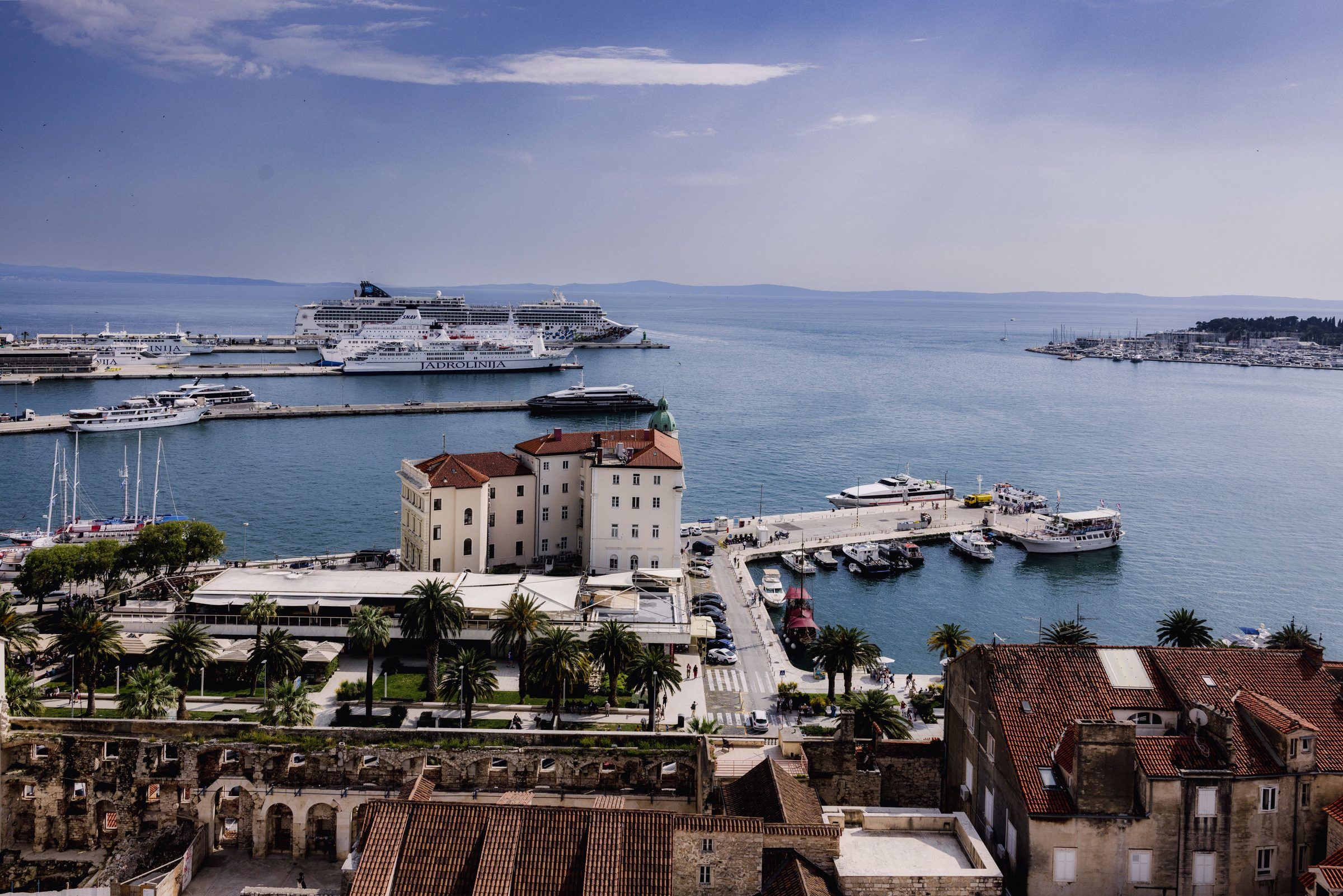
5. Ferries link the islands
Jadrolinija runs the main car ferries, and passenger catamarans are faster. Book catamarans online in summer, as they can sell out.
6. Motorway tolls are per kilometer
Croatia has no vignette. You take a ticket at the toll gate and pay by card or cash when you exit.
7. Headlights in winter
From November to April, headlights must be on during the day as well as at night.
8. The Pelješac Bridge keeps you in Croatia
Opened in July 2022, the bridge lets you drive to Dubrovnik without crossing the short Bosnian coastal strip at Neum and its border checks.
Etiquette and safety
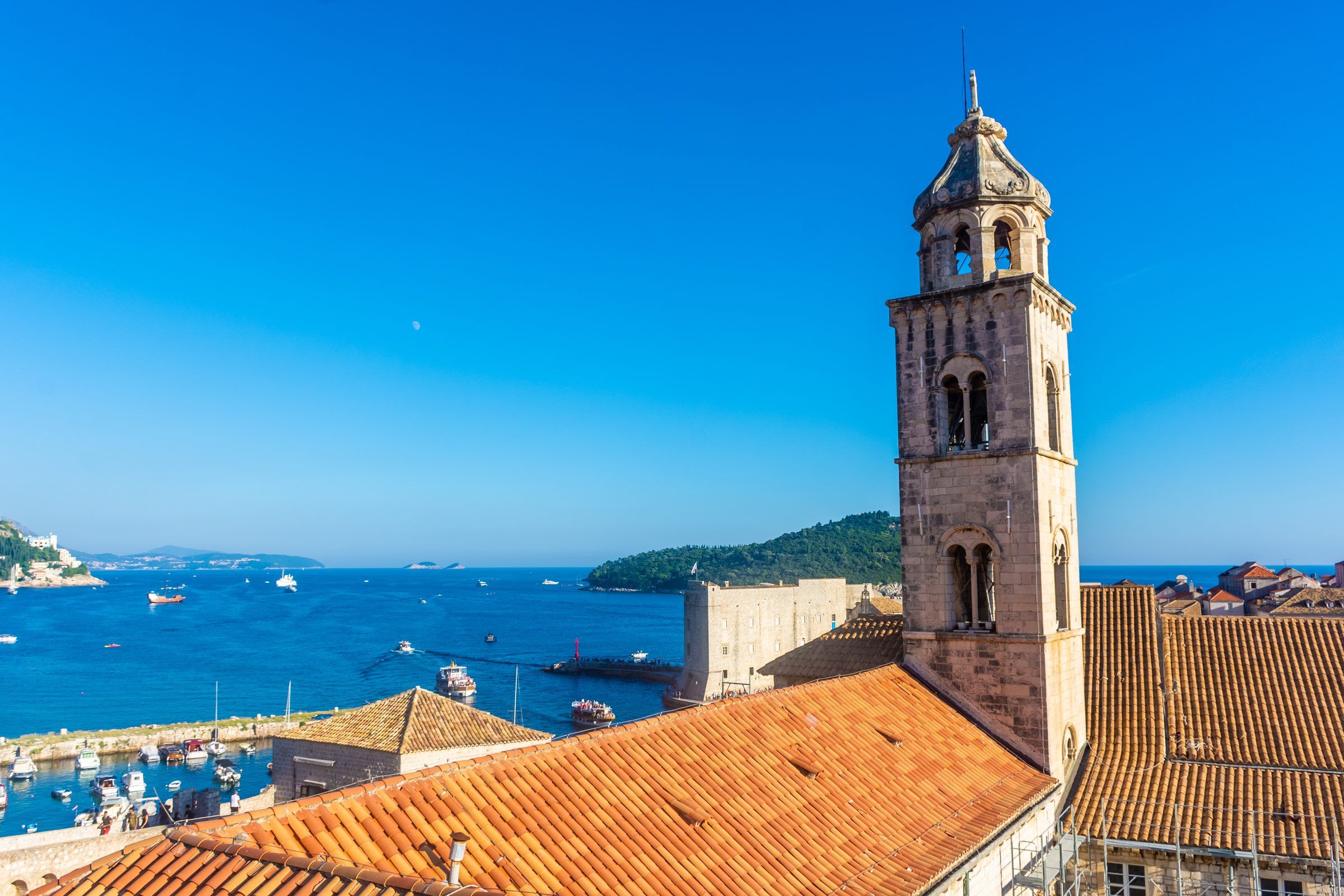
9. Cover up in town
Split, Dubrovnik and Hvar have laws against walking around town in swimwear or bare-chested, and Hvar Town and Split fine public drinking.
10. Dress for churches
Cover your shoulders and avoid bare thighs in churches, and take off your hat inside.
11. Drink the tap water
Tap water is safe, and you can refill bottles at public fountains.
12. Stay on marked paths in the countryside
Lonely Planet warns visitors to avoid marked landmine areas in Northern Dalmatia and Lika, signposted with a skull and crossbones.
Crowds and timing
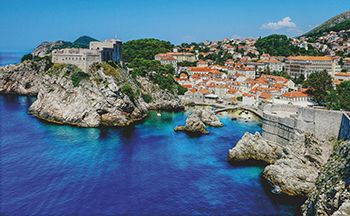
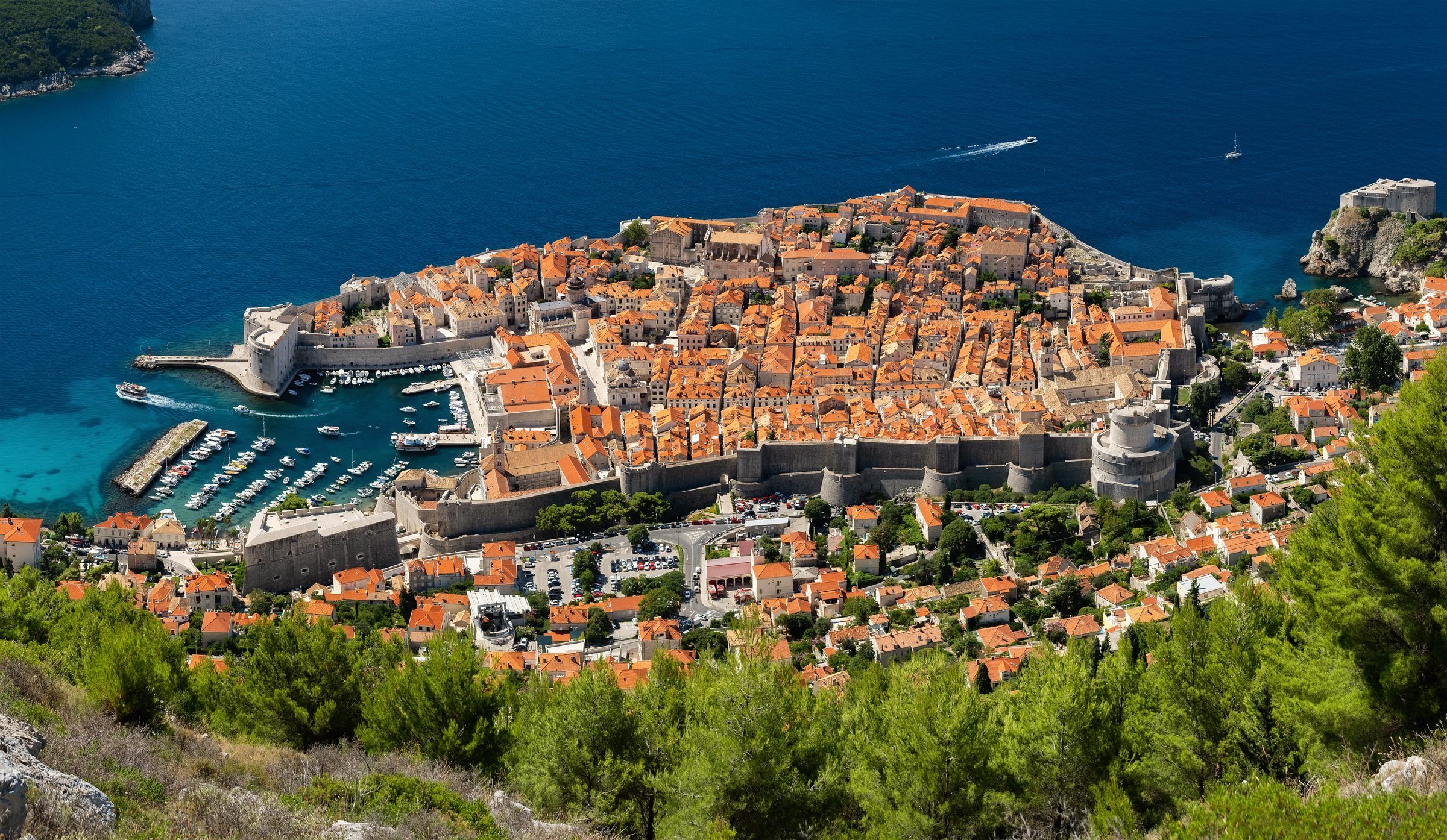
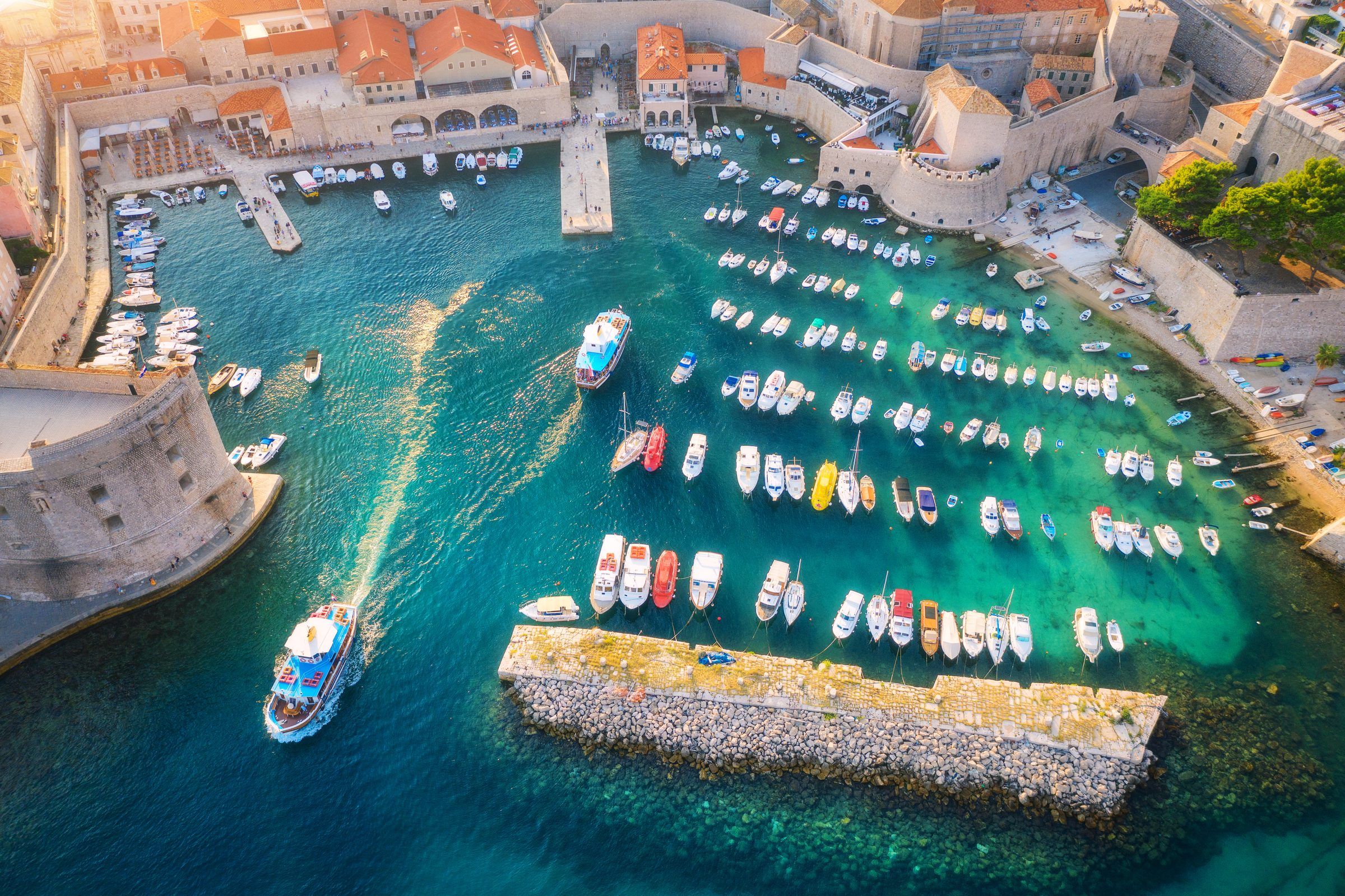
13. Watch for cruise ship days in Dubrovnik
Up to 8,000 cruise passengers can arrive in Dubrovnik in one day. Visit the Old Town early or late, and check the Port Authority's crowd forecasts.
14. Book Plitvice in advance
Lonely Planet notes that tickets for Plitvice Lakes are limited, so book online before you go.

15. Summer is hot and busy
July and August average 28°C (82°F) in Dubrovnik. May, June and September are milder, with the sea already warm.
Who a first trip to Croatia suits, and who it doesn't
Suits: travelers who want Roman and medieval towns, islands and clear sea in one trip.
Less suited to: travelers who dislike crowds in July and August.