






Swiss Food Guide: Fondue, Raclette, Rösti and More
Swiss food guide: fondue and its etiquette, raclette, rösti, Zurich veal, Ticino dishes, chocolate and Swiss wine.
November 25, 2026 • 4 min read
Swiss Food Guide: Fondue, Raclette, Rösti and More
Swiss dishes at a glance
Dishes described by Lonely Planet.
Fondue
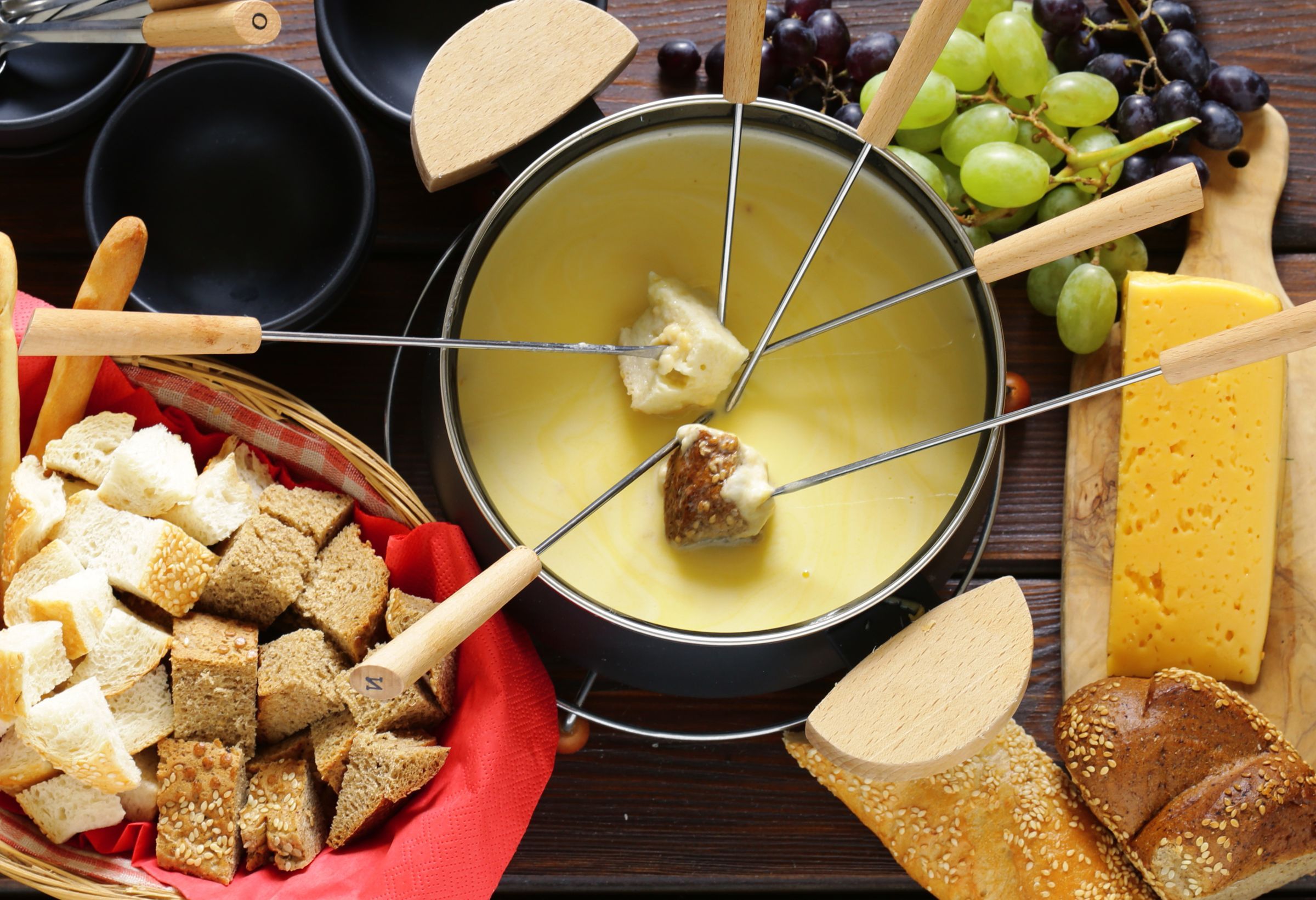
Fondue comes from the French verb fondre, to melt, Lonely Planet explains. The classic version, moitié-moitié, is half Gruyère and half Vacherin Fribourgeois, melted with white wine, garlic and kirsch and served with bread cubes on long forks. Variations use tomatoes or mushrooms with potatoes.
Etiquette matters: don't double dip, don't drop your bread in the pot, and don't leave the crust at the bottom, called la religieuse, uneaten. Lonely Planet says to drink wine, preferably a dry Swiss white such as Chasselas, rather than water.
Raclette
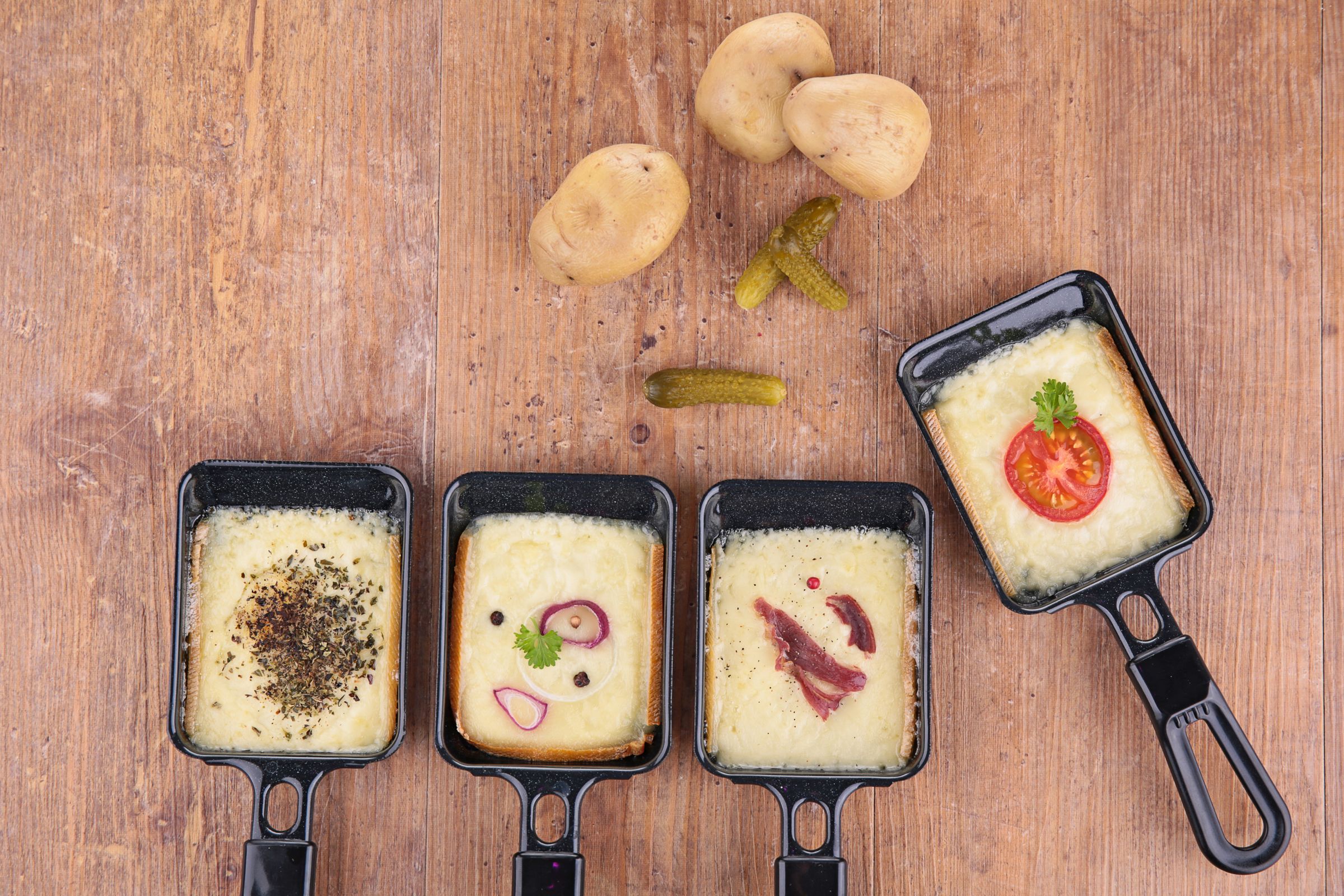
Raclette is a hot cheese dish for any season, Lonely Planet says. A half wheel of Raclette du Valais is heated on a special machine, and the melted top layer is scraped onto a plate with boiled potatoes, gherkins and pickled onions. In Geneva's old town, Lonely Planet recommends Restaurant Les Armures for both fondue and raclette.
Rösti and Zurich's veal
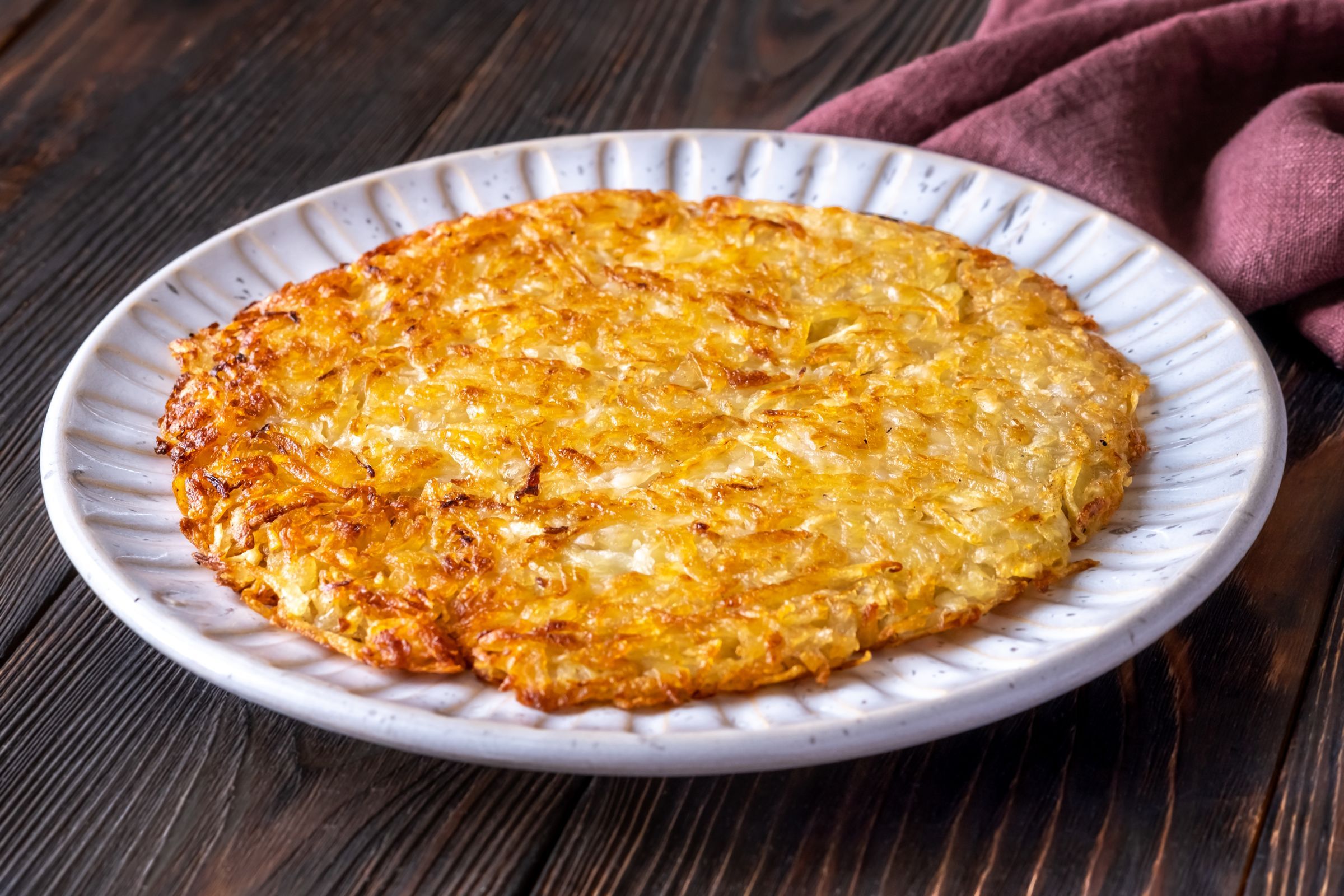
Rösti is so Swiss that it gave its name to the Röstigraben, the informal language border between French and German-speaking areas, Lonely Planet says. Toppings include lardons, mushrooms, fried egg and cheese, and it's a classic side for Zürcher Geschnetzeltes, veal in a cream and white wine sauce. In Zurich, Lonely Planet suggests the Zeughauskeller tavern.
Lake fish, Alpine macaroni and sausages
Around Lake Geneva, filets de perche, small perch fillets in lemon butter with fries, are everywhere, though Lonely Planet notes that much of the fish is now imported because demand outstrips supply. In the mountains, Älplermagronen combines pasta, potatoes, cheese and cream with fried onions and apple sauce.
Sausages are a staple. Lonely Planet highlights the pale St Galler Bratwurst, grilled at festivals and served with mustard and bread, and the cervelat, Switzerland's national sausage, often roasted on a stick over a campfire.
Ticino and Gruyères
In Italian-speaking Ticino, simple restaurants called grotti serve polenta and risotto, made with rice grown in the Vallemaggia, Lonely Planet says. Chestnuts are used in cakes, honey and vermicelles, a chestnut puree dessert popular across the country.
Gruyères is famous for its cheese and, in Switzerland, almost as well known for its thick double cream, served with light meringues.
Chocolate
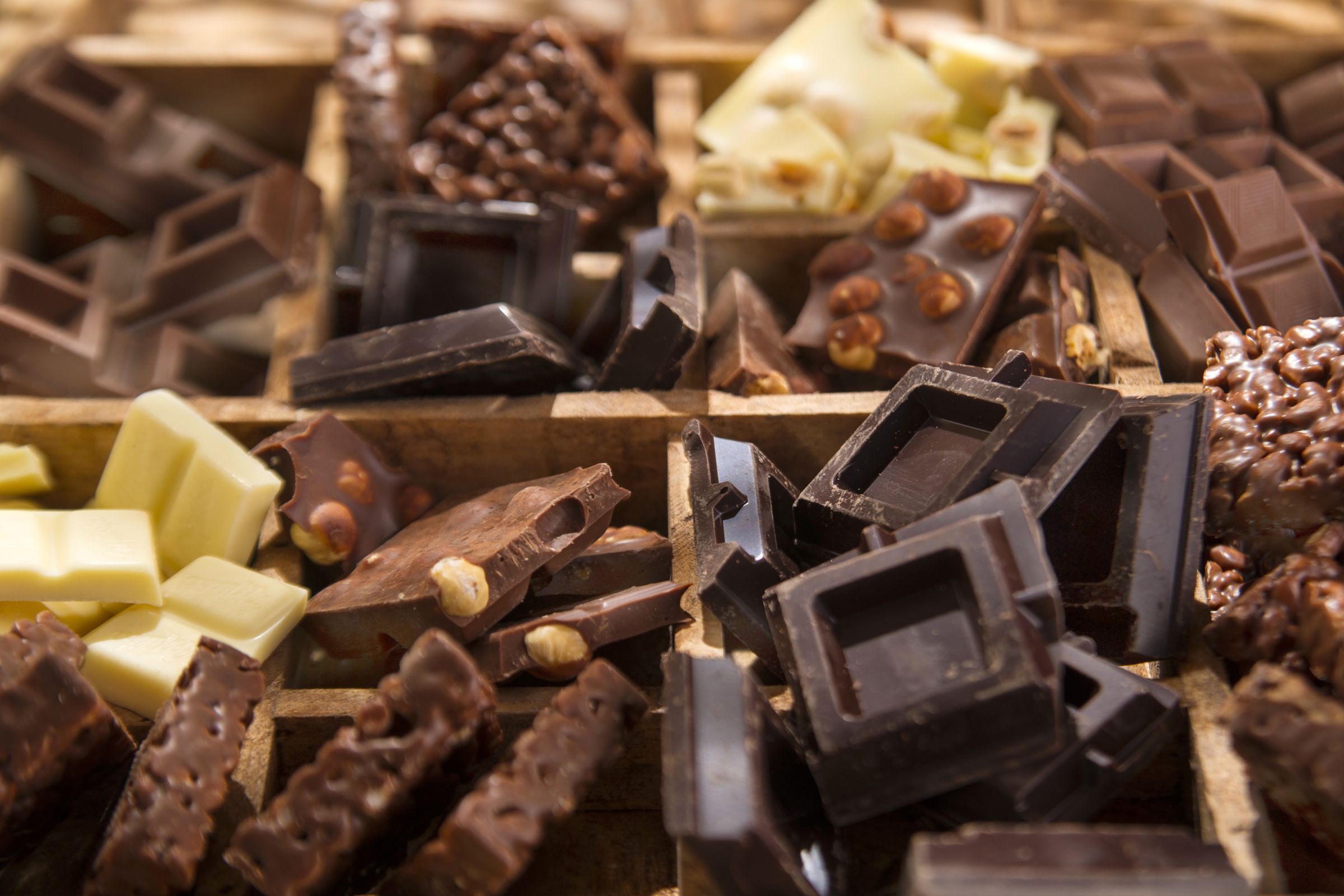
Switzerland was a pioneer of milk chocolate and solid chocolate bars, Lonely Planet says, and Nestlé, Lindt and Cailler are still headquartered here more than 150 years later. Every town has chocolate shops, from the Läderach chain to independents such as Auer in Geneva and Schiesser in Basel.
Wine and other drinks
Switzerland has around 1,500 wine producers across six regions but exports very little, according to Lonely Planet. Chasselas, called Fendant in Valais, is the most widespread white, while Pinot Noir and Merlot are common reds. Fruit schnapps include Williamine, from pears, and Abricotine, from apricots, and Rivella is a popular soft drink made from milk whey.
Vegetarian options
Lonely Planet calls Switzerland an easy country for vegetarians, since many cheese dishes are meat-free. Zurich's Hiltl, open since 1898, is the world's oldest vegetarian restaurant according to Guinness World Records, and the Tibits buffet chain has branches across the country. Vegans may find it harder.
Who Swiss food suits, and who it doesn't
Suits: cheese lovers, chocolate fans and anyone curious about regional wines.
Less suited to: vegans and travelers avoiding dairy, as Lonely Planet notes the country's love of dairy makes plant-based eating harder.



