Entry rules differ by country and by passport, and it is the traveler's responsibility to confirm them before departure. The rules below apply to US and Canadian passport holders, and all of them also apply to cruise passengers. Most ports require a free online arrival form, so we recommend completing them about 3 days before the cruise.
Note: Before departure, the Yes Getaways team will email you these entry requirements, with the official links for each country. The email is a courtesy, and it remains the traveler's responsibility to check the current rules and complete every form on time.
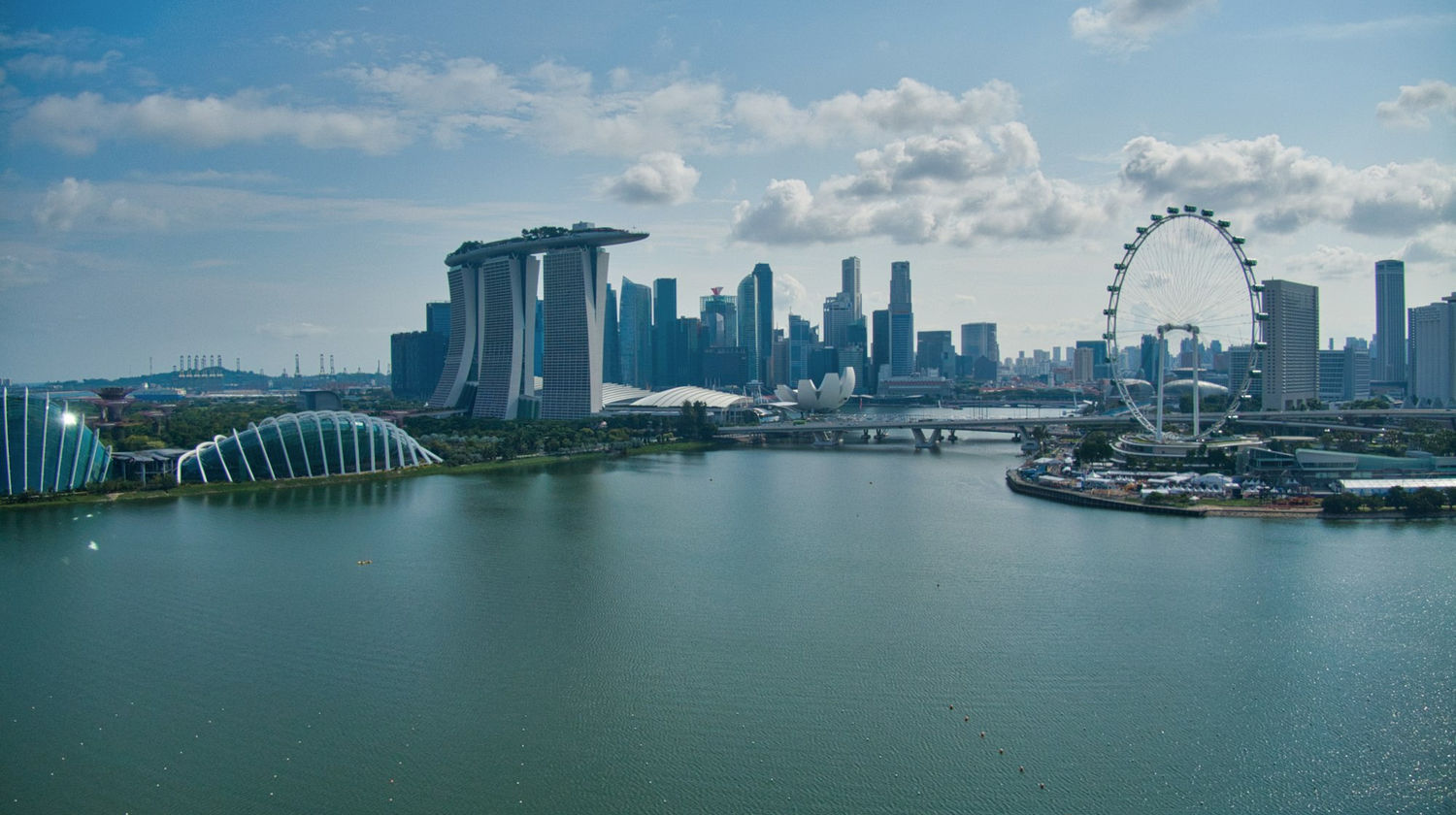
Singapore: US and Canadian citizens do not normally need a visa for short tourist visits, but we recommend confirming on the official ICA website before you go. You need a passport valid for at least 6 months, and each traveler, including children, must hold their own individual passport, as collective travel documents are not accepted. The one step you must not skip is the free SG Arrival Card, submitted online or through the MyICA app within 3 days before arrival, including the day you land. Travelers without it may be denied entry. At immigration, expect fingerprint, facial and iris scans, and carry proof of onward travel and enough funds for your stay. You cannot work during a short visit and must leave before your Visit Pass expires. If you have been in a yellow fever risk country in the past 6 days, bring your vaccination certificate. Declare any cash or negotiable instruments above S$20,000 and any goods above your duty-free allowance, and remember that prohibited items cannot enter the country. More info: ica.gov.sg/enter-transit-depart/entering-singapore
Thailand: US and Canadian passport holders can enter without a visa for short tourism stays of up to 30 days. You must complete the Thailand Digital Arrival Card (TDAC) online within 3 days before arrival. It is mandatory for all foreign travelers, even under the visa-free exemption, and it does not replace visa requirements. Without it, you may face delays at immigration or have to complete the form on arrival.
Vietnam: US and Canadian passport holders must get a visa before arrival. You need a passport valid for at least 6 months with two blank pages. The easiest option is a 90-day e-visa from the official government portal, and you must enter and exit through the exact checkpoints printed on your approved e-visa. Passengers arriving by air complete an online pre-arrival form up to 72 hours before landing, but cruise passengers entering through a seaport do not use that portal: any arrival paperwork is handed out and completed on paper on board your ship. Declare any cash above about US$5,000 (around CA$6,800).
Brunei: US and Canadian passport holders are visa-exempt for stays of up to 90 days, with a passport valid for at least 6 months. Two free steps are mandatory, including for cruise passengers: the E-Arrival Card on the official Brunei Immigration Portal (imm.gov.bn), and the Health Declaration, both completed within 3 days before arrival. You can submit the health declaration at healthinfo.gov.bn/travel or in the BruHealth app, and you should keep a screenshot of the confirmation to show at immigration. This applies even if you only go ashore for a few hours. Many cruise lines help coordinate these submissions, so check with your cruise operator.
Malaysia: US and Canadian citizens are visa-exempt for tourism, with a passport valid for at least 6 months from your arrival date. You must complete the free Malaysia Digital Arrival Card (MDAC) online within 3 days (72 hours) before arrival, at imigresen-online.imi.gov.my/mdac/main.
Philippines: US and Canadian citizens do not need a visa for stays of up to 30 days. You need a passport valid for at least 6 months, and you must register on the free eTravel portal (etravel.gov.ph) within 3 days (72 hours) before arrival. You must also hold proof of a return or onward ticket, such as your cruise itinerary or a return flight, showing you will leave within 30 days. The eTravel QR code is mandatory for cruise passengers too.
It is the traveler's responsibility to check each country's current entry rules before departure. You can verify them on travel.state.gov for US citizens and travel.gc.ca for Canadian citizens.
⚠️ Please note that if your itinerary includes a transit or layover in the United Kingdom, you will be required to obtain an Electronic Travel Authorisation (ETA) before travel. Entry requirements can change, and it is the traveler's responsibility to verify current visa, passport, and transit requirements before departure through their government's official travel advisory website.














.jpg)
.jpg)

































.png)