by Yes Getaways Team
July 24, 2026 • 11 min read
Three Central European capitals. Three completely different Christmas market experiences. All within 4 hours of each other by train. And the question every traveler asks: if I can only pick one, which one?
The honest answer is that most travelers pick two or three. Prague to Vienna is 4 hours by train, Vienna to Budapest is 2h30m, Budapest to Prague is 7 hours via Vienna. A "Three Capitals" trip is one of the most-requested Central European Christmas itineraries for a reason. But if you must choose one, this guide compares them honestly and gives clear recommendations by traveler profile.
The short answer
Pick Prague if: you want medieval atmosphere, dramatic gothic and baroque architecture, the most photogenic Christmas market setting in Central Europe, and the option to visit after December 24 (Prague markets extend to January 6).
Pick Vienna if: you want imperial elegance, multiple palace-and-courtyard markets, world-class Christmas concerts (Musikverein, Konzerthaus, Karlskirche), and the most polished, most refined market experience.
Pick Budapest if: you want the richest food scene of the three, the unique combination of Christmas markets and thermal baths, and the best value for money.
If you can do two: Vienna + Prague (4 hours by train, most-requested combo). If you can do three: Prague + Vienna + Budapest as the "Three Capitals" 8-to-10 night trip.
Prague: the medieval-cinematic Christmas market
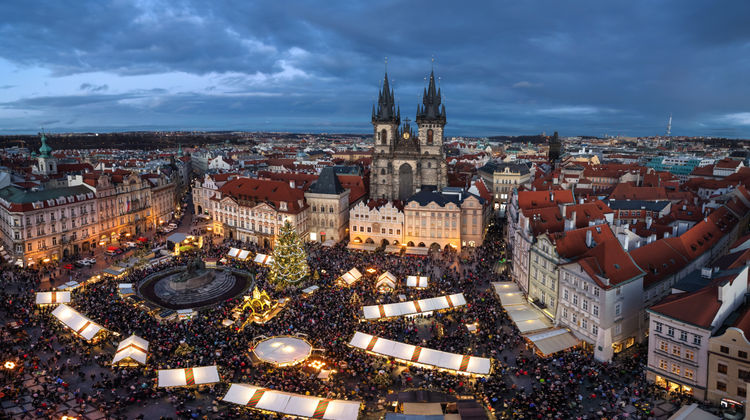
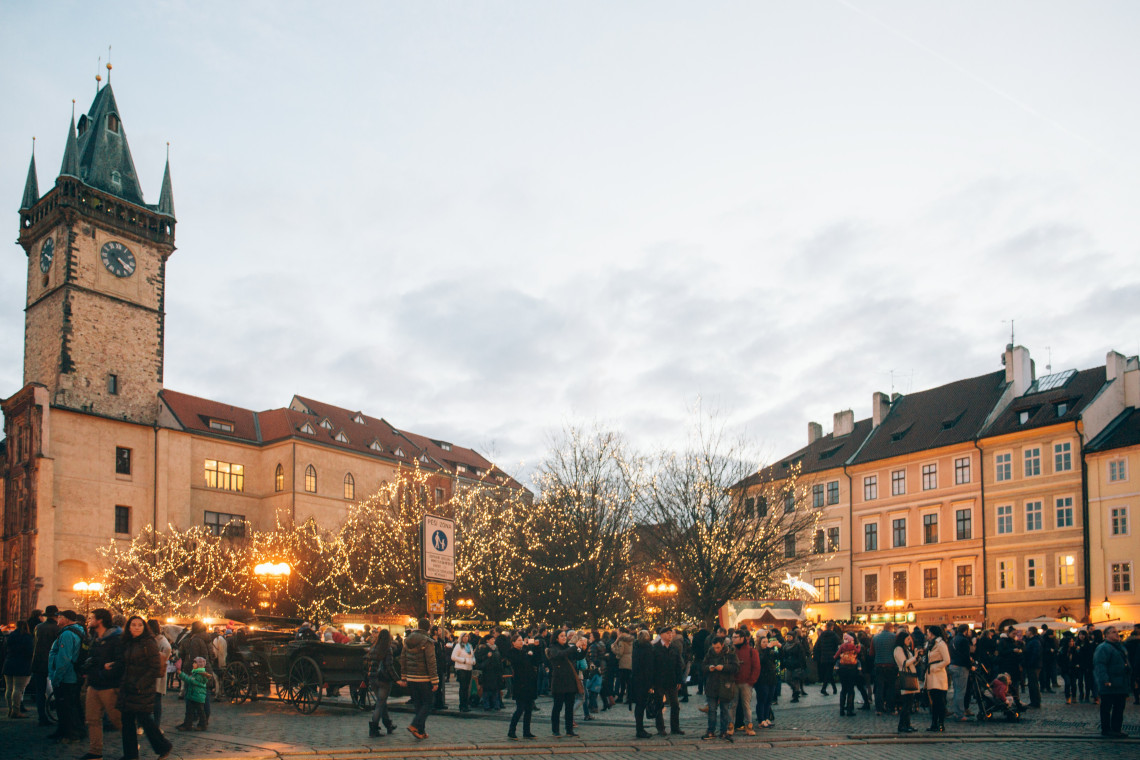
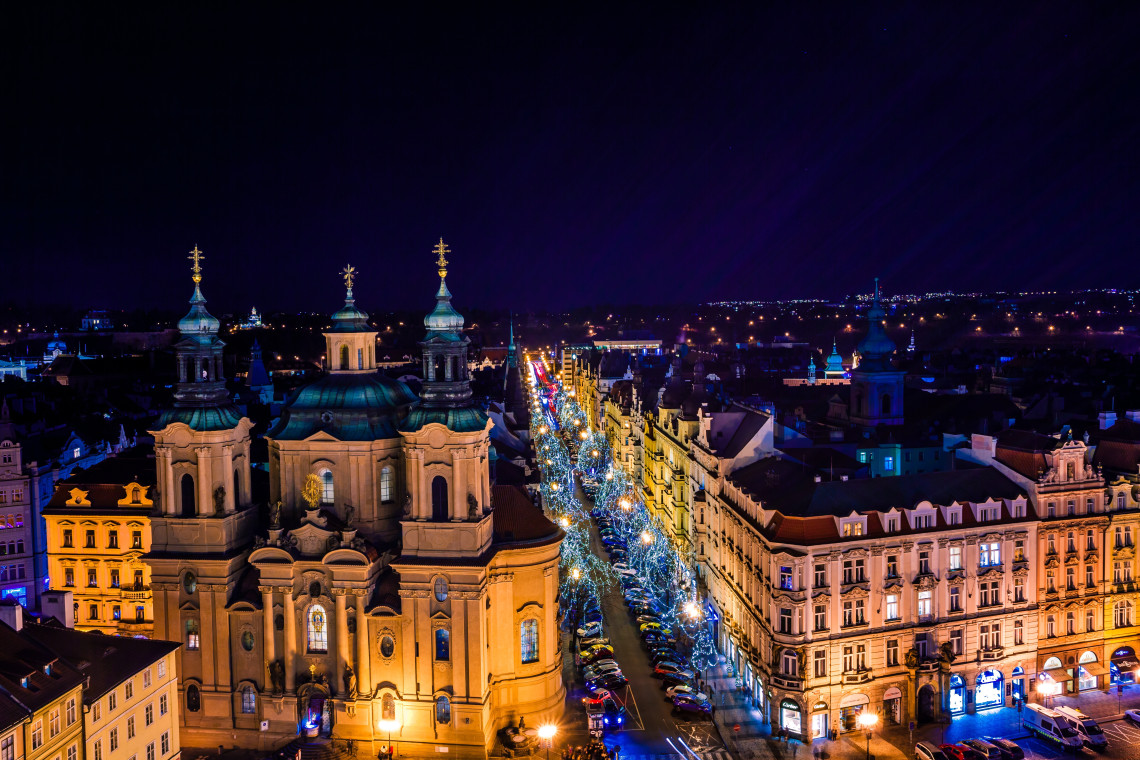
What Prague delivers: The most dramatic setting of the three. The Old Town Square (Staroměstské náměstí), with its gothic astronomical clock tower and twin-spired Church of Our Lady before Týn, is the single most photographed Christmas market scene in Central Europe. The medieval streets of the old town, the Charles Bridge across the Vltava, Prague Castle illuminated at night. The setting doesn't feel like a Christmas market with a city around it. It feels like a medieval city that added Christmas lights.
The five essential Prague markets:
- Old Town Square (Staroměstské náměstí), the icon
- Wenceslas Square (Václavské náměstí), the boulevard market
- Prague Castle, upscale, expensive entry
- Peace Square (Náměstí Míru, Vinohrady), the local market
- Republic Square (Náměstí Republiky), modern setting
Food to prioritize:
- Svařené víno (Czech mulled wine)
- Grog (rum with lemon)
- Kürtőskalács (chimney cake, though technically Hungarian/Slovak in origin)
- Bramboráky (potato pancakes)
- Klobása (Czech sausage)
- Vánočka (traditional Czech Christmas braided bread)
When Prague wins: For photographers, for medieval atmosphere lovers, for travelers wanting a post-Christmas trip (Prague markets continue to January 6).
When Prague underperforms: For food travelers (Vienna and Budapest food scenes are richer). For those who dislike crowds (Old Town Square is one of the most crowded Christmas markets in Europe). For travelers who want variety of markets (Prague has 5; Vienna has 20+).
Deep dive: Prague Christmas Markets 2026 Complete Guide.
Vienna: the imperial-elegant Christmas market
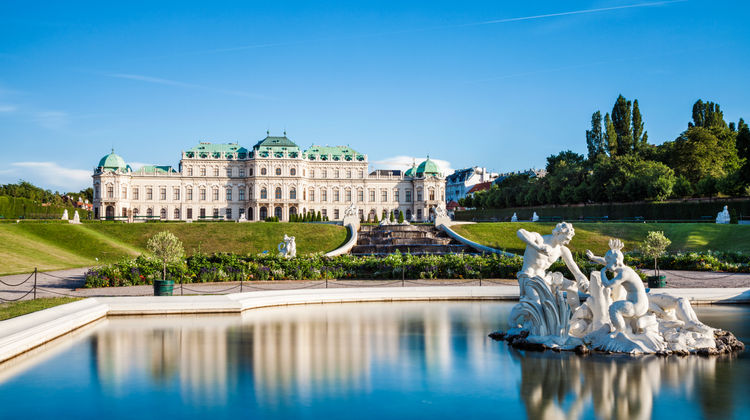
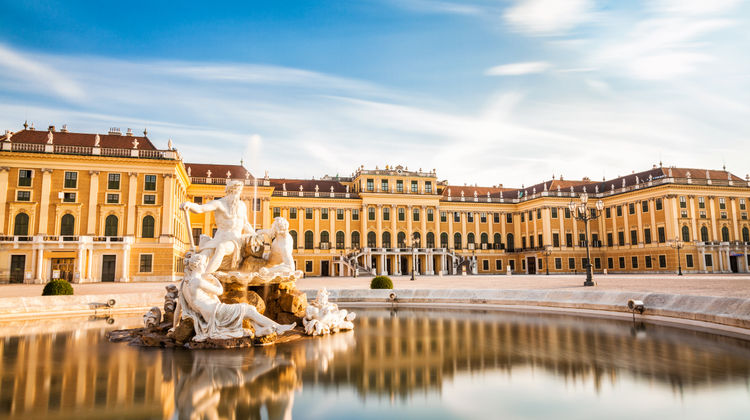
What Vienna delivers: The most refined and most varied Christmas market experience of the three. Vienna runs over 20 markets, each with a distinct character. Imperial palaces (Schönbrunn, Belvedere), museum courtyards (Maria-Theresien-Platz), boutique alleys (Spittelberg), classical squares (Rathausplatz, Am Hof, Freyung), design markets (Karlsplatz). No single square dominates. The city itself is the market. Walking between neighborhoods is part of the experience.
Christmas concert culture is unrivaled. The Musikverein (home of the Vienna Philharmonic), Konzerthaus, Karlskirche, and Stephansdom all host December Christmas concerts. Combining a market walk with a Bach Cantata at Karlskirche is a distinctly Vienna moment.
Food to prioritize:
- Wiener Punsch (spiced hot punch, better than most European mulled wines)
- Kaiserschmarrn (shredded pancakes with plum compote)
- Bratkartoffeln (pan-fried potatoes with bacon)
- Käsespätzle (Austrian egg noodles with cheese)
- Vanillekipferl (crescent-shaped vanilla cookies)
- Bratapfel (baked apples stuffed with marzipan)
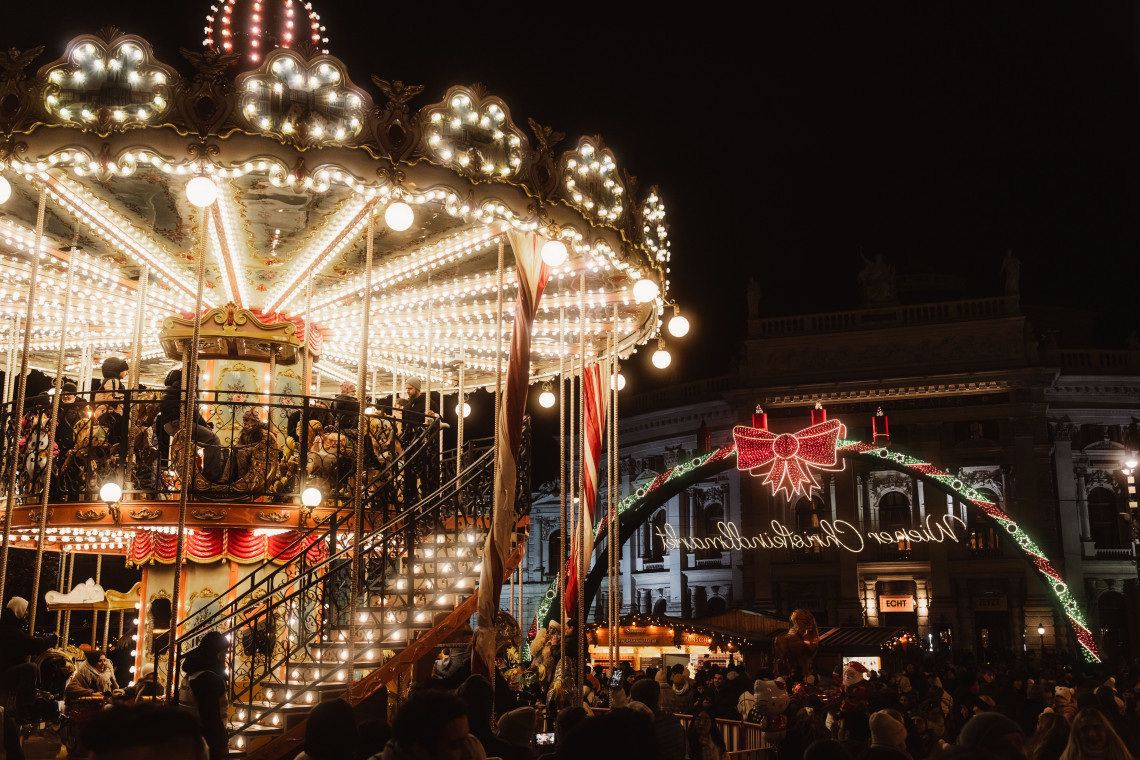
When Vienna wins: For imperial-elegance travelers, for concert-goers, for travelers wanting the most variety of markets in one city, for museum lovers (Kunsthistorisches Museum plus market combinations).
When Vienna underperforms: For travelers on a tight budget (Vienna is the most expensive of the three). For those who want a compact walking city (Vienna markets are scattered, requires transport between neighborhoods).
Deep dive: Vienna Christmas Markets 2026 Complete Guide.
Budapest: the food-and-thermal-bath Christmas market
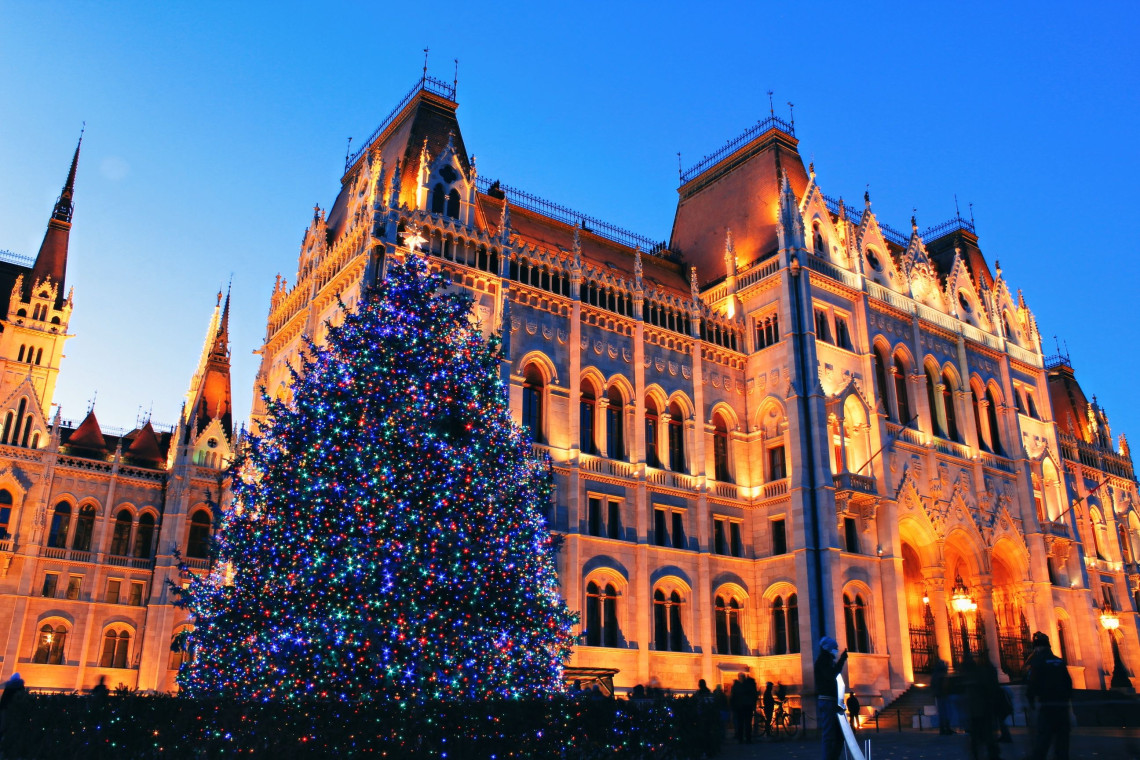
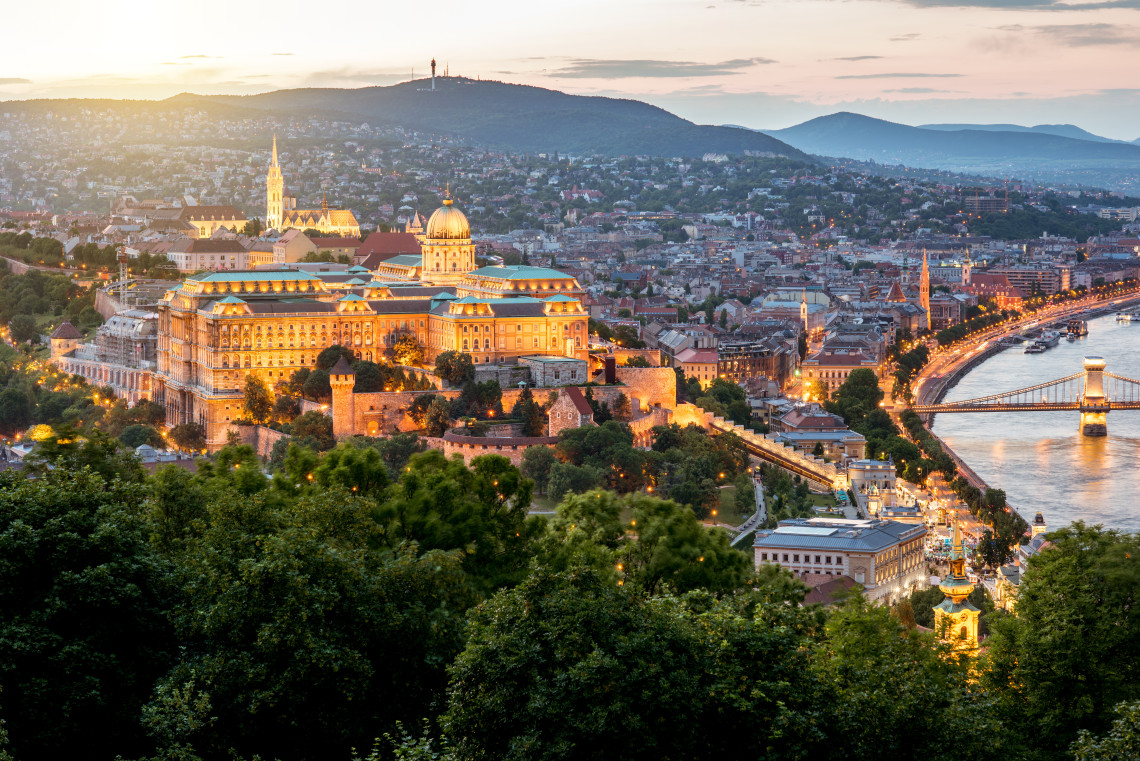
What Budapest delivers: The most distinctive combination of the three. The scale is smaller (4 essential markets vs Prague's 5 or Vienna's 20), but Budapest offers something no other Central European Christmas market city can: the pairing of Hungarian food (heavy, spicy, paprika-forward) with the thermal baths (Széchenyi, Gellért, Rudas — bathhouses built into Habsburg palaces).
The typical Budapest Christmas day: market in the morning at Vörösmarty Square or St. Stephen's Basilica. Lunch of goulash or langos. Thermal bath in the afternoon (Széchenyi is a 5-minute metro ride from central markets). Dinner at a ruin pub. Danube dinner cruise in the evening. No other European Christmas market city has this range in a single day.
Food to prioritize:
- Kürtőskalács (rolled cinnamon-sugar pastry, actually Hungarian, unlike the Trdelník in Prague)
- Langos (deep-fried flatbread with sour cream, garlic, cheese)
- Töltött káposzta (stuffed cabbage)
- Gulyás (goulash)
- Forralt bor (Hungarian mulled wine, spicier than Austrian)
- Krampampuli (flaming rum punch)
- Bejgli (Christmas braided pastry with walnut or poppy seed)
- Sült kolbász (grilled Hungarian sausages)
When Budapest wins: For food travelers (Hungarian food is exceptional and distinctive). For thermal bath enthusiasts. For value-conscious travelers (Budapest is meaningfully cheaper than Vienna or Prague). For travelers wanting a less-crowded market experience.
When Budapest underperforms: For travelers wanting the biggest market scale (Vienna and Prague are more market-dense). For travelers who dislike heavier cuisine.
Deep dive: Budapest Christmas Markets 2026 Complete Guide.
Which one for which traveler
Choose Prague if you are:
- A first-time Central European Christmas visitor wanting the "postcard" market
- A photographer or Instagram-driven traveler
- A medieval architecture lover
- Planning a post-Christmas trip (Prague continues to January 6)
- Traveling with older children who love castles and dramatic settings
- Sensitive to price (Prague is meaningfully cheaper than Vienna)
Choose Vienna if you are:
- A classical music lover (concerts at Musikverein, Karlskirche)
- An imperial-elegance traveler (Habsburg palaces)
- An art / museum enthusiast (Kunsthistorisches, Belvedere Klimt)
- Traveling with children (Rathausplatz ice skating, Schönbrunn palace)
- Wanting the widest variety of markets in one city
- Combining with Salzburg (2h30m by train) or Munich
Choose Budapest if you are:
- A serious food traveler (Hungarian food is distinctive and heavy in the best way)
- Interested in thermal baths (Széchenyi, Gellért, Rudas)
- Value-conscious (Budapest is the cheapest of the three)
- Wanting fewer crowds than Prague or Vienna
- Combining with a Danube cruise or a Bratislava/Vienna combo
- Looking for less-touristy authenticity
The Three Capitals trip (recommended for most travelers)
The most-requested Central European Christmas trip we build:
8 to 10 nights, ideally 9:
- Prague: 2 to 3 nights (start here)
- Vienna: 3 to 4 nights (the anchor)
- Budapest: 2 to 3 nights (finish here)
Transport between them:
- Prague to Vienna: 4 hours by direct EC/Railjet train
- Vienna to Budapest: 2h30m by direct Railjet
- Return options: fly out of Budapest, or short flight/train back to Vienna to fly out
Advantages of doing all three:
- The contrast between medieval Prague, imperial Vienna, and food-driven Budapest is the real story
- Each city complements the others. You see them differently by comparison
- Trains between them work as travel days (arrive in city at lunch, dinner at hotel, ready for market next morning)
Costs of doing all three: 8-10 night trip requires more time and packing/unpacking. Travelers who want depth in one city might do better staying longer in one place.
Which combinations work best (if not all three)
Vienna + Prague (5 to 7 nights): The most-requested two-city Christmas combo. 3 nights each, easy 4-hour train ride between them. Combines imperial-elegance with medieval-drama.
Vienna + Budapest (5 to 7 nights): The Habsburg empire pair. Both cities were part of the Austro-Hungarian Empire until 1918, and the architectural and cultural connection is real. 2h30m by train.
Prague + Berlin (5 to 6 nights): East plus West-of-East. Prague's medieval plus Berlin's variety. 4h20m by direct train.
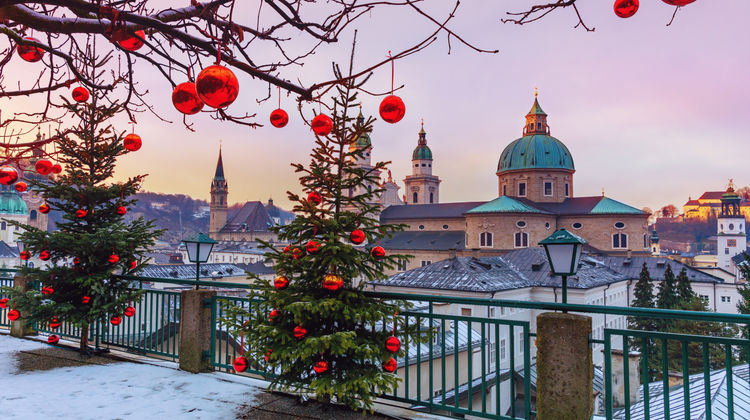
Vienna + Salzburg (5 to 7 nights): Austria in full. Add Salzburg's Alpine setting and Mozart concerts to Vienna's imperial cake. 2h30m by train.
Prague + Dresden (5 to 6 nights): The oldest documented Christmas markets (Dresden 1434, Prague late medieval). 2h15m by train.
When to go: seasonal timing for all three
All three cities open Christmas markets in late November and close at different times:
- Prague: Late November to January 6, 2027
- Vienna: Mid-November (Rathausplatz) to December 24-26. Schönbrunn continues as New Year Market to early January.
- Budapest: Mid-November to early January 2027
The sweet spot for all three: December 1 to 14, on weekdays.
Peak crowds and prices: December 15 to 27.
Post-Christmas option (Dec 27 to Jan 5): Works for all three. Fewer crowds, lower hotel prices except New Year's Eve itself, atmosphere is quieter but still real.
Prague and Budapest are meaningfully cheaper than Vienna, with Budapest slightly under Prague. Vienna's hotel prices are the main driver. The city's peak December pricing is 30-50% above the other two.
Frequently asked questions
Which is better, Prague or Vienna? Different experiences. Prague is medieval-atmospheric with 5 essential markets. Vienna is imperial-elegant with 20+ markets. Most travelers doing Central Europe do both.
Which is better, Vienna or Budapest? Different experiences. Vienna is elegant, scale-focused, expensive. Budapest is food-focused, thermal-bath-integrated, value-oriented. Both connected by 2h30m train.
Which is cheapest of the three? Budapest, followed by Prague. Vienna is meaningfully more expensive (30-50% higher hotel prices).
Which has the best food? Budapest for the richest and most distinctive cuisine. Vienna for pastry and traditional Austrian. Prague for beer culture (though not specifically Christmas market related). If food is priority, Budapest wins.
Which has the best Christmas concerts? Vienna, by a wide margin. The Musikverein, Konzerthaus, and Karlskirche host December concerts of world-class quality. Salzburg (2h30m from Vienna) adds the Mozarteum. Prague has excellent concerts too but at a smaller scale.
Which is safest? All three are safe. Standard urban precautions apply. Pickpockets work tourist zones in Prague's Old Town Square and Vienna's Rathausplatz. Budapest has less tourist-focused petty crime.
Which is best for children? All three work well for children. Vienna has ice skating at Rathausplatz and Schönbrunn palace to visit. Prague has children's areas at Old Town Square. Budapest thermal baths are family-friendly (Széchenyi has children's areas). Copenhagen (elsewhere) is arguably the best European Christmas market for kids.
How do I get between them? Direct trains: Prague to Vienna 4h, Vienna to Budapest 2h30m. Budapest to Prague is 7h via Vienna (no direct). Fly options exist but trains are usually more time-efficient for the distance.
Can I visit all three in a week? Yes, tightly. Recommended minimum for all three: 8 nights (3 nights each plus 1 travel day plus 1 arrival). 7 nights is possible but rushed. 10 nights is comfortable.
Which one is best for a first-time European trip? Vienna, if the traveler is willing to spend more. Prague, if the traveler wants medieval magic and lower prices. Budapest is better as a second or third European trip.
Which one has the best post-Christmas access? Prague (markets to January 6). Budapest continues to early January. Vienna Schönbrunn continues as New Year Market. All three work for December 27+ visits.
Can I combine any of them with an Alpine ski trip? Vienna works best. Vienna to Innsbruck is 4h by train. Vienna to Kitzbühel is 5h. Prague and Budapest are further from ski resorts.
Three capitals, three experiences.
Our travel experts route the right combination for your priorities and pace.
See Christmas Packages Tailor-Made Trip