by Yes Getaways Team
July 27, 2026 • 10 min read
Austria rewards almost every month of the year, but the trip you have depends entirely on when you go. Vienna in February is a different city to Vienna in July. The Salzkammergut lakes in early June are a different region to the Salzkammergut lakes in late August. Kitzbühel in January is a different mountain to Kitzbühel in July.
This guide walks you through Austria season by season, then breaks down the best months by region and by activity, so you can match your trip to the moment.
The short answer
For most North American travelers visiting Austria for cities, culture, and food, the two sweet spot windows are mid May to late June and mid September to mid October. You get mild weather, longer daylight than the shoulder months, meaningfully smaller crowds than July and August, and prices well below summer peak.
If you are going for the Alpine lakes and hiking (Hallstatt, Wolfgangsee, Zell am See), target mid June to mid September. If you are going for skiing in the Tyrol (Kitzbühel, St. Anton, Sölden, Ischgl), target late December to mid March. If you are going for Christmas markets in Vienna and Salzburg, target mid November to December 24. If you are going for the Wachau Valley wine harvest, target late September to mid October.
Spring (April to June): the sweet spot for cities and lakes
Spring is when Austria delivers on its postcards. Vienna's parks and the Prater bloom in April. Salzburg's Baroque old town is at its most photogenic in May and June, without the July-August tourist crush. The Alpine meadows above Innsbruck and Salzburg fill with wildflowers by early June. Vienna daytime temperatures rise from 15°C / 59°F in April to 22°C / 72°F by early June.
Pros: Excellent weather for walking cities and gardens. Lighter museum lines than summer. The Vienna State Opera and Musikverein run through late June, so you can still catch classical concerts. The Wachau Valley apricot blossoms (late April) are one of Austria's underrated spring sights. Lake temperatures start climbing by late May, so Wolfgangsee and Hallstätter See are swimmable from June.
Cons: Easter brings domestic crowds, especially in Salzburg and Vienna. Alpine passes can still have snow through May. Some higher-altitude mountain gondolas do not reopen from ski season closure until mid to late May (spring "mud season").
Best for: First time Austria trips, Vienna and Salzburg city breaks, Wachau Valley wine drives, early lake season in the Salzkammergut.
Summer (July to August): the peak, and the Alpine sweet spot
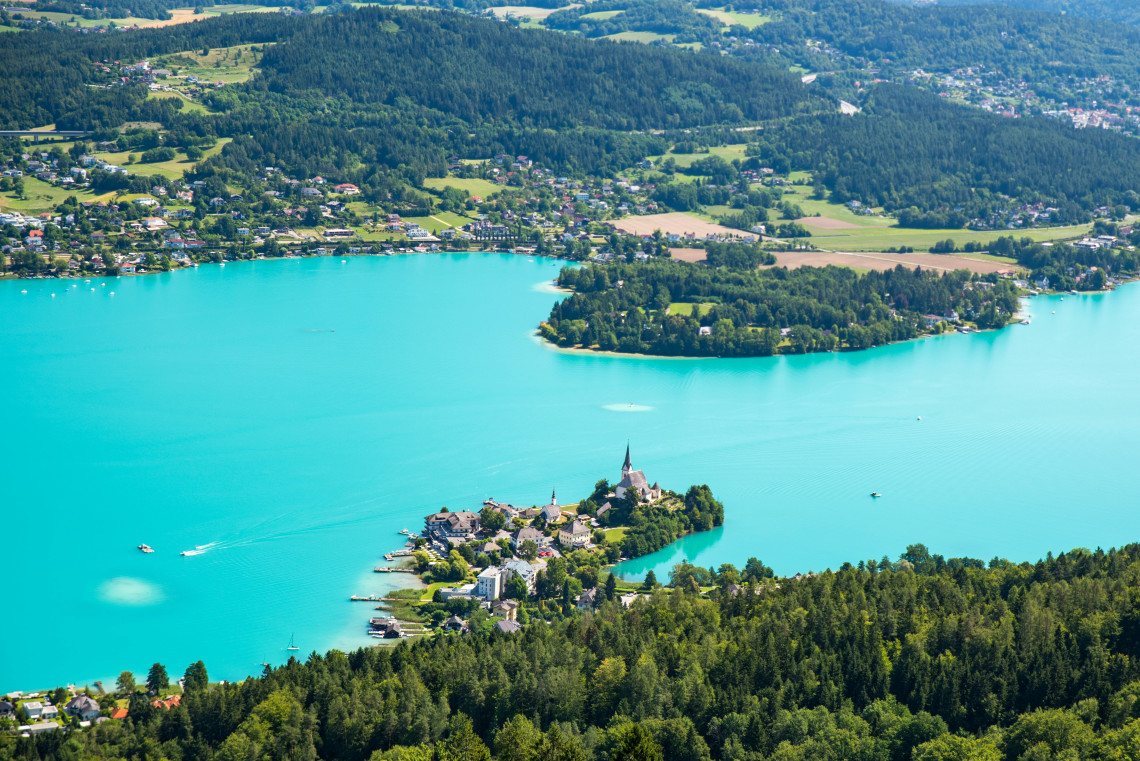
Austria in high summer splits cleanly. Vienna and Salzburg hit peak tourism (though never as bad as Rome or Barcelona). The Alps become the country's dominant scene, with hikers, lake swimmers, and mountain bikers filling every valley from Tyrol to Carinthia.
Pros: Alpine hiking at its best (all trails open, gondolas running, refuges at full service). Salzkammergut lake temperatures peak at 22-24°C / 72-75°F. The Salzburg Festival (late July to late August) is one of the most prestigious classical music festivals in the world. Bregenzer Festspiele on Lake Constance runs open-air opera. Vienna's Musikfilm Festival at Rathausplatz shows classical concerts nightly on a giant screen with food stalls.
Cons: Highest prices of the year, especially in Salzburg and Kitzbühel. Hallstatt becomes overwhelmed with day-trippers between 10am and 4pm. Vienna in August can feel emptier (many Viennese leave for the Alps), so some restaurants close. Thunderstorms in the Alps become more frequent from late July.
Best for: Alpine hiking (Tyrol, Salzkammergut, Vorarlberg), lake holidays (Wolfgangsee, Wörthersee, Zell am See), Salzburg Festival, family trips with school-age children.
Fall (September to October): the wine harvest, the empty Salzburg
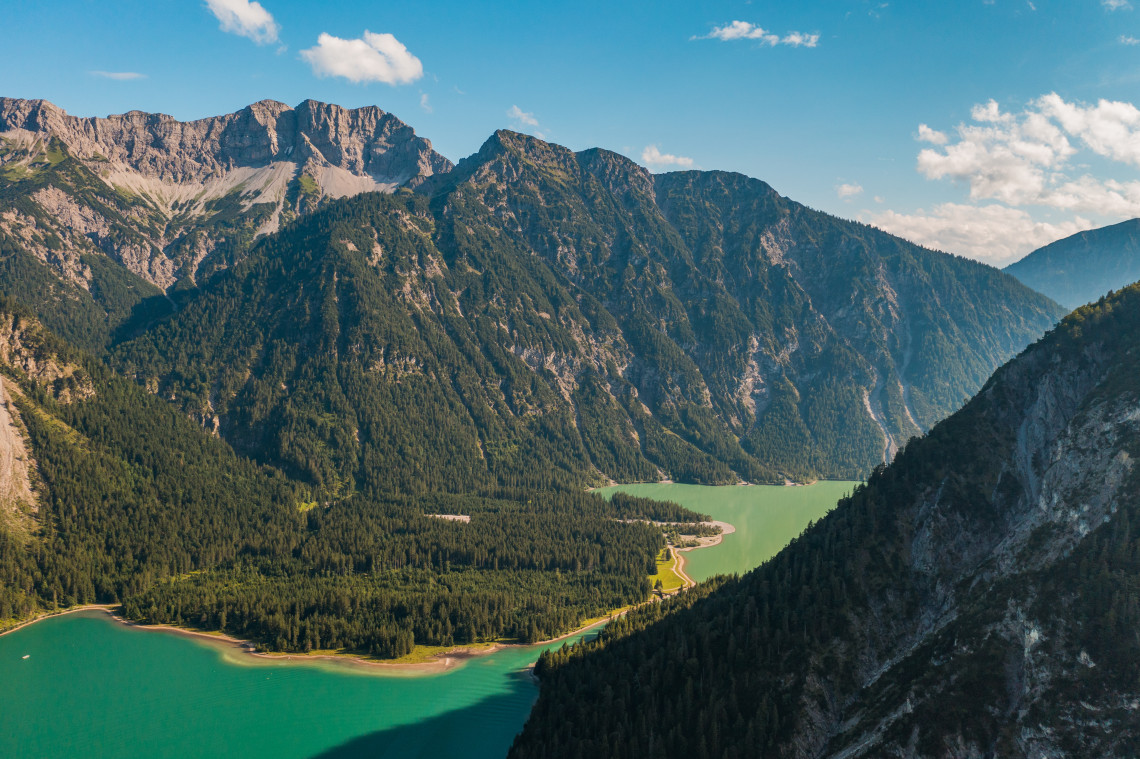
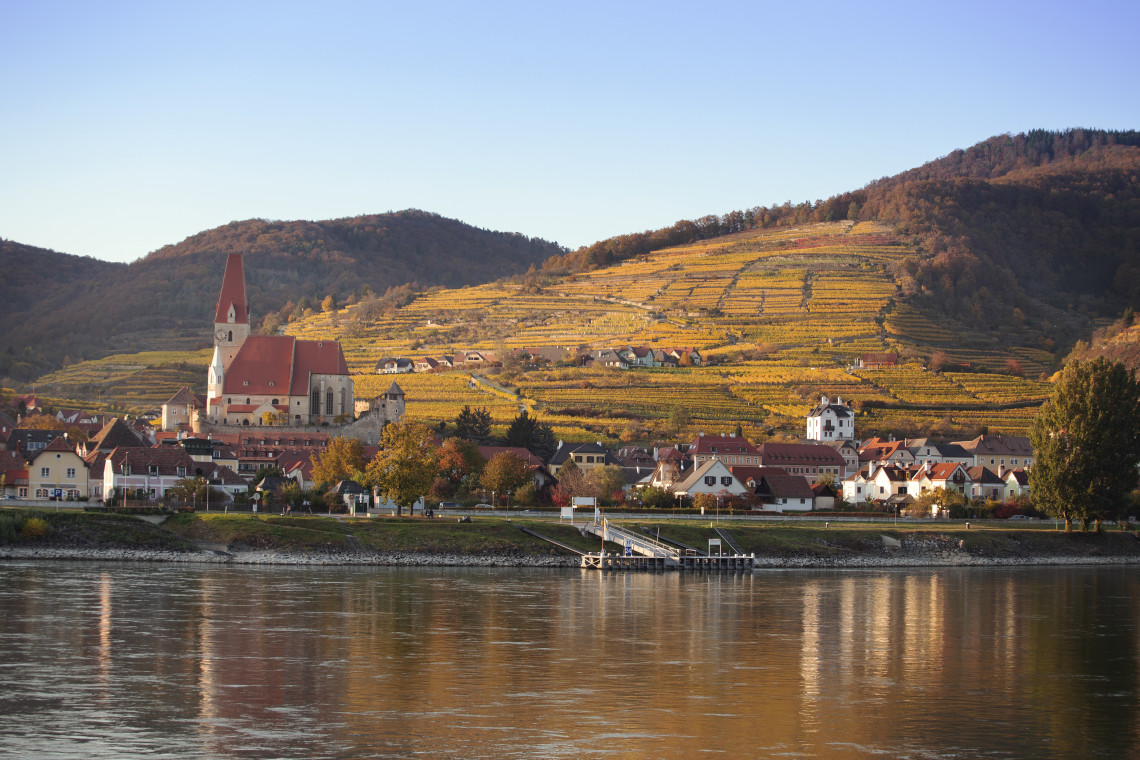
September is arguably the single best month to visit Austria for most travelers. Summer crowds clear from Hallstatt and Salzburg, Vienna reopens after the August lull with the start of the new opera season, and the Wachau Valley enters wine harvest (Sturm season). October brings alpine golden light and the wine country at its most atmospheric.
Pros: Comfortable temperatures (18 to 22°C / 65 to 72°F in September). Vienna State Opera and Musikverein resume full season programming in early September. Wachau Valley wine harvest (mid September to mid October) makes the Danube region atmospheric with Sturm (young partially-fermented wine) in every village. Alpine hiking still fully accessible through October at lower elevations. Salzburg's crowds drop meaningfully after the Festival closes late August.
Cons: Weather becomes unpredictable in late October. Mountain gondolas close in stages from mid September to late October (the mud season before ski season). School holidays in late October bring a brief crowd return, particularly to Vienna.
Best for: Wachau Valley wine country, Vienna city breaks with concerts, Alpine hiking at cooler temperatures, Salzburg without the Festival crowds.
Winter (November to March): Christmas markets, skiing, imperial Vienna
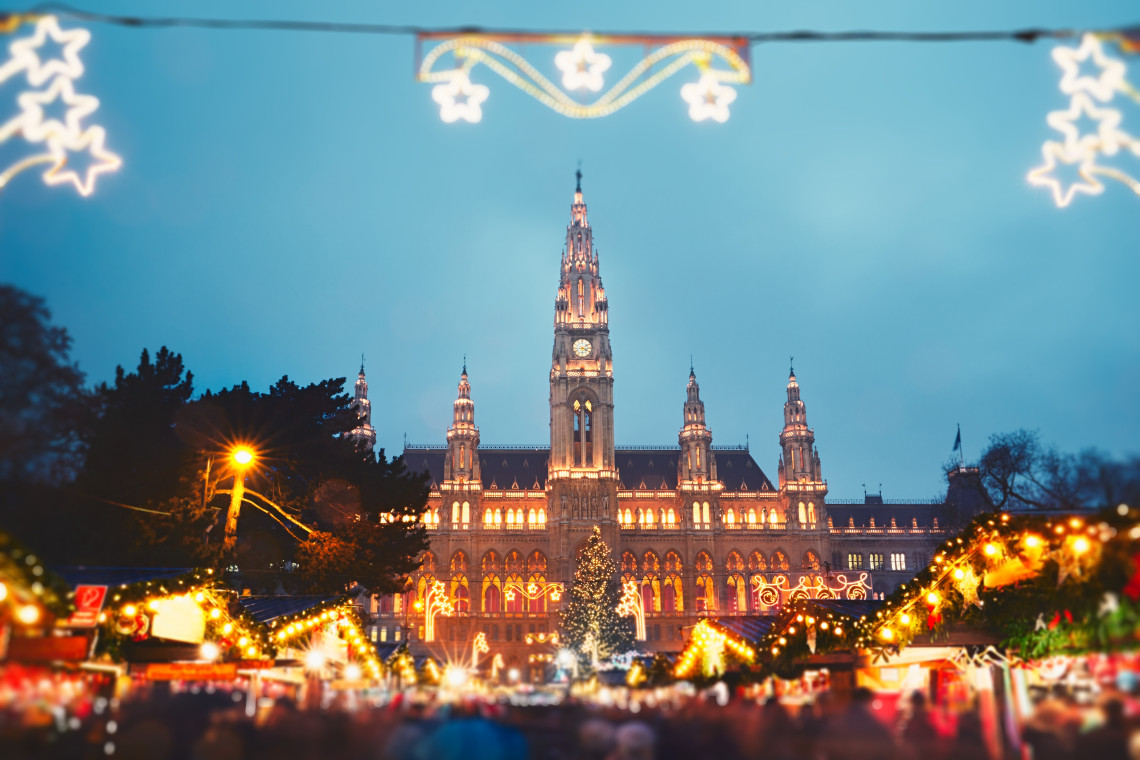
Austrian winter splits into three completely different trips. Vienna and Salzburg become atmospheric with Christmas markets (mid November to December 24) and Advent culture. The Alps turn into one of Europe's best ski destinations from mid December to April. The lakes freeze over (the Neusiedler See is a rare wind-skating destination), and the Wachau Valley shifts to a quieter, foggier version of itself.
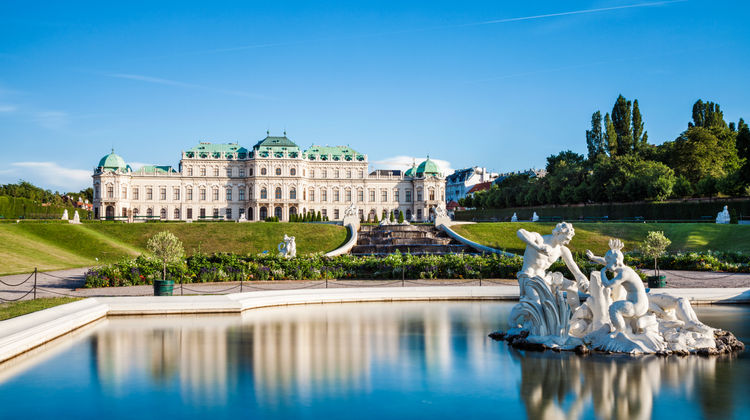
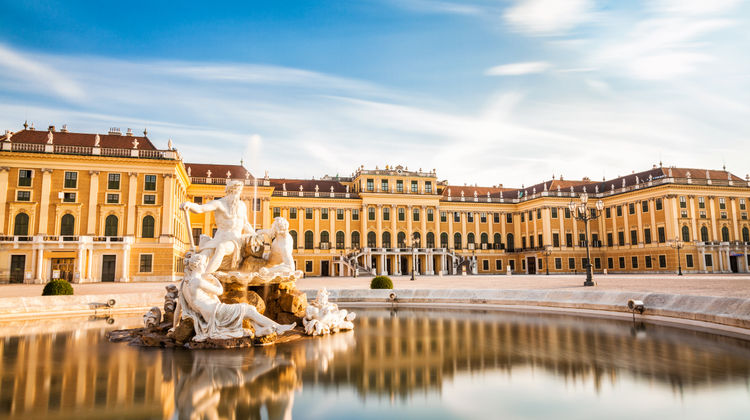
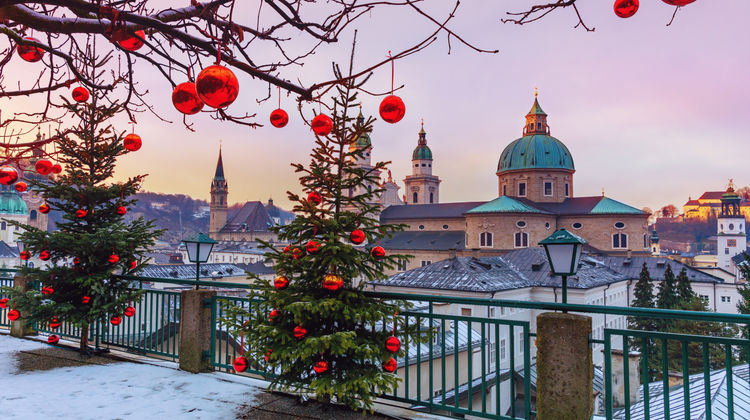
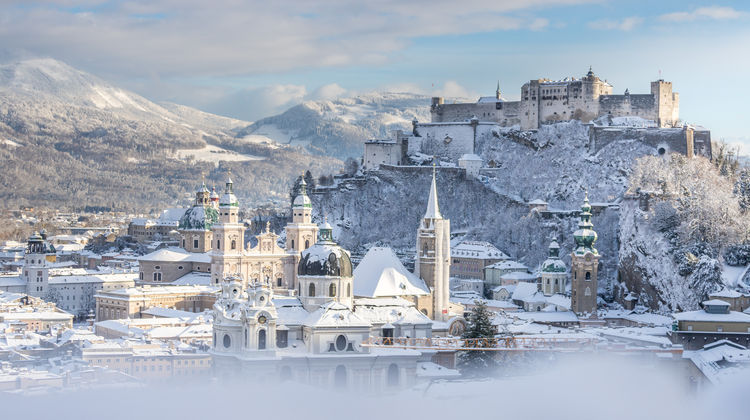
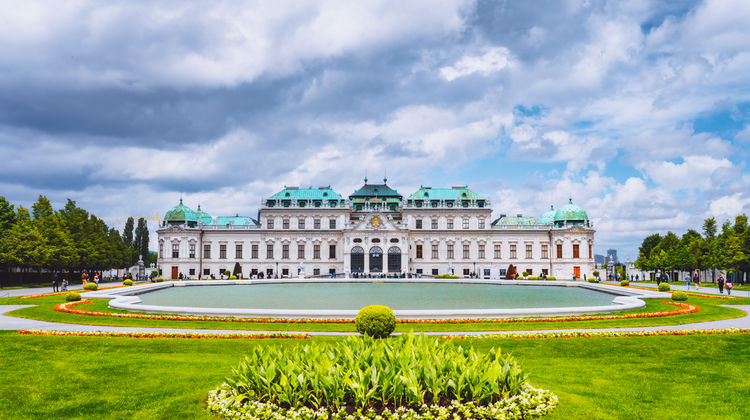
Pros: Christmas market season (mid November to December 24) is Austria at its most magical. Vienna's Rathausplatz, Schönbrunn, Belvedere, Spittelberg, and Am Hof markets rival the best in Europe. Salzburg's Christkindlmarkt on the Domplatz is set beneath the cathedral and fortress. Skiing in Tyrol from mid December to mid April at world-class resorts (Kitzbühel, St. Anton, Sölden, Ischgl, Zell am See). Vienna's imperial architecture at its most cinematic in snow. Advent concerts at cathedrals across the country nightly through December.
Cons: Vienna weather is cold and often grey from November through February (0 to 5°C / 32 to 41°F daytime). Short daylight (sunset around 4:30pm in December). Christmas markets close December 24 (Vienna Schönbrunn extends as New Year Market to early January). Ski resort prices peak in the Christmas-New Year week and mid-February school holidays.
Best for: Christmas markets in Vienna and Salzburg. Skiing in the Tyrolean Alps. New Year's Eve in Vienna (Silvesterpfad, the "Silvester Path" through the old town). Advent concerts.
The best time to visit Austria, by region
Austria's climate is not one climate. Here is what to know region by region.
Vienna (the capital)
- Best months: May to early July, mid September to mid October, late November to December 23 (Christmas markets).
- Why: Mild temperatures for walking, museum-friendly weather, café terraces open. Summer can be hot (peaks 28-32°C / 82-90°F in July-August), winter cold and grey.
- Highlights by season: Spring for the Prater, summer for Rathausplatz outdoor cinema and Schönbrunn gardens, fall for opera season, winter for Christmas markets and the Silvesterpfad.
Salzburg
- Best months: May to early July (before Festival prices), late August to mid October, late November to December 23.
- Why: Baroque city with Alpine backdrop, so weather matters twice. Summer brings Festival crowds and prices. Winter brings Christmas markets in a picture-perfect setting.
- Highlights: Salzburg Festival (late July to late August), Christkindlmarkt on Domplatz (late November onwards), Sound of Music locations at their photogenic peak in May and June.
Innsbruck and Tyrol (the Alps)
- Best months: July to early September for hiking, mid December to mid April for skiing.
- Why: Fully Alpine climate. Summer is short and glorious, winter is long and snow-reliable. Mud seasons (May, October-November) are for locals only.
- Highlights: Ski season peaks January-March. Hiking season peaks July-August. Innsbruck itself is walkable year-round.
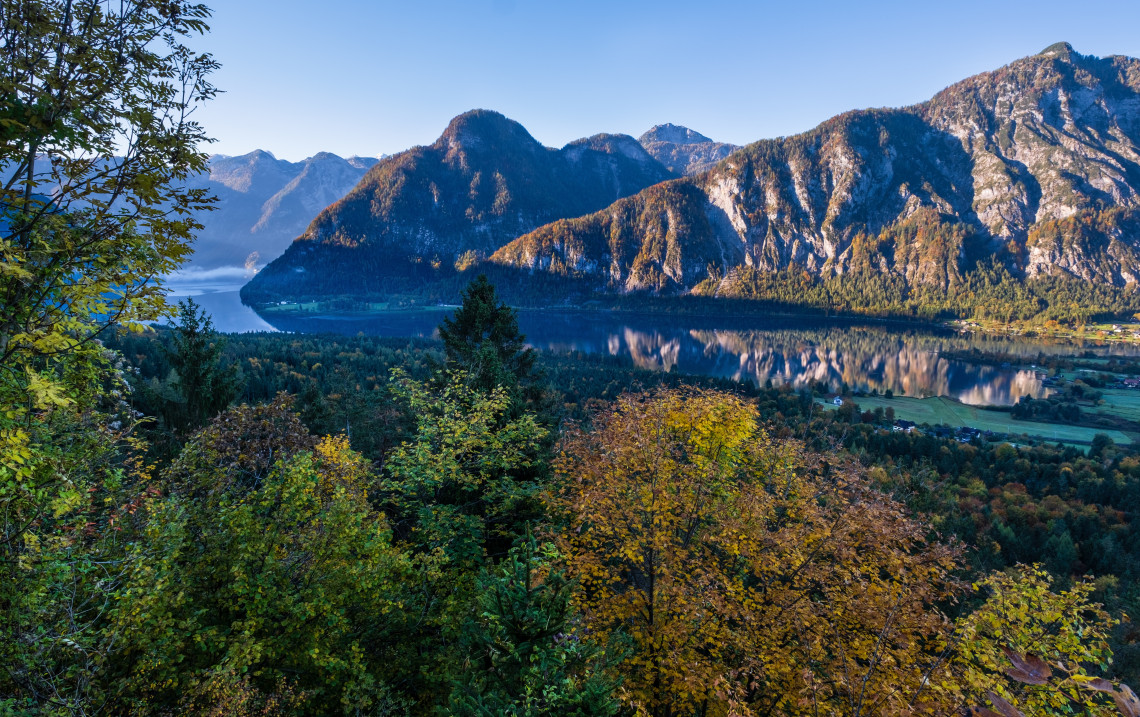
Salzkammergut (Lake District)
- Best months: Mid June to mid September for lake swimming and hiking. Late September for the golden hour Alpine light before crowds return in October.
- Why: 76 lakes between Salzburg and Graz, including Hallstätter See and Wolfgangsee. Lake temperatures 20-24°C / 68-75°F in July-August. Winter is quiet but limited service.
- Highlights: Hallstatt at dawn (empty pre-tourist window is essential), Wolfgangsee steamboat rides, Bad Ischl coffee houses, Traunsee cliffs.
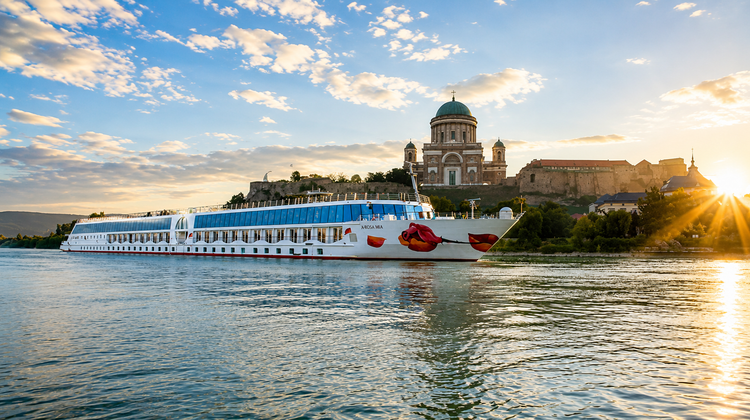
Wachau Valley (Danube wine country)
- Best months: Late April to mid June (apricot blossom season) and mid September to mid October (harvest).
- Why: Grüner Veltliner and Riesling territory. Summer is warm and pleasant. Harvest season delivers Sturm (young wine) and packed cellars.
- Highlights: Apricot blossom (late April), harvest and Sturm (September-October), Melk Abbey year-round.
Vorarlberg and Bregenzerwald
- Best months: July to early September for hiking, mid December to mid April for skiing.
- Why: Austria's westernmost region, closest to Zurich. Alpine climate but with unique local design culture (the Bregenzerwald architecture is world-famous).
- Highlights: Bregenzer Festspiele on Lake Constance (July-August, opera on floating stage), village-hopping in the Bregenzerwald in summer.
Carinthia (southern lakes)
- Best months: Mid June to mid September for the lakes (Wörthersee is the warmest large lake in Austria).
- Why: Warmer microclimate than the north. Alpine but softer.
- Highlights: Wörthersee (Klagenfurt), the Nockberge mountains, less-touristy than the Salzkammergut.
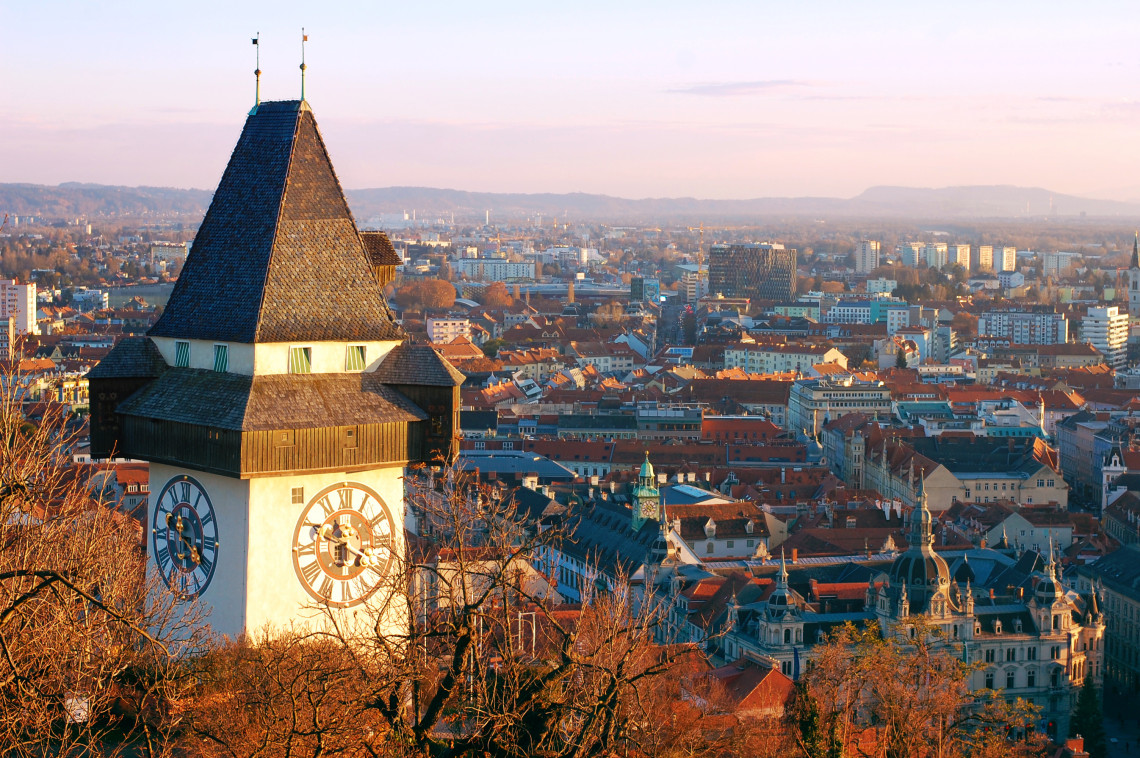
Styria and Graz
- Best months: Late April to early October.
- Why: Styria is Austria's food capital (pumpkin seed oil, Styrian beef, Sturm). Graz is the country's second city, less-touristy year-round.
- Highlights: Styrian food tours in wine season (September-October), Graz Christmas markets (late November-December).
Best time to visit Austria by activity
- Alpine hiking: July to early September (all trails open, refuges fully staffed).
- Skiing: December to mid April, peak snow January to mid March.
- Christmas markets: Mid November to December 24 (Vienna Schönbrunn extends to early January).
- Salzburg Festival: Late July to late August.
- Wachau wine harvest (Sturm season): Mid September to mid October.
- Alpine lakes swimming: Late June to early September.
- Classical music (opera, Musikverein): September to mid June (summer is off-season for Vienna State Opera).
- New Year in Vienna: December 31 (Silvesterpfad through the old town, one of the great European NYE experiences).
- Lavender in Austria: Not a real season here — for lavender, go to Provence, not Austria.
- Salzburg Sound of Music tour: May to September for the outdoor locations at their best.
Bottom line
For most North American travelers visiting Austria for the first time, the answer is May to June for city and lake combinations, or late November to December 23 for Christmas markets.
If your trip must be in summer, do the Alps and the lakes rather than fighting Vienna and Salzburg crowds. If your trip must be in winter, weight either Christmas markets (mid November to December 23) or ski season (January to March).
Frequently asked questions
What is the best month to visit Austria? For most travelers: May, September, or early October. These months balance good weather, fewer crowds, and lower prices across the most regions.
Is Austria too hot in summer? No, generally. Alpine areas stay pleasant (18-25°C / 65-77°F). Vienna and Salzburg can hit 30°C / 86°F in July-August peaks, but never for long. Nothing like Rome or Athens.
When is the rainy season in Austria? No single rainy season. Summer thunderstorms are common in the Alps (July-August). Vienna's rainiest month averages June. December through February is drier but cold.
What is the cheapest time to visit Austria? Early November (before Christmas markets) and mid January to early February (post New Year, before ski peak in ski regions). Vienna's cheapest window is November and January.
Is December a good time to visit Austria? Yes for Christmas markets in Vienna, Salzburg, Innsbruck, and Graz (mid November to December 23). Excellent for skiing in Tyrol from mid December. Vienna's imperial architecture in December light is one of Europe's great winter sights.
When can I see the Sound of Music locations at their best? Late May to September for outdoor locations in Salzburg (Mirabell Gardens, Nonnberg Abbey, the Von Trapp Villa). The film-tour experience runs year-round but summer light is optimal.
When is the Salzburg Festival? Late July to late August each year. Book tickets 6+ months in advance. Hotel prices in Salzburg peak during Festival dates.
When can I ski in Austria? Mid December to mid April at most Tyrolean resorts. Higher-altitude glaciers (Sölden, Kitzsteinhorn, Hintertux) open earlier (October-November) and close later (May-June).
Is Austria good in November? Depends where. Early November is quiet in Vienna and Salzburg (empty museums, good hotel prices). Late November brings the Christmas markets, which transform the country. Alpine areas in November are between-season with limited services.
When is the best time for the Wachau Valley? Late April to mid June (apricot blossom) or mid September to mid October (wine harvest and Sturm season). Both are magical for different reasons.
Austria by season, hand-built.
Our Austria travel experts pair your dates to the right region and the right experience.
See Austria Packages Tailor-Made Trip