July 28, 2026 • 11 min read
Wiener Schnitzel is what most travelers know about Austrian food. It is a great dish and yes, order it once. But the Austrian food tradition is deeper, older, and stranger than schnitzel alone. Coffee house pastry culture that is UNESCO listed. Hungarian-Bohemian influences absorbed during the Habsburg Empire. Alpine dumpling traditions. Wine tavern culture with cured meat and cheese as the point.
Here are the 15 essential Austrian dishes to order, what they taste like, where to find them, and the regional variations most guidebooks miss.
The short answer
If you have one Austrian meal: order Wiener Schnitzel at Figlmüller in Vienna or Zum Wilden Mann in Salzburg.
If you have three meals: add Tafelspitz (Habsburg imperial boiled beef with horseradish) and Kaiserschmarrn (shredded pancake with plum compote).
If you have a week: work through this list of 15.
If you have a season of curiosity: also check the Best Time to Visit Austria for regional food festivals (Sturm season in September-October, Salzkammergut fish trout in summer, Wachau apricots in July).
The savory 8
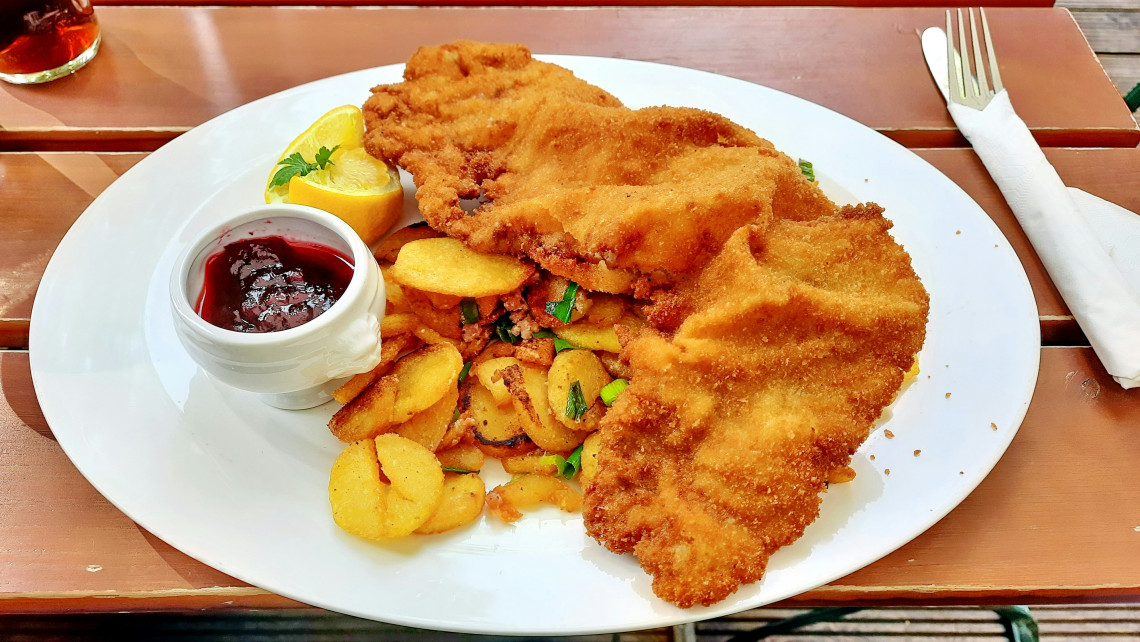
1. Wiener Schnitzel
What it is: Thin veal cutlet, pounded flat, coated in flour, egg, and breadcrumbs, fried in butter until golden and puffy.
By law: In Austria, "Wiener Schnitzel" must be veal. Pork versions are legally required to be called "Schnitzel Wiener Art" (Vienna-style schnitzel) or "Schweineschnitzel."
Served with: Potato salad, cranberry jam, and a lemon wedge. Not french fries.
Where to try:
- Figlmüller (Vienna) — the classic, plate-sized schnitzel.
- Zum Wilden Mann (Salzburg) — traditional Bavarian-Austrian version.
- Meissl & Schadn (Vienna) — high-end, historically authentic.
Cost: €20-32 in traditional restaurants; €18-25 at more casual spots.
Verdict: Order it once. It is what it is: exceptional when done properly, boring when done wrong. The plate-sized version at Figlmüller is a novelty; the properly-portioned version at Meissl & Schadn is the elegant one.
2. Tafelspitz
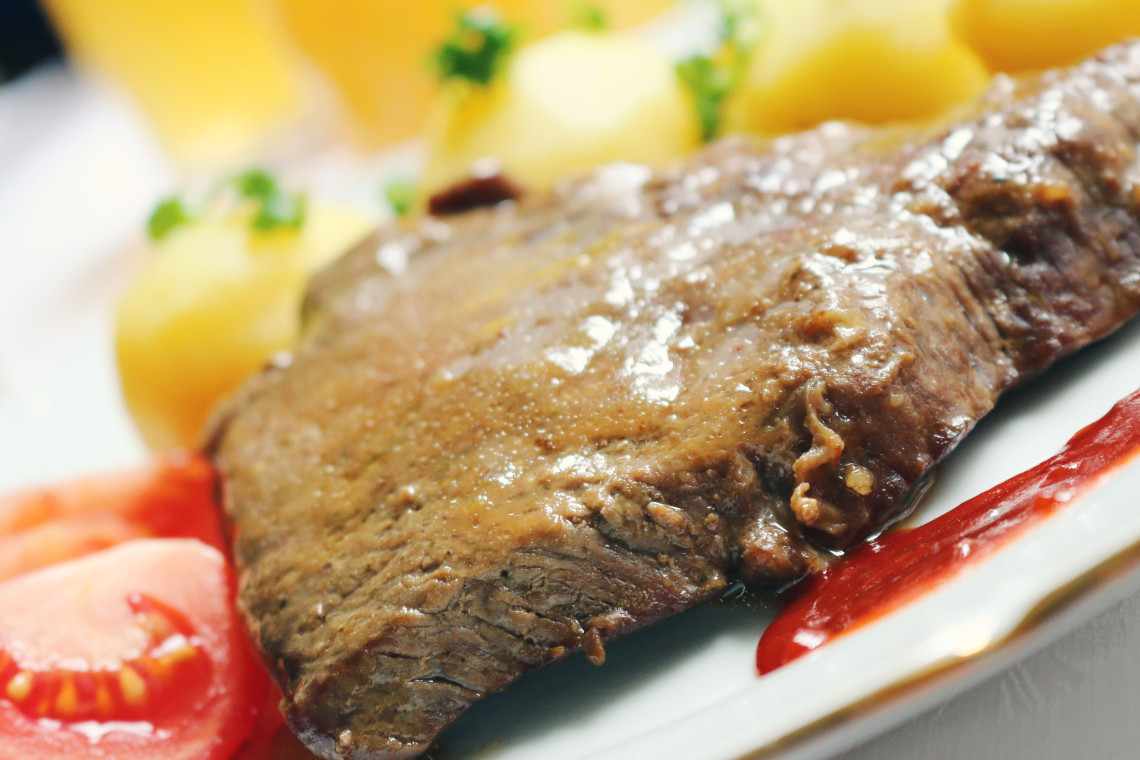
What it is: Boiled beef in bouillon, served with root vegetables, apple-horseradish sauce, chive sauce, and roasted potatoes. Emperor Franz Joseph's favorite dish.
Preparation: Beef is slow-simmered for hours. Comes with the broth in a separate pot.
Where to try:
- Plachutta (Vienna) — the temple of Tafelspitz. Five locations in Vienna. Order the standard Tafelspitz set for the full experience.
- Steirereck (Vienna) — modern version, Michelin-starred.
Cost: €25-35 for a proper Plachutta set.
Verdict: One of Austria's most iconic dishes and one of the best-value fine dining experiences in Vienna. Order it once during your trip.
3. Käsespätzle (Austrian mac and cheese)
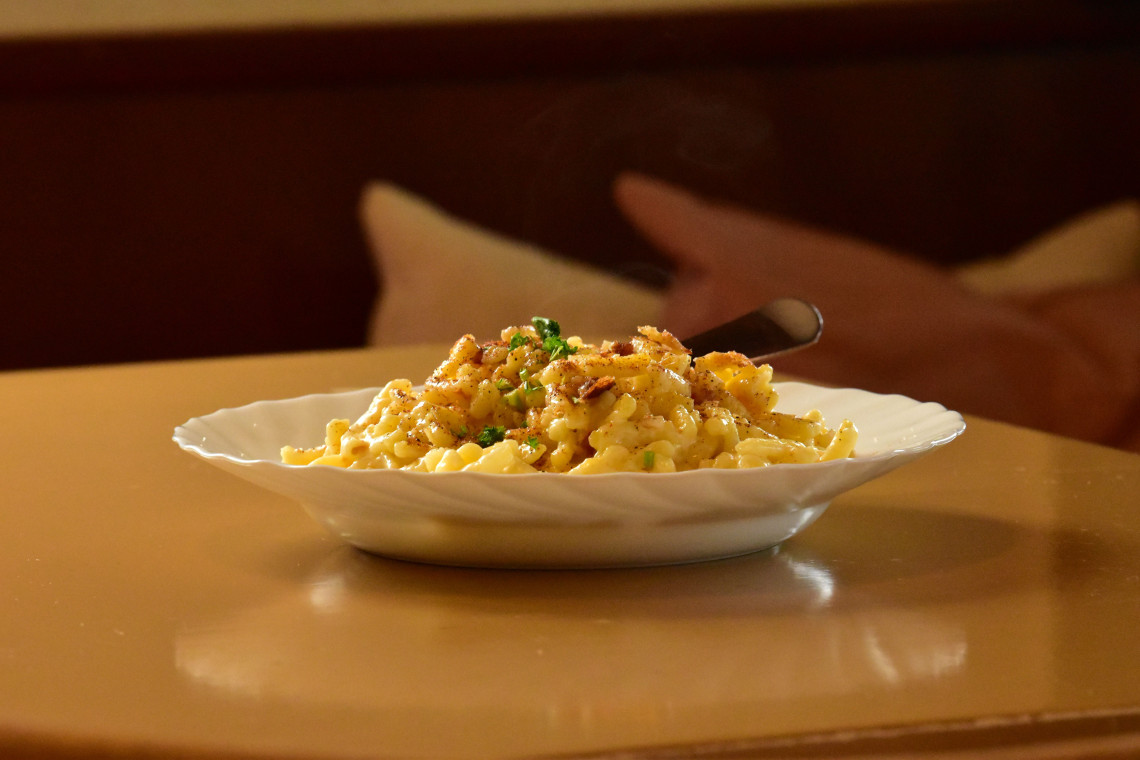
What it is: Egg noodles baked with grated cheese and crispy fried onions on top. Alpine comfort food.
Regional variations: Tyrolean style (with speck bacon), Vorarlberg style (with more mountain cheese).
Where to try:
- Any Alpine restaurant in Tyrol, Salzburg, or Vorarlberg.
- Käsespätzle Hochzeit (Innsbruck) — dedicated käsespätzle spot.
Cost: €12-18 in Alpine restaurants.
Verdict: The Austrian mountain equivalent of American mac and cheese. Comfort food after a day of skiing or hiking.
4. Gulasch (Goulash)
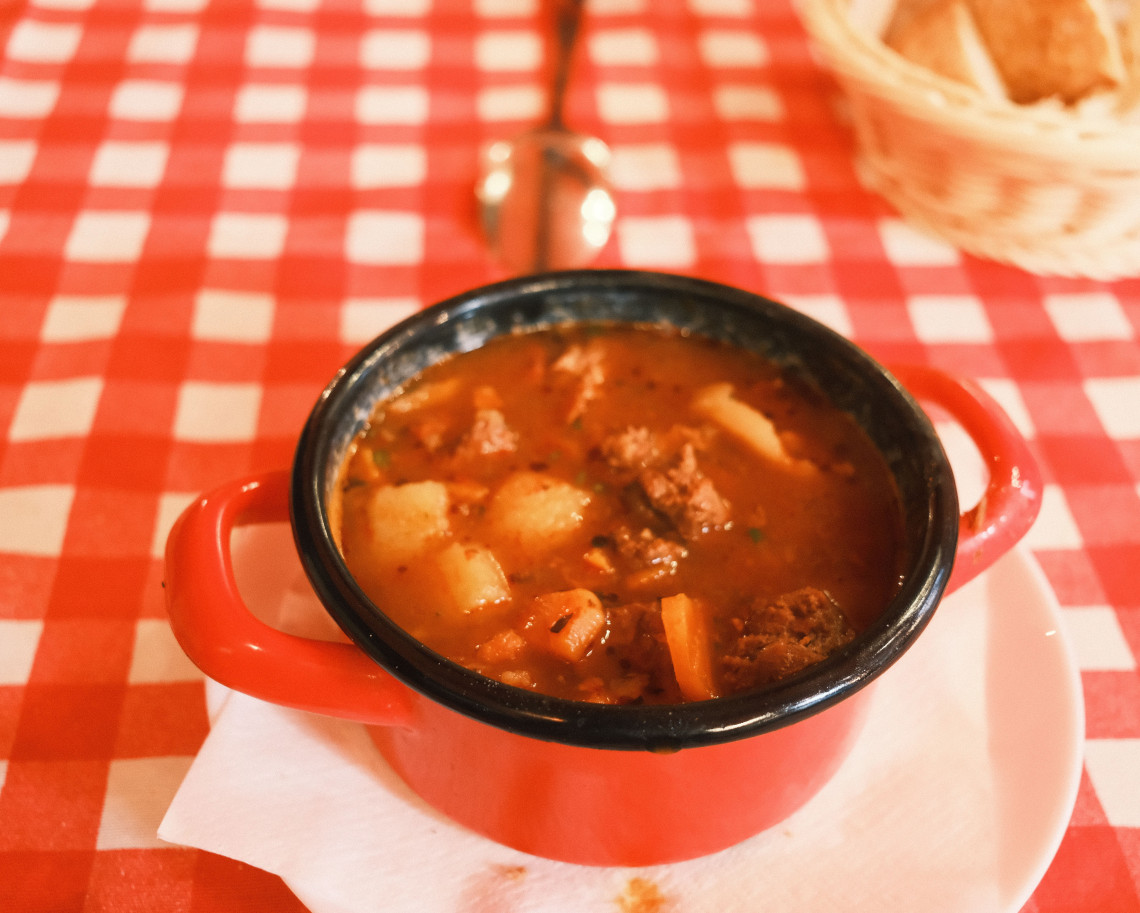
What it is: Not the American ground-meat version. The Austrian Gulasch is a thick paprika-beef stew (Hungarian-inspired but distinct), served with a semmel (bread roll) or spätzle.
Regional variations:
- Wiener Saftgulasch — Vienna beef goulash, rich and paprika-forward.
- Fiakergulasch — with sausages, fried egg, and pickle. The "coachman's goulash."
- Rindsgulasch — beef goulash with sour cream.
Where to try:
- Café Prückel (Vienna) — traditional coffee house version.
- Any Gasthaus in the Tyrol.
Cost: €13-20.
Verdict: Underrated. Order it especially in winter.
5. Backhendl (fried chicken)
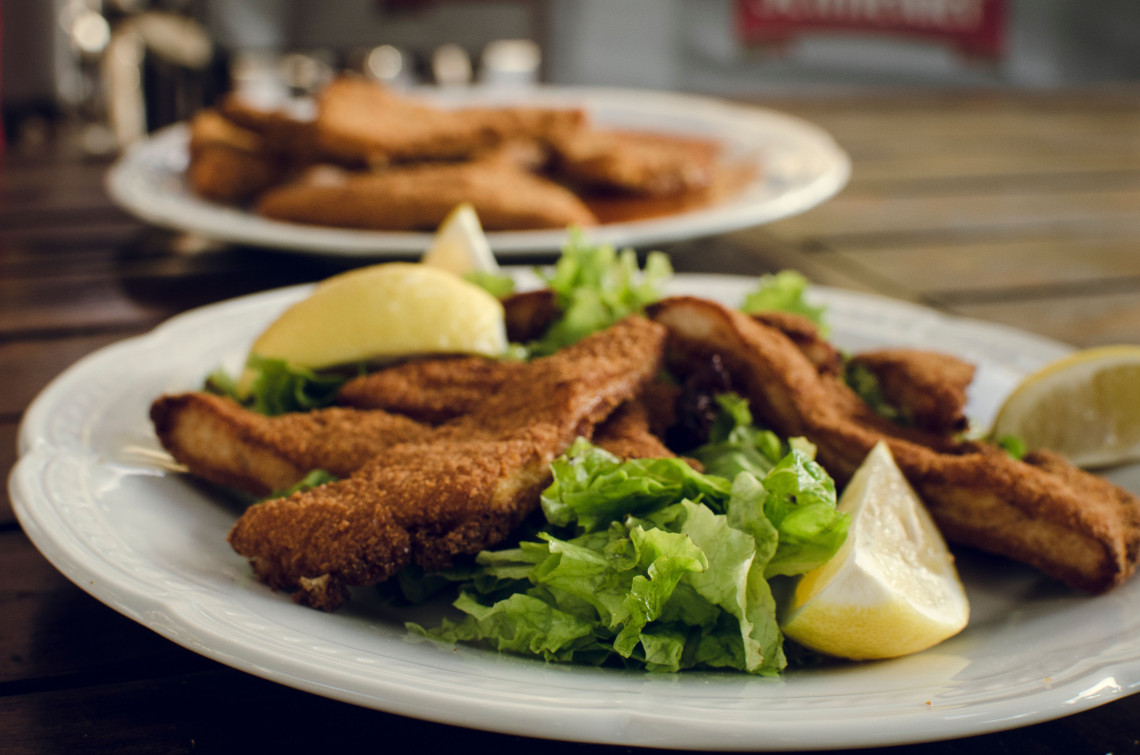
What it is: Half chicken, coated in breadcrumbs, deep-fried. Traditional Sunday dish.
Where to try:
- Schweizerhaus (Vienna) — famous Prater park restaurant.
- Any traditional Gasthaus.
Cost: €18-25.
Verdict: Better than schnitzel for many travelers. The Austrian answer to fried chicken.
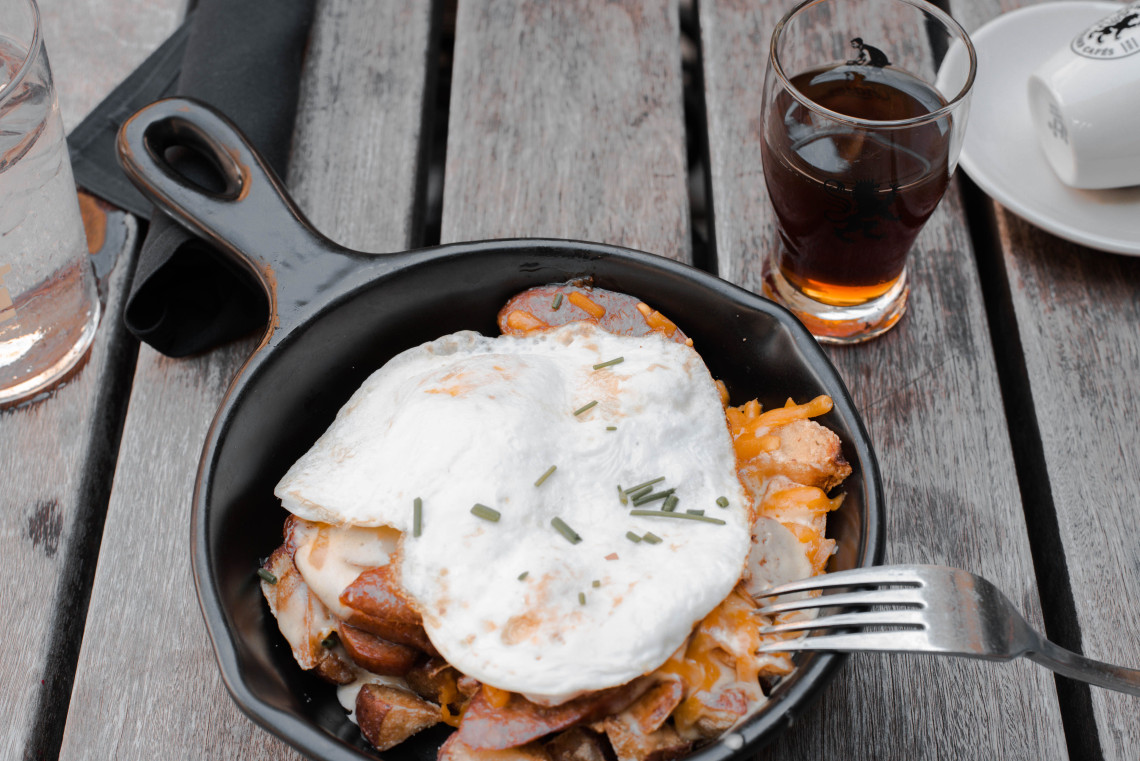
6. Tiroler Gröstl
What it is: Cast-iron skillet of pan-fried potatoes with onions, ham/bacon, herbs, and a fried egg on top. Alpine breakfast/lunch classic.
Where to try: Any Tyrolean or Vorarlberg mountain hut (Berghütte) or valley restaurant.
Cost: €14-20.
Verdict: Perfect ski-day lunch. Filling, warming, easy on the wallet.
7. Kasnocken (Salzburg dumplings)
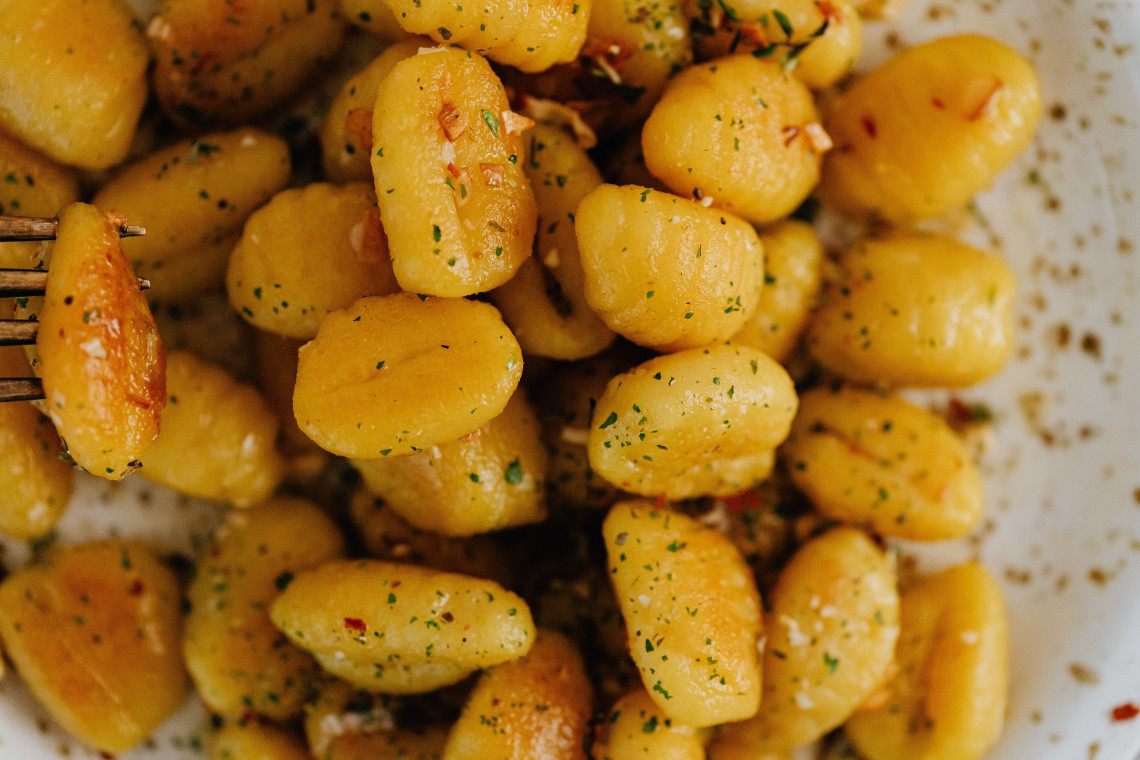
What it is: Small egg-flour dumplings with mountain cheese and crispy onions. Salzburg-region variant of käsespätzle.
Where to try:
- Bärenwirt (Salzburg) — traditional Salzburg spot.
- Any Salzkammergut mountain hut.
Cost: €13-18.
Verdict: More traditional than käsespätzle in the Salzburg region. Ask for it specifically here.
8. Beuschel (offal ragout)
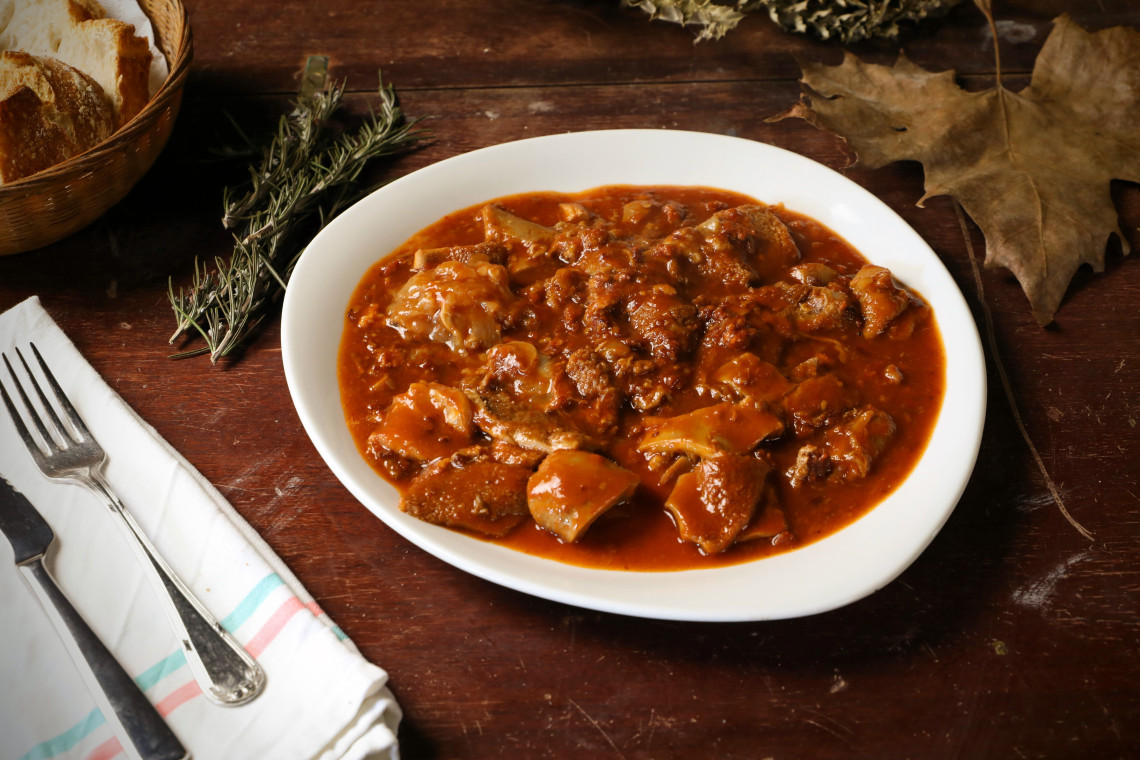
What it is: Ragout of veal lung and heart, in a creamy caper-lemon sauce, served with a Semmelknödel (bread dumpling). Deeply Viennese.
Where to try:
- Meissl & Schadn (Vienna) — refined version.
- Gasthaus Pöschl (Vienna) — traditional heavy version.
Cost: €14-22.
Verdict: For adventurous eaters. Wine list favorite pairing with a Zweigelt red. Traditional Vienna at its most authentic.
The sweet 7
9. Sachertorte
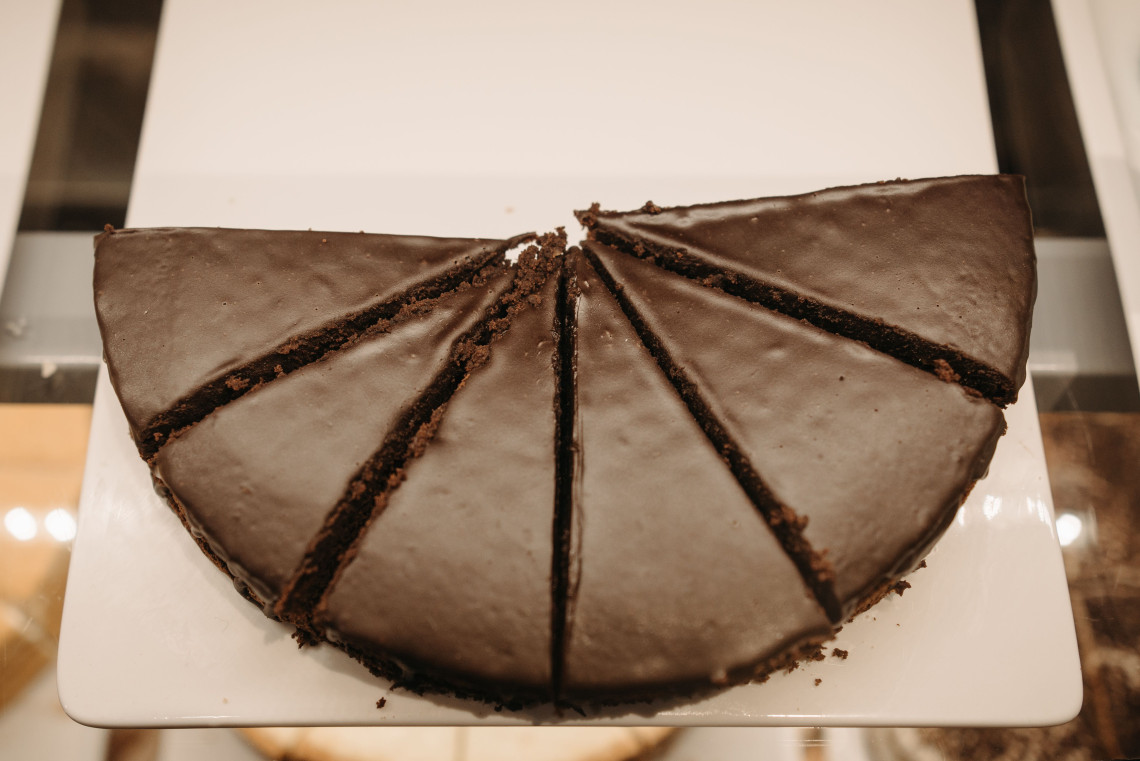
What it is: Dense dark chocolate cake with a thin layer of apricot jam under a smooth dark chocolate glaze. Served with unsweetened whipped cream on the side.
Origin: Invented by 16-year-old Franz Sacher in 1832 for Prince Metternich.
Where to try:
- Hotel Sacher (Vienna, and Salzburg). The original.
- Café Demel (Vienna) — the historic rival, arguably slightly better cake.
- Café Central (Vienna) — good version in beautiful setting.
The Sachertorte war: A 25-year legal battle between Hotel Sacher and Demel over who could call theirs "The Original Sachertorte." Hotel Sacher won the "Original" label; Demel calls theirs "Eduard Sachertorte." Both are excellent.
Cost: €8-10 per slice at hotel cafés.
Verdict: The single most iconic Austrian dessert. Try both Sacher and Demel to compare.
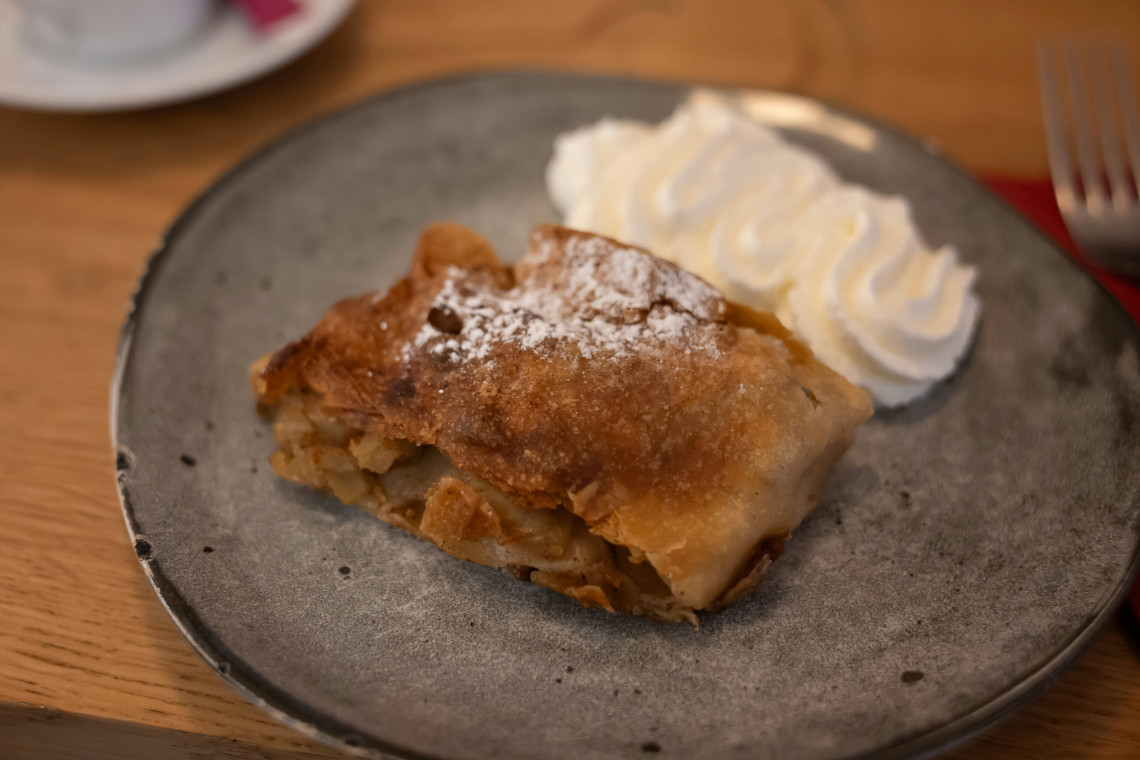
10. Apfelstrudel
What it is: Paper-thin strudel dough filled with apples, cinnamon, raisins, sugar, and breadcrumbs. Served warm with vanilla sauce or whipped cream.
Where to try:
- Café Central (Vienna) — classic version.
- Café Landtmann (Vienna) — served with the ceremony.
- Schönbrunn Palace's café (Vienna) — historically appropriate setting.
- Any Alpine village Konditorei (pastry shop).
Cost: €5-8 per slice.
Verdict: Essential. The best versions have paper-thin dough. Try at multiple places to compare.
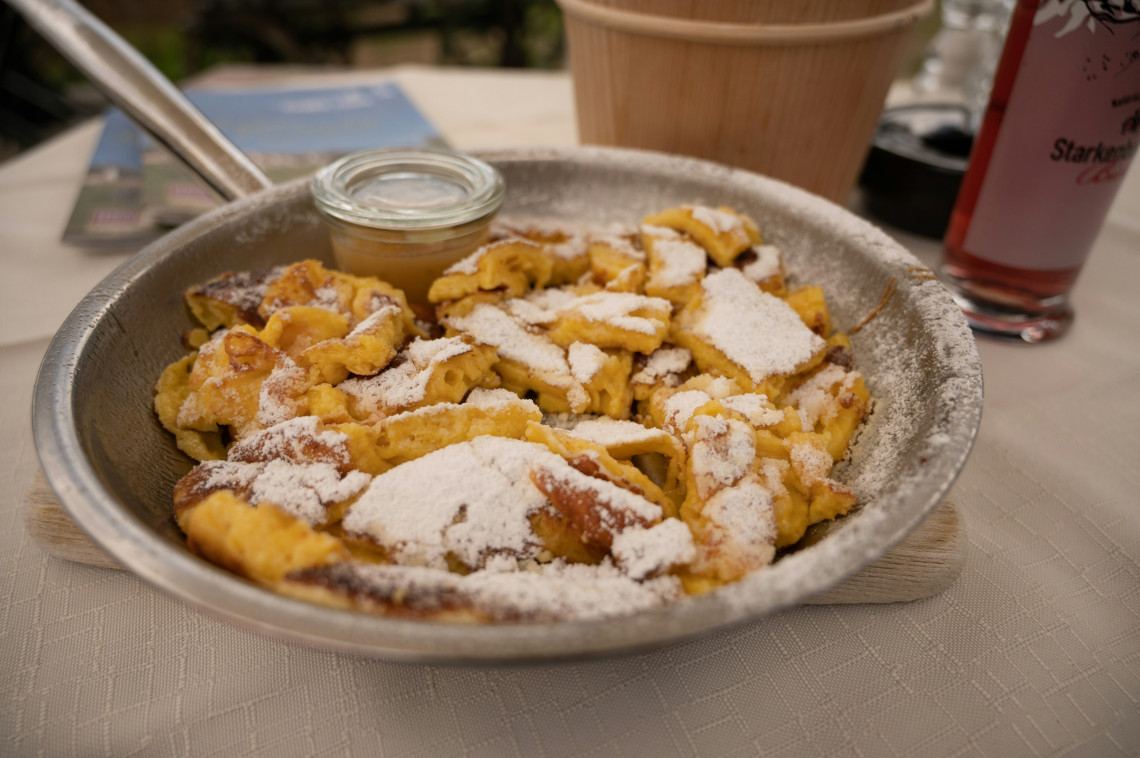
11. Kaiserschmarrn
What it is: Shredded caramelized pancake, served with plum compote (Zwetschgenröster) or apple sauce, dusted with powdered sugar. Named after Emperor Franz Joseph, who loved it.
Two versions:
- As dessert — smaller portion, sweet accompaniment.
- As main dish — larger portion, especially at Alpine restaurants after skiing.
Where to try:
- Kaiserschmarren Bacher (Wachau) — dedicated Kaiserschmarrn restaurant.
- Any Alpine mountain hut.
- Salzburg's Café Bazar (traditional).
Cost: €10-16 (main dish version), €6-10 (dessert version).
Verdict: One of Austria's most distinctive desserts. Try as a light lunch after a ski morning or as a serious dessert.
12. Marillenknödel
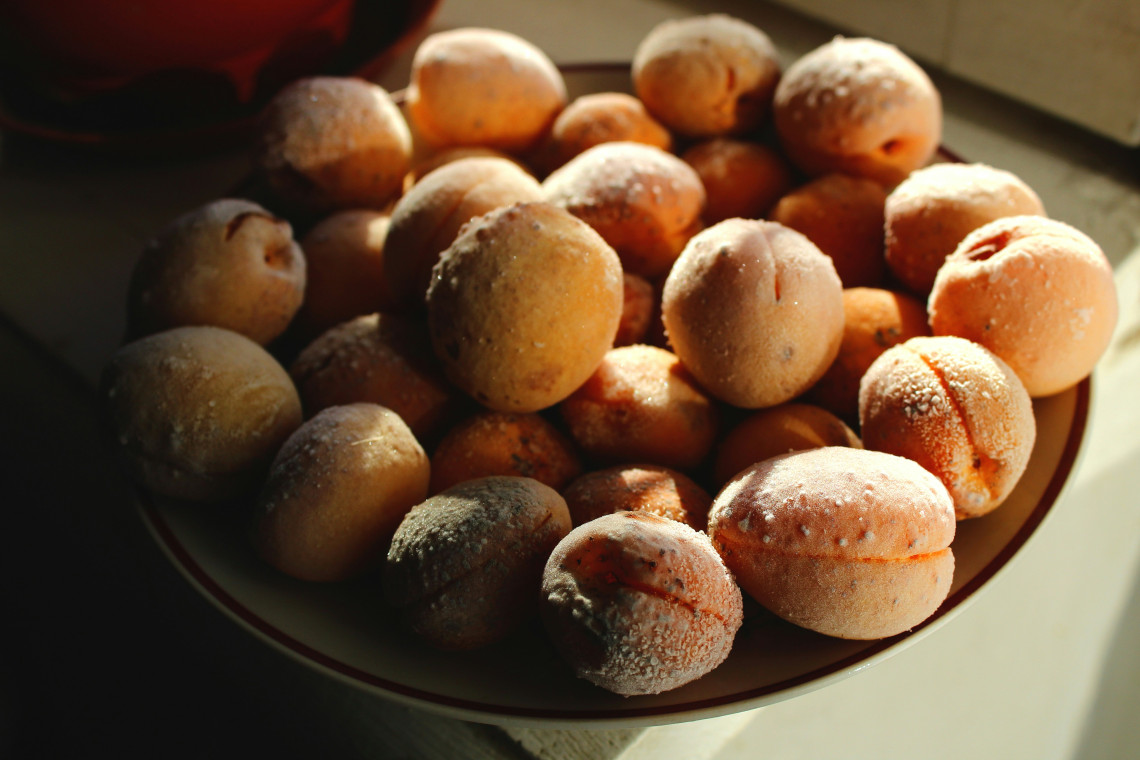
What it is: Apricot dumplings — a whole apricot wrapped in potato-based dough, boiled, then rolled in buttered breadcrumbs and sugar.
Origin: Wachau Valley, where apricots (Marillen) are protected by geographical indication.
Season: July to early August (fresh apricots), other months use frozen or preserved.
Where to try:
- Any Wachau Valley village restaurant during summer.
- Traditional Vienna coffee houses year-round.
Cost: €10-15.
Verdict: Order in summer only for the fresh apricot version. Iconic Austrian summer dessert.
13. Salzburger Nockerl
What it is: Three enormous fluffy sweet dumplings meant to resemble the three peaks around Salzburg. Baked meringue with vanilla, dusted with powdered sugar.
Where to try:
- Any traditional Salzburg restaurant. St. Peter Stiftskulinarium (Salzburg's oldest restaurant, dating to 803 AD).
- Sternbrau (Salzburg) — reliable version.
Cost: €14-22 (typically for 2 people).
Verdict: Uniquely Salzburg. Order it in Salzburg, share with a companion.
14. Buchteln
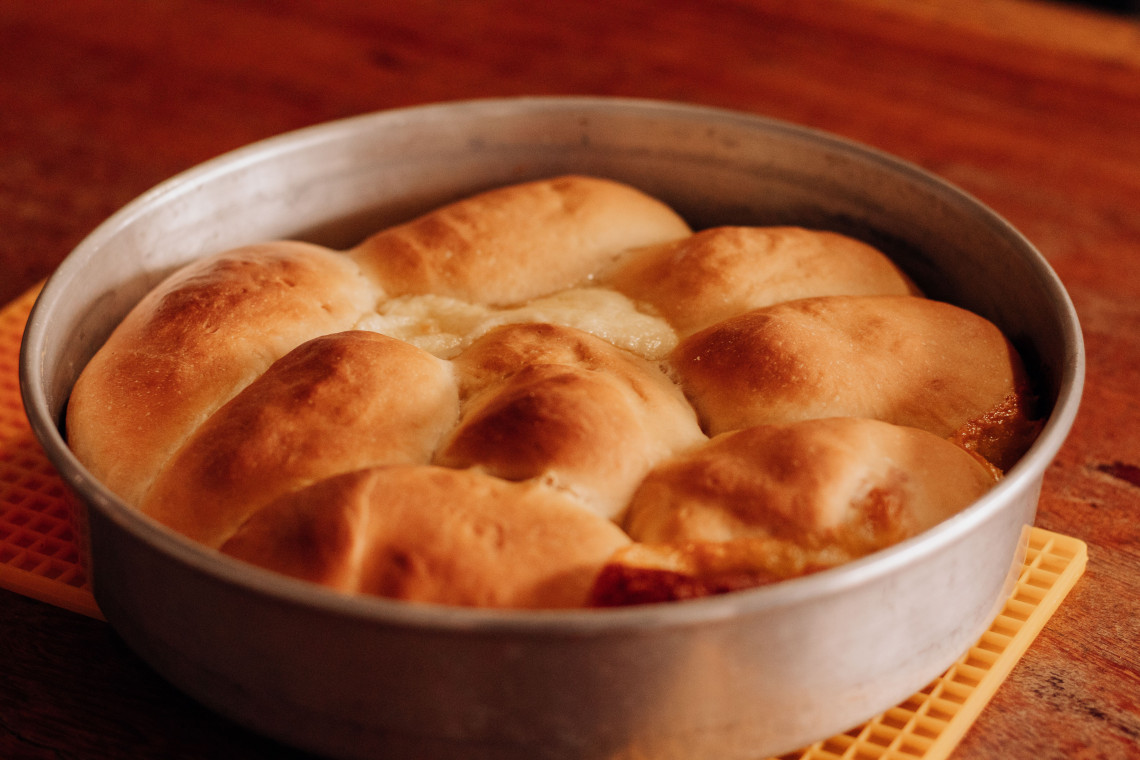
What it is: Sweet yeast buns filled with plum jam or vanilla cream, served warm with vanilla sauce.
Origin: Bohemian influence, adopted by Vienna.
Where to try:
- Café Hawelka (Vienna) — famous late-night Buchteln served after 10pm.
- Salzburg's traditional Konditoreien.
Cost: €5-9.
Verdict: Comfort food dessert. The Café Hawelka version is a Vienna ritual.
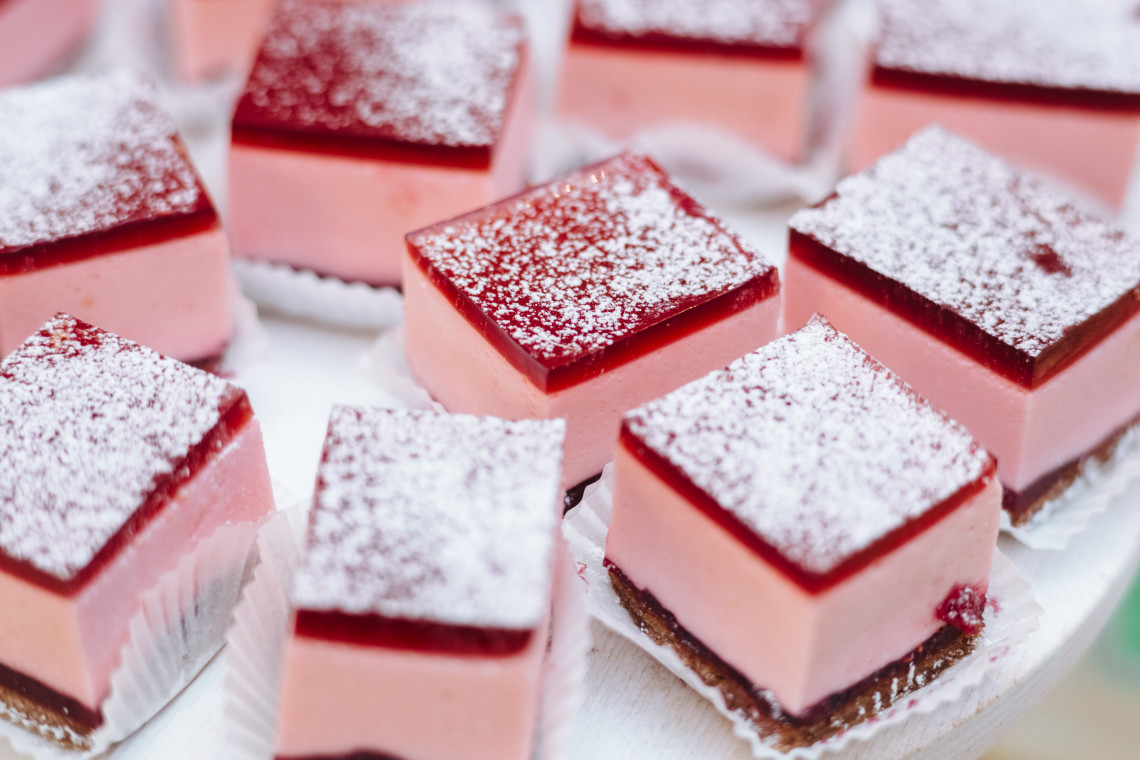
15. Punschkrapferl
What it is: Small pink-frosted cake soaked in rum punch (or apricot brandy). Advent and Christmas market classic.
Where to try:
- Any Konditorei (pastry shop) in Vienna or Salzburg during Advent season.
- Vienna Christmas markets (December).
- Aida coffee houses (Vienna chain, always in stock).
Cost: €3-5.
Verdict: Small but distinctive. Try during a coffee house afternoon or at Christmas markets.
Bonus: the coffee house essentials
Beyond food, Austria's coffee culture is essential. UNESCO listed since 2011. The classic orders:
- Melange — Vienna's espresso plus steamed milk plus foam.
- Kleiner Brauner — Small espresso with a splash of cream.
- Verlängerter — Espresso lengthened with hot water. Similar to Americano.
- Einspänner — Espresso in a glass with whipped cream on top.
- Fiaker — Coffee with a shot of rum or brandy plus whipped cream.
Order in a real coffee house: Café Central, Café Landtmann, Café Sperl, Café Hawelka, Café Prückel, Café Bräunerhof (Vienna). Café Tomaselli, Café Bazar (Salzburg).
Read next: Best Vienna Coffee Houses.
The heuriger tradition (must-do)
A heuriger (HOY-ree-guh) is a traditional Austrian wine tavern selling wine made by the owner, plus cold food (cheese, cold cuts, spreads, salads). Distinctively Austrian, and different from a normal restaurant.
Look for the "Buschenschank" sign — a bundle of pine branches hanging outside. This is the traditional signal that the heuriger is currently open (the tradition dates to the 18th century).
How to eat at a heuriger:
- Order at the counter.
- Take a plate, load it with cold cuts (Aufstrich, Speck, Landjäger, Käse), pickles, bread.
- Sit at long shared tables outside if weather permits.
- Order wine by the Vierterl (250ml carafe).
Where to find heurigers:
- Vienna: Grinzing, Nussdorf, Neustift am Walde (outer 19th district).
- Salzburg: Fewer heurigers, more focus on beer gardens.
- Wachau Valley: Krems, Dürnstein, Weißenkirchen (specialized in Wachau wines).
Cost: €15-30 per person including wine.
Verdict: The most authentically Austrian eating experience. Don't skip.
Sturm season (September to October)
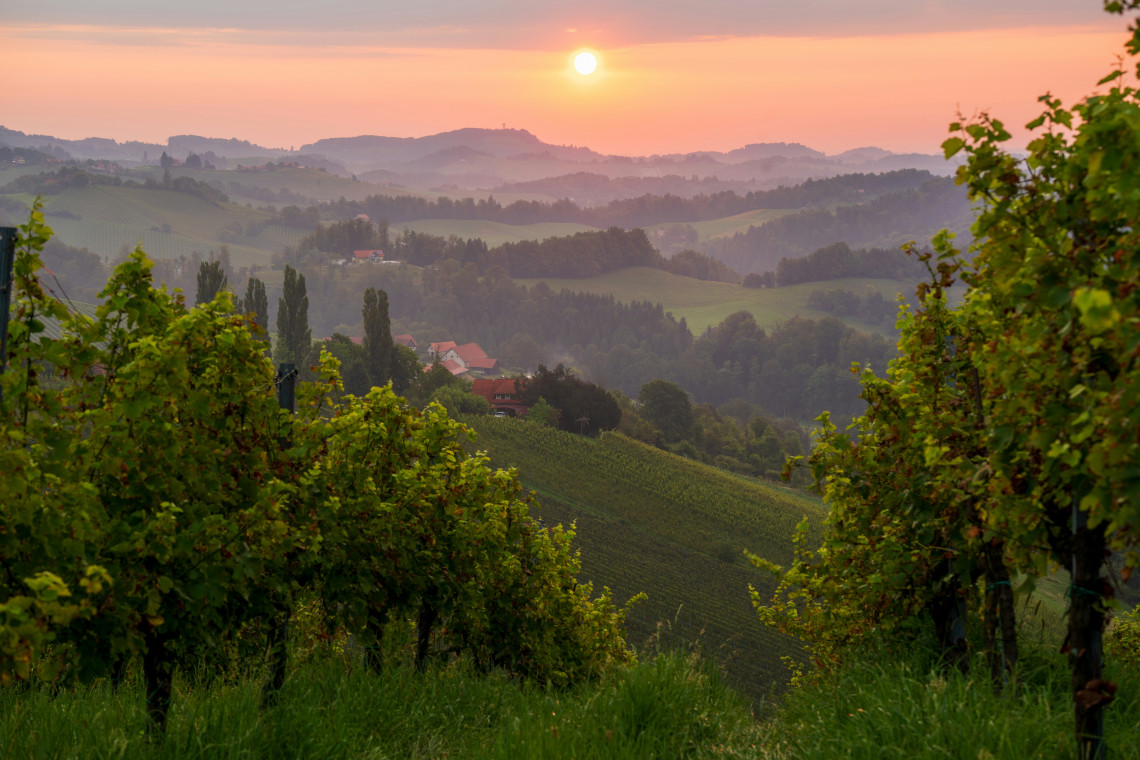
Sturm (SHTURM) is young, partially-fermented wine, only available for a few weeks each September and October during the harvest. Cloudy, sweet, semi-alcoholic (~4-5%), fizzy.
Available at:
- Wachau Valley wineries and heurigers.
- Vienna heurigers.
- Farm markets across Austria in autumn.
Try it once: It's a completely different experience from mature wine. Traditional pairing: Sturm plus roasted chestnuts (also autumn seasonal).
Where to eat in Vienna and Salzburg
Vienna essential list:
- Figlmüller — plate-sized Wiener Schnitzel.
- Plachutta — Tafelspitz (multiple locations).
- Meissl & Schadn — refined traditional Austrian.
- Steirereck — Michelin-starred modern Austrian.
- Café Central — coffee house culture and Apfelstrudel.
- Café Sperl — 1880 coffee house.
- Café Hawelka — late-night Buchteln institution.
- Zum Schwarzen Kameel — historic delicatessen and restaurant.
Salzburg essential list:
- St. Peter Stiftskulinarium — Salzburg's oldest restaurant (803 AD).
- Sternbrau — traditional Austrian, in the old town.
- Bärenwirt — traditional Salzburg dishes.
- Café Tomaselli — Salzburg's oldest coffee house (1705).
- Ikarus (Hangar-7) — rotating Michelin chefs, one of Europe's most unusual restaurants.
Regional food differences to know
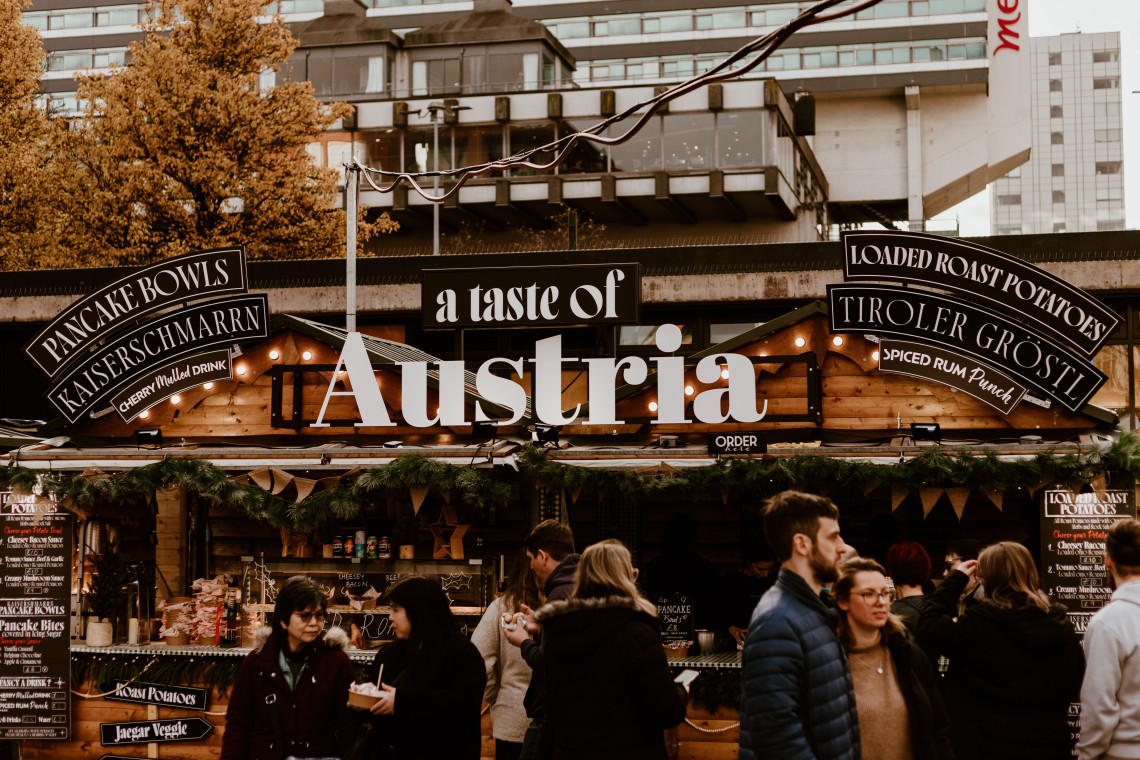
Vienna: Imperial court cuisine. Tafelspitz, Wiener Schnitzel, coffee house pastries, Beuschel, Fiakergulasch, Sachertorte.
Salzburg and Salzkammergut: Alpine mountain cuisine. Fresh trout (Reinanke, Saibling), Kasnocken, Salzburger Nockerl, Bierradler beer.
Tyrol and Vorarlberg: Heavy mountain food. Gröstl, käsespätzle, speck (cured ham), Grießmusen (semolina dessert), Kaminwurzen (dried sausage).
Styria (southeast): Austria's food capital. Kürbiskernöl (pumpkin seed oil), Styrian beef, Backhendl, Sturm wines, apple varieties, Käferbohnen (giant beans).
Carinthia (south): Kärntner Kasnudeln (cheese-mint filled pasta), lake fish, Slovenian-influenced dishes.
Wachau (Danube): Marillen (apricots), Marillenknödel, Grüner Veltliner wine, Wachauer Laberl (traditional bread rolls).
Frequently asked questions
What is Austria's national dish? Wiener Schnitzel is the most iconic, but Tafelspitz is arguably more historically significant (Emperor Franz Joseph's favorite). Both are essential.
Is Austrian food similar to German food? Related but distinct. Austrian food shows more Hungarian, Italian, and Bohemian influences from the Habsburg Empire. Austrian cooking is generally lighter and more refined than heavy German cuisine. Salzburger Nockerl, Kaiserschmarrn, and coffee house pastries are Austrian, not German.
What is Kaiserschmarrn? Shredded caramelized pancake with plum compote and powdered sugar. Named after Emperor Franz Joseph. Can be a dessert or a light main course.
Where should I try Wiener Schnitzel in Vienna? Figlmüller is the classic (huge plate-sized schnitzel). Meissl & Schadn is the elegant version. Both are excellent for different reasons.
What is Sachertorte? Dense dark chocolate cake with apricot jam and dark chocolate glaze. Served with unsweetened whipped cream. Invented in 1832. Try at Hotel Sacher and Café Demel to compare the "original" vs "Eduard" versions.
What is a heuriger? Traditional Austrian wine tavern selling wine made by the owner plus cold food buffet. Look for the "Buschenschank" pine branch sign. Distinctively Austrian.
Is Austrian food expensive? Mid-range. Traditional restaurants in Vienna: €25-45 per person including one drink. Michelin-starred restaurants (Steirereck, Ikarus): €150-250 per person. Heurigers: €15-30. Coffee house pastries: €6-10.
What should vegetarians eat in Austria? Kasnocken (cheese noodles), käsespätzle, mushroom goulash, Apfelstrudel, Kaiserschmarrn, Marillenknödel, Salzburger Nockerl. Traditional Austrian menus are meat-heavy but every restaurant has 1-3 vegetarian options.
What is Sturm? Young, partially-fermented wine available only in September and October during harvest. Cloudy, sweet, mildly alcoholic, fizzy. Uniquely seasonal Austrian tradition.
Where do Austrians eat their best food? Not at tourist restaurants. Heurigers (wine taverns), Gasthäuser (village inns), and coffee houses. Michelin-starred dining exists (Steirereck, Ikarus) but the everyday Austrian food culture happens in these three settings.
What is Kaiserschmarrn best paired with? Plum compote (Zwetschgenröster) traditionally, or apple sauce. As a dessert, with vanilla ice cream. As a main dish, no accompaniment needed.
What breakfast is typical in Austria? Bread, butter, jam, cold cuts (speck, ham), cheese, egg dishes, coffee. Not the sweet-pastry breakfast of France or Italy. Hotel breakfasts in Austria are exceptional; try the Vienna Sacher's or Salzburg Sacher's if staying.
Austrian food, hand-built.
Our Austria travel experts book the traditional restaurants, coffee houses, heurigers, and wine tastings most travelers miss.
See Austria Packages Tailor-Made Trip