by Yes Getaways Team
July 29, 2026 • 12 min read
Most first-time Austria travelers see the same places: Vienna, Salzburg, Hallstatt, maybe Innsbruck. All wonderful. All extremely well-trodden. But the most memorable Austria trips, the ones travelers tell us about a year later, almost always include at least one small town that was not on the original wish list.
This guide is 10 of those towns. Each is reachable, each is worth a day or two, and each gives a different version of Austria than the famous routes do.
The short answer
The 10 hidden Austrian towns to know:
- Dürnstein — the terraced Wachau wine village with the ruined castle where Richard the Lionheart was imprisoned
- Bad Gastein — the Belle Époque spa town frozen in time
- Lech am Arlberg — the quiet ski village where Princess Diana used to holiday
- Grundlsee — the mountain-locked Salzkammergut lake nobody talks about
- Melk — the baroque abbey town on the Danube most travelers only day-trip through
- Rust — the storks-nesting wine village on Neusiedler See
- Alpbach — Austria's "most beautiful village" (unanimous local consensus)
- Innsbruck's Old Town at dawn — before the ski tourists wake
- Hallstatt at dawn — the crowded icon becomes hauntingly empty from 6am to 9am
- Krems — the second Wachau wine town, where most tourists skip through to Melk
The rest of this article walks through each in detail.
1. Dürnstein: the Wachau wine village
Where it is. On the Danube in the Wachau Valley, 90 km west of Vienna. Population 900.
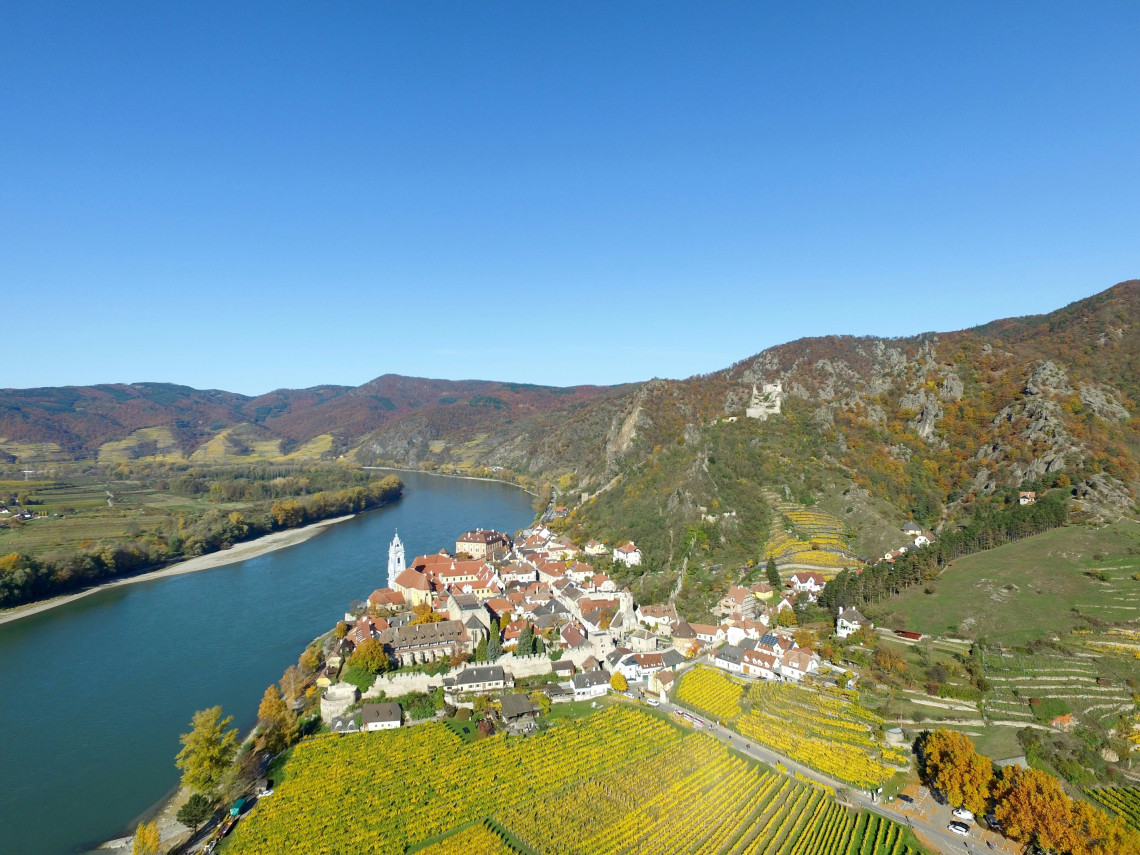
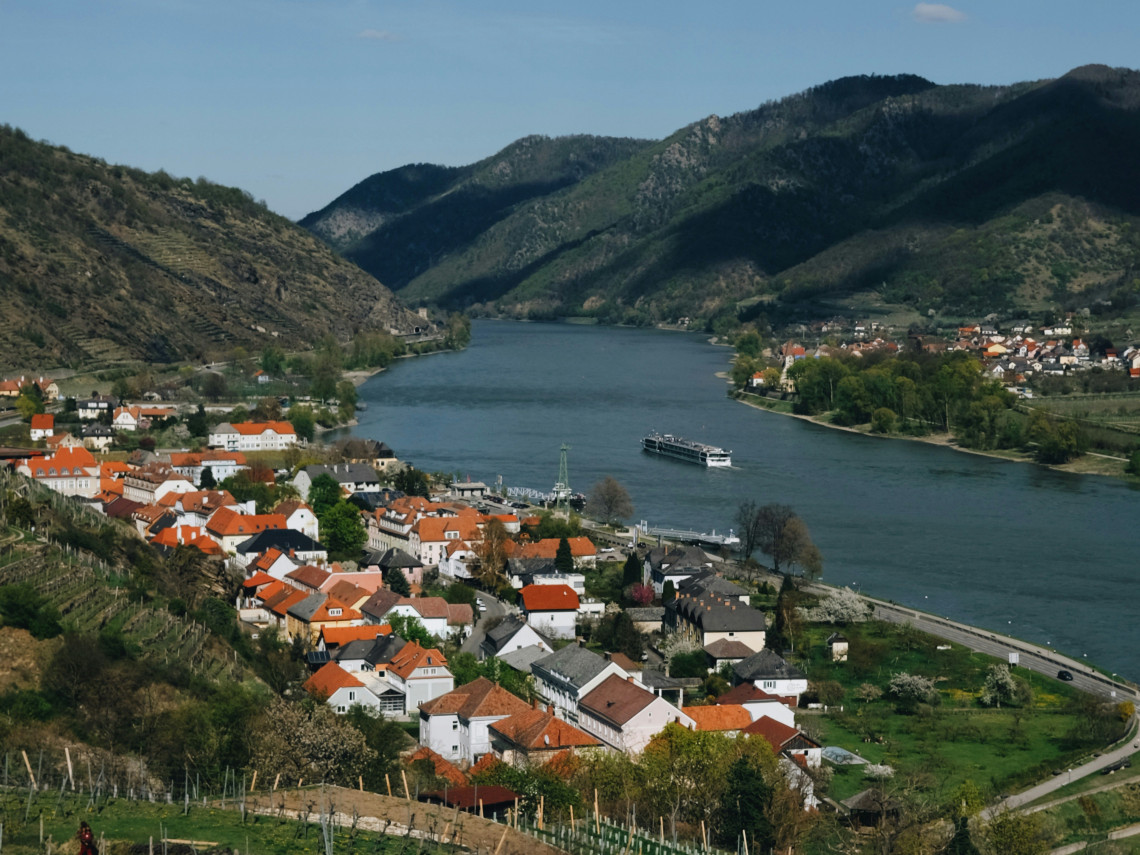
Why it's worth a stop. Dürnstein is the Wachau's most beautiful village. Pastel houses climbing terraces above the Danube, the blue-and-white baroque tower of the Stiftskirche visible from kilometers away. Above the village, the ruins of Kuenringerburg castle — where Richard the Lionheart was imprisoned in 1192 on his return from the Crusades (his location was famously discovered by his minstrel Blondel de Nesle, per legend).
The village is small enough to walk end to end in 20 minutes but rewards a slower approach. Wachau apricots (Marillen) are the local specialty, harvested in July; Grüner Veltliner wines from the terraced vineyards above the village are among Austria's best.
What to do. Walk to the castle ruins (30-min uphill, exceptional Danube views). Visit the Stiftskirche (baroque church with the iconic blue tower). Wine tasting at Domäne Wachau or Nikolaihof Wachau. Overnight at Hotel Schloss Dürnstein (a 17th-century palace hotel on the Danube).
How to reach. Train from Vienna Franz-Josefs-Bahnhof to Krems (1h), then regional bus or 5-min drive to Dürnstein. Or drive from Vienna in 1h.
Best time. Late April (apricot blossom), late September to mid October (harvest and Sturm season).
2. Bad Gastein: the Belle Époque spa town
Where it is. In the Gastein Valley of Salzburgerland, 1h20m from Salzburg by train. Population 4,000.
Why it's worth a stop. Bad Gastein is the strangest, most atmospheric small town in Austria. Once the summer resort of European royalty (Kaiser Wilhelm I, Empress Elisabeth, Otto von Bismarck, Franz Kafka, Thomas Mann), it declined through the 20th century and became partly derelict — grand hotels closed, buildings crumbled. In recent years, a wave of design-hotel investments has begun reviving the town. The result: a Belle Époque village hanging on a cliff, with a 200-meter waterfall crashing through the middle of it, half restored and half beautifully ruined.
Winter is ski season (Ski Amadé's Gasteinertal terrain is excellent). Summer is thermal spa season (Gastein's radon-radium waters have healing traditions dating to Roman times). Year-round, the town's Belle Époque atmosphere is unlike anywhere else in Europe.
What to do. Walk the Gasteiner Ache waterfall path through the center of town. Bathe in the Felsentherme thermal spa. Photograph the abandoned grand hotels being restored. Ski in winter, hike in summer.
How to reach. Direct Railjet from Vienna (5h) or Salzburg (1h20m). The train station is spectacular in itself.
Best time. December to March for skiing; June to September for spa and hiking.
3. Lech am Arlberg: the discreet ski village
Where it is. Vorarlberg, western Austria, on the Arlberg pass. 1h from Innsbruck, 2h from Zurich.
Why it's worth a stop. Lech is Austria's most exclusive ski village. Princess Diana used to holiday here; Queen Beatrix of the Netherlands, King Willem-Alexander, and multiple European royalty have followed. But unlike Kitzbühel's glamour or Ischgl's party, Lech is discreet — no celebrity photographers, no branded flagship boutiques, no headlines. Old money quiet.
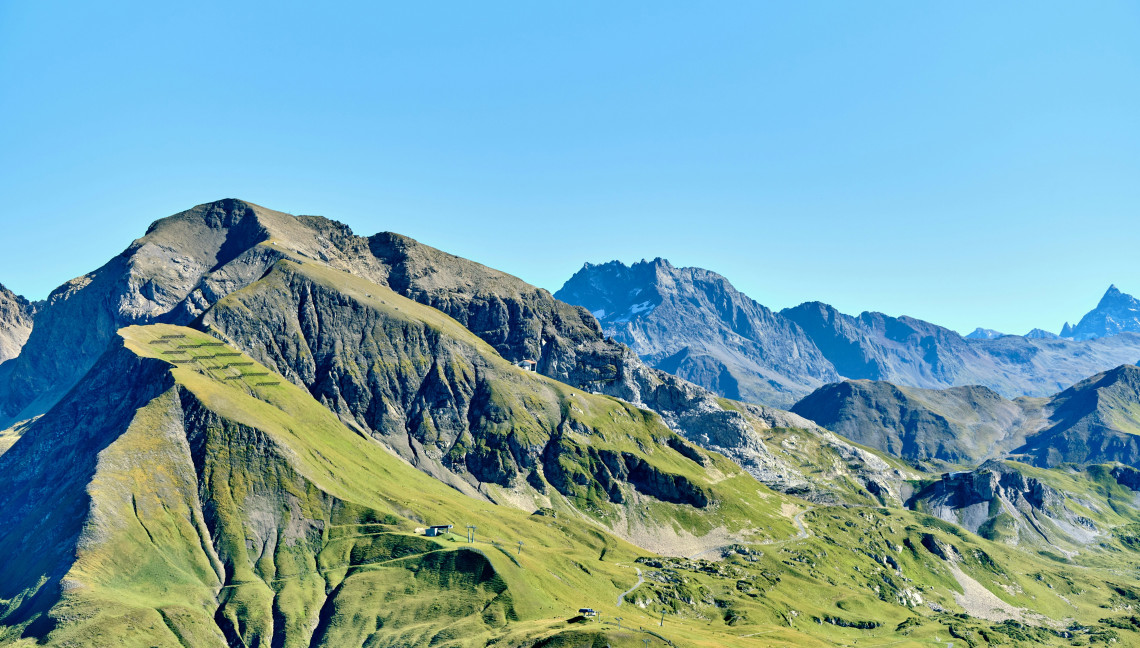
The village itself is a traditional Arlberg mountain village that has managed to preserve its architecture and character despite the surrounding wealth. The connected ski area with St. Anton (Arlberg Ski Region) offers 340 km of pistes across multiple resorts. The best skiing off-piste in Austria.
What to do. Ski (world-class terrain, particularly Zürs and Warth beyond Lech). Après-ski at Rud Alpe or Pfefferkorn's. Dinner at Post Lech (family run since 1937). Non-ski activities: winter walking, snowshoeing, spa culture.
How to reach. Fly to Innsbruck (1h drive), Zurich (2h drive), or Munich (2h30m drive). Rail: ÖBB Railjet to Langen am Arlberg, then bus 30 min to Lech.
Best time. Mid December to mid April for skiing. July-August for hiking. Avoid mud seasons (May, October-November).
4. Grundlsee: the mountain-locked Salzkammergut lake
Where it is. In the Ausseerland region of Styria (northern edge), Salzkammergut Lake District. 1h15m from Salzburg.
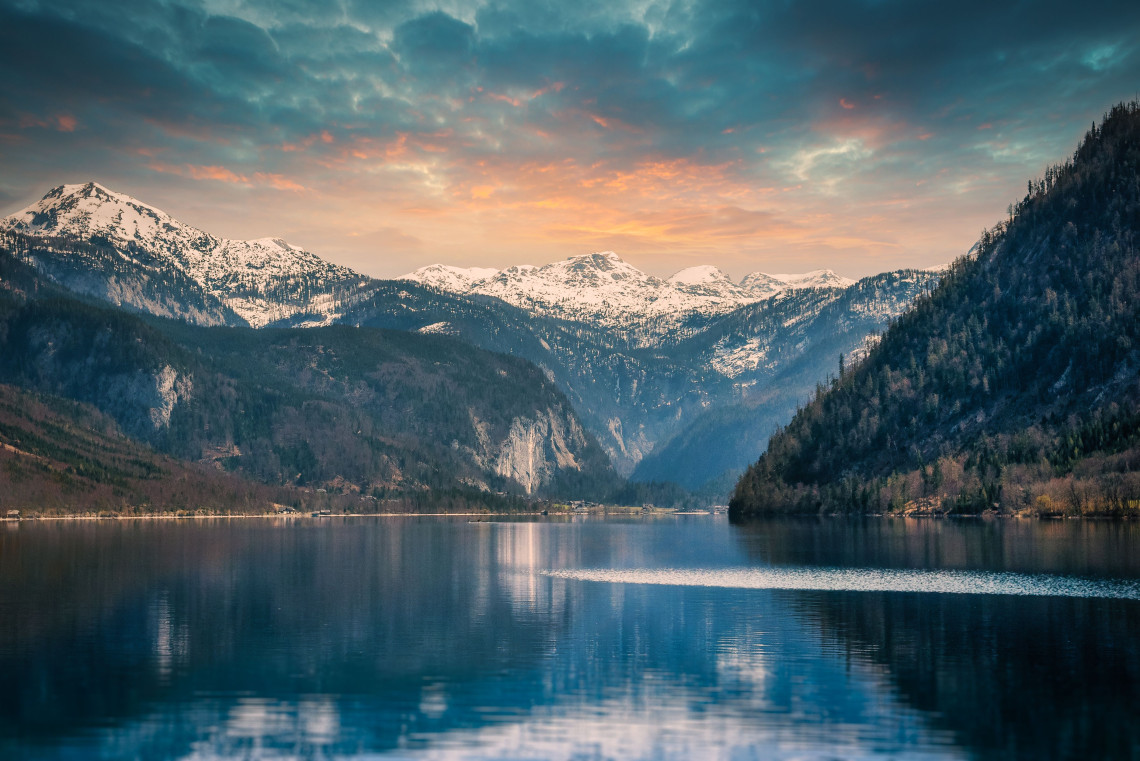
Why it's worth a stop. Grundlsee is the Salzkammergut's best-kept secret. A 6-km-long lake at 708m altitude, surrounded on all sides by mountains (Toter Mann, Backenstein, Rössl-alm). Feels 50 years back in time. No large hotels, no bus tours, just traditional Alpine village pace.
The lake connects to the smaller Toplitzsee — a legendary lake with hidden treasures (allegedly the Nazi Reichsbank sank counterfeit British pound notes and other treasures here in 1945, and multiple recovery expeditions have followed).
What to do. Walk the lakeshore path (10 km loop). Take a boat to Toplitzsee and hike into the Kammersee (the source of the Traun river). Swim in the pure Alpine water (16-20°C in summer). Overnight at Hotel Restaurant Ladner or Landhaus Grundlsee.
How to reach. Drive from Salzburg (1h15m via Bad Aussee). Or train to Bad Aussee (2h from Salzburg via Attnang-Puchheim), then 15-min taxi.
Best time. June to September for summer, or January for atmospheric winter walking.
5. Melk: the baroque abbey town
Where it is. On the Danube at the western end of the Wachau Valley. 1h drive or 1h15m train from Vienna. Population 5,000.
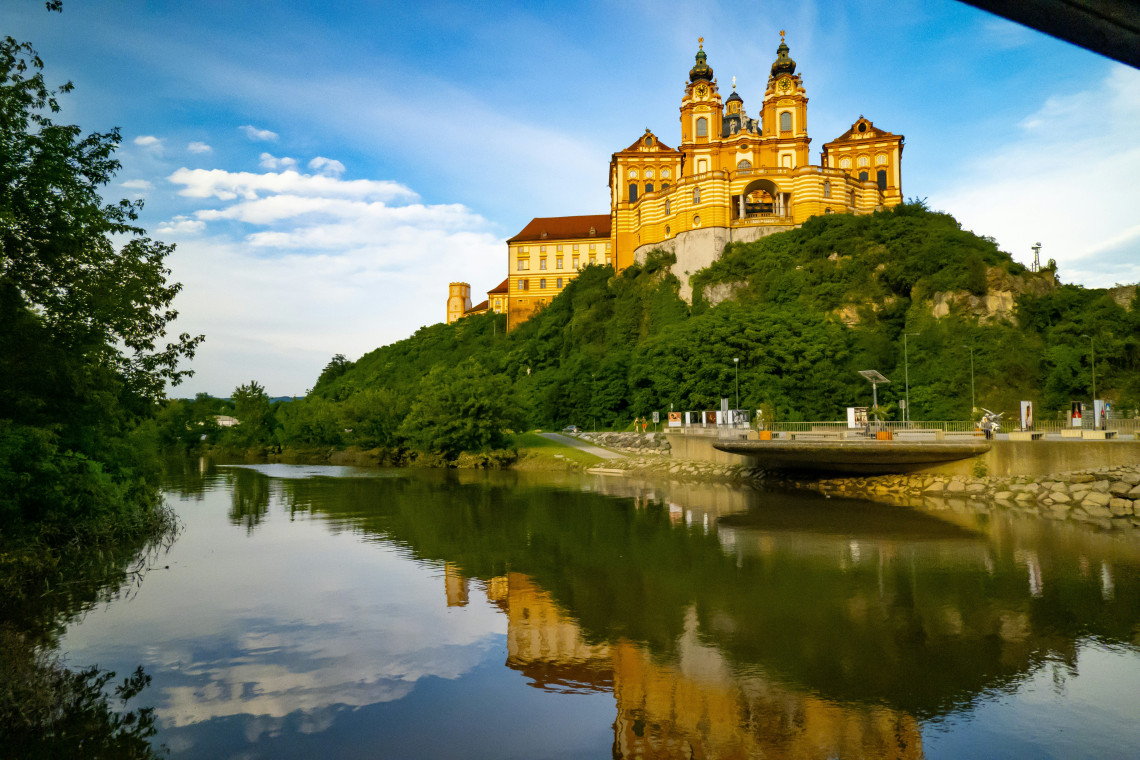
Why it's worth a stop. Most Wachau day trips arrive at Melk Abbey (Stift Melk), take the 90-min tour, and leave. But the town of Melk itself, below the abbey, is a well-preserved baroque Danube town worth more time than a quick lunch stop.
The abbey is Austria's greatest baroque monastery — the Marble Hall, the Library (one of Europe's most beautiful), the golden church, the panorama terrace over the Danube. Take the full tour (90 min). But then explore the town: the medieval streets below, the Danube promenade, the small Melker Bahnhof brewery, and the Sunday farmers' market.
What to do. Melk Abbey visit (allow 2-3 hours including tour). Walk the Wachau bicycle path east to Krems (35 km, doable in one day by bike). Overnight at Hotel Restaurant Zur Post or Wachauerhof to explore the town at dawn/evening.
How to reach. Train from Vienna Franz-Josefs-Bahnhof to Melk (1h15m). Or drive from Vienna (1h). Danube boat cruises stop at Melk in summer.
Best time. May to October for boat cruises. Year-round for the abbey.
6. Rust: the storks and Neusiedler See
Where it is. On Neusiedler See lake, Burgenland (easternmost Austria). 1h from Vienna. Population 1,900.
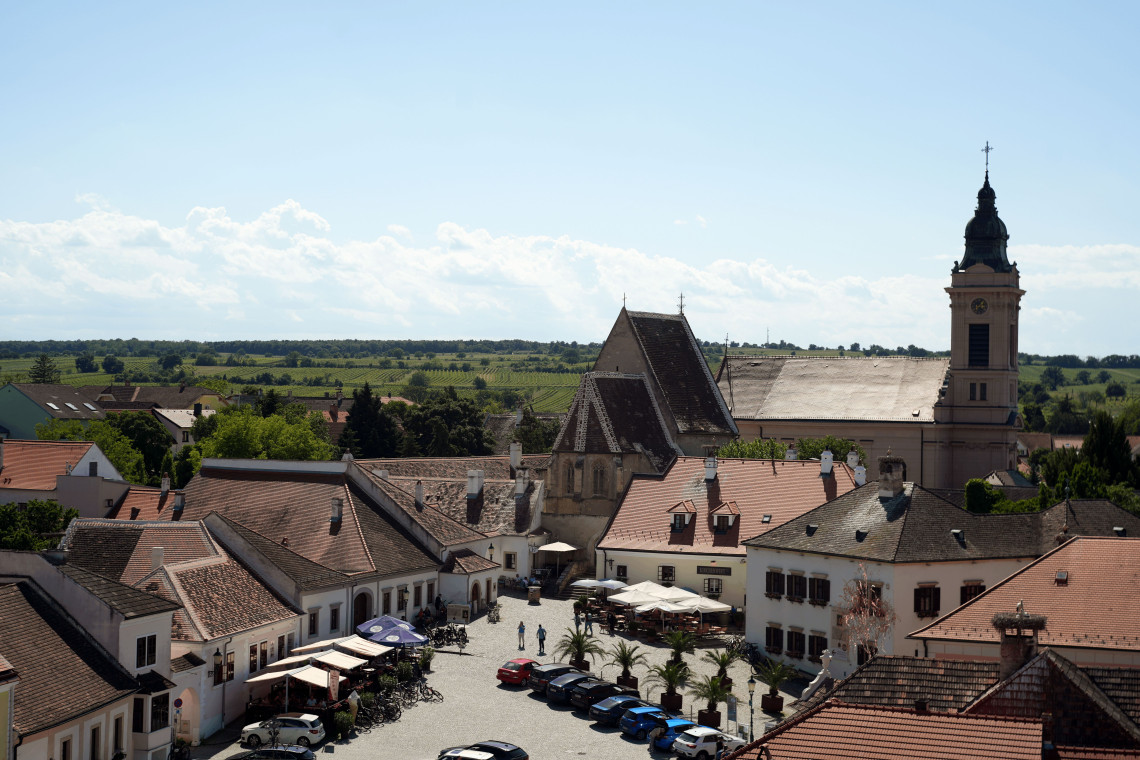
Why it's worth a stop. Rust is the tiniest of Austria's "royal free cities" (a medieval status) and one of the country's most photogenic small towns. Baroque Renaissance houses, cobbled streets, storks nesting on chimney tops from March to August (Rust has one of Europe's largest urban stork populations, with 15+ nesting pairs each summer).
The town sits on Neusiedler See, Europe's second-largest steppe lake, which is UNESCO listed for its bird biodiversity. The lake is unusual — only 1-2 meters deep despite being 36 km long, warm in summer (24-28°C), fringed with reed beds. Excellent for windsurfing, sailing, and cycling around the lake (the 135 km Neusiedler See Radweg).
Burgenland is Austria's warmest region. Wine is the local trade — Blaufränkisch and Zweigelt reds, sweet Trockenbeerenauslese from the reed-bank vineyards.
What to do. Walk the town to see the storks (April to August). Wine tasting at Weingut Feiler-Artinger or Wenzel. Cycle around Neusiedler See (rent bikes in Rust). Boat tours from the marina.
How to reach. Train from Vienna to Eisenstadt (1h), then 30-min bus to Rust. Or drive from Vienna in 1h.
Best time. May to September (storks and wine). April to October for cycling.
7. Alpbach: Austria's "most beautiful village"
Where it is. In the Tyrolean Alps, in the Alpbach Valley. 45 min from Innsbruck. Population 2,600.
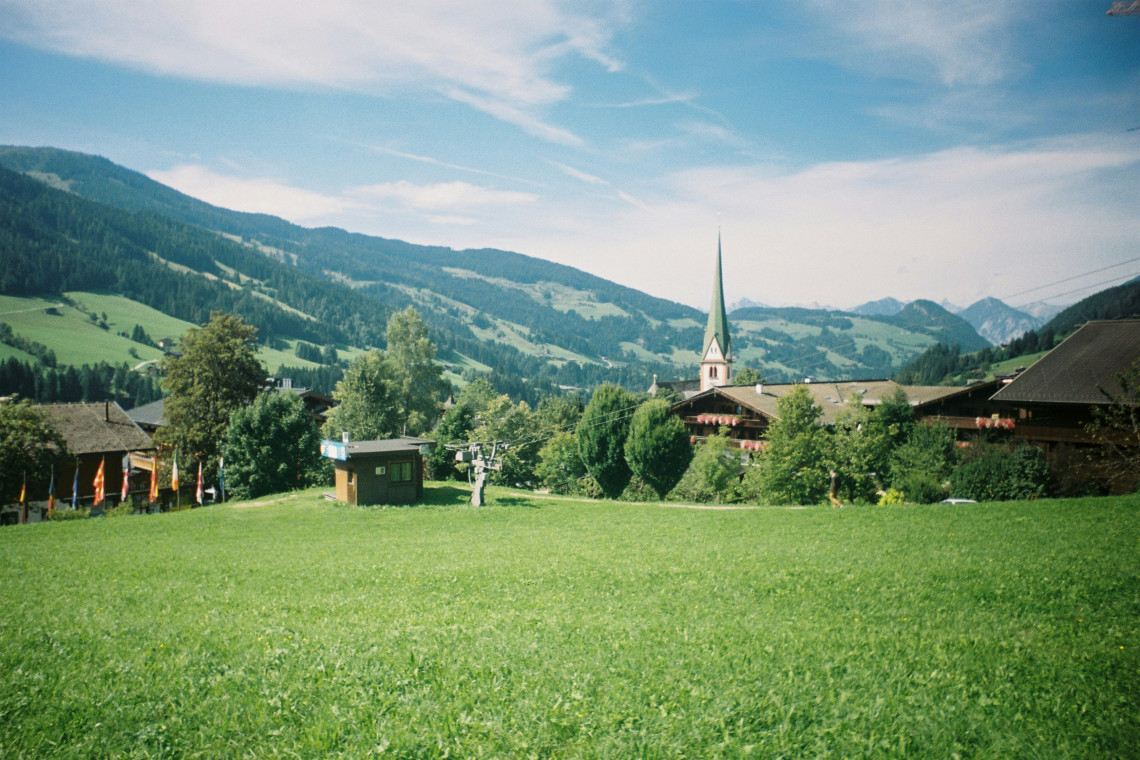
Why it's worth a stop. Alpbach was voted "Austria's most beautiful village" in 1983 and has been protected ever since. All buildings must be built in traditional Tyrolean wooden chalet style — even new buildings. The result is a village that looks the same as it did in the 1950s, with 500+ chalets clustered on the valley slope.
Historically, Alpbach has hosted the European Forum Alpbach (annual conferences of European political and cultural leaders since 1945). Currently, Alpbach is a small ski resort (Ski Juwel Alpbachtal, 145 km of pistes) but the village character is the reason to visit.
What to do. Walk the village. Ski in winter (Ski Juwel Alpbachtal). Hike in summer (Alpbacher Hausberg trails). Dinner at Postwirt or Der Böglerhof.
How to reach. Fly to Innsbruck (45 min drive) or Munich (2h drive). Rail: ÖBB Railjet to Brixlegg, then bus 20 min to Alpbach.
Best time. Mid December to mid April for skiing; June to September for hiking.
8. Innsbruck's Old Town at dawn
Where it is. Innsbruck, central Tyrol.
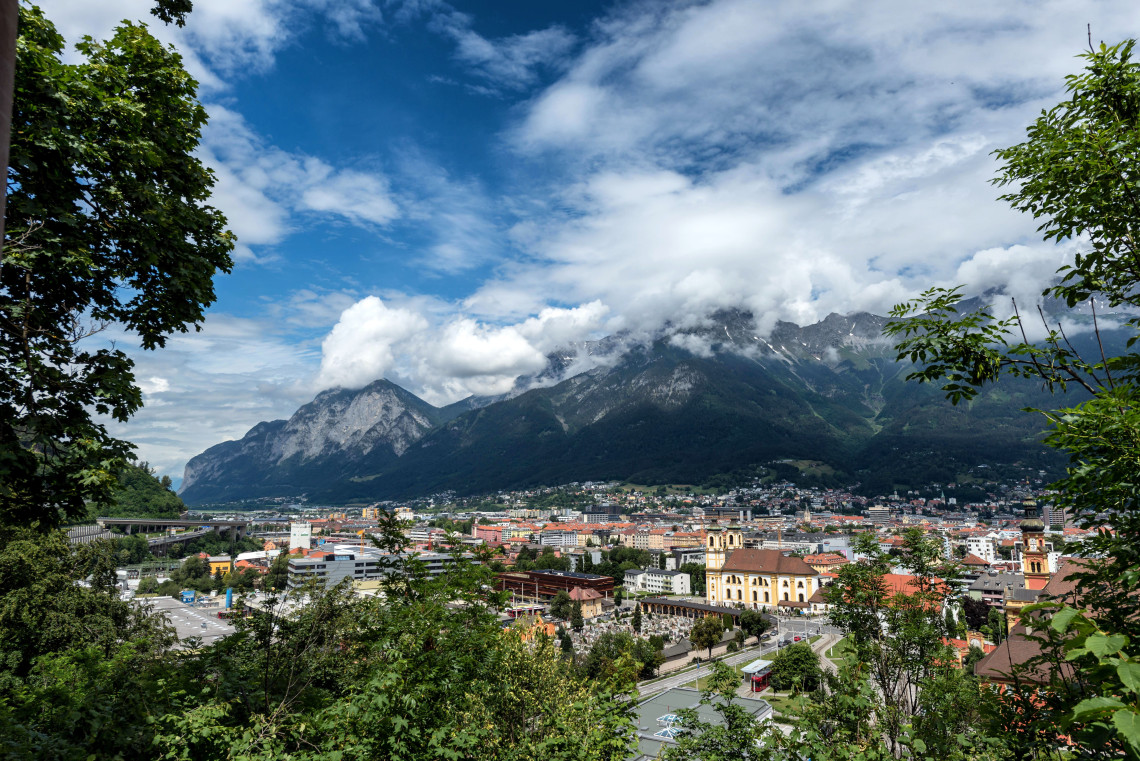
Why it's a "hidden" moment. Innsbruck is not hidden, but the old town at dawn is. The Nordkette mountain range rises directly behind the medieval old town, and early morning light hits the Alps first, then the Golden Roof (Goldenes Dachl), then descends into the narrow streets. From 6:30am to 8am the old town is empty except for shopkeepers setting up and locals walking to work. The ski tourists don't arrive until 9am at earliest.
What to do. Walk the Herzog-Friedrich-Strasse (the main old town street) before 8am. Photograph the Golden Roof balcony without crowds. Take the Nordkettenbahn cable car (opens 8:30am) to the Hafelekar (2,300m) for a mountain-and-city panorama.
How to reach. Fly to Innsbruck. Rail: Railjet direct from Vienna (4h15m), Munich (1h45m), Zurich (3h30m).
Best time. Year-round, but summer (June-August) has the earliest dawn light and the best mountain hiking.
9. Hallstatt at dawn (the crowded icon, empty)
Where it is. On Hallstätter See, Salzkammergut.
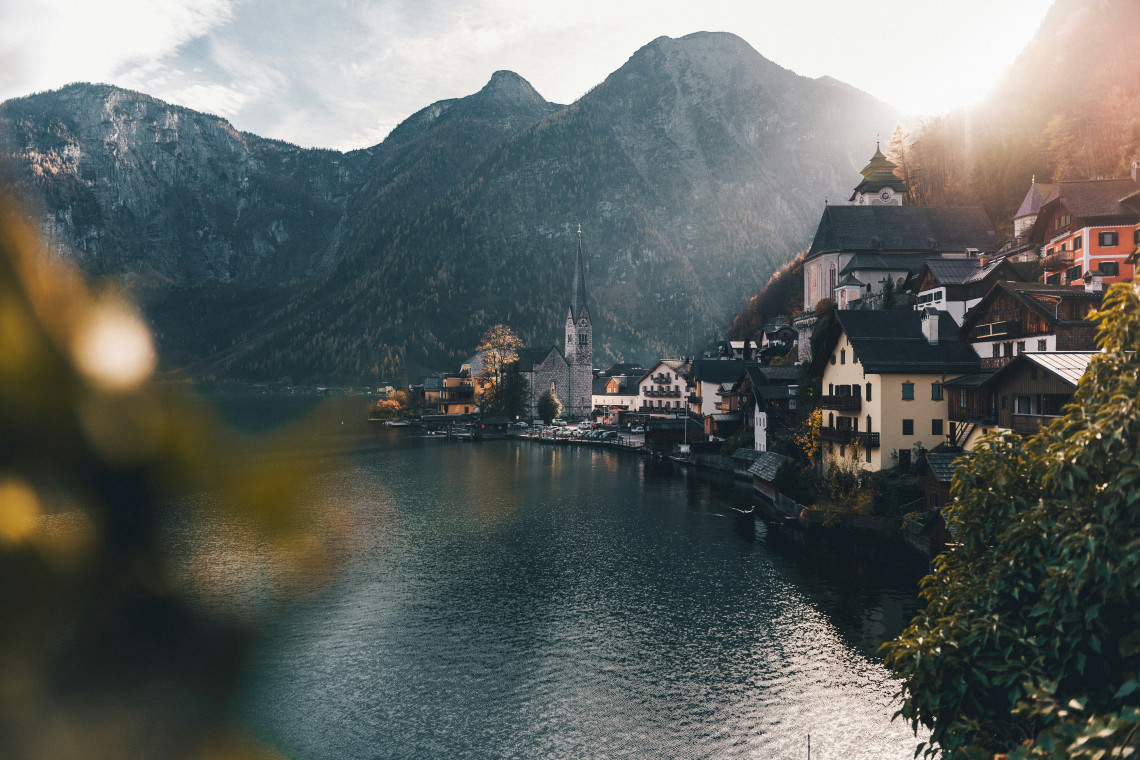
Why it's a "hidden" moment. Hallstatt is the opposite of hidden — 40-60 thousand people search "Hallstatt Austria" every month. But the crowded Hallstatt everyone photographs from 10am-4pm becomes hauntingly empty from 6am to 9am. The lake reflects perfectly still, the mist rises off the water, the church bells ring at 7am, the residents (there are only 780 of them) walk to work, and the tour buses have not yet arrived.
Photographers who wait for 8am get the "empty Hallstatt" that internet feeds are full of but daytime visitors never experience. To be there at dawn, you must stay overnight.
Where to stay. Seehotel Grüner Baum, Hallstatt Hideaway, or Bräugasthof Hallstatt. Book 6+ months ahead — hotels are very limited (about 15 in the village).
How to visit right. Arrive after 4pm (buses have left). Dinner in the village. Walk at 5am-6am for empty dawn shots. Second walk at 8am for the classic postcard photos without crowds. Leave by 10am when the tour buses arrive.
Read the full guide: The Austrian Lakes.
10. Krems an der Donau
Where it is. At the eastern entrance to the Wachau Valley on the Danube. 1h drive or train from Vienna. Population 24,000.
Why it's worth a stop. Krems is where most Wachau day trips end (or start), often just as a transfer stop. But Krems itself is a well-preserved medieval and baroque city, larger than Dürnstein or Melk but far less touristed. The Kunstmeile (Art Mile) is a cluster of contemporary art museums including the Kunsthalle and the Karikaturmuseum. The Steiner Landstrasse is one of Austria's most complete medieval streets.
Krems is also Austria's oldest wine city, with wine trade documented since 995 AD. The Krems Winery Association organizes tasting tours through the small local wineries.
What to do. Walk Steiner Landstrasse and the Krems old town. Visit the Kunsthalle Krems for contemporary art. Wine tasting at Weingut Stadt Krems or Winzer Krems. Cycle the Wachau path to Dürnstein (10 km).
How to reach. Train from Vienna Franz-Josefs-Bahnhof (1h). Or drive from Vienna (1h).
Best time. May to October for wine and boat trips. Year-round for the old town and art.
How to combine hidden Austria into a trip
Most travelers can fit 2 or 3 of these into a standard Austria trip. The natural combinations:
Wachau Valley (3-4 nights): Melk + Dürnstein + Krems + Weißenkirchen. Base in Dürnstein or Krems.
Salzkammergut deep (3-4 nights): Hallstatt at dawn + Grundlsee + Bad Aussee + Wolfgangsee. Rental car essential.
Vorarlberg and Tyrol (5-6 nights): Lech + Alpbach + Innsbruck. Ski or hike focus.
Eastern Austria (4-5 nights): Vienna + Rust + Eisenstadt (Burgenland) + Neusiedler See.
Salzburgerland spa (2-3 nights): Bad Gastein + Salzburg. Belle Époque and Baroque contrast.
What to pack for hidden Austrian villages
Cash. Many small-town restaurants, shops, and pensions prefer or require cash. Bring 200-300 euros in cash for a hidden Austria trip.
Comfortable walking shoes. All these towns are best walked, and the historical streets are cobbled.
A camera. Small Austrian villages photograph exceptionally well. Bring a real camera or at minimum a phone with good camera.
Warm layers. Even in summer, Alpine village evenings can drop to 10°C / 50°F.
Patience. Many small-town restaurants keep smaller hours than city places. Lunch service typically ends at 2pm sharp.
Frequently asked questions
What is the most beautiful small town in Austria? Different candidates: Dürnstein for the Wachau setting, Alpbach for architectural preservation, Hallstatt for lakeside iconic beauty. All are worth a visit for different reasons.
Is Hallstatt worth visiting? Yes, but only if you overnight. The daytime crowd (10am-4pm) is overwhelming; the empty dawn window (6am-9am) is spectacular. Day-tripping Hallstatt without overnight is the most common Austria travel regret.
How do I visit Hallstatt without the crowds? Overnight at Seehotel Grüner Baum, Hallstatt Hideaway, or Bräugasthof. Arrive after 4pm. Empty morning walk 6am-8am. Depart by 10am when tour buses arrive.
Where is the Wachau Valley? On the Danube between Melk and Krems, about 40 km east of Vienna. UNESCO listed. Wine country and apricot country.
What is the best hidden ski village in Austria? Lech am Arlberg for exclusive quiet luxury. Alpbach for architectural preservation. Bad Gastein for the Belle Époque atmosphere.
Is Bad Gastein worth visiting? Yes, for a very specific traveler: someone who appreciates atmospheric decay, Belle Époque architecture, or thermal spas. Not for someone wanting a picture-perfect Alpine village.
Where can I see storks in Austria? Rust on Neusiedler See has one of Europe's largest urban stork populations, with 15+ nesting pairs each March to August.
Can I visit Hidden Austrian villages by public transport? Some yes (Krems, Melk, Bad Gastein via direct trains). Others require a car or bus (Alpbach, Lech, Grundlsee). Rental car is recommended for a hidden Austria trip.
When is the best time to visit hidden Austrian villages? Mid May to mid September for most towns. Late September to early October for Wachau harvest. Winter for Alpine ski villages.
Where is Alpbach? In the Tyrolean Alps, Alpbach Valley, 45 min from Innsbruck. Voted "Austria's most beautiful village" in 1983.
What is a Wachau wine trip like? Base 2-3 nights in Dürnstein or Krems. Visit 3-4 wineries. Cycle the Wachau bike path. Eat at Heurigers. Great in April-May (apricot blossom) or September-October (harvest).
How many "hidden" villages can I fit into a 10-day Austria trip? 2 to 3 comfortably. 4+ requires restructuring around them. A hidden-Austria-focused trip works best as its own trip after visiting the famous destinations.
The Austria travelers remember most.
Our Austria travel experts route hidden village stops into trips of every length.
See Austria Packages Tailor-Made Trip