by Yes Getaways Team
August 18, 2026 • 14 min read
The Barcelona to Rome cruise is the classic Western Mediterranean itinerary and the single most-booked cruise in Europe. Seven days, five to six ports, three countries. You wake up in Provence, lunch in Nice, and dock next morning below the Tuscan hills. It packs Europe's greatest coastal cities into one week with almost no unpacking.
Here is the honest guide to which cruise line to pick, what to do at each port, when to sail, and how to build the trip into a proper 10 to 14 day vacation with pre and post-cruise stays.
The short answer
The Barcelona to Rome cruise typically runs 7 nights across 6 ports:
- Barcelona (Spain), embarkation or one of the middle stops
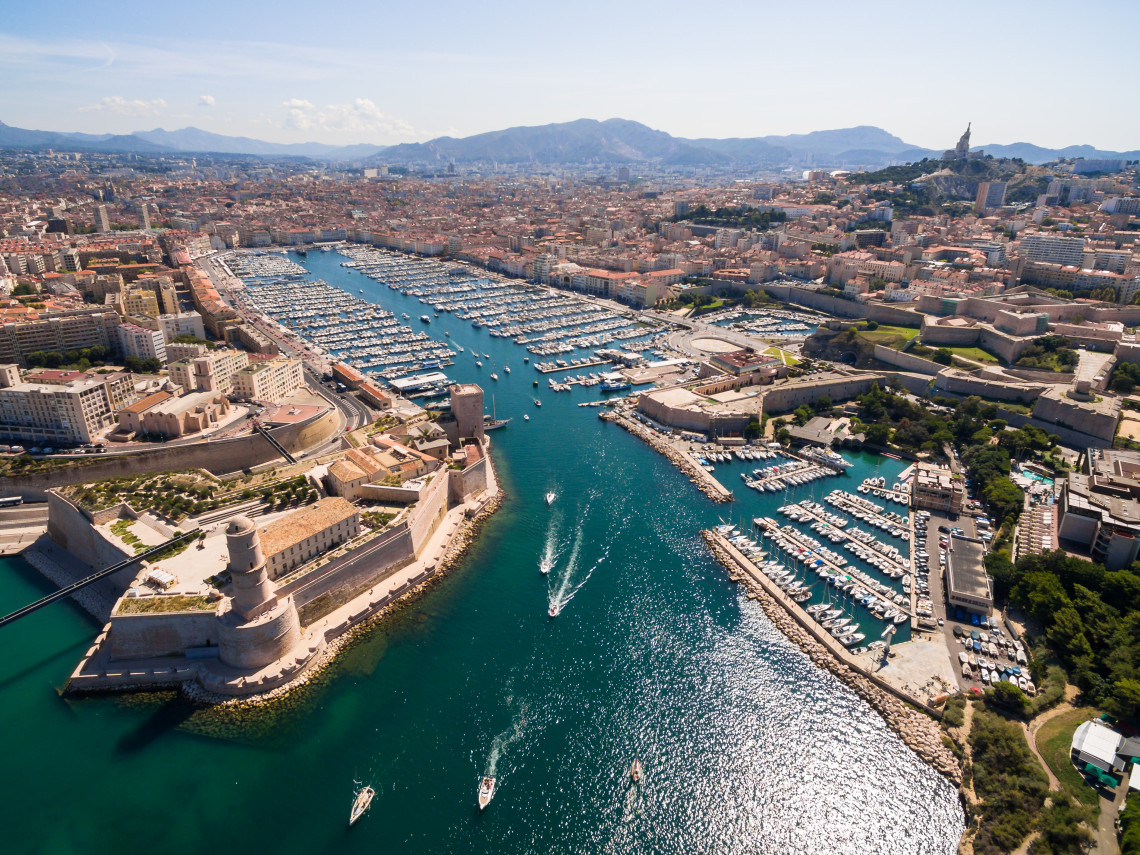
- Marseille or Toulon (France, Provence)
- Nice or Villefranche-sur-Mer (French Riviera)
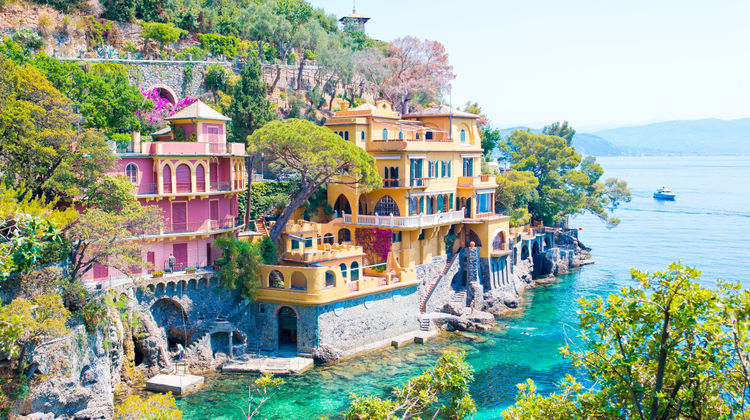
- Genoa or Portofino (Italian Riviera)
- Livorno (for Florence and Pisa)
- Civitavecchia (for Rome), disembarkation
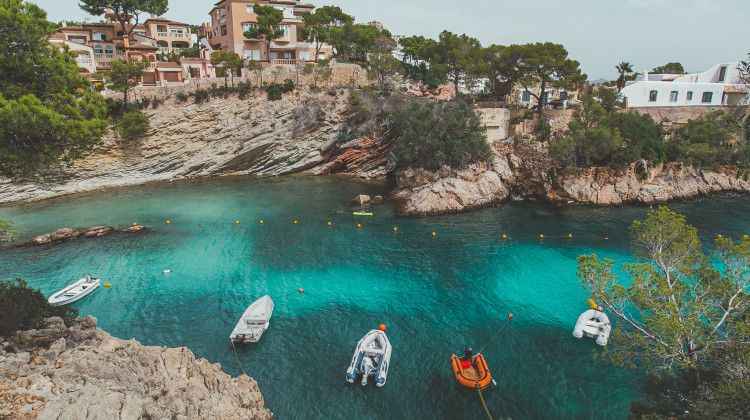
Some variants add Palma de Mallorca (Spain), Naples, Ajaccio (Corsica), or La Spezia (Cinque Terre) in place of one or two of the above.
Plan for:
- 7 nights on board minimum. Some itineraries stretch to 10-12 nights.
- Add 2 to 3 nights in Barcelona pre-cruise and 2 to 3 nights in Rome post-cruise. Otherwise you land, board, and never see either city properly.
- Best months: May, June, September, early October. Avoid July and August (crowds, heat, higher fares).
- Book shore excursions independently where possible. Cruise line excursions are 2-3x the price of local operators.
Featured Barcelona to Rome cruise packages
Three curated Barcelona to Rome cruises we book most often, each with a distinct feel and price point.
View this cruise →
When is the best time to cruise?
Spring (April to early June): Best. Comfortable temperatures (18-24°C / 65-75°F), mild seas, moderate prices, ports still uncrowded.
Early summer (mid-June): Warm, some ports getting busier. Sea temperatures inviting for beach ports.
High summer (July to August): Peak crowds, peak heat (30-35°C in Barcelona, Rome), peak prices. Every port packed with day-trippers. Not recommended unless it's the only school-holiday window you have.
Fall (September to early October): Second sweet spot. Sea still warm, ports thinning, prices dropping.
Late October to March: Off-season. Some cruise lines still operate. Cheapest fares but ports are quiet, some restaurants closed, weather unpredictable.
Pre and post-cruise stays
Pre-cruise Barcelona (2-3 nights):
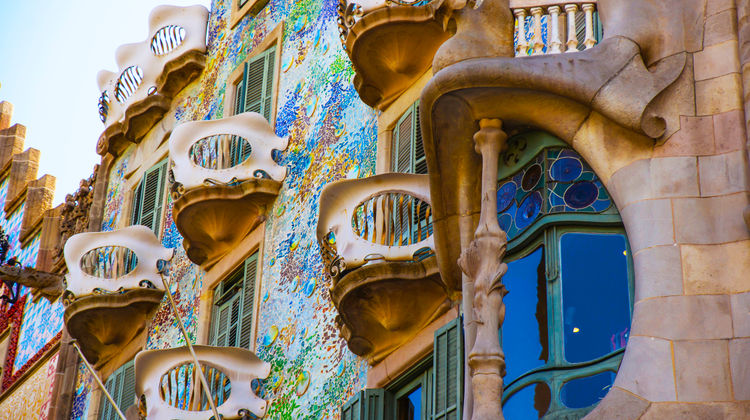
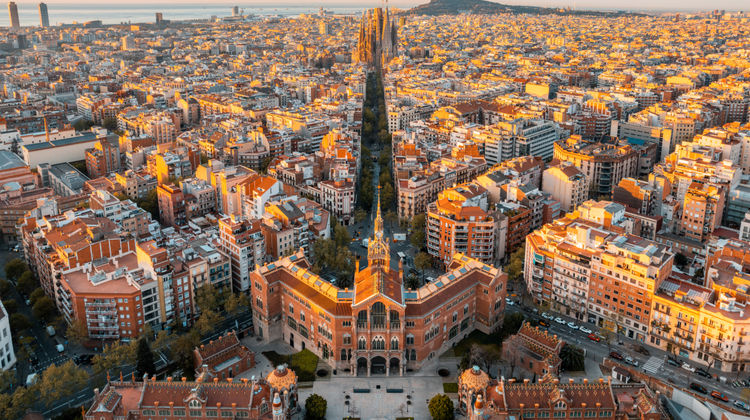
- Best neighborhoods: Eixample, El Born, Barri Gòtic.
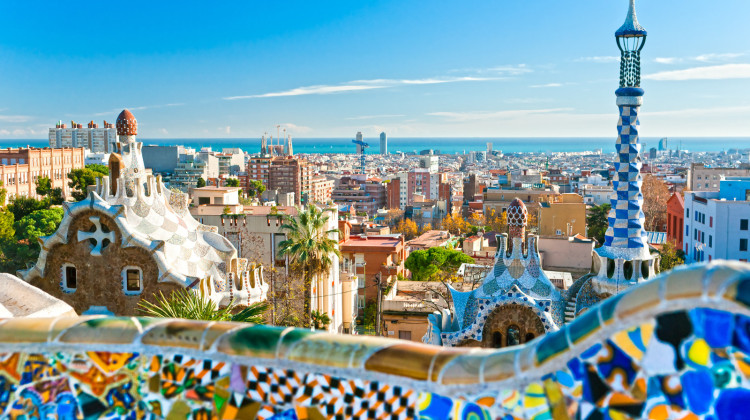
- Time to book the Sagrada Familia and Park Güell.
- Beach and tapas nights before boarding.
Post-cruise Rome (3-4 nights):
- Best neighborhoods: Centro Storico, Monti, Trastevere.
- Book Colosseum 2-3 weeks ahead; Vatican 3-6 weeks ahead.
- Add a day for Borghese Gallery, Trastevere food tour, and Ancient Rome walking.
- See our Colosseum Guide and Vatican Guide.
Extended stay options:
- Tuscany from Livorno: After the ship docks Livorno, disembark and stay 4-5 nights in Tuscany. See our Tuscany Road Trip Guide.
- Amalfi Coast from Rome: Post-cruise, take the train from Rome to Naples (1h 10min) then transfer to Positano. Add 4-5 nights. See our Amalfi Coast Guide.
Cabin selection tips
Interior (windowless): Cheapest. Fine if you plan to sleep only in the cabin. €800-€1,200 per person for 7 nights.
Oceanview (window, no balcony): Marginal upgrade. €1,000-€1,500.
Balcony: The sweet spot for Mediterranean cruises. Sunset departures from port and morning coffee on the balcony. €1,500-€2,500.
Suite: More space, priority disembarkation, sometimes butler service. €2,500-€5,000+.
Location tips:
- Mid-ship, lower decks are the smoothest (least motion sickness).
- Aft (rear) balconies have the largest outdoor space and best sunset views.
- Avoid cabins directly under the pool deck, the theater, or the buffet.
- Even-numbered cabins are usually port side; odd-numbered starboard (varies by ship).
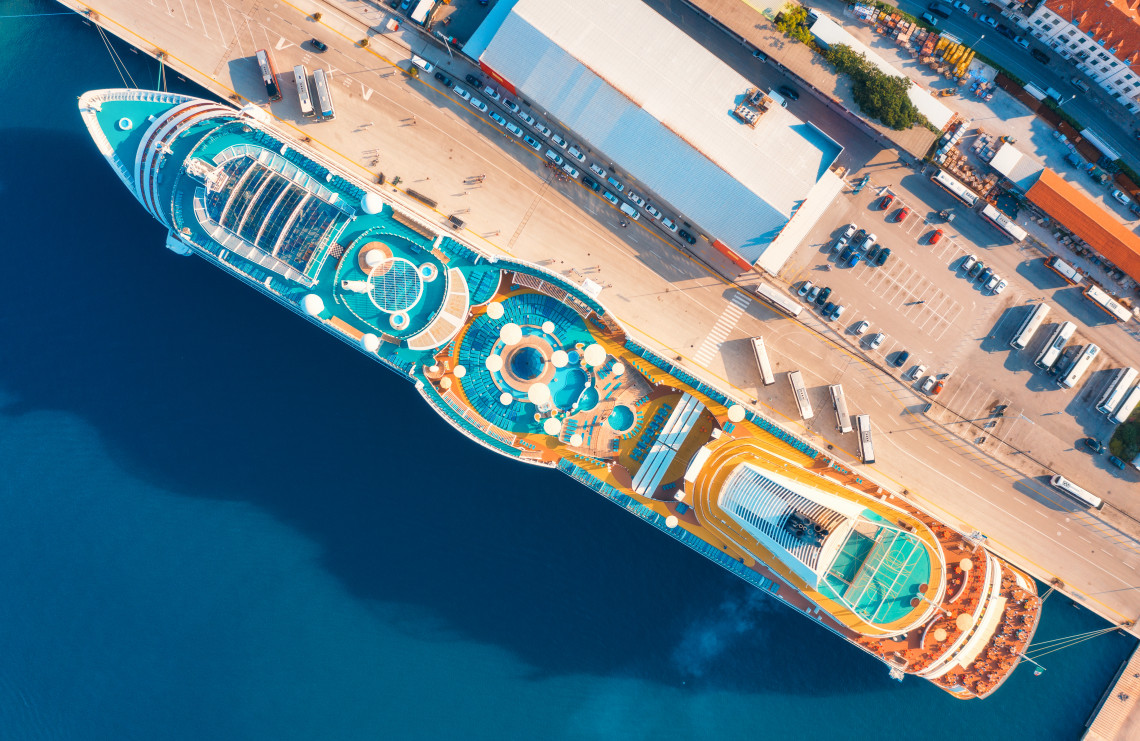
Booking shore excursions: independent vs cruise line
Cruise line excursions. Typically 2-3x the price of independent operators. Advantage: the ship waits if the excursion is delayed. Bus transfers, air-conditioning, structured tours.
Independent local tours. Half or a third the price. Book through Viator, Get Your Guide, or directly with local operators. Warning: The ship does not wait if you're late. Give yourself 2-hour buffer before the "all aboard" time.
DIY (train or taxi). Cheapest and most flexible. Best for the Florence day (Livorno to Florence by train is a standard route). Worst for Portofino (no direct transit, needs a driver or expensive train + bus + boat).
Best strategy: Mix. Do Florence and Nice DIY (both easy train connections). Book a private driver for Portofino or Provence day (worth the premium). Use ship excursions only if none of these work.
Common cruise mistakes
Flying in same day as embarkation. If your flight is delayed, the ship sails without you. Fly in 1-3 days early.
Booking the cheapest interior cabin without knowing what you're missing. Mediterranean cruises are visual. A balcony pays back every port departure.
Doing every port with a cruise line excursion. You spend €600-€1,200 on shore excursions. Half that if you DIY the easy ports.
Trying to see Florence and Pisa in one Livorno day. You will see one badly. Pick Florence.
Skipping the pre-cruise Barcelona night. You embark exhausted from the transatlantic flight and miss Sagrada Familia entirely.
Skipping the post-cruise Rome nights. Civitavecchia is not Rome. Rome needs 3+ nights.
Not booking the Colosseum and Vatican before boarding. These sell out. You cannot book on the ship.
Practical cruise tips
Passport and Schengen. From late 2026, U.S. and Canadian passport holders need ETIAS to enter Europe for stays under 90 days. See our ETIAS Italy Guide.
Cash in each port. Euro across all six ports (Spain, France, Italy). No currency changes needed.
Adapter. Cabins use European two-round-pin plugs (Type C/F).
Tipping onboard. Included in "hotel service charges" on most ships ($16-$20 per person per day). Optional additional tips for outstanding service.
Wi-Fi. Expensive onboard ($15-$30/day). Better to use free port Wi-Fi in cafés when ashore.
Sea sickness. The Western Mediterranean is generally calm. Sea Bands, ginger candies, and mid-ship lower-deck cabins minimize discomfort.
Time zones. All six ports are on CET (UTC+1) year-round. No time changes.
Dining reservations. Book specialty restaurants and the main dining room's early or late seating when you board (or online 60 days before).
Sun protection. Mediterranean sun is intense May-October. Bring SPF 50 and a hat.
Formal nights. Most 7-night cruises have 2 formal or "chic" nights. Optional but expected on premium lines.
Onboard bookings. Onboard credit for future cruises is offered on day 4-5. Only book if you actually plan to return within 4 years.
Sample 14-day itinerary (cruise + pre and post stays)
- Day 1: Fly Barcelona overnight.
- Days 2-3: Barcelona pre-cruise. Sagrada Familia, Park Güell, tapas.
- Day 4: Board Barcelona to Rome cruise. Sail 5pm.
- Day 5: Marseille or Toulon. Aix or Calanques excursion.
- Day 6: Nice/Villefranche. Monaco or Èze afternoon.
- Day 7: Genoa. Portofino excursion.
- Day 8: Livorno. Florence full day.
- Day 9: At sea (relax on the ship).
- Day 10: Disembark Civitavecchia. Transfer Rome.
- Days 11-13: Rome. Colosseum + Roman Forum, Vatican, Trastevere.
- Day 14: Fly home from Rome Fiumicino.
Bottom line
The Barcelona to Rome cruise is the classic Mediterranean itinerary. Book 6-9 months ahead, take a balcony cabin, add 2-3 nights in Barcelona pre-cruise and 3-4 nights in Rome post, book shore excursions independently where practical, and sail in May, June, September, or early October. The result is one of the best-value trips in Europe: three countries, six ports, one unpack, and a proper look at both Barcelona and Rome at either end.
Frequently asked questions
How long is a Barcelona to Rome cruise? Typically 7 nights across 6 ports. Some lines offer 10-12 night extended versions with additional ports (Naples, Corsica, Palma).
Which cruise line is best for Barcelona to Rome? MSC for value, Norwegian for casual American style, Princess or Celebrity for premium food and service, Oceania or Silversea for luxury.
What is the best time to cruise Barcelona to Rome? May, June, September, and early October. Avoid July and August (crowds, heat, peak prices).
Do I need a passport for a Mediterranean cruise? Yes. U.S. and Canadian passport holders also need ETIAS (from late 2026). Passport must have 3+ months of validity beyond your return date.
How far is Civitavecchia from Rome? 80 km north. 45-80 min by train, €5-€15. Private driver takes 1h 15min for €200-€350.
Should I book shore excursions with the cruise line or independently? Book independently or DIY for easy ports (Florence, Nice). Book with the cruise line only for complex tours or when time-sensitive transfers matter.
Is Barcelona to Rome or Rome to Barcelona better? Direction is a personal preference. Barcelona to Rome ends with Rome (more monuments, needs more post-cruise time). Rome to Barcelona ends with Barcelona (great flying-home city).
How much does a Barcelona to Rome cruise cost? $1,500-$3,000 per person for balcony on mainstream lines (MSC, NCL, Royal Caribbean). $3,500-$6,000+ per person on premium/luxury lines.
Can I do the Colosseum and Vatican in one day from Civitavecchia? Physically possible but exhausting. Both need 3+ hours each. Book a hotel in Rome and split them across 2 days.
What is Livorno's cruise port for? Livorno is the gateway to Florence, Pisa, and Lucca. You transit north by train or coach; you do not stay in Livorno itself.
How do I book the Sagrada Familia during a Barcelona port day? Book online at sagradafamilia.org 2-3 weeks ahead. Do not rely on same-day tickets.
Can I cruise Mediterranean in winter? Yes but limited. Some cruise lines relocate to the Caribbean for winter. Those that stay run reduced schedules. Weather unpredictable; some ports closed.
Do cruise ships include drinks and Wi-Fi? Mainstream lines (MSC, NCL, Royal Caribbean) charge extra. Premium (Celebrity, Princess) often have drink packages. Luxury lines (Silversea, Seabourn, Regent) include everything.
Is a balcony cabin worth it? On a Mediterranean cruise, yes. Port departures and morning coffee on the balcony are half the experience. €300-€500 extra per person for 7 nights.
What is the difference between Nice and Villefranche as a cruise port? Nice port docks smaller ships directly. Villefranche is a tender port (mid-size ships anchor and tender ashore). Both are on the French Riviera; Nice is 10 min west by train.
Do I need vaccinations for a Mediterranean cruise? No special vaccinations required for U.S. and Canadian travelers. Standard travel medical insurance recommended.
Barcelona to Rome, sea and land.
Our travel experts pair Mediterranean cruises with Barcelona pre-cruise and Rome post-cruise hotels, transfers, and pre-booked monuments.