by Yes Getaways Team
September 24, 2026 • 12 min read
Germany has about 1,500 breweries, more than any country in the world except China (which has ten times the population). It has more than 5,000 individual beer brands, six recognized regional beer capitals, one federal beer purity law that has been in effect since 1516, and 40 legally protected regional styles. For a country the size of Montana, that is an unreasonable amount of beer culture. This guide covers the regions, the styles, the festivals, and how to drink beer like a German rather than like a tourist.
The short answer
- The rule that shapes everything: The Reinheitsgebot (Bavarian Purity Law of 1516), which limited beer ingredients to water, barley, and hops (yeast added later after it was understood). Still in effect in Bavaria as state law, and observed by choice across most of Germany.
- Six beer capitals worth traveling for: Munich (Bavarian lager and wheat), Bamberg (smoked beer and traditional Franconian styles), Cologne (Kölsch), Düsseldorf (Altbier), Berlin (Berliner Weisse and contemporary craft), and Stuttgart (Pilsner and Cannstatter Wasen festival).
- Two main brewing traditions to know: Bottom-fermented lagers (Pilsner, Helles, Dunkel, Bock) dominant nationally; top-fermented ales (Kölsch, Altbier, Weissbier, Berliner Weisse) regionally specific.
- The three drinking venues: Beer hall (Bierhalle, indoor with table service), beer garden (Biergarten, outdoor with communal tables), and Brauhaus (a brewery-restaurant, often with a specific in-house beer).
- Festivals worth planning around: Oktoberfest (Munich, late September to early October), Cannstatter Wasen (Stuttgart, September to October), Starkbierzeit (Munich, March), and Bergkirchweih (Erlangen, spring).
- When to visit: May to early October is peak outdoor beer garden season. Late November to December for Christmas market Glühwein and warm winter beer. Any time for the beer halls.
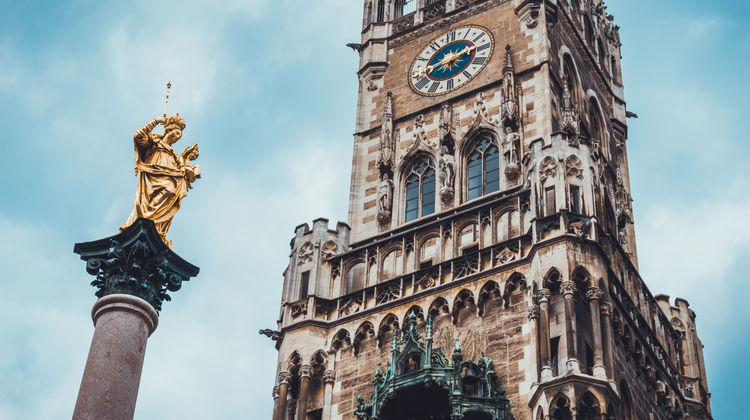
Munich City Break — the natural base for a Bavaria beer trip, with flights, an Altstadt-area hotel, and day-trip access to Franconia if you extend.
See the Munich City Break →The Reinheitsgebot (and Why It Still Matters)
The Bavarian Purity Law was passed on April 23, 1516, by Duke Wilhelm IV and Duke Ludwig X of Bavaria. It stated, in three lines of Early Modern German, that beer could only be made from three ingredients: water, barley, and hops. Yeast was not mentioned because the role of yeast in fermentation was not scientifically understood until the 1800s.
The law had two main purposes at the time. First, to prevent brewers from adulterating beer with dangerous or expensive ingredients (medieval brewers sometimes added ingredients like nightshade, henbane, or fresh herbs, some of which were toxic). Second, to protect the price of wheat and rye, which the ruling dukes wanted reserved for bread rather than beer. Restricting beer to barley meant less competition for grain in the bakeries.
Five centuries later the Reinheitsgebot is still Bavarian state law and remains one of the oldest food regulations in the world still in force. Nationally it has been modified: since 1993, the "Provisional German Beer Act" allows wheat and additional ingredients under certain conditions, and craft brewers across Germany today occasionally brew beers that would not qualify under the strict Bavarian version. But when a German beer bottle says "Gebraut nach dem Bayerischen Reinheitsgebot" (brewed according to the Bavarian Purity Law), it means literally three ingredients plus yeast, and no additives, no rice, no corn, no chemical stabilizers, no flavor extracts.
For a traveler, the practical implication is this: German beer tastes cleaner and more consistent than most American beer because the ingredient list is genuinely shorter. A Helles from a small Bavarian village brewery is made from the same four things as a Helles from the biggest Munich brewery. The differences come from the water, the yeast strain, and the brewing tradition, not from what the brewer decided to add.
The Two Main Brewing Traditions
Almost every German beer falls into one of two families.
Bottom-fermented lagers. Fermented at cold temperatures (around 45°F to 55°F) with yeast that settles to the bottom of the fermenter. The result is a clean, crisp beer that ages well. This tradition, invented in Bavaria in the 1400s and perfected in the 1800s, dominates German beer nationally. Includes:
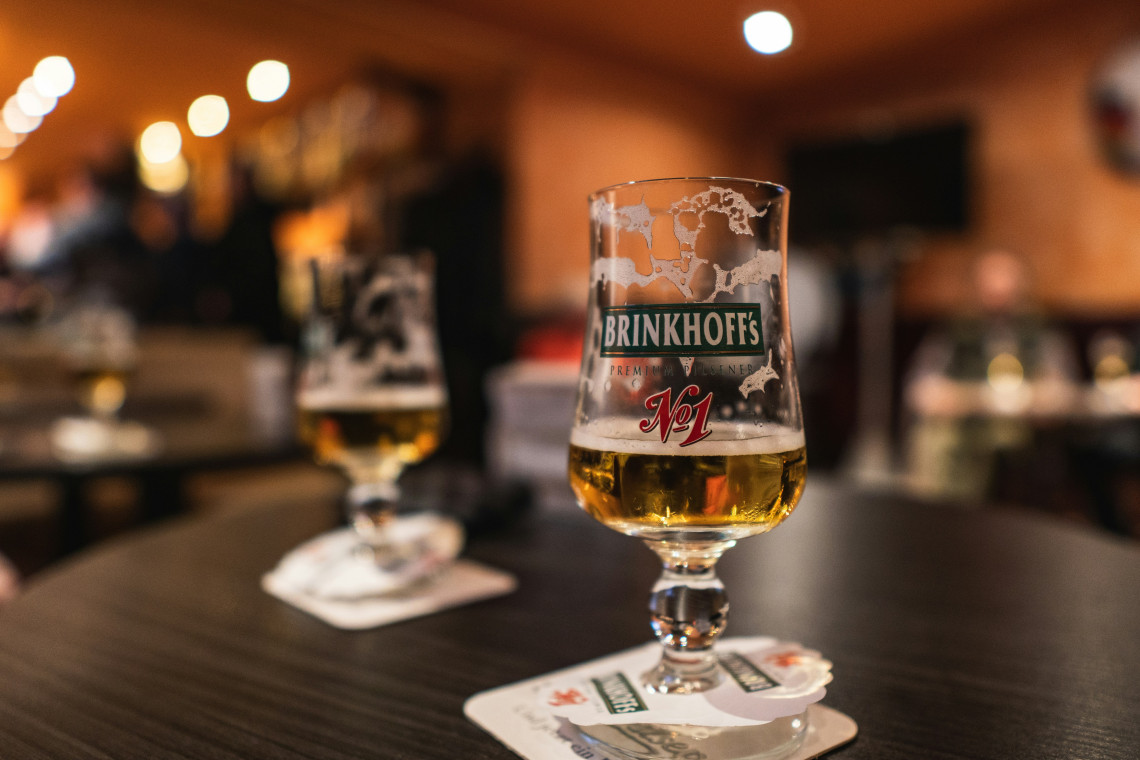
- Pilsner (Pils). Golden, hoppy, bitter, dry. The most common German beer style, especially in northern and western Germany. Warsteiner, Bitburger, Krombacher, and Jever are the biggest national brands.
- Helles. Golden, malty, smooth, less hoppy than Pilsner. The Munich standard. Augustiner Helles is the beer that a Munich local orders when they want a "beer" without specifying.
- Dunkel. Dark brown, malty, sweet, with roasted grain character. The Bavarian dark lager, older than Helles.
- Bock and Doppelbock. Strong lagers (6.5 to 8 percent alcohol), sweet, malty, and rich. Traditionally brewed for specific seasons: Maibock in spring, Doppelbock during Lent (a "liquid bread" tradition that Munich monks pioneered). Salvator (from Paulaner) and Celebrator (from Ayinger) are the classics.
Top-fermented ales. Fermented at warmer temperatures with yeast that stays on top. Older than lagers, still regionally specific in Germany. Includes:
- Kölsch. Cologne-only, pale, crisp, light. Served in 0.2-liter Stange glasses. Uses ale yeast but drinks like a lager.
- Altbier. Düsseldorf-only, copper-brown, malty, moderately bitter. Cologne's neighbor city took the historical (alt = old) brewing style and made it their identity.
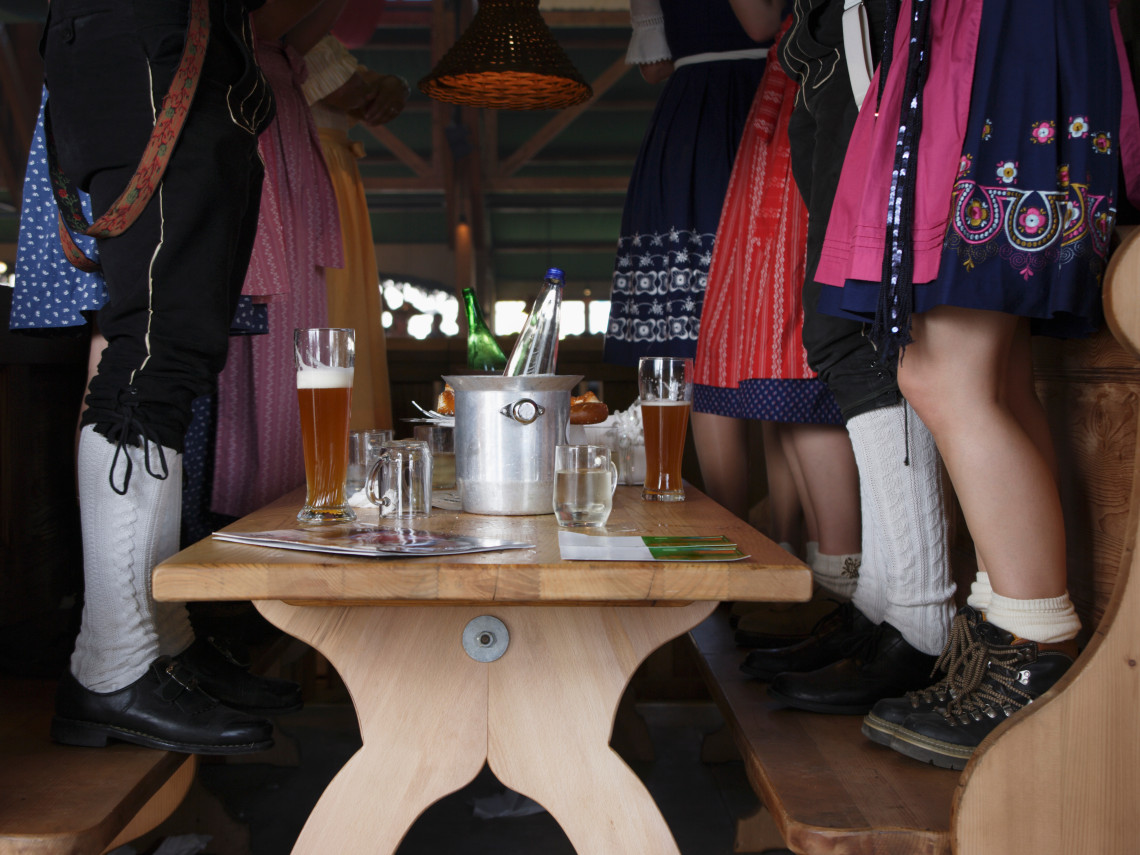
- Weissbier (Weizenbier or Hefeweizen). Bavarian wheat beer. Cloudy, straw-yellow to gold, with a thick head and distinct banana-clove yeast character. Served in a tall vase-shaped glass, unlike anywhere else in Germany. Franziskaner, Erdinger, Paulaner, and Schneider Weisse are the main brands.
- Berliner Weisse. Berlin sour wheat ale, low alcohol (3 percent), tart. Traditionally served with a syrup shot (raspberry or woodruff) to sweeten it. Nearly disappeared in the 20th century, coming back through the craft revival.
Regional Beer Traditions
Germany does not have one beer culture. It has half a dozen.
Bavaria (Munich and Franconia). The undisputed heart of German beer. Munich is Wheat, Helles, and Dunkel. Franconia, the northern half of Bavaria (Nuremberg, Bamberg, Bayreuth, Würzburg), has more independent small breweries per capita than anywhere else in the world. Bamberg alone has 11 active breweries in a town of 77,000. The specialty beer of Bamberg is Rauchbier (smoke beer), a lager brewed with malt smoked over beechwood; the taste is meaty and campfire-like and you either love it immediately or need three tries to acquire the taste. Aecht Schlenkerla is the classic Bamberg Rauchbier brewery.
Cologne. Kölsch only. Thirteen legal Kölsch breweries under the 1985 Kölsch Konvention. Served in 0.2-liter Stange glasses by Köbes waiters in traditional Brauhaus restaurants. See our Cologne guide for the full breakdown.
Düsseldorf. Altbier only. Four traditional Altbier breweries in the Altstadt (Uerige, Füchschen, Schumacher, Schlüssel), each with their own brewery-restaurant. Served in short 0.25-liter glasses, delivered to your table without asking, just like Kölsch across the river.
Berlin. Historically Berliner Weisse. Currently one of Germany's most active craft beer scenes, with modern breweries like BRLO, Vagabund, and Stone Berlin (a German outpost of the American Stone Brewing) making everything from West Coast IPAs to sours. Berliners drink more Pilsner than Berliner Weisse on average today, but the Weisse tradition is making a comeback.
Stuttgart and Baden-Württemberg. Pilsner-heavy. Cannstatter Wasen (Stuttgart's Oktoberfest equivalent, held simultaneously each autumn) is the second-largest beer festival in the world. Dinkelacker and Stuttgarter Hofbräu are the local Stuttgart brands.
North Germany (Hamburg, Bremen, Hannover). Pilsner country. Beck's (Bremen), Warsteiner (Warstein), Krombacher (Krombach), and Jever (Jever) are the biggest names. Northern Germans drink beer differently from Bavarians: less ceremony, more Pils, more focus on the beer as a straightforward drink rather than a ritual.
Berlin East and the former East Germany. Radeberger Pilsner (Dresden), Berliner Kindl (Berlin), and Wernesgrüner (Saxony) are the main GDR-era brands, most still operating. Beer culture in the East is less codified than in Bavaria or Cologne but genuinely deep.
Oktoberfest Munich Complete Guide
Yes Getaways bundles Munich flights and hotels for the Oktoberfest window. Read the complete Oktoberfest guide for tent reservations, dates, and how to actually enjoy it.
Read the Oktoberfest guide →Beer Halls, Beer Gardens, and Brauhäuser
Three distinct venue types, all matter.
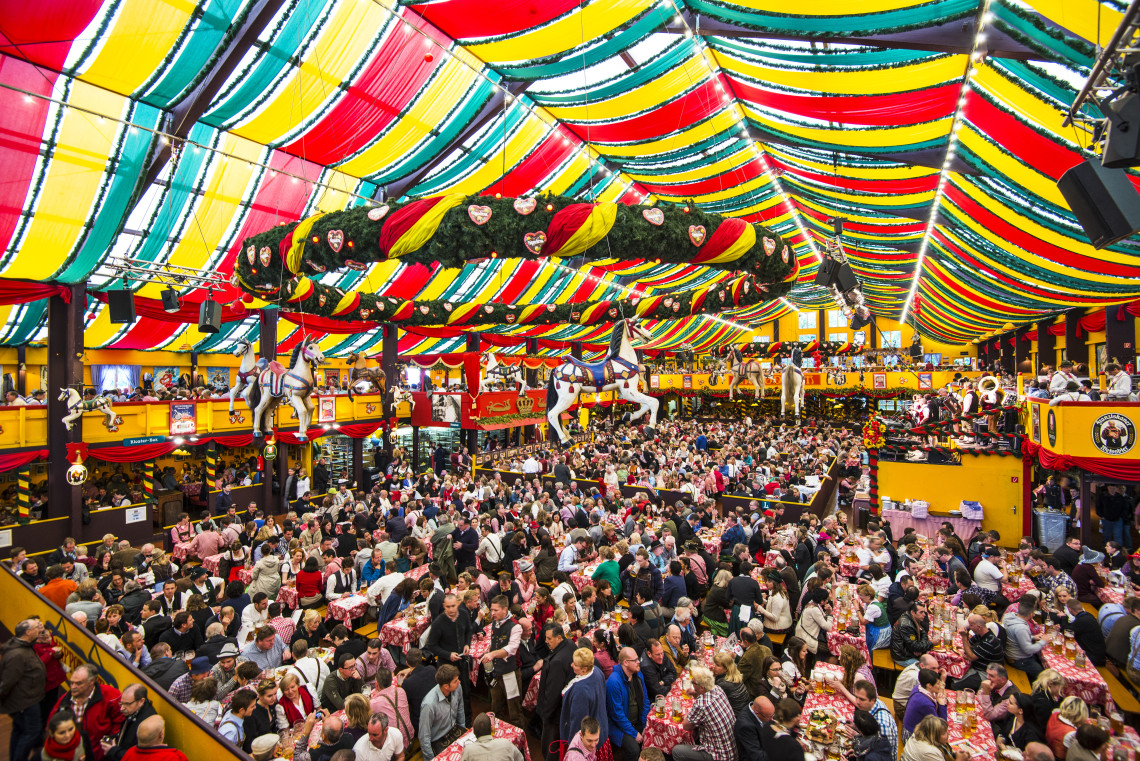
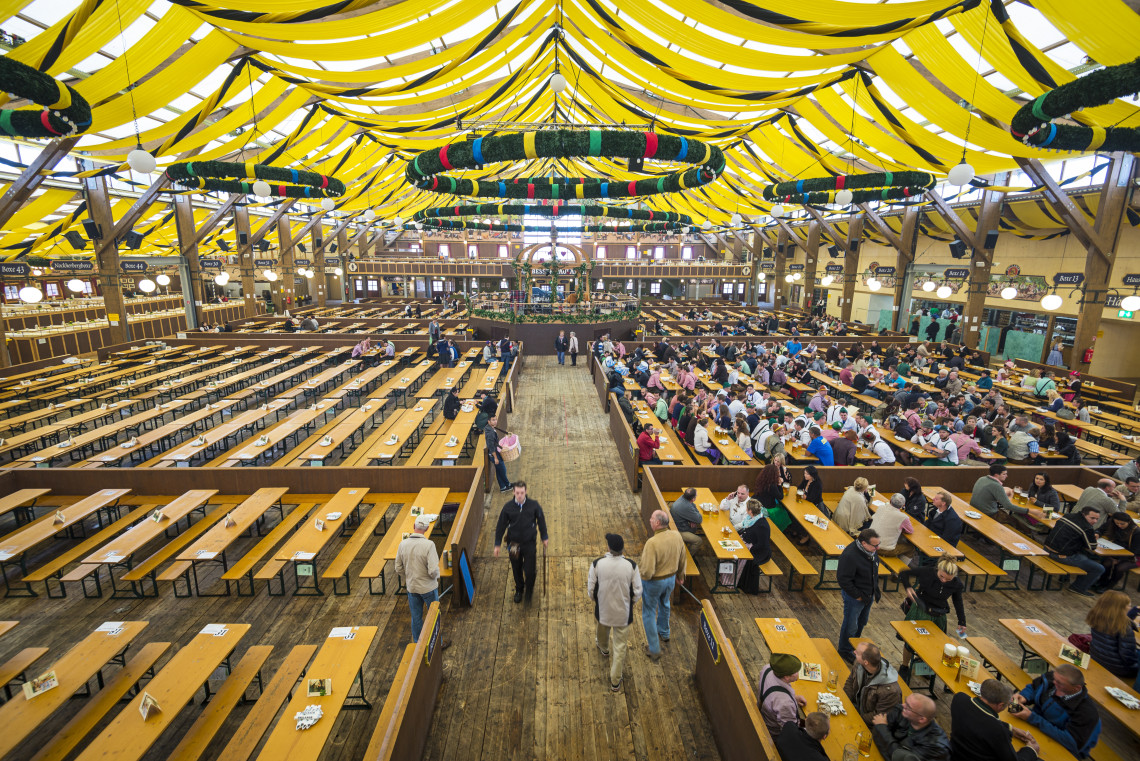
Bierhalle (beer hall). Indoor, waiter service, traditional food menu (sausage, schnitzel, pork knuckle, spätzle, sauerkraut). Big spaces with long tables and often a band or a live piano. The Hofbräuhaus in Munich is the famous one. Löwenbräukeller and Paulaner am Nockherberg (also Munich) are locally preferred.
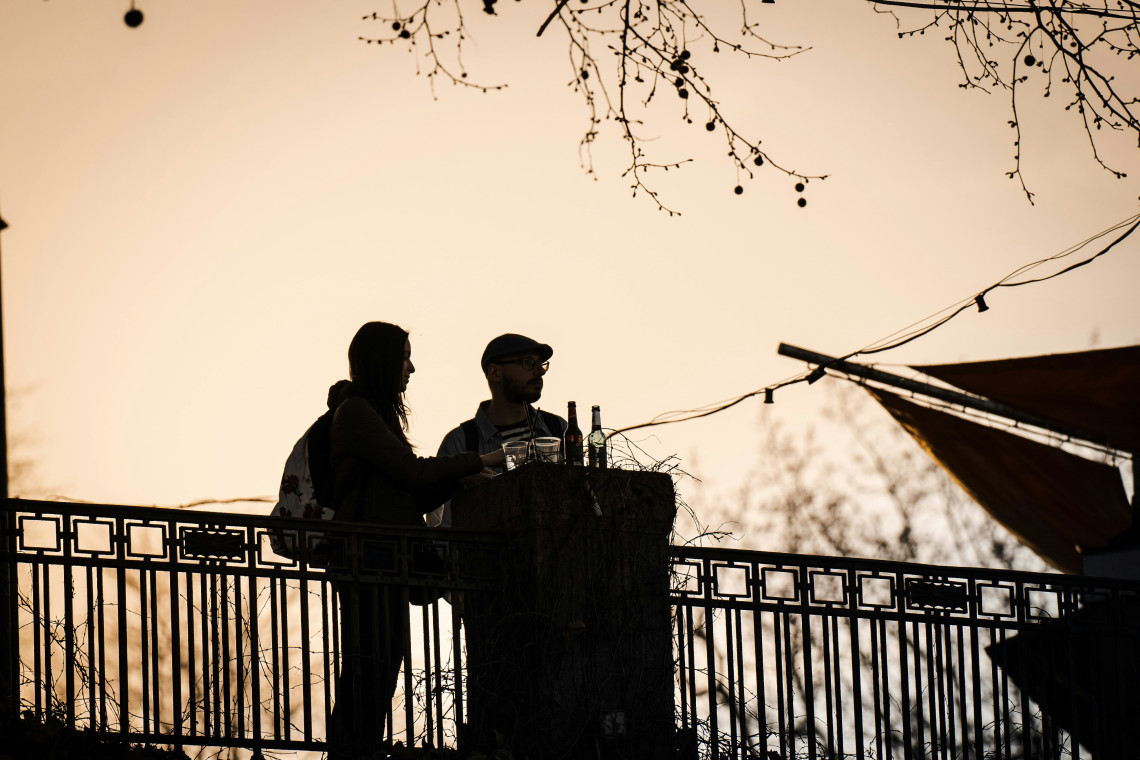
Biergarten (beer garden). Outdoor, long communal tables under chestnut trees, often self-service (queue at the counter, carry your own beer and food back to your table). A specific Bavarian institution codified in the 1800s when Munich breweries were legally allowed to serve beer directly to consumers under the chestnut trees that shaded their storage cellars. Traditionally you are allowed to bring your own food to a self-service beer garden and only buy the beer. Bring bread, cheese, radishes, sausage, and pretzels; buy the Maß. The Chinese Tower (English Garden, Munich), the Augustiner Keller (Munich), and the Hirschgarten (claimed largest beer garden in the world at 8,000 seats, Munich) are the classic examples.
Brauhaus (brewery-restaurant). A restaurant attached to a specific brewery, serving that brewery's own beer as the primary or only choice. Kölsch culture is entirely built around this model: Früh am Dom serves only Früh Kölsch, Päffgen serves only Päffgen. Düsseldorf Altbier works the same way. Small Franconian breweries in villages around Bamberg follow the same pattern. If you want to understand a specific German beer style, drink it at the brewery's own Brauhaus rather than at a bar that carries dozens of brands.
Kneipe (traditional pub). Neighborhood bars serving multiple brands. More common in the north than in Bavaria. Cheaper, more local, less ceremony.
Beer Festivals Worth Planning Around
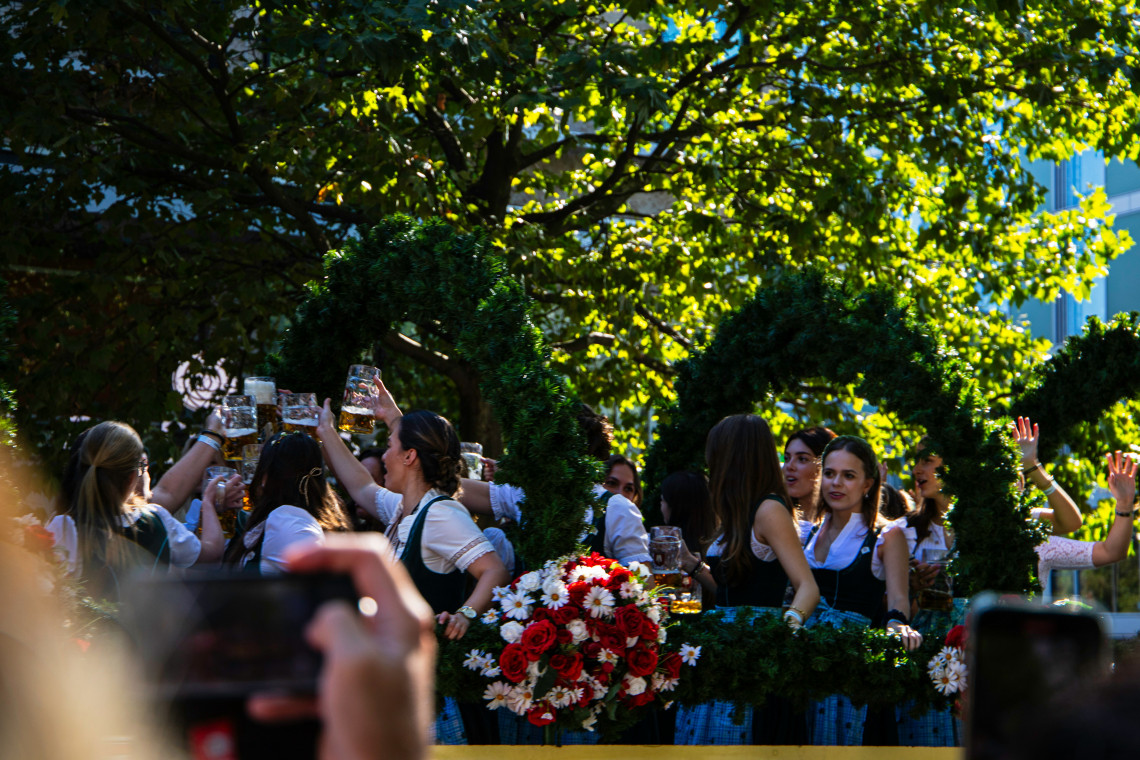
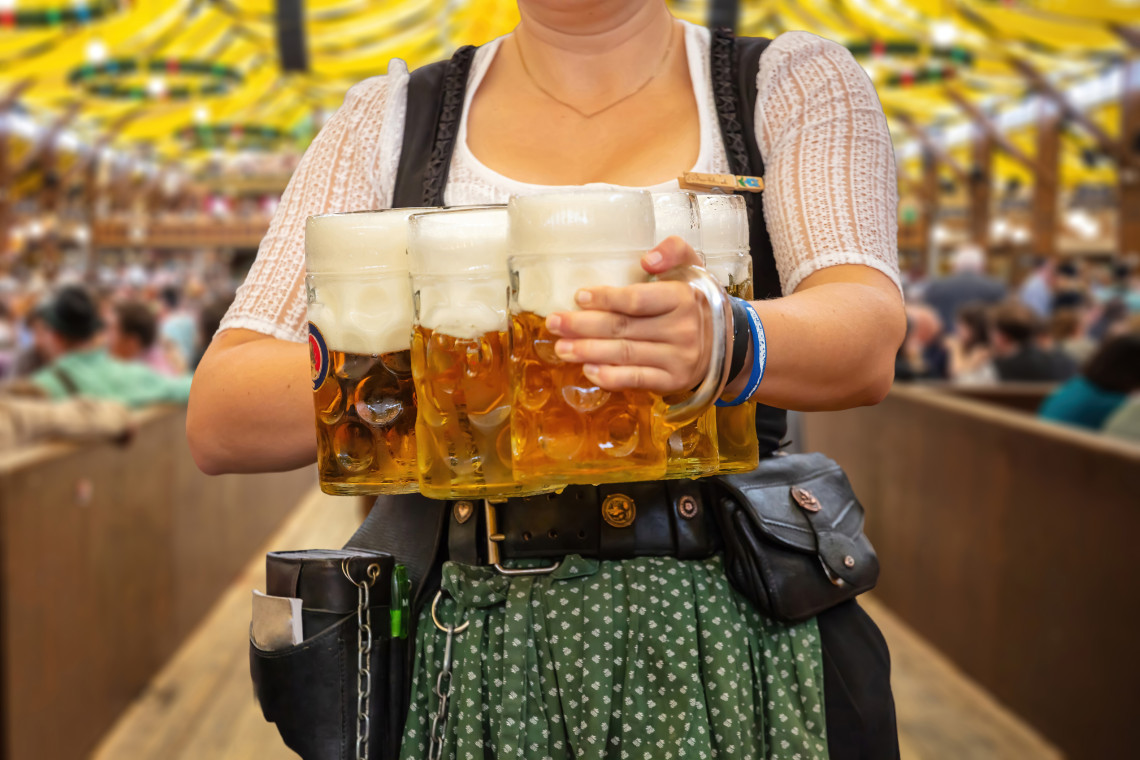
Oktoberfest (Munich, late September to first Sunday in October). The largest beer festival in the world. 6 to 7 million visitors over 16 to 18 days. Six official breweries only: Augustiner, Hofbräu, Löwenbräu, Paulaner, Spaten, Franziskaner. Everything served in Maß (1-liter) steins. Traditional dress (Lederhosen and Dirndl) worn without irony by most attendees. Requires hotel booking 6 to 9 months in advance and tent reservations (through the individual tents' websites) for guaranteed seating during peak weekends. Weekday afternoons are the underrated calm window.
Cannstatter Wasen (Stuttgart, mid-September to early October). The second-largest beer festival in Germany, held simultaneously with Oktoberfest. Similar format (Maß beers, tents, rides) but smaller in scale and less internationally known. Local Stuttgart breweries (Dinkelacker, Stuttgarter Hofbräu) plus Bavarian imports. If you want the Oktoberfest experience without the international tourist crush, Cannstatter is the alternative.
Starkbierzeit (Munich, March). The "strong beer season" during Lent. Historic Bavarian monastic tradition: monks brewed strong dark Doppelbock beers to sustain themselves during fasting. Every Munich brewery releases its own Doppelbock (Salvator, Triumphator, Maximator, and so on, always ending in "-ator"). Beer halls host Starkbierfeste. Less internationally famous than Oktoberfest but arguably more authentically Bavarian.
Bergkirchweih (Erlangen, spring). A 12-day beer festival in the Franconian town of Erlangen, dating back to 1755 and technically the oldest continuous beer festival in the world. Locals maintain it is much better than Oktoberfest. Late May to early June. Smaller, quieter, but the Franconian breweries are the point.
Frühlingsfest (Munich and other cities, April to May). Munich's spring festival, held on the same Theresienwiese as Oktoberfest but roughly a third of the size. A quieter and cheaper alternative to Oktoberfest with all the same beer and food.
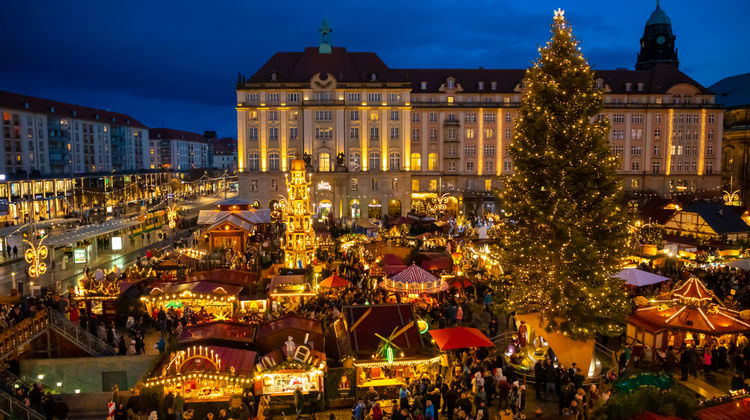
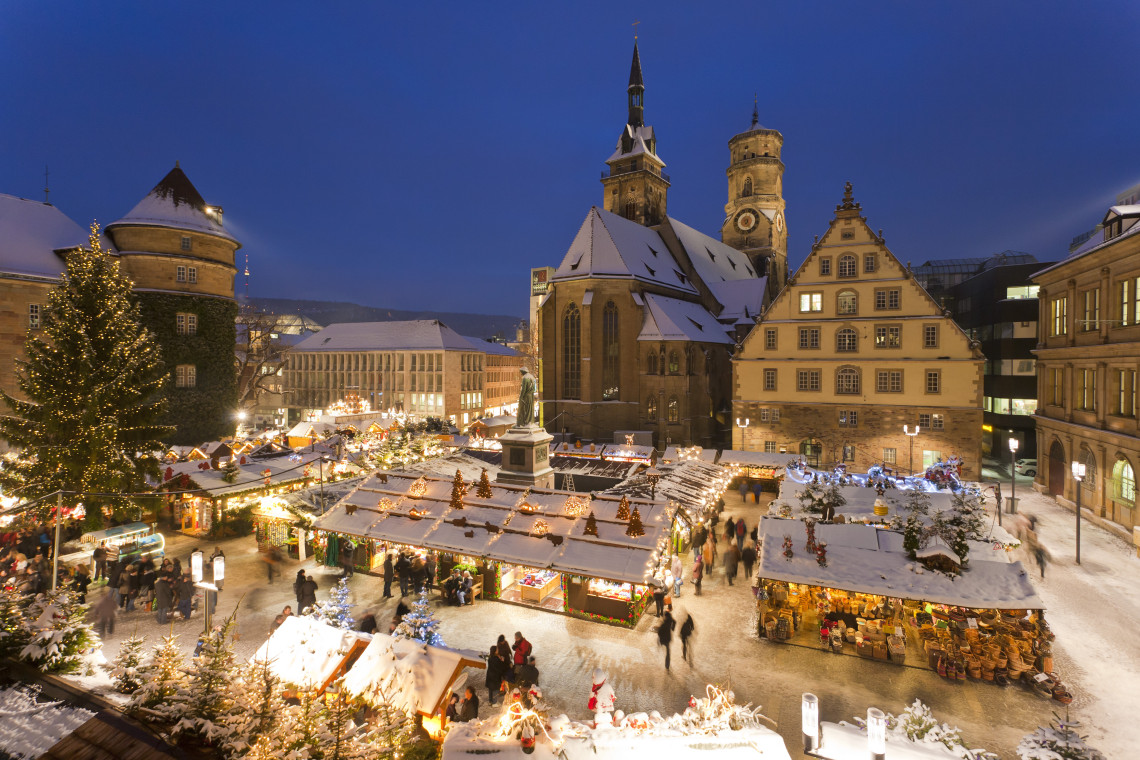
Christmas markets (nationwide, late November to December 23). Not strictly beer festivals, but every market has Glühwein (mulled wine) and warm winter beer (Glühbier). See the German Christmas Markets guide.
Want to Visit the Franconia Beer Circuit?
The Romantic Road package covers Würzburg (Franconian wine) and Rothenburg (Franconian small breweries), and can extend into Bamberg for the Rauchbier tradition.
See Germany road trip packages →Best Cities to Visit for Beer
Munich. The obvious first choice. Six Oktoberfest breweries, dozens of beer gardens, beer halls, and a beer museum. Base yourself here for a Bavaria beer trip.
Bamberg. The specialist choice. 11 active breweries in a small UNESCO old town, Rauchbier (smoke beer), a proper Franconian brewery restaurant scene. One day from Munich or Nuremberg.
Cologne. The Kölsch culture city. Seven Christmas markets in December make it a strong winter beer trip destination as well.
Düsseldorf. For Altbier and the Altstadt bar crawl. Half a day, often paired with Cologne.
Nuremberg. Franconian brewing tradition plus the Christkindlmarkt in December. Rothenburg and Bamberg are both an easy train ride away.
Berlin. For contemporary craft beer alongside Berliner Weisse traditions. Not the classical German beer trip, but the most interesting for a modern craft palette.
Stuttgart. For Cannstatter Wasen if you cannot get Oktoberfest tent reservations. Smaller international profile means easier hotel booking.
Practical Details
Legal drinking age. 16 for beer and wine, 18 for spirits. Enforcement is polite but real.
How much beer costs. At Oktoberfest a Maß runs meaningfully more than at a Munich beer garden the rest of the year. At a Cologne Brauhaus, a Stange is cheap. Regional beer garden prices are among the most affordable in Western Europe.
Non-alcoholic options. Alkoholfrei (non-alcoholic) beers are widely available and taken seriously in Germany. Weissbier alkoholfrei is one of the best non-alcoholic beers made anywhere. Radler (beer with lemonade) is also common.
Kids at beer venues. Beer gardens are family-friendly in Bavaria; children play in dedicated areas and eat proper food. Beer halls are less kid-focused but generally welcome families during the day.
Take home. Bavarian breweries often sell 6-packs at the brewery shop. TSA rules limit liquid in checked luggage; wrap carefully or use special beer travel cases.
Frequently Asked Questions
What is the best beer in Germany? Contested. The most awarded and most consistently well-regarded are Augustiner Helles (Munich), Aecht Schlenkerla Rauchbier (Bamberg), and Uerige Altbier (Düsseldorf). Locally, dozens of small breweries make excellent beer that never leaves the region.
Is the Reinheitsgebot still in effect? Yes, in Bavaria as state law. Nationally, a modified version applies. In practice most German breweries still voluntarily follow the traditional recipe.
What is Kölsch? A light top-fermented ale brewed only within Cologne under a 1985 legal agreement, served in 0.2-liter Stange glasses. See our Cologne guide for the full breakdown.
What is the difference between Helles and Pilsner? Helles is Munich, more malty, less hoppy, softer. Pilsner is national, more hoppy, drier, more bitter. Both are golden lagers.
Is Weissbier the same as Hefeweizen? Yes, mostly. Weissbier (or Weizenbier) is Bavarian wheat beer. Hefeweizen specifically refers to the unfiltered cloudy version (Hefe means yeast).
What is Bamberg's Rauchbier? Smoke beer, brewed with malt smoked over beechwood. Tastes like liquid campfire or bacon. Distinctive and polarizing. Aecht Schlenkerla is the classic brewery.
Can I drink German beer if I do not like American beer? Very likely yes. German beer is fresher, cleaner, and often less bitter than mass-produced American lagers. Weissbier and Helles are particularly approachable for travelers who do not usually drink beer.
Is Oktoberfest worth it? Yes, once, if you can arrange the hotel booking and tent reservations 6 to 9 months in advance. Not worth the money or the crowds without the tent reservation.
What is the best month to visit for beer culture? May through September for outdoor beer gardens. Late September to early October for Oktoberfest specifically. March for Starkbierzeit. Late November to December for Christmas market Glühwein.
How is German beer different from Belgian beer? Different traditions entirely. Belgian is trappist, lambic, fruit, and stronger yeast character. German is lager-dominant, cleaner, more restrained. Both are excellent, categorically different.
What is a Radler? Beer mixed with lemonade, roughly 50/50. Refreshing on a hot day. Popular at beer gardens in summer.
Should I ask about the tap or the bottle? Most German beer is served on tap. Bottles are common at supermarkets and for take-home. In a Brauhaus, always order from the tap.
Are there English-speaking brewery tours? Yes, in Munich, Cologne, Bamberg, and Berlin. Book ahead in high season. Beer museums (Franziskaner Weissbier Museum in Munich, Bavarian Beer Museum in Kulmbach, Beer Museum in Berlin) offer English tours.
Can I combine a beer trip with the Rhine or the Romantic Road? Yes. Rhine River trip covers Cologne (Kölsch) as a natural stop. Romantic Road covers Würzburg (Franconian wine and small breweries), Rothenburg, and can extend into Bamberg for the specialist beer city.
What is the best souvenir to bring home? A specific brewery-branded Kölsch Stange (0.2L glass), a Weissbier vase glass, or a Bamberg Rauchbier bottle wrapped very carefully. Beer coasters (Deckel) are free and travel well.
Germany, One Beer at a Time
Munich for Bavarian lager, Cologne for Kölsch, Bamberg for Rauchbier, Düsseldorf for Altbier. Yes Getaways builds the trip around the beer cities that matter to you.
Keep reading
Oktoberfest Munich: The Complete Guide
Dates, tents, beer prices, and how to actually enjoy it.
Cologne & the Rhineland Complete Guide
The Kölsch capital, the seven Christmas markets, and day trips.
Munich: The First-Timer's Complete Guide
Beer halls, beer gardens, and the Bavarian capital.