July 28, 2026 • 10 min read
Germany rewards almost every month of the year, but the trip you have depends entirely on when you go. Munich in February is a different city to Munich in September. Berlin in April is a different capital to Berlin in December. The Rhine Valley in May is a different river to the Rhine Valley in October.
This guide walks you through Germany season by season, then breaks down the best months by region and by activity, so you can match your trip to the moment.
The short answer
For most North American travelers visiting Germany for cities, castles, and culture, the two sweet spot windows are mid May to late June and early September to mid October. You get mild weather, longer daylight than the shoulder months, meaningfully smaller crowds than July and August, and prices well below summer peak.
If you are going for Oktoberfest in Munich, the dates are fixed: mid September to early October (exact dates vary yearly). If you are going for Neuschwanstein Castle and the Bavarian Alps, target mid May to early October. If you are going for Christmas markets (Nuremberg, Dresden, Cologne, Munich, Berlin), target late November to December 23. If you are going for Rhine River cruises, target April to mid October.
Spring (April to June): the sweet spot for cities and castles
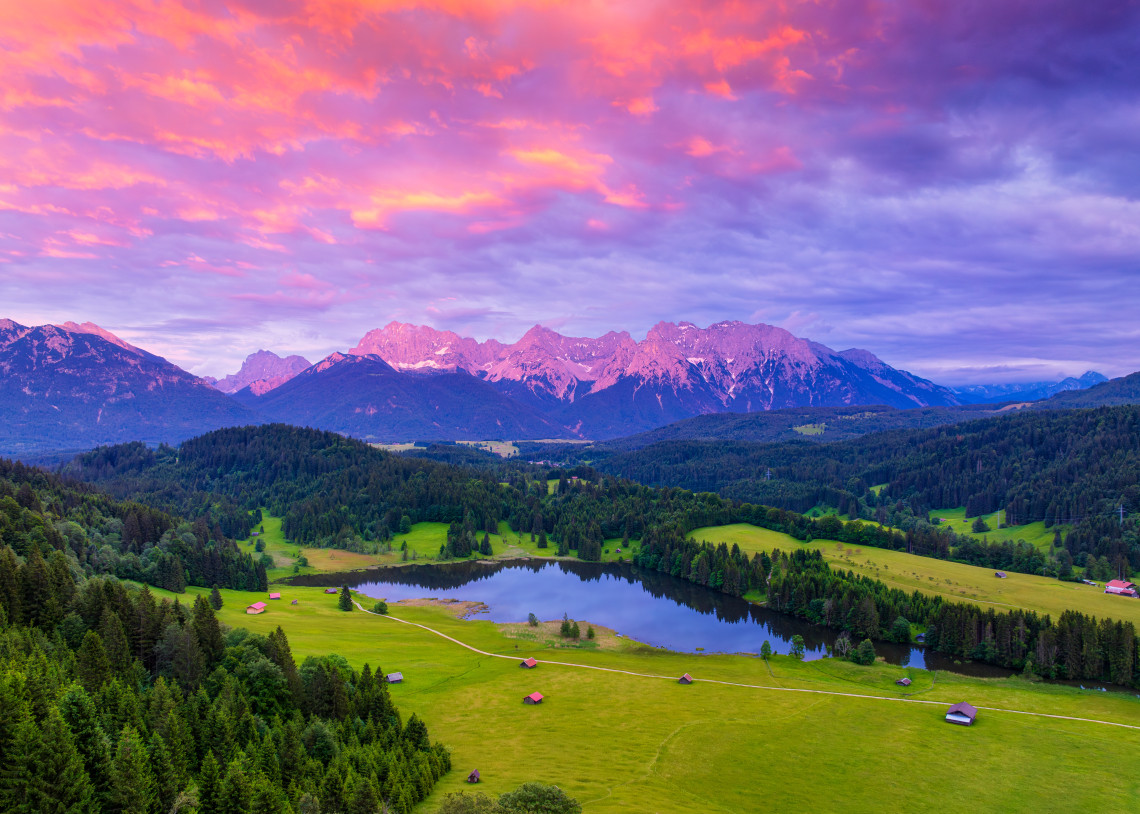
Spring is when Germany delivers on its postcards. Cherry blossoms line Bonn's Heerstrasse and Bamberg's Altstadt in April. The Rhine Valley vineyards leaf out and terraces open along the river in May. The Bavarian Alps clear of snow and the meadows fill with wildflowers by early June. Munich daytime temperatures rise from 15°C / 59°F in April to 22°C / 72°F by early June. Berlin averages 18-22°C / 65-72°F.
Pros: Excellent weather for walking cities and visiting castles. Lighter museum lines than summer. The Rhine River cruise season begins in mid-April. Neuschwanstein's timed tickets are more available than in July-August. Beer gardens open across Munich and Franconia when temperatures hit 15°C / 60°F. Late April brings the White Asparagus season (Spargel), a national obsession that runs to Saint John's Day on June 24.
Cons: Easter brings domestic crowds, especially in Rothenburg, Munich, and the Romantic Road. Alpine passes may still have snow through April. Some Rhine castle interiors do not reopen from winter closure until mid-April. Rain is more frequent than in mid-summer.
Best for: First time Germany trips, Bavaria + Neuschwanstein, Rhine River cruises, Romantic Road driving, cherry blossom photography in Bonn or Bamberg.
Summer (July to August): the peak season and the Alpine sweet spot
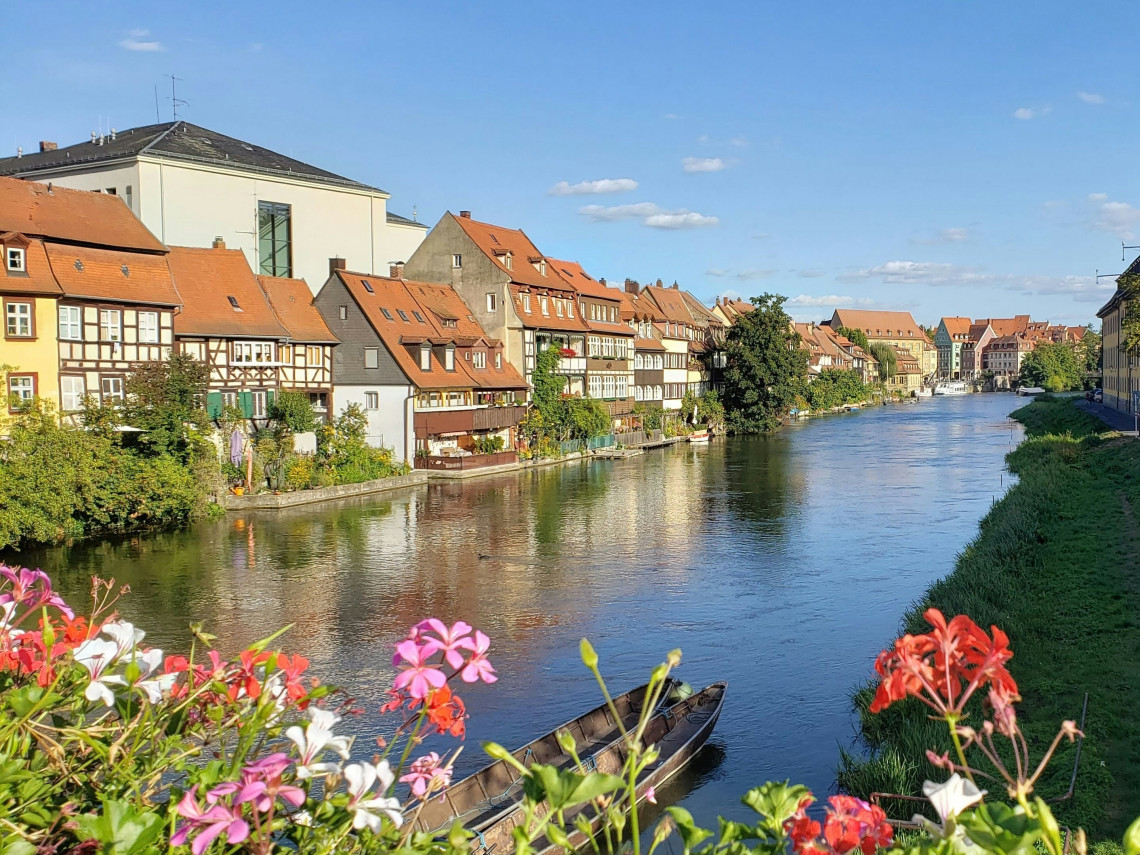
Germany in high summer splits cleanly. The cities (Berlin, Munich, Frankfurt, Hamburg) fill with international tourists. The Alps become the country's hiking playground. The North Sea and Baltic coast (Sylt, Rügen, Usedom) transform into beach destinations that most non-Germans do not know about.
Pros: Alpine hiking at its best (all trails open, gondolas running). Long daylight (sunset around 9:30-10pm at midsummer). Rhine River at maximum cruise season. Bayreuth Festival (Wagner operas, late July to late August). Berlin's outdoor culture (Tempelhof beach, lake swimming at Wannsee and Müggelsee, open-air cinemas). Beer garden season peak.
Cons: Highest prices of the year, especially in Munich and the Bavarian Alps. Neuschwanstein Castle timed tickets sell out weeks ahead. Rothenburg's tour bus crush 10am-4pm becomes overwhelming. German school holidays vary by state but generally run July to early September, so major domestic travel adds to the crush. Thunderstorms increase from late July.
Best for: Alpine hiking (Bavarian Alps, Berchtesgaden, Zugspitze), coastal escapes (Sylt, Rügen), Bayreuth Festival, beer garden culture, families with school-age children.
Fall (September to October): Oktoberfest, wine harvest, empty castles
September is arguably the single best month to visit Germany for most travelers. Summer crowds start to clear (except during Oktoberfest weeks), the weather is still warm, and the Rhine Valley wine harvest transforms the region.
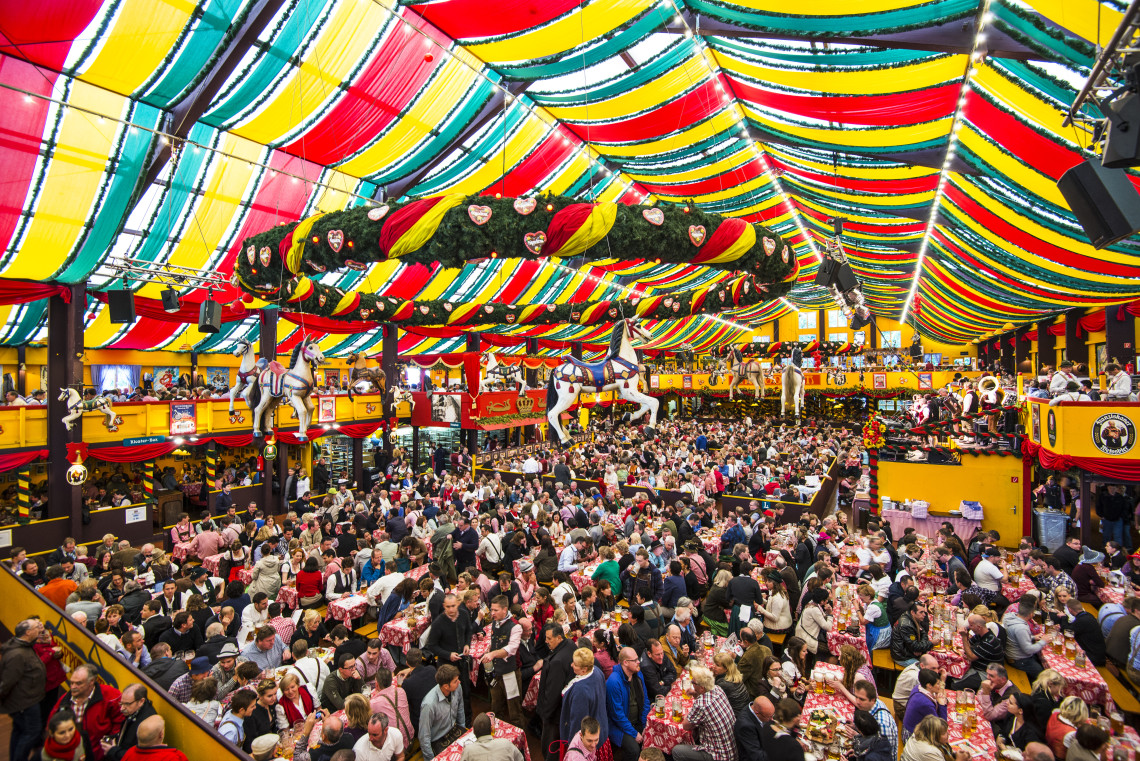
Oktoberfest dominates Munich from mid September to the first weekend of October. Munich hotel prices double or triple. The rest of Germany remains largely normal, so travelers who want Bavarian atmosphere without the beer-tent crush can visit Nuremberg, Rothenburg, or the Bavarian Alps during Oktoberfest weeks with much fewer crowds than expected.
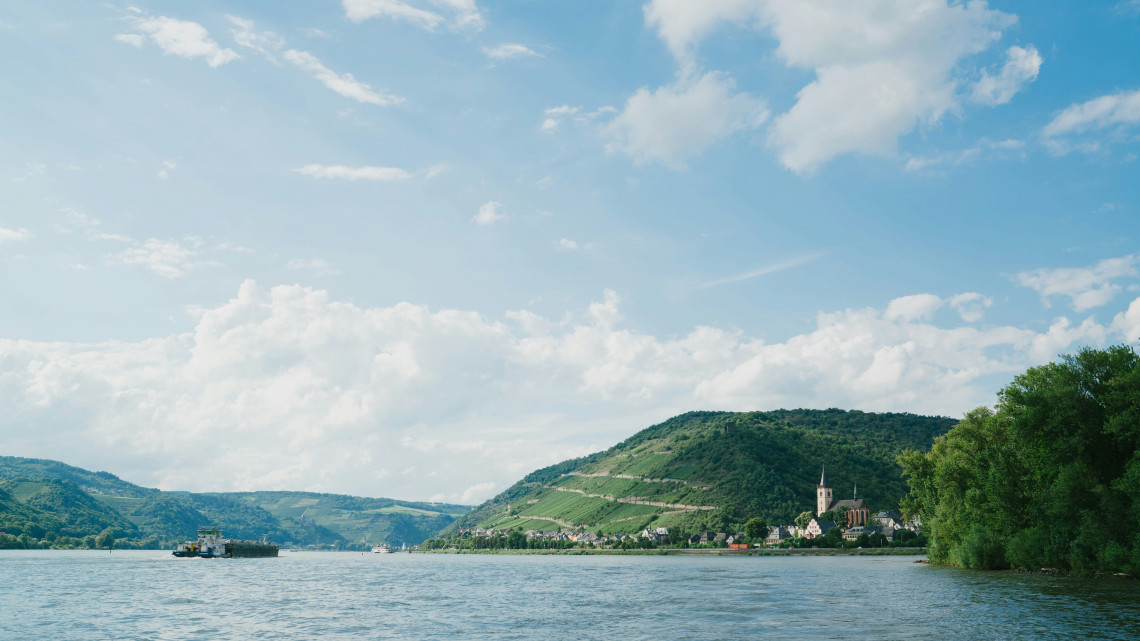
Pros: Comfortable temperatures (18-22°C / 65-72°F in September, cooling to 12-18°C / 54-65°F in October). Rhine and Mosel wine harvest (Weinlese) — one of Europe's great wine seasons, with village wine festivals every weekend from late August to mid-October. Alpine hiking still fully accessible through October at lower elevations. Fall foliage across the country in mid to late October. Oktoberfest atmosphere in Munich (mid September to first weekend of October).
Cons: Weather becomes unpredictable in late October. Neuschwanstein Castle gets slightly foggier and mistier photos. Rain increases. Some Rhine cruises reduce or end in mid-October.
Best for: Oktoberfest (Munich), Rhine and Mosel wine country, Romantic Road driving with fall foliage, Berlin city breaks after the summer tourist peak, Bavarian Alps for hiking with cooler temperatures.
Winter (November to March): Christmas markets, ski resorts, empty museums
German winter splits into three completely different trips. The cities (Berlin, Munich, Frankfurt, Cologne, Dresden, Nuremberg) come alive for Christmas markets from mid November to December 23-24. The Bavarian Alps turn into a serious ski destination from mid-December to April. The Baltic and North Sea coast empties out and is quiet.
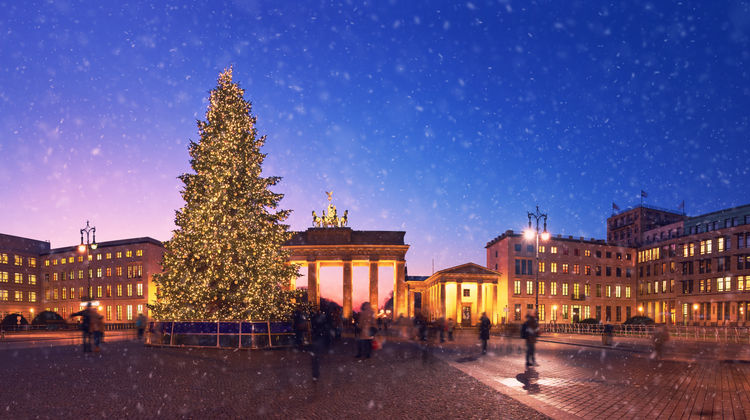
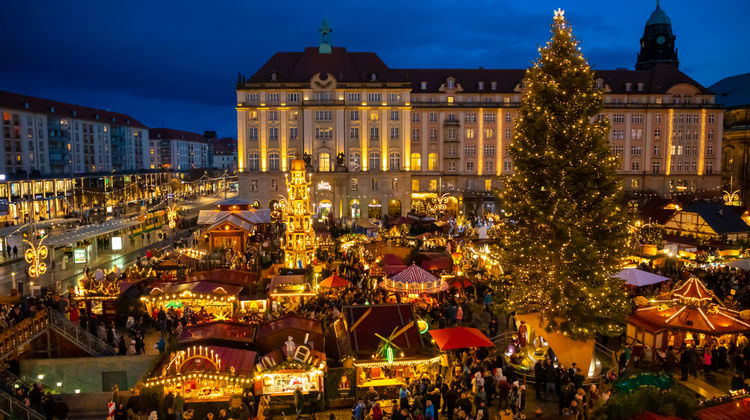
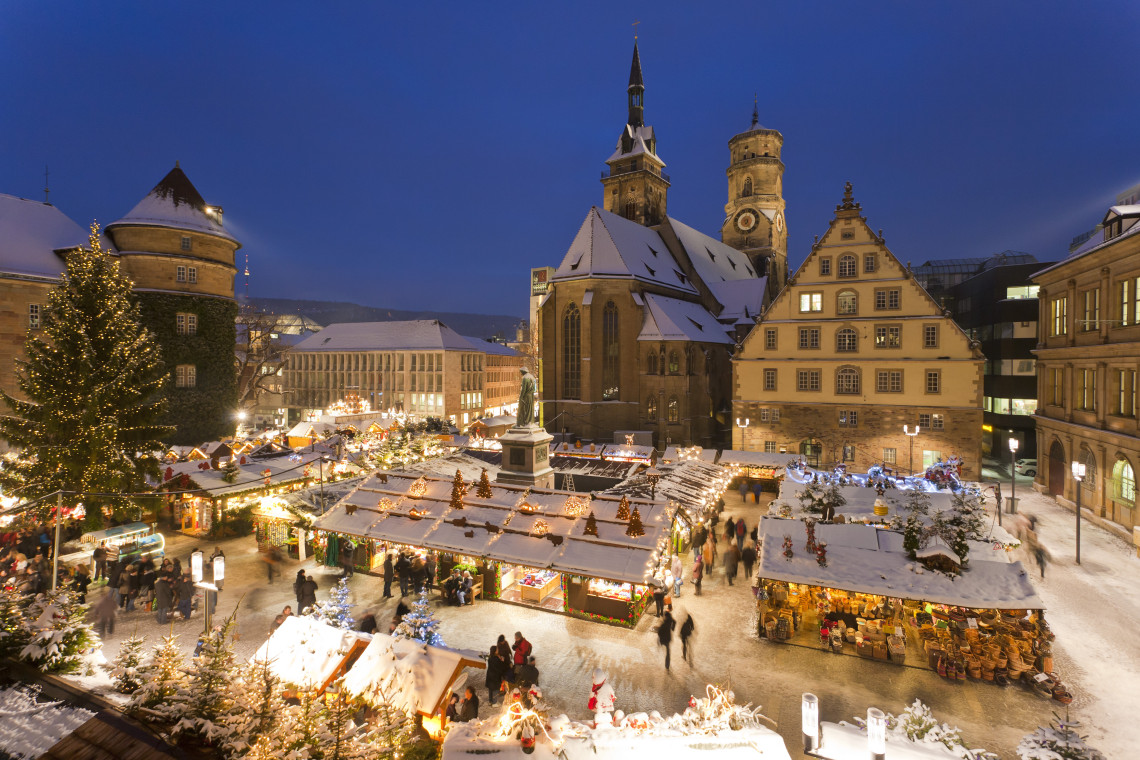
Christmas market season is Germany at its most magical. Nuremberg's Christkindlesmarkt (since 1628), Dresden's Striezelmarkt (oldest documented, since 1434), Munich's 30+ markets, Cologne's 7 markets in walking distance, Berlin's 100+ markets across the city, and Rothenburg's Reiterlesmarkt in the walled town all run late November to December 23-24. This is the peak Germany travel period alongside summer.
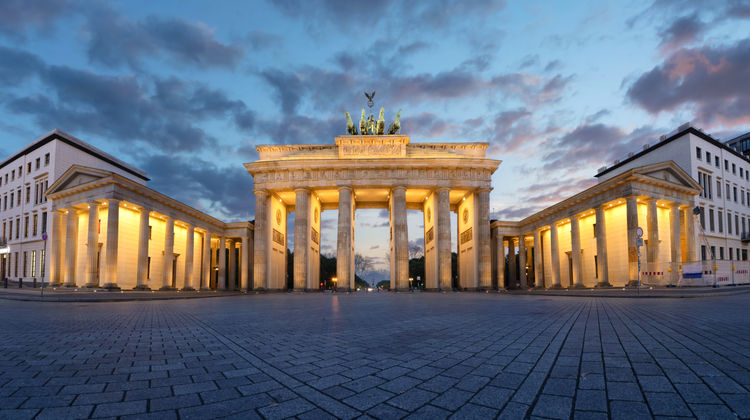
Pros: Christmas markets are Europe's best (Germany invented them). Lowest prices of the year in Berlin and Frankfurt (except during Christmas market season itself). Walk into Berlin museums and the Pergamon and Neues Museum with short lines in January and February. Skiing in the Bavarian Alps from mid-December to April (Garmisch-Partenkirchen, Berchtesgaden, Oberstdorf). New Year's Eve (Silvester) fireworks in Berlin at Brandenburg Gate are one of Europe's biggest civic celebrations.
Cons: Cities are cold and often grey from November through February (0-6°C / 32-43°F daytime). Short daylight (sunset around 4:30-5pm in December). Christmas markets close December 22-24 in most cities (Vienna and Colmar continue longer). Ski resort prices peak in the Christmas-New Year week and February half-term.
Best for: Christmas markets (mid November to December 23). Skiing in the Bavarian Alps (January to March). Berlin city breaks for winter culture (opera, museums, cabaret). New Year's Eve in Berlin.
The best time to visit Germany, by region
Germany's climate is not one climate. Here is what to know region by region.
Berlin and Northern Germany
- Best months: May to early July, mid September to mid October, late November to December 23 (Christmas markets).
- Why: Continental climate. Summer can be surprisingly warm (peaks 30°C+ in July), winter cold and grey.
- Highlights by season: Spring for the outdoor culture reopening, summer for lake swimming and Tempelhof, fall for museum and opera season, winter for Christmas markets across 100+ locations.
Munich and Bavaria
- Best months: Late April to late June, September (Oktoberfest window), mid to late November for Christmas markets.
- Why: Alpine influence keeps summers cooler than Berlin. Winter is genuinely cold with Alpine wind exposure.
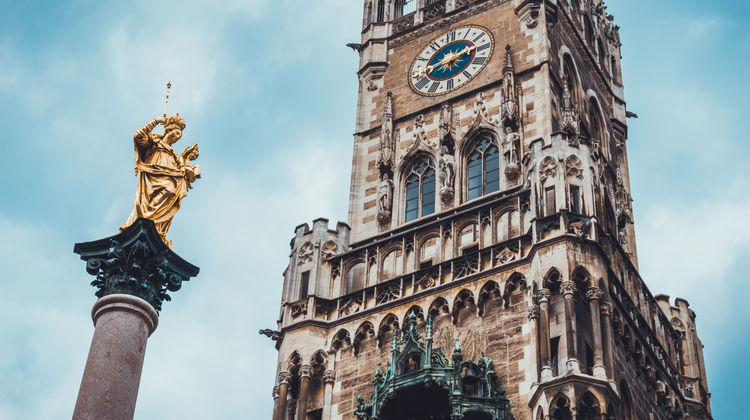
- Highlights: Oktoberfest (mid September to first weekend of October). Christmas markets (Marienplatz + 30+ neighborhood markets). Beer gardens open when temperatures reach 15°C / 60°F.
Nuremberg and Franconia
- Best months: Late April to late June, September, late November to December 23 (Christkindlesmarkt).
- Why: Old town at its best in mild weather. Winter is the essential window for the Christkindlesmarkt.
- Highlights: Nuremberg Christkindlesmarkt (world's most famous). Bamberg's beer culture year-round.
The Rhine Valley (Cologne, Mainz, Rüdesheim, Koblenz)
- Best months: Mid April to mid October for cruises and castle visits.
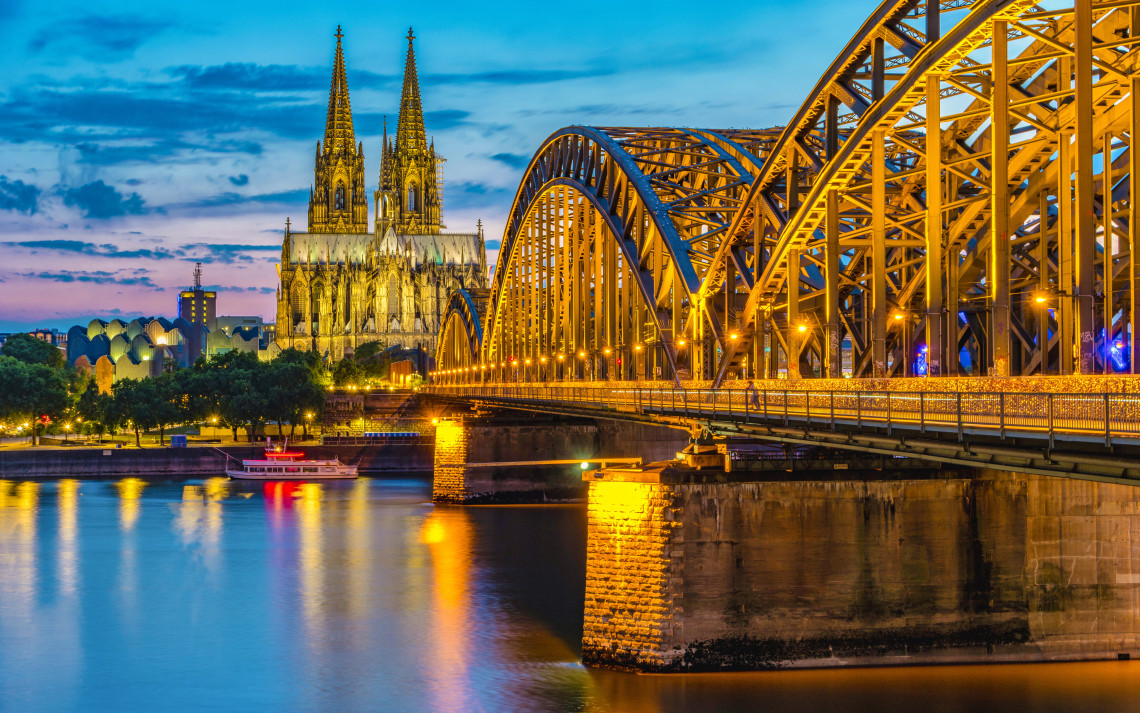
- Why: Milder than the Bavarian Alps due to lower elevation. Cologne's cathedral is spectacular year-round.
- Highlights: Rhine River cruises (April to October). Riesling harvest in the Mosel (September-October). Cologne's 7 Christmas markets (November-December).
The Bavarian Alps (Garmisch, Berchtesgaden, Füssen, Oberstdorf)
- Best months: June to early September for hiking, mid December to mid April for skiing.
- Why: Alpine climate. Summer is short and glorious. Winter is long and snow-reliable.
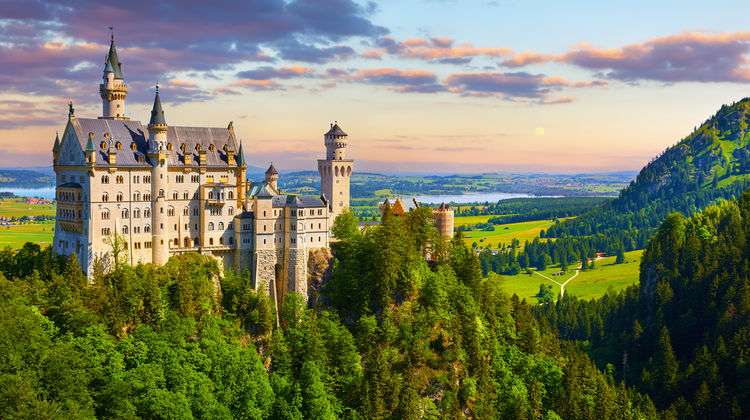
- Highlights: Neuschwanstein Castle (best April-October, avoid February). Zugspitze summit trips. Berchtesgaden National Park.
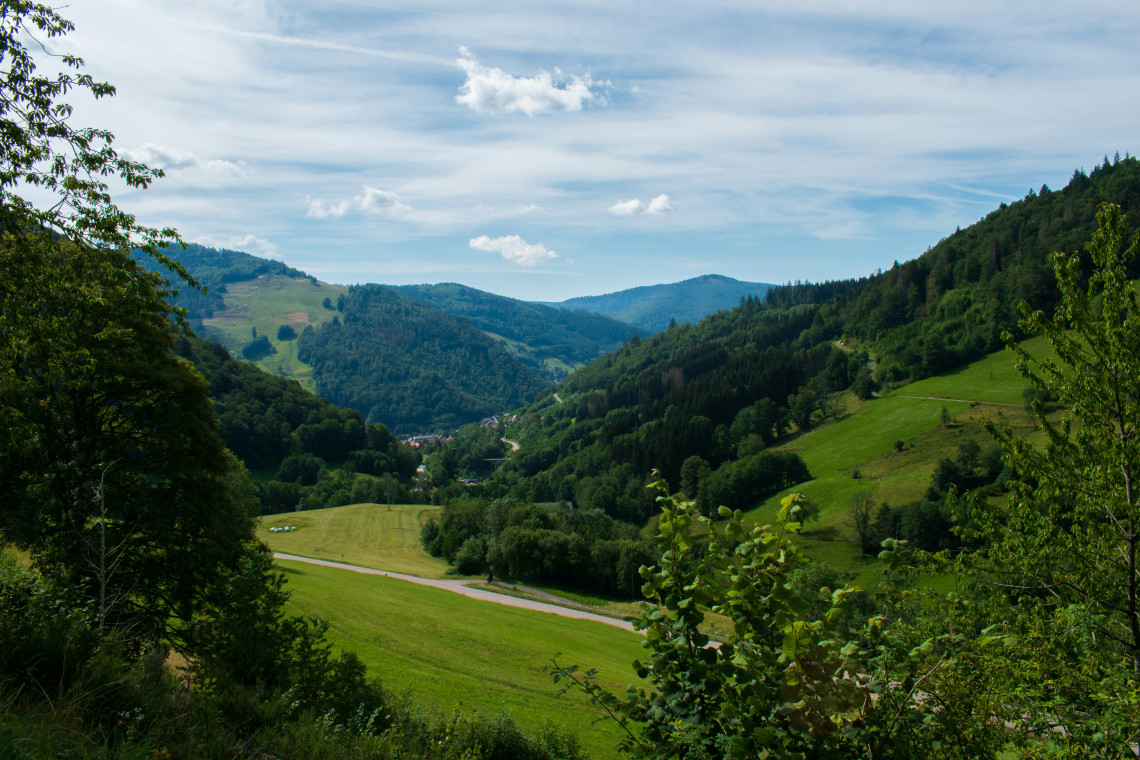
The Black Forest (Baden-Württemberg)
- Best months: Late April to early October.
- Why: Milder than the Bavarian Alps but forest microclimate creates unique weather.
- Highlights: Village-hopping (Triberg, Titisee-Neustadt, Baiersbronn). Spa culture (Baden-Baden). Cuckoo clock ateliers.
Dresden and Saxony
- Best months: Late April to early October, late November to December 23 (Christmas markets).
- Why: Continental climate similar to Berlin. Dresden's baroque architecture rewards mild weather.
- Highlights: Dresden's Striezelmarkt (oldest documented Christmas market, since 1434). Semperoper season (September to June).
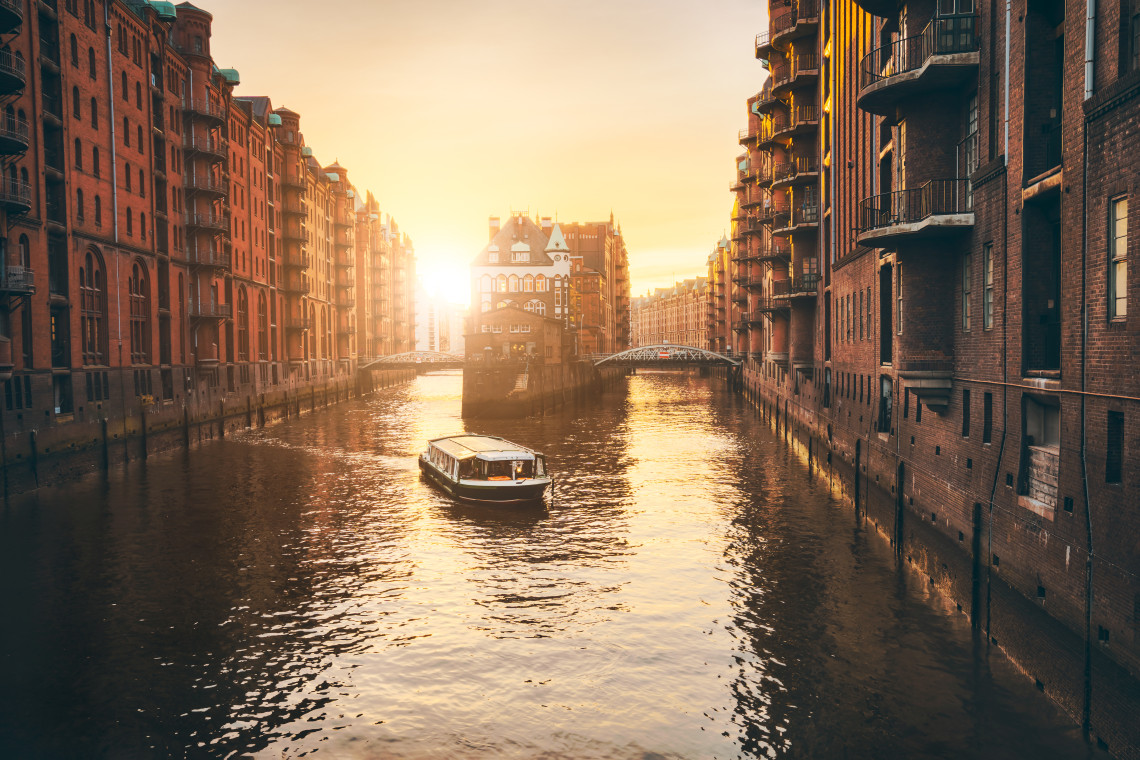
Hamburg and Northern Coast
- Best months: June to early September.
- Why: Maritime climate with cool summers and mild wet winters.
- Highlights: Hamburg's harbor culture. Sylt beach vacations (July-August). Baltic coast cycling.
Best time to visit Germany by activity
- City sightseeing: May to June and September to October.
- Oktoberfest: Mid September to first weekend of October (exact dates vary yearly).
- Christmas markets: Late November to December 23 (Nuremberg, Munich, Dresden, Rothenburg, Cologne, Berlin).
- Rhine River cruises: Mid April to mid October (peak May-July, then wine harvest September).
- Skiing (Bavarian Alps): Mid December to mid April, peak January to mid March.
- Alpine hiking: July to early September.
- Wine harvest (Rhine, Mosel): Mid September to mid October.
- New Year's Eve (Silvester): December 31 (Berlin Brandenburg Gate is one of Europe's biggest civic celebrations).
- Karneval (Cologne, Düsseldorf, Mainz): Late February to early March (Ash Wednesday). Cologne's Rose Monday parade is among Europe's biggest.
- Bayreuth Festival (Wagner operas): Late July to late August (tickets a lottery).
The German holiday calendar
A few dates that shift hotel pricing and crowd patterns across Germany:
- Easter Week (variable, March or April): Munich, Rothenburg, and the Romantic Road peak. Book 3+ months ahead.
- May Day (May 1): National holiday. Many shops closed.
- Karneval season (late February to early March): Cologne, Düsseldorf, Mainz book out for Karneval week. Rose Monday parade is the biggest day.
- Whitsun/Pentecost (variable, late May or June): National holiday, long weekend.
- Corpus Christi (variable, late May or June): Catholic Bavaria observes this; northern Germany doesn't.
- Oktoberfest (mid September to first weekend of October): Munich book out completely. Book 6+ months ahead.
- German Unity Day (October 3): National holiday.
- All Saints' Day (November 1): Catholic states observe (Bavaria, NRW, etc.); north doesn't.
- Christmas Eve (December 24): Most Christmas markets close 2pm. Restaurants close early.
- Christmas Day and Boxing Day (December 25-26): Almost everything closed.
- New Year's Eve (December 31): Berlin peak. Fireworks are civic; not one central display but hundreds simultaneously.
Bottom line
For most North American travelers visiting Germany for the first time, the answer is May to June for city and castle combinations, September for Oktoberfest and wine harvest, or late November to December 23 for Christmas markets.
If your trip must be in summer, weight the Bavarian Alps and the coast rather than pure city touring. If your trip must be in winter, weight either Christmas markets or Alpine skiing.
Frequently asked questions
What is the best month to visit Germany? For most travelers: May, September, or early October. These months balance good weather, fewer crowds, and lower prices across the most regions.
Is Germany too hot in summer? Rarely. Berlin can hit 30°C+ / 86°F in July heat waves but rarely for long. Munich and the Alps stay pleasant (18-25°C / 65-77°F). Nothing like Rome or Athens.
When is the rainy season in Germany? No dry season really — Germany gets rain year-round, but July has the highest daily rainfall (thunderstorms) and February the lowest.
What is the cheapest time to visit Germany? Early November (before Christmas markets), mid January (after New Year), and February. Berlin's cheapest window is January-February, when hotels drop by 30-40% from December.
Is December a good time to visit Germany? Yes for Christmas markets (Nuremberg, Dresden, Munich, Rothenburg, Cologne, Berlin). Excellent for skiing in the Bavarian Alps from mid December. Cities are cold and grey between market season and New Year.
When is Oktoberfest in Munich? Mid September to the first weekend of October. Exact dates vary yearly. Book Munich hotels 6+ months ahead — the city sells out completely during Oktoberfest weeks.
When are Germany's Christmas markets open? Most open the fourth Friday of November and run to December 23 or 24. Nuremberg runs November 27 to December 24 in 2026. Dresden Striezelmarkt November 26 to December 24. Munich late November to December 24.
When is the best time to visit Neuschwanstein Castle? May to October for the exterior views (green forests) or December to March for snow shots. Book timed tickets weeks ahead in July-August. February gives dramatic snow scenes but limited daylight and cold hike to viewpoints.
When can I ski in Germany? Mid December to mid April at Bavarian Alps resorts (Garmisch-Partenkirchen, Zugspitze, Berchtesgaden, Oberstdorf, Reit im Winkl). Higher-altitude resorts (Zugspitzplatt) open earlier and close later.
When is the Rhine wine harvest? Mid September to mid October. Village wine festivals across the Rhine and Mosel valleys every weekend during this window. The best time for Riesling tastings at source.
Germany by season, hand-built.
Our Germany travel experts pair your dates to the right region and the right experience.
See Germany Packages Tailor-Made Trip