July 28, 2026 • 12 min read
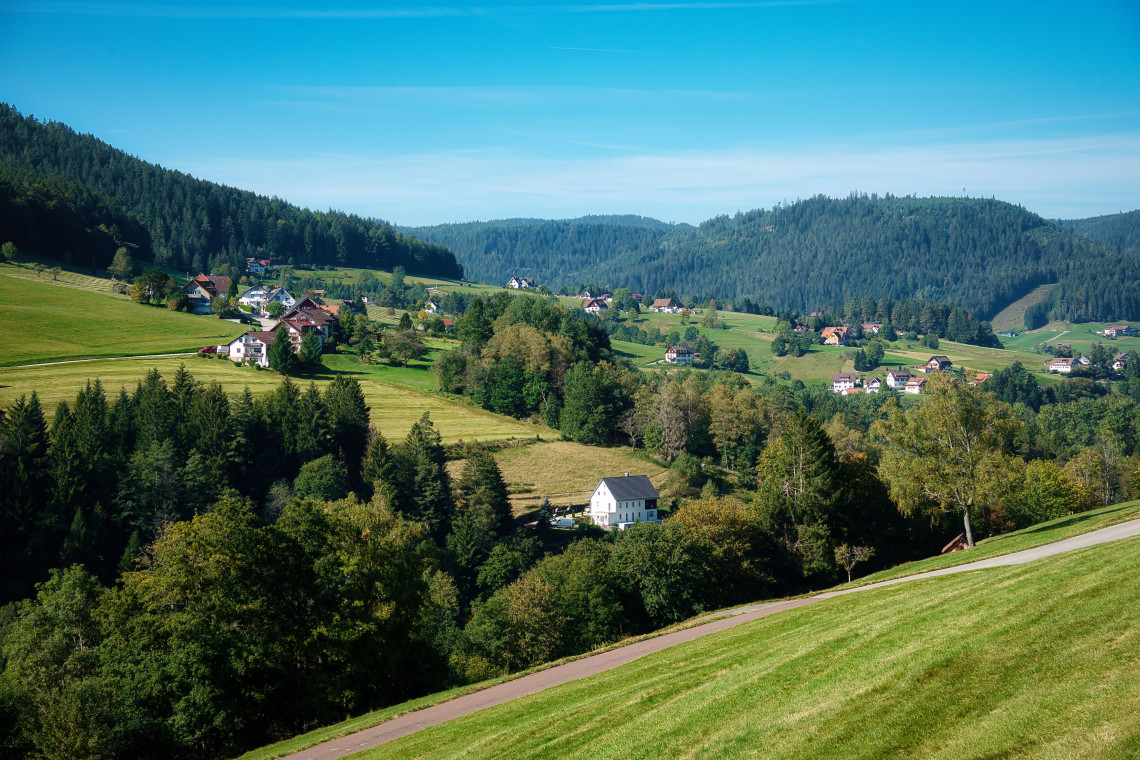
The Black Forest (Schwarzwald) is Germany's fairy-tale region. 6,000 square kilometers of dark pine forests, half-timbered villages, cuckoo clock ateliers, thermal spa towns, and the highest concentration of Michelin-starred restaurants outside Paris. The Grimm brothers set several fairy tales here. The tradition of the cuckoo clock started here. The tradition of Black Forest cake (Schwarzwälder Kirschtorte) started here.
This guide covers the essential villages (Triberg, Titisee-Neustadt, Freiburg, Baiersbronn), the classic Schwarzwaldhochstrasse (Black Forest High Road) driving route, spa towns (Baden-Baden), and the food and craft traditions that make the region distinctive.
The short answer
Where: Southwest Germany, Baden-Württemberg state. From Karlsruhe (north) to Basel (south), between the Rhine River (west) and the Danube source (east). About 160 km long, 60 km wide.
How to explore: Rental car essential. The Schwarzwaldhochstrasse (Black Forest High Road, 60 km) from Baden-Baden to Freudenstadt is the classic scenic drive. Regional trains reach some hubs (Freiburg, Triberg, Titisee, Baden-Baden) but villages are car-only.
Best time: Late April to early October for full village access. September-October for autumn colors.
Where to base: Baden-Baden (spa town, northern entry), Freiburg (southern city, university town), Baiersbronn (culinary destination), or Triberg (cuckoo clock capital).
Combine with: Strasbourg (Alsace, 30 min from Baden-Baden), Rhine Valley (2h north), Zurich (2h south), Munich (3h30m east).
The essential villages and towns
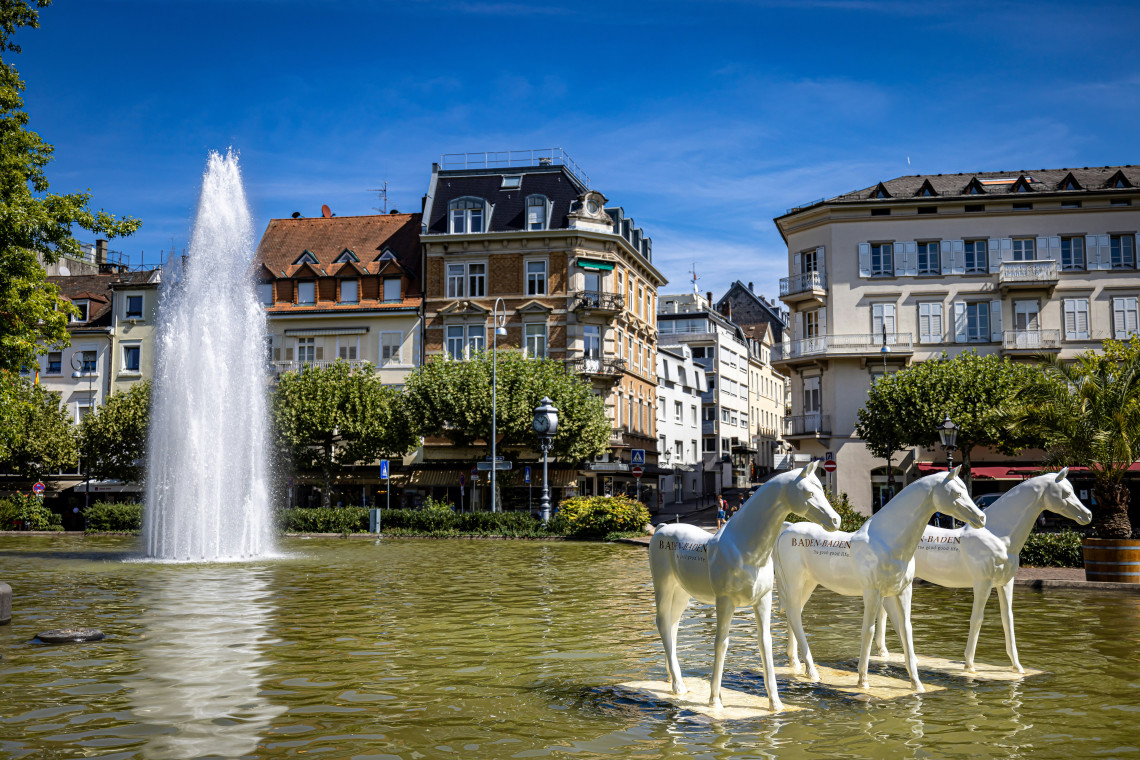
Baden-Baden (northern entry)
Where: Northern Black Forest, 60 km south of Karlsruhe.
Why it matters. Belle Époque spa town. During the 19th century, this was Europe's Monte Carlo — royalty, artists, gamblers, and thermal spa visitors converged here. The Kurhaus casino (still operating), the Trinkhalle promenade, and the Friedrichsbad thermal bathhouse (1877, historic) all remain. Baden-Baden also hosts the Festspielhaus, one of Europe's finest concert halls.
Essential experiences:
- Friedrichsbad — historic Roman-Irish bath ritual (17 stations, 3 hours, nude). One of Europe's great spa experiences.
- Caracalla Therme — modern thermal complex with saunas and outdoor pools. Swimsuits allowed.
- Kurhaus casino — one of Europe's oldest still-operating casinos.
- Lichtentaler Allee — 3 km promenade along the Oos river.
- Merkur mountain funicular — panoramic Black Forest views.
- Baden-Baden Christmas Market — small but atmospheric (November-December).
Freiburg (southern entry, university city)
Where: Southern Black Forest, 60 km north of Basel. Population 235,000.
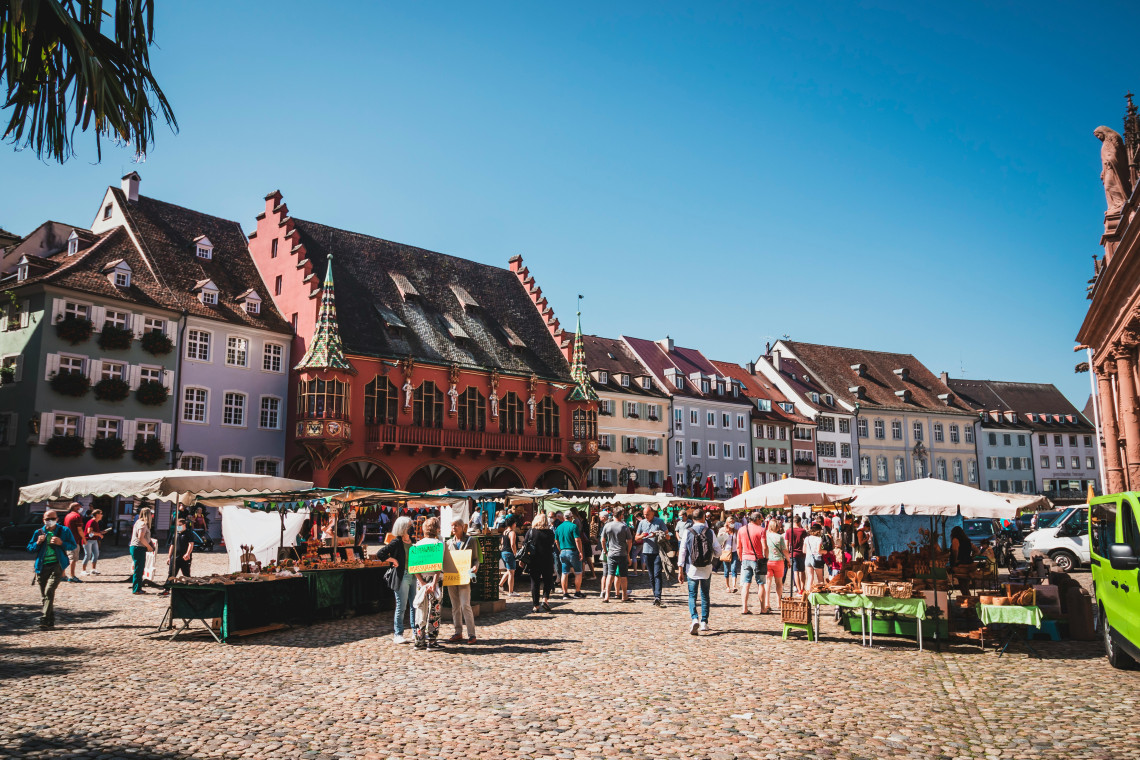
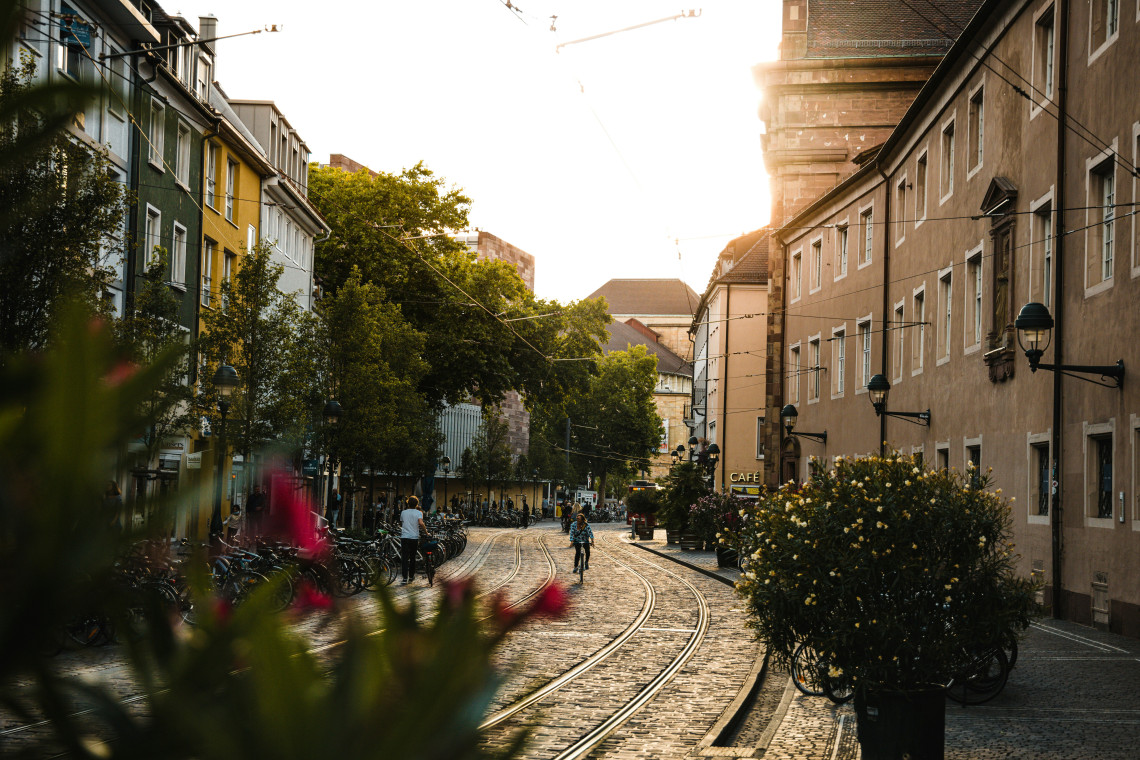
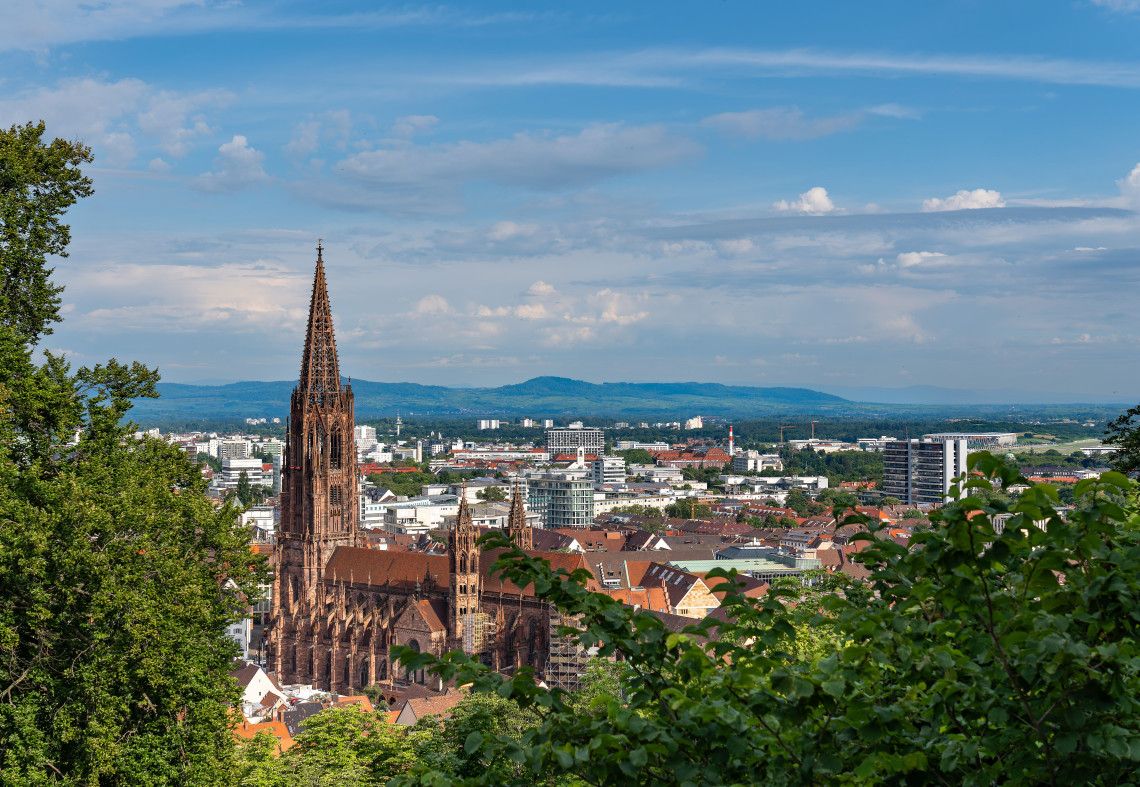
Why it matters. Germany's sunniest city (about 1,700 sunshine hours annually — more than the Mediterranean coast) at the foot of the southern Black Forest. Medieval old town with the Freiburg Minster (Münster) cathedral, the Bächle (small water channels running through the streets), and the university atmosphere.
Essential experiences:
- Freiburg Münster — sandstone gothic cathedral, climb the tower for Black Forest and Vosges views.
- Münstermarkt — daily market (Monday-Saturday) in front of the cathedral.
- The Bächle water channels — walking through the old town, don't accidentally step in one (superstition: you'll marry a local).
- Schauinsland Mountain cable car — 20 minutes from the city, panoramic Black Forest views.
Triberg (cuckoo clock capital)
Where: Central Black Forest, 100 km southeast of Baden-Baden.
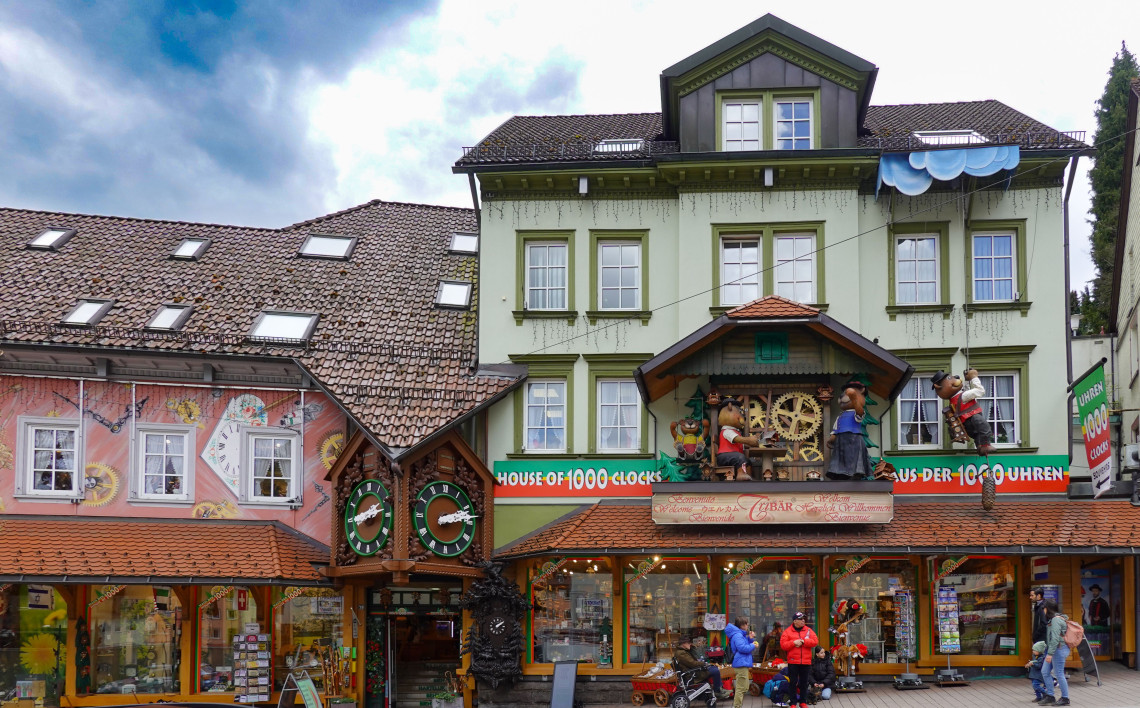
Why it matters. Cuckoo clock manufacturing capital of Germany, plus home to Germany's tallest waterfalls (Triberger Wasserfälle, 163m over multiple cascades). Cuckoo clock ateliers line the main road, including the "world's largest cuckoo clock" (the giant clock at Eble Uhren-Park, house-sized).
Essential experiences:
- Triberg Waterfalls — 30-min uphill walk to the top through the forest.
- House of 1000 Clocks — cuckoo clock retail cathedral. Multiple stories of clocks ticking simultaneously.
- World's Largest Cuckoo Clock (Eble Uhren-Park) — a house-sized cuckoo clock that visitors can enter.
- Black Forest Museum — regional history and craft (Schwarzwaldmuseum).
Titisee-Neustadt (lake resort)
Where: Southern Black Forest, 30 km east of Freiburg.
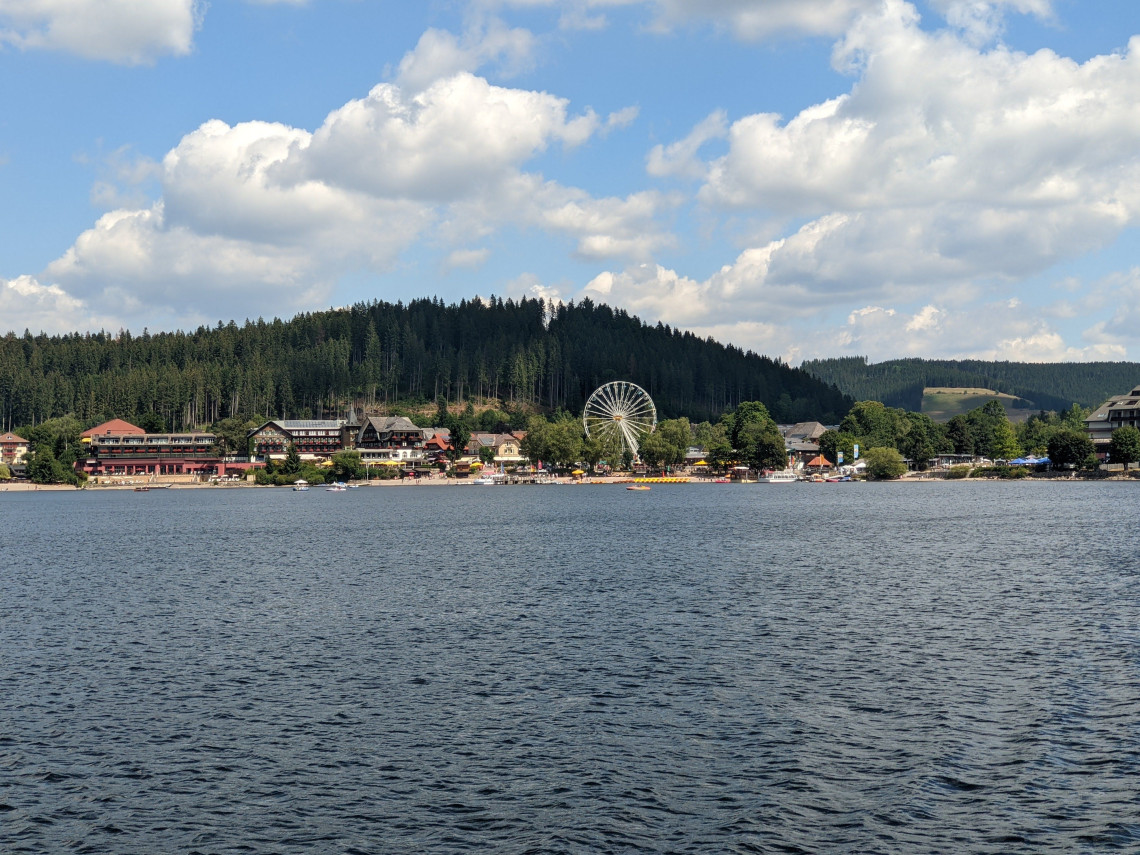
Why it matters. Lakeside resort town on Lake Titisee, a natural glacial lake surrounded by pine forests. Cuckoo clock and Bollenhut hat traditions (the red-pom-pom hat is the Black Forest's iconic image). Winter skiing at Feldberg (Germany's highest peak in the southern Black Forest, 1,493m).
Essential experiences:
- Lake Titisee — swimming (June-August), boat rides, lakeside promenade.
- Feldberg mountain — winter skiing, summer hiking.
- Hinterzarten — a nearby village with the German Skiing Museum.
Baiersbronn (Michelin-starred culinary destination)
Where: Northern Black Forest, 60 km southwest of Stuttgart.
Why it matters. Baiersbronn has more Michelin stars per capita than almost any other European village. Three restaurants hold three Michelin stars: Schwarzwaldstube (traditional), Restaurant Bareiss (elegant), and Restaurant Schlossberg. All within a 5 km radius in a village of 15,000 people. This is Germany's culinary Mecca.
Essential experiences:
- Three-star dinner at Schwarzwaldstube, Restaurant Bareiss, or Schlossberg (book 3-6 months ahead).
- Traumpfade hiking trails — 400+ km of Black Forest trails around Baiersbronn.
- Local Black Forest ham (Schwarzwälder Schinken) production tours.
Gengenbach (medieval walled town)
Where: Between Baden-Baden and Freiburg, about 70 km south of Karlsruhe.
Why it matters. One of Germany's most beautiful medieval walled towns. Half-timbered houses, cobblestone streets, town walls preserved. During Advent, the town hall becomes the "world's largest Advent calendar" with 24 windows revealed one per day.
Schiltach (half-timbered gem)
Where: Central Black Forest, 30 km northwest of Triberg.
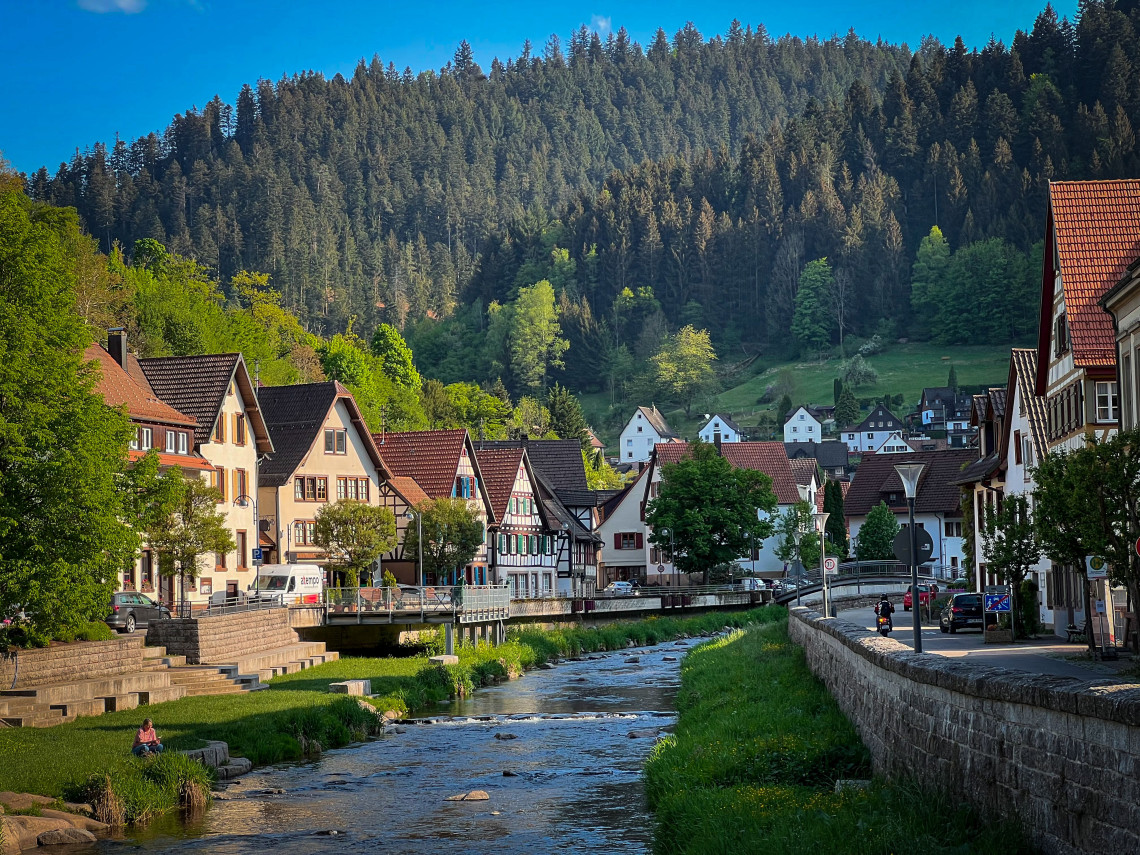
Why it matters. Preserved half-timbered village along the Schiltach river. Cobblestone marketplace with painted timber facades. Small but photogenic.
The Schwarzwaldhochstrasse (Black Forest High Road)
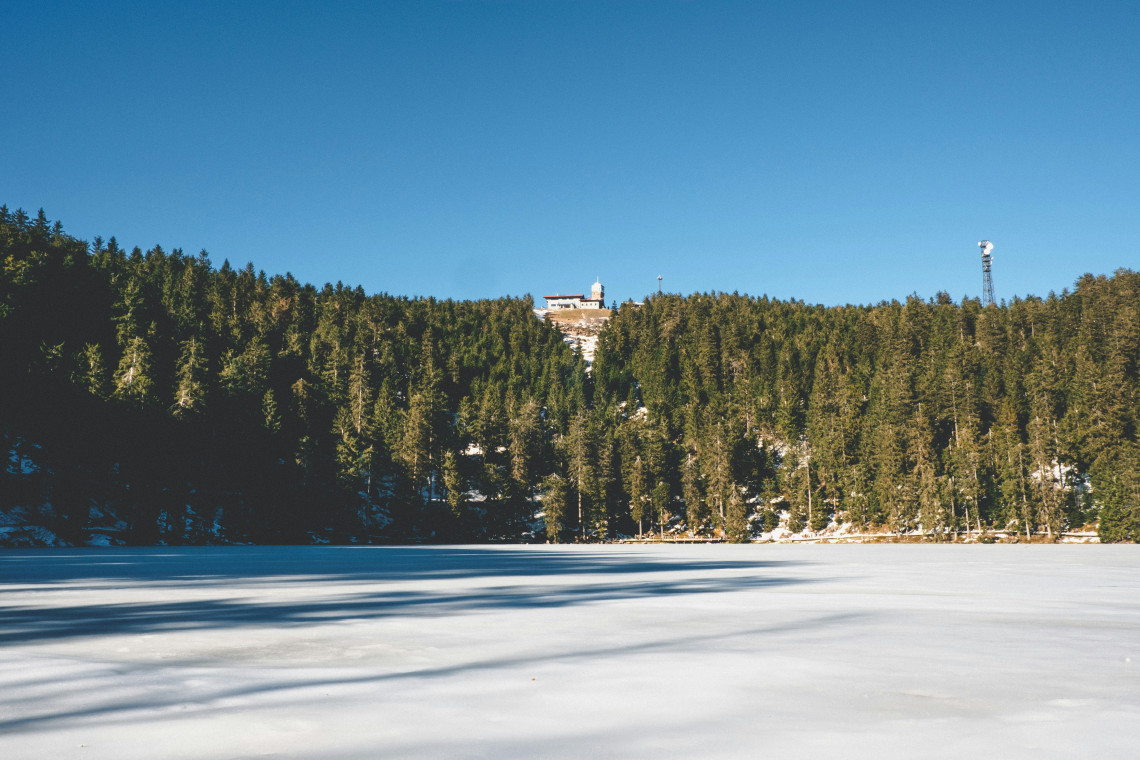
The B500 Schwarzwaldhochstrasse is a 60-km scenic road from Baden-Baden to Freudenstadt through the northern Black Forest. Built in 1930 as a tourist road, it winds through the highest elevations (over 1,000m), past viewpoints, forest inns, and small resort villages.
Key stops:
- Mummelsee — small mountain lake, popular short walking loop.
- Alexanderschanze pass — highest point of the road.
- Ruhestein ski area — winter sports base.
- Freudenstadt — southern terminus, largest market square in Germany.
Driving time: 1h30m without stops. Full day trip with stops.
Best time: May to October. Winter possible with snow tires but many pull-offs closed.
The Black Forest food traditions
Black Forest Cake (Schwarzwälder Kirschtorte)
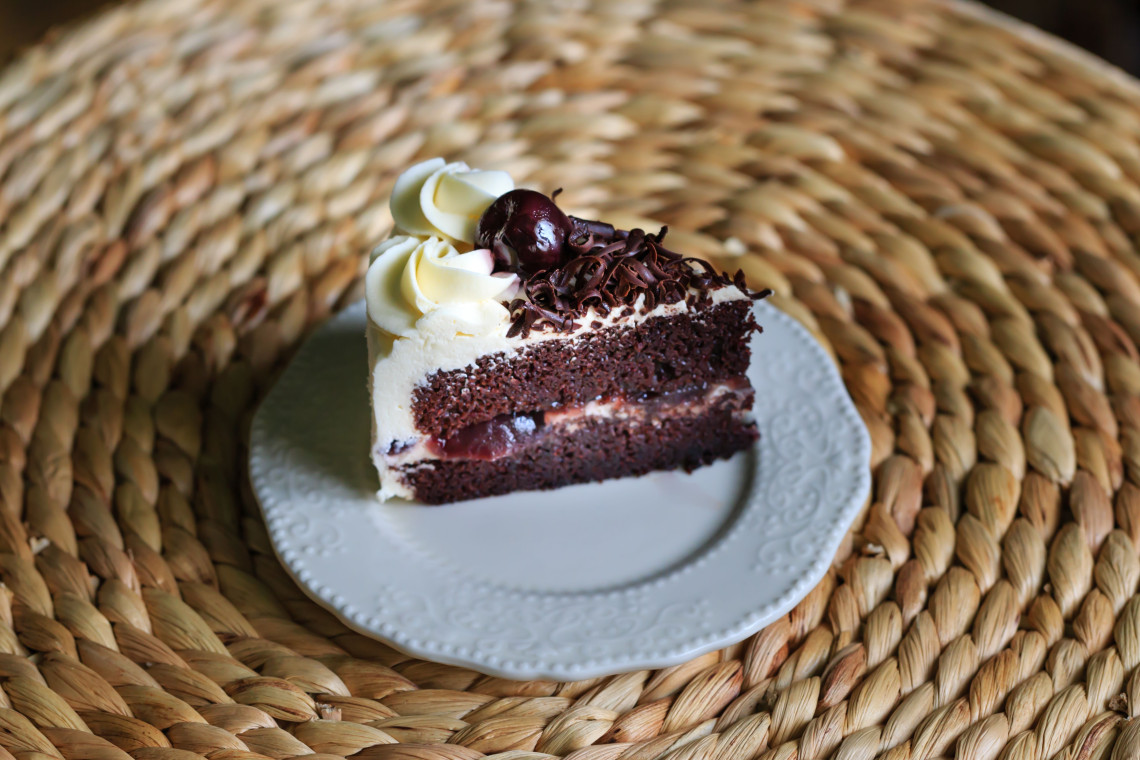
The world's most famous German cake. Chocolate sponge layers with Kirsch-soaked cherry filling, whipped cream, more cherries, and dark chocolate shavings.
Origin: Debated between Bad Godesberg and the Black Forest, but the cake gets its name from the Kirschwasser (cherry brandy) that must legally be included for it to be called Schwarzwälder Kirschtorte.
Where to try:
- Café Schäfer, Triberg — one of the most famous versions.
- Cafe König, Baden-Baden — traditional Belle Époque café.
- Cafe Decker, Staufen — small village version.
Black Forest Ham (Schwarzwälder Schinken)
Smoked over pine and fir branches. Aged 3+ months. Protected by geographical indication — only made in the Black Forest.
Where to try: Any Black Forest butcher (Metzgerei). Or the Ham House (Schinkenhaus) in Baiersbronn area.
Maultaschen (Swabian ravioli)
Not exclusively Black Forest but strongly Baden-Württemberg. Large pasta parcels stuffed with meat, spinach, and breadcrumbs. Boiled in broth or pan-fried.
Käsespätzle
Same Alpine egg noodle dish popular in Bavaria and Austria. Made across Baden-Württemberg with local cheese.
Wine and Kirschwasser
The Baden wine region (running along the Rhine, west of the Black Forest) is Germany's warmest wine area. Grauer Burgunder (Pinot Gris), Spätburgunder (Pinot Noir), Riesling. Local Kirschwasser (cherry brandy) is the strong spirit tradition.
The cuckoo clock tradition
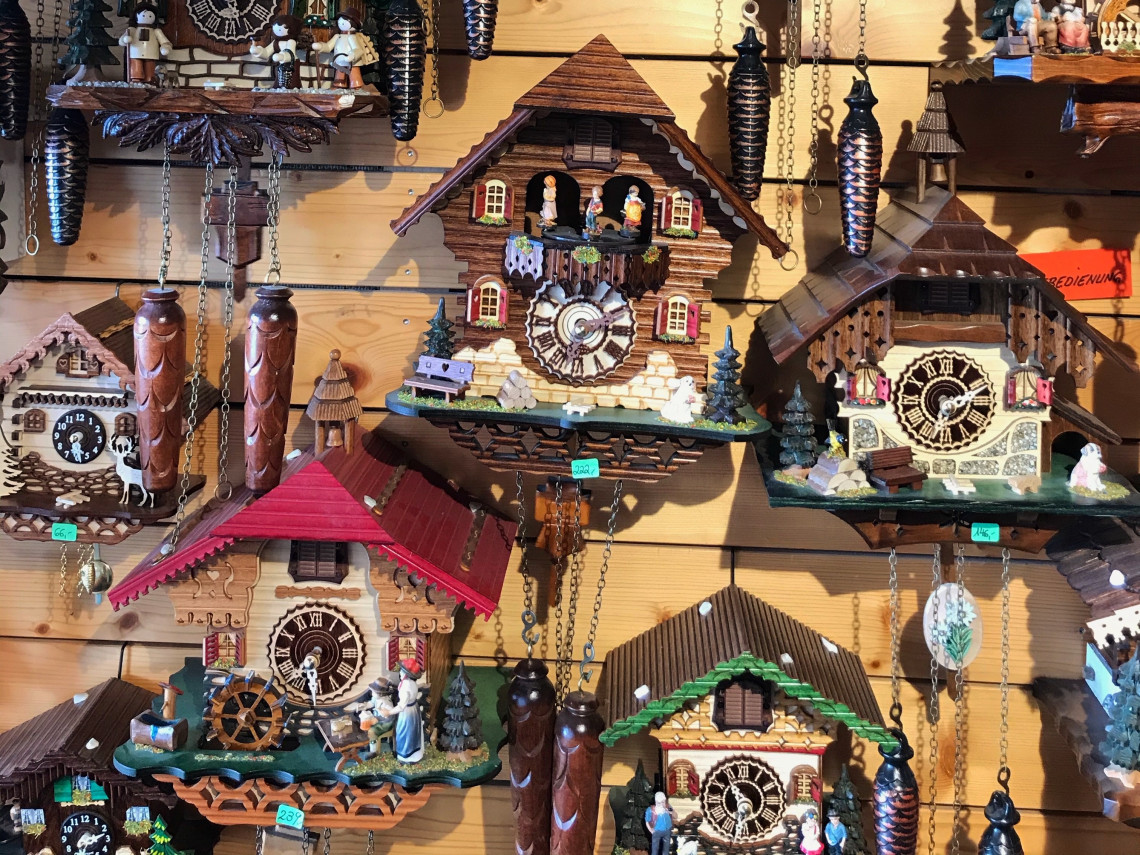
The cuckoo clock originated in the Black Forest in the 1730s. Peasant farmers, unable to work the land in winter, took up clockmaking as a home industry. The classic Black Forest cuckoo clock is the "Bahnhäusle" (railway house) style — the small house shape with the cuckoo bird appearing through the door on the hour.
Where to buy:
- Triberg — the capital. Multiple ateliers.
- Titisee-Neustadt — several major cuckoo clock stores.
- Furtwangen — home of the German Clock Museum (Deutsches Uhrenmuseum).
Price range:
- Simple carved cuckoo clock: €150-400.
- Authentic hand-carved 8-day cuckoo clock: €500-2,000.
- Elaborate large custom pieces: €5,000+.
Certification: Look for the "Original Black Forest Clock" (VDS - Verein die Schwarzwalduhr) seal on the box. Guarantees authentic Black Forest manufacturing.
How to plan a Black Forest trip
The classic 4-day Black Forest trip
- Day 1: Arrive at Frankfurt or Basel. Drive to Baden-Baden (1h from Frankfurt or Basel). Afternoon in Baden-Baden (Friedrichsbad or Caracalla).
- Day 2: Drive south on the Schwarzwaldhochstrasse from Baden-Baden to Freudenstadt (60 km scenic road). Continue to Triberg for cuckoo clocks and waterfall.
- Day 3: Triberg to Titisee-Neustadt (30 min). Boat ride on Lake Titisee, Feldberg mountain, dinner in Freiburg.
- Day 4: Explore Freiburg's old town. Return to airport or continue to Basel/Strasbourg.
The extended 7-day Black Forest + Alsace trip
- Days 1-2: Baden-Baden (spa town base).
- Days 3-4: Schwarzwaldhochstrasse + Triberg + Titisee.
- Days 5-6: Freiburg (2 nights).
- Day 7: Cross into Alsace (Strasbourg or Colmar, 30 min from Baden-Baden or Freiburg). See our Alsace Christmas Markets for the French Alsace side.
The Michelin-focused trip (culinary travelers)
- Days 1-2: Baiersbronn (3-star dining at Schwarzwaldstube, Bareiss, or Schlossberg).
- Days 3-4: Baden-Baden (spa and casino).
- Day 5: Return to airport.
Where to stay
Baden-Baden:
- Brenners Park-Hotel & Spa — the historic Belle Époque grand hotel.
- Hotel Roomers Baden-Baden — modern boutique.
- Hotel am Sophienpark — mid-range in the old town.
Baiersbronn (culinary):
- Hotel Bareiss — 5-star with three-Michelin-star restaurant.
- Hotel Traube Tonbach — home of Schwarzwaldstube.
- Hotel Sackmann — mid-range gastronomy hotel.
Triberg / Central Black Forest:
- Parkhotel Wehrle — historic small hotel in the town center.
- Hotel Schwarzwald Panorama — mid-range with views.
Titisee-Neustadt:
- Treschers Schwarzwaldhotel — traditional 4-star.
- Maritim Titisee Hotel — larger, family-friendly.
Freiburg:
- Colombi Hotel — 5-star grand hotel.
- Hotel Rappen — mid-range in the old town.
- Hotel Central — budget-friendly, walking distance to old town.
When to visit
Late April to June: Excellent weather, spring flowers, moderate crowds. Best window for photography.
July to August: Peak family season. Lake Titisee busy, hiking trails popular.
September-October: Golden autumn colors. Wine harvest in Baden. Fewer crowds after German school starts.
November: Quiet. Some hotels close. Advent atmosphere starts late November.
December: Small Christmas markets in Baden-Baden, Freiburg, Triberg. Gengenbach's "world's largest Advent calendar" runs December 1-24.
January-March: Winter skiing at Feldberg (elevation 1,493m). Baden-Baden spa town year-round.
Honest tradeoffs
The pros: Distinctly different from other German regions. Slow-travel paradise. Excellent food culture (three-Michelin-star density is world-class). Cross-border easily with Alsace or Switzerland. Family-friendly. Multi-season (summer hiking, winter skiing, autumn colors, spa year-round).
The cons: Less iconic than Bavaria (no single must-see landmark). Requires a rental car (public transport limited beyond the main train stations). Some cuckoo clock tourism feels commercialized. Weather can be wet (forest microclimate).
To get the best version: Base in Baiersbronn or Baden-Baden for at least 3 nights. Take the Schwarzwaldhochstrasse drive at leisurely pace. Do at least one spa afternoon (Friedrichsbad or Caracalla). Try Black Forest cake at 2-3 different cafés. Buy one quality cuckoo clock as a souvenir. Combine with Alsace across the border.
Frequently asked questions
Where is the Black Forest? Southwest Germany, in the state of Baden-Württemberg. Between the Rhine River (west) and the Danube source (east). Approximately 160 km long, 60 km wide.
How do I get to the Black Forest? Fly to Frankfurt (1h drive to Baden-Baden), Basel Switzerland (1h drive to Freiburg), or Stuttgart (1h drive to Baiersbronn). Rental car essential for exploring.
When is the best time to visit the Black Forest? Late April to early October. September-October for autumn colors. Winter for skiing at Feldberg.
How many days do I need in the Black Forest? 3-4 nights for the classic villages. 5-7 nights for combining with Alsace, Baden-Baden spa, and Michelin dining.
Where should I base? Baden-Baden for northern entry and spa focus. Freiburg for southern entry and city vibe. Triberg for central Black Forest and cuckoo clocks. Baiersbronn for culinary focus.
What is a real Black Forest cake? Chocolate sponge layers, Kirsch-soaked cherry filling, whipped cream, cherries, dark chocolate shavings. Must legally contain Kirschwasser (cherry brandy) to be called Schwarzwälder Kirschtorte.
Are Black Forest cuckoo clocks worth buying? Yes, if you buy authentic. Look for the "Original Black Forest Clock" (VDS) certification seal. Prices €150 for simple models to €2,000+ for elaborate hand-carved 8-day clocks.
Can I combine the Black Forest with Alsace (France)? Yes, easily. Baden-Baden to Strasbourg is 30 minutes. Freiburg to Colmar is 45 minutes. Cross-border trips are excellent.
Is Baiersbronn worth visiting? For serious food travelers, absolutely. Baiersbronn has three three-Michelin-star restaurants within 5 km — one of Europe's highest concentrations. Book 3-6 months ahead.
Is the Black Forest good for children? Yes. Cuckoo clocks fascinate kids, Triberg Waterfalls involves a short hike, lake swimming at Titisee, and traditional villages feel like Grimm fairy tales come to life.
What is the Schwarzwaldhochstrasse? The Black Forest High Road (B500). A 60-km scenic drive from Baden-Baden to Freudenstadt through the highest northern Black Forest elevations. Built 1930 as a tourist road.
Is the Black Forest better than Bavaria? Different, not better. Bavaria is iconic castles and beer gardens. Black Forest is slow-travel, forest villages, spa, and Michelin dining. Ideal to combine: Baden-Baden + Munich + Neuschwanstein in a 10-day trip.
Fairy-tale forest, hand-built.
Our Germany travel experts route Black Forest drives, spa stays, cuckoo clock village visits, and Alsace combinations.
See Germany Packages Tailor-Made Trip