August 18, 2026 • 14 min read
Croatia has 1,244 islands, six of them larger than Manhattan, and one of the most cruise-friendly coastlines on Earth. Dubrovnik's walls, Split's Diocletian's Palace, Hvar's marble squares, Korčula's medieval old town, Rovinj's Venetian bell tower. Add Kotor in Montenegro and Piran in Slovenia and you have a compact multi-country cruise packed into one week.
Here is the honest guide to Croatia by sea, big ship vs small yacht vs traditional gulet, when to sail, and the ports most first-timers underestimate.
The short answer
The Adriatic is the arm of the Mediterranean between Italy and the Balkans. Croatia owns most of the eastern coastline: 1,777 km / 1,104 miles of coast, plus 1,244 islands. Adriatic cruising comes in three main styles:
1. Big-ship Adriatic cruise (Venice, Trieste or Ravenna embarkation): 7-10 nights on MSC, NCL, Royal Caribbean, or Princess. Hits Venice, Dubrovnik, Split, Kotor (Montenegro), Corfu (Greece), and sometimes Brindisi (Italy). Best value.
2. Small ship or yacht cruise (Dubrovnik or Split embarkation): 7-10 nights on Windstar, SeaDream, Ponant, or luxury yachts. 100-300 guests. Access smaller Croatian islands (Hvar, Korčula, Vis, Mljet) that big ships cannot reach.
3. Traditional Croatian gulet cruise: 7-day itineraries on 20-40 passenger wooden gulets (Croatian sailing yachts). Island-hopping along the Dalmatian coast. Casual, small-group, port every day, no formal nights. Distinctly Croatian.
Plan for:
- 7 nights minimum on board. 10-14 nights for a proper Adriatic + Greek Isles combo.
- Add 2-3 nights in Venice pre-cruise if that's your embarkation.
- Best months: May, June, September, early October. Avoid July and August (crowds, heat, Dubrovnik cruise crush).
- Small ship or gulet reaches Hvar, Korčula, Vis, Mljet. Big ships stop mainly at Dubrovnik + Split.
Featured Adriatic cruise
Our most-booked Adriatic itinerary, ideal for first-time visitors who want Croatia paired with Venice, Montenegro, and a taste of the Greek Ionian in one 7-night cruise.
The Croatian ports
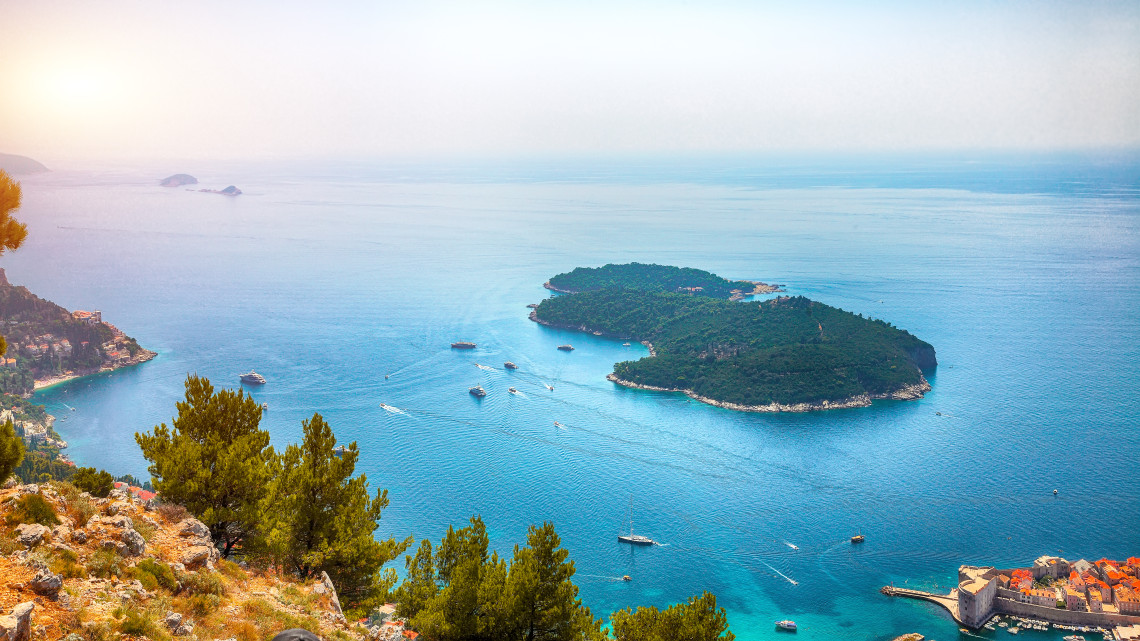
Dubrovnik
"The Pearl of the Adriatic." UNESCO walled old town on a limestone peninsula. Filmed as King's Landing in Game of Thrones. Croatia's #1 cruise destination and its most cruise-crushed.
Cruise port: Gruz Harbor, 3 km from the Old Town. Free hotel shuttle or bus #1A (€2) or taxi (€10). Small ships and yachts sometimes anchor at the Old Port right below the walls (tender required).
Shore excursion time: 8-12 hours in port.
What to see:
- Walk the walls: 2 km circuit around the Old Town. €35 online (cheaper than at gate). Best 8-9am for shade and light crowds.
- Old Town (Stari Grad): Stradun main street, Rector's Palace, Sponza Palace, Franciscan Monastery pharmacy (one of Europe's oldest, since 1317).
- Cable car up Mount Srđ: €27 round-trip. Panoramic city view.
- Sea kayak the walls: 3-hour tour along the outside walls.
- Lokrum Island: 15-min ferry, €27 round-trip. Botanical gardens, monastery ruins, peacocks. Half-day.
- Trsteno Arboretum: 30 min north. Renaissance gardens filmed as King's Landing in Game of Thrones. €10.
- Elaphite Islands (Šipan, Lopud, Koločep): 3-island boat tour.
Best strategy: Get to the walls before 9am. In summer, Dubrovnik receives up to 10,000 cruise passengers/day on top of 40,000 land tourists.
Split
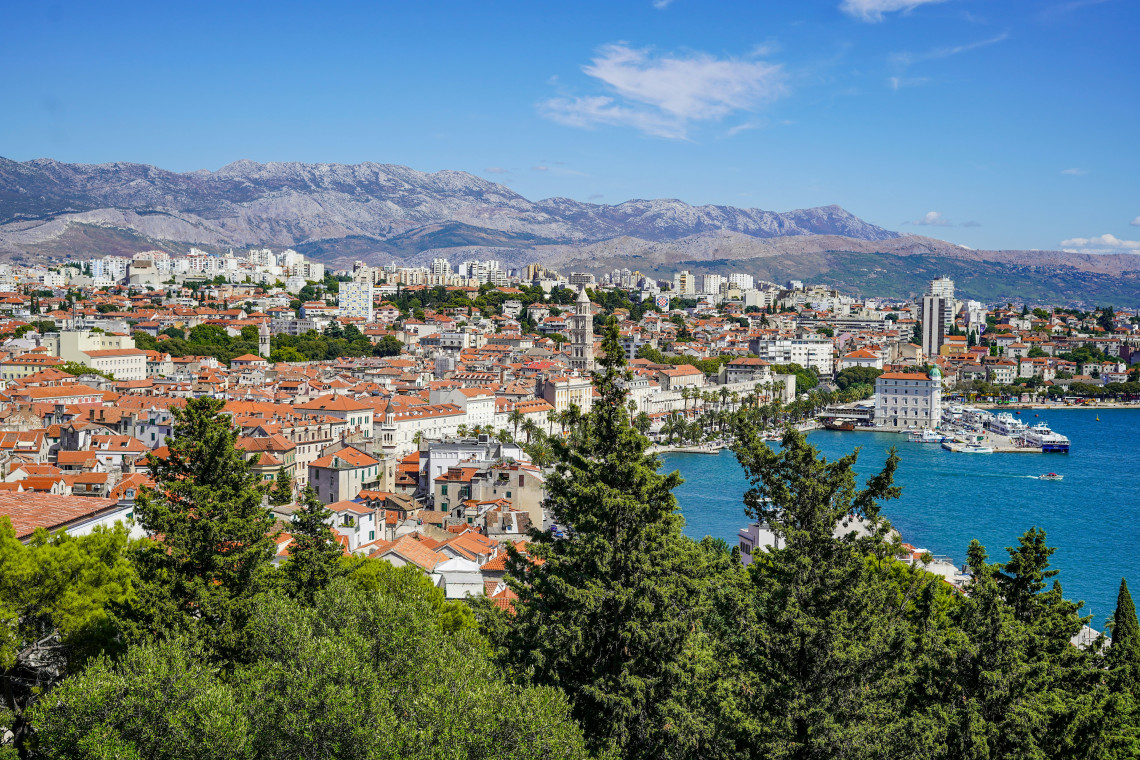
Croatia's second city. The old town is literally inside Diocletian's Palace (built 305 AD as the Roman emperor's retirement palace, now inhabited for 17 centuries). UNESCO since 1979.
Cruise port: Split port, walk into old town.
Shore excursion time: 8-12 hours.
What to see:
- Diocletian's Palace complex: Not a "site" but the entire old town center. Free to wander. Bell tower climb €7.
- Cathedral of St Domnius: In Diocletian's mausoleum. Climb the bell tower.
- Peristyle: The palace's central courtyard. Best atmosphere at dawn or dusk.
- Substructures (Palace basements): Featured as Daenerys's dragons dungeon in Game of Thrones. €7.
- Marjan Hill: Panoramic view. 20-min walk from the palace.
- Riva promenade: Sunset waterfront walk.
- Bačvice Beach: In-town beach where locals play picigin (a Split-invented ball game).
Day trip options:
- Hvar Island: 1h fast catamaran (€10). See below.
- Trogir: 30 min west. UNESCO medieval town. Half-day.
- Salona and Klis Fortress: Roman ruins and Game of Thrones filming location (Meereen). 30-min drive.
- Krka National Park: Waterfalls. 1h drive. Full day.
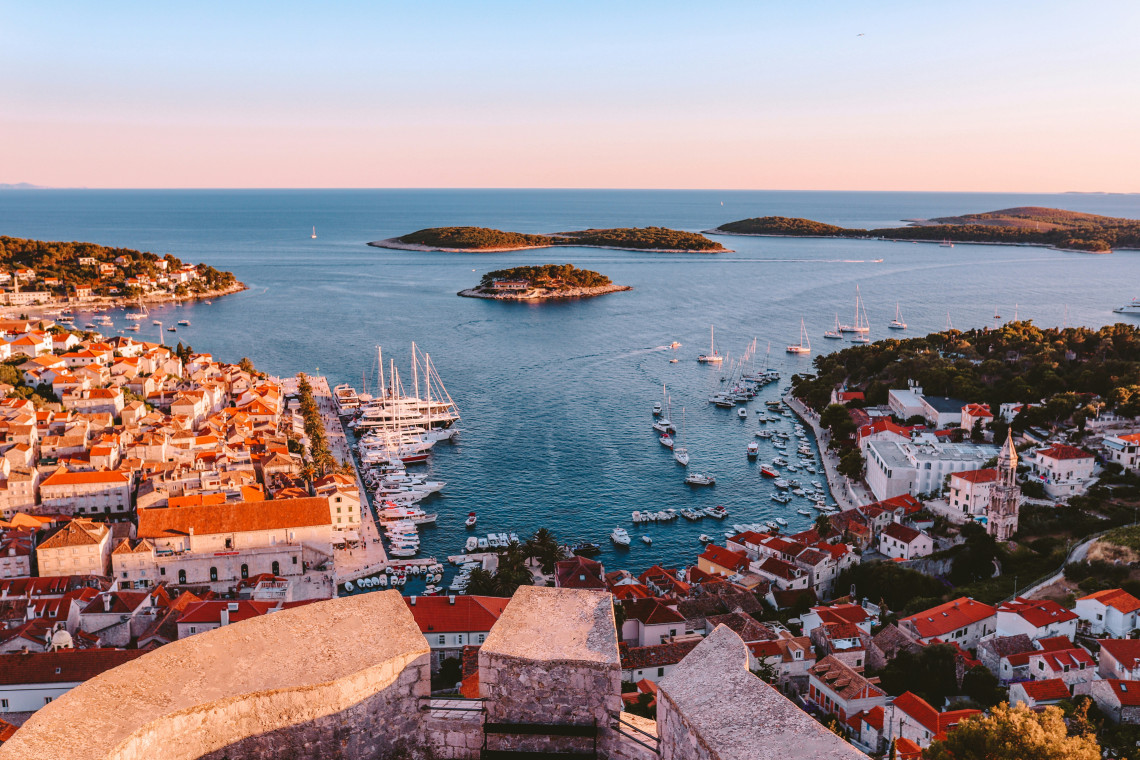
Hvar
The Adriatic's most fashionable island. Marble-paved main square, Venetian fortress on the hill, superyachts in the harbor, lavender fields inland, Pakleni Islands offshore. Nickname: "the sunniest island in Europe" (2,724 hours/year).
Cruise port: Big ships cannot dock; anchor and tender ashore. Small ships and yachts dock right at Hvar Town harbor.
Shore excursion time: 6-9 hours (small ships).
What to see:
- Hvar Town main square (Trg Sv. Stjepana): Largest medieval square in Dalmatia. Cathedral of St Stephen.
- Španjola Fortress: 15-min climb. Panoramic view over the Pakleni Islands.
- Pakleni Islands: Small archipelago offshore. Water taxi €5-€10 to Palmižana, Jerolim, or Stipanska for beaches.
- Lavender fields (inland, seasonal June-July): Rent a scooter.
- Nightlife: Carpe Diem and Carpe Diem Beach are Adriatic clubbing icons.
Warning: Expensive. Cocktails €15-€25, dinner €50-€100 per person. Superyacht territory.
Korčula
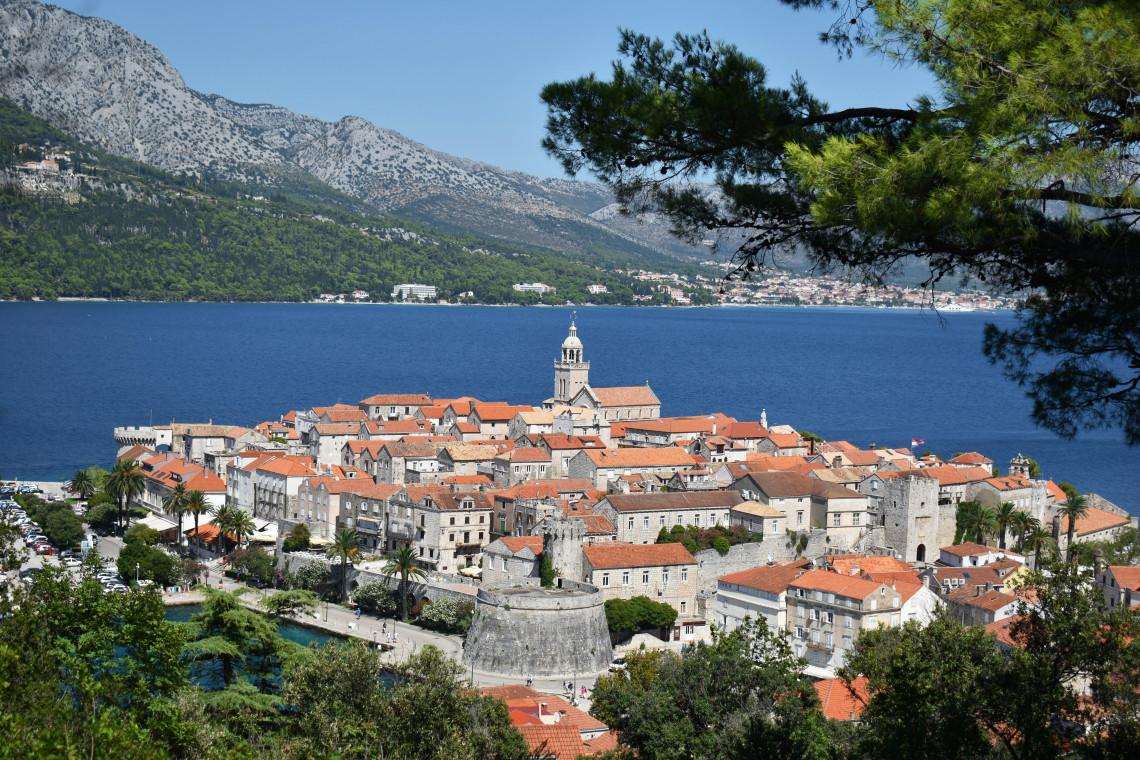
Marco Polo's alleged birthplace. Fortified medieval old town on a small peninsula, planned in a herringbone street pattern for wind protection. Quieter than Hvar or Dubrovnik.
Cruise port: Small ships dock at Korčula town. Big ships rarely stop.
Shore excursion time: 6-9 hours.
What to see:
- Old town: Compact walled town. St Mark's Cathedral, Marco Polo's alleged house (small museum, €5), Land Gate.
- Moreška sword dance: Traditional Korčulan performance, Monday and Thursday evenings in summer. €10.
- Beaches: Pupnatska Luka (best cove), Vela Pržina (sandy).
- Wine tasting: Pošip and Grk (Grk grape grows only on Korčula) at Lumbarda vineyards.
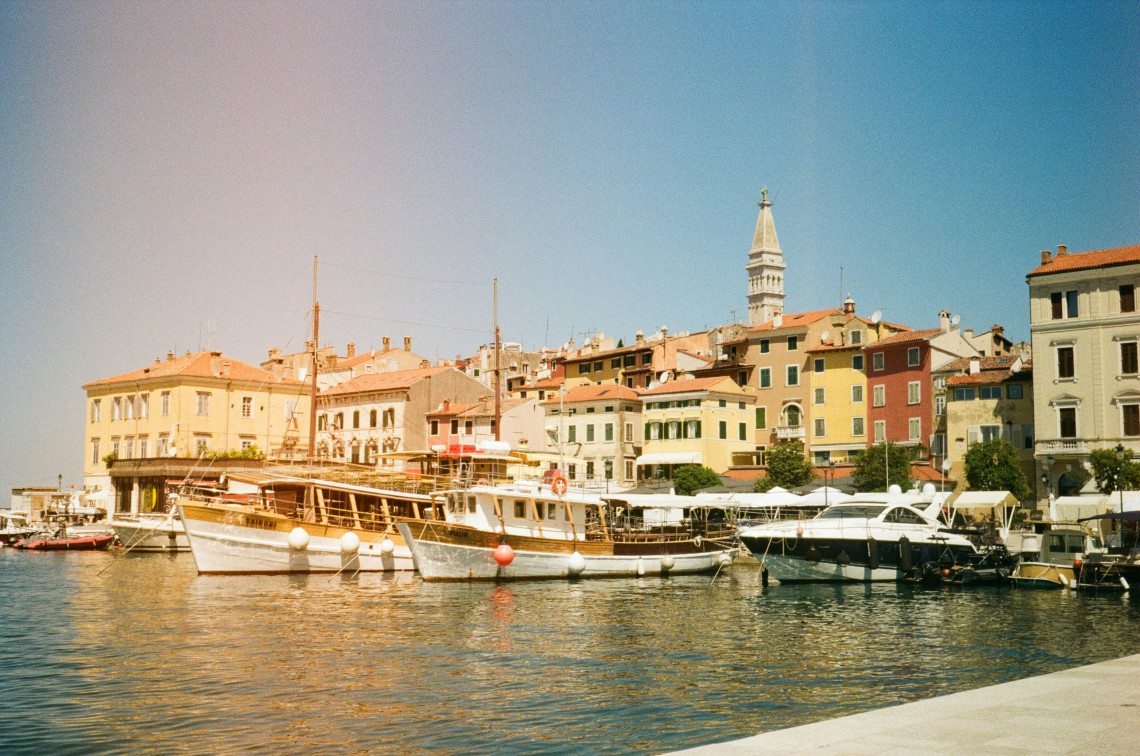
Rovinj (Istria, northwestern Croatia)
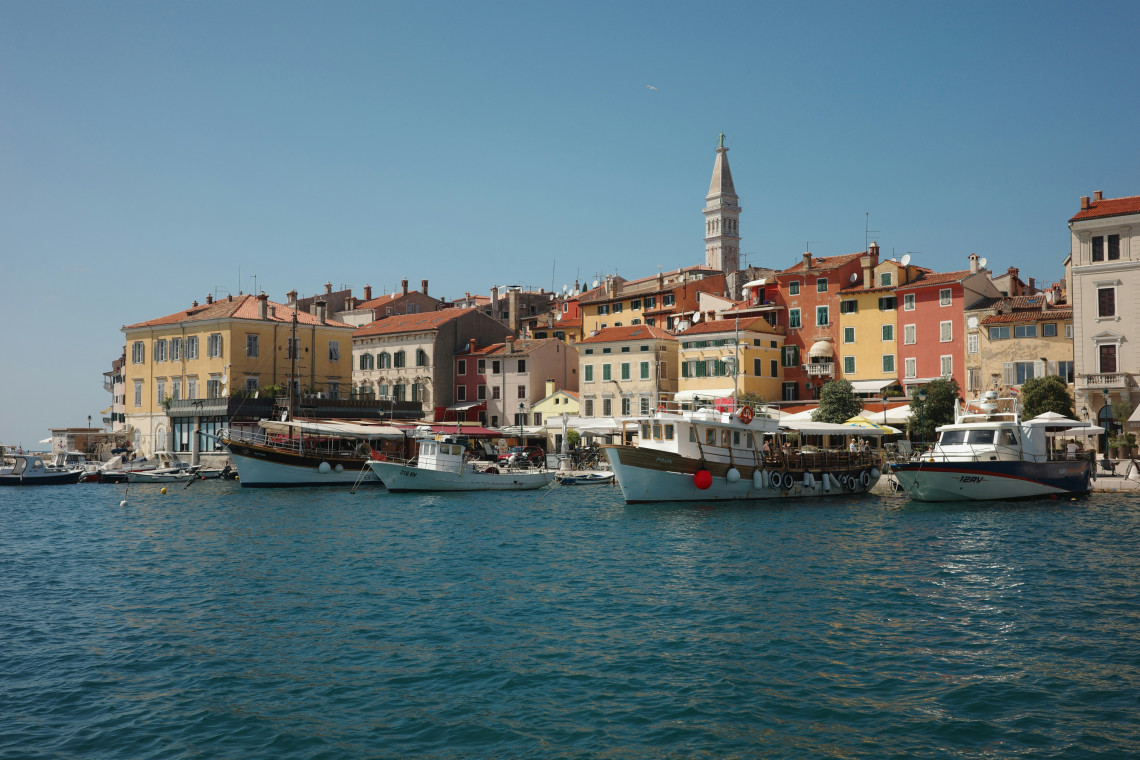
The most Italian-feeling Croatian town. Venetian bell tower rising above pastel houses on a small peninsula. Istrian peninsula, 3 hours from Venice by road.
Cruise port: Small ships and yachts only. Big ships stop at Pula (30 min south) instead.
Shore excursion time: 6-8 hours.
What to see:
- Old town: Narrow streets climbing to Church of St Euphemia (with the 60m bell tower modeled on St Mark's in Venice).
- Church of St Euphemia: Climb the bell tower.
- Grisia street: The main pedestrian street, filled with artists.
- Golden Cape (Zlatni Rt) forest park: 90-hectare park with pebble beaches.
- Truffle hunting (inland Istria): Half-day trip to Motovun or Livade. Istria has some of Europe's best truffles.
Pula (Istria)
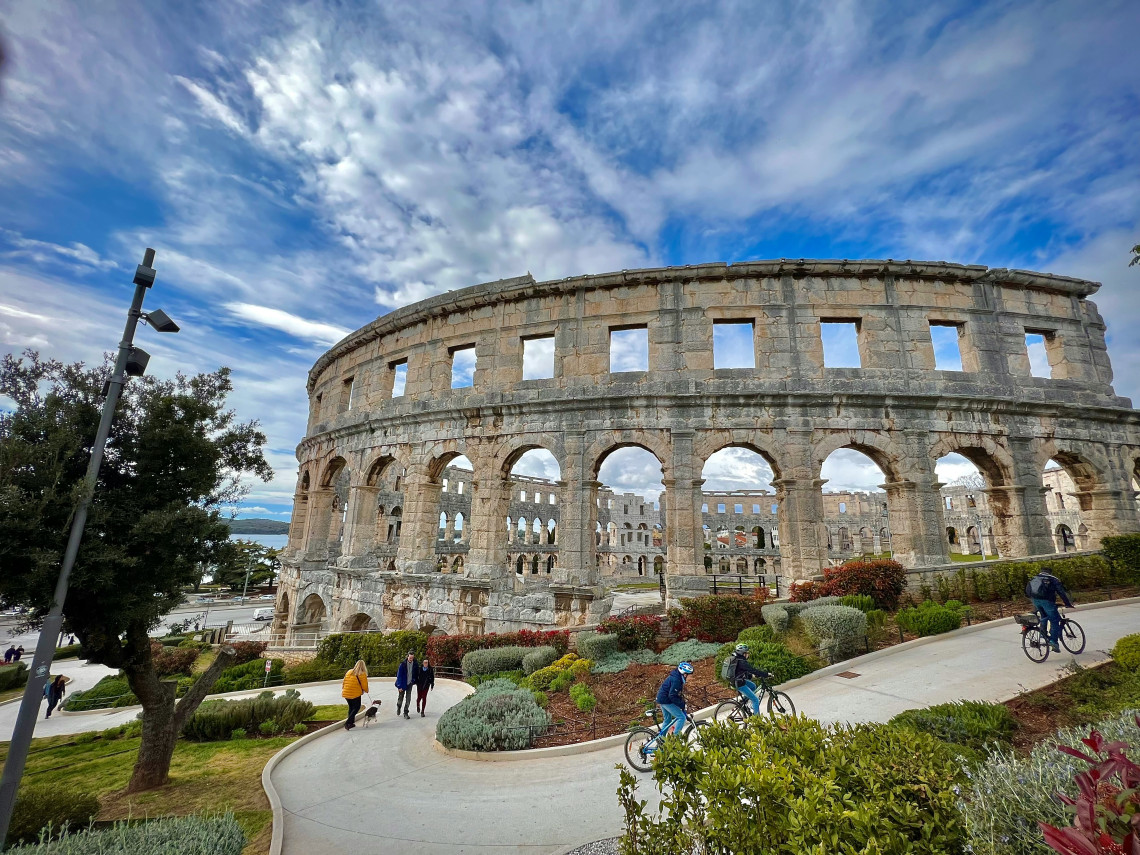
Home to the Pula Arena, one of the best-preserved Roman amphitheatres outside Italy. Built 27 BC to 68 AD. Still hosts concerts.
Cruise port: Pula cruise port, walk to Arena.
What to see:
- Pula Arena: €10. Climb to upper levels. 20,000 seats in Roman times.
- Temple of Augustus, Arch of the Sergii, Twin Gates.
- Old town: Compact, Roman + Venetian layers.
- Cape Kamenjak (day trip): Rugged coastline, hidden coves. 40-min drive.
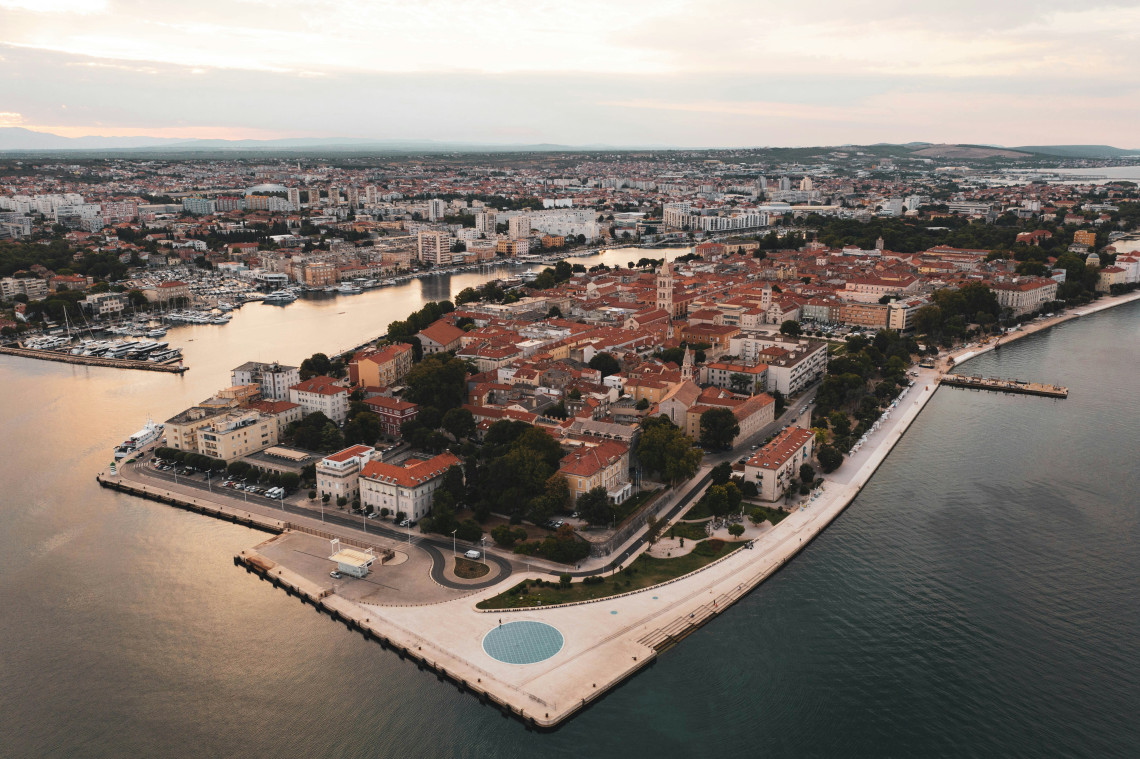
Zadar
Roman + Venetian old town with modern architectural additions: the Sea Organ (stone pipes played by waves) and the Greeting to the Sun solar installation.
Cruise port: Zadar Gaženica port, 4 km from Old Town. Shuttle or taxi.
What to see:
- Sea Organ (Morske orgulje): Waves play music through underwater pipes. Free. Best at sunset.
- Greeting to the Sun (Pozdrav Suncu): Solar-powered light installation next to the Sea Organ.
- Church of St Donatus: 9th-century pre-Romanesque circular church.
- Roman Forum: In front of St Donatus.
- Kornati Islands (day trip): 89-island national park. Full-day boat trip.
- Plitvice Lakes (day trip): 2h drive inland. Not realistic as a cruise day trip; better if extending pre or post.
Šibenik
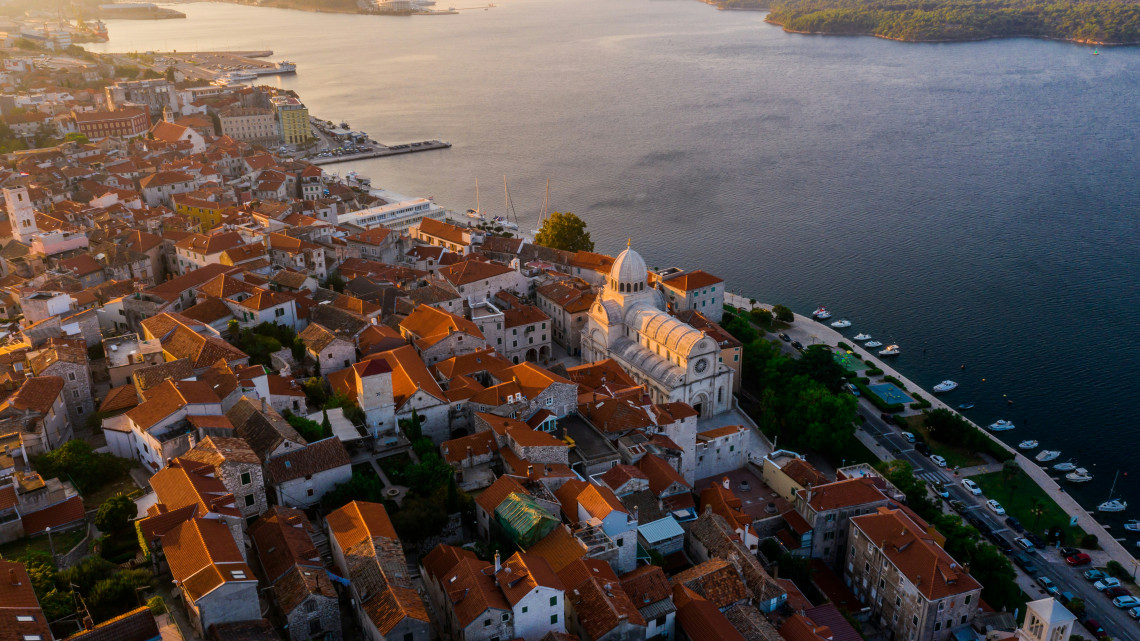
UNESCO Cathedral of St James (built 1431-1535 with a unique interlocking stone technique that used no mortar) and access to Krka National Park waterfalls.
Cruise port: Small ships only. Walk into old town.
What to see:
- Cathedral of St James: UNESCO. Free entry.
- St Michael's Fortress: Above the town. Panoramic view.
- Krka National Park: 30 min drive. Waterfalls, boardwalks. €30 entrance in high season.
Neighboring Adriatic ports
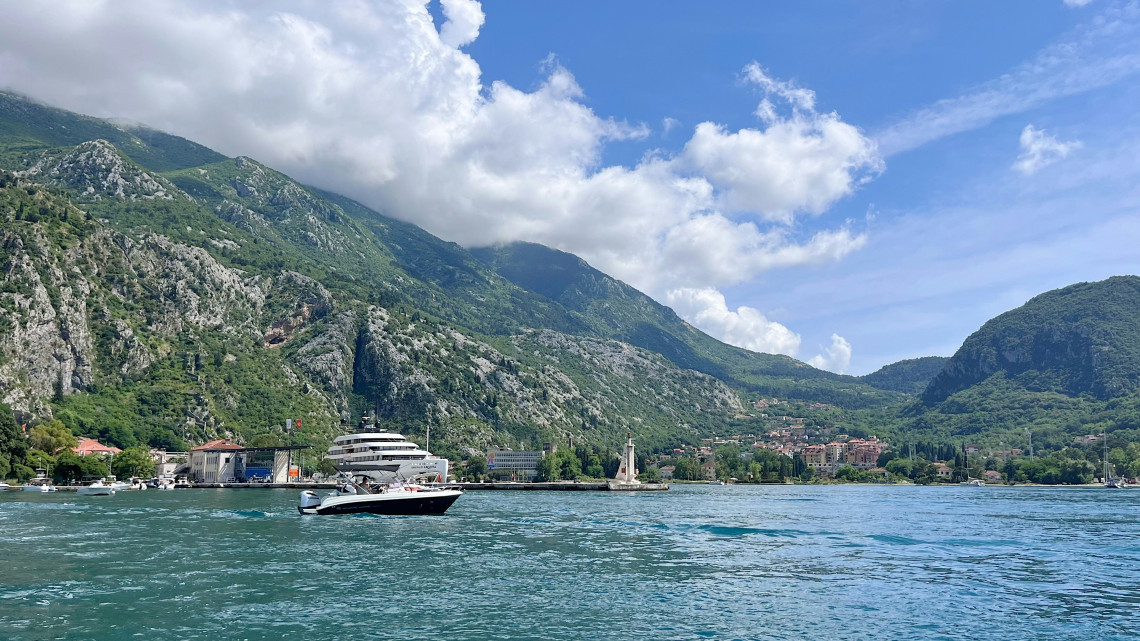
Kotor (Montenegro)
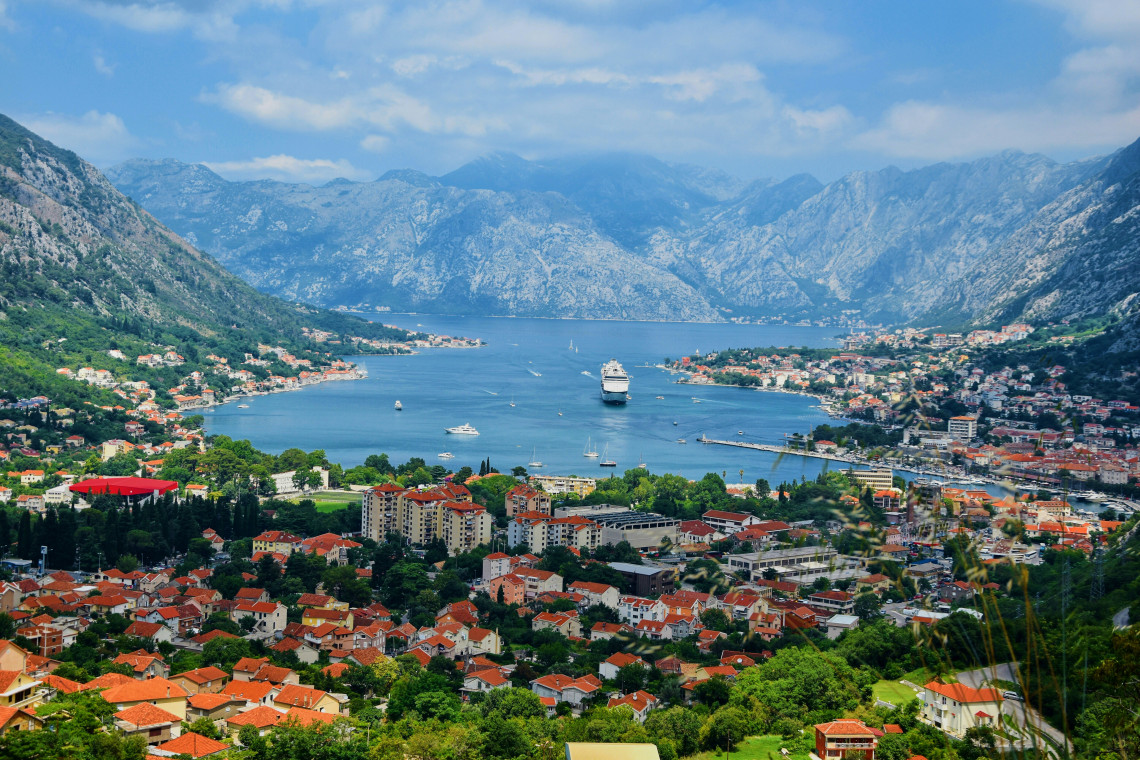
Fjord-like bay with medieval walled town at the base of a mountain. UNESCO since 1979. One of the most dramatic entrances of any cruise itinerary.
Cruise port: Kotor town port. Walk to Old Town.
What to see:
- Kotor Old Town: Compact, atmospheric, still-inhabited medieval town.
- Fortress climb: 1,350 steps up to San Giovanni fortress. Best panoramic view. Start 7am for shade. Free.
- Bay of Kotor boat tour: Perast + Lady of the Rocks + Blue Cave. €25-€40.
- Budva (30 min drive): Beach town, Old Town on a peninsula.
- Sveti Stefan (45 min drive): Iconic island-hotel village (photograph from outside; interior is closed to non-guests).
Piran (Slovenia)
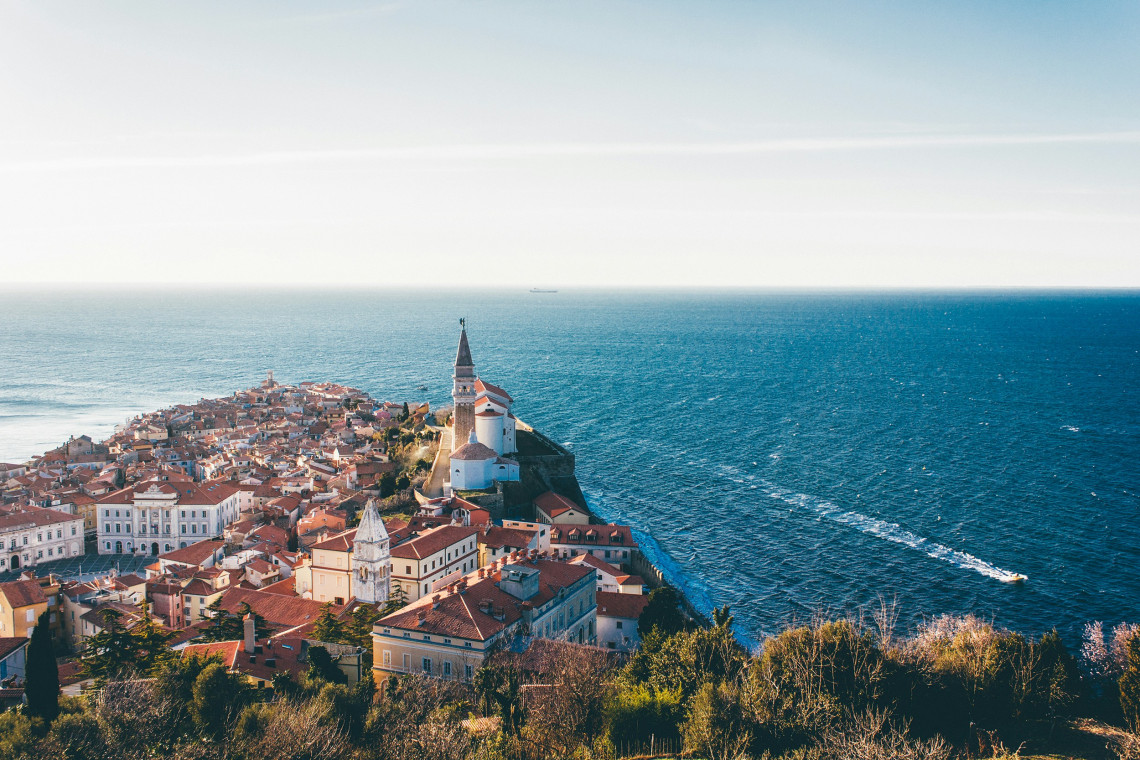
The Venetian gem on Slovenia's short 47 km coastline. Compact, walkable, quieter than Croatia.
Cruise port: Small ships only. Larger ships stop at Koper (Slovenia's cargo port) or Trieste (Italy) instead.
What to see:
- Tartini Square: Named for Piran-born composer Giuseppe Tartini.
- St George's Church: Panoramic view.
- City walls climb: Free.
- Salt Pans of Sečovlje (30 min drive): UNESCO salt-making since 13th century.
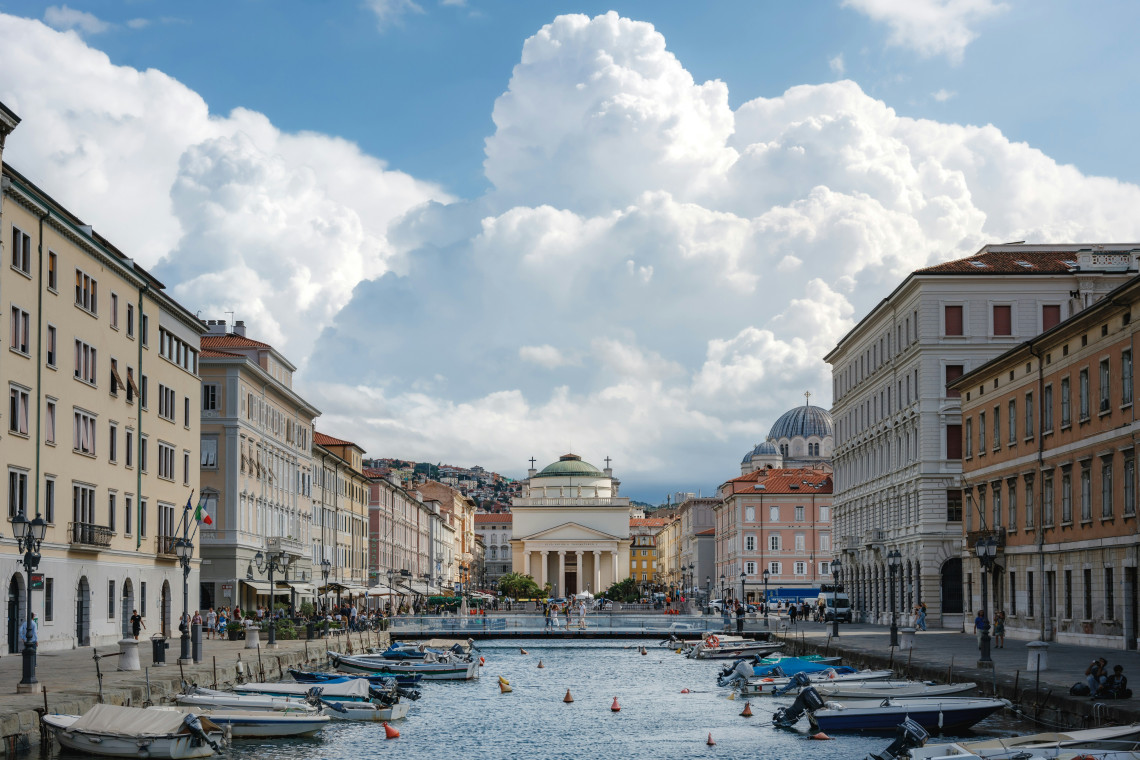
Trieste (Italy)
Habsburg Adriatic port. Feels more Vienna than Italy.
What to see:
- Piazza Unità d'Italia: Europe's largest sea-facing square.
- Miramare Castle: 30 min from center. Fairy-tale seafront castle.
- Coffee culture: Trieste has Italy's densest coffee-house tradition (Illy is based here).
Venice (Italy)
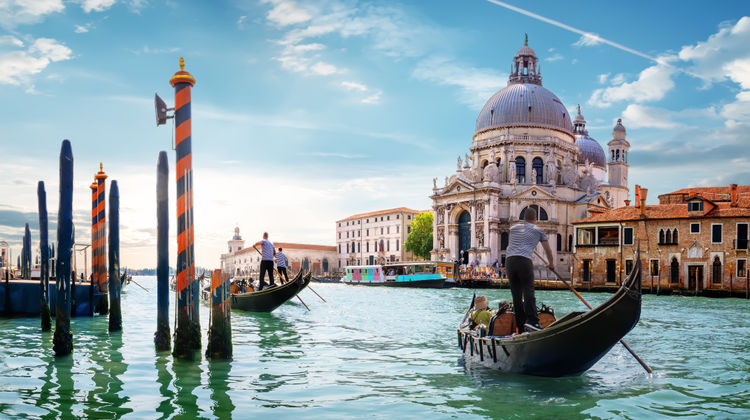
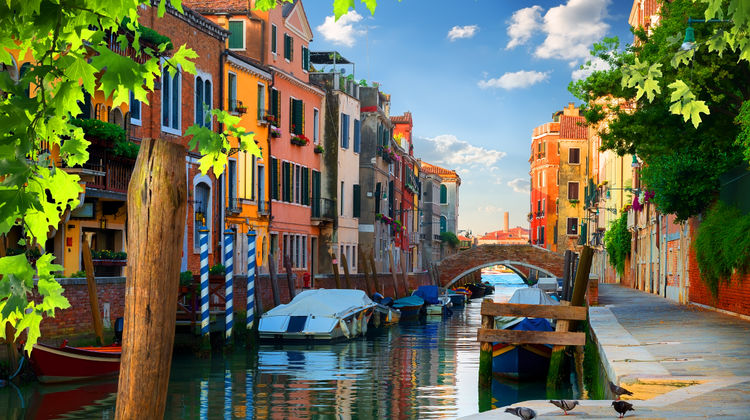
Venice is the most common Adriatic embarkation port. Since 2021 large ships cannot enter the lagoon; they dock at Marghera/Fusina on the mainland (30-45 min shuttle to St Mark's Square).
Add 2-3 nights pre-cruise minimum. St Mark's, Doge's Palace, Rialto, Murano and Burano islands. See our Italy travel guides.
When is the best time to cruise the Adriatic?
Spring (April to early June): Best. Comfortable temperatures (18-25°C / 65-77°F), wildflowers on islands, sea warming, moderate crowds.
Early summer (June): Sea warm (23-25°C), longer days, tourists arriving but manageable.
High summer (July to August): Peak crowds, peak heat (30-33°C), peak prices. Dubrovnik receives 10,000+ cruise passengers/day. Old Town alleys shoulder-to-shoulder. Not recommended.
Fall (September to early October): Second sweet spot. Sea still warm (24°C through mid-October), crowds thinning, prices dropping.
Late October to March: Off-season. Most cruise lines relocate elsewhere. Some small ships and gulets still operate but weather unpredictable, many restaurants closed on the islands.
Cruise line season: Most Adriatic cruises run April to October. Gulet season is May to October.
Pre and post-cruise stays
Venice (2-3 nights pre-cruise) if embarking there. See our Italy travel guides for Venice essentials.
Dubrovnik (2-3 nights post-cruise): Even after a Dubrovnik port day, an overnight lets you walk the empty walls at dusk and dawn. Book at Villa Dubrovnik, Hotel Excelsior, or Pucić Palace inside the walls.
Split + Hvar overland extension (3-4 nights): Split base, ferry to Hvar or Brač for a night, Trogir day trip.
Plitvice Lakes and inland Croatia (2-3 nights): UNESCO waterfall park not reachable as a cruise day trip. Rent a car in Split and drive inland.
Slovenia extension (3-4 nights): From Trieste embarkation, extend inland. Ljubljana, Lake Bled, Postojna Cave.
Puglia extension (3-5 nights): If cruise ends in Bari or Brindisi. See our Puglia Complete Guide.
Practical tips
Passport and ETIAS. From late 2026, U.S. and Canadian passports need ETIAS for Schengen (Croatia joined in 2023). Montenegro is not EU, visa-free for U.S./Canadian passports.
Currency: Croatia adopted the Euro on January 1, 2023. Montenegro uses the Euro (unofficial). Slovenia uses the Euro. Italy uses the Euro. One currency across all Adriatic ports.
Language: Croatian in Croatia. Slovene in Slovenia. Montenegrin in Montenegro. Italian in Italy. English very common in all cruise ports.
Tipping: 10% at restaurants for good service. Not obligatory. Onboard tips included in cruise gratuities.
Sun protection. Adriatic sun is intense May-October. SPF 50, hat, water. Old town alleys give shade; ships give no shade on top decks.
Comfortable shoes. Every Croatian old town is cobbles + stairs.
Croatian ferries as alternative: Jadrolinija runs regular fast catamarans between Split and Hvar, Korčula, Vis, Brač. If you want a DIY island-hopping trip without a cruise, ferries are excellent value (€10-€20 per crossing).
Sea conditions. Adriatic is generally calm. Occasional Bora (northeast wind) events in shoulder seasons can cause tender cancellations at Hvar and Korčula.
Dubrovnik crowd management: The city now regulates cruise arrivals (max 4,000 passengers/day, in theory). Still crushing in July-August. Plan Dubrovnik early morning or evening.
Common Adriatic cruise mistakes
Booking a big ship expecting to see Hvar or Korčula. These require small ships or gulets. Big ships anchor at Dubrovnik and Split only.
Dubrovnik walls in the middle of the day. 30-35°C by midday, no shade, packed. Do them 8-9am or after 5pm.
Skipping Split because "it's not as photogenic as Dubrovnik." Split has more to see (Diocletian's Palace is denser than Dubrovnik) and half the crowd density.
Booking July or August. Peak Dubrovnik crush, peak heat, peak prices. May, June, September, October are dramatically better.
Trying to do Plitvice Lakes as a cruise day trip. 2h+ each way from any port. Only realistic if extending pre or post-cruise.
Skipping the gulet option. For couples or small groups, a Croatian gulet is often the most memorable Adriatic experience. Book Katarina Line or Sail Croatia.
Docking Trieste and skipping into Slovenia. Piran is 1h drive; Ljubljana + Lake Bled 2h. Great pre or post-cruise extension.
Bottom line
Croatia by sea is one of the most rewarding cruise experiences in Europe. Choose your ship style carefully: big ship for value and infrastructure, small ship for smaller ports, or a gulet for the most Croatian experience. Sail May, June, September, or early October. Book Dubrovnik walls online ahead. And do not skip Split; it is arguably the better half of any Adriatic itinerary.
Frequently asked questions
What is an Adriatic cruise? A cruise along the Adriatic Sea, typically hitting Croatian ports (Dubrovnik, Split, sometimes Hvar and Korčula), plus Montenegro (Kotor), Slovenia (Piran), and Italy (Venice, Bari, Brindisi).
How long is an Adriatic cruise? 7 nights for standard big-ship itineraries. 10-14 nights for combined Adriatic + Aegean or Adriatic + Puglia loops. 3-5 day short cruises exist from Split (Celestyal, small-ship operators).
Which cruise line is best for Croatia? MSC for value, Windstar or Ponant for small-ship Croatian island access, Silversea or Seabourn for luxury, Katarina Line for gulet-style island-hopping.
When is the best time to cruise Croatia? May, June, September, and early October. Avoid July and August (Dubrovnik cruise crush, extreme heat).
Where do Adriatic cruises depart from? Venice (Marghera/Fusina), Trieste, Ravenna, Split, or Dubrovnik.
Do I need a passport for Croatia cruises? Yes. U.S. and Canadian passports also need ETIAS from late 2026 (Croatia is Schengen since 2023). Montenegro is visa-free.
Can I visit Hvar and Korčula on a big cruise ship? Rarely. Big ships cannot dock at Hvar or Korčula. Small ships (Windstar, Ponant), yachts, and gulets access them.
What is a gulet cruise? A cruise on a traditional Croatian wooden sailing yacht (20-40 passengers). 7-day itineraries hopping between Dalmatian islands. Casual, small-group, distinctly Croatian.
How much does a gulet cruise cost? €1,000-€2,500 per person for 7 nights (mid-tier). Deluxe gulets €3,000-€5,000. Full private charter €8,000-€40,000 per week.
Is Croatia expensive? Cheaper than Italy or France. Comparable to Greece. Dubrovnik and Hvar are the priciest Croatian towns; Split, Zadar, Šibenik, and Rovinj are notably cheaper.
Do I need to book Dubrovnik walls in advance? Yes. €35 online at citywalls.hr. Same-day queue can be 60 min in summer.
How busy is Dubrovnik on a cruise day? Very. Peak summer can see 10,000+ cruise passengers plus 40,000 land visitors in a walled town of 1,500 residents. Old Town alleys shoulder-to-shoulder 10am-4pm.
Can I combine Croatia with the Greek Isles on one cruise? Yes. 10-14 night Adriatic + Aegean itineraries hit Venice, Dubrovnik, Kotor, Corfu, Santorini, Mykonos, and return. Oceania, Silversea, Viking offer these.
What is the meltemi effect in the Adriatic? The Adriatic gets Bora (winter/spring cold northeast wind) and Mistral (summer afternoon wind). Neither causes major cruise cancellations but Bora can affect gulet operations.
Should I skip Kotor or Dubrovnik? Neither. Kotor's bay entrance is one of the most dramatic cruise moments in Europe. Dubrovnik is Croatia's biggest cultural draw. Both matter.
Can I use Split as a base and skip cruising? Yes. Split has fast ferry connections to Hvar, Brač, Vis, and Korčula. A land base with ferry hops is a legitimate alternative to a cruise, especially for solo travelers.
Is Rovinj worth visiting? Yes. The most Italian-feeling Croatian town, quieter than Dubrovnik, better food. Small-ship-only port on Adriatic cruises.
Croatia, Venice, Kotor, in one week.
Our travel experts pair Adriatic cruises with Venice pre-cruise, Dubrovnik or Split extensions, and Plitvice Lakes rental car add-ons.