July 28, 2026 • 12 min read
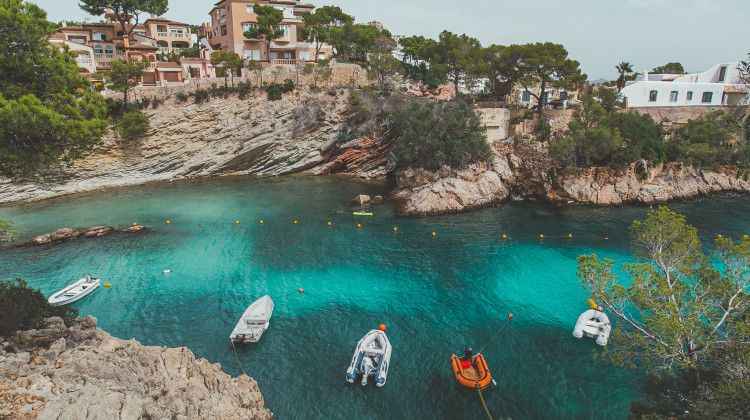
Barcelona and Madrid are Spain's two great cities, and they are almost opposites. Barcelona is coastal, Modernista, Catalan, and cosmopolitan. Madrid is landlocked, Bourbon Castilian, museum-heavy, and quietly the more authentically Spanish of the two.
If you have to pick one, this guide walks you through the honest comparison. If you can visit both, we tell you how to combine them properly.
The short answer
Pick Barcelona if you want: Gaudí architecture, Mediterranean beach, Catalan food (calçots, esqueixada, seafood paella), a walkable coastal city vibe, and easy access to the Costa Brava.
Pick Madrid if you want: World-class museums (Prado, Reina Sofía, Thyssen), the most authentic Spanish tapas culture, elegant parks (Retiro), Toledo and Segovia day trips, and the AVE hub to reach everywhere else in Spain.
Combine both if you can. Madrid + Barcelona is Spain's classic 7-10 day trip. The AVE takes 2h 30min between them.
First impressions
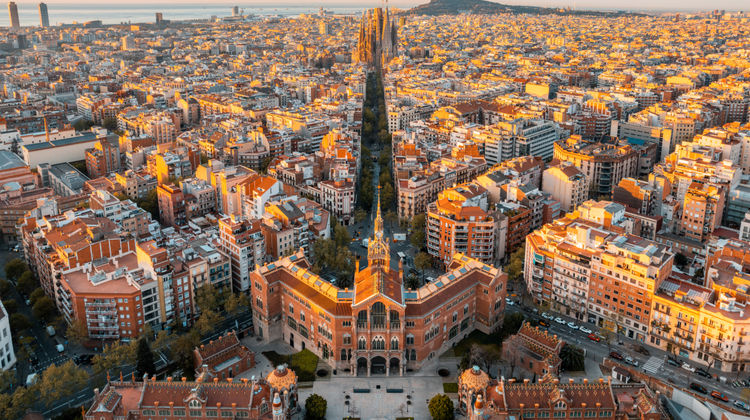
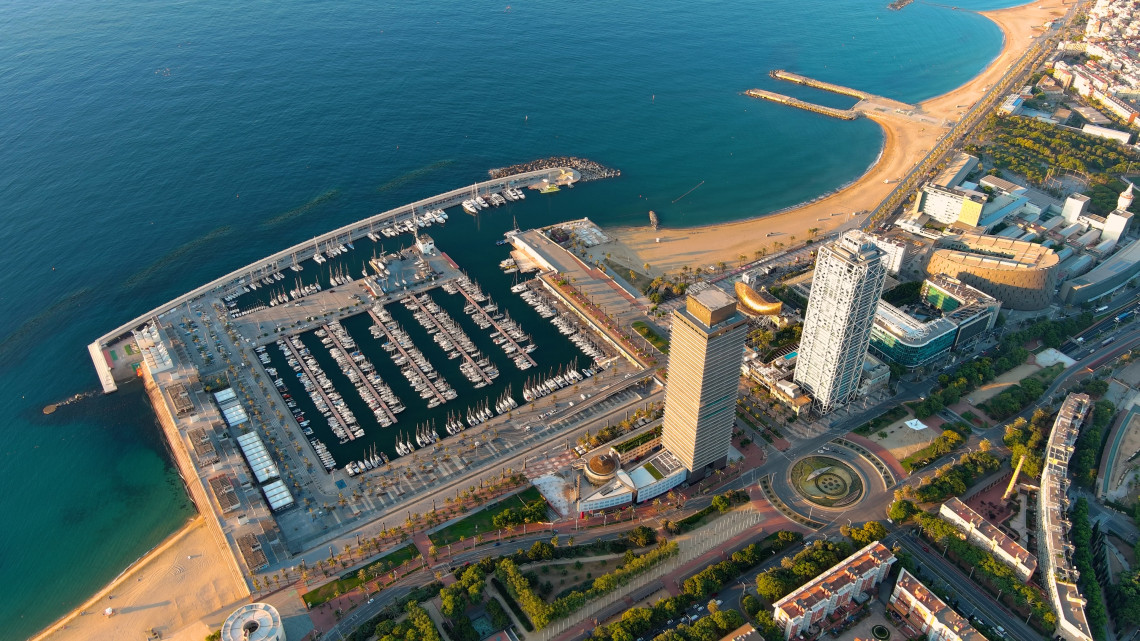
Barcelona: Coastal light. Sagrada Familia towers on the skyline from every neighborhood. Modernista buildings on every Eixample block. Sea breeze. Catalan flags and independence banners on many balconies. English widely spoken in tourist zones.
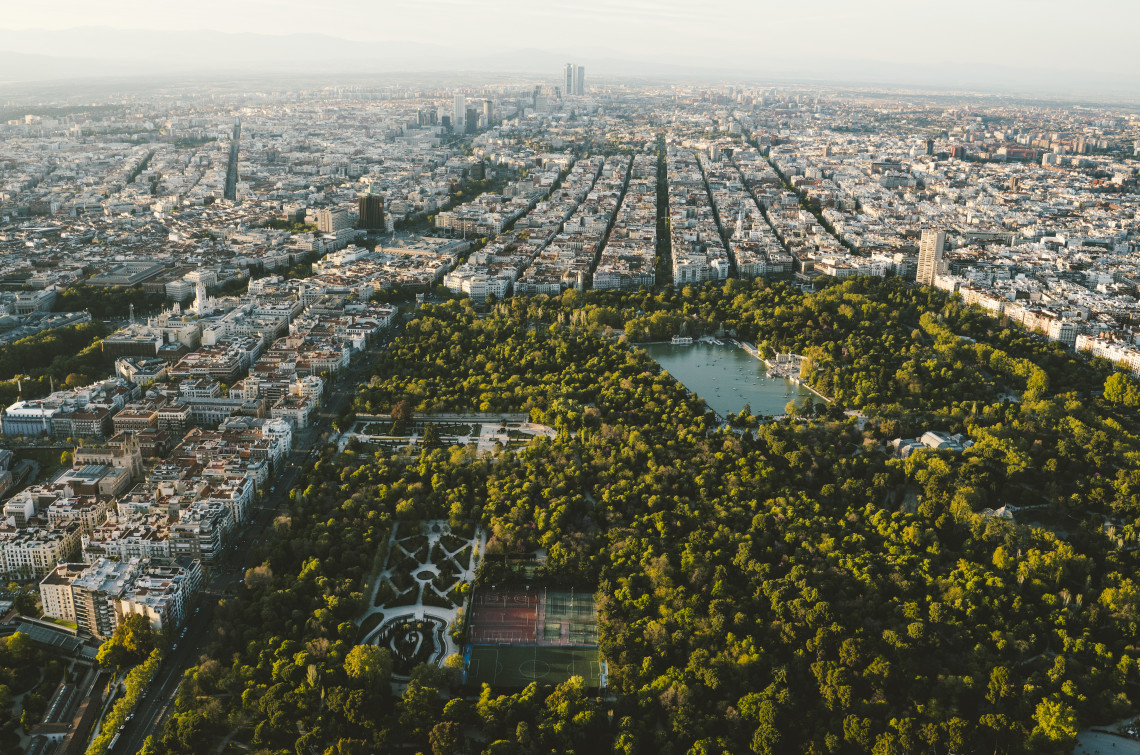
Madrid: Grand boulevards. Neoclassical buildings and glass office towers. Landlocked, dry, high altitude (665m / 2,180 ft). Retiro Park in the center. Puerta del Sol at Kilometer Zero. Less English, more Spanish.
Vibe and character
Barcelona is Modernista and design-forward. Boutique-heavy shopping streets (Passeig de Gràcia, Portal de l'Àngel). International culture (a third of residents are foreign-born). Cutting-edge restaurants alongside classic Catalan family taverns. Coastal-Mediterranean lifestyle. Late but slightly earlier than Madrid.
Madrid is Castilian and traditionally Spanish. More traditional tapas culture (mesones, tabernas, cañas with a small snack). Neighborhoods (Malasaña, Chueca, Chamberí, La Latina) have distinct local characters. Longer dinner hours. Not landlocked from culture, the world's best art collections are here. But less "international" than Barcelona.
Locals on the divide: Barcelonans often say Madrid is "too Spanish" and Madrileños say Barcelona is "too Catalan." Both are half-jokes. Both are also true.
The must-see monuments
Barcelona's essentials:
- Sagrada Familia. Gaudí's masterpiece, one of the world's great cathedrals.
- Park Güell. Gaudí's mosaic park with Barcelona panoramas.
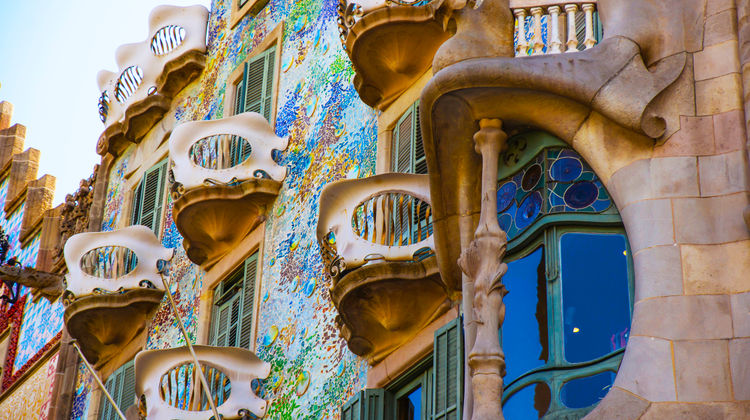
- Casa Batlló and La Pedrera. Two Gaudí houses on Passeig de Gràcia.
- Barri Gòtic and El Born. Gothic and medieval quarters.
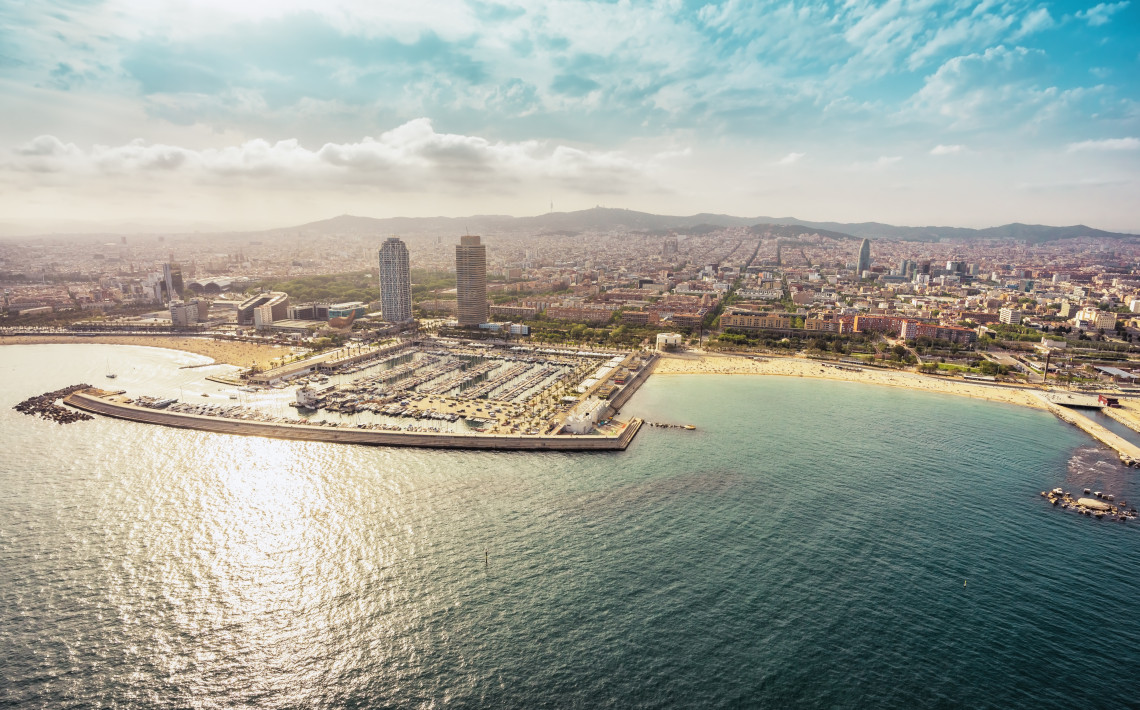
- Barceloneta. The city beach.
- Palau de la Música Catalana. Modernista concert hall (guided tour).
Madrid's essentials:
- Museo del Prado. One of the world's five greatest museums (Velázquez, Goya, El Greco).
- Museo Reina Sofía. Modern art, including Picasso's Guernica.
- Museo Thyssen-Bornemisza. The privately assembled collection that fills the gaps.
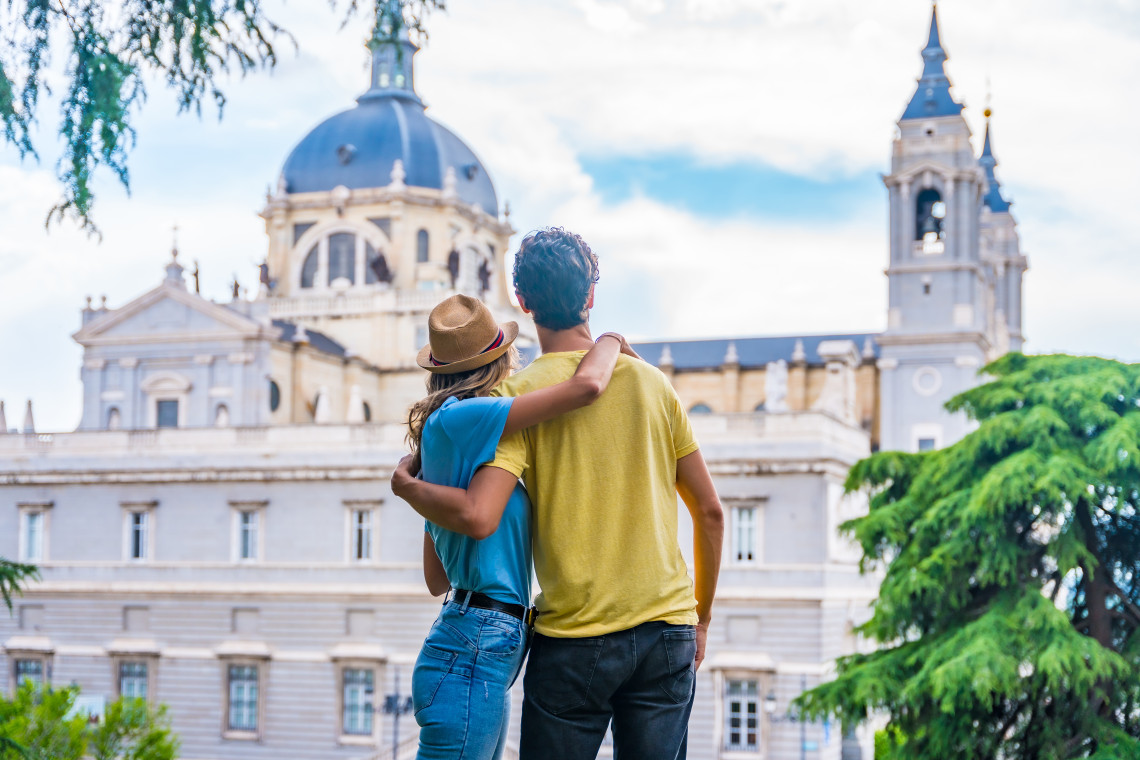
- Palacio Real. Bourbon royal palace, larger than Buckingham Palace.
- Plaza Mayor and Puerta del Sol. Historic squares.
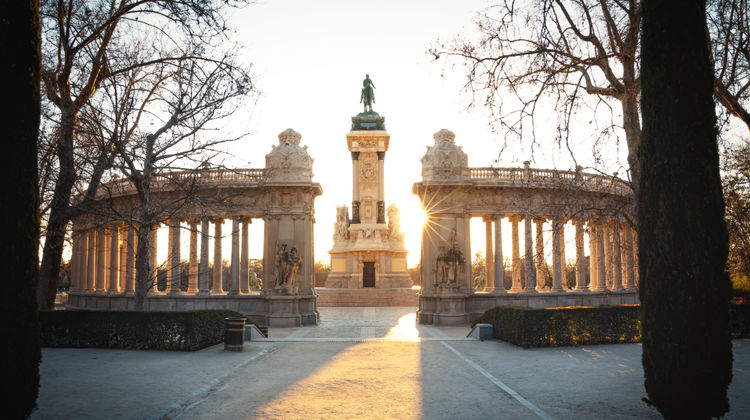
- Parque del Retiro. The city's Central Park. Rowboat pond, Crystal Palace, gardens.
Who wins: Depends on your preference. Barcelona has arguably the more iconic architecture (Gaudí is a genius). Madrid has objectively better museums (three of Europe's greatest sit within a mile of each other).
Food and drink comparison
Barcelona:
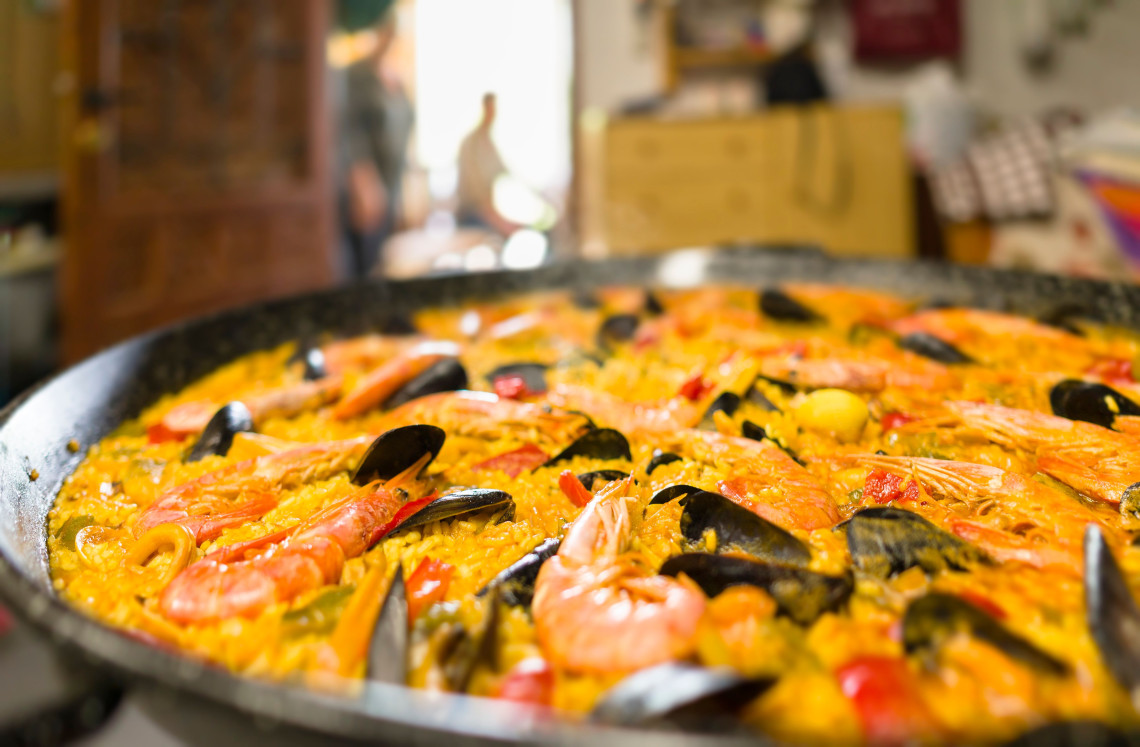
- Signature dishes: seafood paella, esqueixada (salted cod salad), calçots (grilled green onions, seasonal winter dish), butifarra sausage, crema catalana.
- Tapas: often paid per plate at bars, less "free tapa with drink" culture than Andalusia.
- Modernista bars in the Eixample. Tapas taverns in El Born. Michelin-star restaurants in Sant Antoni.
- Bocadillo culture is different: try a bikini or a montadito.
- Excellent boquerones (fresh anchovies), Iberian ham, seafood.
- Boqueria Market (off La Rambla) is famous but touristy. Sant Antoni Market and Mercat de Santa Caterina are better for locals.
Madrid:
- Signature dishes: cocido madrileño (chickpea stew), bocadillo de calamares (fried squid sandwich), callos (tripe), huevos rotos, oreja (pig's ear).
- Traditional tapas taverns (tabernas): Casa Botín (world's oldest restaurant, 1725), Casa Labra (est. 1860), La Casa del Abuelo.
- The best tapas neighborhoods: La Latina (Cava Baja street), Malasaña (Calle San Vicente Ferrer), and Barrio de las Letras.
- Cañas culture: a small draft beer, often with a small free tapa (called a "pincho" in some venues).
- Mercado de San Miguel is famous but touristy. Mercado de San Antón and Mercado de la Cebada are better for locals.
Winner on food breadth: Madrid, narrowly. More traditional Spanish variety in one city. Winner on Michelin stars per capita: Barcelona (though San Sebastián beats both). Winner on tapas value: Madrid.
Where to stay
Barcelona best neighborhoods:
- Eixample: Modernista buildings, wide streets, best hotels (5-star clustered here).
- El Born: Boutique hotels, medieval streets, walkable to Barri Gòtic.
- Gràcia: Bohemian, less touristy, small squares.
- Poblenou: Newer, hip, near the beach.
Barcelona hotel costs: Peak (June-Sep): €180-€350/night for 4-star, €400-€800 for luxury. Shoulder (Oct-Nov, Mar-Apr): €120-€250 for 4-star.
Madrid best neighborhoods:
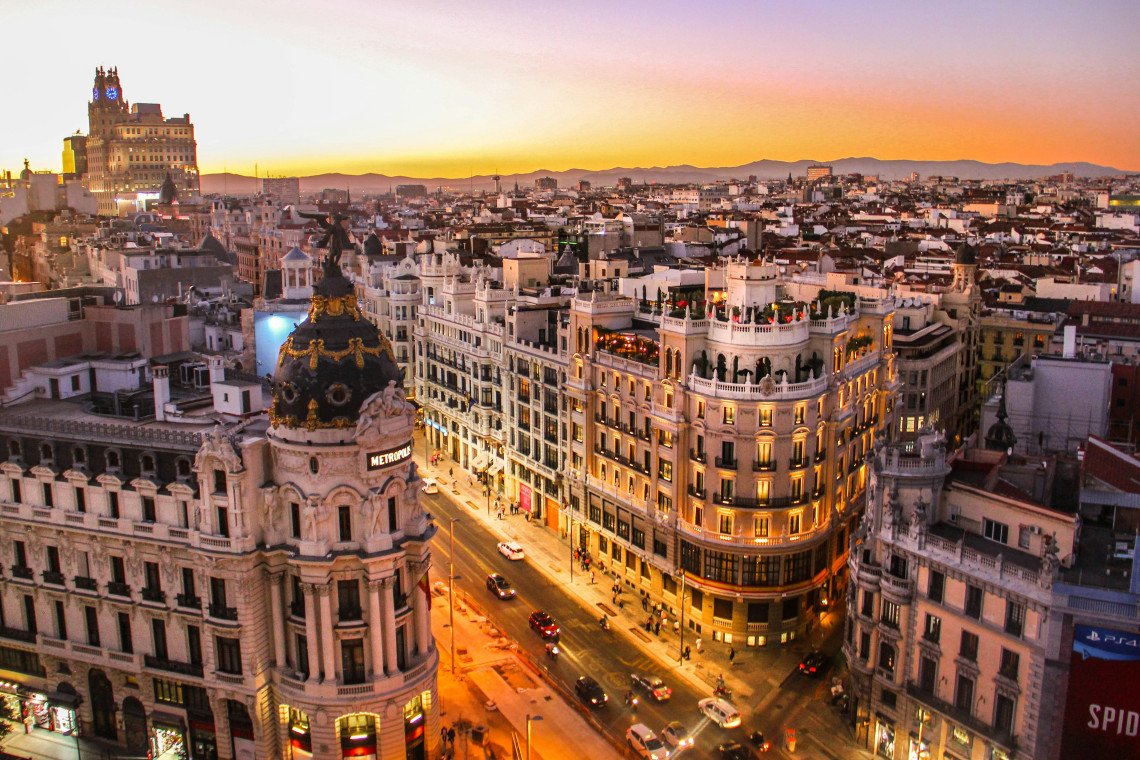
- Centro (Sol/Gran Vía): Central but can be noisy. Good for first-timers.
- Chueca: LGBT-friendly, trendy, food scene.
- Malasaña: Young, indie, tapas-forward.
- Chamberí: Elegant, less touristy, excellent local restaurants.
- Barrio de Salamanca: Upscale, boutique-heavy, luxury hotels.
Madrid hotel costs: Peak (May-Jun, Sep-Oct): €160-€300/night for 4-star. Shoulder (Nov-Feb, Jul-Aug): €100-€220 for 4-star.
Winner on hotel value: Madrid, especially in July-August when Barcelona is peak.
Weather and best months
Barcelona:
- Mediterranean climate. Summer highs of 28-30°C / 82-86°F. Winter around 15°C / 59°F.
- Best months: May, June, September, October. Peak crowds July-August.
- Rain: Mostly spring and autumn showers. Rarely a full washout day.
Madrid:
- Continental climate. Summer highs of 35-40°C / 95-104°F. Winter cold with occasional snow (5°C / 41°F daytime).
- Best months: April-May, September-October. Avoid July-August (extreme heat), December-February for the cold.
- Rain: Mostly spring showers. Dry summers.
Winner on weather comfort: Barcelona in summer (sea breeze), Madrid in fall (best light).
Nightlife
Barcelona:
- Bars until 2-3am, clubs until 5-6am.
- Beach clubs in summer along Barceloneta.
- Two nightlife cores: Barceloneta/Port for beach clubs, Barri Gòtic and El Raval for bars.
- Mid-week is quieter, weekend is packed.
Madrid:
- The most extreme nightlife hours in Europe. Bars until 3am, clubs until 6-7am.
- Nightlife cores: Malasaña, Chueca, Sol, and Huertas.
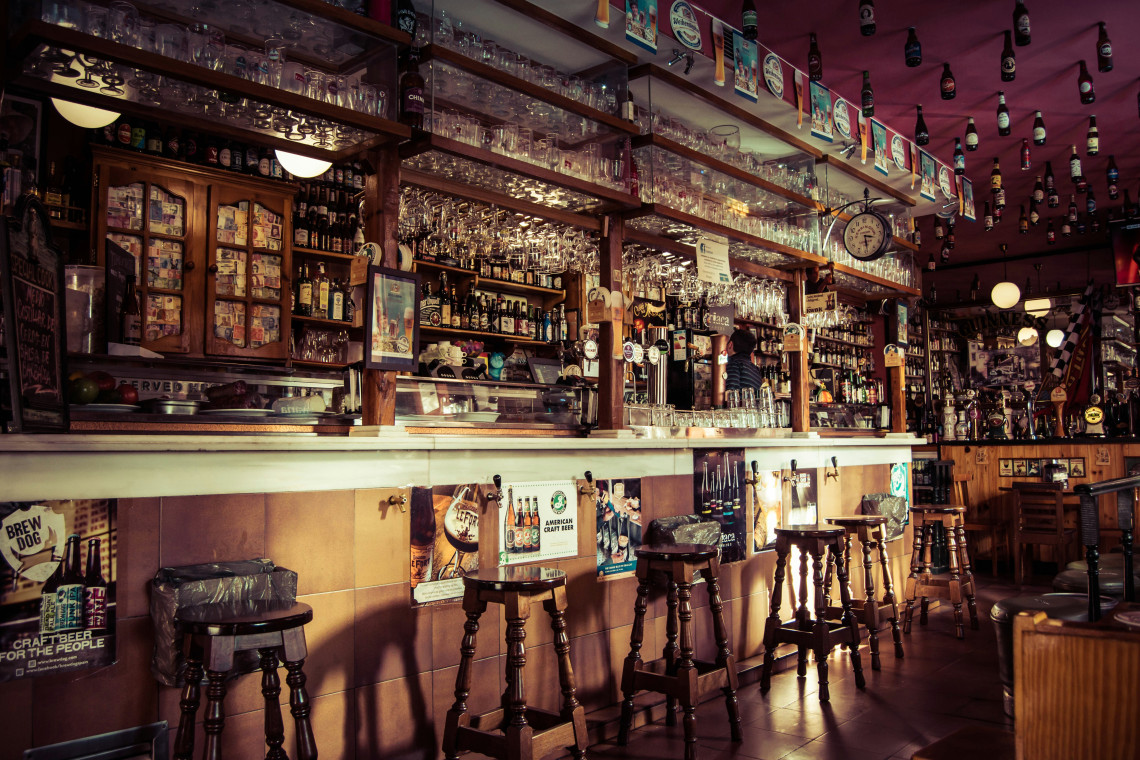
- La marcha (the crawl) is a proper cultural practice: you go bar to bar with different drinks and small tapas.
Winner on nightlife energy: Madrid, hands down. Barcelona is beach-club-and-cocktail-lounge, Madrid is proper Spanish taberna crawl until dawn.
Day trips from each
From Barcelona (all reachable in a day):
- Montserrat (mountain monastery, 1h train).
- Girona (medieval city, 40 min AVE).
- Sitges (beach town, 30 min train).
- Costa Brava (Cadaqués, Begur, needs a car).
- Tarragona (Roman ruins, 30 min train).
- Cava wineries (Penedès region, 45 min drive).
From Madrid (all reachable in a day):
- Toledo (medieval city, 30 min AVE). The essential Madrid day trip.
- Segovia (Roman aqueduct, Alcázar, 30 min AVE).
- Ávila (walled town, 90 min train).
- El Escorial (royal monastery, 45 min train).
- Aranjuez (royal palace, 45 min train).
- Consuegra (windmills, 90 min car).
Winner on day trip variety: Madrid. More historic small cities within an hour. Barcelona day trips lean toward beach and coast.
The AVE connects them in 2h 30min
Madrid → Barcelona: Renfe AVE, Iryo, or Ouigo. Prices from €19 (booked ahead) to €150 (day of). 15+ daily trains. Departs Atocha (Madrid), arrives Sants (Barcelona).
Flights: Also available (1h 15min flight), but the door-to-door time is nearly identical due to airport transfers. Take the train.

The classic 7-day Madrid + Barcelona itinerary
- Days 1-3: Madrid. Prado + Reina Sofía + Palacio Real + Malasaña tapas. One day trip (Toledo or Segovia).
- Day 4: AVE to Barcelona (2h 30min).
- Days 5-7: Barcelona. Sagrada Familia + Park Güell + Casa Batlló + Barri Gòtic + Barceloneta.
Fly out Barcelona. If you have 10 days, add day trips or extend Barcelona to Costa Brava.
Who should pick which
Choose Barcelona if you are:
- A first-time European traveler wanting iconic architecture (Gaudí).
- A beach + city combo person.
- A design and boutique shopping fan.
- Someone traveling in July-August (Barcelona is more tolerable than Madrid summer).
- Combining with the Costa Brava or French Riviera.
Choose Madrid if you are:
- A museum person (Prado, Reina Sofía, Thyssen).
- A tapas obsessive (Madrid's La Latina and Malasaña are the classic).
- Planning an Andalusia trip (Madrid is the AVE hub).
- Traveling in shoulder or winter season.
- Wanting the "real" Spain rather than Barcelona's more international vibe.
Choose both if you can. 7-10 days is the sweet spot. The AVE makes it easy.
Bottom line
If you have 3 days, pick one. If you have 7+, combine both. Barcelona for design, coast, and Gaudí. Madrid for museums, tapas, and authentic Spanish urban life. Both are stunning cities on Europe's must-visit list. The AVE means you never need to choose "forever."
Frequently asked questions
Is Barcelona or Madrid better for first-time visitors? Depends on preference. Barcelona for architecture and beach. Madrid for museums and traditional Spanish culture. Both are essential Spain trips.
Is Barcelona more expensive than Madrid? Slightly, especially in July-August. Madrid hotels are 10-15% cheaper on average.
Which has better food, Barcelona or Madrid? Madrid has more variety in traditional Spanish cuisine. Barcelona has more Modernista cuisine and Michelin diversity. Both are excellent.
How long is the train from Madrid to Barcelona? Two hours and thirty minutes on direct AVE, Iryo, or Ouigo services.
Which city is safer, Barcelona or Madrid? Both are safe overall. Barcelona has higher pickpocket rates in tourist areas (La Rambla, metro). Madrid is generally safer but still requires basic precautions.
Which is more walkable, Barcelona or Madrid? Both are highly walkable. Barcelona is slightly denser and easier to walk end-to-end. Madrid is larger and often needs metro connections.
Which city has better nightlife? Madrid, hands down. Later hours, more traditional taberna crawling. Barcelona is more beach-club-oriented.
Which has better museums? Madrid. The Prado, Reina Sofía, and Thyssen form one of the world's greatest museum districts.
Is Madrid worth visiting if I'm going to Barcelona? Yes. They are almost opposites and give a much fuller picture of Spain when combined.
Which city is better for shopping? Barcelona for design, Modernista boutiques, and beach fashion. Madrid for luxury boutiques (Barrio de Salamanca), department stores (El Corte Inglés), and traditional Spanish shops.
Can I do both Barcelona and Madrid in 5 days? Two nights each is possible but rushed. Better to spend 7-10 days across both.
Which airport is better for arrivals from the U.S.? Both have direct flights from major U.S. cities. Barcelona El Prat and Madrid Barajas are both large modern airports. Either works.
Is Barcelona more touristy than Madrid? Yes. Barcelona is one of Europe's most tourist-heavy cities, especially in summer. Madrid has fewer tourists and more locals, especially outside the very center.
Madrid, Barcelona, and everything between.
Our Spain travel experts pair the two cities into one seamless itinerary with AVE segments and pre-booked museums.
See Spain Packages Tailor-Made Trip