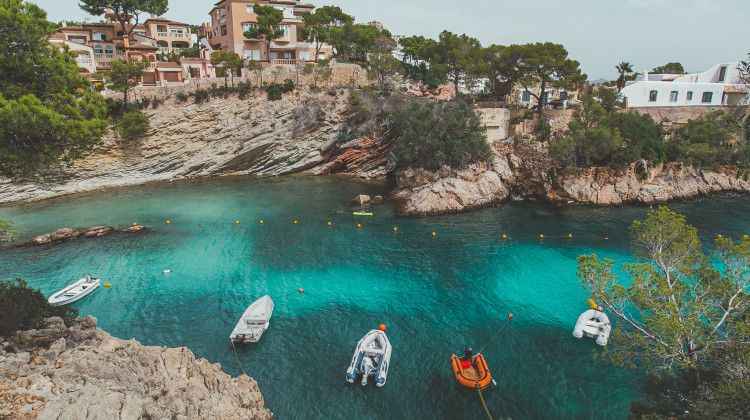
July 28, 2026 • 12 min read
Spain has 17 autonomous regions, each with its own food, dialect (sometimes its own language), festivals, and personality. First-time visitors often think of "Spain" as one country to visit; regulars think of it as seven or eight countries you visit in different trips.
This guide walks through the regions most first-time visitors consider, with an honest read of who each one is for.
The short answer
For most first-time visitors, the classic choice is Andalusia plus Madrid or Barcelona plus Madrid. These give you Spain's most iconic monuments (the Alhambra, Sagrada Familia, the Prado, the Seville Cathedral), the food cultures most Americans associate with Spain (tapas, flamenco, Catalan cuisine), and the easiest logistical setup thanks to the AVE high-speed rail.
If you want the beaches, pick the Balearics (Mallorca or Menorca first, Ibiza later). If you want reliable winter sun, pick the Canary Islands (Tenerife first). If you want food obsessives' Spain, pick the Basque Country. If you want the Camino, pick Galicia.
Below is the region-by-region breakdown.
1. Andalusia (Seville, Granada, Córdoba, Málaga, Ronda)
Who it is for: First-time Spain travelers who want the most Spanish stereotypes fulfilled in one region. Flamenco, orange trees, Moorish architecture, tapas, whitewashed villages, Semana Santa processions.
The classic loop: Seville (3 nights) → Córdoba (day trip or 1 night) → Ronda (1 night) → Granada (2 nights) → Málaga (1 night, or fly out from here). Seven to eight nights.
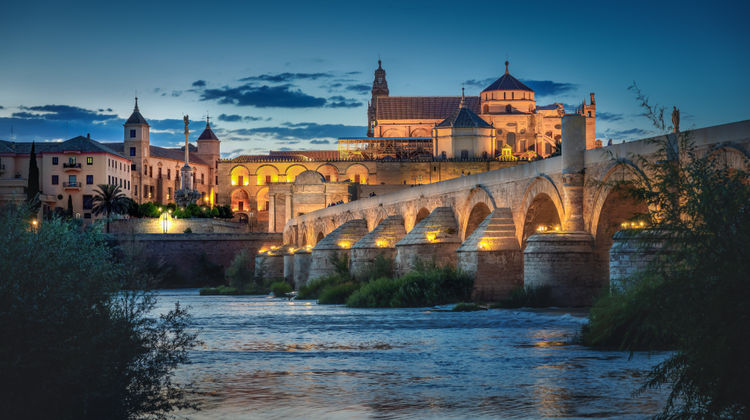
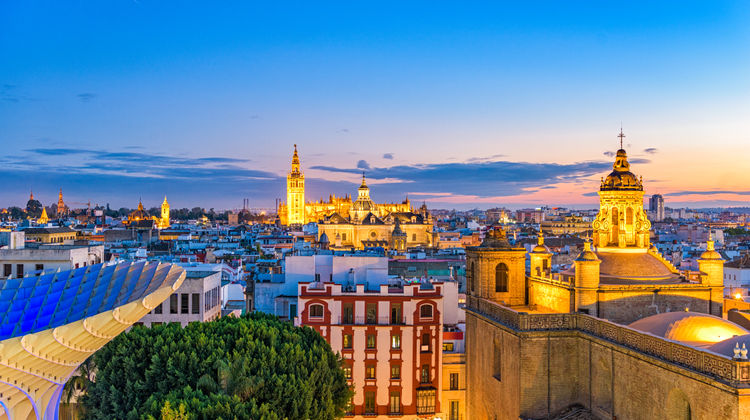
The unbeatable highs: The Alhambra in Granada is arguably Europe's greatest single monument. Seville's cathedral, Alcázar, and Barrio Santa Cruz are almost cinema-perfect. Córdoba's Mezquita is a religious architectural masterpiece. The white villages (Ronda, Zahara, Frigiliana, Setenil de las Bodegas) provide the postcard shots.
The honest downside: Andalusian summer heat is real. July and August regularly exceed 40°C / 104°F. Winter is the mildest and cheapest, spring is the peak experience (but Semana Santa and Feria de Abril spike prices). Book the Alhambra 2-3 months ahead year-round.
Best months: March to May, October to early November. Avoid July and August unless you love heat.
How to reach: AVE from Madrid to Seville (2h 30min), Córdoba (1h 45min), or Málaga (2h 40min). Fly into Málaga directly from many European hubs.
Vibe: Warm, exuberant, deeply religious in Holy Week, and the most photographed Spain in tourism marketing.
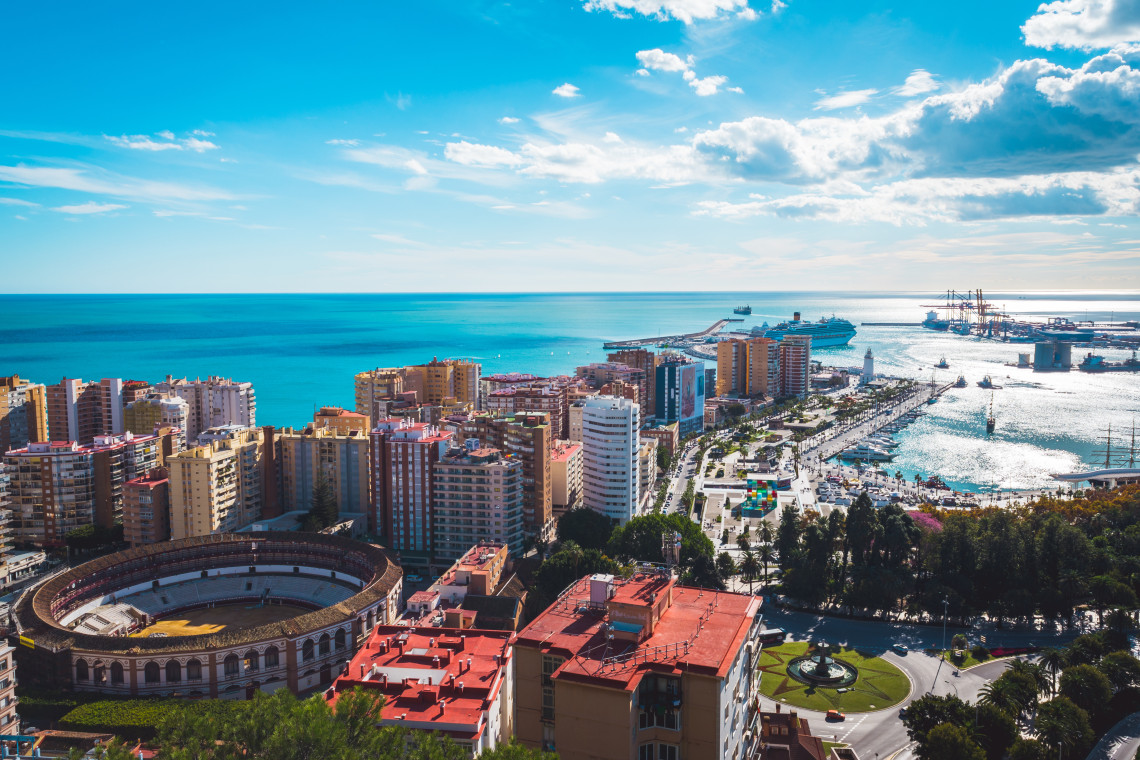
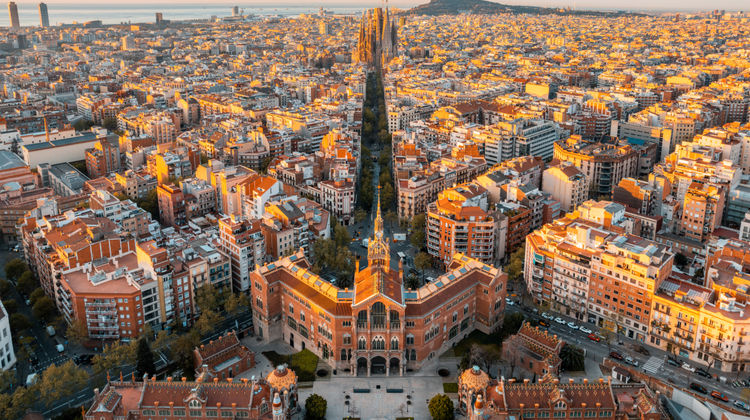
2. Catalonia (Barcelona, Costa Brava, Sitges, Girona, Tarragona)
Who it is for: Travelers who want architecture, coastal charm, Catalan food culture, and a big-city urban experience. The most cosmopolitan region in Spain, with its own language (Catalan) and identity distinct from Castilian Spain.
The classic loop: Barcelona (4-5 nights) → Costa Brava (2-3 nights in Cadaqués, Begur, or Tossa de Mar) → Girona (1-2 nights) → optional Sitges day trip. Eight to ten nights.
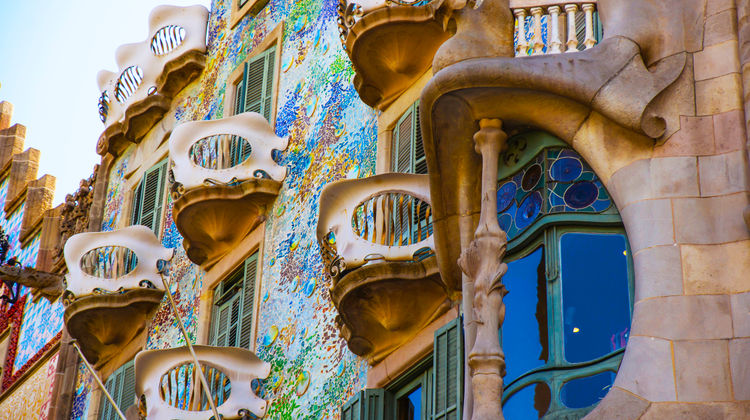
The unbeatable highs: Sagrada Familia is the greatest cathedral built in the last 150 years and Gaudí's Park Güell, Casa Batlló, and La Pedrera are Modernisme at its most photographed. Costa Brava's coves (Cala Pola, Aiguablava, Sa Tuna) rival any Mediterranean coast. Catalan cuisine (esqueixada, escudella, calçots in season) is distinctive and Michelin-star-heavy.
The honest downside: Barcelona is now one of Europe's most touristy cities. Peak summer crowds are overwhelming. Some locals have grown weary of tourism, especially in the Barri Gòtic and around La Rambla. Catalan political tensions occasionally surface. Prices are higher than in Andalusia or central Spain.
Best months: May to mid June, mid September to late October.
How to reach: Direct flights from every major North American hub to Barcelona El Prat. AVE from Madrid (2h 30min).
Vibe: Modern, design-forward, coastal, Catalan first and Spanish second.
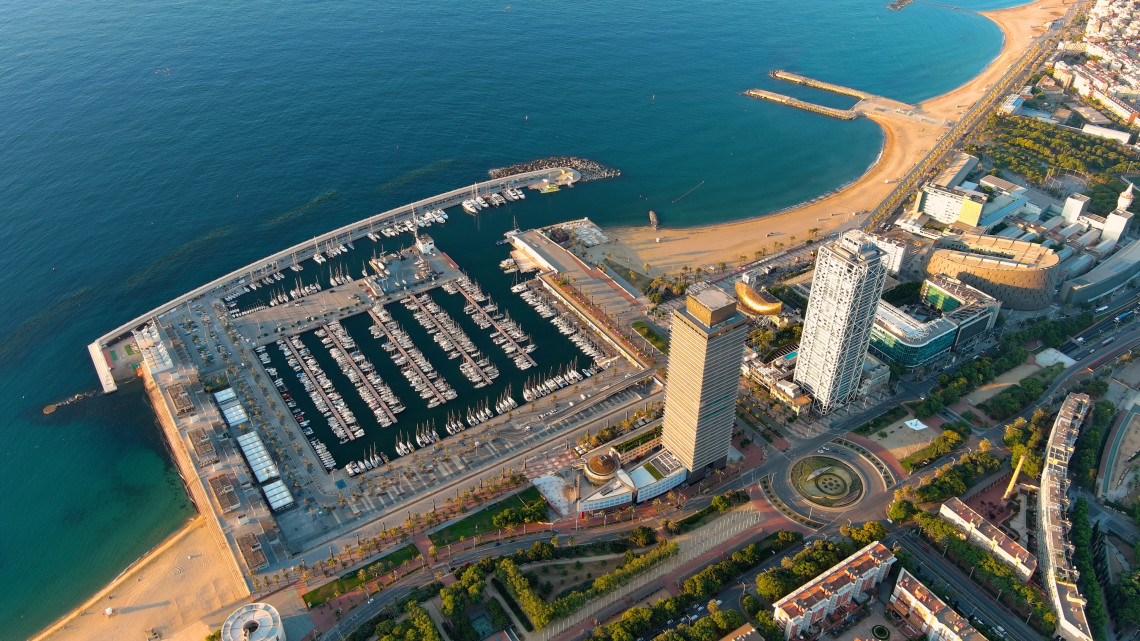
3. Madrid and central Spain
Who it is for: Travelers who want the museum trifecta (Prado, Reina Sofía, Thyssen), the most authentic Spanish city (as opposed to the coastal international cities), and the practical hub from which to reach every corner of Spain by AVE.
The classic loop: Madrid (3-4 nights) → Toledo (day trip) → Segovia (day trip) → Ávila (day trip or overnight) → optional Salamanca (1-2 nights). Six to eight nights.
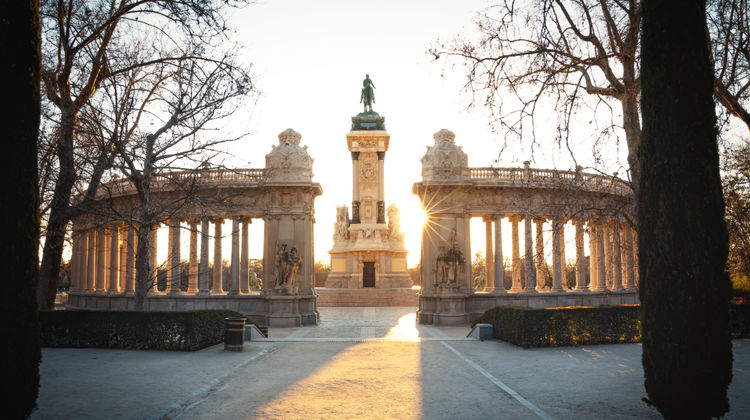
The unbeatable highs: The Prado is one of the world's great museums. Retiro Park and the Sunday Rastro flea market. Madrid's tapas neighborhoods (La Latina, Malasaña, Chamberí) beat any city in Spain for food density. Toledo's medieval old town is 30 minutes away by AVE. Segovia's Roman aqueduct and Alcázar are day-trip perfection.
The honest downside: Madrid summer heat is brutal (40°C / 104°F peaks). Madrid winter is cold and drizzly. Central Spain has fewer beaches (there are none). Museums and monuments are the draw, not landscape.
Best months: Late April to early June, mid September to late October, and the December Christmas market/Three Kings window.
How to reach: Direct flights from every major North American hub. AVE hub to everywhere.
Vibe: Elegant, museum-forward, culinary, and the most authentically Spanish (as in Castilian) big city.
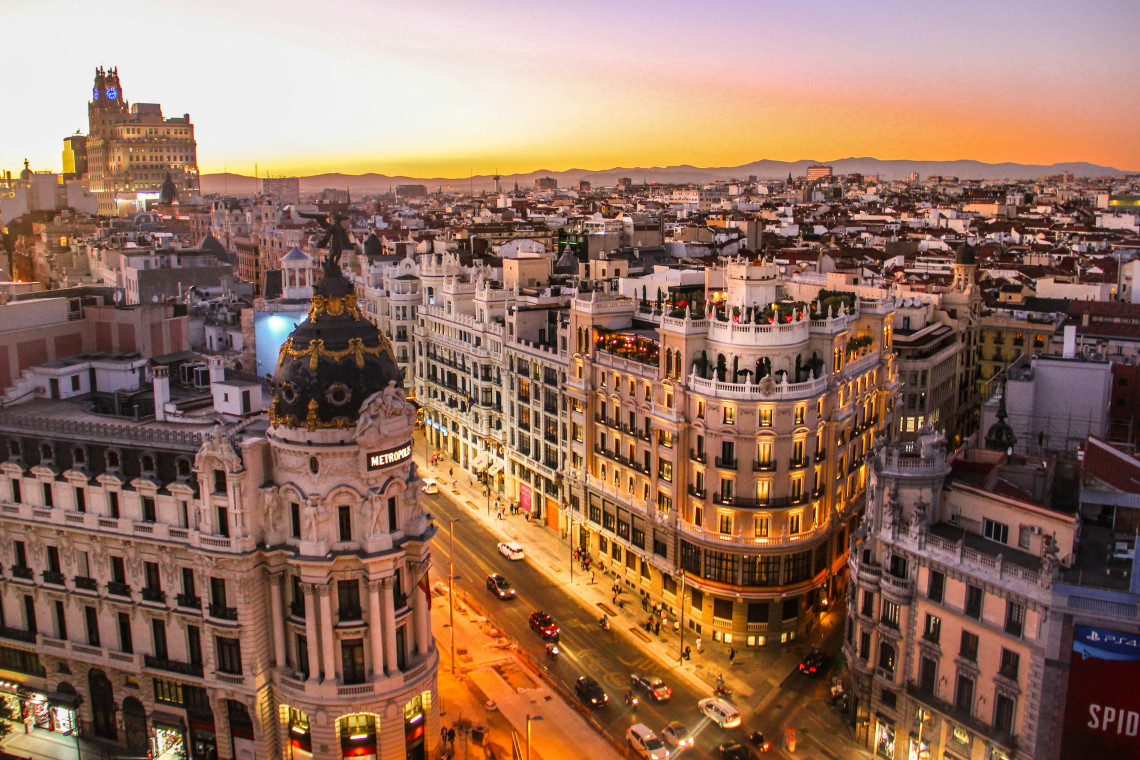
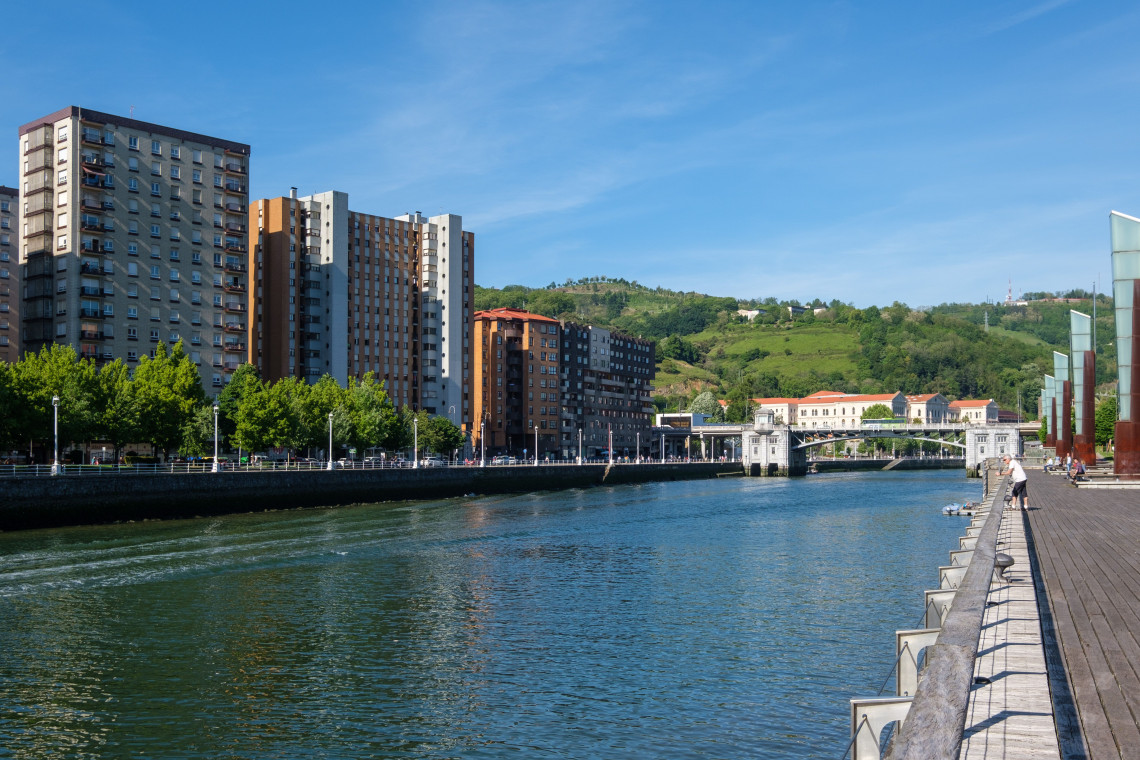
4. Basque Country (Bilbao, San Sebastián, Vitoria-Gasteiz)
Who it is for: Food obsessives, museum lovers, and coast lovers who want a completely different Spain than Andalusia or Barcelona. Basque cultural identity, cuisine, and landscape are the country's most distinctive.
The classic loop: Bilbao (2 nights) → San Sebastián (3 nights) → optional Rioja Alta day trips (Laguardia, Haro) or Basque coast (Getaria, Zumaia). Six to eight nights.
The unbeatable highs: Michelin-star density in San Sebastián is the world's highest. Pintxos culture (Basque tapas) in the San Sebastián old town. The Guggenheim Bilbao and its Frank Gehry titanium curves. La Concha beach is one of Europe's most beautiful urban beaches. The Rioja Alta villages a short drive away. The dramatic flysch cliffs at Zumaia.
The honest downside: Wettest region in Spain. Atlantic weather is unpredictable, even in summer. Michelin restaurants require booking 6-12 months ahead. Prices in San Sebastián are the highest in Spain (comparable to Barcelona).
Best months: Late June to mid September.
How to reach: Direct flights to Bilbao from some U.S. and European hubs. AVE Madrid to Bilbao (currently 4h 30min via alvia, faster route in development). Or fly to Madrid or Barcelona and connect.
Vibe: Rainy, green, gastronomically obsessive, and quietly proud.
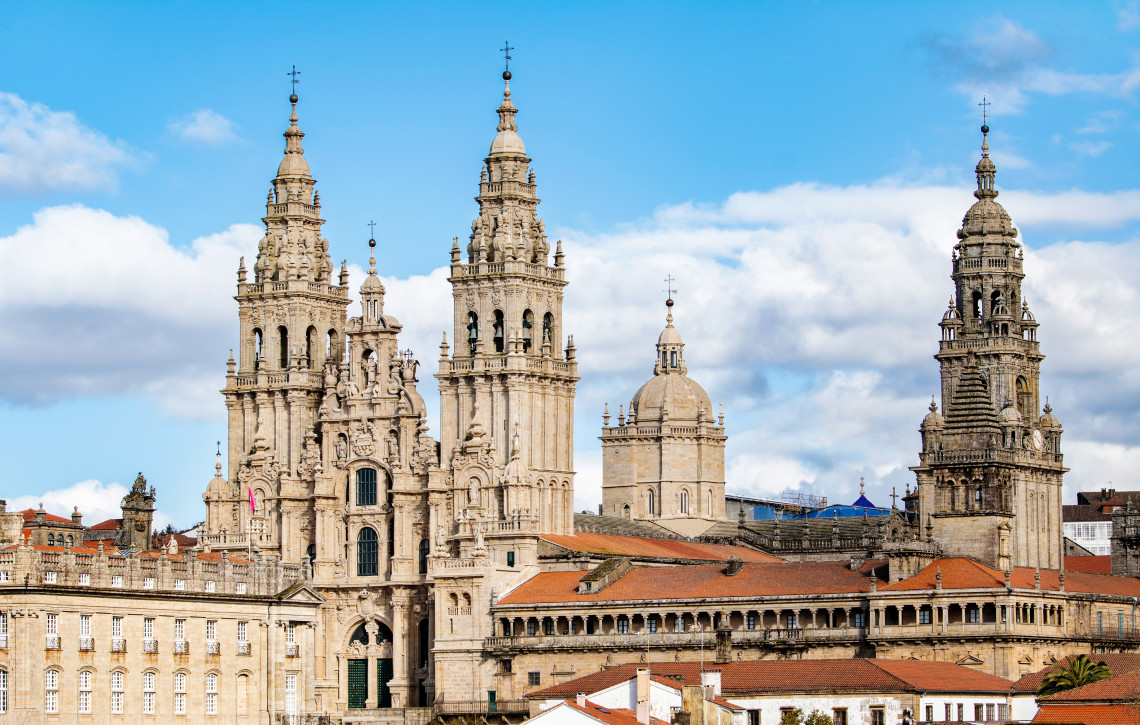
5. Galicia (Santiago de Compostela, A Coruña, Vigo, Ría de Arousa)
Who it is for: Travelers walking the Camino de Santiago, seafood lovers, and those wanting the rainy, Celtic, misty end-of-the-earth Spain that few Americans think about.
The classic loop: Santiago de Compostela (2-3 nights) → coastal loop to Costa da Morte, Finisterre, and A Coruña (2-3 nights) → optional Rías Baixas wine country (Albariño). Six to eight nights.
The unbeatable highs: Santiago de Compostela's cathedral square (the Praza do Obradoiro) is the Camino de Santiago's end point and one of Spain's greatest urban squares. Fresh seafood in Cambados, O Grove, and A Coruña. Albariño wine from Rías Baixas. Percebes (goose barnacles) fresh from the Atlantic. The dramatic Costa da Morte coastline.
The honest downside: Wet. Very wet. Even in summer. Fewer marquee monuments than Andalusia. Language (Galician) can feel unfamiliar. Long distances between towns.
Best months: Mid May to mid September.
How to reach: Fly Santiago from Madrid or Barcelona (1h). Or the AVE Madrid to Santiago (3h 15min from mid-2026).
Vibe: Green, misty, Celtic-influenced, deeply seafood-focused, spiritually resonant.
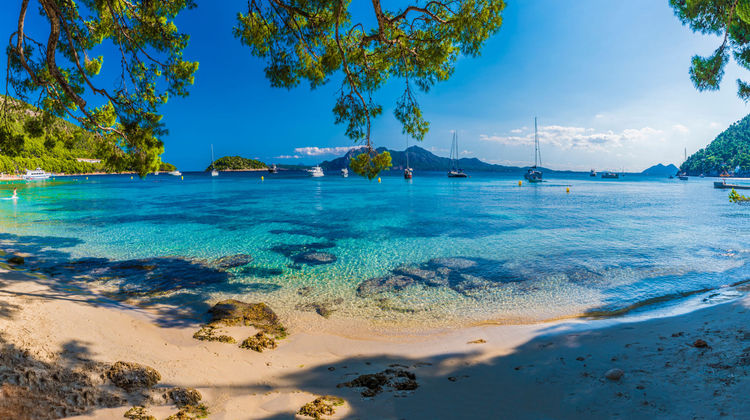
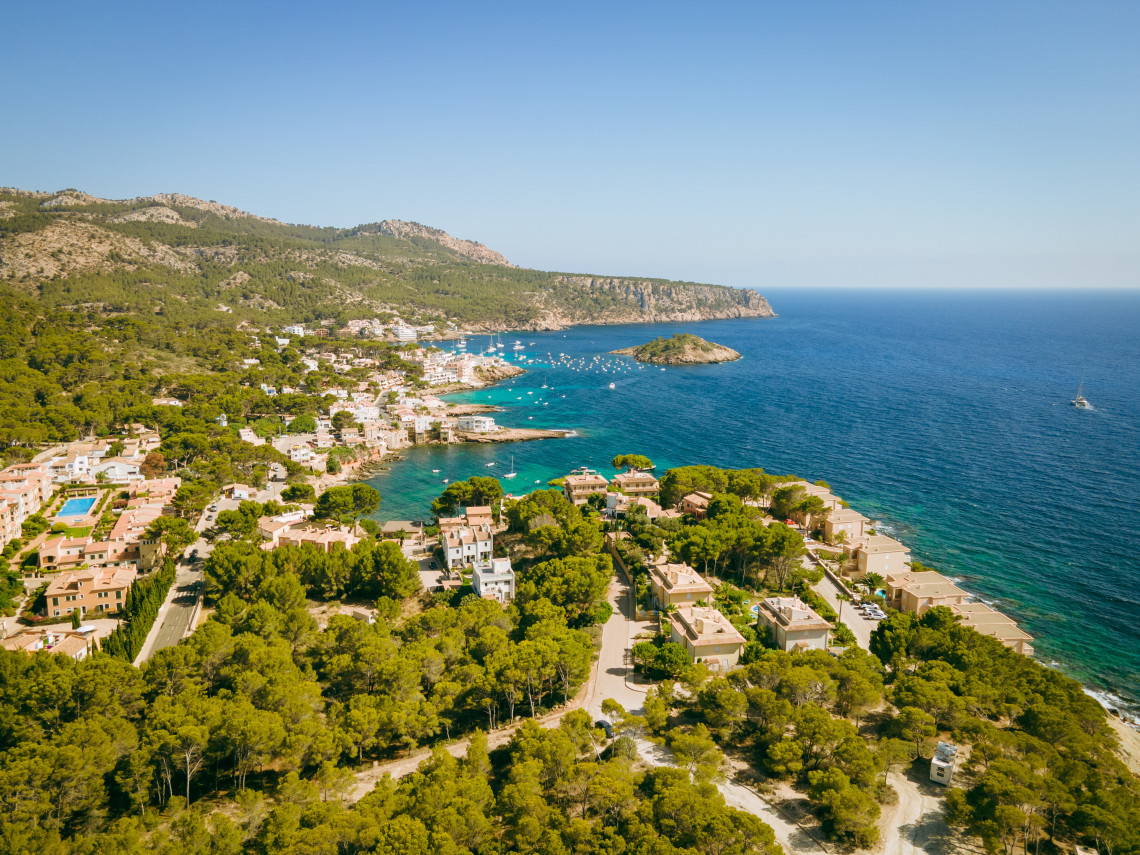
6. Balearic Islands (Mallorca, Menorca, Ibiza, Formentera)
Who it is for: Beach and cove travelers, sailors, boutique hotel lovers. Not just for clubbing (Ibiza's clubs are famous, but the islands are much broader than that).
Which island first:
- Mallorca: The all-rounder. Palma old town, Tramuntana mountains, hundreds of coves, best food scene of the four. Best first Balearic.
- Menorca: The quiet one. Best coves, quiet villages, no big clubs, protected biosphere. Best second Balearic or for couples.
- Ibiza: Split personality. Famous clubs on the south (Playa d'en Bossa, San Antonio). But north and east Ibiza (Sant Joan, Cala Xarraca, Portinatx) are beautifully quiet. Under-appreciated by non-clubbers.
- Formentera: The tiny paradise. Reached only by ferry from Ibiza. Turquoise water like the Caribbean. Day trip or 2-night side trip.
The honest downside: Peak summer (July, August) means crowded beaches, high prices, and difficulty booking anything last-minute. Winter (November to April) is mostly closed; most restaurants and hotels shut. Best months are May-June and September-October.
How to reach: Fly Palma, Menorca, or Ibiza direct from Madrid, Barcelona, London, and dozens of European cities. Ferries from mainland (Denia, Valencia, Barcelona).
Vibe: Coastal, boat culture, boutique hotels, sunshine.
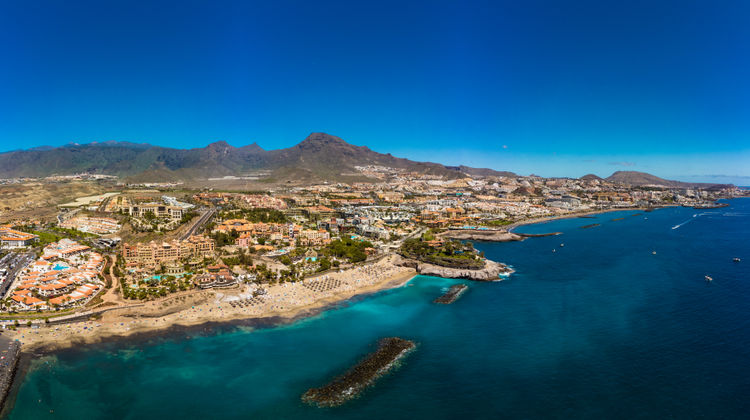
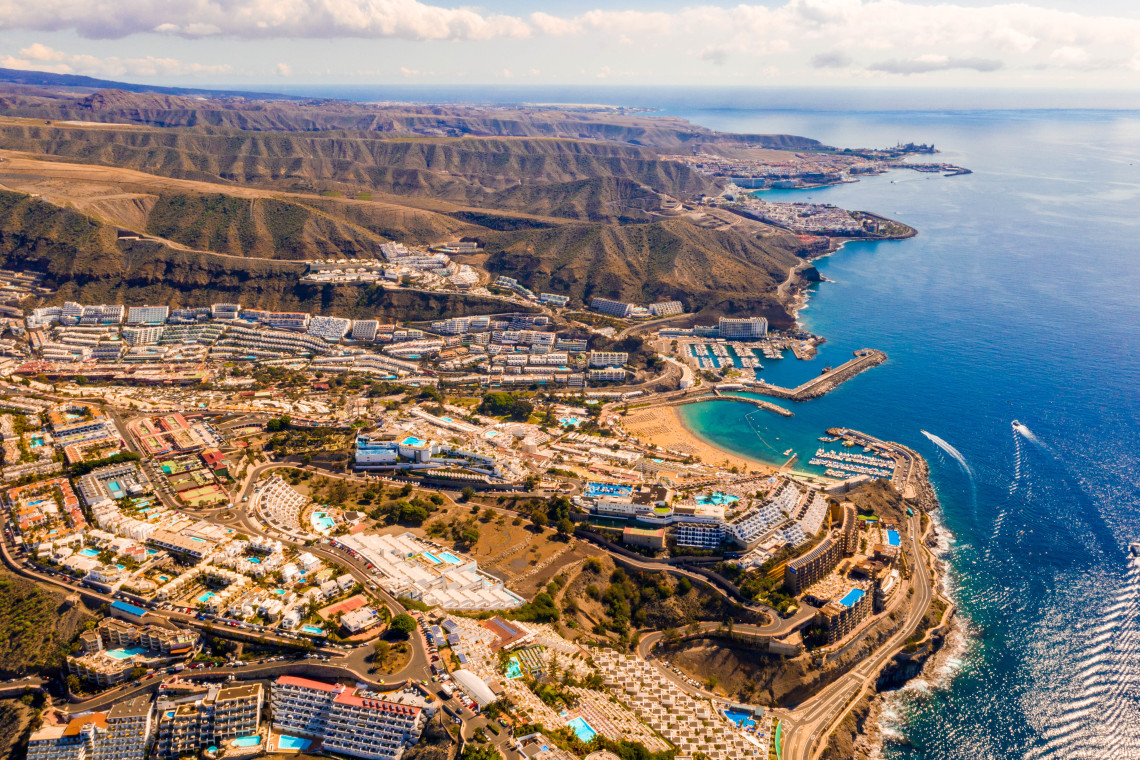
7. Canary Islands (Tenerife, Gran Canaria, Lanzarote, Fuerteventura, La Palma)
Who it is for: Winter sun travelers. Volcanic hikers. Beach travelers who want reliable weather year-round.
Which island first:
- Tenerife: The biggest and most diverse. Mount Teide (Spain's tallest peak). Anaga forest. Volcanic beaches. The best all-rounder.
- Gran Canaria: Beach resorts (Maspalomas dunes) on the south, dramatic mountain interior. Good beach + hike combo.
- Lanzarote: The volcanic landscape island. Timanfaya national park. Whitewashed low villages. The most unusual.
- Fuerteventura: The white-sand beach island. Windy (great for kitesurfing).
- La Palma: The hiker's island. Green, misty, dramatic. Least developed.
Best months: October to April for winter sun. Year-round mild weather (18-28°C / 65-82°F). Summer is popular with European mainlanders but no hotter than winter (which is what makes them ideal winter sun).
How to reach: Direct flights from major North American cities to Tenerife (via European hubs typically). Direct from most European cities. Ferries between islands.
Vibe: Reliable sunshine, volcanic, laid-back, and full of retired Europeans.
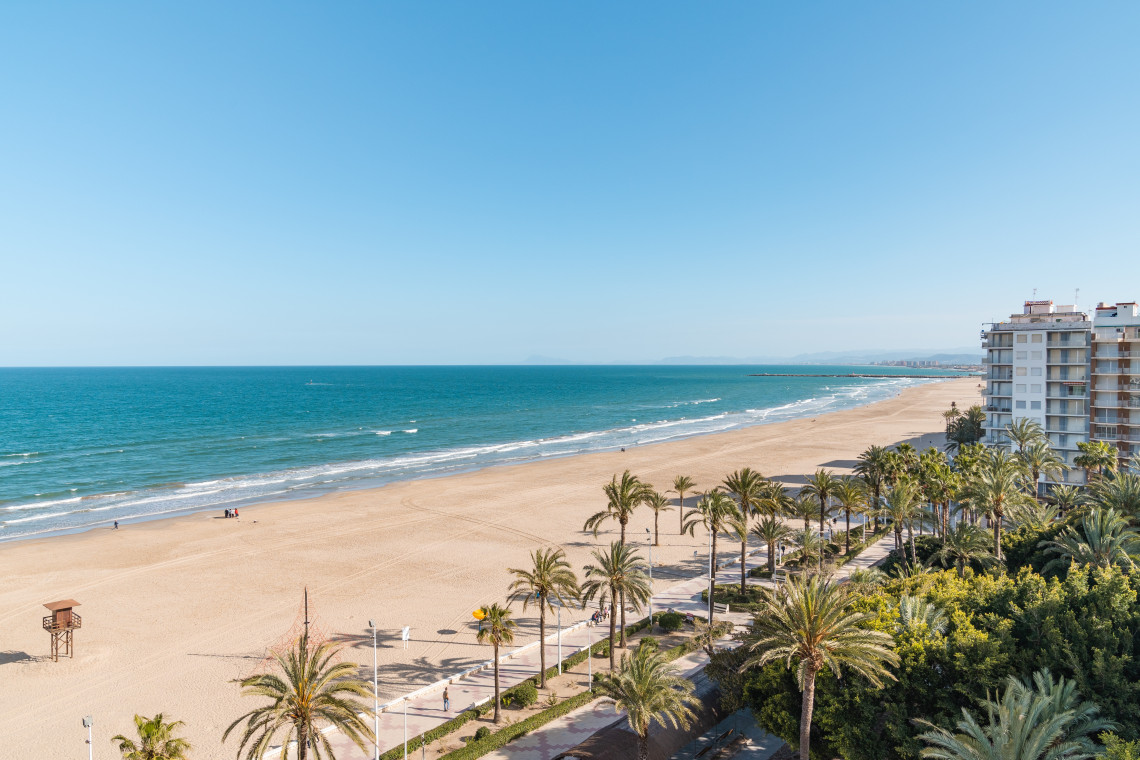
8. Valencia and the Costa Blanca
Who it is for: Travelers wanting Mediterranean beaches, paella at the source, and a mid-sized city that is a fraction less touristy than Barcelona or Madrid.
The classic loop: Valencia (3-4 nights) → optional Costa Blanca (Altea, Dénia, Xàbia) or Costa Azahar (Peñíscola). Six to eight nights.
The unbeatable highs: Valencia's Ciudad de las Artes y las Ciencias (City of Arts and Sciences) is Santiago Calatrava's masterpiece. Original paella at Casa Roberto or in the Albufera. Las Fallas festival in March (one of Spain's loudest events). Mercado Central (Europe's largest food market). The old town's Silk Exchange (UNESCO).
The honest downside: Peak summer beach crowds. The Costa Blanca has heavy British and German tourism development in Benidorm and Alicante. Some parts of Alicante-Benidorm are less picturesque than the Costa Brava.
Best months: Mid March to early June, mid September to mid November.
How to reach: AVE Madrid to Valencia (1h 50min). Direct flights from many U.S. and Canadian cities via European hubs.
Vibe: Mediterranean, family-friendly, food-focused, and value-oriented compared to Barcelona.
What if I want to combine regions on one trip?
Two of these regions in one trip is realistic if you have 10-14 days. Popular combos:
- Madrid + Andalusia: The classic first-timer. Fly in Madrid, AVE to Seville, drive Andalusia loop, fly out Málaga. 10 days.
- Madrid + Barcelona: Two urban giants. AVE between them (2h 30min). 7-10 days.
- Barcelona + Balearics: Big city + island. Fly Barcelona to Palma (45min). 8-10 days.
- Madrid + Basque + Rioja: The food and wine trip. Fly Madrid, AVE to Bilbao, drive Rioja. 10 days.
- Andalusia + Morocco: Historically Moorish continuity. Fly to Málaga, drive Andalusia, ferry across from Tarifa to Tangier.
What most first-timers underestimate
Spain is bigger than they expect. Madrid to Seville is 500km. Barcelona to Málaga is 1,000km. Do not try three regions in a week.
AVE only helps for cities. Andalusian villages, Costa Brava, Mallorca, and Basque coast need a car.
August is not the best time. Peak crowds, peak prices, peak heat in inland Spain.
Booking the Alhambra requires 2-3 months of lead time. Especially in high season.
Spain has three-hour lunches and 10pm dinners. Adjust your schedule.
Bottom line
For most first-time visitors: Andalusia + Madrid, or Catalonia + Madrid. Both give you 10 days of iconic Spain with easy logistics.
For beaches: Mallorca or Menorca first, Ibiza later.
For winter sun: Tenerife.
For food obsession: Basque Country.
For the Camino: Galicia.
Pick one or two. Save the rest for the second trip; there is always a second trip to Spain.
Frequently asked questions
What is the most beautiful region in Spain? Andalusia gets the most votes for iconic beauty (Alhambra, white villages, Seville), Catalonia for coastal beauty (Costa Brava, Sagrada Familia), Basque Country for landscape beauty (La Concha, flysch cliffs). All three are objectively stunning.
Which is better: Andalusia or Catalonia? Andalusia if you want the classic Spain experience with Moorish architecture, flamenco, and warmer weather. Catalonia if you want Gaudí, Costa Brava beaches, and Barcelona's cosmopolitan food scene.
Is Andalusia worth visiting? Yes. Andalusia has arguably the most beautiful monuments in Spain (Alhambra, Mezquita, Seville Cathedral) and is many travelers' favorite region.
What is the best region for first-time visitors? Andalusia (with Madrid) or Catalonia (with Madrid). Both offer iconic Spain in 10 days with easy AVE connections.
Is Barcelona overrated? No, but it is overcrowded. Peak summer Barcelona is exhausting. Spring, fall, or winter Barcelona is one of Europe's great cities.
What is the best Balearic island for first-timers? Mallorca. It has the best mix of cove beaches, hiking, food, and cultural sights.
When should I visit the Canary Islands? October to April for reliable winter sun. Year-round is mild, but the winter sun escape is the classic reason.
How is Basque Country different from the rest of Spain? Language (Basque/Euskera), food culture (pintxos, Michelin density), coastal Atlantic weather, and a distinct cultural identity. Feels like a different country.
Is Madrid worth visiting? Yes. Madrid has Spain's best museums (Prado), the most authentic Spanish tapas neighborhoods, and the practical hub for reaching every other region by AVE.
Should I go to Ibiza or Mallorca first? Mallorca if you want variety (mountains, coves, food, culture). Ibiza if you want beach + party or hidden coves + boutique hotels in the north.
What's the cheapest region of Spain? Andalusia in winter, followed by inland Castilla or Extremadura year-round. Coastal Catalonia and the Balearics are the most expensive.
Is it worth visiting Galicia? Yes if you want the Camino, seafood, or an off-the-radar Spain. Not if you want reliable sunshine.
Your Spain, matched to your travel style.
Our Spain travel experts pair your priorities to the right region, right season, and right base city.
See Spain Packages Tailor-Made Trip