


Wachau Valley Day Trip from Vienna: Melk and Krems
Wachau Valley day trip from Vienna: train to Melk Abbey, the Danube boat to Dürnstein and Krems, wine, apricots and what changes in winter.
November 16, 2026 • 5 min read
Wachau Valley Day Trip from Vienna: Melk and Krems
Wachau day trip at a glance
The classic route: train, abbey, boat, train
Morning: Vienna to Melk
Take a direct train from Wien Westbahnhof to Melk. The journey takes a little over an hour, and the abbey is a short uphill walk from Melk station through the small town.
Late morning: Melk Abbey
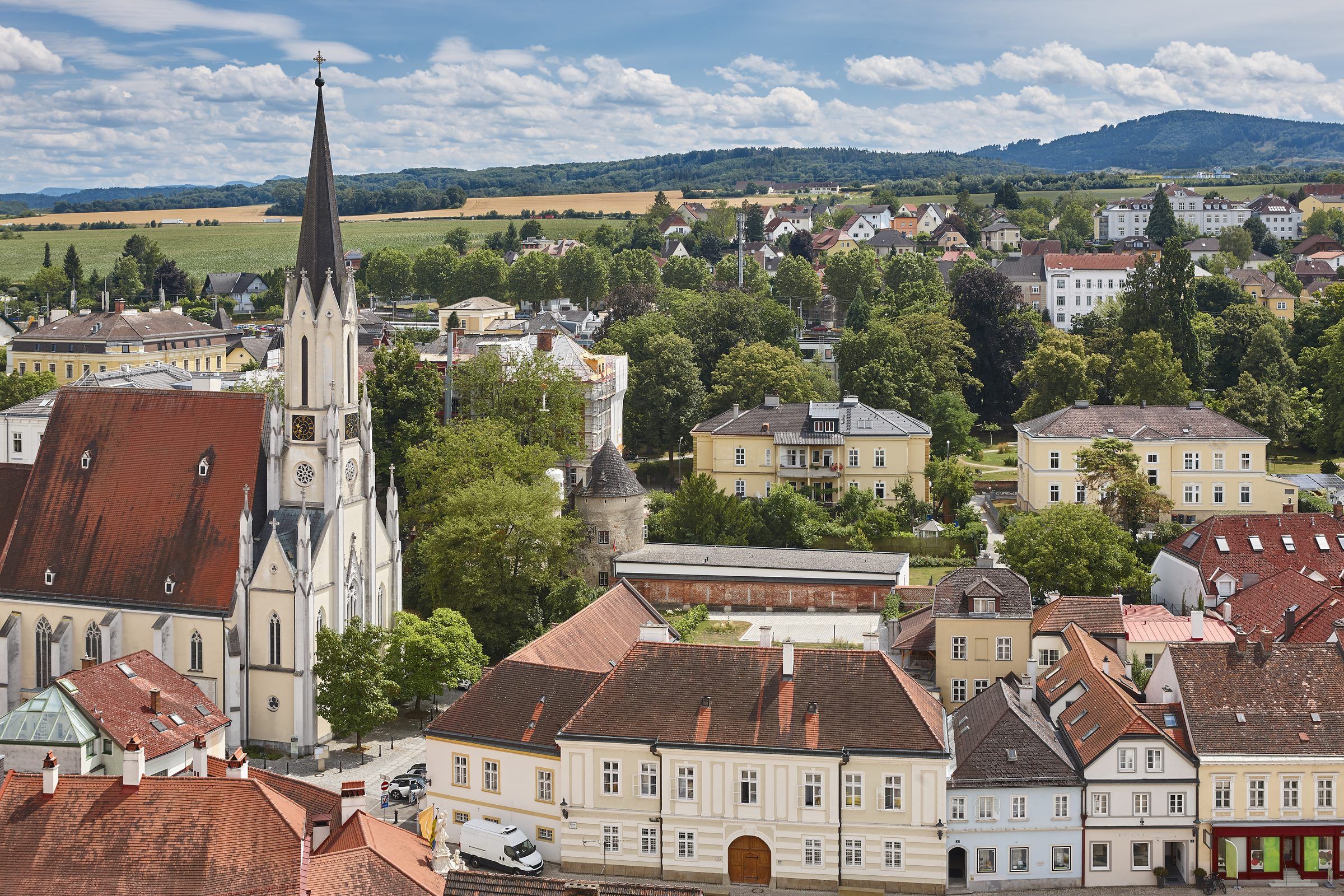
Melk Abbey is a Benedictine monastery above the Danube, home to monks since its foundation in 1089. The Baroque complex includes the abbey church, the Marble Hall, the library and a terrace with views over the valley, plus a park that mixes Baroque and English garden styles. From April to October it opens daily from 9:00 to 17:30, with guided and self-guided visits. Plan about two hours.
Afternoon: the boat to Dürnstein or Krems
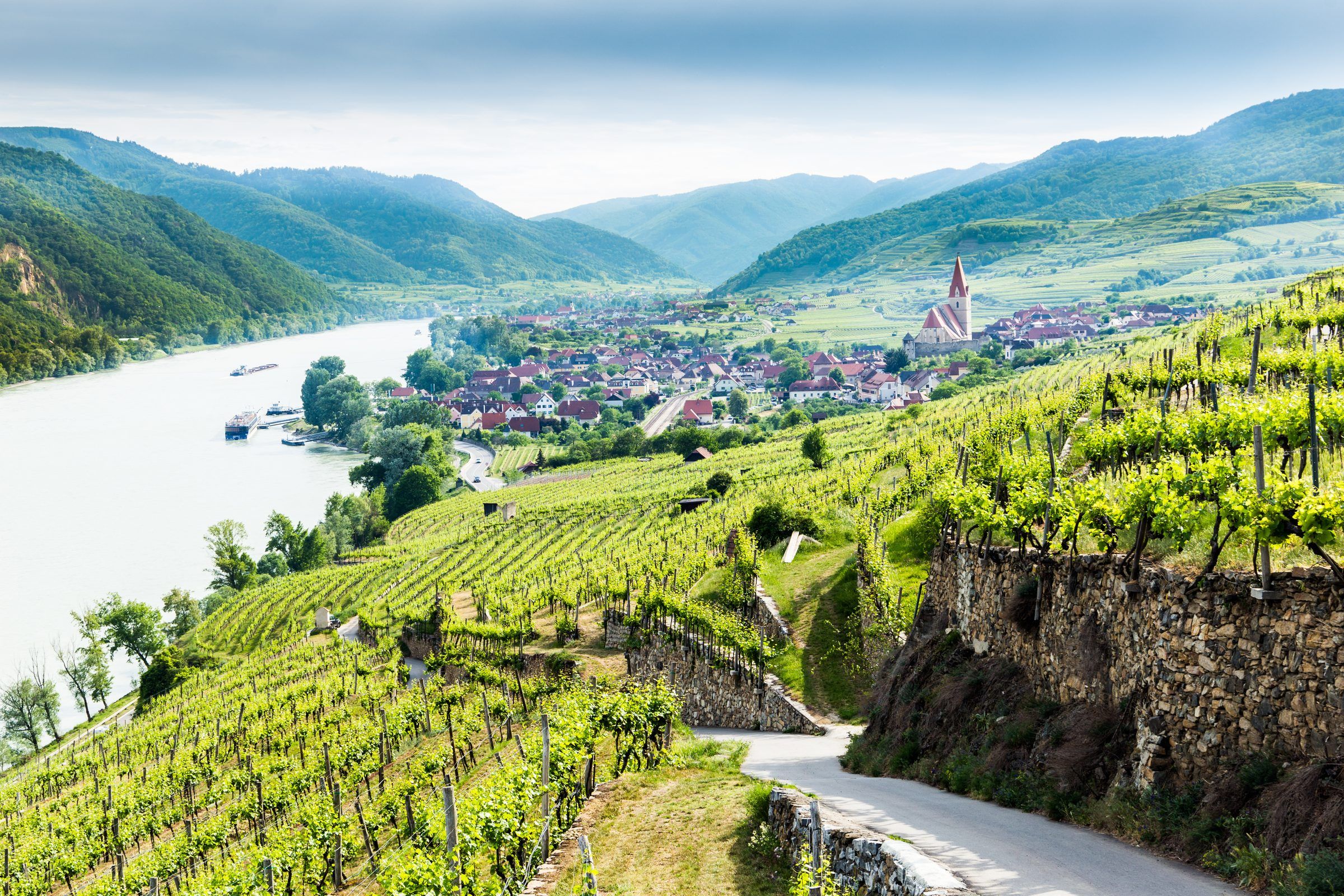
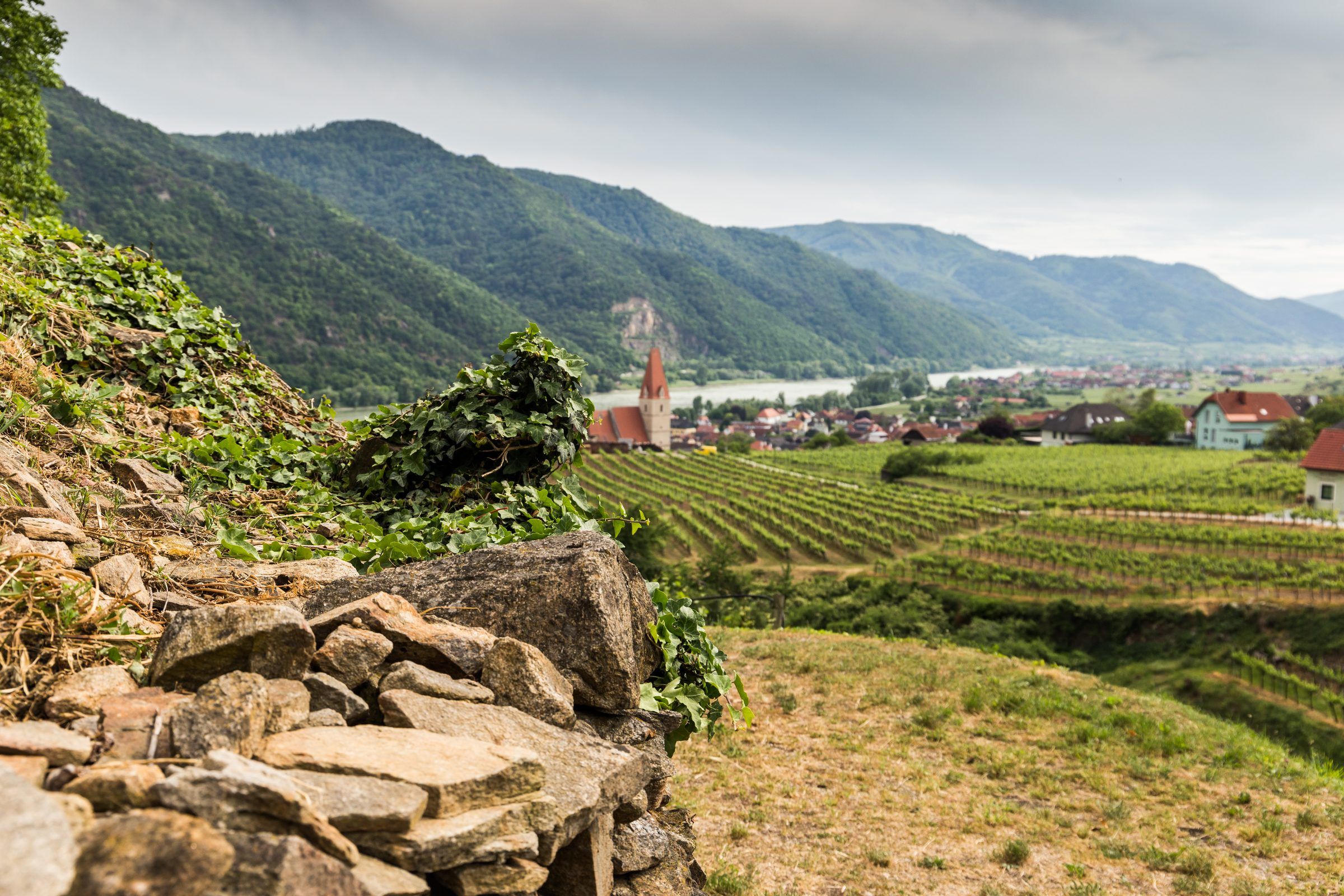
Scheduled boats sail downriver from Melk with stops at Emmersdorf, Spitz, Weißenkirchen, Dürnstein and Krems. From the deck you pass vineyards, castle ruins and church towers along the river. Get off at Dürnstein for a walk through the village, then continue to Krems by the next boat or by bus 715 to Krems station.
Evening: Krems back to Vienna
Direct trains run from Krems to Wien Franz-Josefs-Bahnhof in about 1 hour 10 minutes. The boat dock in Krems is about a 30-minute walk from the station, so allow time for the transfer.
Keep in mind: you leave from one Vienna station (Westbahnhof) and return to another (Franz-Josefs-Bahnhof). ÖBB sells a combined train and boat ticket for this route; check what it includes before you buy.
The main stops in the Wachau
Dürnstein
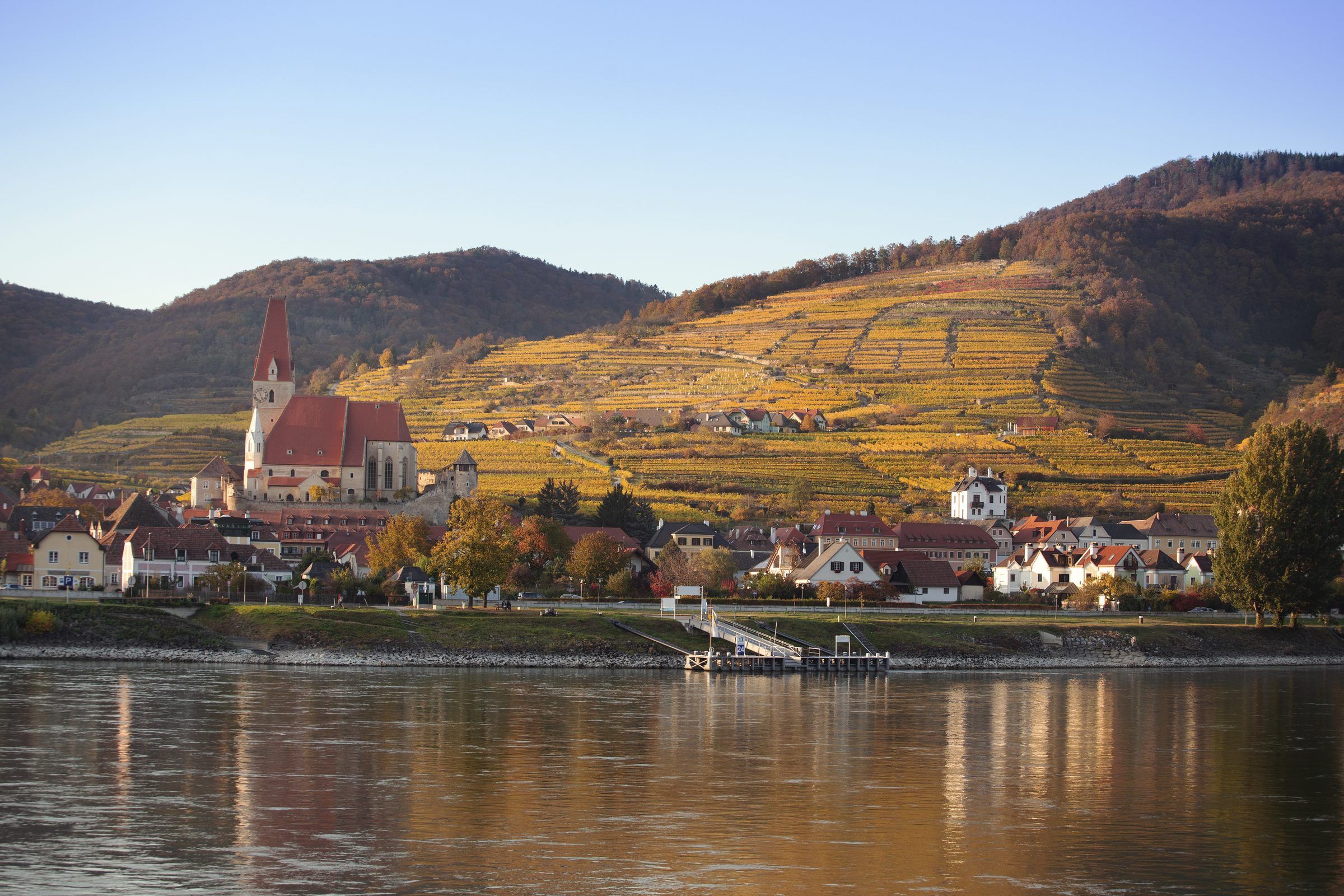
Dürnstein is the best known village in the valley, with the blue and white tower of its abbey church above the river and the ruins of the castle where Richard the Lionheart was held captive in the 1190s. A short, steep path climbs to the ruins for a view over the Danube.
Best for: a walk, the castle view and a glass of local wine.
Keep in mind: the village is small and busy with boat and bus groups on summer afternoons.
Spitz and Weißenkirchen
These two wine villages sit among terraced vineyards in the heart of the valley, and both have boat stops. They are good places to break the trip if you want a quieter stop than Dürnstein.
Krems
Krems, at the eastern end of the Wachau, is the largest town in the valley, with a historic old town, wine taverns and the train back to Vienna.
Wine, apricots and the Danube cycle path
The Wachau is one of Austria's best known wine regions, mainly for white wines from Grüner Veltliner and Riesling grapes grown on terraces above the river. Local apricots, the Wachauer Marille, appear in jams, brandy and pastries, and the orchards blossom in spring. Many winemakers run a Heuriger, a wine tavern that serves their own wine with simple food, though opening days vary.
The Danube cycle path runs along both banks through the valley, mostly flat, and bikes can be taken on the scheduled boats. You can ride one stretch and return by boat.
Train and boat, guided tour or tailor-made?
The Wachau in winter
The scheduled boats do not run from November to March, and many wine taverns close or open only on set days. Melk Abbey can still be reached by direct train from Vienna, but check its winter visiting options before you go. For a winter day in the valley, a guided tour by road is the simpler choice.
Who a Wachau day trip suits, and who it doesn't
Suits: travelers spending four days or more in Vienna, wine lovers, and anyone who wants countryside and river views between city days.
Less suited to: travelers with only two or three days in Vienna, or anyone visiting in winter who wants the boat trip.