













Europe Travel Tips for Americans: 15 Things to Know
Europe travel tips for Americans: passport and 90-day rules, EES, ETIAS, tipping, restaurants, hotels and safety in 15 points.
November 27, 2026 • 4 min read
Europe Travel Tips for Americans: 15 Things to Know
Entry and documents
1. Passport validity. The EU says your passport should be valid for at least 3 months after you plan to leave and must have been issued within the last 10 years.
2. The 90/180 rule. Short stays are limited to 90 days within any 180-day period, counted as one period across all the countries using the EU's Entry/Exit System.
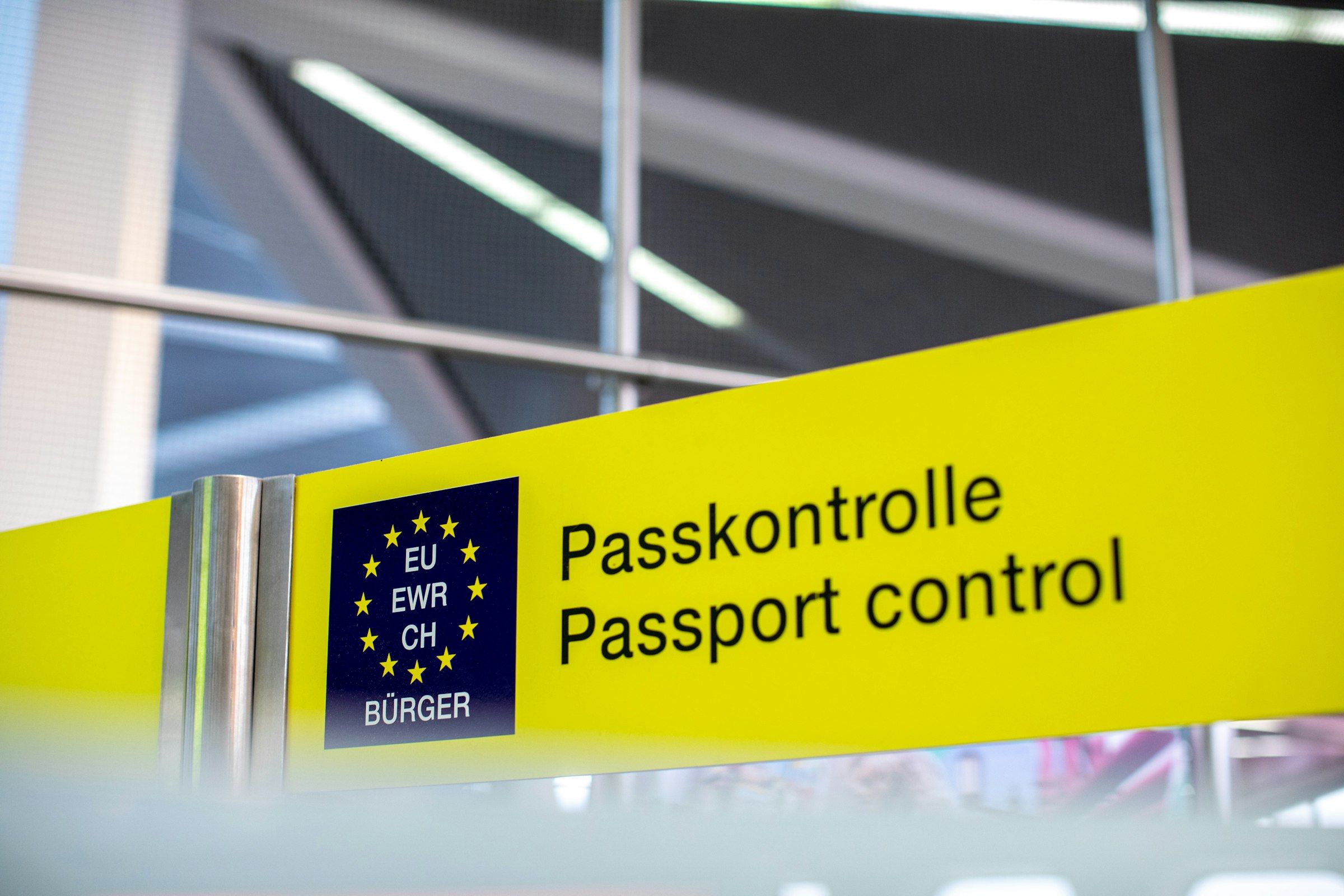
3. Biometric registration. On your first crossing under the Entry/Exit System, officers take a photo of your face and/or your fingerprints, and passports are no longer stamped, the EU says.
4. ETIAS is not live yet. The official ETIAS website says the authorization is not yet in operation and that the EU will announce the start date several months before launch.
Money and tipping
5. Tip modestly. Rick Steves says servers in Europe are paid a living wage; in many countries 5 percent is adequate and 10 percent is a nice tip, and locals often just round up.
6. Tip in cash. Most European card slips have no line for a tip, so he suggests tipping in cash.
7. Check if service is included. In Italy, menus may say "servizio incluso". Rick Steves adds that in Germany and Austria, menu prices include service even when a bill says tip not included.
Restaurants and cafes
8. Ask for the bill. Rick Steves explains that slow service is considered respectful and the table is yours for the evening, so you need to ask for the check.
9. Bar or table. In southern Europe, drinks are often cheaper at the bar than at a table, he says, so stand at the counter for a quick coffee.

Hotels
10. Expect smaller rooms. European hotels are often in old buildings, Rick Steves notes; rooms are small, a double bed may be two twins pushed together, and many northern hotels use a duvet instead of a top sheet.
11. Your ID at check-in. Hotels in many countries are required to record your name, nationality and passport number, he adds.
Safety and getting around
12. Watch for pickpockets. Rick Steves calls Europe safe, with very little violent crime but plenty of pickpocketing, so keep valuables secure.
13. Emergency number. Lonely Planet notes that 112 is the European emergency number.
14. Learn a few words. Many hoteliers and waiters speak some English, Rick Steves says, but a few local words are helpful and polite.
15. Driving etiquette. If you rent a car in Germany, never cruise in the fast lane; it is for passing only, he advises.

Who these tips suit, and who they don't
Suits: first-time and returning US travelers visiting continental Europe for a vacation of up to a few weeks.
Less suited to: anyone planning to work, study or stay longer than 90 days, who needs to check national visa rules, and travelers heading only to the UK or Ireland, which have their own entry rules.