








Athens and Santorini Itinerary: 5 to 7 Days
Athens and Santorini in 5 or 7 days: day-by-day plans, flight or ferry between them, where to stay on Santorini and what a package includes.
November 16, 2026 • 9 min read
Athens and Santorini Itinerary: 5 to 7 Days
Why Athens and Santorini work well together
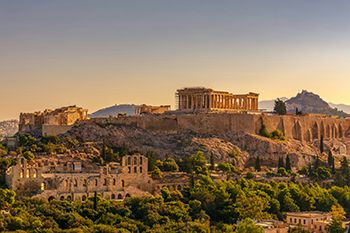
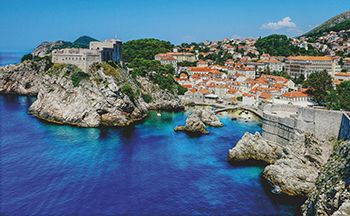
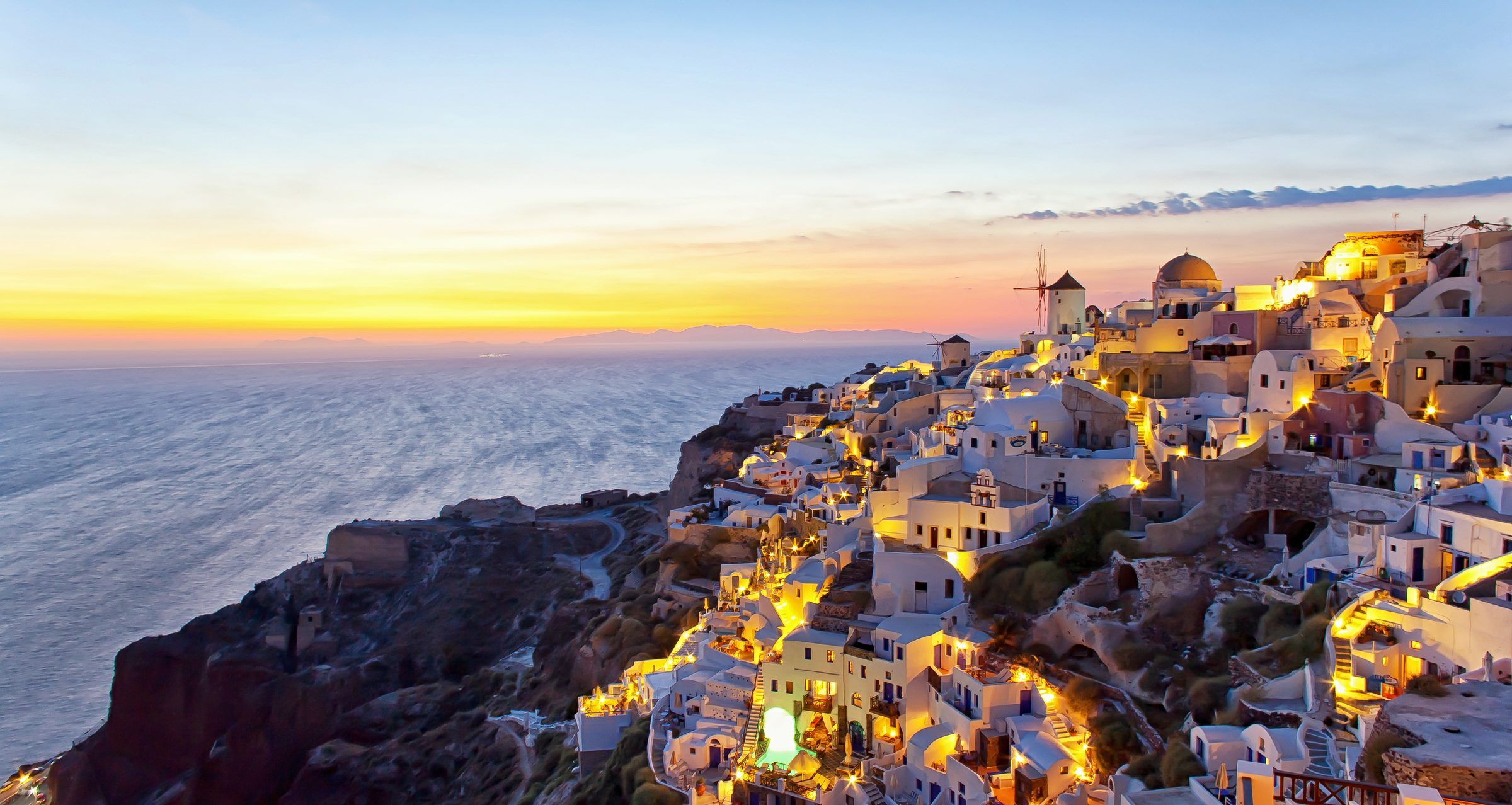
The pair covers two different sides of Greece with one easy connection. Athens has the Acropolis, a UNESCO World Heritage Site, along with the Acropolis Museum and the Ancient Agora. Santorini is a volcanic island where the villages of Fira, Imerovigli and Oia line the top of cliffs more than 300 m (980 ft) above the flooded caldera. Flights between the two run all year, so the combination works in any season.
International flights from the U.S. and Canada land in Athens, and most connect to Santorini on the same day if you prefer to start on the island.
Should you fly or take the ferry from Athens to Santorini?
For a 5 to 7-day trip, fly. The ferry is a pleasant way to see the islands, but it uses most of a day you could spend on Santorini or in Athens.
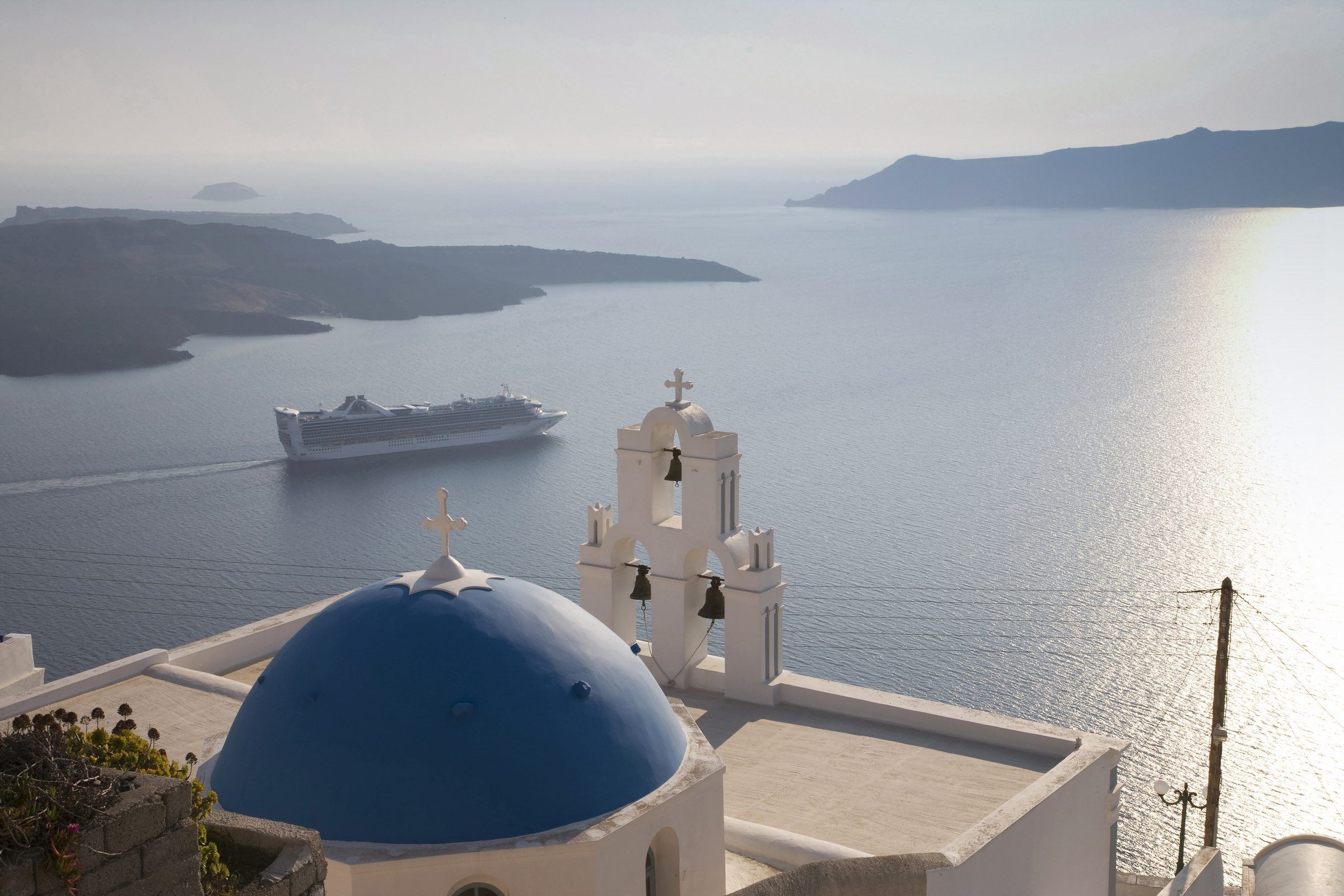
Ferries arrive at Athinios, the port on the inner side of the caldera, and a winding road climbs the cliff to Fira. Allow time for the climb in traffic when ferries and cruise passengers arrive together. If you do take the ferry, choose it for the outbound leg to Santorini and fly back, so a delayed or canceled sailing never threatens your flight home. The meltemi, a north wind that can blow from May to October and peaks in July and August, can make crossings rough.
Athens and Santorini in 5 days
Five days is tight but workable. The plan keeps the Acropolis and the museum on the same day, so start early and take a long lunch break in between. On day 5, book a Santorini to Athens flight that leaves plenty of time before your international departure, or move day 5 to a final night near Athens airport if your flight home leaves in the morning.
Athens and Santorini in 7 days
Days 1 to 3 in Athens
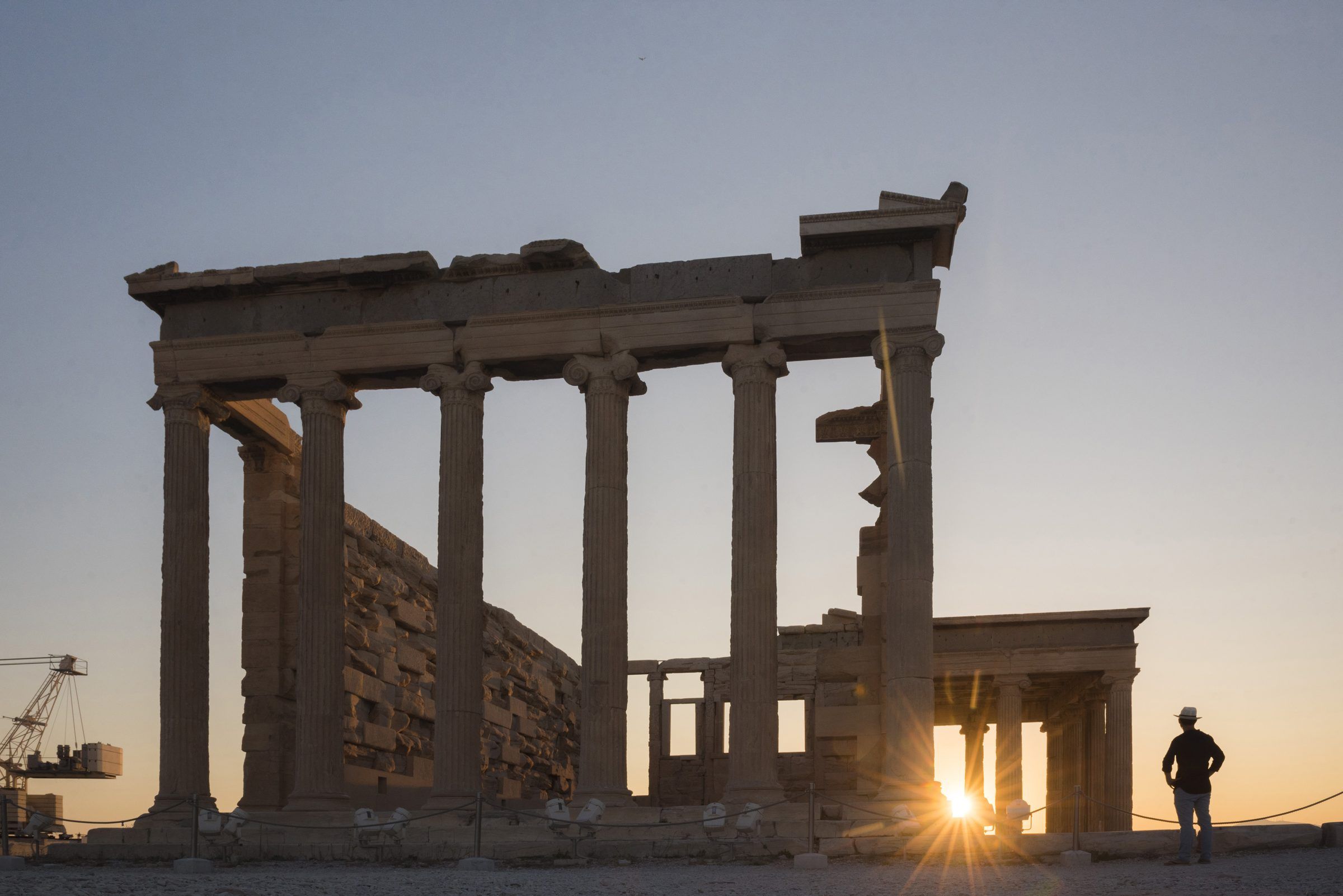
The Acropolis uses timed entry tickets, and booking through the official ticket website is the safest way to get the slot you want. The site is busiest from about 10 am to 2 pm. Plan 2 to 3 hours on the hill and wear shoes with grip, because the marble is worn smooth. During heatwaves, the site can close in the hottest hours, so check the day before.
Visit the Acropolis Museum on a separate day if you can. It holds more than 3,000 artifacts and is easier to enjoy when you are not tired from the climb. The Temple of Poseidon at Cape Sounion, at the southern tip of Attica, stays open until sunset, which makes it a good late-afternoon trip.
Best for (Athens): the Acropolis, museums and an easy start to the trip right where international flights land.
Keep in mind: summer afternoons are hot, about 32 to 34 °C (89 to 94 °F) from June to August, so plan sightseeing early.
Days 4 to 6 on Santorini
The caldera path from Fira to Oia is about 10 km (6 miles) and takes 3 to 5 hours. Fira to Oia is mostly downhill and ends at the sunset, but there is a rocky climb near Profitis Ilias and almost no shade. A shorter alternative is the paved stretch from Fira to Imerovigli.
Boat trips leave from the old port of Skala to Nea Kameni, the volcanic islet in the middle of the caldera. On the land side, Akrotiri is a Bronze Age town buried by an eruption, with multi-level buildings and wall paintings, protected under a canopy. Red Beach is nearby.
Which order is better: Athens first or Santorini first?
Athens first is easier on jet lag. You land, rest, and spend the first days in a city where everything is close and a slow day costs little. The trip ends on the island, which feels like a holiday finale. The drawback is the connection home: you need a flight from Santorini to Athens on your last day.
Santorini first puts the short flight at the start, when a delay matters less, and your last night is in Athens, close to the airport. The Highlights of Greece package above follows this order. The drawback is that you arrive on the island tired after the transatlantic flight.
Where to stay on Santorini
Your choice of village matters more than the hotel, because it decides how much you walk and how much you see.
Fira
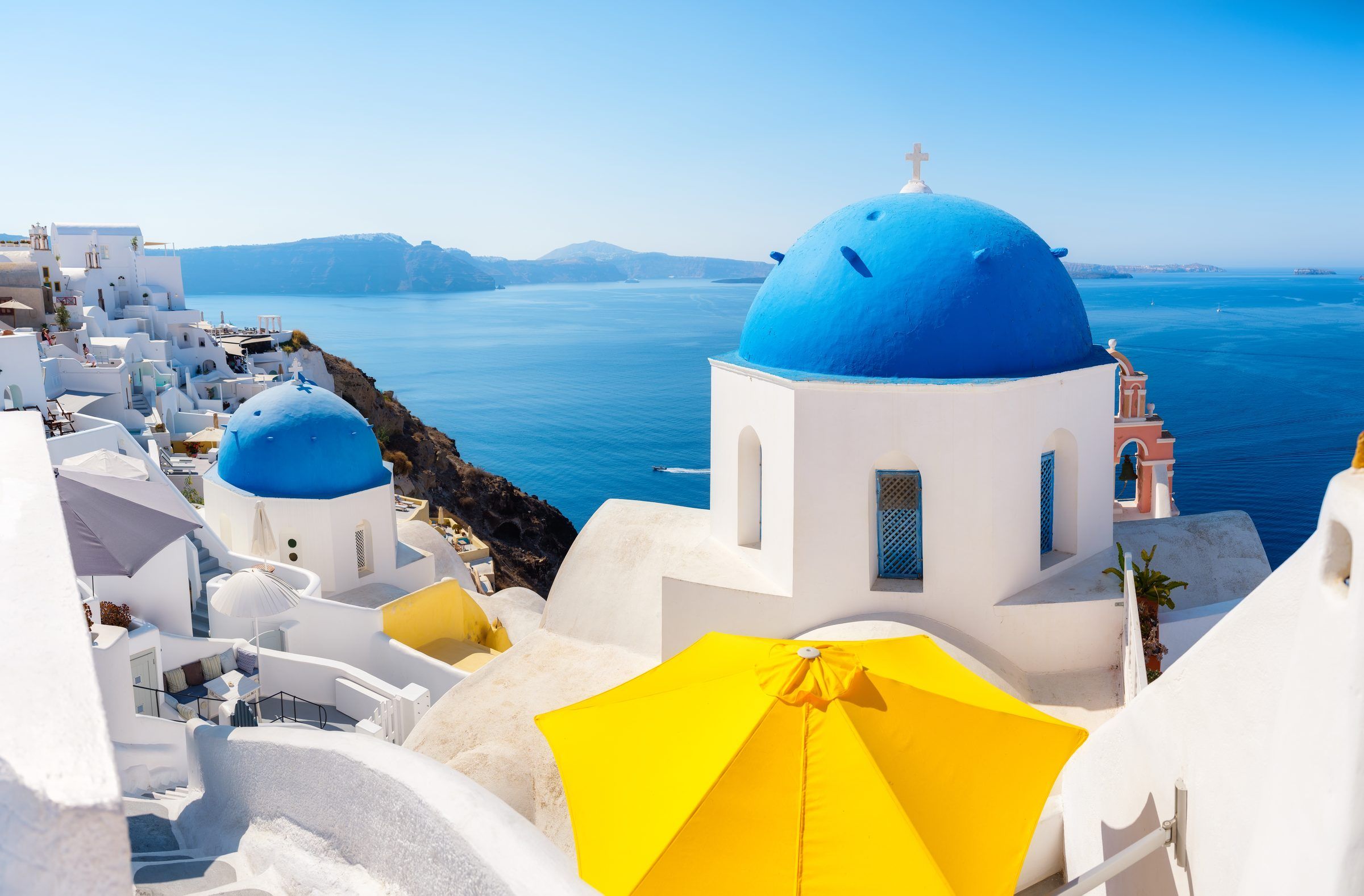
Best for: first-time visitors without a car. Fira is the main town, with the bus hub, restaurants and the cable car down to the old port.
Keep in mind: it is the busiest village, especially when cruise passengers come up from Skala, and caldera-side hotels involve stairs.
Imerovigli
Best for: couples who want the caldera view with less crowding. It sits on the caldera rim just north of Fira, a short walk away on the caldera path.
Keep in mind: fewer restaurants and shops, and steep stairs to many hotels.
Oia
Best for: the famous sunset from your own terrace and a village atmosphere in the morning before day visitors arrive.
Keep in mind: crowded every evening in summer, and farther from the airport and Athinios port.
Kamari or Perissa
Best for: travelers who prefer a beach outside the door and flat streets. Both sit on the east coast with long black-sand beaches.
Keep in mind: no caldera view, so you need a bus, taxi or tour to reach the sunset villages.
What does an Athens and Santorini package include?
A package for this pair can bundle three things that are awkward to arrange separately: the round-trip flights from North America, the domestic flight or ferry between Athens and Santorini, and the transfers between airports, ports and hotels. The Highlights of Greece package, for example, includes round-trip flights from the U.S. or Canada, hotels on Santorini and in Athens, transfers and the flight from Santorini to Athens on day 4.
When you compare packages, check which leg between the two places is included, whether hotels are on the caldera side or the beach side of Santorini, and which experiences are part of the price.
When is the best time for Athens and Santorini?
Athens is clearly hotter than Santorini in summer, so the city days benefit most from early starts. The sea around Santorini stays cool until June and is at its warmest from July to September. October is still warm enough for walking, though the first rains arrive. Climate figures come from the National Observatory of Athens; sea temperatures are 10-year averages.
Who this trip suits, and who it doesn't
- Walking: the Acropolis climb is steep and slippery in places, and the caldera villages are built on staircases. If stairs are hard for you, stay in Kamari or Perissa, or choose a caldera hotel that confirms step-free access.
- Heat: Athens averages 34 °C (94 °F) in July and August. Travelers who struggle in heat should pick May, June or September.
- Pace: the 5-day version is busy. If you want time to sit by a pool, take the 7-day version.
- Driving: not needed. In Athens use the metro and taxis, and on Santorini use transfers, buses and tours.
This trip is less suited to beach-focused travelers. If long sandy beaches matter most, look at Mykonos, Naxos or Crete instead of Santorini.