







Ireland Travel Tips: 15 Things to Know Before You Go
Ireland travel tips: visa and ETA rules, euro and sterling, tipping, driving on the left, weather, booking ahead and U.S. preclearance at the airport.
November 17, 2026 • 6 min read
Ireland Travel Tips: 15 Things to Know Before You Go
Ireland at a glance
Entry rules and documents
1. You do not need a visa
Ireland's Department of Foreign Affairs says U.S. passport holders can visit for up to 90 days without a visa. Canadian citizens also travel visa free for short tourist stays. Your passport should be valid for the whole trip, and the final decision on entry rests with the immigration officer at the airport.
2. ETIAS does not apply to Ireland
Ireland is in the EU but outside the Schengen Area, so the ETIAS travel authorization for Schengen countries does not apply to a trip to Ireland. If your trip continues to France, Italy or another Schengen country, check the rules for that part of the journey.
3. Northern Ireland needs a UK ETA
Belfast, the Giant's Causeway and the rest of Northern Ireland are in the UK. Visit Belfast confirms that visitors who need an ETA must get one before entering Northern Ireland, including by road from Dublin, even though there are no border checks. The ETA is valid for two years or until your passport expires, whichever comes first.
Money and costs
4. Two currencies on one island
The Republic of Ireland uses the euro, while Northern Ireland uses the pound sterling. Cards are accepted in most hotels, restaurants and shops, but carry a little cash for small cafés, rural pubs and car parks.
5. Tipping is lower than in North America
In restaurants, check the bill first: some add a service charge. If there is none, 10 to 15 percent is appreciated for good service, according to SmarterTravel's guide. Tipping at the bar in a pub is rare, and for taxis, rounding up is enough.
Getting around
6. Drive on the left, slowly
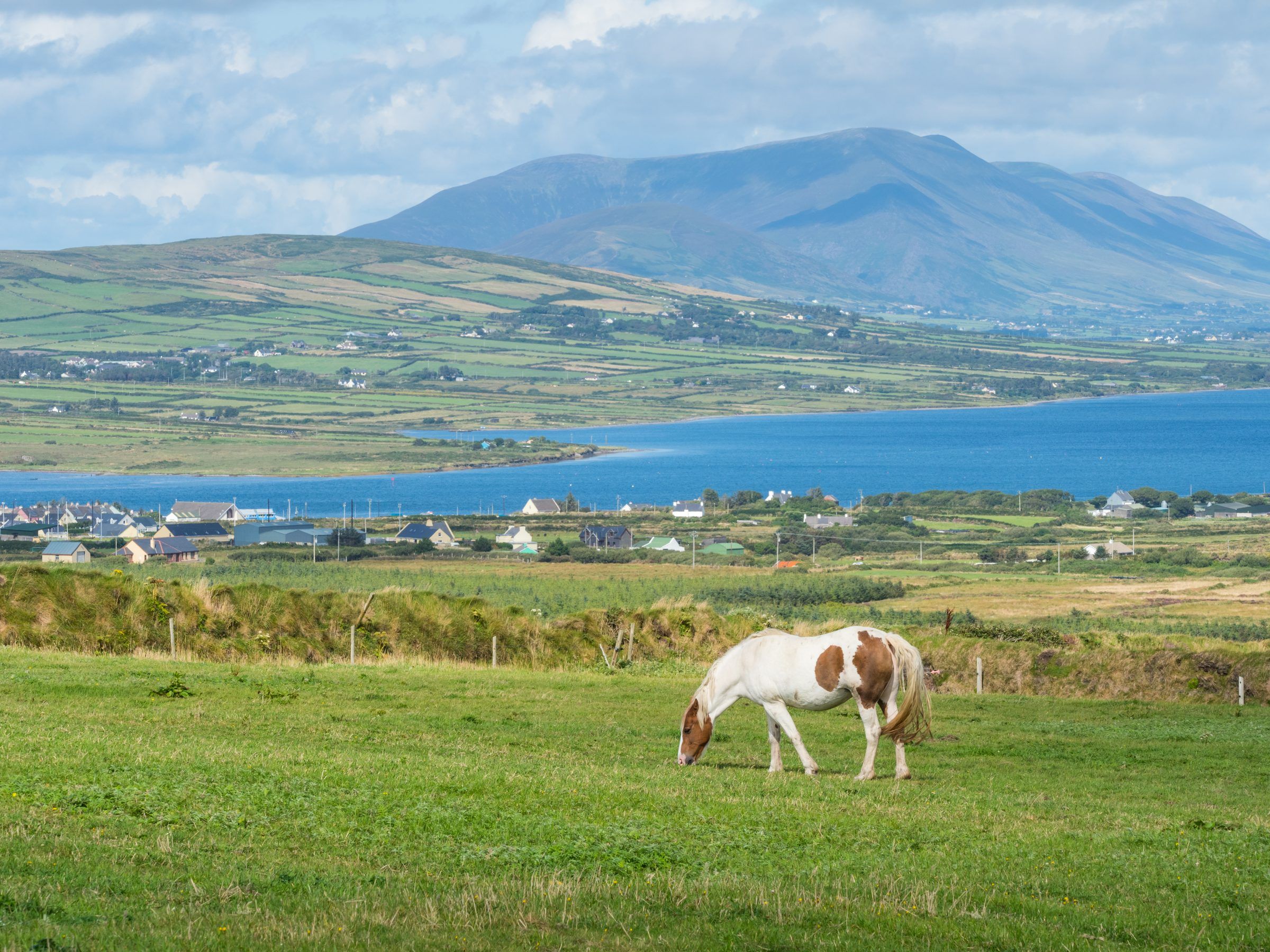
Ireland drives on the left. Speed limits in the Republic are 120 km/h on motorways, 100 km/h on national roads and 80 km/h on regional roads, but many country roads are narrow, with stone walls, tractors and sheep. Plan for lower average speeds than the map suggests.
7. The M50 toll has no barrier
The M50 ring road around Dublin has a barrier-free toll between junctions 6 and 7. There is no booth: if your rental car is not registered for automatic payment, pay online by 8 p.m. the day after you pass. Ask your rental company how they handle it.
8. Trains and buses link the main cities
You do not need a car for Dublin, and InterCity trains run from Dublin to Galway in about 2 hours 40 minutes, with direct buses as an alternative. A car is the practical choice for Connemara, the Ring of Kerry and the smaller villages of the west.
Weather and packing
9. Pack for rain in any month
Dublin averages 14 to 18 rainy days a month all year, according to weather2travel. Showers are often short, so a waterproof jacket and layers are more useful than an umbrella, especially at windy viewpoints like the Cliffs of Moher.
10. Summer is mild
Average highs in Dublin reach about 19°C (66°F) in July and August and drop to about 8°C (46°F) in January. Bring a sweater even in summer.
11. Bring a Type G adapter
Ireland uses Type G plugs, the same three-pin plug as the UK, at 230 volts. Most phone and laptop chargers handle the voltage, but you need an adapter.
Sightseeing and pubs
12. Book the popular sites ahead
Kilmainham Gaol in Dublin is open by guided tour only, with tickets sold online in advance. Newgrange and Knowth in the Boyne Valley are also guided tour only, booked through the Brú na Bóinne Visitor Centre, and the Cliffs of Moher recommend booking online to be sure of entry.
13. Pubs are for more than drinking
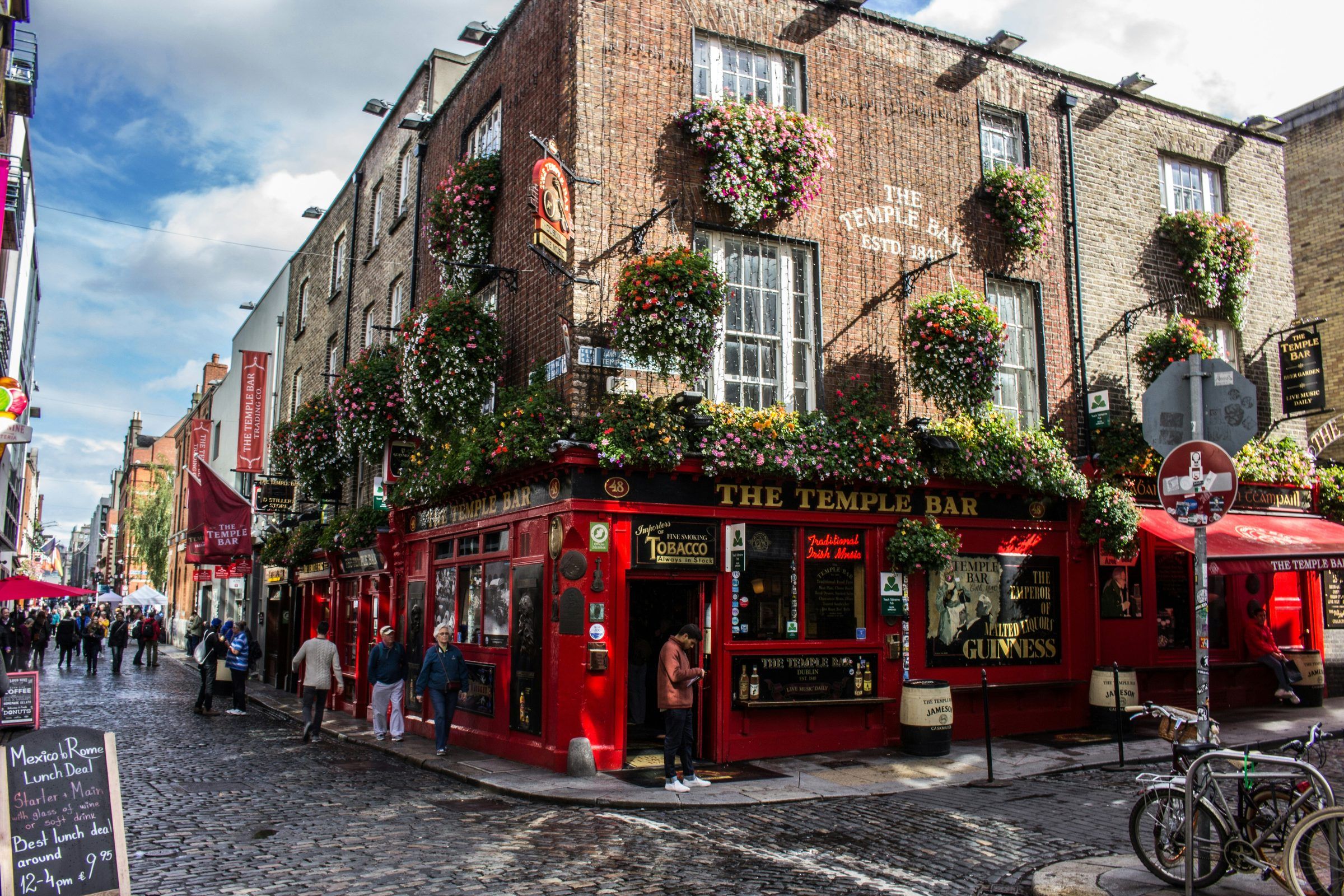
Many pubs serve food during the day and host traditional music sessions in the evening. Order and pay at the bar unless there is table service.
14. Road signs are in two languages
Irish is an official language, and road signs in the Republic show place names in Irish and English. In Gaeltacht areas such as parts of Connemara and the Dingle Peninsula, only the Irish place names are used on road signs, so keep your navigation app handy.
15. Leave extra time for your flight home
Dublin and Shannon have U.S. Customs and Border Protection preclearance, so you go through U.S. immigration before boarding and land in the U.S. as a domestic arrival. Plan for the extra security and immigration step and arrive at the airport early.
Who a first trip to Ireland suits, and who it doesn't
Suits: travelers who enjoy scenery, history, walking and pub culture, and who are happy with changeable weather.
Less suited to: travelers looking for guaranteed sun or beach weather, or anyone uncomfortable driving on the left who still wants to explore the rural west without a tour.