







Cotswolds and Bath: An England Road Trip Itinerary
A Cotswolds and Bath road trip itinerary: the Roman Baths, Castle Combe, Bibury, Bourton, Chipping Campden and driving tips.
November 27, 2026 • 4 min read
Cotswolds and Bath: An England Road Trip Itinerary
The route at a glance
Route based on Lonely Planet and Rough Guides.
Day 1: Bath
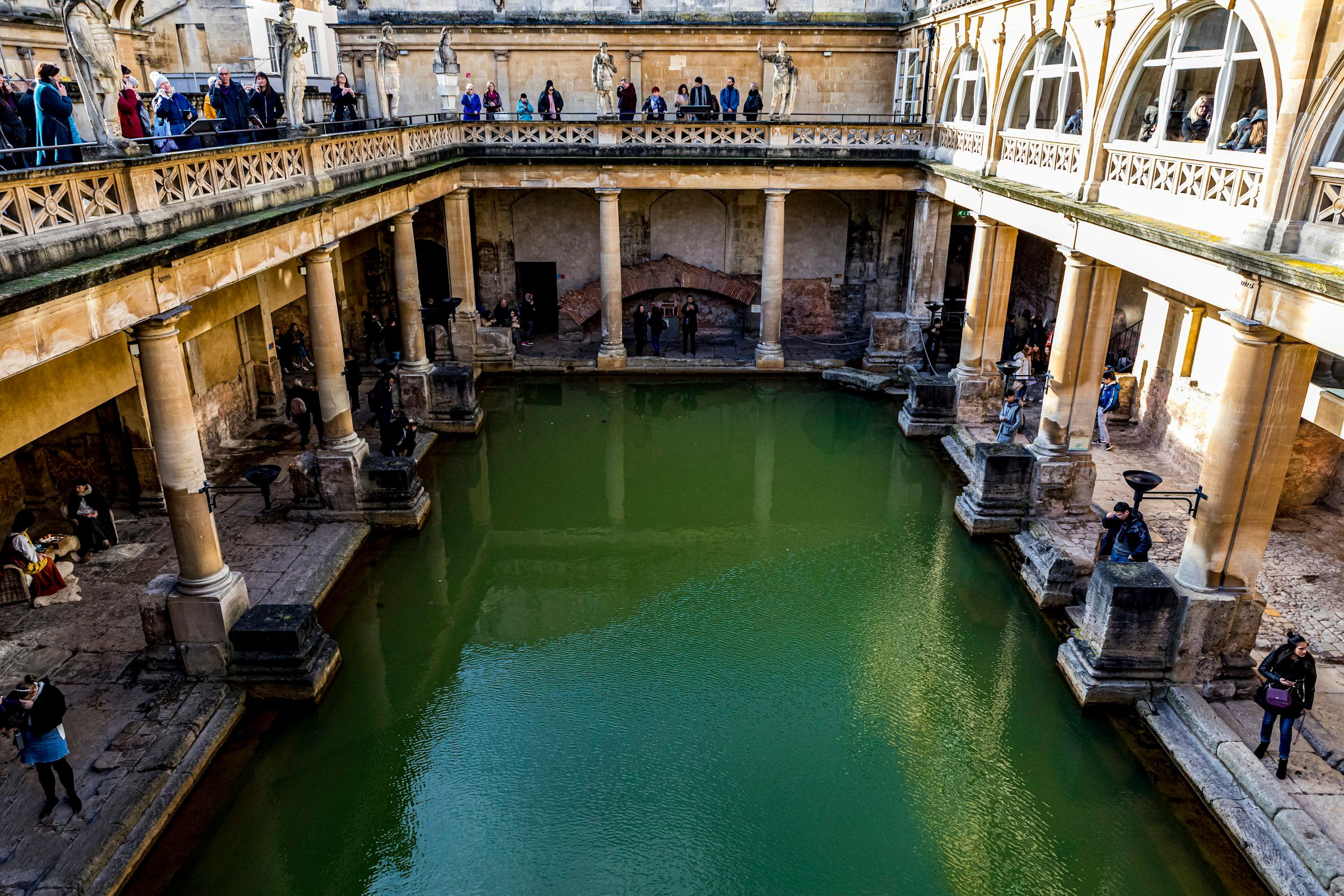
Bath became a UNESCO World Heritage Site in 1987, and Wikipedia says it draws over six million visitors a year. Start at the Roman Baths, where a temple was built between AD 60 and 70; the site includes the Sacred Spring, the temple, the bath house and a museum, although the buildings at street level date from the 19th century.
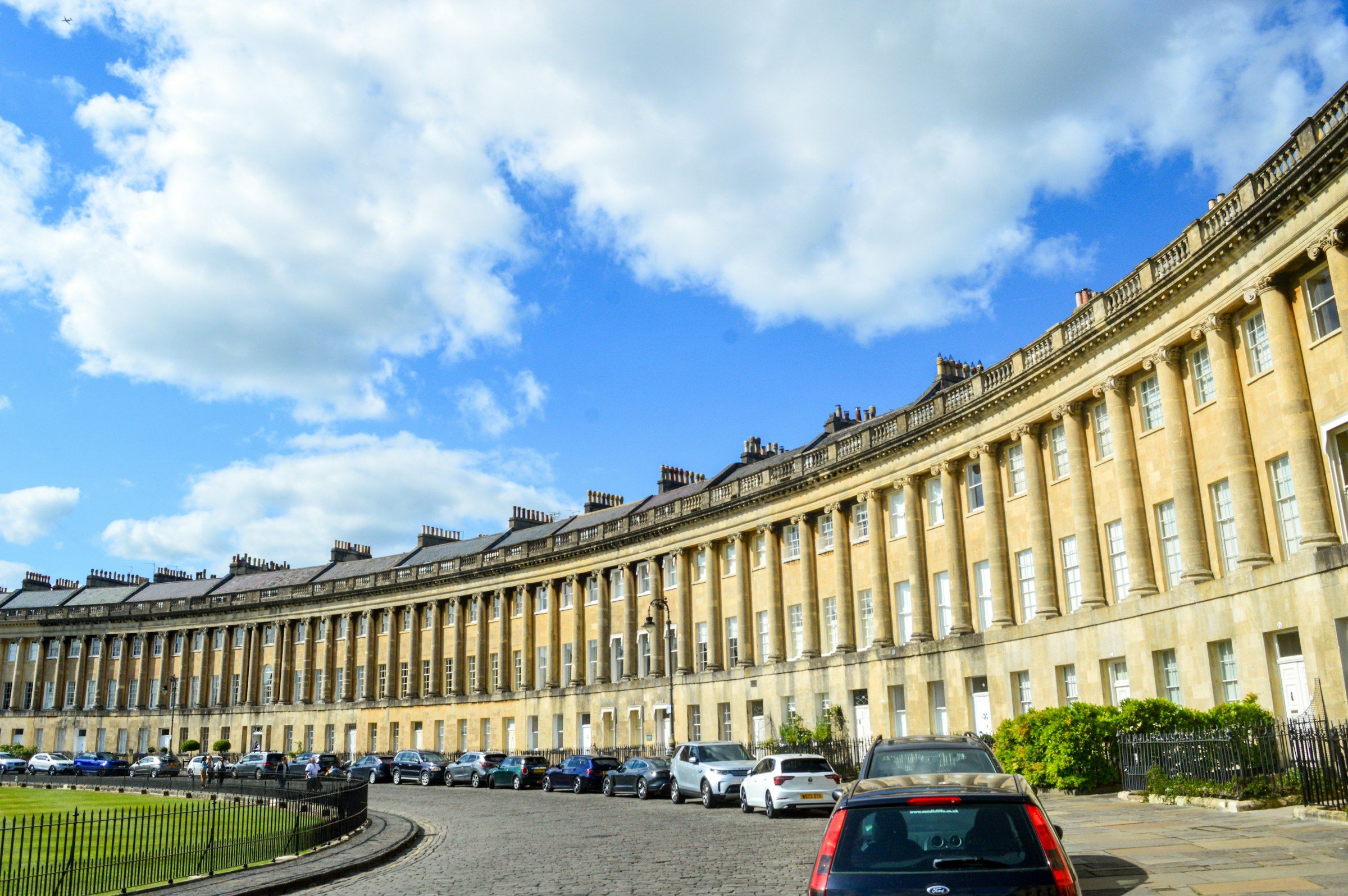
Then walk to the Georgian landmarks built in honey-colored Bath stone: the Royal Crescent, the Circus and the Pump Room, according to Wikipedia. Pick up your car on the morning of day 2, as Rick Steves suggests, rather than driving into the city.
Day 2: Castle Combe, Painswick and Cirencester
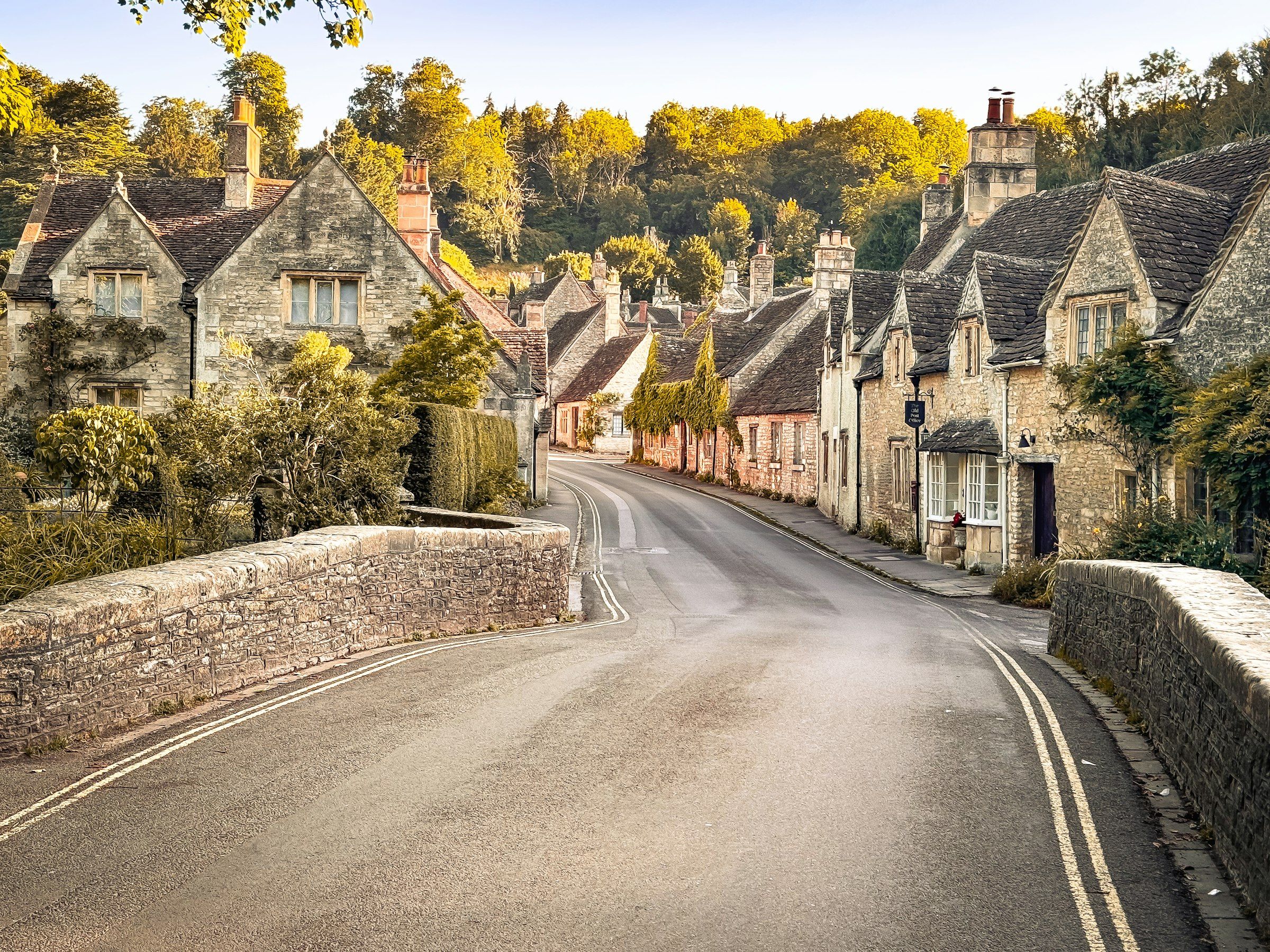
Castle Combe, in Wiltshire, is often called the prettiest village in England, Rough Guides says, and no new houses have been built there since the 1600s. Continue north to Painswick for its rococo garden, then to Cirencester, where Lonely Planet recommends the Corinium Museum for the town's Roman history.
Day 3: Bibury, Bourton and the Slaughters
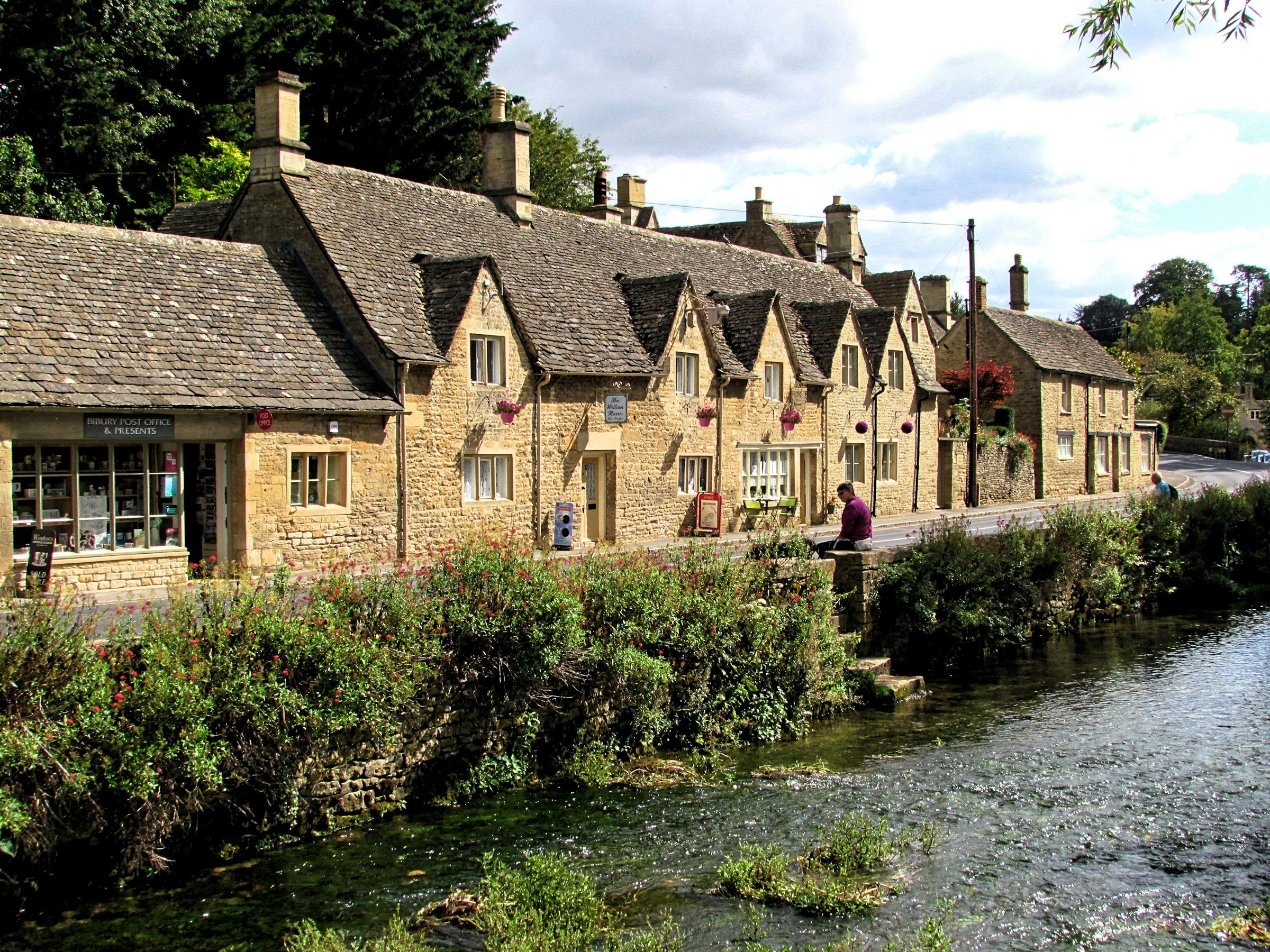
Bibury's Arlington Row was built in 1380 as a wool store and converted into weavers' cottages in the 17th century, according to Rough Guides, which adds that the row appears in UK passports. Bourton-on-the-Water, called the Venice of the Cotswolds for its low stone bridges over the River Windrush, is one of the busiest villages, so arrive early.
Upper and Lower Slaughter sit about 1.6km (1 mile) apart and 5.6km (3.5 miles) southwest of Stow-on-the-Wold, Lonely Planet says. Their name comes from the Old English sloughtre, meaning a muddy place.
Day 4: Broadway, Chipping Campden and Stratford
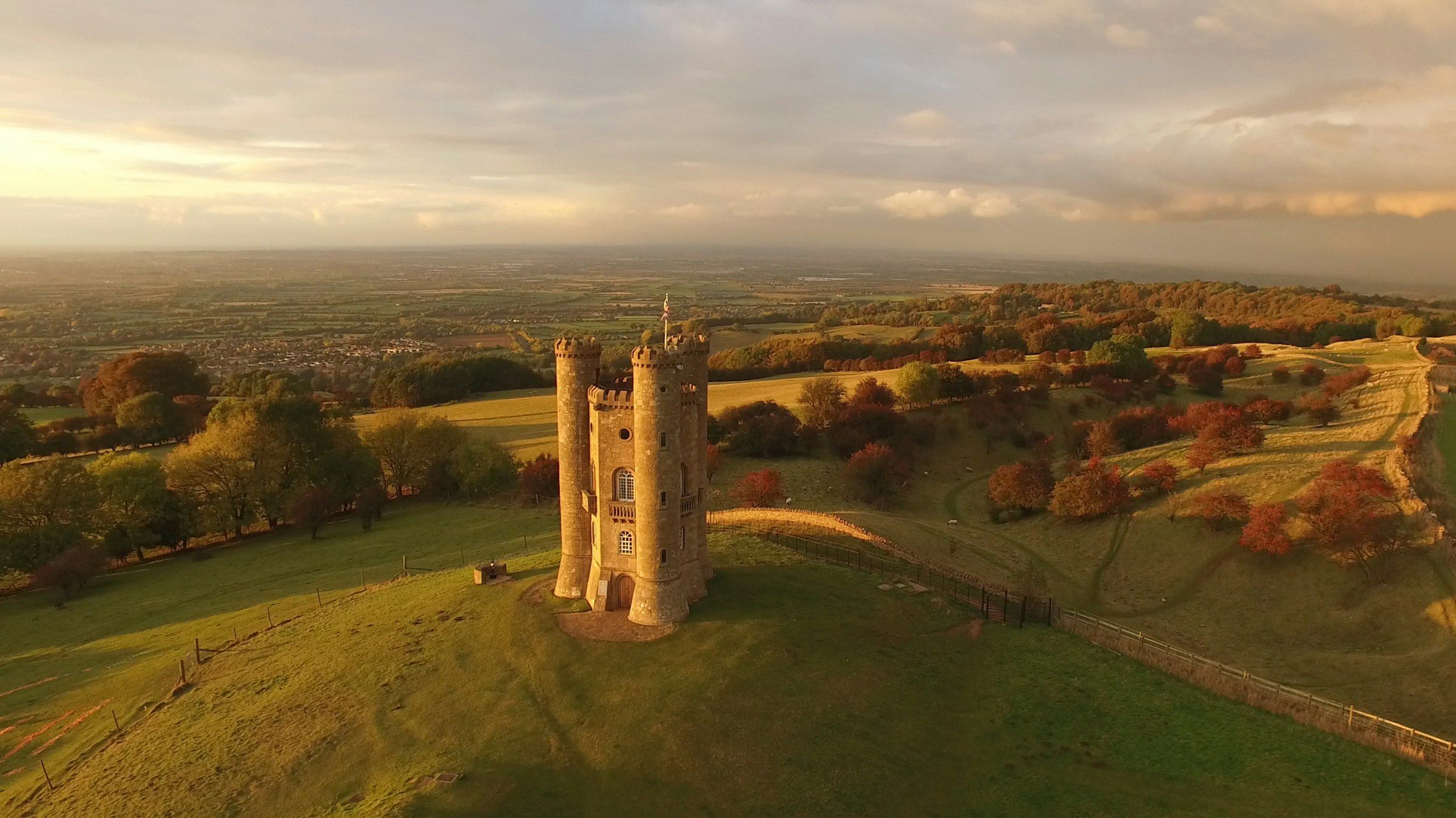
Hike or drive up to Broadway Tower for views over the hills. Rough Guides notes that Broadway can feel busier than its neighbors, so go early. In Chipping Campden, the Campden Trust has protected the honey-stone buildings since 1929, and the 1627 Market Hall is the town's best-known landmark.
End in Stratford-upon-Avon, Shakespeare's hometown, as Lonely Planet's route does. From there, you can return the car and take the train to London.
Driving tips
Lonely Planet's writer warns that the minor roads through the Cotswolds are scenic but twisty, and that traffic and parking cause the most frustration. Rick Steves adds that rural roads are narrow and often shared: in villages you may need to take turns to pass parked cars.
Who this road trip suits, and who it doesn't
Suits: travelers who want classic English villages, Roman and Georgian history, and short daily drives, and couples looking for a slower few days after London.
Less suited to: anyone who does not want to drive on narrow roads, and travelers who dislike crowds in peak season, as the best-known villages get busy.