by Yes Getaways Team
May 27, 2026 • 13 min read
There is no Italian food. There are 20 regional cuisines, fiercely protected by the families and producers who pass them down, and they are different enough that what you order in Bologna would confuse a chef in Palermo. Pasta alla carbonara in Rome is one of four classic Roman pasta dishes, made with guanciale, pecorino, egg yolk, and black pepper, and zero cream. Cross 100 km north into Tuscany and you will not find carbonara on a single menu, but you will find pappardelle al cinghiale (wild boar) that nobody in Rome cooks.
This guide walks you through the regional cuisines of Italy, what makes each one unique, the DOP and IGP protected ingredients that defines them, and where to find the real version (versus the tourist-trap version). By the end you will know what to order in Milan, Naples, Bologna, Palermo, and everywhere in between.
The short answer
|
If you are visiting... |
Order at least... |
|---|---|
|
Rome |
Carbonara, cacio e pepe, amatriciana, carciofi alla giudia |
|
Bologna |
Tagliatelle al ragù, lasagne alla bolognese, mortadella |
|
Milan |
Risotto alla milanese, ossobuco, cotoletta |
|
Naples |
Pizza Margherita, ragù napoletano, sfogliatella |
|
Palermo |
Arancini, pasta alla Norma, cannoli, sfincione |
|
Florence |
Bistecca alla fiorentina, ribollita, pappardelle al cinghiale |
|
Venice |
Sarde in saor, risotto al nero di seppia, bigoli in salsa |
|
Bari (Puglia) |
Orecchiette con cime di rapa, burrata di Andria, focaccia barese |
|
Turin (Piedmont) |
Vitello tonnato, agnolotti del plin, bagna cauda |
|
Anywhere |
Espresso at the counter standing up |
Read on for the regional deep-dives.
Northern Italy: butter, rice, polenta, beef, hard cheeses
Northern Italian cuisine is closer in spirit to Austrian, French, and Swiss food than most Americans expect. The historical dividing line is roughly the Apennines: north of them, butter and rice and polenta and hard cheeses dominate. South of them, olive oil and pasta and tomato sauces take over. The further north you go, the more the cuisine is shaped by cold winters, dairy farming, and centuries of Habsburg influence.
Emilia-Romagna: the food region
If you only have time for one food region in Italy, this is the one. Emilia-Romagna is home to Parmigiano-Reggiano (the only "Parmesan" in the world, made within a tightly defined zone around Parma, Reggio Emilia, Modena, and Bologna), Prosciutto di Parma (24-month aged DOP ham), and traditional balsamic vinegar from Modena (aged 12 to 25 years in barrels of progressively smaller sizes).
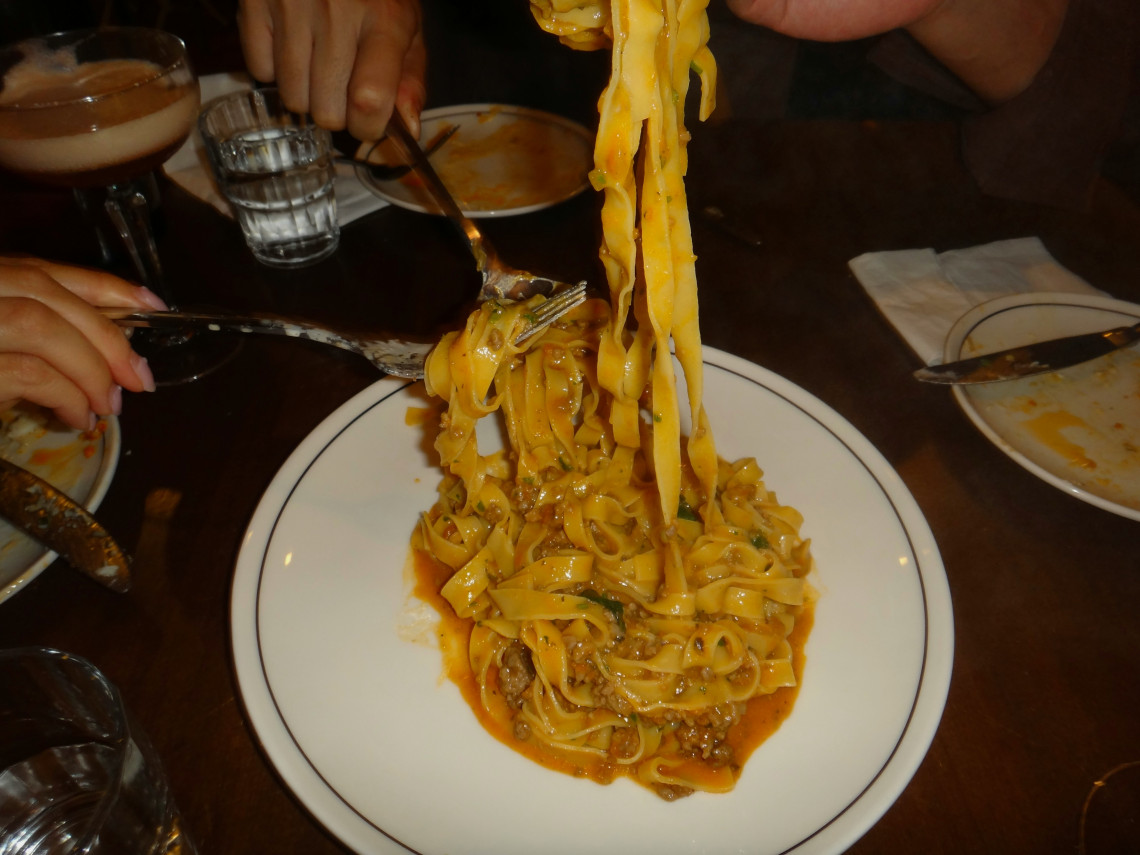
The kitchen is rich and unapologetic. In Bologna, order tagliatelle al ragù (the dish the rest of the world calls "spaghetti bolognese" — they will not serve it with spaghetti and they will not call it bolognese on the menu). The local lasagne is layered with green spinach pasta, ragù, and béchamel. Tortellini in brodo (small meat-stuffed tortellini in clear capon broth) is the most quintessentially Bolognese dish. Mortadella (the original of which the American "bologna" is a sad descendant) is sliced paper-thin.
Where to taste the real thing: Bologna for the pasta. Parma for the ham and Parmigiano (visit a producer for a tour). Modena for the balsamic (a guided tasting at a traditional acetaia is the kind of experience that justifies the trip).
Lombardy: rice, ossobuco, and the gorgonzola question
Lombardy is rice country, particularly in the Po Valley around Pavia and Vercelli. Risotto alla milanese (saffron risotto, sometimes finished with bone marrow) is the canonical dish, often served with ossobuco (slow-braised veal shank). Cotoletta alla milanese is a breaded veal cutlet that predates and inspired Wiener schnitzel (or vice versa — Milan and Vienna still argue). On the lakes, lake fish like lavarello and agone appear on menus. Gorgonzola DOP comes from the small town of the same name just east of Milan.
Where to taste the real thing: Milan for risotto and ossobuco. Lake Como for lake fish in a panoramic setting. Pavia for risotto in its raw form.
Piedmont: Barolo, white truffles, vitello tonnato
Piedmont is the most refined Italian regional cuisine, heavily influenced by neighboring France. White truffles (tartufo bianco d'Alba) from the area around the town of Alba are auctioned at prices that make caviar look reasonable. The local pasta is agnolotti del plin (tiny meat-stuffed pasta sealed with a pinch — "plin" means pinch in Piedmontese dialect). Vitello tonnato (cold sliced veal with tuna-caper-mayonnaise sauce) sounds odd to North Americans and tastes incredible. Bagna cauda is a warm dip of anchovies, garlic, and olive oil eaten communally with raw vegetables. The wines are Barolo, Barbaresco, Dolcetto, and Moscato.
Where to taste the real thing: Alba in autumn for the truffles. Turin for the cafe culture (Caffè Al Bicerin is older than most countries). The Langhe wine country for full-day winery lunches.
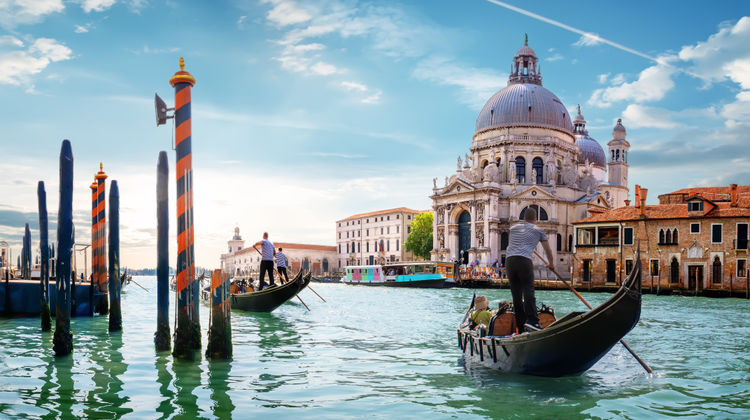
Veneto: cicchetti, baccalà, and rice from a lagoon
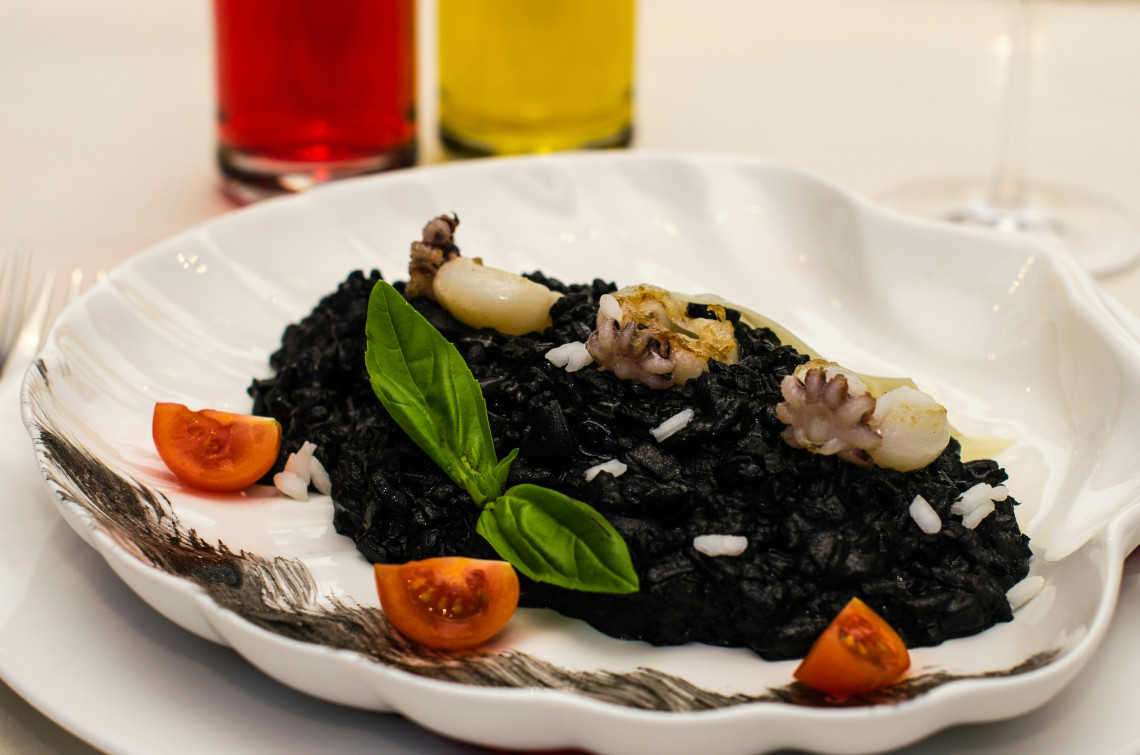
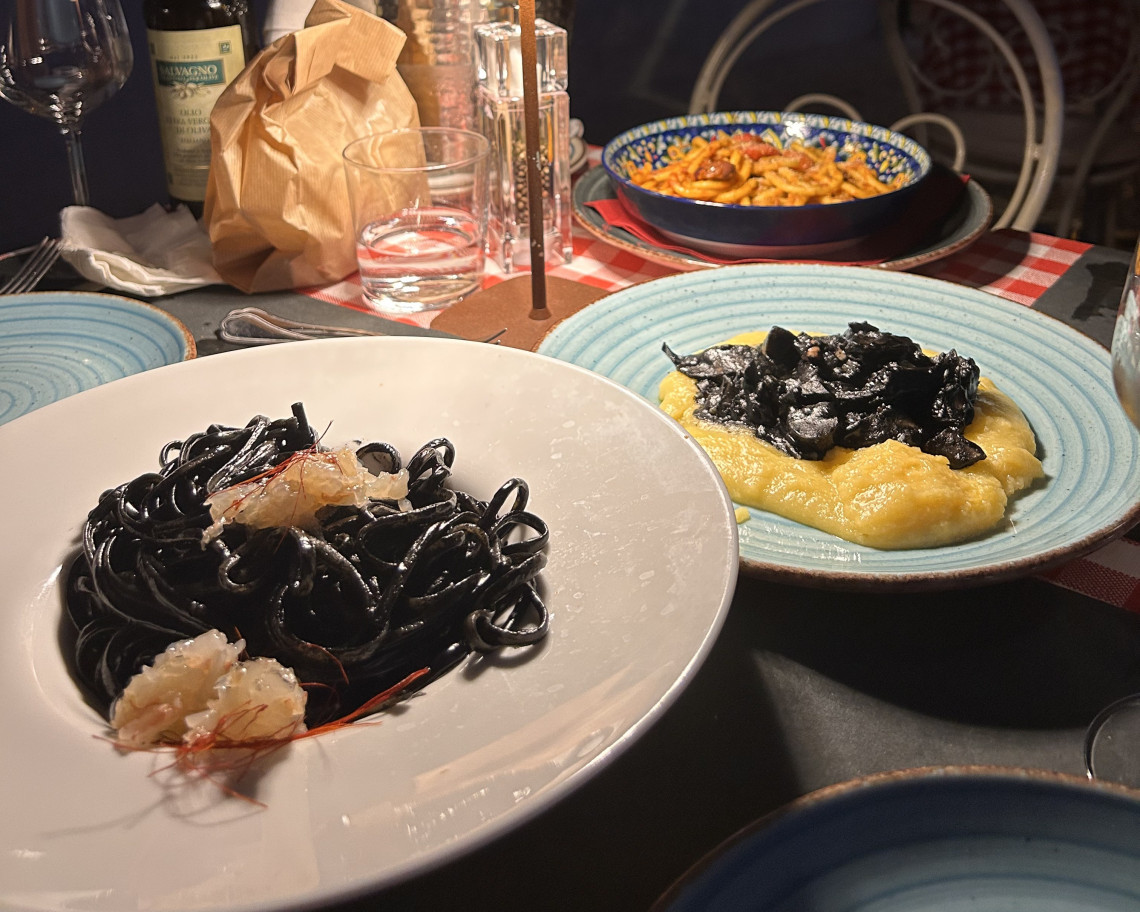
Veneto cuisine is shaped by Venice's centuries as a maritime trading power and by the Po Delta wetlands. Risotto al nero di seppia (cuttlefish ink risotto, dramatic and delicious) is essentially Venetian. Sarde in saor (fried sardines marinated in onions, vinegar, raisins, and pine nuts) is a 14th-century preservation dish that survives as bar food. Baccalà mantecato (salt cod whipped with olive oil into a creamy spread) is served on crostini in every osteria. Bigoli in salsa is a whole-wheat noodle in onion-anchovy sauce, simple and unforgettable.
The drinking tradition is cicchetti (Venetian small plates) with a glass of ombra (literally "shadow," a small glass of wine) or Spritz (the Veneto invented it).
Where to taste the real thing: Venice (avoid the tourist trap restaurants near San Marco; cross to Cannaregio or Castello for real cicchetti bars). Verona for risotto all'Amarone. Treviso for radicchio in season.
Central Italy: olive oil, pasta, lamb, tomato, simplicity
Central Italian cuisine is what most Americans imagine when they think of Italian food. Olive oil is the fat, pasta is the staple, tomato is the sauce, lamb and pork are the meats. The cooking is less refined than the north and more refined than the south — middle ground, more rustic, deeply seasonal.
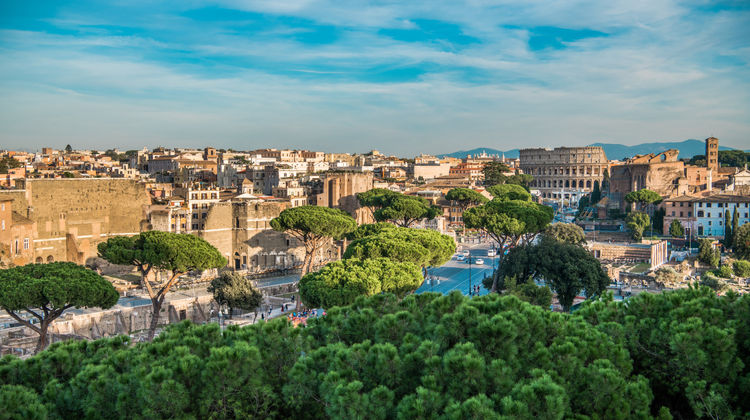
Lazio (Rome): the four pastas
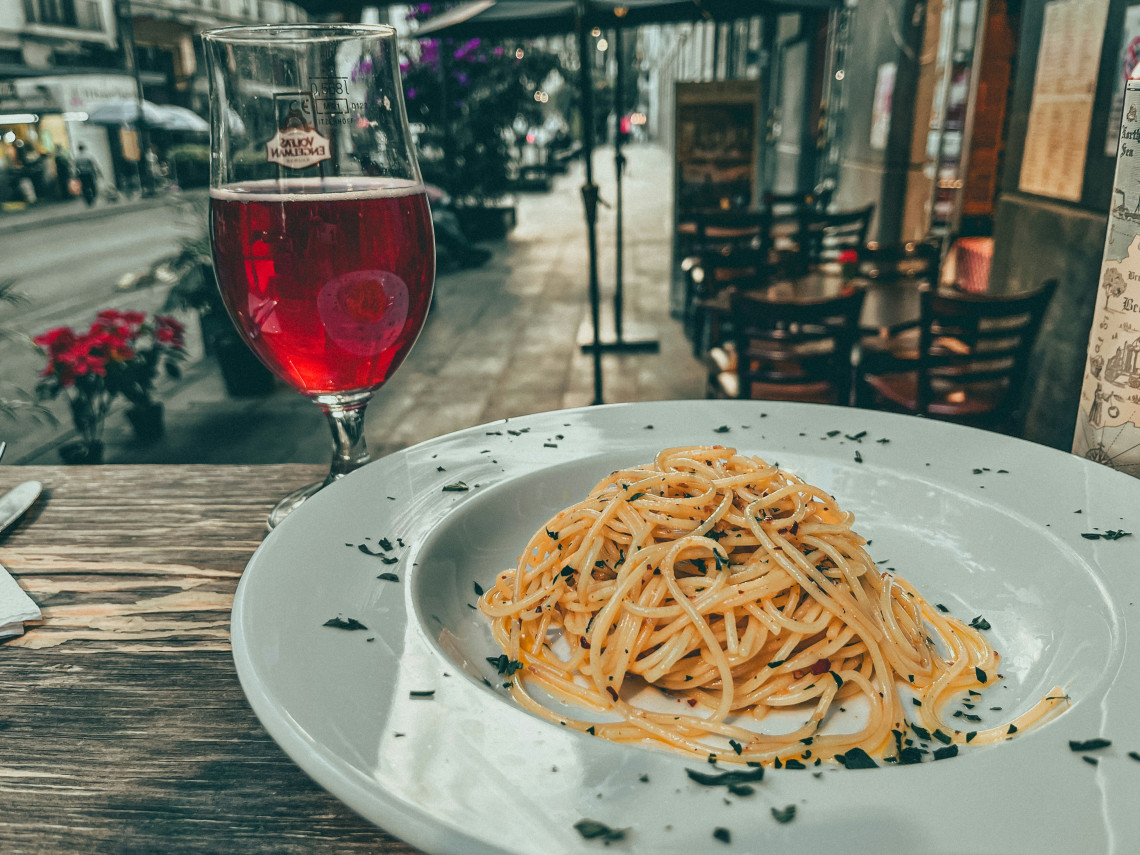
Rome's culinary identity rests on four pasta dishes that share three ingredients (guanciale, pecorino romano, black pepper) and diverge in remarkable ways:
- Cacio e pepe — pecorino romano + black pepper + pasta water. Three ingredients, very hard to execute properly
- Gricia — guanciale + pecorino + black pepper (no eggs, no tomato). Often called "the original carbonara"
- Amatriciana — guanciale + tomato + pecorino + black pepper (named after Amatrice, a town in northern Lazio)
- Carbonara — guanciale + egg yolk + pecorino + black pepper. No cream, ever. If you see cream on the menu, walk out
Beyond pasta, Roman cuisine includes carciofi alla giudia (Jewish-style deep-fried artichokes, a specialty of the Roman Jewish Ghetto, available March-April), saltimbocca alla romana (veal scaloppine with prosciutto and sage), trippa alla romana (Roman-style tripe), and supplì (rice croquettes, the Roman version of arancini).
Where to taste the real thing: Trastevere for the casual classic places. The Jewish Ghetto (Ghetto Ebraico) for carciofi in season. Testaccio for the cucina romana basics. Avoid restaurants near the Trevi Fountain, Spanish Steps, and Vatican — they are tourist traps almost universally.
Tuscany: bread, beans, beef
Tuscan cuisine is rustic by design and proud of it. The historic poverty of the Tuscan countryside shaped a cuisine built on bread, beans, olive oil, and what could be hunted or raised. The famous bistecca alla fiorentina (T-bone steak, grilled rare, from the Chianina cattle breed) is one of the few Italian dishes traditionally served massive (the cut is often 1.2 kg and shared between two or three).
Pappardelle al cinghiale (wide flat pasta with wild boar ragù) is the iconic Tuscan pasta. Pici (hand-rolled fat spaghetti) is southern Tuscan, typically served with cacio e pepe or aglione (tomato-garlic). Ribollita is a hearty bread-and-bean soup that reuses leftover Tuscan bread (which is famously unsalted). Lardo di Colonnata (cured pork fat from the marble-quarrying town of Colonnata) is sliced thin and eaten on toast. Cantucci dipped in Vin Santo is the standard Tuscan dessert.
Where to taste the real thing: Florence for bistecca (Trattoria Mario, Trattoria Cammillo). Chianti countryside for pappardelle al cinghiale. Montalcino for the wine and the rustic country cooking.
Umbria and Marche: black truffles, porchetta, lentils
Umbria is Italy's only landlocked region with no coast. Black truffles (tartufo nero) from Norcia, porchetta (slow-roasted herbed pork), strangozzi pasta with truffles, and the lentils of Castelluccio di Norcia (one of the most prized lentils in the world, grown in a high alpine plain that blooms in red, blue, and yellow every June) are signatures. Marche, on the Adriatic, contributes brodetto (Adriatic fish stew, every coastal town has its own version) and vincisgrassi (a Marche version of lasagne, denser and richer).
Where to taste the real thing: Norcia for cured meats and truffles. Castelluccio in June for the lentil bloom. Senigallia or Pesaro for brodetto on the Adriatic.
Southern Italy: olive oil, tomato, sun, the sea
Southern Italian cuisine is what most Italian-American kitchens descend from — the food immigrants from Naples, Calabria, and Sicily brought to Brooklyn and Boston in the late 19th and early 20th centuries. It is olive-oil-based, tomato-led, robust, spicy, and proudly different from the cooking of the north.
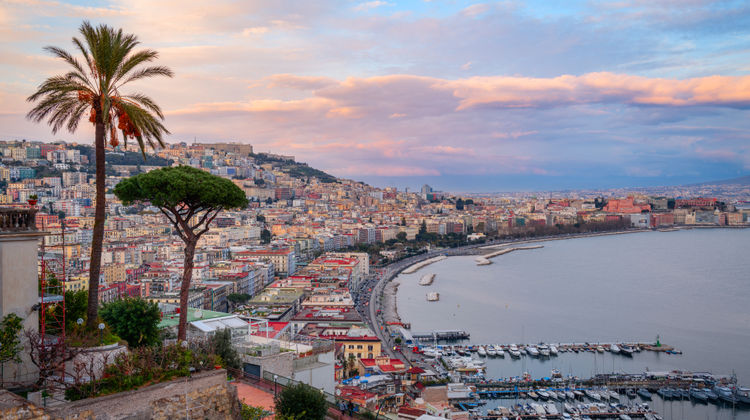
Campania (Naples): pizza, ragù, mozzarella
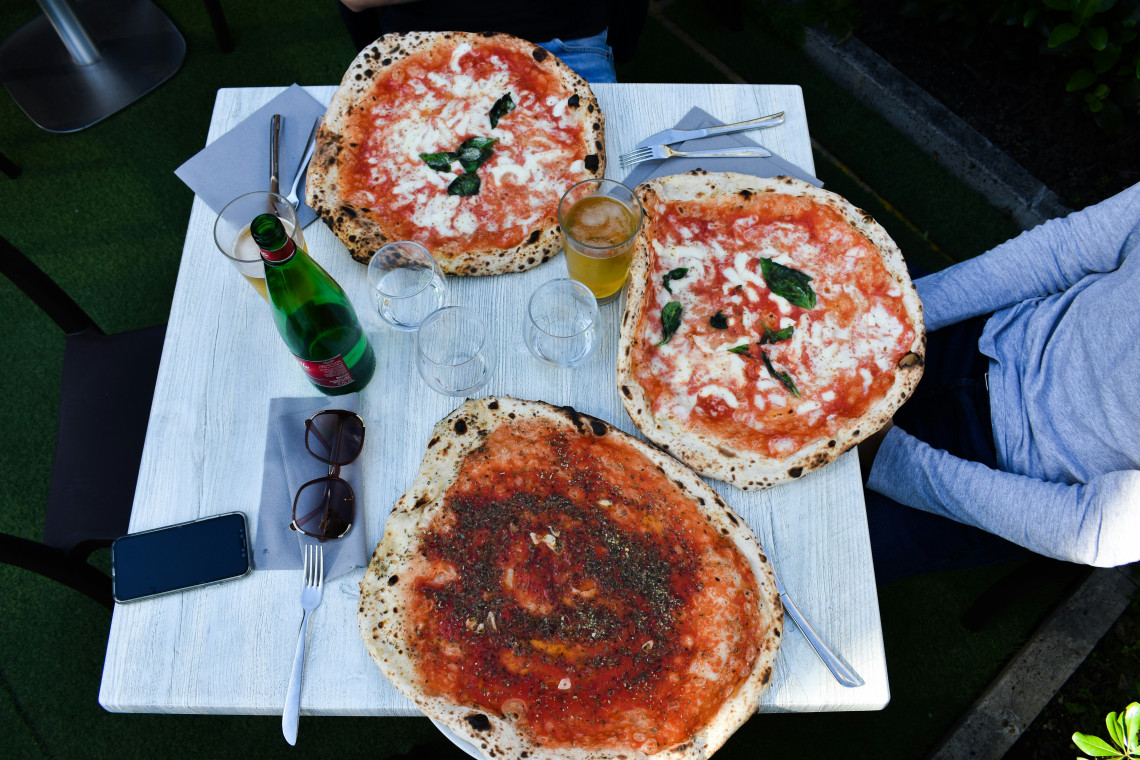
Naples invented modern pizza. The Associazione Verace Pizza Napoletana defines exactly what a Neapolitan pizza must be (San Marzano DOP tomatoes, mozzarella di bufala campana DOP or fior di latte, Tipo 00 flour, fresh basil, sea salt, extra virgin olive oil, baked in a wood-fired oven at 485°C for 60-90 seconds). The classic Pizza Margherita is one of three Neapolitan pizzas the AVPN recognizes (along with Marinara and Margherita Extra). Da Michele and Sorbillo are the famous pilgrimage spots in Naples.
Beyond pizza, ragù napoletano is a slow-cooked meat sauce (often a full Sunday cooking project), nothing like Bolognese ragù. Sfogliatelle are the shell-shaped pastries filled with sweet ricotta. Baba al rum is a soft yeast cake soaked in rum syrup, a Neapolitan specialty since the 18th century. Mozzarella di bufala from the Caserta and Salerno plains is one of the great cheeses on Earth — eat it the day it is made.
Where to taste the real thing: Naples old city for pizza (skip the Michelin places, go to the working trattorie). Caserta for buffalo mozzarella at the source. Sorrento for limoncello and lemon-everything.
Puglia: orecchiette, burrata, bread, sea
Puglia is the heel of Italy and one of the most distinctive regional cuisines. Orecchiette con cime di rapa (small ear-shaped pasta with broccoli rabe, garlic, anchovies, chili) is the iconic Pugliese dish. Burrata di Andria DOP (mozzarella exterior filled with fresh cream and stracciatella curd) was invented in the Pugliese town of Andria in 1956 and is best eaten within 24 hours of being made. Focaccia barese (Bari-style focaccia with cherry tomatoes and olives) is sold by weight in bakeries across the region. Taralli (small ring-shaped crackers with fennel seeds, wine, or pepper) are eaten as bar snacks across Italy but originated here.
The coast contributes raw seafood that rivals Japan — sea urchin (ricci di mare), gambero rosso (red prawns), crudo di pesce (Italian sashimi). Olive oil is the major export — Puglia produces 40% of all Italian olive oil.
Where to taste the real thing: Bari old town (Bari Vecchia) for the focaccia and street food. Lecce for the Baroque city with the Salentino cuisine. Polignano a Mare for sea urchin in cliff-cave restaurants. Andria for burrata at the source.
Calabria: nduja, swordfish, bergamot, peperoncino
Calabria, the toe of the boot, has Italy's spiciest cuisine. Nduja (a spreadable spicy pork sausage from Spilinga) has become a global ingredient in the last decade — Calabrians have been making it for 200 years. Peperoncino (chili pepper) is used aggressively throughout the region. Swordfish (pesce spada) is the iconic Calabrian fish, caught in the Strait of Messina. Bergamot (the citrus that flavors Earl Grey tea) grows almost exclusively on the Reggio Calabria coast and shows up in liqueurs and pastries. Caciocavallo silano is a stretched-curd cheese aged hanging in pairs.
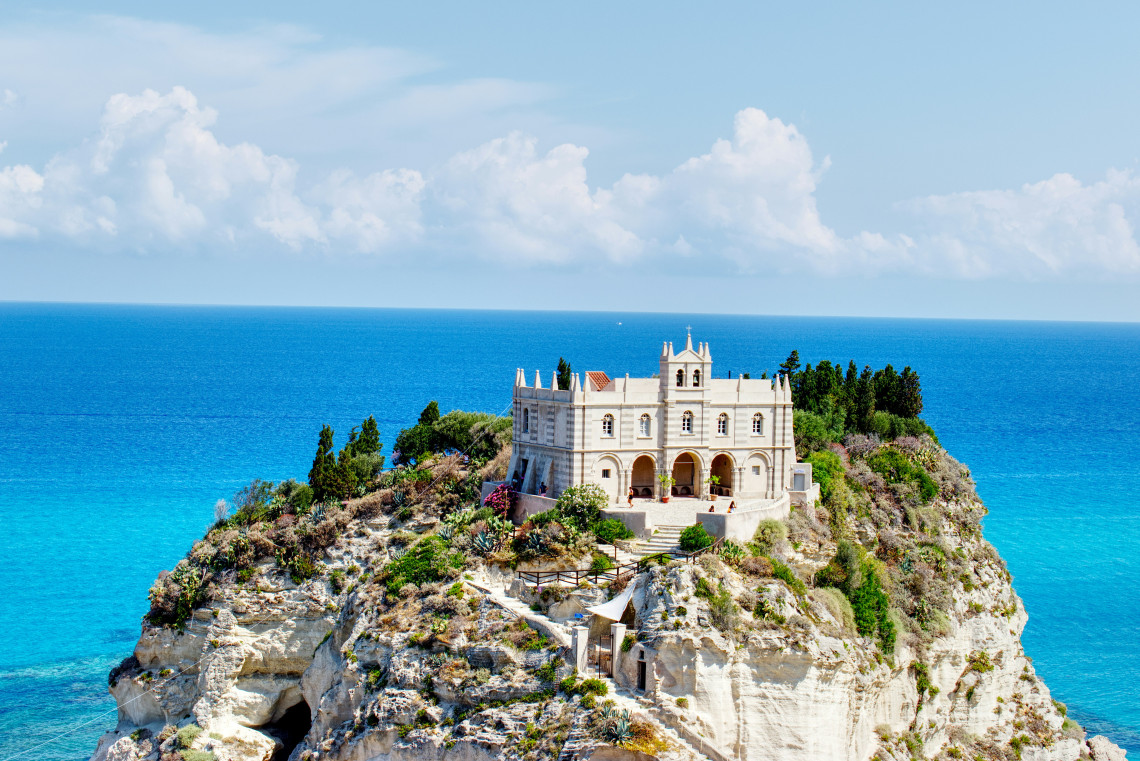
Where to taste the real thing: Tropea for sweet red onions and the cliff town setting. Reggio Calabria for swordfish and bergamot. Spilinga for nduja at its origin.
The Islands: a separate culinary universe
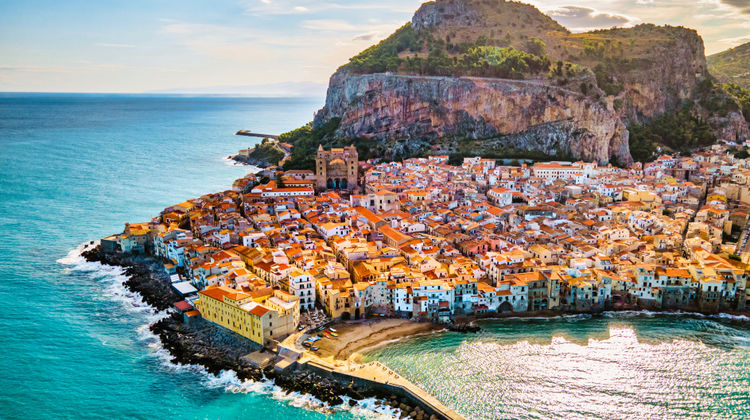
Sicily: Arab, Greek, Norman, Spanish — all on one plate
Sicilian cuisine is the most layered in Italy because Sicily has been conquered by everyone. The Greeks brought olives. The Arabs brought citrus, eggplant, sugar, almonds, rice, and saffron. The Normans brought salt-cured cod. The Spanish brought tomatoes from the New World. The result is a cuisine that does not resemble mainland Italian food.
Arancini (stuffed and fried rice balls) — round in Palermo, conical in Catania, and Sicilians will argue with you about which is "correct." Pasta alla Norma (eggplant, tomato, salted ricotta, basil) is the canonical Sicilian pasta, named after the Bellini opera. Sarde a beccafico is fried sardines stuffed with breadcrumbs, raisins, and pine nuts. Sfincione is Palermo's thick rectangular focaccia-pizza with tomato, onion, anchovy, and caciocavallo. Cannoli (crispy fried pastry shells filled with sweet ricotta) and cassata (sponge cake with ricotta, marzipan, and candied fruit) are the Sicilian sweets that traveled the world. Granita with brioche is the Sicilian breakfast in summer — coffee, almond, or lemon ice in a soft brioche bun.
Where to taste the real thing: Palermo for the markets (Vucciria, Ballarò, Capo) and street food. Catania for Etna-side dining and arancini conical. Modica for chocolate (made the cold-pressed way the Aztecs taught the Spanish, who passed it to Sicily).
Sardinia: pane carasau, malloreddus, suckling pig
Sardinian cuisine is shaped by sheep farming, an arid interior, and a different sense of what "Italian" means. Pane carasau (paper-thin crispy flatbread) is the staple bread, traditionally made for shepherds to carry. Malloreddus (small ridged pasta shaped like tiny gnocchi) is served with sausage-and-saffron sauce. Porceddu (whole spit-roasted suckling pig) is the celebration dish. Pecorino sardo is the regional cheese. Bottarga (cured grey mullet roe, sliced or grated over pasta) is the prized export. Mirto is the digestif made from myrtle berries.
A note on casu marzu: the famous "rotten cheese" with live larvae is real, sometimes available, and emphatically not for the squeamish or first-time visitors.
Where to taste the real thing: Cagliari for the markets and seafood. Inland Barbagia for porceddu in a traditional shepherd's lunch. Alghero for the Catalan-influenced cuisine.
The bottom line
There is no Italian food. There are 20 regional cuisines, and the best way to plan an Italy trip is to pick a region by what you want to eat.
The mistake first-time visitors make is treating "Italian food" as one thing and ordering carbonara in Bologna, ragù in Naples, or pizza in Milan. None of these are wrong, but they miss the point. The right answer is to match the region to the meals. Order what is local. Eat what is in season. Trust the menu without translation.
For more on planning your Italian trip, see our Best Time to Visit Italy, Which Italian Region to Visit First, and Italian Lakes Comparison.
Frequently asked questions
What is the most famous Italian food region?
Emilia-Romagna by most criteria. It produces the three pillars of Italian food (Parmigiano-Reggiano, prosciutto di Parma, balsamic vinegar of Modena), invented tagliatelle al ragù and tortellini, and Bologna is internationally known as Italy's food capital. Naples (pizza, ragù napoletano) and Sicily (the most layered cuisine) are close behind.
What should I eat in Rome that I cannot get anywhere else?
The four classic Roman pasta dishes (cacio e pepe, gricia, amatriciana, carbonara), carciofi alla giudia (Jewish-style fried artichokes, March-April only), and supplì (Roman rice croquettes). All four pastas are perfected in Rome and rarely as good elsewhere.
Is real Italian carbonara made with cream?
No. Carbonara is made with guanciale (cured pork jowl), egg yolk, pecorino romano cheese, and black pepper. No cream. Cream-based carbonara is an Italian-American adaptation and is not served in Roman restaurants.
What is the difference between northern and southern Italian food?
The dividing line is roughly the Apennines. North of them: butter, rice (risotto), polenta, hard cheeses, beef, and rich braised dishes. South of them: olive oil, pasta with tomato sauces, mozzarella and ricotta, lamb and seafood, simpler preparations. The cuisines look almost unrelated to each other.
What does "DOP" mean on Italian food labels?
DOP (Denominazione di Origine Protetta) is the EU's strictest protected designation, requiring that a product is made entirely in a specified region using traditional methods. Parmigiano-Reggiano, prosciutto di Parma, balsamic vinegar of Modena, mozzarella di bufala campana, and burrata di Andria are all DOP. The IGP designation (Indicazione Geografica Protetta) is slightly less strict.
What is the best Italian region for a foodie trip?
For variety in a single trip: Emilia-Romagna (Bologna, Parma, Modena triangle). For depth in one place: Sicily. For wine focused: Piedmont or Tuscany. For the spicy/seafood end: Puglia. For pizza purists: Naples and surrounds.
Is Italian food in Italy different from Italian-American food?
Yes, significantly. Italian-American food evolved from southern Italian (mostly Neapolitan and Sicilian) immigrant cooking in the late 19th century, adapted to American ingredients and tastes. Cream-based pasta sauces, chicken parmigiana, garlic bread, and large meatballs are all Italian-American inventions. The originals in Italy are different dishes with different names.
What should I order in a Venetian cicchetti bar?
Baccalà mantecato (creamed salt cod) on crostini, sarde in saor (sweet-sour sardines), small fried meatballs (polpette), and a glass of ombra (small wine) or Spritz. Move between two or three bars across an evening.
What is the cheapest Italian region for food?
Puglia is the most affordable for sit-down meals. A lunch of orecchiette with house wine runs €15-25 per person. Calabria and Basilicata are similar. The most expensive region for food is Piedmont (especially during white truffle season).
Can I eat well in Italy as a vegetarian?
Yes. Italy has strong vegetarian traditions, especially in central and southern regions. Pizza marinara (no cheese, no meat, vegan by default), pasta alla Norma, ribollita, parmigiana di melanzane, and most regional vegetable contorni are vegetarian. Sardinia and Calabria have the strongest meat-focused traditions; vegetarians should plan more carefully there.
What is the best food region for first-time Italy visitors?
Lazio (Rome) for the iconic pasta dishes, then Emilia-Romagna for the food capital deep dive. Naples for pizza if you have time to add it. Most first-time visitors do Rome and add one other food region depending on their other interests.
Should I take a cooking class in Italy?
Yes if you want to take home actual technique. Bologna offers the best pasta-making classes (tagliatelle and tortellini from scratch with local nonne). Florence offers strong Tuscan classes. Naples offers pizza classes that are surprisingly serious. Our tailor-made team books cooking experiences in all of these for U.S. and Canadian travelers
Ready to Eat Your Way Through Italy?
We build food-focused Italy trips for U.S. and Canadian travelers every week. Restaurant reservations, market visits, cooking classes, winery tastings, regional itineraries — handled. Tell us which cuisine speaks loudest and we build the trip around it.