by Yes Getaways Team
May 9, 2026 • 16 min read
Italy is one of the rare destinations that genuinely rewards almost every month of the year. The trick is matching the season to the kind of trip you want. A Roman summer feels nothing like a Roman December. The Amalfi Coast in mid June is a different country to the Amalfi Coast in mid August. The Dolomites in February are a ski resort. In July they are a hiking trail network.
This guide walks through Italy season by season, then breaks down the best months by region and by the kind of trip you have in mind, so you can plan with confidence.
The short answer
For most North American travelers visiting Italy for sightseeing, food, and city breaks, the two sweet spot windows are late April to mid June and mid September to late October. You get mild weather (18 to 26°C / 65 to 79°F), longer daylight hours than the shoulder months, meaningfully smaller crowds than July and August, and prices that sit well below summer peak.
If you are going for the beach or for the islands (Sicily, Sardinia, Capri, Ischia), aim for June or early September. If you are going for skiing in the Dolomites, target mid January to mid March. If you are going for Christmas markets in Alto Adige and Trentino, target late November to early January.
Spring (April to June): The sweet spot for sightseeing
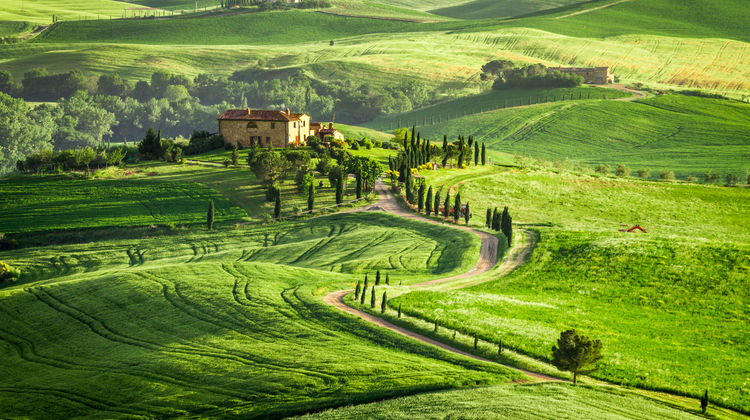
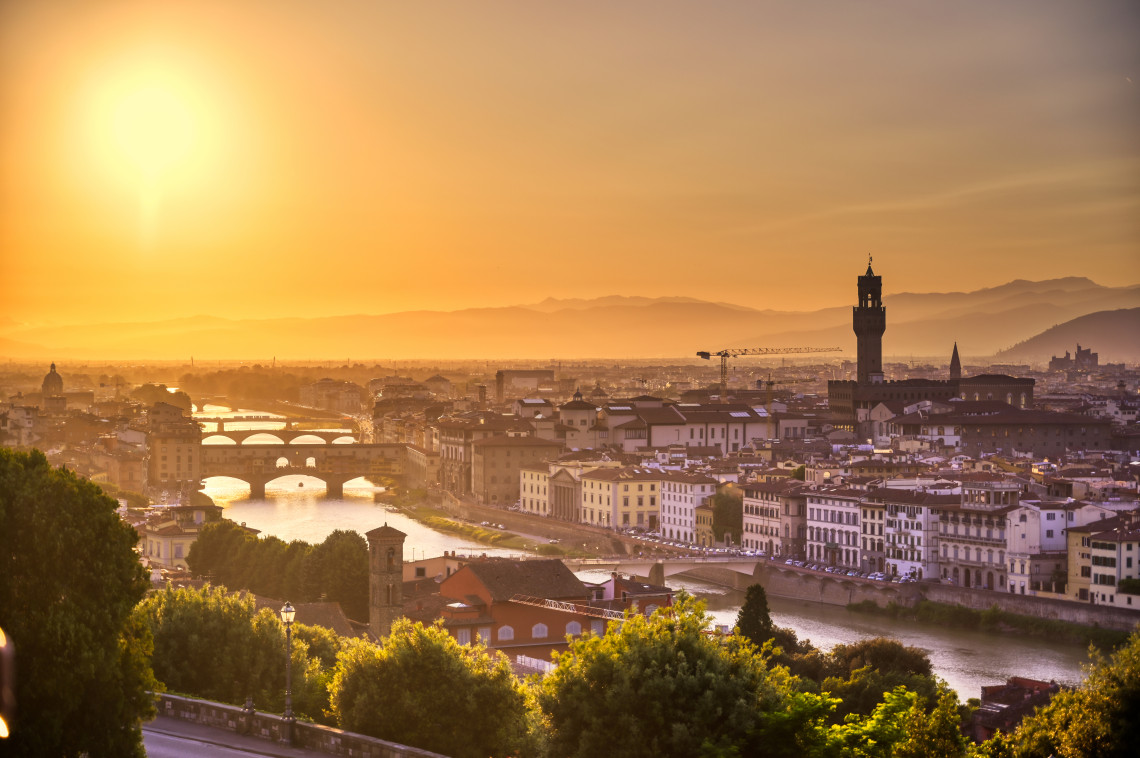
Spring is when Italy looks the way the postcards promise. Wildflowers carpet the Tuscan hills, the Amalfi lemon trees blossom, the Dolomites start to thaw, and the cities have not yet reached peak crowds. Average daytime temperatures in Rome rise from 18°C / 65°F in April to 26°C / 79°F in early June. Florence and Venice run a degree or two warmer.
Pros: Excellent weather for walking cities and hill towns. Lighter museum lines than summer. Easter is one of the most beautiful weeks anywhere in Italy if you can handle the crowds. Asparagus, fresh fava beans, and the first burrata appear on menus.
Cons: Easter and the Italian May holiday (May 1) bring big domestic crowds. Sea temperatures are still cool for swimming until late May. The Dolomites are in mud season through most of April.
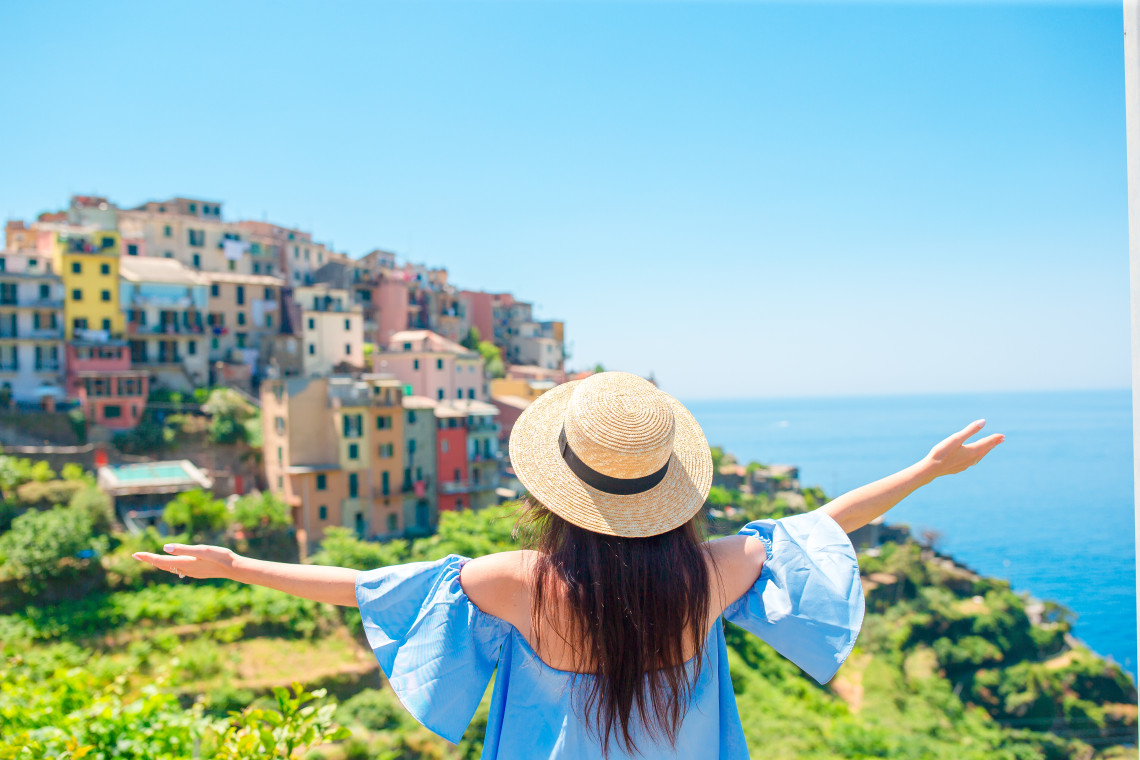
Best for: First time Italy trips, the iconic Rome plus Florence plus Venice triangle, Tuscany road trips, Roman countryside (Castelli Romani), Cinque Terre.
Summer (July to August): Beach country and pricing peak
Italy in high summer is hot and busy. Rome and Florence regularly hit 35°C / 95°F in July and August, and the historic centers offer little shade. Italians themselves leave the cities for the coast in August (the Ferragosto holiday around August 15 closes a remarkable number of restaurants and small shops, especially in Milan and Rome).
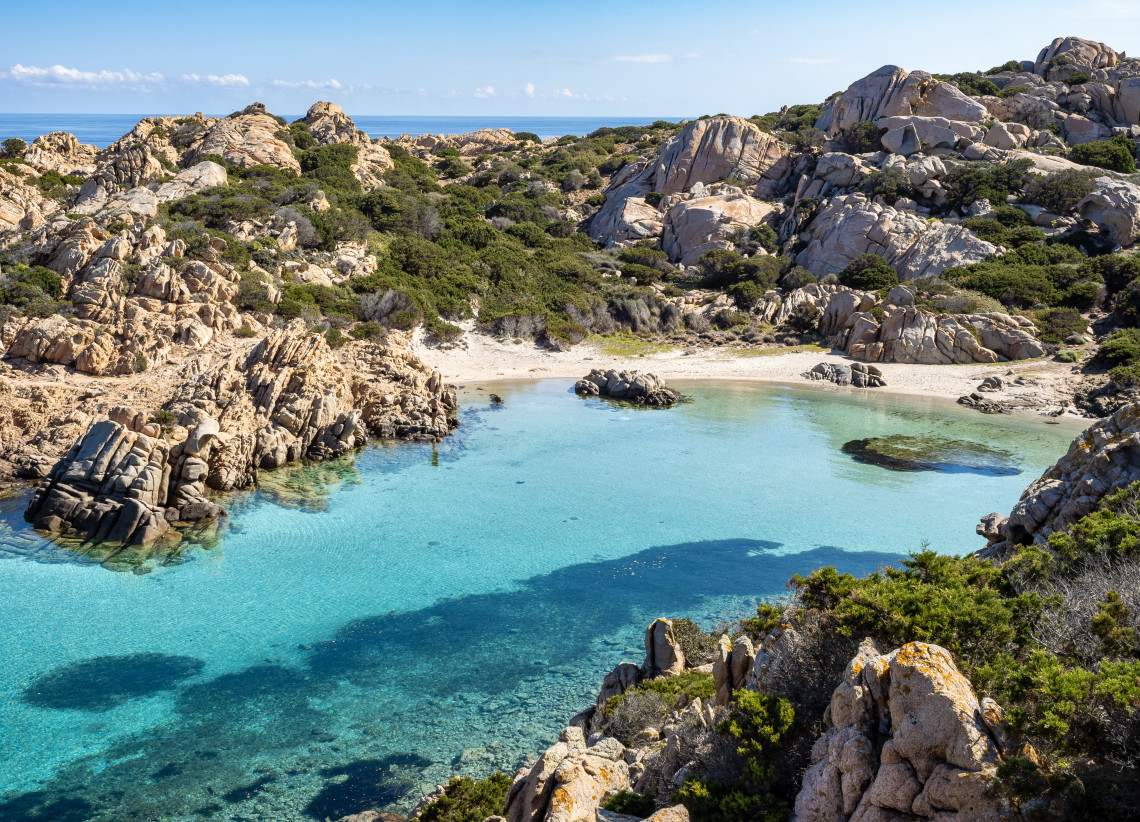
Pros: Long daylight (sunset around 9 PM in July). Festival season everywhere. Beach culture at its peak in Puglia, Sicily, Sardinia, the Amalfi Coast, the Italian Riviera, and Lake Garda. Aperitivo season is in full swing.
Cons: Highest prices of the year for hotels and flights, especially on the coast. Big crowds at major sites (Colosseum, Uffizi, Vatican Museums). Many family run trattorias in city centers close for two to three weeks around Ferragosto. The Dolomites get crowded in late July and early August.
Best for: Beach and island holidays (Sardinia, Sicily, Capri, Ischia, the Amalfi Coast, Puglia), Lake Garda and Lake Como, Dolomites hiking and via ferrata, family trips with school age children.
Fall (September to October): The other sweet spot
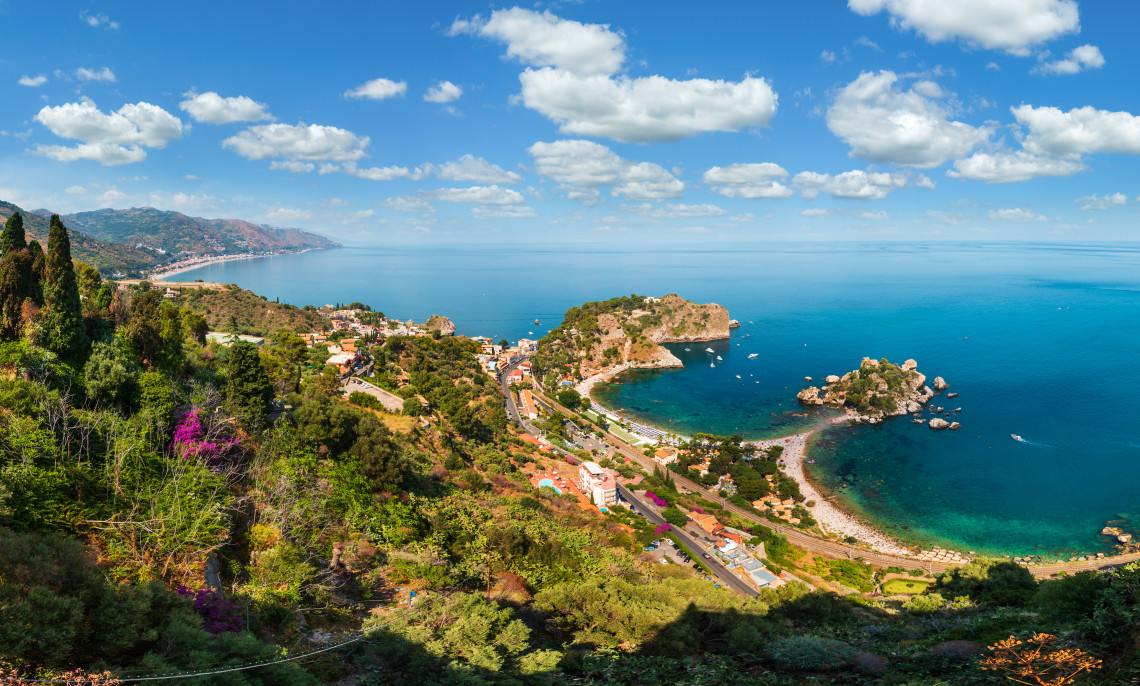
September is arguably the single best month to visit Italy. Sea is still warm, weather is still bright, and the August crowds have mostly cleared. October brings harvest season: grapes in Piedmont and Tuscany, olives in Umbria and Puglia, white truffles around Alba.
Pros: Comfortable temperatures (18 to 28°C / 65 to 82°F in September, 14 to 22°C / 57 to 72°F in October). Smaller crowds than summer. Some of the best food months of the year. Sea temperatures still swimmable in southern Italy through October.
Cons: October weather gets unpredictable in the north. Cinque Terre can have heavy autumn rain. Pricing rises again around Truffle Festival in Alba (October to early December).
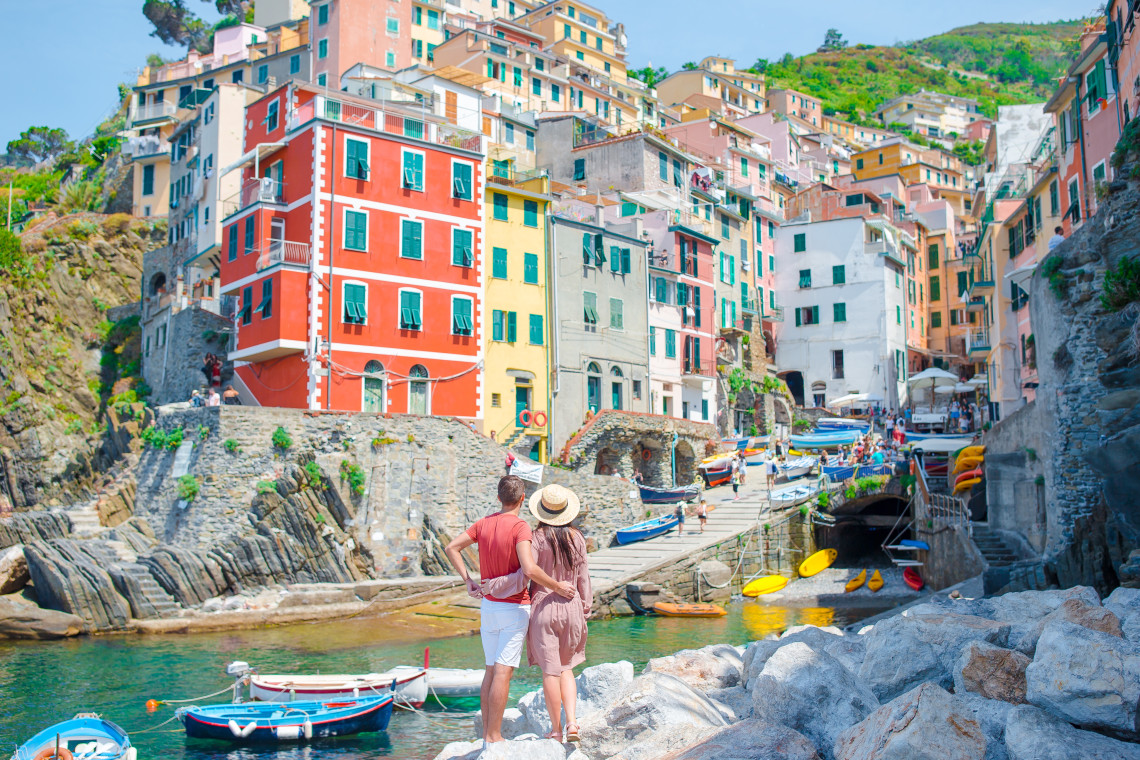
Best for: Wine regions (Piedmont, Tuscany, Veneto, Sicily), Sicily and southern Italy beach holidays, the Cinque Terre (best in September), Italian Lakes, the Amalfi Coast (September is its best month).
Winter (November to March): Cities without crowds, mountains with snow
Italian winter splits into two trips. The cities (Rome, Florence, Venice, Naples) get cool, occasionally damp, and beautifully uncrowded. The mountains turn into a ski destination.
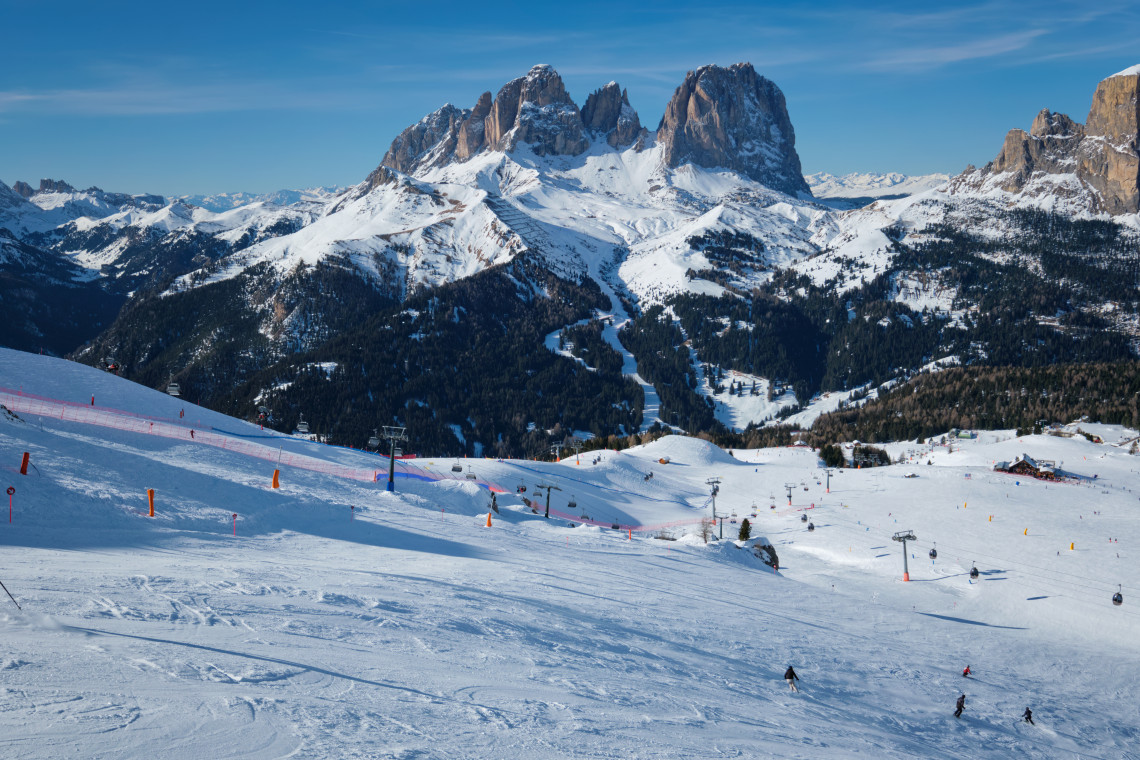
Pros: Lowest prices of the year in cities, except around Christmas and New Year. Beautifully short museum lines (you can walk into the Uffizi at 10 AM in February). Christmas markets across Trentino, Alto Adige, and Lombardy from late November to January 6. Skiing in the Dolomites and the Italian Alps from December to March.
Cons: Rain in Rome and Naples. Acqua alta (high water) flooding events in Venice between October and January. Many seasonal hotels and restaurants on the Amalfi Coast and Cinque Terre close from November to March. Short daylight (sunset around 4:45 PM in December).
Best for: Christmas markets, skiing (Cortina d'Ampezzo, Madonna di Campiglio, Val Gardena, the Dolomiti Superski area), city breaks in Rome and Florence for couples who hate crowds, Venice Carnevale (late January to mid February).
Best time by region
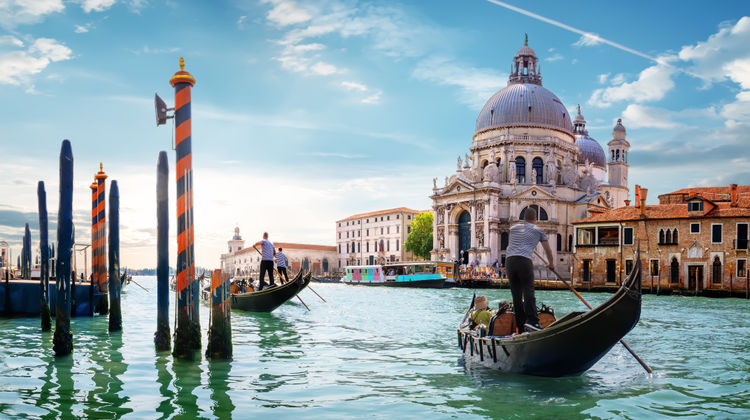
Northern Italy (Milan, Venice, Lakes, Dolomites): May, June, September, and October for most travelers. December to March for the Dolomites and Christmas markets.
Central Italy (Rome, Florence, Tuscany, Umbria): April, May, September, and October are the prime months. Avoid Ferragosto if possible.
Southern Italy (Naples, Amalfi Coast, Puglia, Basilicata): Late May, June, early July, and especially September. October is excellent for inland Puglia.
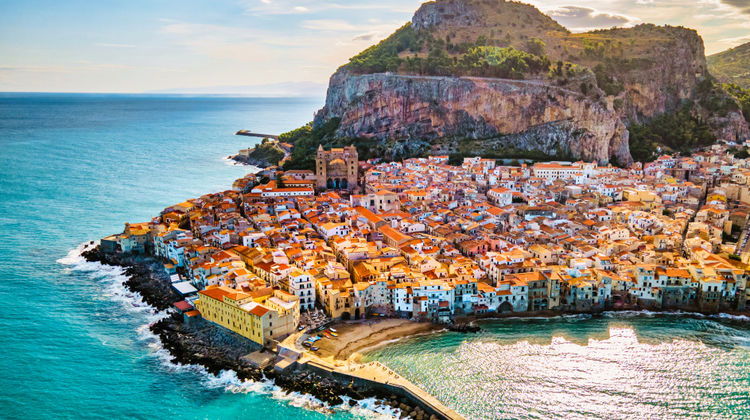
The Islands (Sicily, Sardinia, Capri): May and June for the perfect balance of weather and crowds. Late September for swimming with very few tourists. Avoid August unless you have booked accommodations a year ahead.
Best time by activity
City sightseeing: April, May, late September, October. February for low cost trips with very short lines.
Beach holidays: Late June and early July for warm sea and manageable crowds. Early September is even better.
Skiing: Mid January to mid March in the Dolomites and the Italian Alps. February school break (Settimana Bianca) is very expensive and crowded.
Food and wine harvest: September (grapes), October (olives and white truffles), February to March (citrus in Sicily).
Christmas markets: Late November to January 6 in Bolzano, Trento, Bressanone, Merano, and Verona.
Italian holiday calendar (book early or avoid)
- Pasqua (Easter Week): One of the highest demand weeks of the year. Book major attractions and restaurants two months ahead.
- April 25 (Liberation Day) and May 1 (Labour Day): Italians take long weekend trips. Coastal hotels fill up.
- Ferragosto (August 15): Italy's biggest summer holiday. Cities empty, the coast fills.
- November 1 (All Saints' Day): A long weekend for Italians, modest impact for visitors.
- December 8 (Immaculate Conception) to January 6 (Epiphany): The full Italian Christmas season.
- Carnevale (late January to mid February): Peak demand in Venice and Viareggio.
The bottom line
If you have to pick one month, pick May (best balance of weather, crowds, and price for the whole country) or September (the same case, with warm sea and harvest season).
If you want the cheapest version of Italy, pick February (cities without crowds) or November (after Christmas markets start).
If you want the postcard summer, pick early July for the coast and accept the price.
Frequently asked questions
What is the cheapest month to visit Italy?
November and early December (before Christmas markets ramp up) and the last two weeks of January are typically the cheapest months for flights and hotels in Italian cities, often 30 to 50 percent cheaper than peak summer.
Is Italy hot in July?
Yes. Rome, Florence, and Naples regularly hit 33 to 37°C / 91 to 99°F in July with high humidity. The cities offer little shade. Most Italians take their own holidays away from the cities in late July and August for exactly this reason.
When is Italy least crowded?
February (excluding Carnevale week in Venice) and November (after All Saints' Day) are the two least crowded months at major Italian sites. You can often walk straight into the Vatican Museums and the Uffizi.
When can I swim in Italy?
Sea temperatures are comfortable for most North American swimmers from mid June to mid October in the south (Sicily, Sardinia, Amalfi Coast, Puglia). In the north (Italian Riviera, Cinque Terre, Adriatic), the swimming window is roughly July to mid September.
When is the best time for the Dolomites?
Mid June to mid September for hiking, via ferrata, and lake swims. Mid December to mid March for skiing. Late September is spectacular for autumn color but a few high altitude refugios start closing for the season.
Should I avoid Italy in August?
Not if you are going to the coast or the mountains, but be aware that many small restaurants and shops in city centers close for two to three weeks around Ferragosto (August 15). Cities also become very hot.
Ready to Plan Your Italy Trip?
Yes Getaways specializes in tailor-made and package trips to Italy, built around what you actually want to do with local expertise that no algorithm can replicate.
Need help choosing the right time to visit Italy? Our Europe-based travel team works with US and Canadian travelers year-round and can help you plan the trip that fits your timing. Call (857) 214-2664.