by Yes Getaways Team
July 23, 2026 • 12 min read
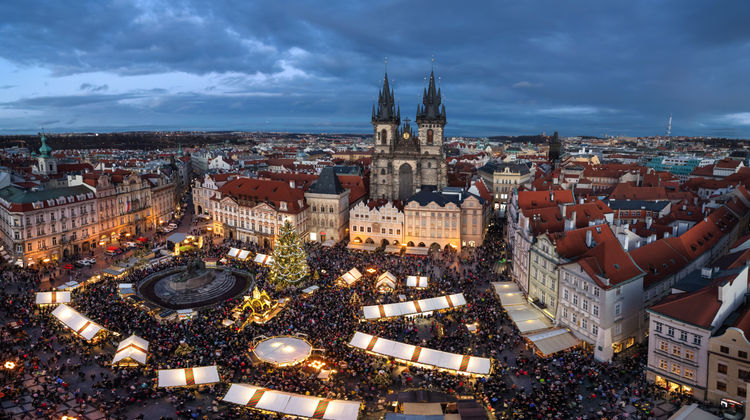
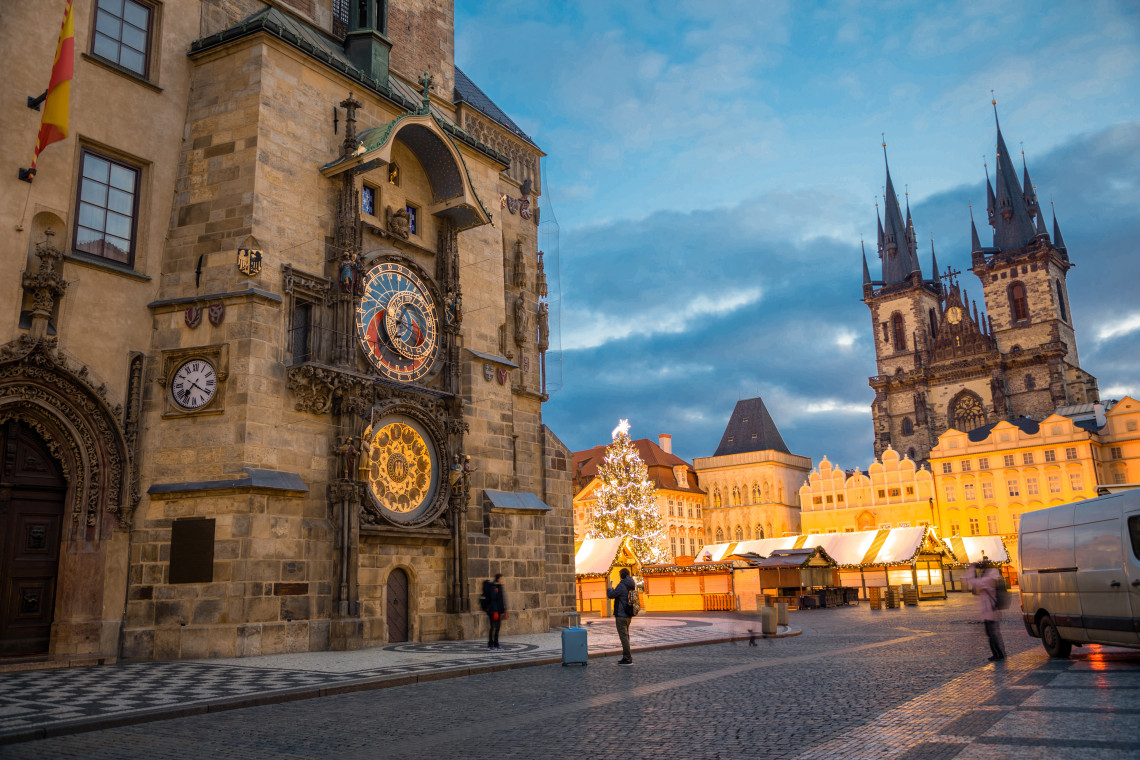
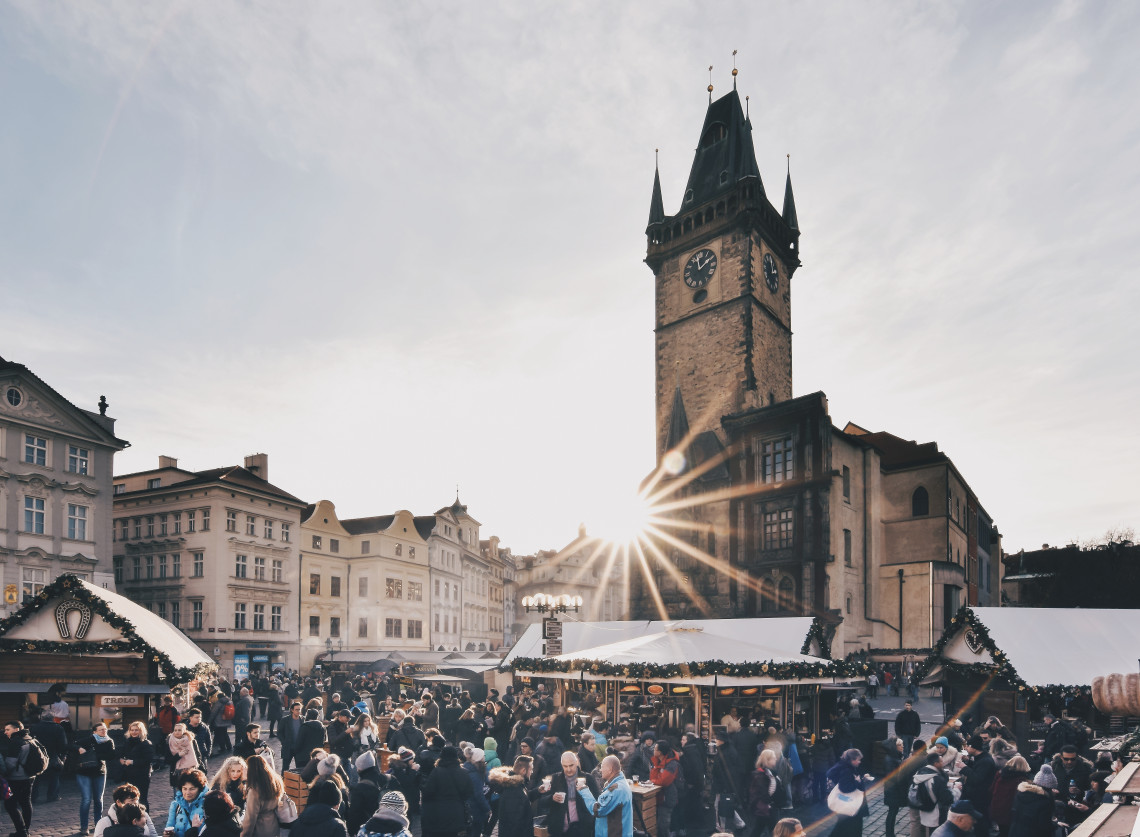
Prague's Christmas markets sit inside one of the most dramatic medieval urban settings in Europe. The Old Town Square (Staroměstské náměstí), with its gothic tower and astronomical clock, transforms into a wooden-chalet village each December. Below the castle, in Wenceslas Square, in Peace Square, in Republic Square, four additional markets extend the season. And unlike most European Christmas markets, several Prague markets stay open through January 6 (Three Kings Day), making the city one of the best post-Christmas European destinations.
This guide covers everything a North American traveler needs to plan a Prague Christmas market trip in 2026.
The short answer
2026 dates: Prague's Christmas markets typically run from late November 2026 to January 6, 2027.
If you have one Prague Christmas market day, do Old Town Square + Wenceslas Square. Both walkable, 10 minutes apart.
If you want the most photogenic setting: Old Town Square (the gothic astronomical clock tower as backdrop is unmatched).
If you want the most local atmosphere: Náměstí Míru (Peace Square) in the Vinohrady district — smaller, less touristy.
If you want to visit after Christmas: Prague is one of the few European capitals where markets continue through January 6.
The 5 essential Prague Christmas markets
1. Old Town Square (Staroměstské náměstí)
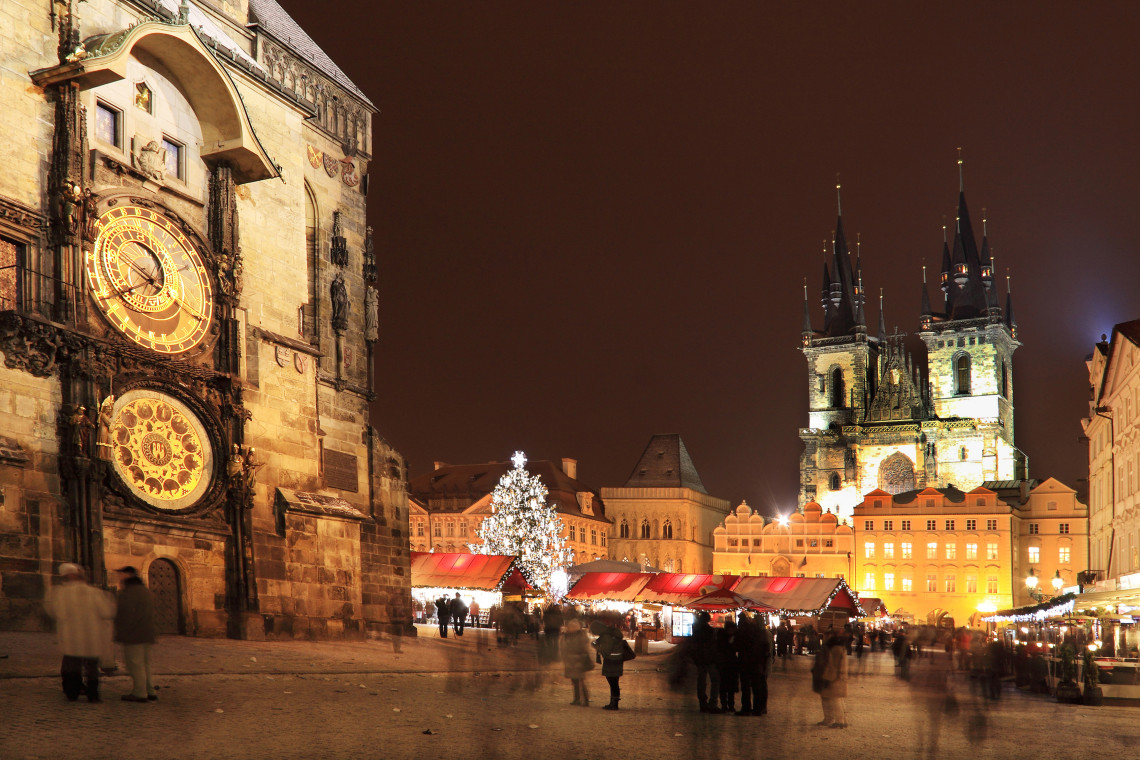
The main event. Set on Prague's most famous square, in front of the Church of Our Lady before Týn (the gothic twin-spired church that dominates every Prague postcard) and beside the astronomical clock tower.
The market has 60+ wooden chalets, a large live Christmas tree at the center (lit daily), a small stage with live music, and a farm animal petting corner for children. The chalets sell Czech traditional crafts: Bohemian glass, garnets, marionettes, wooden toys, hand-painted eggs, felt slippers.
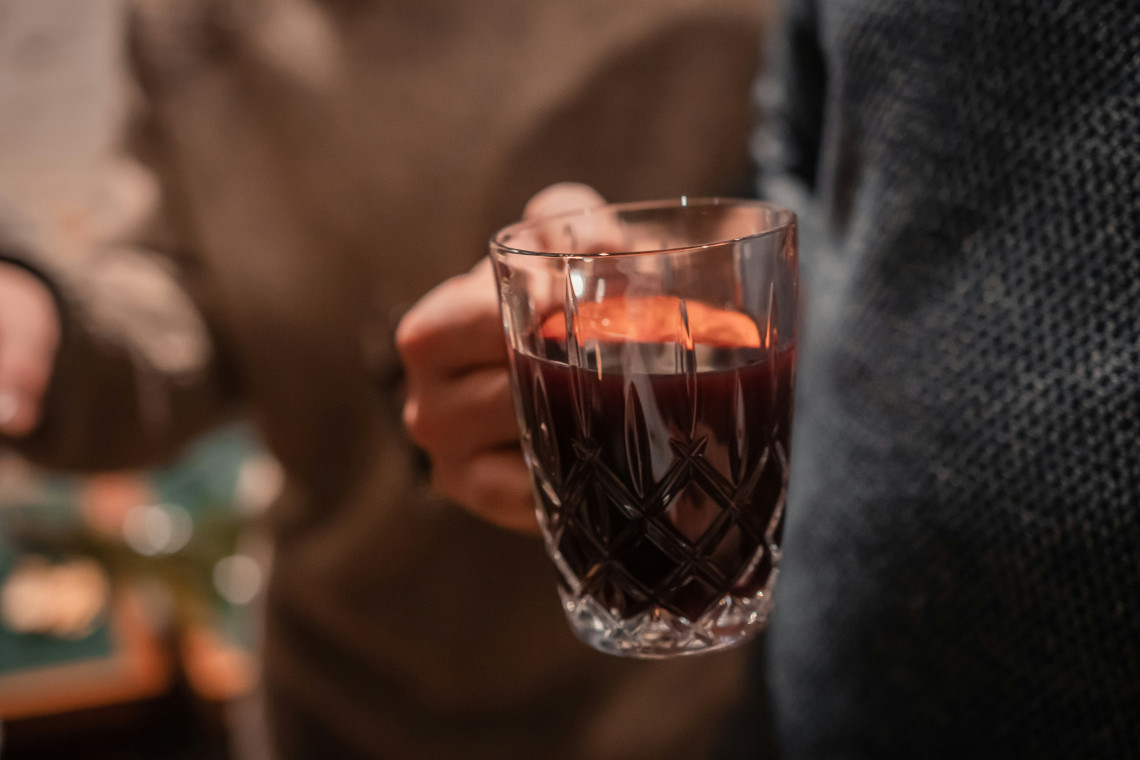
Food is the highlight: Trdelník (the rolled cinnamon-sugar pastry, though not technically Czech — see the honest note below), Klobása (Czech sausages), Bramboráky (potato pancakes), Svařené víno (Czech mulled wine), and Grog (rum-based hot drink).
Best for: First-time visitors, the essential Prague Christmas photo, families with children.
2. Wenceslas Square (Václavské náměstí)
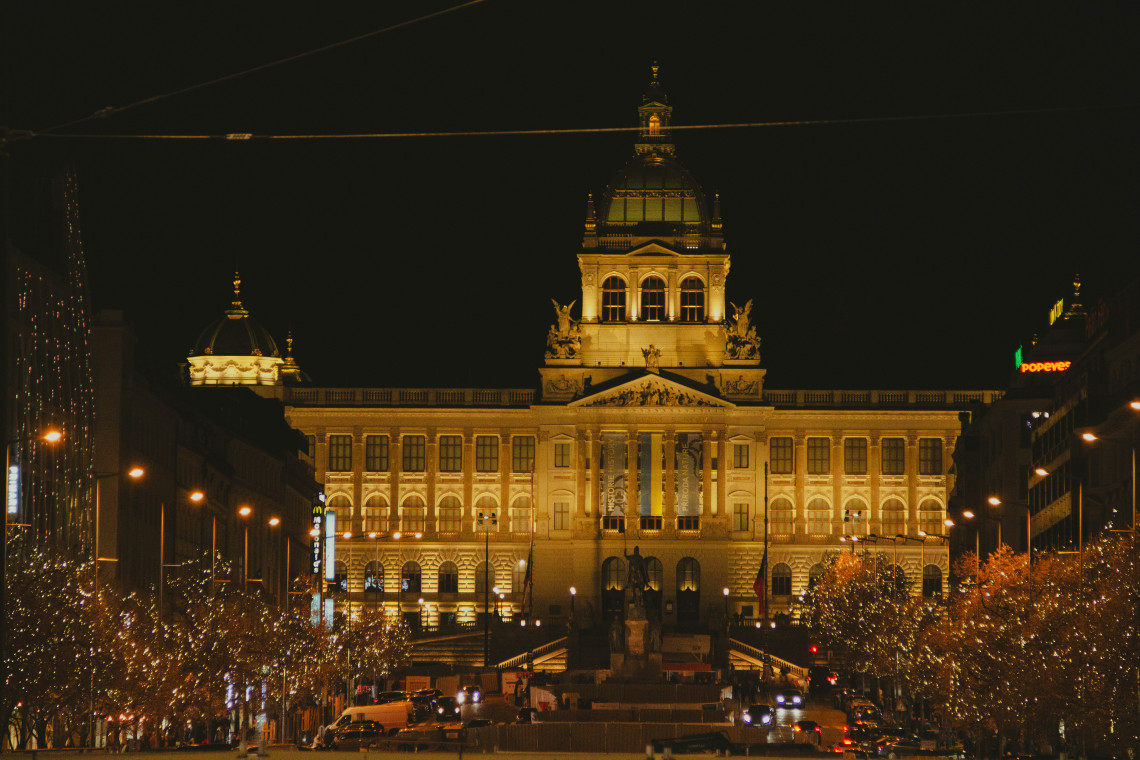
The second-largest market, running down the middle of Wenceslas Square from the National Museum to the base of the boulevard. Longer and thinner than Old Town, so it feels different — less "market square" and more "shopping boulevard."
The Wenceslas Square market has more focus on food and less on crafts. The National Museum illuminated at the top of the square makes for a striking end-of-day view.
Best for: Food-focused visits, travelers staying at hotels along Wenceslas Square, extending the Old Town Square visit.
3. Prague Castle (Pražský hrad)
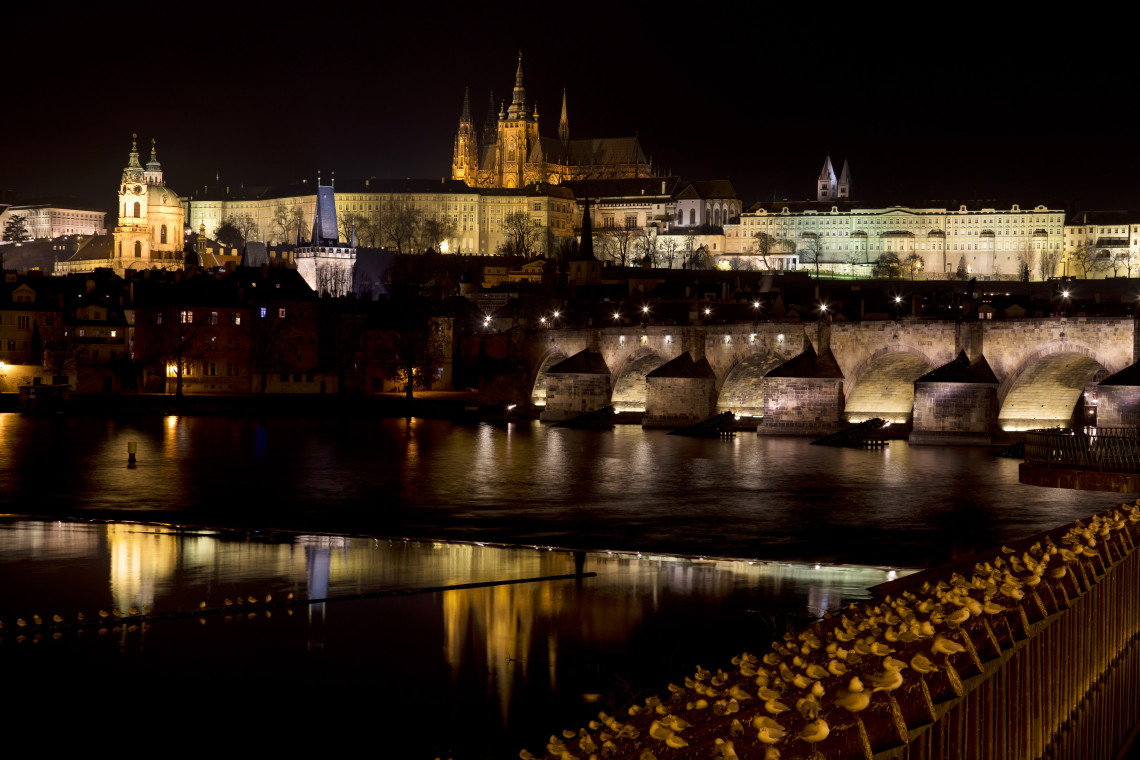
The Christmas market inside the castle complex is smaller and more upscale. Sits in the third courtyard of the castle, with the gothic St. Vitus Cathedral as backdrop. The chalets focus on higher-quality Czech craft and design — glass, jewelry, artisan chocolate.
Best for: Combining a castle visit with a market. The gothic cathedral view alone justifies the walk up.
Honest tradeoffs: Requires paid entry to the castle complex. Smaller scale.
4. Náměstí Míru (Peace Square, Vinohrady)
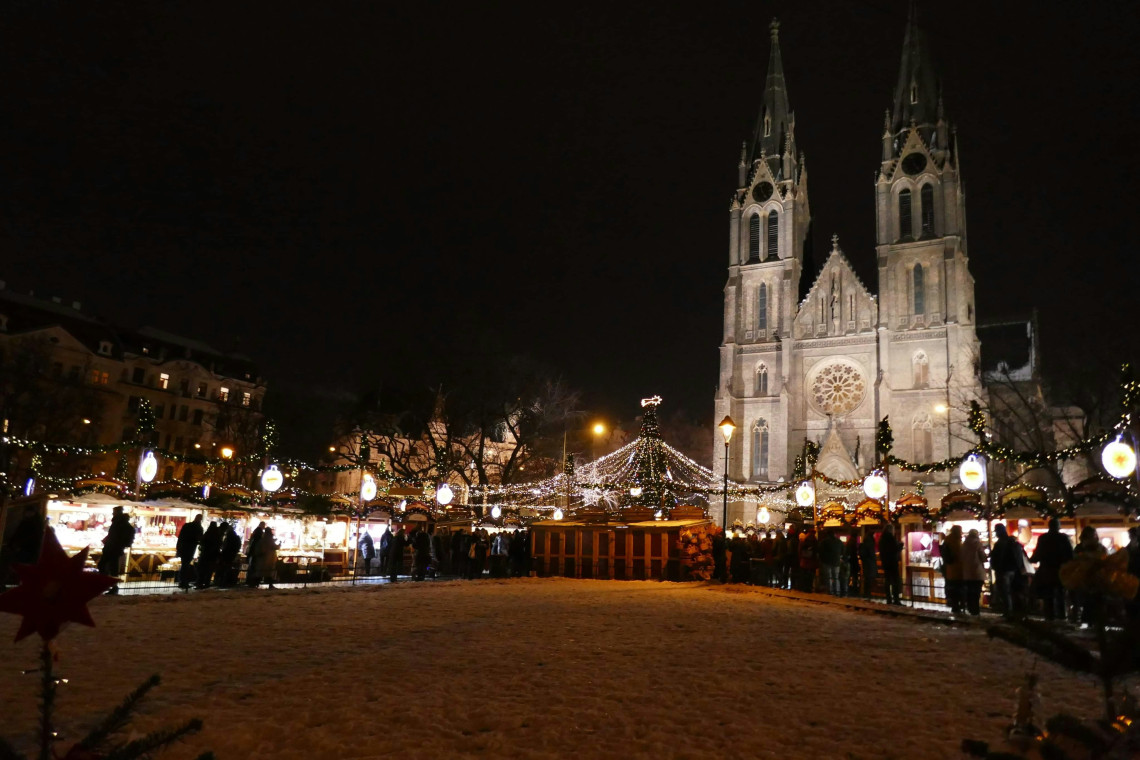
The local Prague Christmas market, in the residential Vinohrady district (a 5-minute metro ride from the Old Town). Set on Peace Square in front of the neo-gothic Church of St. Ludmila. Much less crowded than Old Town, more atmospheric in the evenings, more Czech visitors than international tourists.
Best for: Travelers on their second or third day, wanting to see the market a local Praguer would visit. Those who dislike the Old Town crowds.
5. Republic Square (Náměstí Republiky)
The market at Republic Square is the modernized, wider-appeal one. Next to the Municipal House (Obecní dům, art nouveau masterpiece) and the Powder Tower (Prašná brána, gothic gate). Popular with locals shopping before or after work.
Best for: A stop while walking between Old Town and the modern city center.
The honest Trdelník note
Every Prague Christmas market sells Trdelník — the rolled cinnamon-sugar pastry (sometimes chocolate-coated, sometimes filled with ice cream) that has become the Instagram signature of Prague. Here's the honest truth:
Trdelník is not traditional Czech Christmas food. It originated in Slovakia (Skalica region) and was mass-marketed to tourists in Prague starting around 2010. Most Czechs consider it a tourist trap, though some now grudgingly admit it tastes fine. If you want it, get it. If you want actual Czech Christmas specialties, look for:
- Vánočka — the Czech Christmas braided bread with raisins, almonds, and lemon zest.
- Bramborový salát — Czech potato salad with mayonnaise, gherkins, and carrots. The traditional Czech Christmas Eve dinner side dish.
- Kapr smažený — fried carp, the traditional Czech Christmas Eve main course.
- Cukroví — Czech Christmas cookies. Every family bakes 8 to 12 varieties: linzer cookies, vanilla crescents (vanilkové rohlíčky), rum balls (rumové kuličky), gingerbread (perník).
- Grog — hot rum with lemon and sugar, the Czech Christmas market alternative to mulled wine.
When to go
Late November (opening): Markets open the first Advent weekend. Weekdays are meaningfully calmer.
December 1 to 20 (the sweet spot): All markets in full operation. St. Nicholas Day (December 5, celebrated eve) sees the tradition of St. Nicholas visiting children with an angel and a devil.
December 21 to 26: Peak crowds. The market at Old Town Square remains open (unlike many German markets that close December 24).
December 27 to January 6 (the extension): Old Town and Wenceslas Square markets continue. Fewer chalets stay open, but the atmosphere is quieter and prices lower.
Sweet spot recommendation: Early December weekdays, or between Christmas and New Year for the extension.
How to get to Prague
By air: Prague Airport (PRG) has direct flights from major U.S. and Canadian cities. Public bus + metro to city center is 45 minutes; taxi is 20-30 minutes.
By train: Excellent connections from Berlin (4h20m by Railjet or EC), Munich (5h30m via Nuremberg), Vienna (4h direct), Dresden (2h15m), Budapest (7h).
Within Prague: The old town is walkable. The metro (three lines) reaches all major markets. Trams are frequent.
Where to stay
Old Town / Josefov: Hotel U Prince (5-star on Old Town Square, sunset views of the astronomical clock), Grand Hotel Bohemia (Art Nouveau grand hotel), Ventana Prague Hotel (boutique in Old Town), Buddha-Bar Hotel Prague.
Lesser Town (Malá Strana): Aria Hotel Prague (5-star, near Charles Bridge and castle), Hotel Waldstein (baroque palace hotel), Alchymist Grand Hotel and Spa.
New Town (Nové Město): K+K Hotel Central, Hotel Jalta (design hotel on Wenceslas Square), Hotel Yasmin.
Book 4 to 6 months ahead for December. Prague peaks over Christmas and New Year.
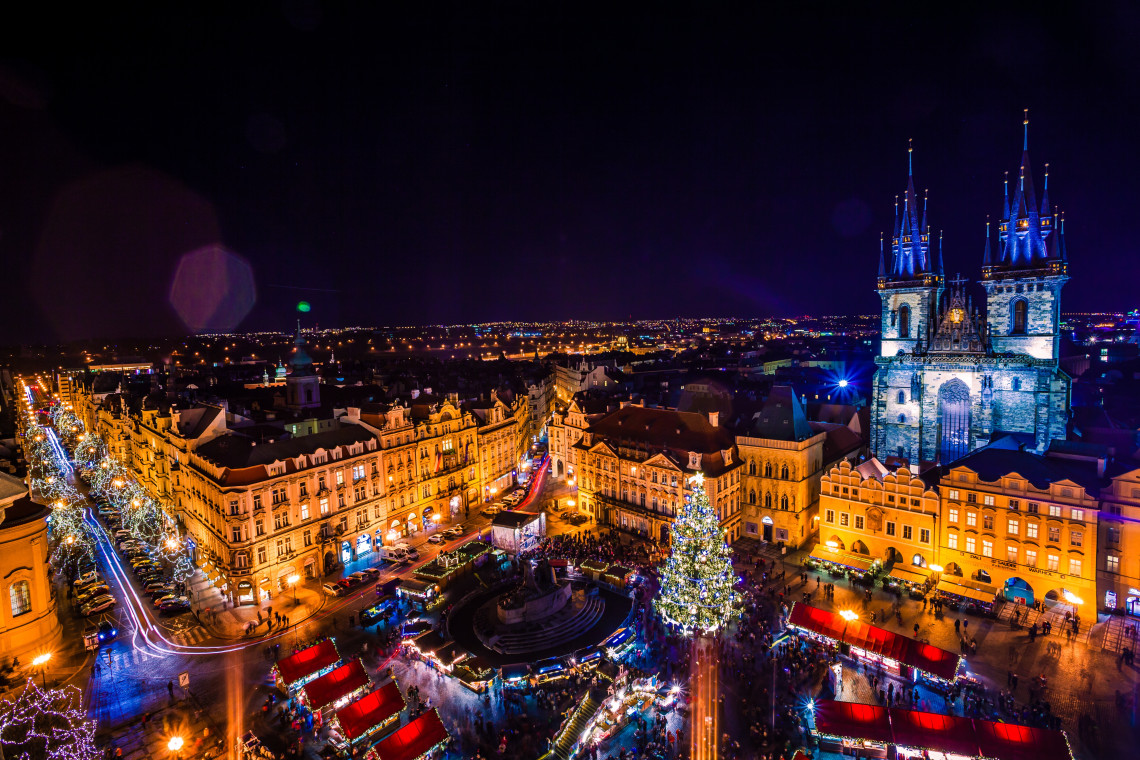
Old Town Square Christmas Market, Prague, Czech Republic
Combining Prague with other Christmas markets
Prague sits in the middle of Central Europe, which makes it the natural pivot for multi-city Christmas trips:
Vienna + Prague (5 to 7 nights): 2 to 3 nights each, with the 4-hour train between. The most-requested Central European Christmas combo.
Budapest + Vienna + Prague (7 to 9 nights): The "Three Capitals" Christmas trip. 2 to 3 nights in each city. All connected by direct trains (Vienna to Budapest 2h30m, Vienna to Prague 4h).
Dresden + Prague (5 nights): The oldest documented Christmas markets in Germany + Prague's medieval magic. Dresden to Prague is 2h15m.
Berlin + Prague (5 to 7 nights): Large city variety + medieval compactness. Berlin to Prague is 4h20m by train.
Munich + Prague (7 nights): Bavarian classic + Bohemian atmosphere. 5h30m by train via Nuremberg.
Plan it well: 10 Best Christmas Markets in Europe 2026 for the multi-country planning.
What to see beyond the markets
Prague at Christmas is one of Europe's most rewarding city breaks even before the markets:
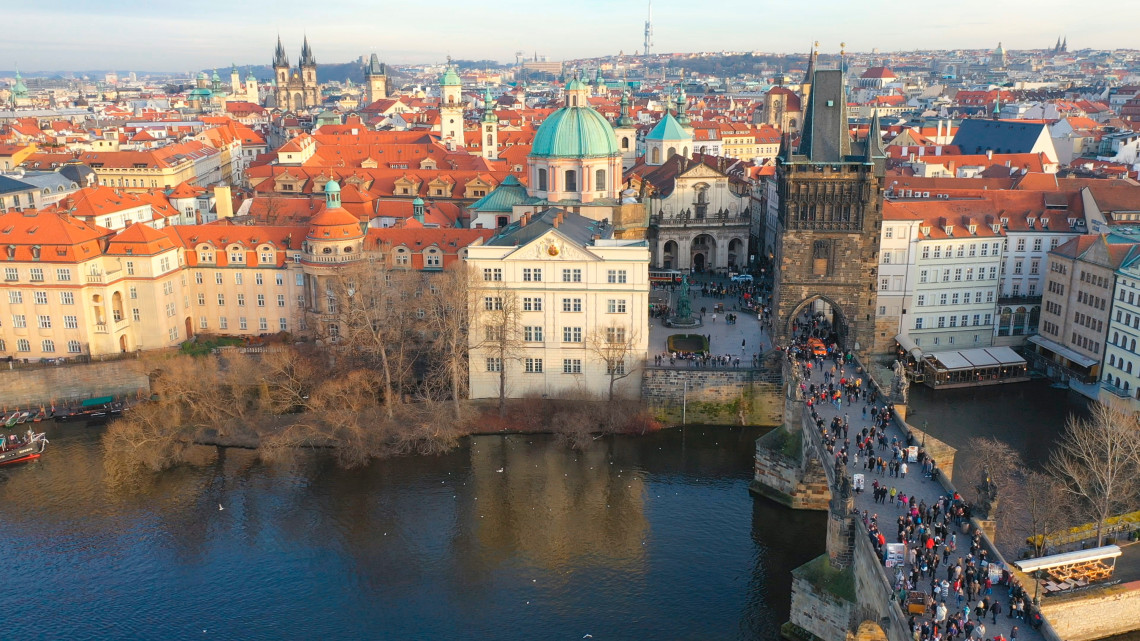
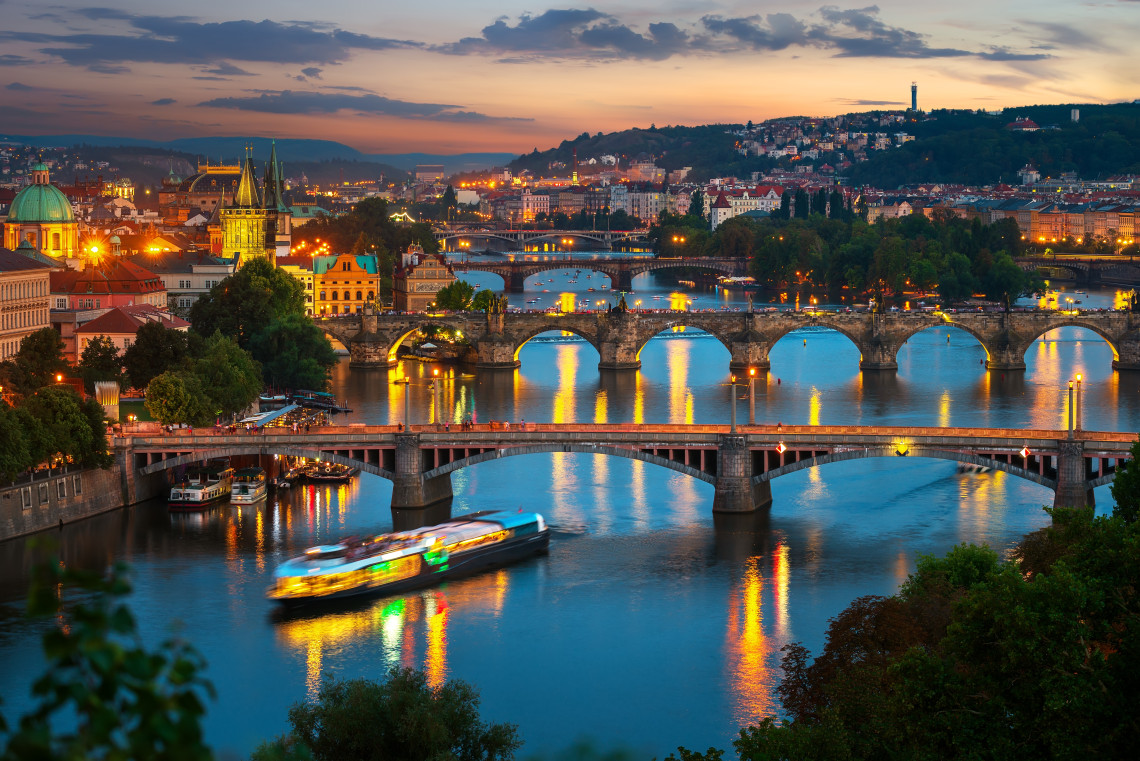
- Charles Bridge at dawn — the gothic bridge across the Vltava, illuminated. Empty at 7am; packed by 10am.
- Prague Castle complex — St. Vitus Cathedral, the Royal Palace, Golden Lane.
- The Astronomical Clock — hourly performance from 9am to 11pm.
- Klementinum library — the baroque library, one of Europe's most beautiful interiors (advance ticket).
- Jewish Quarter (Josefov) — six synagogues and the Old Jewish Cemetery.
- Vltava river cruise — winter cruises operate through December.
- Christmas concerts at St. Nicholas Church (Malá Strana) or Vivaldi at the Church of St. Simon and Jude.
- Petřín Hill — the "Prague Eiffel Tower" and gardens with the best city view.
Honest tradeoffs
The pros: The most cinematic Christmas markets in Europe. The medieval and baroque architecture predates the lights by centuries. Extended dates through January 6 make Prague one of the best post-Christmas cities. Prices are meaningfully lower than Vienna, Munich, or Copenhagen.
The cons: Prague gets very cold in December (regularly below freezing). Old Town Square gets extremely crowded on December weekends after 3pm. Some tourist-focused stalls sell mass-produced goods and inflated Trdelník. Air pollution in December can be bad.
To get the best version: Base in the Old Town or Malá Strana. Visit markets early morning (open at 10am) or after 8pm when day-trippers leave. Try at least one non-tourist market (Náměstí Míru). Attend a Christmas concert. Combine with Vienna for a real Central European Christmas trip.
Frequently asked questions
When does Prague Christmas Market open in 2026? Late November 2026 (the first Advent weekend) through January 6, 2027 (Three Kings Day). Specific dates vary by market — Old Town Square typically opens November 28 in 2026.
How many Christmas markets are in Prague? Five essential markets: Old Town Square, Wenceslas Square, Prague Castle, Peace Square (Náměstí Míru), and Republic Square (Náměstí Republiky).
How many days do you need in Prague at Christmas? 3 to 4 nights. 2 nights covers only the essentials. 5+ nights allows for day trips (Kutná Hora, Český Krumlov) and multiple Christmas concerts.
Is Prague or Vienna better for Christmas markets? Different experiences. Prague is smaller-scale, more medieval-atmospheric, cheaper. Vienna is larger-scale, imperial, and more expensive. Most travelers combine both (4h by train).
Are Prague Christmas markets open on Christmas Day? Yes, unlike most German markets that close December 24. Old Town Square and Wenceslas Square operate on December 25 and 26, with slightly reduced hours.
Is Trdelník traditional Czech food? No. It originated in Slovakia and was mass-marketed to Prague tourists starting in the 2010s. Not offensive to eat, but not authentic Czech Christmas. For real Czech Christmas food, try Vánočka (braided bread), cukroví (cookies), or bramborový salát (potato salad).
How cold is Prague in December? Very cold. Daytime -2°C to 4°C / 28°F to 40°F. Snow is occasional. Layer heavily. Waterproof boots are essential.
Is Prague safe for tourists? Very safe. Standard urban precautions apply. Pickpockets work Old Town Square, Charles Bridge, and the trams. Violent crime against tourists is very rare.
Can I visit Prague Castle Christmas Market for free? No. The Castle complex requires paid entry (300-450 CZK depending on ticket). The market is inside the paid area.
Should I use crowns or euros? Crowns (CZK) are the local currency. Some markets accept euros but the exchange rate is unfavorable — use crowns from a bank ATM. Cards are widely accepted; cash is useful for small stalls.
Which is the least crowded Prague Christmas market? Náměstí Míru (Peace Square) in Vinohrady is meaningfully less crowded than Old Town Square. Republic Square is midway between the two.
Are Prague Christmas markets family-friendly? Very. Old Town Square has a farm animal petting corner. Trdelník and other sweets appeal to children. The astronomical clock hourly performance is a classic family stop.
Medieval Prague, at Christmas.
Our travel experts route Prague-only trips and Vienna/Budapest combinations.
See Prague Packages Tailor-Made Trip