by Yes Getaways Team
September 23, 2026 • 13 min read
Berlin is not a beautiful city in the way Paris or Vienna are beautiful. It is bigger, rougher, greener, and stranger than any of them. Nine times the physical footprint of Paris, still emptier than most European capitals, and layered with the history of the 20th century in ways that show up literally on the sidewalks. First-time visitors sometimes arrive expecting a compact old town and are surprised to find Berlin sprawls, moves at a different pace, and rewards travelers who plan by neighborhood rather than by monument list. This guide is what we tell every first-timer before they go.
The short answer
- How many days: Three full days is the minimum for a first trip. Four is better. Five if you plan to add Potsdam.
- Best neighborhoods to stay: Mitte for first-timers who want to walk to the main sights, Prenzlauer Berg for the café-and-park version of Berlin, Kreuzberg for the food and nightlife side, Charlottenburg for the quieter West Berlin base.
- The must-see block: Brandenburg Gate, Reichstag, Holocaust Memorial, Museum Island, East Side Gallery, Berlin Wall Memorial, Checkpoint Charlie (optional). Roughly two days of walking to cover.
- Best time to visit: May to early October for the outdoor Berlin (parks, beer gardens, canal walks). Late November through Christmas for the markets and the winter atmosphere.
- How to get around: Berlin's U-Bahn, S-Bahn, tram, and bus network is one of Europe's best. Buy a 3-day AB zone ticket on arrival, use it for everything.
- What to eat: Currywurst, döner kebab, Berliner (the pastry), a proper German breakfast, and one Turkish or Vietnamese meal in Kreuzberg or Neukölln.
- Money to plan for: Berlin is meaningfully cheaper than Paris, London, or Munich. Expect prices closer to Prague than to Amsterdam.
Berlin City Break — flights, hotel, and a curated first-timer itinerary put together by Yes Getaways travel experts.
See the Berlin City Break →Understanding Berlin (Before You Try to See It)
Berlin sits on flat land in the northeast of Germany, closer to Warsaw than to Munich. It is 3.7 million people, spread across 344 square miles, made up of 12 districts and about 100 named neighborhoods. That is not a city that rewards trying to see everything in one visit.
The single most useful framing for a first-time Berlin traveler is this: Berlin is not one city, it is a network of neighborhoods, and each neighborhood has a different feel. You do not tour Berlin the way you tour Rome, from one landmark to the next. You pick two or three neighborhoods, spend a half or full day in each, and let the specific character of each area carry the trip.
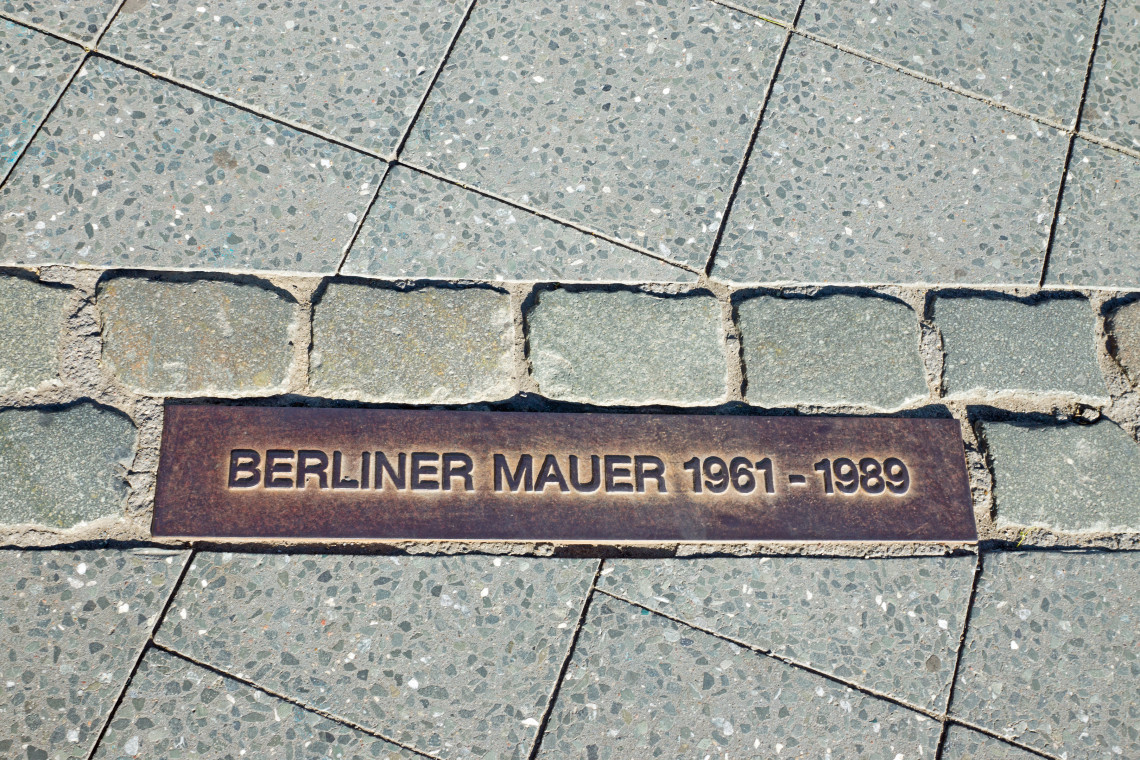
The other useful framing is the historical one. From 1945 to 1961, Berlin was divided into four sectors (American, British, French, Soviet). From 1961 to 1989, a physical wall ran through the middle of the city separating East Berlin (Soviet) from West Berlin (the other three sectors, functioning as a Western enclave inside East Germany). The Wall came down in November 1989, reunification followed in 1990, and the city has been slowly stitching itself back together for the last three decades. That history is not background context. It is the story of every neighborhood, every metro line, and every empty lot in the center. You will notice.
What to See on a First Trip
The list below is what we send first-timers to before they overload their itinerary. It is not exhaustive, and it is not ordered by importance. It is a full day and a half of walking if you compress it.
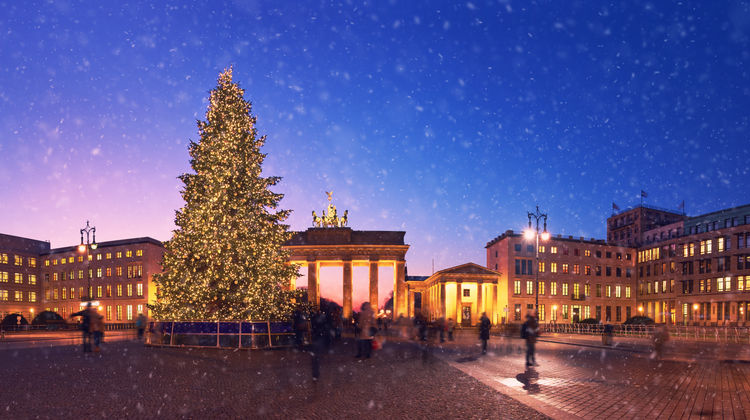
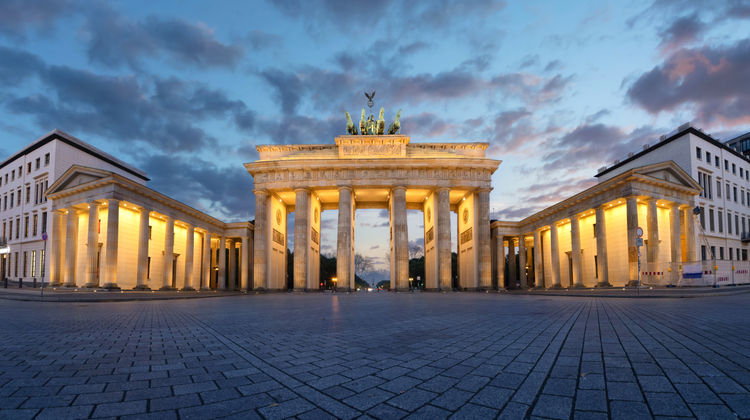
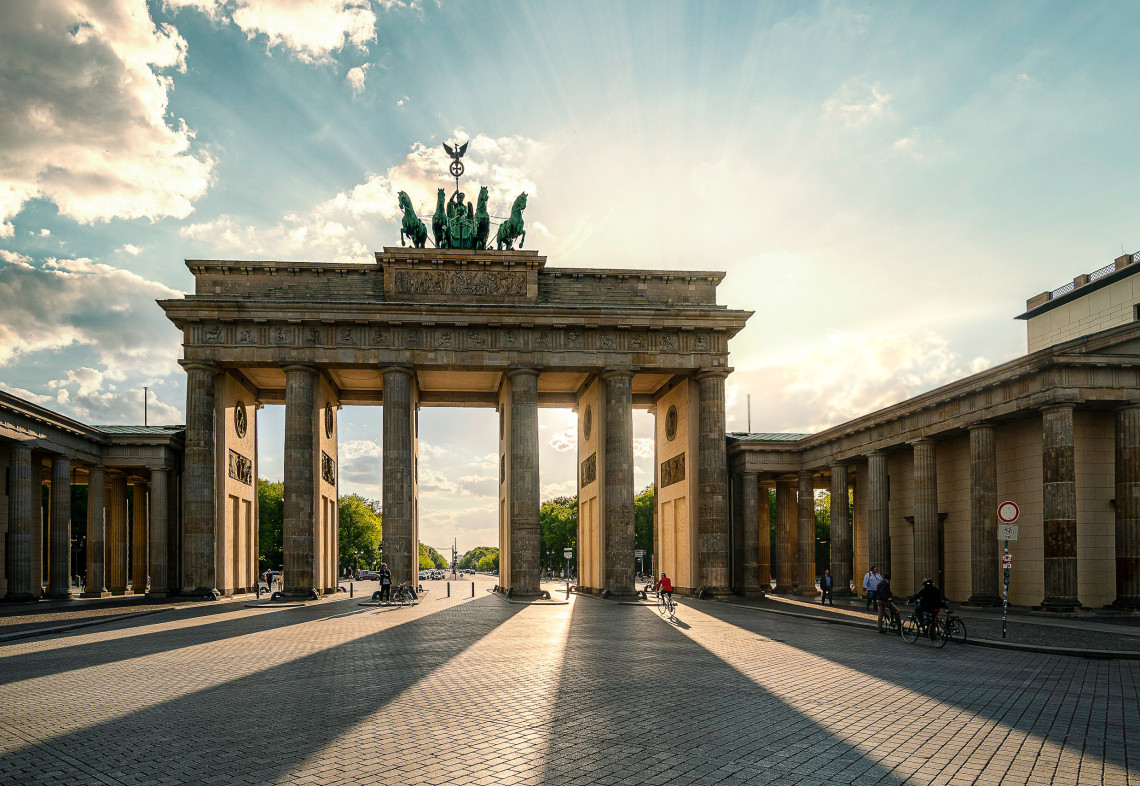
Brandenburg Gate. The single most iconic image of Berlin and the natural first stop. Ten minutes to photograph and absorb, longer if you take one of the free walking tours that starts here. The gate marks the historical border between East and West.
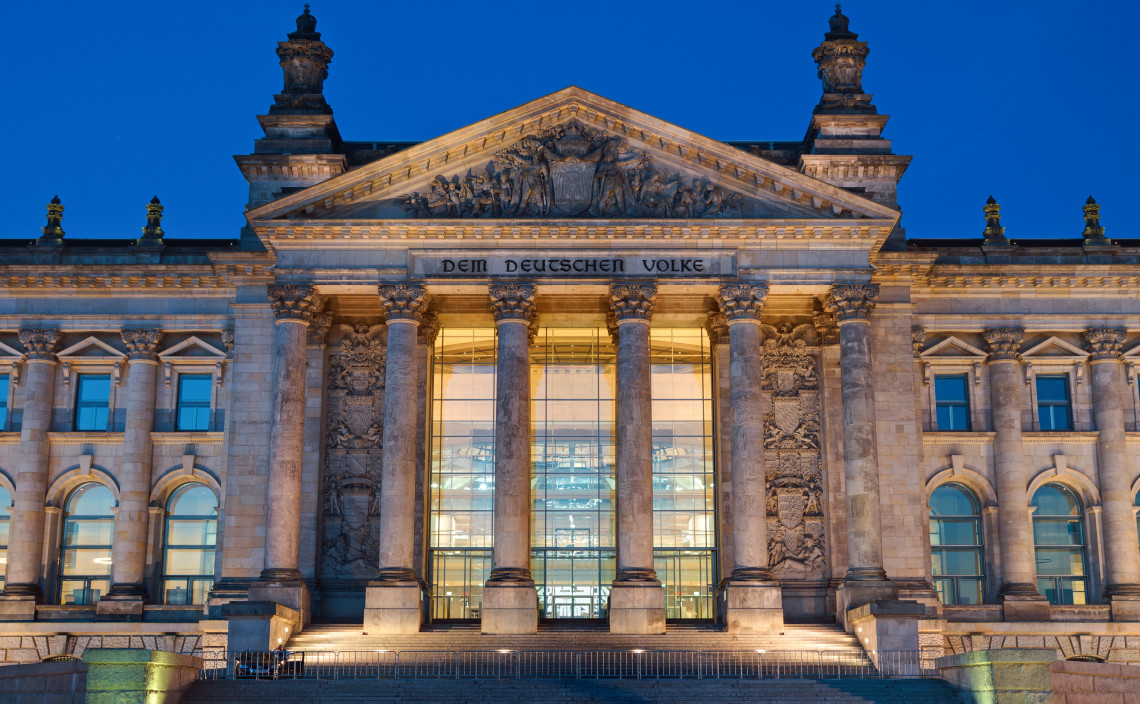
Reichstag Building. The German parliament, with a glass dome designed by Norman Foster that visitors can walk up inside. The dome visit is free but requires advance registration, ideally three to four weeks before your trip. Book directly on the Bundestag website, not through third-party resellers.
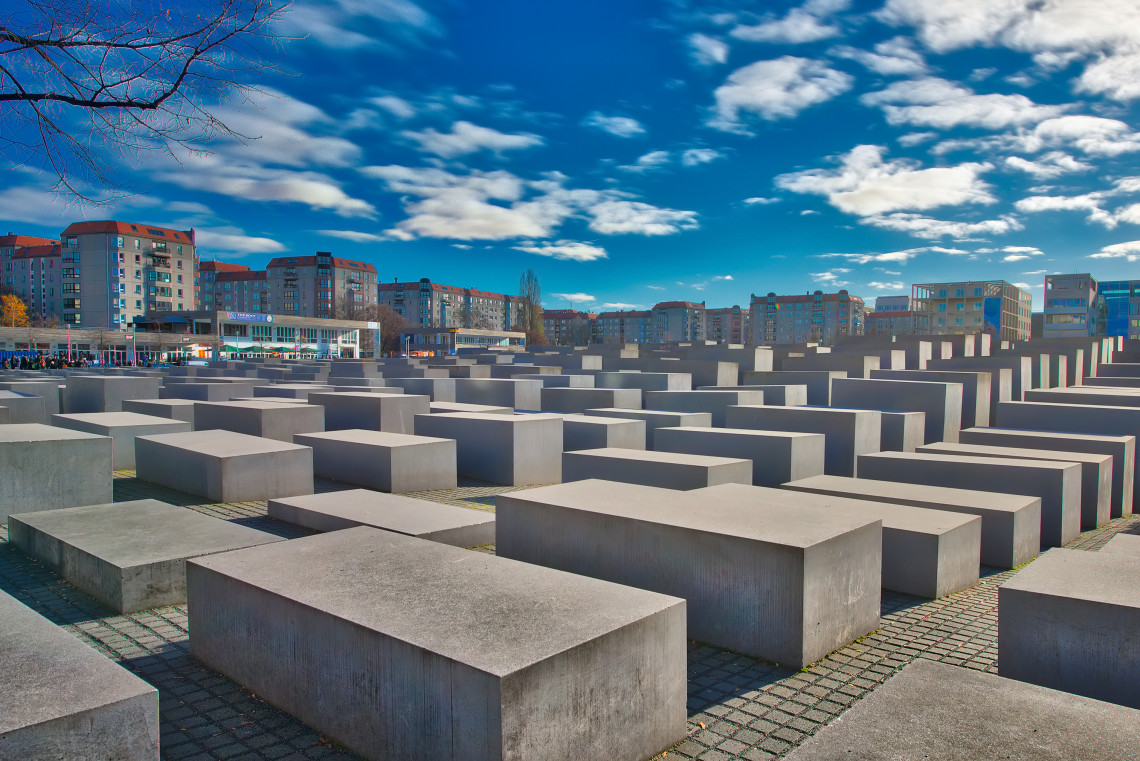
Holocaust Memorial (Memorial to the Murdered Jews of Europe). Two blocks south of Brandenburg Gate. 2,711 concrete slabs arranged in a grid, walkable, silent. Below ground there is a small, powerful information center. Free entry. Give it 45 minutes minimum.
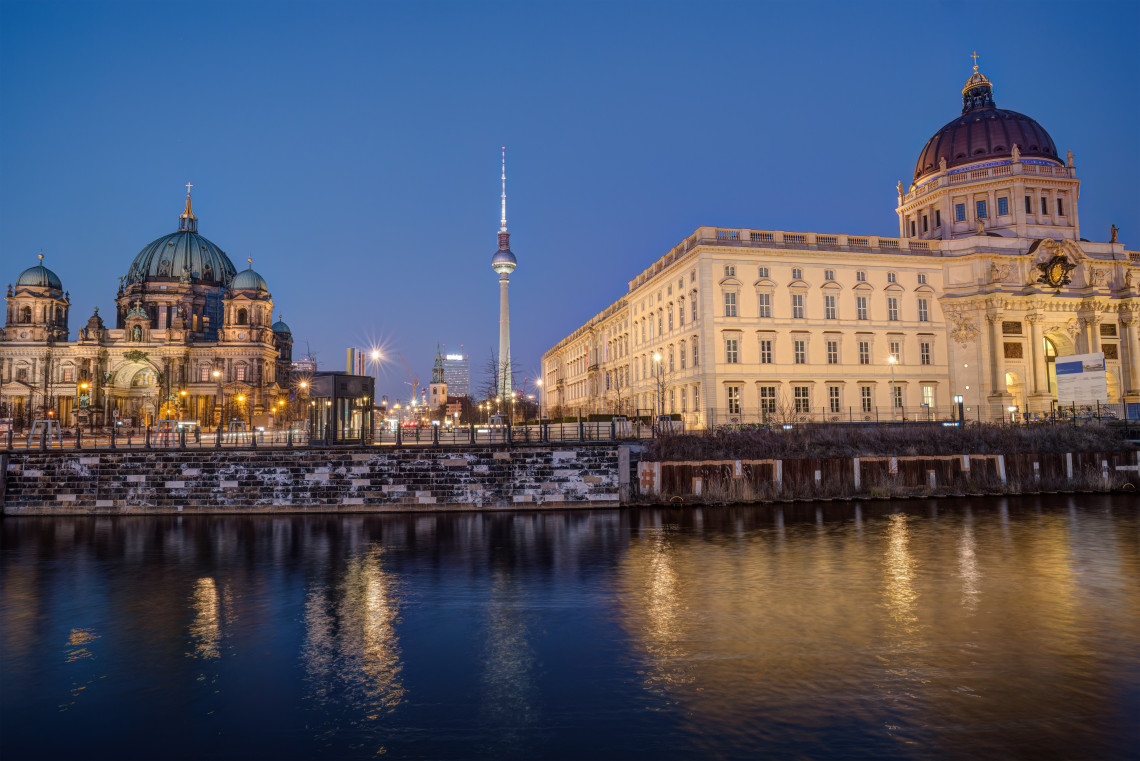
Museum Island. A UNESCO-listed cluster of five museums on an island in the Spree. If you only visit one, the Pergamon (currently in phased renovation, check what is open when you visit) or the Neues Museum (with the bust of Nefertiti) are the two most first-timer friendly. A Museum Island day pass covers all five if you want to make a full day of it.
East Side Gallery. The longest surviving stretch of the Berlin Wall, 1.3 km along the Spree in Friedrichshain, painted with more than 100 murals in 1990. Walk it end to end. The famous "brotherly kiss" mural (Brezhnev and Honecker) is toward the middle. Free, outdoor, open 24 hours.
Berlin Wall Memorial (Bernauer Straße). A different experience than the East Side Gallery. This is where the Wall is preserved in the form of a memorial, with a visitor center that explains the death strip, the escape attempts, and the everyday reality of the divided city. Genuinely moving. Give it two hours.
Checkpoint Charlie. Skippable if you are short on time. The site itself is now surrounded by tourist tat and reconstructed guardhouses. Photograph it in passing on your way somewhere else. The nearby Mauermuseum (Wall Museum) has serious content but a chaotic layout.
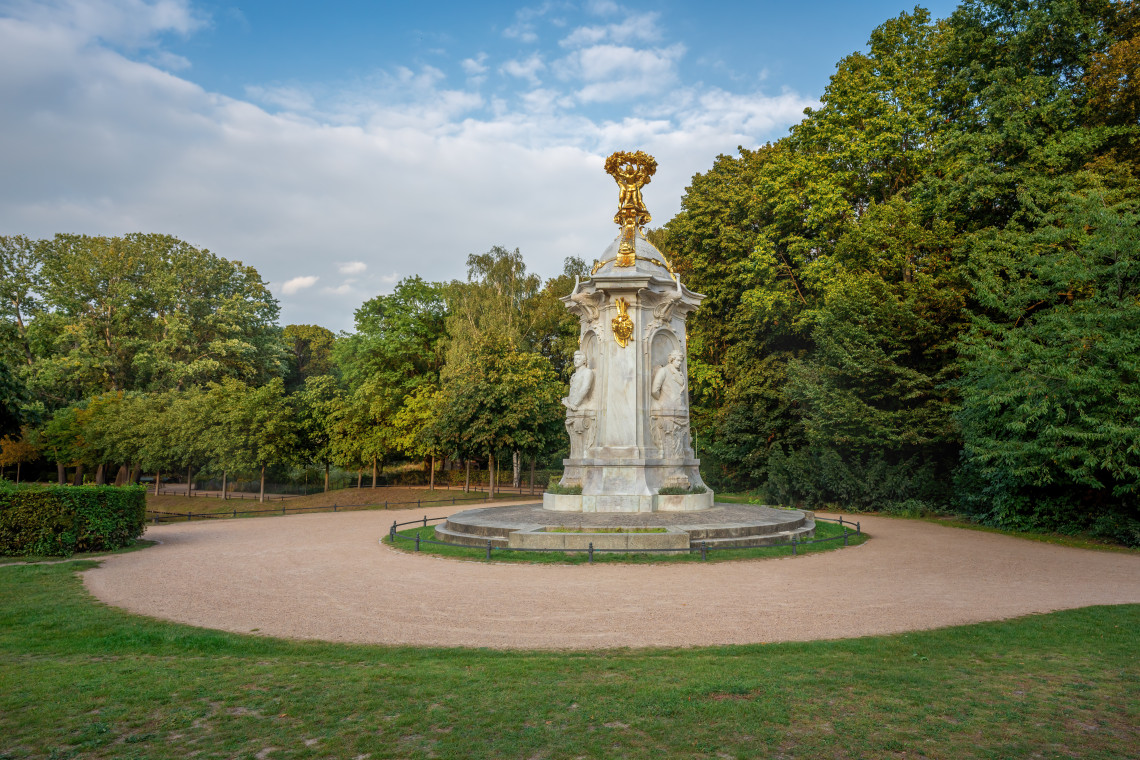
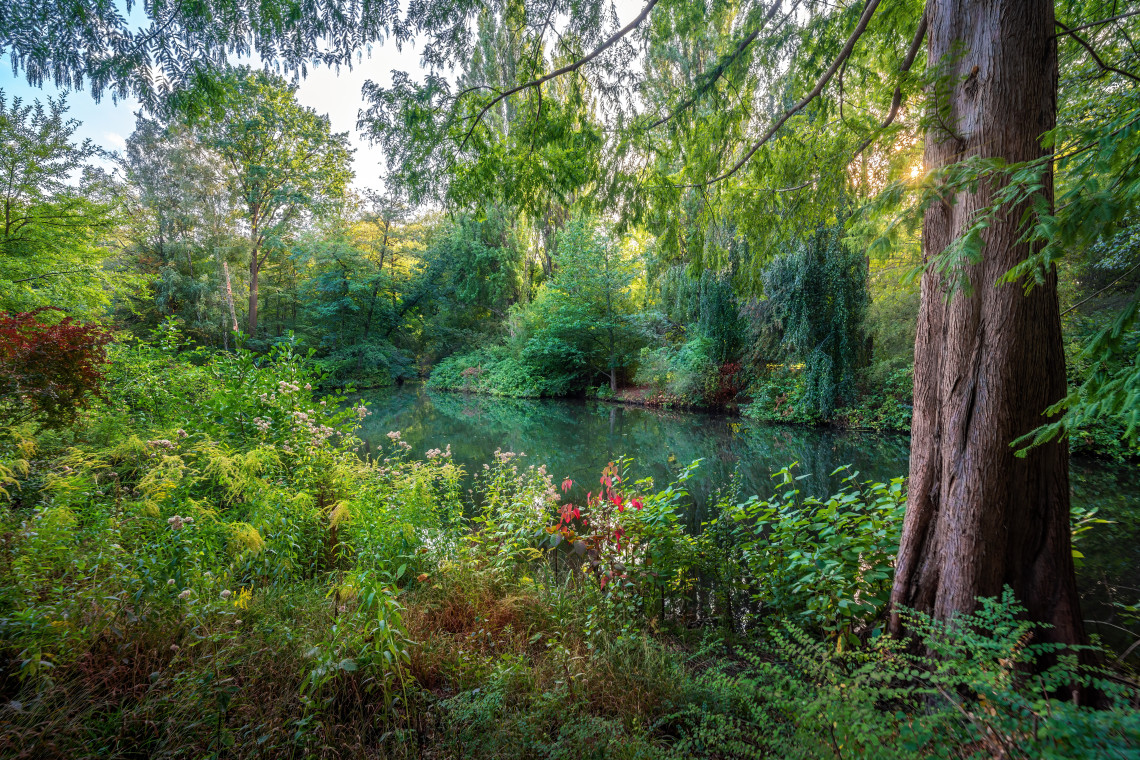
Tiergarten and the Victory Column. Berlin's central park. 520 acres of paths, canals, and beer gardens. The Victory Column is at the center, climbable for views. Walk the park at least once, ideally on a warm day.
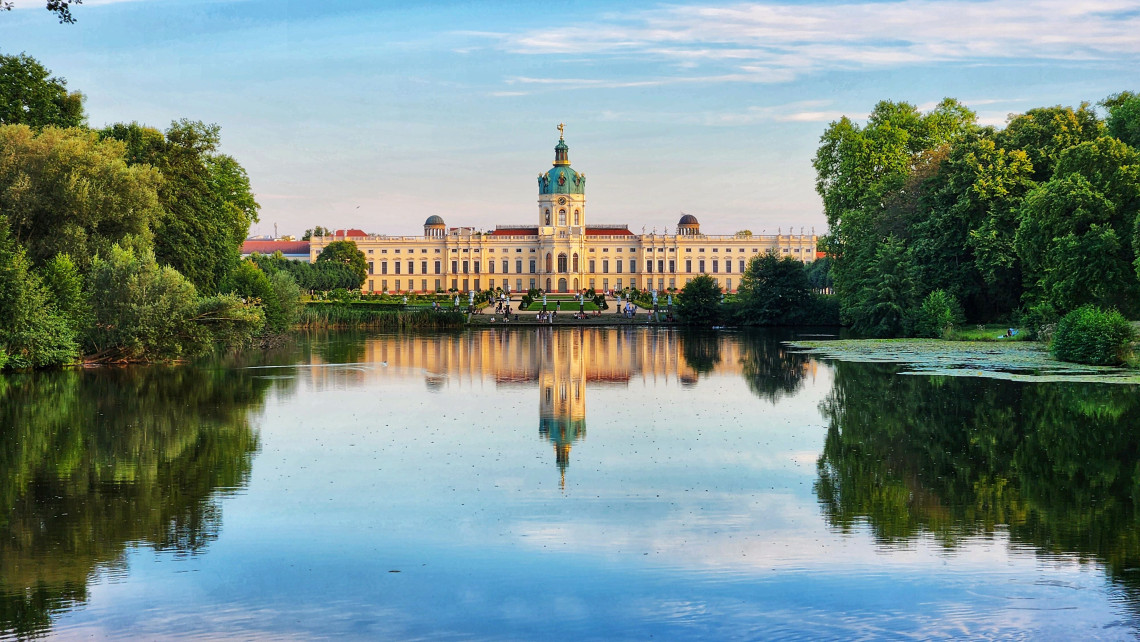
Charlottenburg Palace. The largest surviving Prussian palace in Berlin, in the western district that carries its name. Baroque, formal, quieter than the East Berlin sights. A half day if you include the gardens.
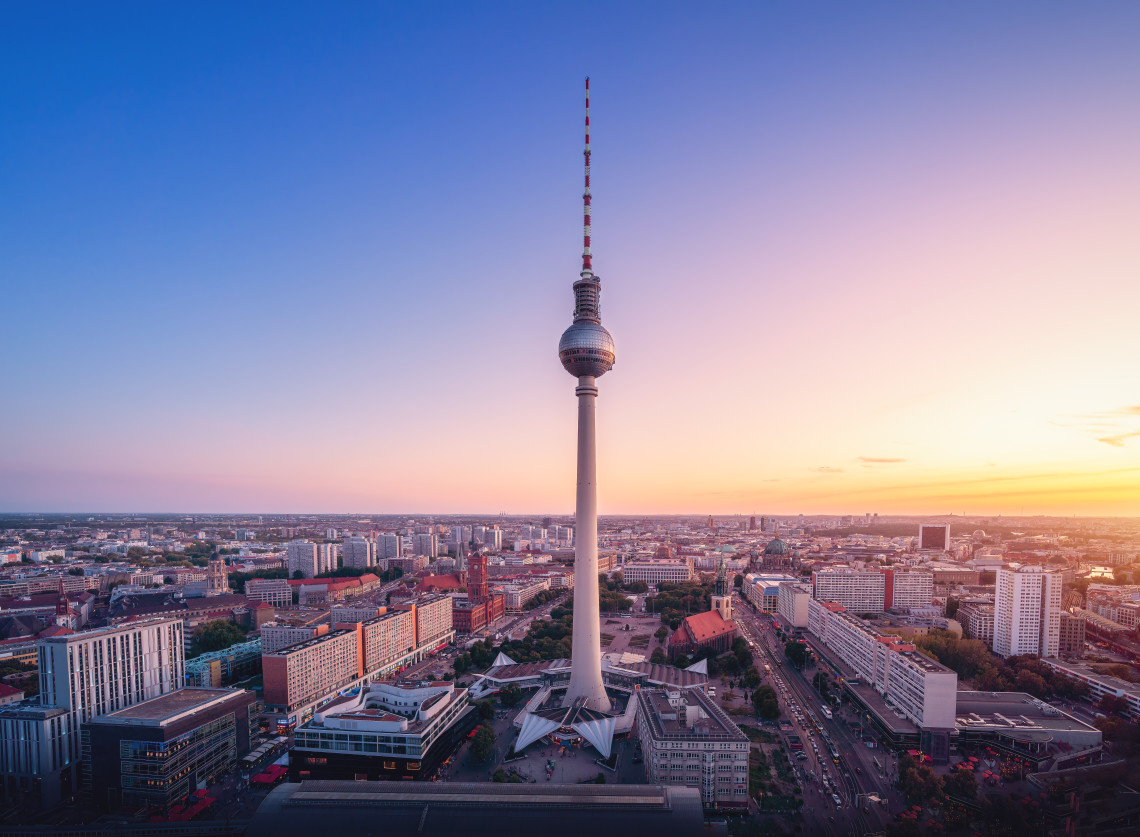
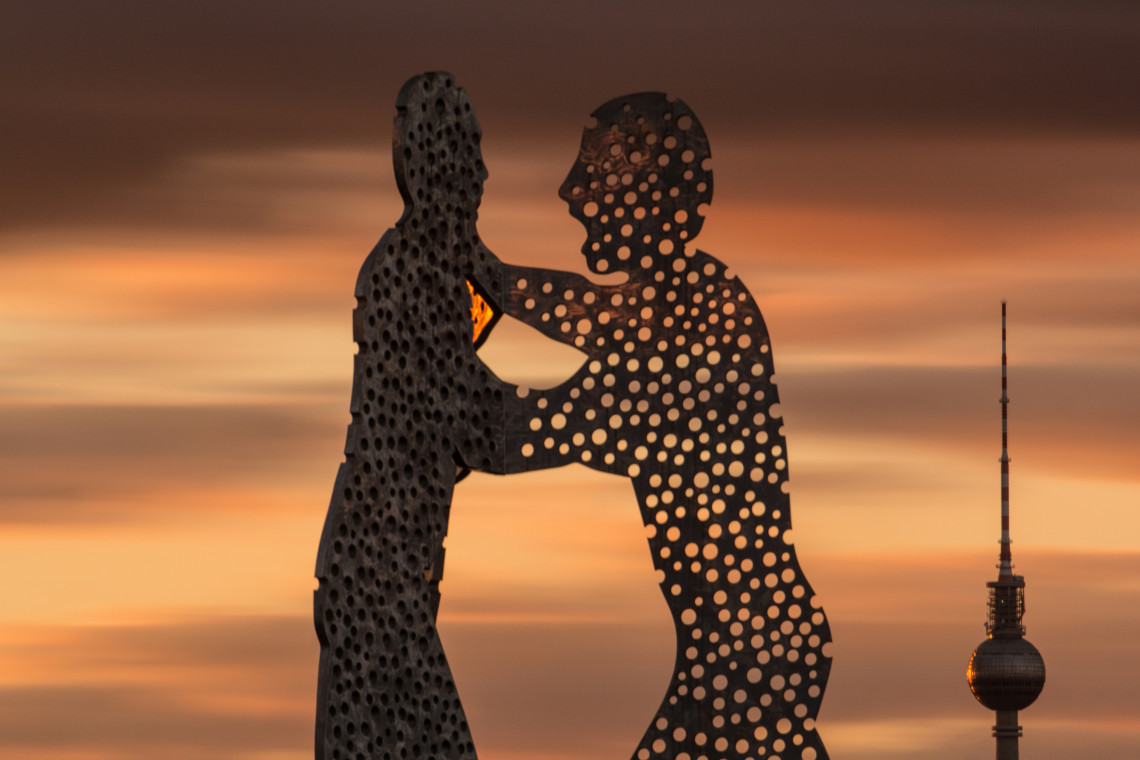
Alexanderplatz and the TV Tower (Fernsehturm). The center of former East Berlin. The TV Tower is Berlin's tallest structure (368 meters), climbable for a view. Alexanderplatz itself is not beautiful. Come for the view, not the plaza.
Gendarmenmarkt. Arguably the most beautiful square in Berlin, framed by the German Cathedral, the French Cathedral, and the Konzerthaus. Best photographed from the steps of the Konzerthaus in late afternoon light.
Neighborhoods: Where to Stay and Where to Eat
Mitte. The central district, spanning what was formerly both East and West Berlin's border zone. This is where most first-timers stay because you can walk to Brandenburg Gate, Museum Island, Gendarmenmarkt, and the government quarter. Hotels are the most expensive here but also the most convenient. Restaurants are mixed, from serious dining to tourist traps; a rule of thumb is to walk one block off any main plaza before you sit down.
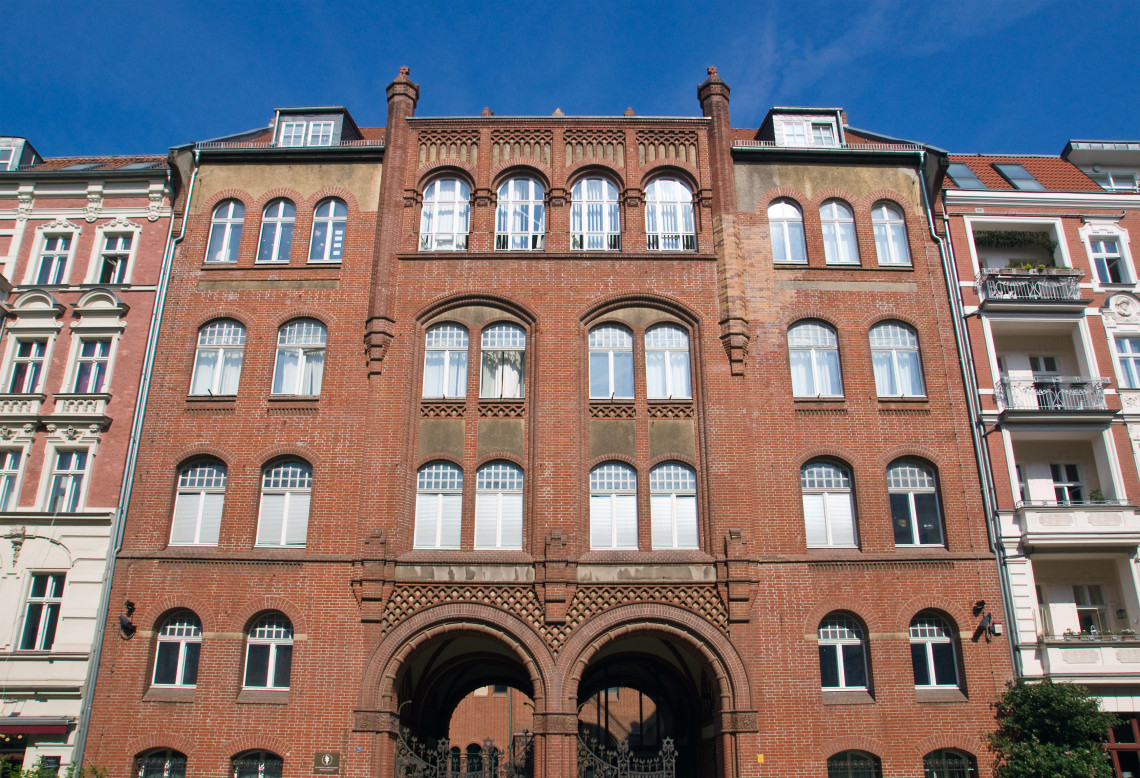
Prenzlauer Berg. North of Mitte, in what was formerly East Berlin. Prenzlauer Berg is the café-and-park version of Berlin: cobbled streets, restored 19th-century buildings, a farmers market at Kollwitzplatz on Saturdays, and some of the best breakfast spots in the city. Family-friendly. Stay here if you want a base that feels like living in Berlin rather than sightseeing it. About 15 minutes by tram or U-Bahn to central Mitte.
Kreuzberg. South of Mitte, across the Landwehr Canal. Kreuzberg is the food-and-nightlife side of Berlin: the biggest Turkish community in Germany, some of Europe's best Middle Eastern food, weekend flea markets, and the city's most active bar and club scene. Stay here if you skew younger and want to be in the middle of the night life, or come for dinner even if you stay elsewhere.
Charlottenburg. West of the Tiergarten, in former West Berlin. Charlottenburg is quieter and more elegant than the eastern neighborhoods, with the Kurfürstendamm shopping street, the palace, and a residential-feeling grid. Stay here if you want a base away from the tourist center. About 20 minutes by U-Bahn to Mitte.
Neukölln. Immediately south of Kreuzberg. Neukölln is where a lot of Berlin's food and creative energy has moved in the last decade. Not touristy, more residential. Come for dinner, especially in the area around Schillerkiez, but do not stay here on a first trip unless you have specific reasons.
Friedrichshain. East of Mitte, home to the East Side Gallery and a healthy chunk of Berlin's late-night scene. Similar profile to Kreuzberg, slightly more grungy. Come for the Wall, stay for dinner if you are already there.
Berlin City Break: Flights, Hotel, Itinerary
Yes Getaways builds Berlin city breaks around Mitte-area hotels, direct flights from major US gateways, and a first-timer itinerary that covers the essentials without exhausting you. You customize the length and dates.
See the Berlin City Break →A Suggested 3-Day Itinerary
Three full days on the ground is the minimum for a first Berlin trip. This is a workable version.
Day 1: Mitte, Government Quarter, and the Historical Core
- Morning: Brandenburg Gate, Reichstag dome (pre-booked), Holocaust Memorial
- Lunch: Somewhere in the Friedrichstraße or Gendarmenmarkt area
- Afternoon: Gendarmenmarkt, walk through the Nikolaiviertel (old town reconstruction), Museum Island (pick one museum)
- Evening: Dinner in Mitte, drink at a bar with a view of the TV Tower
Day 2: East Berlin, the Wall, and Prenzlauer Berg
- Morning: Berlin Wall Memorial at Bernauer Straße (two hours)
- Late morning: Walk south into Prenzlauer Berg, coffee at Kollwitzplatz
- Lunch: A Prenzlauer Berg café or a currywurst stand
- Afternoon: East Side Gallery in Friedrichshain (30-min tram from Prenzlauer Berg)
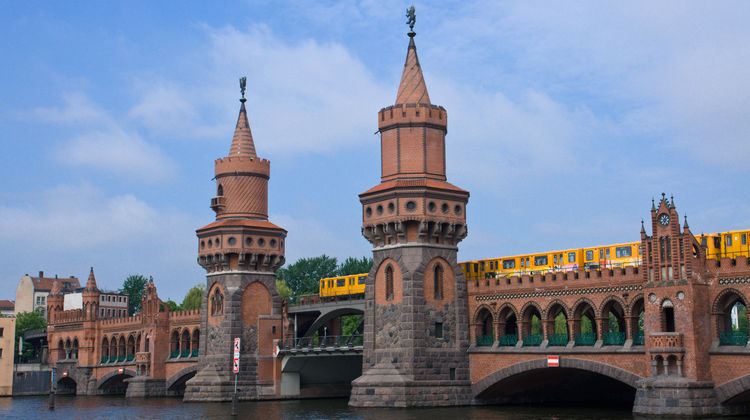
- Evening: Dinner in Kreuzberg (across the Oberbaumbrücke bridge from Friedrichshain)
Day 3: The Green West and What Speaks to You
- Morning: Tiergarten walk, Victory Column climb (optional), Bauhaus Archive or Neue Nationalgalerie
- Lunch: Kurfürstendamm area or back toward Mitte
- Afternoon: Depending on your interests, either Charlottenburg Palace, the Jewish Museum, or a specific neighborhood explore (Neukölln for food, Wedding for the emerging scene, or a canal walk in Kreuzberg)
- Evening: A proper German dinner at a Wirtshaus, or dinner in Neukölln for the modern Berlin version
If you have a 4th day. Take a day trip to Potsdam. 40 minutes by S-Bahn. Sanssouci Palace, the Dutch Quarter, and the Cecilienhof (where the Potsdam Conference happened). A full day, easily.
The Food to Actually Eat
Berlin is not classically a food-destination city the way Rome or Lyon are, but the food scene is one of Europe's most interesting once you go past the sausage clichés. The list below is the first-timer version.
Currywurst. Sliced sausage in curry ketchup, invented in Berlin after World War II. The best-known place is Curry 36 (multiple locations, Mehringdamm is the original). The Turkish and Vietnamese food scenes have overshadowed it in the last decade, but a currywurst is still the Berlin street food you should eat at least once.
Döner kebab. The Berlin version of döner is not the same as what you get elsewhere. Turkish immigrants in Berlin invented the sandwich version of döner in the 1970s. Mustafa's Gemüse Kebap in Kreuzberg is the famous one, with the long queue. Rüyam Gemüse Kebap in Schöneberg is arguably as good with no queue.
Berlin breakfast. Bread board with cheese, cured meat, jam, boiled egg, coffee. A full breakfast at a Prenzlauer Berg café is a meal, not a snack. Anna Blume in Prenzlauer Berg is the classic; there are dozens of good alternatives.
A proper Wirtshaus dinner. German food at a traditional inn: schnitzel, sauerbraten, roasted pork knuckle, spätzle, red cabbage. Zur letzten Instanz (the oldest inn in Berlin, since 1621) or Lutter & Wegner for the upscale version.
Vietnamese in Prenzlauer Berg. The Vietnamese community in Berlin is the second largest in Germany, and Prenzlauer Berg in particular has a serious pho scene. Try Umami on Knaackstraße.
Middle Eastern in Kreuzberg or Neukölln. Shakshuka, hummus, sabich, mezze. Prinzessinnengärten and Sonnenallee are the two axes to explore. Zaza and Azzam are two solid starting points.
Coffee. Berlin's third-wave coffee scene is one of Europe's best. The Barn (multiple locations), Bonanza Coffee (Kreuzberg), and Five Elephant (Kreuzberg) are the three most consistently good.
A Berliner. The pastry, not the person. Jam-filled donut, dusted with sugar. Any Berlin bakery worth its name does one. Eat one for breakfast.
Visiting at Christmas?
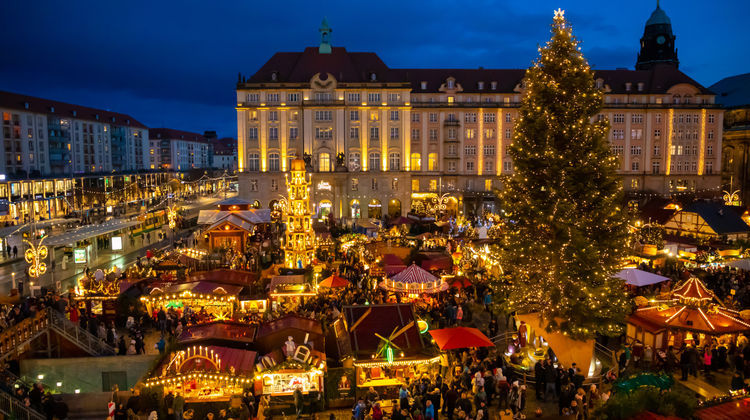
Berlin's Christmas markets sprawl across every neighborhood. Gendarmenmarkt is the classic, but the ones at Charlottenburg Palace, Alexanderplatz, and Kulturbrauerei are worth the tram ride.
See Berlin Christmas packages →Getting Around
Berlin's public transport is one of the reasons the city works despite its size. The system has:
- U-Bahn (underground). 10 lines, cover most central neighborhoods, run about every 5 minutes during the day.
- S-Bahn (suburban rail). Above ground, connects the airport, Potsdam, and the outer districts to the center.
- Tram (Straßenbahn). Mostly in the former East, useful in Prenzlauer Berg, Friedrichshain, and Mitte.
- Bus. Fills the gaps. The 100 and 200 bus routes are famous for being unofficial sightseeing lines that pass most central landmarks.
Ticketing is zone-based. The AB zone covers all of central Berlin including the airport. A single ticket is valid for 2 hours in one direction. A 24-hour ticket is worth it if you make more than two trips. A 3-day AB Welcome Card includes public transport plus discounts on some attractions.
How to buy tickets. Ticket machines at every U-Bahn and S-Bahn station, plus the BVG app on your phone. Cards, cash, and Apple Pay all work. Validate paper tickets in the yellow or red boxes at the platform entrance before you board. Failure to validate is treated as fare evasion.
Uber and taxis. Both work. Berlin is one of the few German cities with functional ride-share. Fares are meaningfully lower than in most European capitals. Fine for late night, but for daytime the U-Bahn is faster.
Cycling. Berlin is flat and bike-friendly. Rentals are everywhere. Nextbike and Lidl-Bike are the two main share systems. Not recommended if you have not cycled in a European city before, because Berlin drivers are efficient but unforgiving.
Practical Details
Best time to visit. May, June, September, and early October are the strongest windows. Berlin summers are warm but not brutal (typically 75 to 85°F in July and August). Winters are cold (30 to 40°F) but well-lit through the Christmas market season. Avoid February and March: cold, grey, and the season with the least going on outdoors.
How many days you need. Three days is the honest minimum. Four is comfortable and lets you slow down. Five if you add Potsdam. Longer if you plan to explore beyond Mitte and Prenzlauer Berg.
What to book in advance. Reichstag dome (3 to 4 weeks minimum). Museum Island specific-slot tickets, if you want a fixed entry. Any well-reviewed dinner spot in Mitte or Prenzlauer Berg on a Friday or Saturday.
Getting from the airport. Berlin Brandenburg (BER) is Berlin's only airport since 2020. The FEX (Airport Express) train runs to Berlin Hauptbahnhof in about 30 minutes and costs the standard AB zone fare. The S9 and S45 S-Bahn lines also work. A taxi to central Mitte is 40 to 50 EUR.
Money. Berlin is a card city, but small cafés, some döner and currywurst stands, and older Kneipen (traditional bars) are still cash only. Carry 30 to 50 EUR in cash at all times. ATMs are everywhere.
Language. German. But in Berlin, English is spoken at any tourist-facing business and in most restaurants, cafés, and shops. Berlin is one of the easier German cities to travel in without any German.
Tipping. Not obligatory but appreciated. Round up to the nearest euro or five percent at cafés, ten percent at proper restaurants. Tell the server the total amount as you pay, not after.
Frequently Asked Questions
How many days do I need in Berlin as a first-timer? Three full days is the minimum, four is comfortable. If you want to add Potsdam as a day trip, budget five.
Is Berlin safe? Yes, one of the safer European capitals for tourists. Standard urban precautions apply. Pickpocketing exists at Alexanderplatz, on some U-Bahn lines, and around the Brandenburg Gate. Violent crime affecting tourists is rare.
Where should I stay for a first trip? Mitte if you want to walk to everything, Prenzlauer Berg if you want a base that feels lived-in, Charlottenburg if you want quiet on the western side.
Is Berlin expensive? No, by European capital standards. Hotel prices, restaurant meals, and public transport are all meaningfully cheaper than Paris, London, Amsterdam, or Munich. Closer to Prague or Warsaw pricing in a lot of categories.
Do I need to speak German? No. Berlin is comfortable for English-only travelers.
How does Berlin compare to Munich? They are almost different countries. Berlin is bigger, edgier, greener, more artistic, cheaper, and colder. Munich is smaller, more polished, more traditionally German, more expensive, and closer to the Alps. Most first-timers pick one; the honest answer for a first trip is Berlin if you want history and modern culture, Munich if you want beer gardens and mountains within reach.
Should I book a walking tour? Yes, at least one. The free walking tours from Brandenburg Gate are the fastest way to get oriented on day one. The Third Reich tour and the Cold War tour are the two thematic tours worth the money.
Can I see Potsdam as a day trip? Yes, easily. 40 minutes by S-Bahn from central Berlin. Sanssouci Palace and the palace park take a full afternoon. Add the Cecilienhof (site of the Potsdam Conference) if you have interest in WWII history.
What is the best time of year for Christmas markets? Late November to late December. The Gendarmenmarkt market opens around the last week of November. Weekends are packed; visit weekday afternoons if you can.
Do I need a car in Berlin? No, actively not. Berlin traffic is manageable but parking is a nightmare and the public transport system makes a car pointless. Skip the rental entirely unless your trip continues by road into Brandenburg or beyond.
Is Berlin family-friendly? Yes. Big parks, kid-friendly museums (the Deutsches Technikmuseum is excellent), good ice cream, and easy public transport. Prenzlauer Berg is the neighborhood with the most family-oriented cafés.
What is the best neighborhood for food? Kreuzberg for Turkish and Middle Eastern, Prenzlauer Berg for cafés and Vietnamese, Neukölln for the modern Berlin scene, Mitte for classic and upscale. Rotate.
How do I get to Berlin from the US? Direct flights from JFK, EWR, and increasingly other US hubs to Berlin Brandenburg. Otherwise, connect via Frankfurt, Amsterdam, Zurich, or London.
Should I combine Berlin with another German city? Yes, and the two most common pairings are Berlin + Dresden (2 hours by ICE, both cities on the same rail line) and Berlin + Prague (4 hours by train). Berlin + Munich also works but requires a flight or a long train.
Is Berlin good in winter? Yes, especially late November through December for the Christmas markets. January and February are the tough months, cold and grey. December is the highlight.
Berlin, Your Way
A Berlin City Break with Yes Getaways covers your flights, your Mitte-area hotel, and a first-timer itinerary you can follow or adjust. Add a Christmas market focus, a Potsdam day trip, or extend the trip with Dresden or Munich.
Keep reading
Munich vs Berlin: The First Timer's Decision
The honest comparison of Germany's two biggest cities.
German Christmas Markets Complete Guide
10 cities compared, dates, food, and how to combine them.
How Many Days Do You Need in Germany?
Itineraries from 5 to 14 days, honestly paced.