by Yes Getaways Team
July 28, 2026 • 11 min read
The difference between a smooth Germany trip and a frustrating one is rarely the destination. It is the small operational details that nobody mentions until you have already been embarrassed at the beer garden, confused by Sunday closures, or shocked by the "cash only" sign at a Berlin restaurant.
Here are 17 things that will save you time, money, and friction on your first Germany trip, plus a few that will make the trip more enjoyable on every subsequent visit.
Money and payments
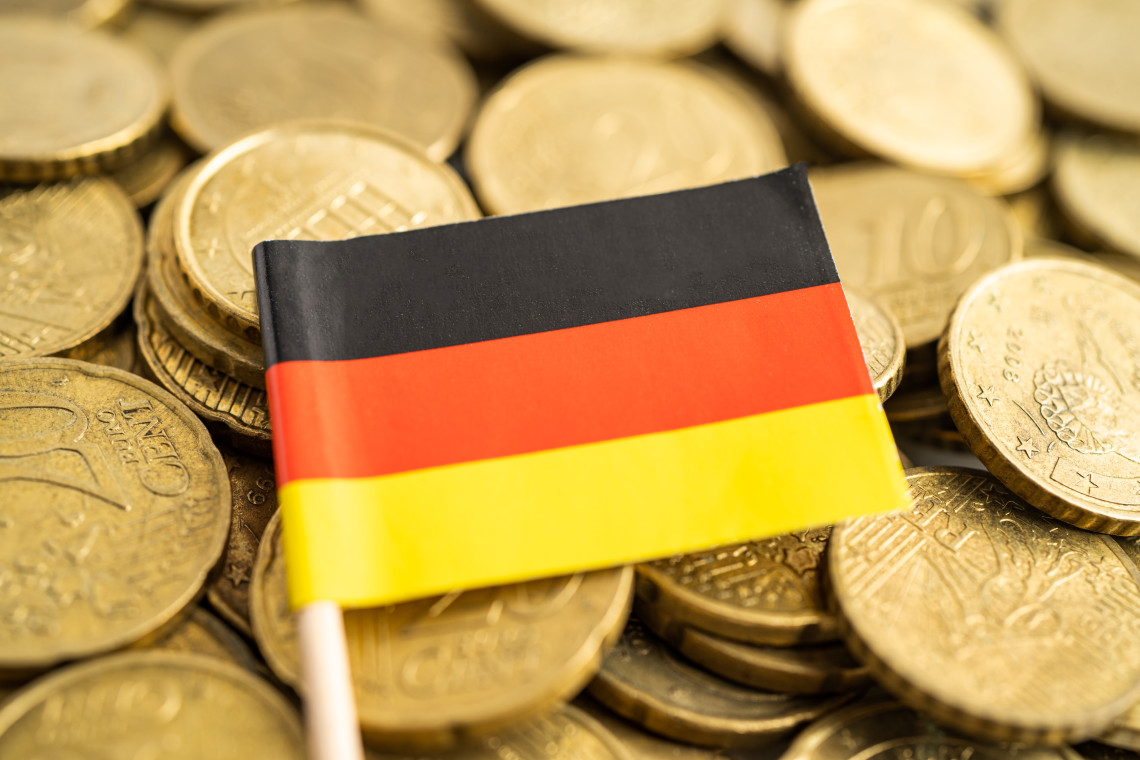
1. Germany is more cash-heavy than you expect
Despite being one of Europe's most technologically advanced countries, Germany runs on cash more than any of its Western European neighbors. Small restaurants (especially traditional ones), bakeries, taxis, farmers markets, beer gardens, and many hotels prefer cash. The "cash only" (Nur Bargeld) sign is genuinely common, even in Berlin.
Bring 150-200 euros in cash for the first 48 hours. ATMs are everywhere and give the best exchange rate. Use bank-network ATMs (Sparkasse, Deutsche Bank, Commerzbank) — avoid Euronet standalone ATMs (worst exchange rates).
2. Tap-to-pay works but not universally
Most large-chain restaurants, hotels, museums, and department stores accept cards (contactless or chip). But smaller places, especially in Bavaria and rural areas, are card-averse. Ask "Karte?" (card?) before ordering if unsure. Bring one chip and PIN card as backup.
3. Tipping: rounded up, not percentaged
German tipping is different from U.S. tipping. Restaurants include service by law, so you do not tip 18-20 percent. Instead: round up. A 27 euro meal becomes 30 euros. A 46 euro meal becomes 50 euros. At nicer restaurants, an extra 5-10 percent on top of rounding is appreciated.
Critical: say the total including tip when handing over cash or card. "Dreißig, bitte" (thirty, please) for a 27 euro meal means you want to pay 30 with the tip included. Do not leave the tip on the table like in the U.S. Say it to the server directly.
For taxis, round up. For hotel porters, 1-2 euros per bag. For housekeeping, 2-5 euros per day.
Language
4. Learn six German phrases, use them every day
You do not need to speak German to travel Germany well. You do need to use the following six phrases consistently:
- Guten Tag (GOO-ten TAHK) — Good day, formal greeting used before evening.
- Guten Abend (GOO-ten AH-bent) — Good evening.
- Bitte (BIT-tuh) — Please, and also "you're welcome," and also "what did you say?" (context matters).
- Danke (DAHN-kuh) — Thank you.
- Auf Wiedersehen (owf VEE-der-zayn) — Goodbye, formal.
- Entschuldigung (ent-SHUL-di-gung) — Excuse me / sorry.
Bavaria and Austria variant: "Grüß Gott" (grooss got) instead of "Guten Tag." Using "Grüß Gott" in Bavaria marks you as culturally aware. In northern Germany, stick with "Guten Tag."
5. English coverage varies by region
In Berlin, Munich, Frankfurt, and Cologne, English is widely spoken. In smaller Bavarian villages, in the Black Forest, and in eastern Germany (Dresden, Leipzig outer areas), the percentage drops. A translation app on your phone covers the gap.
Meal times and food rules
6. German meal times are strict-ish
Most German restaurants serve lunch from 11:30am to 2:30pm and dinner from 5:30pm to 9:30pm. Between 2:30pm and 5:30pm, many restaurants close entirely (kitchen closed). Bakeries and cafés stay open all day.
Sundays: many restaurants close entirely or open only for lunch. Plan around it.
7. The Sunday problem
Germany has strict Sunday shopping laws. Supermarkets, most shops, and many restaurants close on Sundays. Only bakeries, some cafés, tourist restaurants, and gas stations remain open. Plan grocery shopping for Saturday. Book Sunday restaurant reservations ahead.
Exception: December's four Advent Sundays some shops open in central shopping streets (called Verkaufsoffener Sonntag), but this is rare and varies by city.
8. Beer garden etiquette
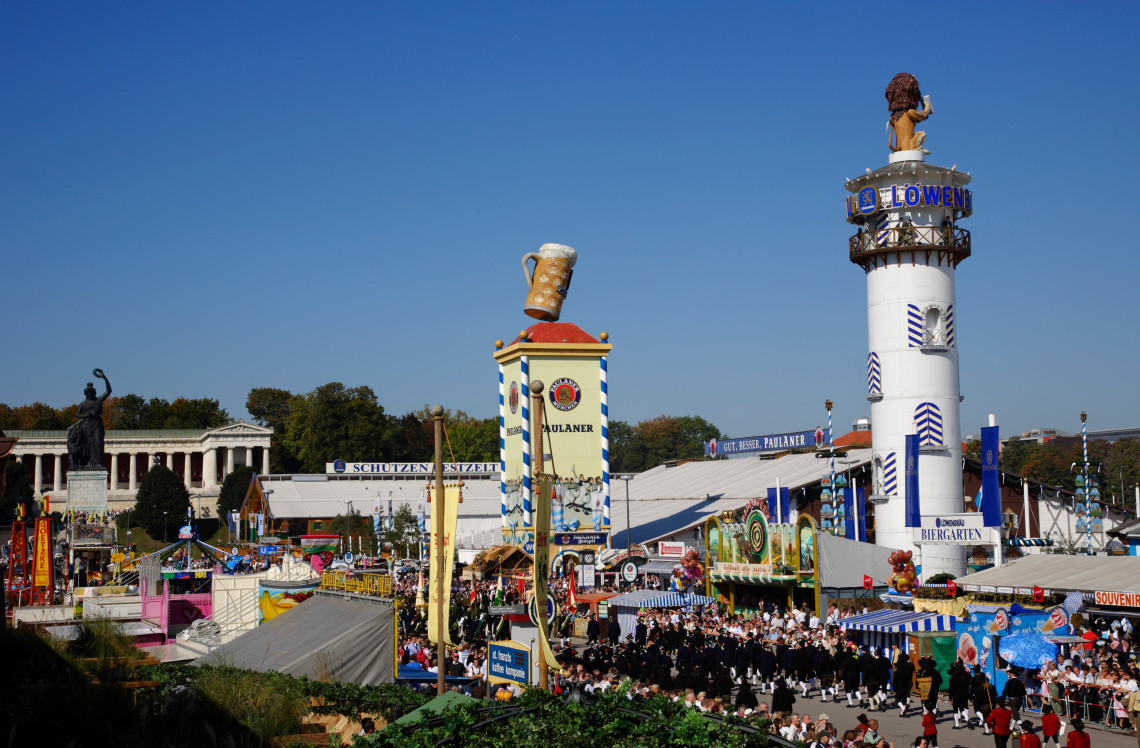
Beer gardens (Biergarten) are one of Germany's great institutions, especially in Bavaria. Rules to know:
- Bring your own food: Traditional Bavarian beer gardens allow you to bring your own picnic (bread, cold cuts, cheese) as long as you buy drinks from them. This is a legal right in Bavaria.
- Order at the counter: Most beer gardens do not have full table service. Order beer and food at the food and drink counters.
- Communal tables: Long shared tables. If you sit at a table with strangers, greet them ("Grüß Gott" or "Hallo"). It is normal to share space.
- Bring cash: Many beer gardens are cash-only or heavily prefer cash.
- Return the mugs: For Maß (1-liter beer stein) service, you pay a deposit (Pfand) of about 2-3 euros, refundable when you return the mug.
9. Beer culture is regional
Bavaria: Weissbier (wheat beer), Helles (light lager), Dunkles (dark lager). Munich's six great breweries (Augustiner, Hofbräu, Löwenbräu, Paulaner, Spaten, Hacker-Pschorr) are Oktoberfest breweries.
Cologne: Kölsch. Only made in Cologne (legally protected). Small 0.2L glasses, refilled continuously until you cover the glass with your beermat. Cologne beer bar experience is unique in Germany.
Düsseldorf: Altbier. Rival brew to Kölsch. Never order Kölsch in a Düsseldorf altbier bar; never order Altbier in a Cologne kölsch bar. This is culturally serious.
Franconia (Bamberg): Rauchbier (smoked beer) at Schlenkerla. World-famous.
Berlin: Berliner Weisse (sour wheat beer) with red or green syrup. Craft beer scene is strong.
10. Food specialties by region
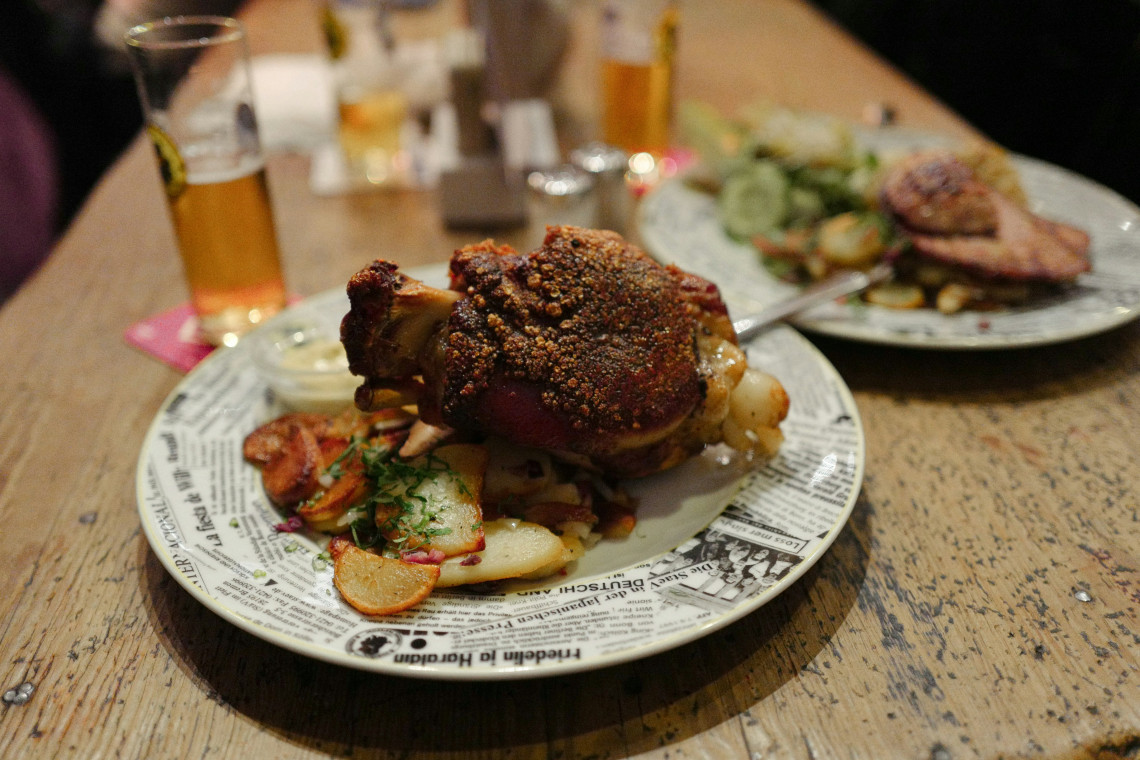
- Bavaria: Weisswurst (breakfast white sausage before noon), Schweinshaxe (crispy pork knuckle), Brezn (pretzels), Obatzda (cheese spread), Kaiserschmarrn.
- Berlin: Currywurst (curry ketchup on sliced sausage), Döner Kebab (Berlin invented the modern Döner), Buletten (meatballs).
- Franconia: Nürnberger Rostbratwurst (small sausages 3 to a bun), Lebkuchen (gingerbread from Nuremberg).
- Rhineland: Sauerbraten (marinated pot roast), Kölscher Kaviar (blood sausage), Halve Hahn (rye bread with Gouda).
- Black Forest: Black Forest cake (Schwarzwälder Kirschtorte), Maultaschen (Swabian ravioli), Spätzle.
- Northern Germany: Labskaus (mashed corned beef and beets), Fischbrötchen (fish sandwich), Franzbrötchen (Hamburg cinnamon pastry).
Transport
11. Autobahn rules
If you drive, understand the autobahn:
- Speed limits: About 40% of the autobahn has no general speed limit (recommended 130 km/h). The other 60% is limited to 100-130 km/h. Watch the signs — they change constantly.
- Keep right: Overtake only on the left. Undertaking (passing on the right) is illegal.
- No sudden lane changes: German drivers approach at high speed. Signal well in advance.
- Radar cameras: Heavy enforcement in speed-limited sections. Don't assume "unlimited" means everywhere.
12. Umweltzone (environmental zone) sticker
Cars entering environmental zones in Berlin, Munich, Cologne, Frankfurt, Hamburg, Stuttgart, and 50+ other German cities need a green (Grüne Plakette) sticker on the windshield. Rental cars always have one — verify at pickup. If driving your own car from a neighboring country, buy a sticker (€6) online before entering these cities.
13. Deutsche Bahn app for train tickets
Buy train tickets on the DB Navigator app (free). Book 60-180 days ahead for Sparpreis fares (starting €19). Show the QR code onboard — no paper needed. See our Germany by Train vs Car guide.
14. Airport connections
Frankfurt (FRA): Germany's biggest hub for U.S./Canada direct flights. ICE from FRA to city center is 12 min; onward ICE to any German city.
Munich (MUC): Second-largest hub, direct U.S. flights. S-Bahn to city center is 45 min.
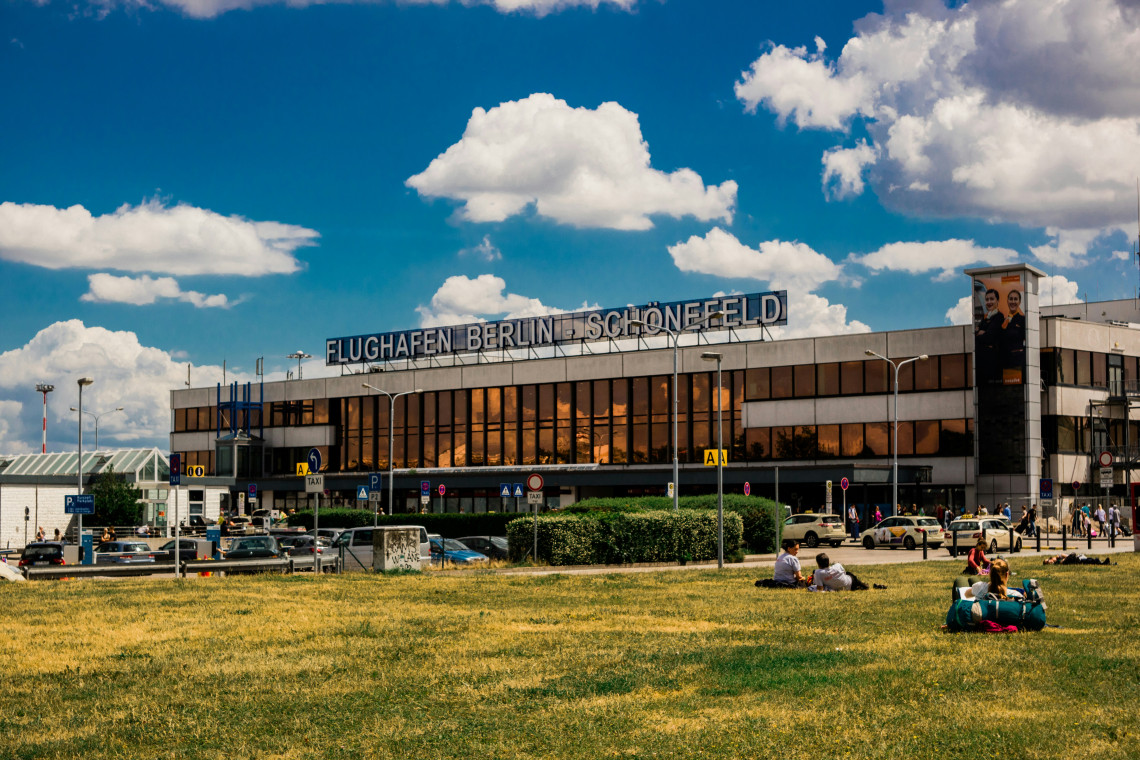
Berlin (BER): Newest German airport (opened 2020). Regional train to city center 30 min.
Hamburg, Düsseldorf, Cologne, Stuttgart: Regional airports, useful for European connections but fewer direct U.S. flights.
Etiquette
15. Punctuality is real
Show up on time or a few minutes early. Being 5 minutes late is noticed in a way that would seem unusual in the U.S. This applies to tour appointments, restaurant reservations, and social meetings. German trains are famous for delays but the culture around punctuality remains strong.
16. The bike lane rule
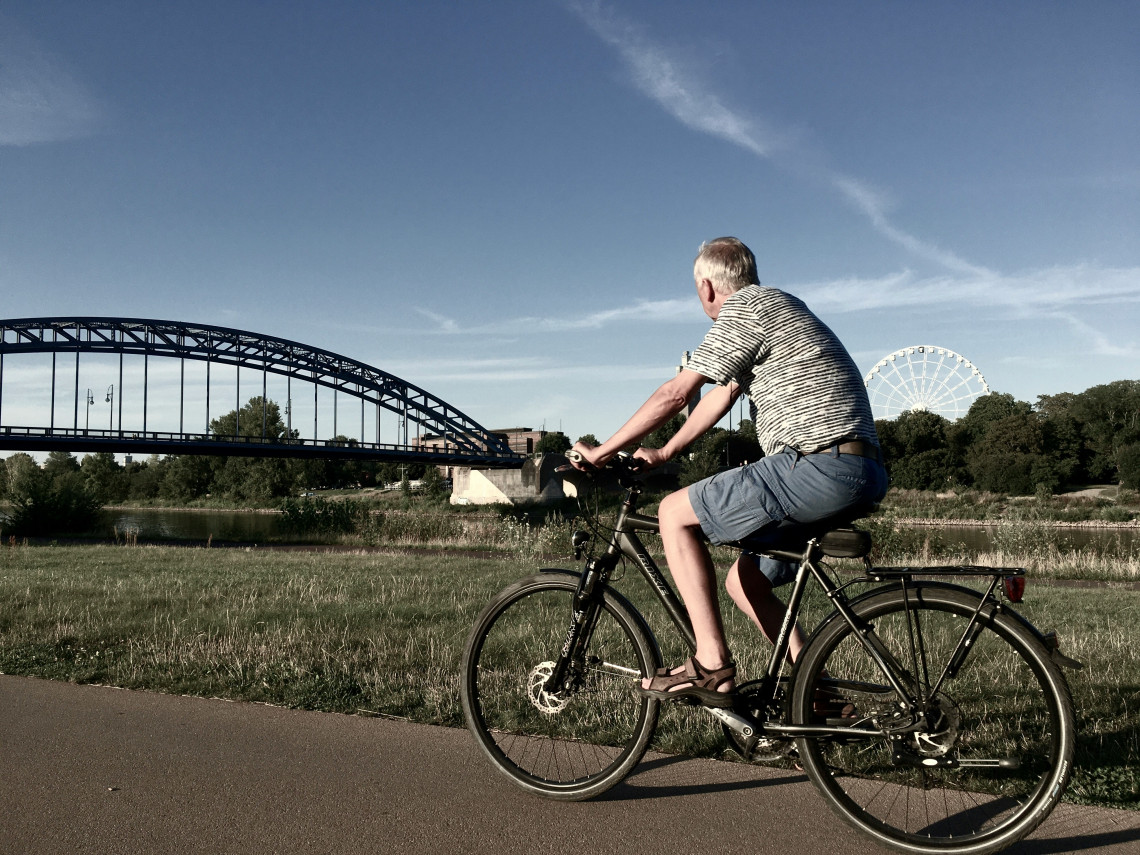
Sidewalks in German cities have separate bike lanes (usually red-painted or marked with symbols). Never walk in the bike lane. Cyclists move fast and are unforgiving. Getting hit by a bike or verbally reprimanded is the most common Germany tourist mistake.
17. Quiet hours (Ruhezeit)
Germany has enforced quiet hours: typically Sunday all day, and 10pm-7am on weekdays, 10pm-8am Sundays. In hotels, keep voice low after 10pm. In apartment rentals, no vacuuming, showering (loud), or music after 10pm.
Bonus: The "Pfand" deposit system
Bottled drinks in Germany carry a deposit (Pfand) of 8-25 cents per bottle. Return empty bottles to any supermarket's Pfand machine (Leergutautomat) to get a receipt for the deposit refund at checkout. Even in cafés and beer gardens, drink prices often include a small Pfand for the glass or bottle — return the empties to get your money back.
Cash back note on Berlin
Berlin is more cash-heavy than Munich. Restaurants, small shops, taxis, and even some museums prefer cash. Bring cash even for a "modern city" trip.
What to wear
Germany is culturally more formal than the U.S. and more casual than France. Basics:
- Cities: Smart-casual works. Dark jeans, a blazer or nice sweater, comfortable walking shoes. Avoid athletic wear except for hiking.
- Restaurants: Michelin-starred restaurants expect semi-formal (jacket for men, dress or nice trousers for women). Traditional beer restaurants and pubs are casual.
- Winter: Warm waterproof coat, hat, gloves, scarf, waterproof boots.
- Summer: Light layers, walking shoes, sun protection. Berlin can hit 32°C+ in July.
- Church visits: Cover shoulders and knees. This applies to Cologne Cathedral, Munich Frauenkirche, and Dresden Frauenkirche.
Frequently asked questions
What should I not do in Germany? The top five: do not jaywalk (Germans wait for pedestrian lights even on empty streets, and get annoyed at those who don't), do not walk in bike lanes, do not tip at U.S. rates (round up instead), do not talk loudly in restaurants or public transport, do not open the umbrella indoors (superstition, but real).
How much cash should I bring to Germany? 150-200 euros in cash for the first 48 hours. Germany is more cash-heavy than most Western European countries. Get more from ATMs as needed.
Is Germany expensive? Mid-range for Europe. Cheaper than Switzerland, Norway, or Denmark. Similar to France, Austria, Belgium. Berlin is significantly cheaper than Munich for hotels. Frankfurt and Hamburg are mid-priced.
Can I drink the tap water in Germany? Yes, tap water is excellent everywhere in Germany. Some restaurants may look surprised if you ask for tap water (Leitungswasser), and some may charge a small amount. Bottled water (still = ohne Kohlensäure, sparkling = mit Kohlensäure) is standard.
Are credit cards accepted everywhere in Germany? No. Contactless works at 80% of city-center locations but many traditional restaurants, cafés, small shops, and beer gardens are cash-only. Always ask "Karte?" (card?) or bring cash.
What clothes should I wear in Germany? Smart-casual for cities. Dark jeans, sweater or blazer, walking shoes. Beer gardens and casual restaurants are casual. Fine dining and opera require semi-formal.
Do I need a visa for Germany? U.S. and Canadian citizens do not need a visa for short stays. From late 2026, ETIAS (7 euro online pre-authorization) is required. See our ETIAS Germany guide.
Is it safe to walk around German cities at night? Yes, very safe. Berlin, Munich, Hamburg are among Europe's safest capital cities. Standard urban precautions apply (avoid the area around major train stations at night, especially Berlin Zoologischer Garten and Frankfurt Hauptbahnhof).
Can I use my U.S. cell phone in Germany? Yes. Most U.S. carriers offer international roaming. T-Mobile typically includes Europe data; Verizon and AT&T charge daily fees. An eSIM (Airalo, Holafly) is often cheaper for stays over 3 days.
What is the most useful German word beyond "Hallo"? "Bitte" (please, thank you, you're welcome, excuse me — all in one). It smooths every interaction.
Should I rent a car in Germany? Depends on region. Vienna: no. Munich: no. For Rothenburg, Bavaria's Alps, Romantic Road, Black Forest, Rhine wine drives: yes. See our Germany by Train vs Car guide.
What is the biggest myth about traveling in Germany? That Germans are cold and unfriendly. They are direct and value efficiency but are also warm once you break the ice. A "Guten Tag" greeting in a shop or a "Grüß Gott" in Bavaria goes a long way.
All the practical details, handled for you.
Our Germany travel experts brief you on every tip and book every transfer, hotel, and reservation.
See Germany Packages Tailor-Made Trip