by Yes Getaways Team
July 28, 2026 • 12 min read
Germany is the size of Montana and packs 16 federal states with completely different landscapes, dialects, food traditions, and cultural pace. Bavaria feels closer to Austria than to Berlin. Hamburg feels closer to Copenhagen than to Munich. The Rhineland is Catholic and easy-going; Saxony is Protestant and disciplined.
Which means the most common question we get from first time Germany travelers is the right one to ask: not "what should I see in Germany," but "which region should I see first." This guide compares the seven regions almost every first time traveler will choose between.
The short answer
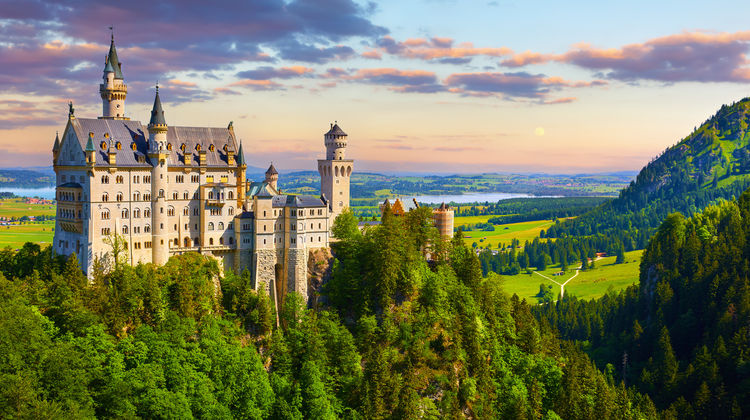
If this is your first ever Germany trip and you only have 5 to 7 days, do Bavaria (Munich + Neuschwanstein + Rothenburg). It packs everything travelers imagine when they think "Germany": castles, beer gardens, lederhosen, Alpine backdrop, fairy-tale villages.
If you have been to Bavaria before and want the counterpoint, do Berlin + Dresden (or Berlin + Hamburg). The northern/eastern Germany experience is different in every way.
If you want a driving holiday, do the Rhine Valley + Romantic Road (Cologne to Füssen via Rüdesheim, Rothenburg, and the Bavarian Alps).
If you want the most under-the-radar Germany, do the Black Forest or Saxony.
The rest of this article explains why.
How to think about choosing
The seven regions below all reward a first visit. They differ on five axes:
- Pace — how much you can see per day before you are exhausted
- Photo density — how often you find yourself reaching for the camera
- Logistical friction — train vs car, language, queues, parking
- Food and beer intensity — how central these are to the daily experience
- Off season usability — whether the trip still works outside June to September
Bavaria (Munich, Neuschwanstein, the Alps, Romantic Road)
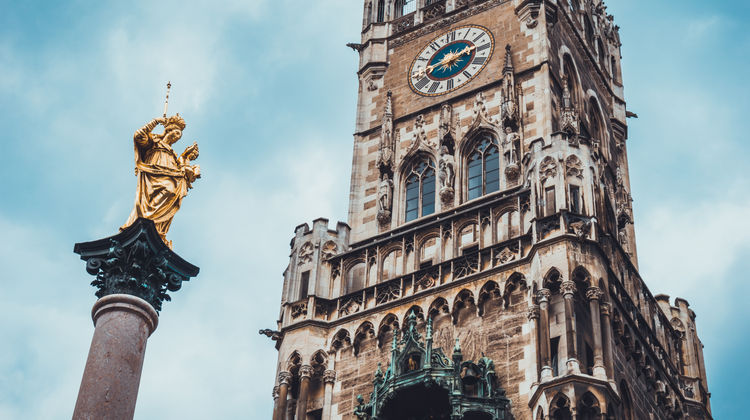
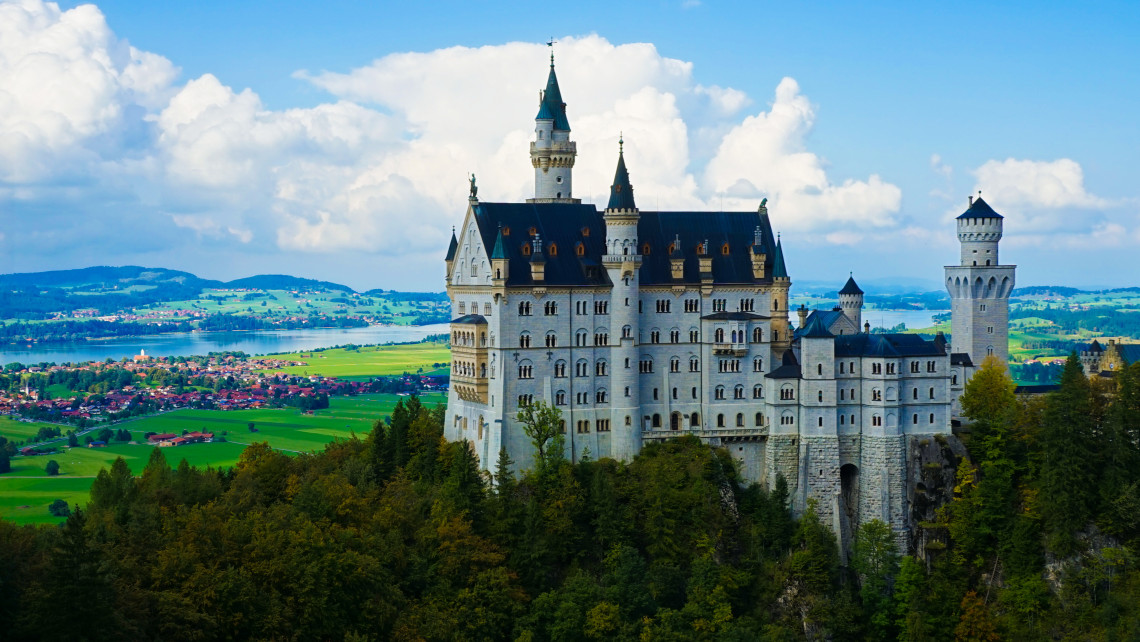
What it is: Southeast Germany. The Bavarian state (Freistaat Bayern) covers Munich (the capital), the Bavarian Alps (Berchtesgaden, Zugspitze, Garmisch-Partenkirchen), the fairy-tale castles of King Ludwig II (Neuschwanstein, Hohenschwangau, Linderhof), the Romantic Road medieval towns (Rothenburg, Nördlingen, Dinkelsbühl, Würzburg), Franconia's beer culture (Nuremberg, Bamberg), and the Bavarian Forest.
Best for: First time Germany travelers who want the "Germany from movies." Beer garden fans. Castle enthusiasts. Photographers. Multi-generational families.
Honest tradeoffs:
- Neuschwanstein Castle tickets sell out weeks ahead in July-August. Timed slots. Book on the official Schwangau site 3+ months out.
- Rothenburg gets overrun with tour buses 10am-4pm in summer. Overnight to see empty morning.
- Bavarian dialect is genuinely different from standard German. English coverage is strong in tourist areas.
- Oktoberfest (mid September to first weekend of October) doubles Munich hotel prices.
- Winter in the Bavarian Alps is peak ski season; summer is peak hiking.
When to go: Late April to late June, September (Oktoberfest window), late November to December 23 for Christmas markets.
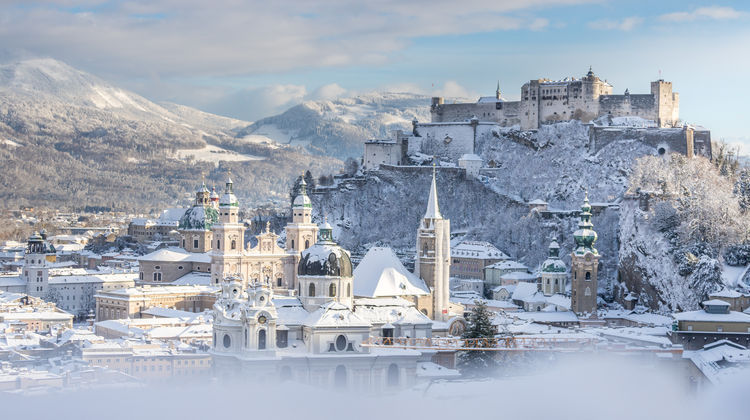
Pair it with: Salzburg (Austria, 1h30m from Munich by train), the Romantic Road (1-4 days depending on pace), or Vienna via Salzburg.
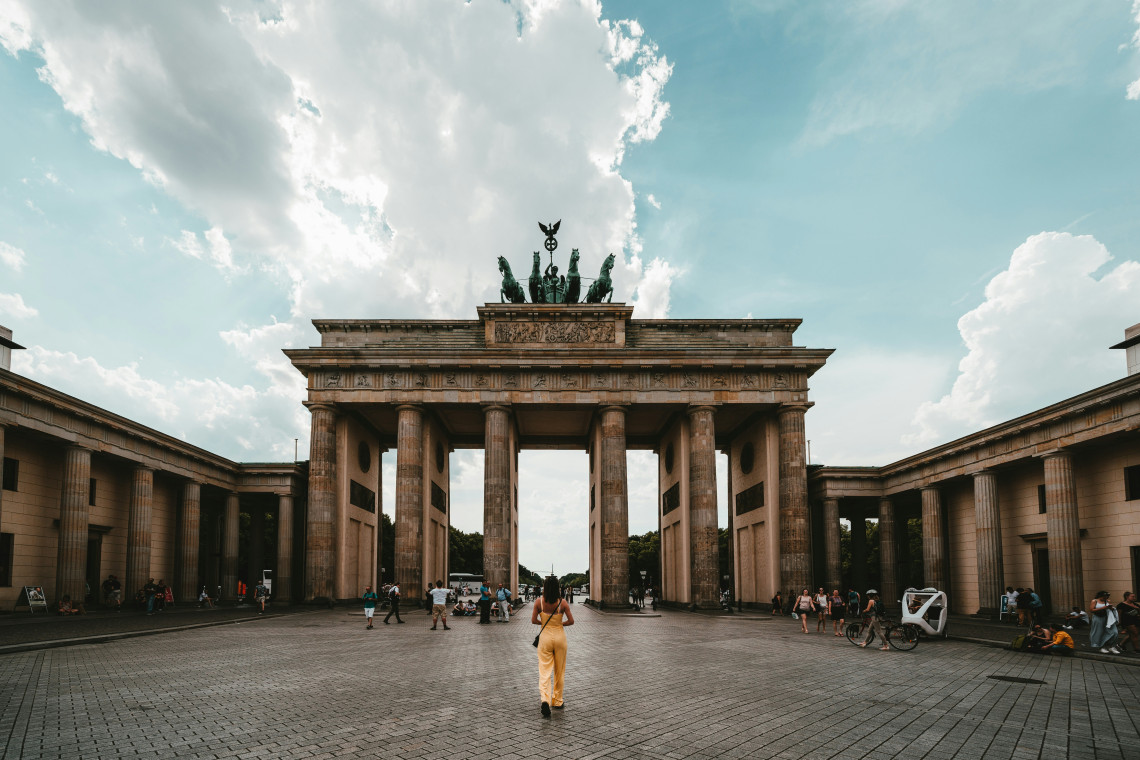
Berlin and Brandenburg
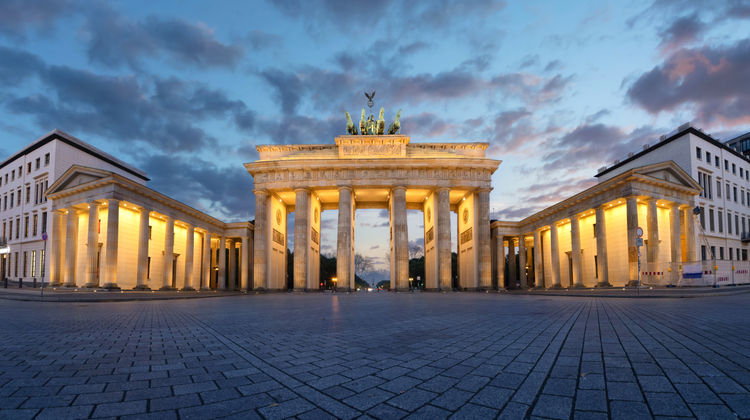
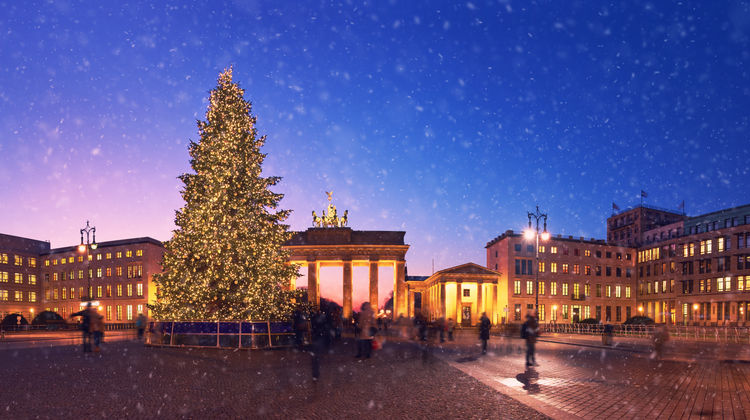
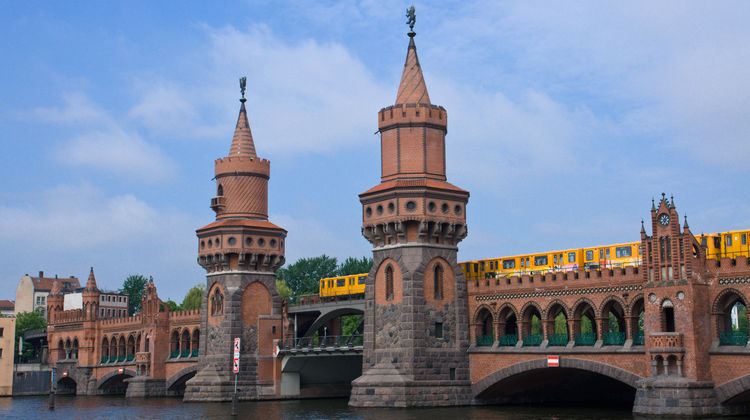
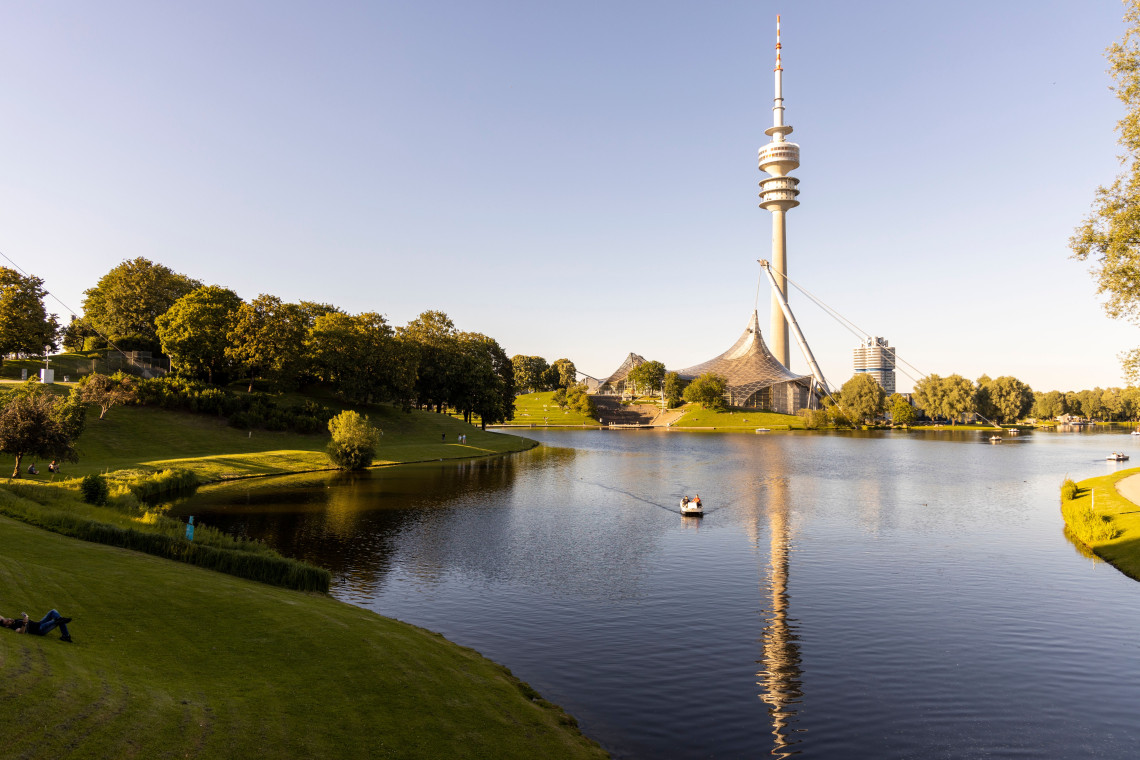
What it is: Northeastern Germany. The reunified capital. Prussian imperial architecture combined with Cold War history (Berlin Wall, Checkpoint Charlie), Museum Island (five UNESCO museums), the alternative art scene (Kreuzberg, Neukölln, Prenzlauer Berg), the Reichstag glass dome, Potsdam palaces (Sanssouci), and 100+ Christmas markets.
Best for: History travelers (World War II, Berlin Wall, reunification). Art and culture lovers. Nightlife travelers. Second-time Germany visitors who did Bavaria last time. Museum enthusiasts.
Honest tradeoffs:
- Berlin is huge (larger area than Paris). Plan on 15,000-22,000 steps per day.
- The city is not "beautiful" in the traditional European sense. It is architecturally fragmented (bombing, rebuilding, division, reunification). Reward is atmospheric depth, not postcard beauty.
- The alternative scene (Berghain, Kreuzberg) is not everyone's speed.
- Winter is cold and grey.
- No single icon dominates like Neuschwanstein in Bavaria; it's a dispersed city.
When to go: May to September (best weather), late November to December 23 for Christmas markets, January-February for empty museums.
Pair it with: Dresden (2h ICE), Prague (4h20m by train), Hamburg (1h40m by ICE), Potsdam (30 min by S-Bahn).
The Rhine Valley (Cologne, Rüdesheim, Koblenz, Mainz)
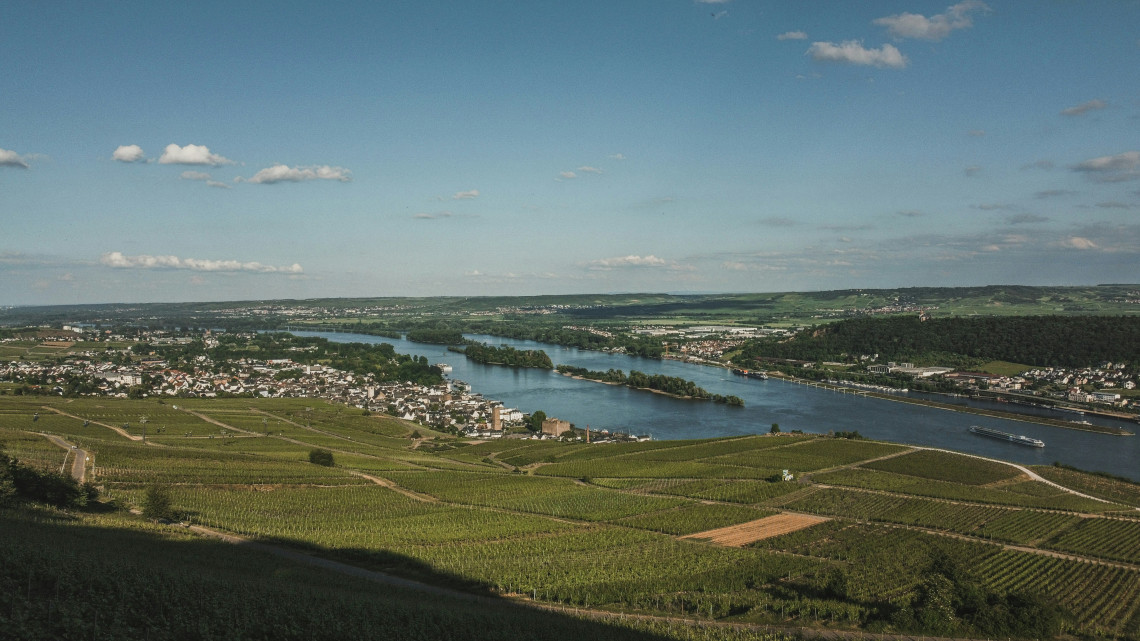
What it is: Western Germany along the Rhine River. UNESCO-listed Middle Rhine Valley between Koblenz and Bingen (32 castles in 65 km). Cologne with its gothic cathedral. Wine villages (Bacharach, Assmannshausen, Rüdesheim). The Mosel Valley to the west (also wine country). Karneval culture in Cologne, Düsseldorf, Mainz.
Best for: River cruise travelers. Wine lovers. History travelers interested in medieval castles. Photographers. Older travelers preferring gentle terrain over Alpine hiking.
Honest tradeoffs:
- Best experienced with a mix of Rhine cruise segments plus rental car. Trains along the west bank are scenic but limited stops.
- Peak cruise season (May-July) means crowded villages.
- Weather is generally mild but rain more frequent than Bavaria.
- Karneval (late February to early March) is a huge cultural event in Cologne, Düsseldorf, Mainz — book hotels 6+ months ahead.
When to go: Mid April to mid October (cruises operate). September-October for wine harvest.
Pair it with: Belgium (Cologne to Brussels 2h30m by train), Netherlands (Cologne to Amsterdam 3h), Switzerland (Rhine cruise ends in Basel).
The Black Forest (Baden-Württemberg)
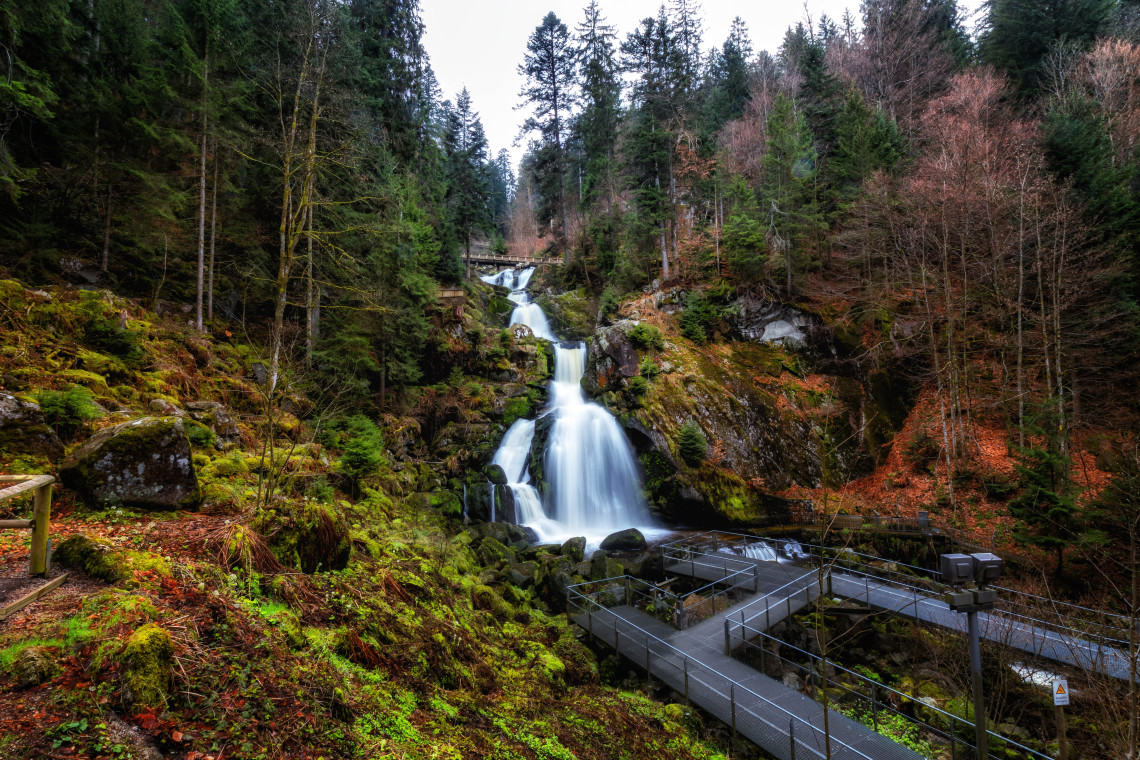
What it is: Southwest Germany. Forest region famous for cuckoo clocks, Black Forest cake, spa towns (Baden-Baden), fairy-tale villages (Triberg, Titisee-Neustadt, Baiersbronn, Hornberg), and the Schwarzwaldhochstrasse (Black Forest High Road, 60 km scenic drive from Baden-Baden to Freudenstadt).
Best for: Slow-travel enthusiasts. Spa travelers. Foodies (some of Germany's best Michelin-starred restaurants). Off-the-beaten-path travelers. Combine with Alsace (France) is natural (30 min from Baden-Baden to Strasbourg).
Honest tradeoffs:
- Less "iconic" than Bavaria for first timers. No single must-see landmark.
- Requires a car. Regional trains reach some hubs but villages are car-only.
- Weather can be wet (forest microclimate).
- Meaningfully less international-tourist-heavy than Bavaria.
When to go: Late April to early October. September and October are especially beautiful with forest colors.
Pair it with: Alsace (France, 30 min west), Strasbourg (Colmar 45 min), Baden-Baden spa culture, Freiburg (Germany's sunniest city).
Saxony (Dresden and Leipzig)
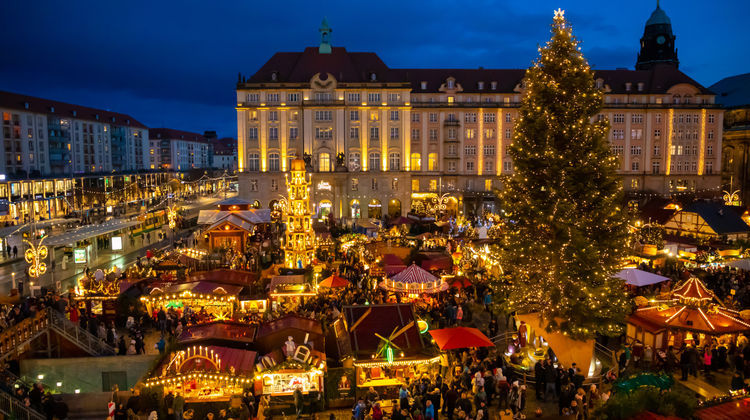
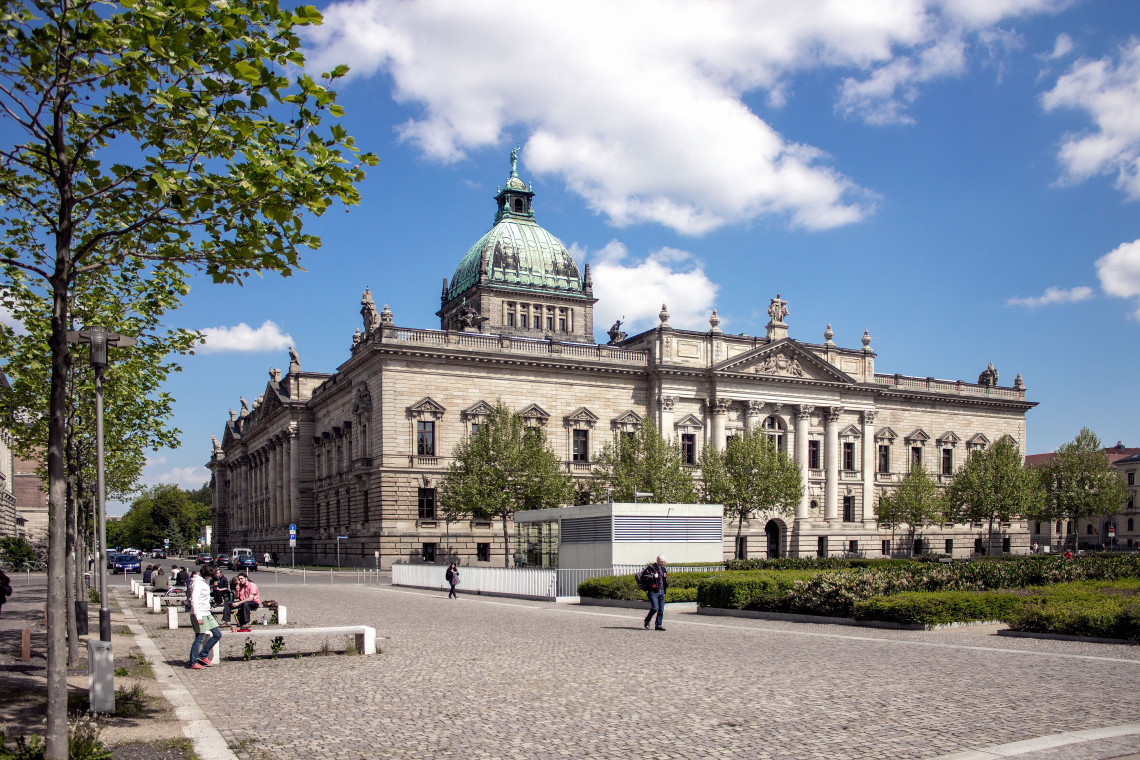
What it is: Eastern Germany. Dresden with its baroque old town (rebuilt after WWII bombing), the Frauenkirche and Zwinger palace. Leipzig with Bach's Thomaskirche and the 1989 peaceful revolution history. The Saxon Switzerland National Park (sandstone cliffs east of Dresden). Meissen porcelain. Dresdner Stollen at Christmas (oldest documented Christmas market since 1434).
Best for: Second or third time Germany visitors. Baroque architecture enthusiasts. Classical music lovers (Bach, Wagner). Travelers combining Germany with Prague.
Honest tradeoffs:
- Less internationally-known than Munich or Berlin. English coverage lower in smaller towns.
- Dresden's baroque is a reconstruction (post-WWII), which some travelers find "less authentic" even though it's beautifully done.
- Saxon Switzerland is stunning but requires a car and hiking.
- Winter is cold with reliable snow (Dresden 2h from Prague by direct train).
When to go: Late April to early October. Late November to December 24 for Dresden's Striezelmarkt (world's oldest documented Christmas market).
Pair it with: Prague (2h by direct train from Dresden), Berlin (2h by ICE), Leipzig, Meissen (30 min from Dresden).
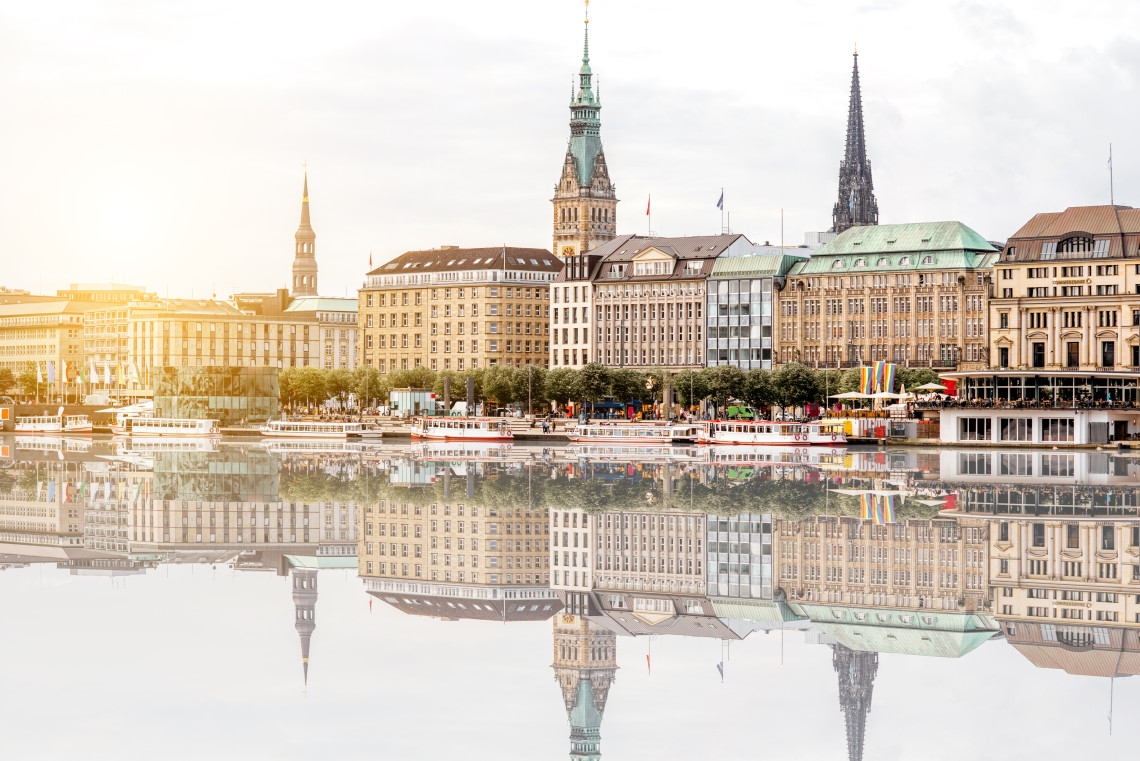
Hamburg and Northern Germany (North Sea and Baltic coast)
What it is: Northern Germany. Hamburg (Europe's second-largest port), the Speicherstadt UNESCO warehouse district, the Elbphilharmonie concert hall, and the Reeperbahn nightlife. Beyond Hamburg: North Sea islands (Sylt, Helgoland), Baltic coast (Rügen with its Kreidefelsen chalk cliffs), and Bremen with its medieval old town.
Best for: Travelers combining Germany with Scandinavia. Coastal travelers. Second-time Germany visitors. Music travelers (Elbphilharmonie is one of Europe's premier concert halls).
Honest tradeoffs:
- Weather is coastal-cool (10-22°C / 50-72°F in summer, 0-6°C / 32-43°F in winter).
- Coastal islands are peak in July-August; quiet in shoulder season.
- Less connected to the rest of Germany's tourism circuit (Berlin is 1h40m by ICE, Frankfurt is 4h).
- Hamburg is a modern port city, not architecturally historic like Munich or Cologne.
When to go: Late June to early September (for coast). Year-round for Hamburg city itself.
Pair it with: Copenhagen (Hamburg to Copenhagen is 4h30m by train), Baltic cruises, Berlin (1h40m by ICE).
Bavaria + Franconia (deeper Bavaria)
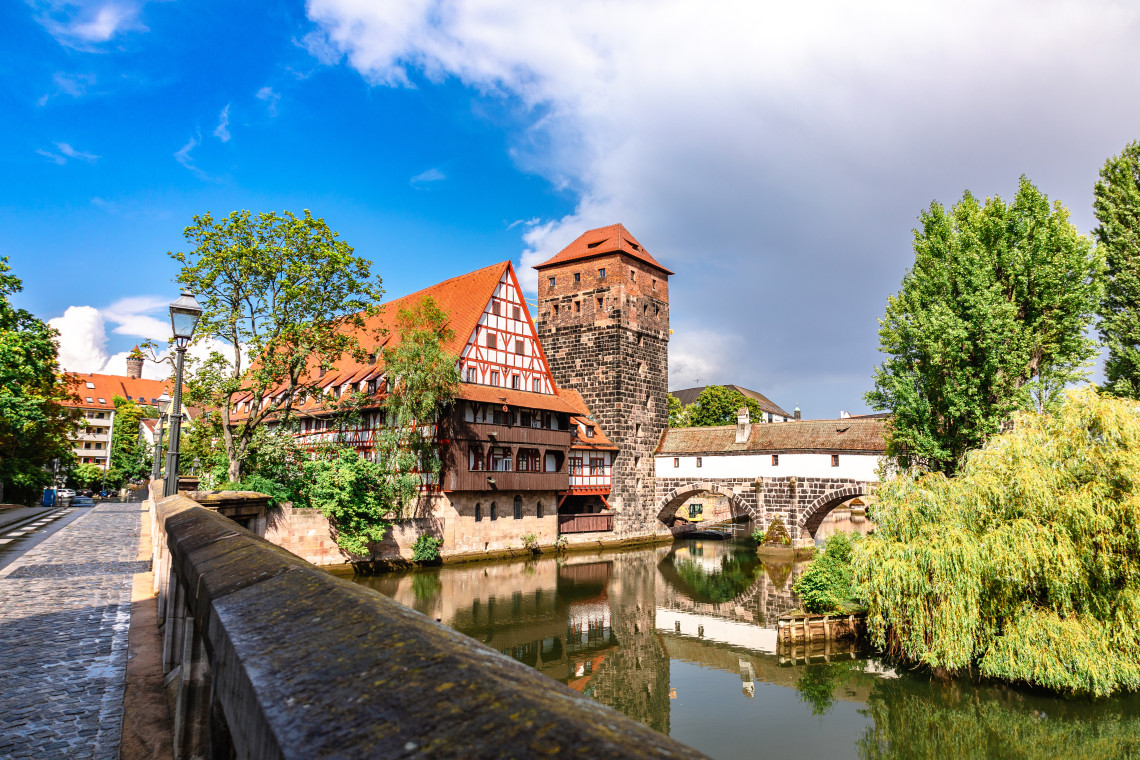
For travelers who want to go deeper into Bavaria beyond Munich and Neuschwanstein:
Franconia (northern Bavaria) covers Nuremberg (medieval old town + Nuremberg Trials history + Christkindlesmarkt), Bamberg (UNESCO old town + smoked beer capital), Würzburg (Residence Palace UNESCO), and the Romantic Road towns north of Rothenburg (Nördlingen, Dinkelsbühl).
When to go: May to October, plus late November to December 24 for the Christkindlesmarkt.
Pair it with: Prague (Nuremberg to Prague 3h30m by train), Frankfurt (Würzburg to Frankfurt 1h15m).
The one we recommend most often for a first trip
For a 7 to 10 day first time Germany trip, the combination that works for the highest number of travelers is:
Munich (3 nights) + Rothenburg (1 night) + Berlin (3 nights)
This gives you Bavaria (the "Germany from movies") plus Berlin (the modern capital), connected by a 4-hour ICE. If you have 10 nights, add 2 nights for Neuschwanstein and the Bavarian Alps from Munich.
For 12-14 nights: add the Rhine Valley (2-3 nights based in Rüdesheim or Cochem) or Dresden (2 nights).
Frequently asked questions
What is the most beautiful region of Germany? This is the wrong question. Bavaria wins for the postcard version (Neuschwanstein, Alpine backdrop). The Rhine Valley wins for medieval-castle romance. The Black Forest wins for forest-village charm. Dresden wins for baroque architecture. Different beautiful in different ways.
Where should I avoid in Germany? No regions to avoid outright, but tourist trap restaurants exist near Neuschwanstein (Hohenschwangau restaurants) and central Munich (Hofbräuhaus is fun but touristy). Use local recommendations.
Is it safe to travel to Germany? Very safe. Consistently ranked among the safest large European countries. Standard urban precautions in Berlin, Frankfurt, and Hamburg (pickpockets in tourist zones). Violent crime against tourists is very rare.
Can I visit Germany in winter? Yes. Christmas market season (late November to December 23-24) is Germany at its magical peak. Bavarian Alps skiing December to April. Berlin and Munich museums are empty January-February. Skip mid-January to early February if you want peak activity.
Is one week enough for Germany? For two regions, yes. Bavaria plus Berlin in 7 nights works well. For three or more regions, tight.
Which German region is best for kids? Bavaria wins for the fairy-tale factor (Neuschwanstein, Rothenburg, Alpine villages). Hamburg with the Miniatur Wunderland (world's largest model railway) is excellent for kids. Berlin has good children's museums but is less magical.
What is the most underrated German region? Saxony (Dresden, Leipzig, Saxon Switzerland). Deeply cultural but far less internationally visited than Bavaria or Berlin.
Which region is best for a first-time European trip? Bavaria. The classic "European Christmas market and castle" imagery lives here. Second-time Europeans often prefer the Rhine or Berlin.
How do I combine multiple German regions? The ICE network is the answer. Berlin to Munich in 4h. Munich to Frankfurt in 3h. Frankfurt to Cologne in 1h05m. Berlin to Hamburg in 1h40m. Standard combination: 2 regions in 7 nights, 3 regions in 10-14 nights.
Is Bavaria better than Berlin? Different trips. Bavaria is nostalgic, castle-and-Alps, beer garden Germany. Berlin is modern, history-heavy, alternative Germany. Most travelers do both.
Which region has the best food? Bavaria for hearty traditional (schnitzel, sausages, beer gardens). Franconia (Nuremberg, Bamberg) for beer culture depth. Cologne for the Rhineland Kölsch beer bar culture. Berlin for global variety. Black Forest for Michelin-starred fine dining.
Choosing your first German region?
Our travel experts have built a Germany trip for every type of traveler. We will help you choose.
See Germany Packages Tailor-Made Trip