August 12, 2026 • 14 min read
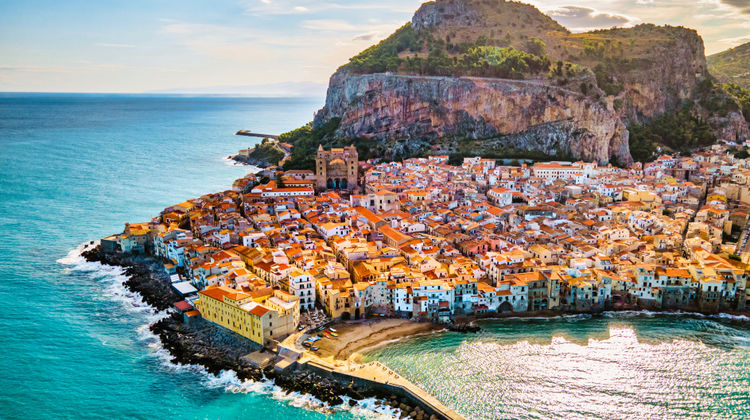
The Amalfi Coast is a 50 km ribbon of pastel villages clinging to vertical cliffs above the Tyrrhenian Sea. Positano's cascade of pink houses, Ravello's clifftop gardens, Amalfi's Byzantine cathedral, and the boat trips to Capri define one of the most photographed coastlines in Europe.
It is also one of the trickiest to visit well. Here is the honest guide to where to stay, how to move, when to go, and what to skip.
The short answer
The Amalfi Coast (Costiera Amalfitana) is the 50 km stretch of coastline in Campania, southern Italy, between Positano and Vietri sul Mare. UNESCO World Heritage since 1997. Not to be confused with the Sorrento Peninsula (technically north of the Amalfi Coast) or the islands of Capri and Ischia (offshore).
Plan for:
- 5 to 7 nights minimum. Anything less and half your time is transit.
- Base in 2 villages, not 5. Positano + Ravello, or Sorrento + Amalfi, is the sweet spot.
- Best months: May, June, September, early October. Avoid July and August (crowds, ferry chaos, no parking).
- Do not rent a car unless you love stress. Use ferries, buses, and drivers.
- Book Capri day trip and Villa Rufolo/Cimbrone ahead in high season.
The essential villages
Positano
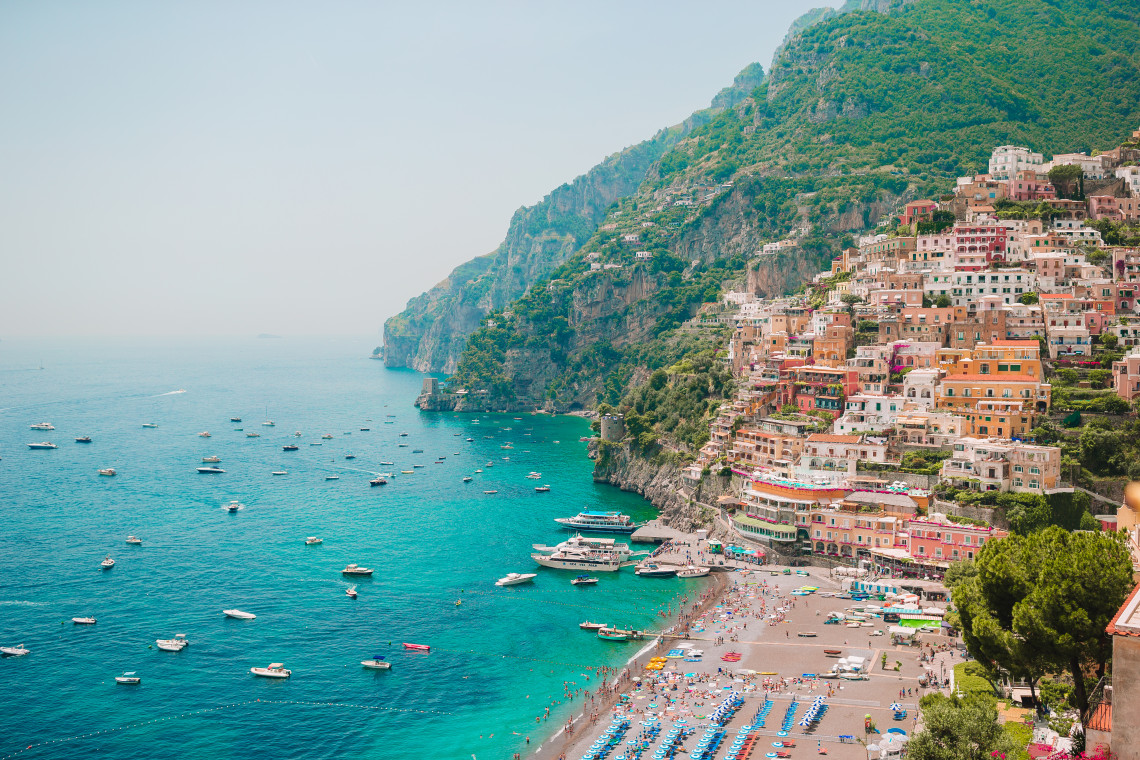
The postcard. Cascading houses in white, pink, yellow, and terracotta stacked on a near-vertical hillside above two small pebble beaches. The signature Amalfi image. 4,000 residents; 100,000+ tourists per year.
Minimum stay: 2 to 3 nights.
What to do: Spiaggia Grande beach (paid loungers €25-€60/day at chic beach clubs like La Scogliera or Chez Black; free stretch in the middle), Fornillo beach (10-min walk west, quieter), Church of Santa Maria Assunta (with the "Black Madonna" and Byzantine dome), Sentiero degli Dei (Path of the Gods hike, 6.5 km trail from Bomerano to Nocelle above Positano), boat trips to Praiano and Amalfi.
Ravello
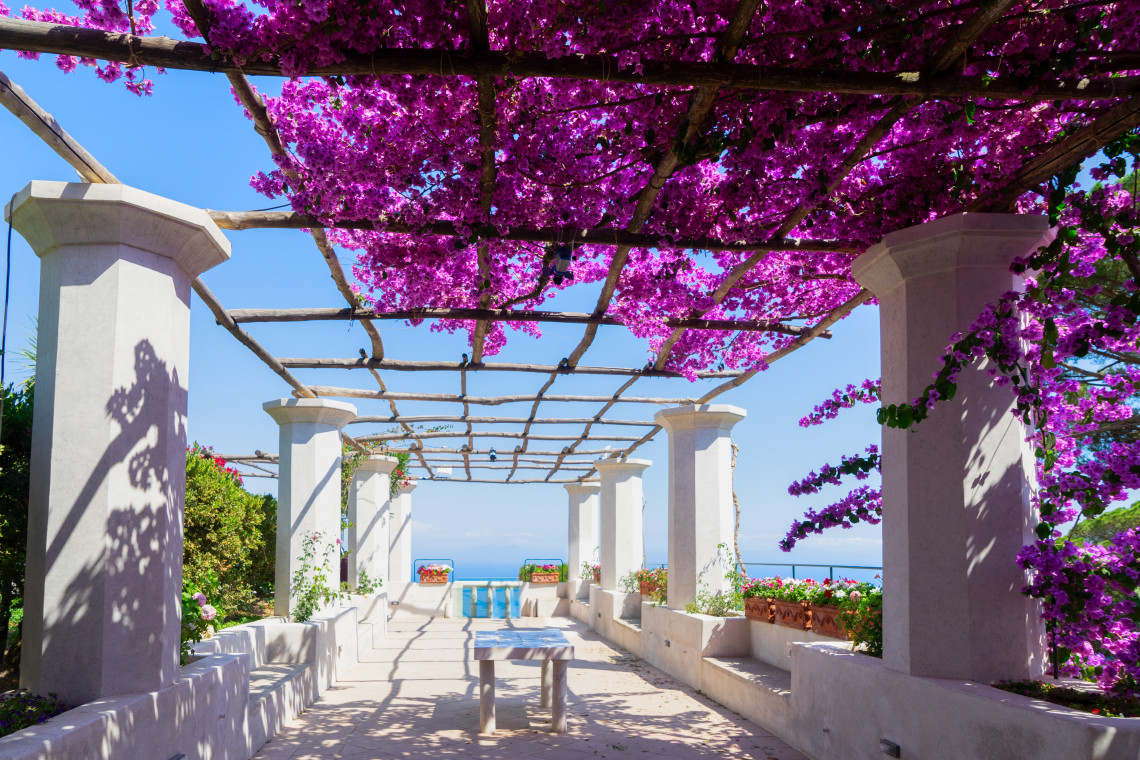
Above the coast, quieter, cultural. Perched 350m above the Mediterranean with the greatest garden villas of the coast. Where Wagner, Gore Vidal, and Virginia Woolf came to escape.
Minimum stay: 2 nights.
What to do: Villa Rufolo (€8, terraces that inspired Wagner's Parsifal), Villa Cimbrone (€10, the Terrazza dell'Infinito), Ravello Cathedral, the Ravello Music Festival (July to September, book months ahead).
Amalfi Town
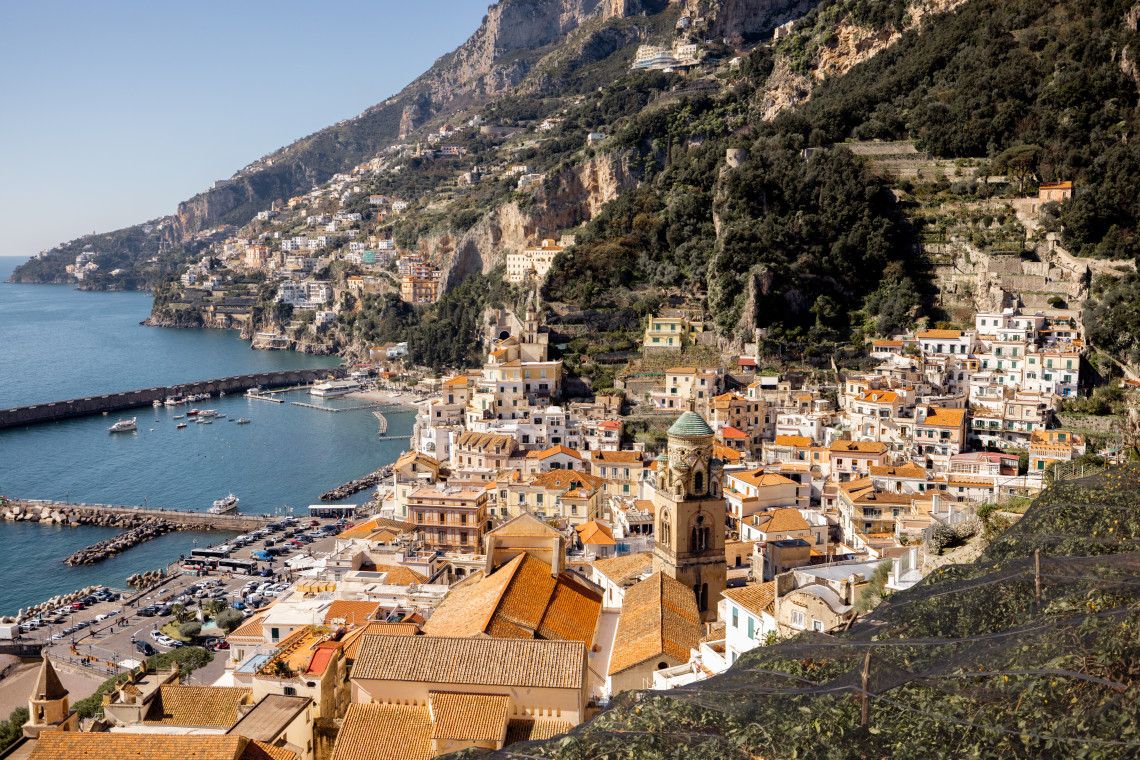
The historic center. Once one of the four Italian maritime republics (with Venice, Genoa, Pisa). Named the whole coast.
Minimum stay: 1 to 2 nights (or day-visit from Positano/Ravello).
What to do: Cathedral of Saint Andrew (with 62 steps up, Arab-Norman façade, and mysterious 9th-century bronze doors from Constantinople), the Cloister of Paradise, Museo della Carta (paper museum in a medieval mill; Amalfi paper is still hand-made here since the 13th century), the harbor and beach.
Praiano
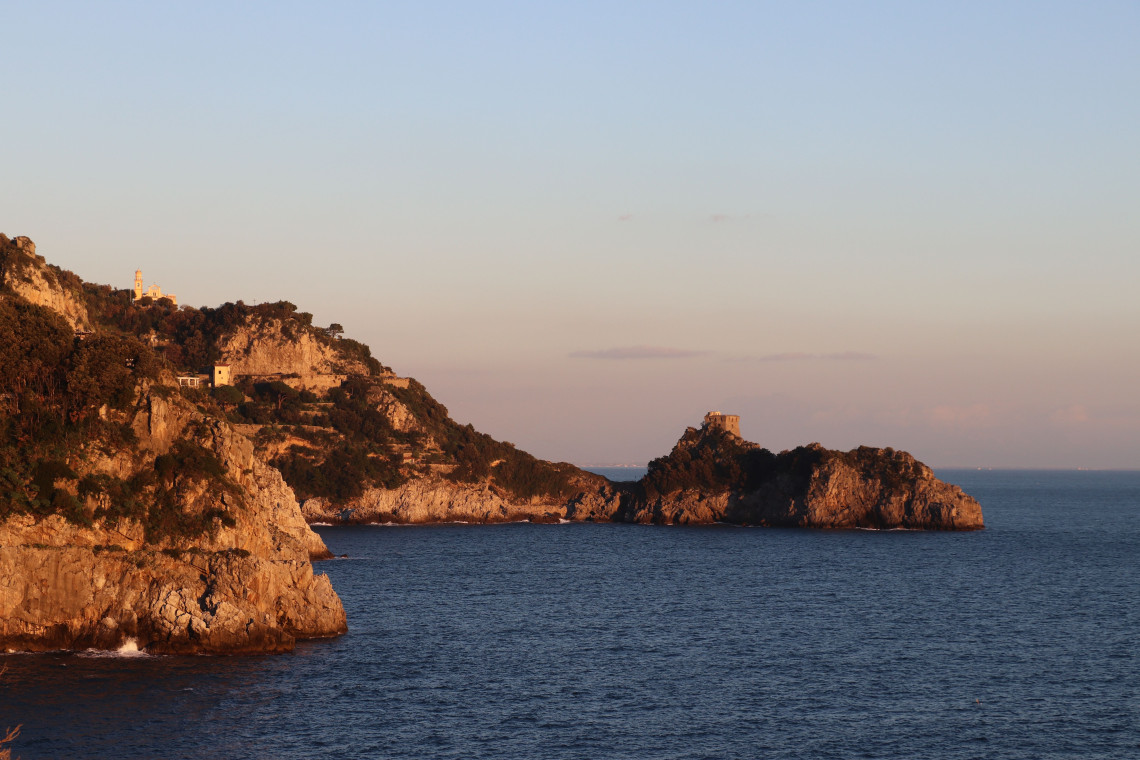
The quiet middle village. Between Positano and Amalfi. Fewer crowds, still coastal beauty, half the hotel prices.
Minimum stay: 2 to 3 nights (for slower-paced travelers).
What to do: Marina di Praia (tiny beach at the foot of vertical cliffs), Church of San Gennaro (Neapolitan majolica dome), Sentiero degli Dei trail terminus, sunset from Piazza San Gennaro.
Sorrento (peninsula, not technically Amalfi Coast)
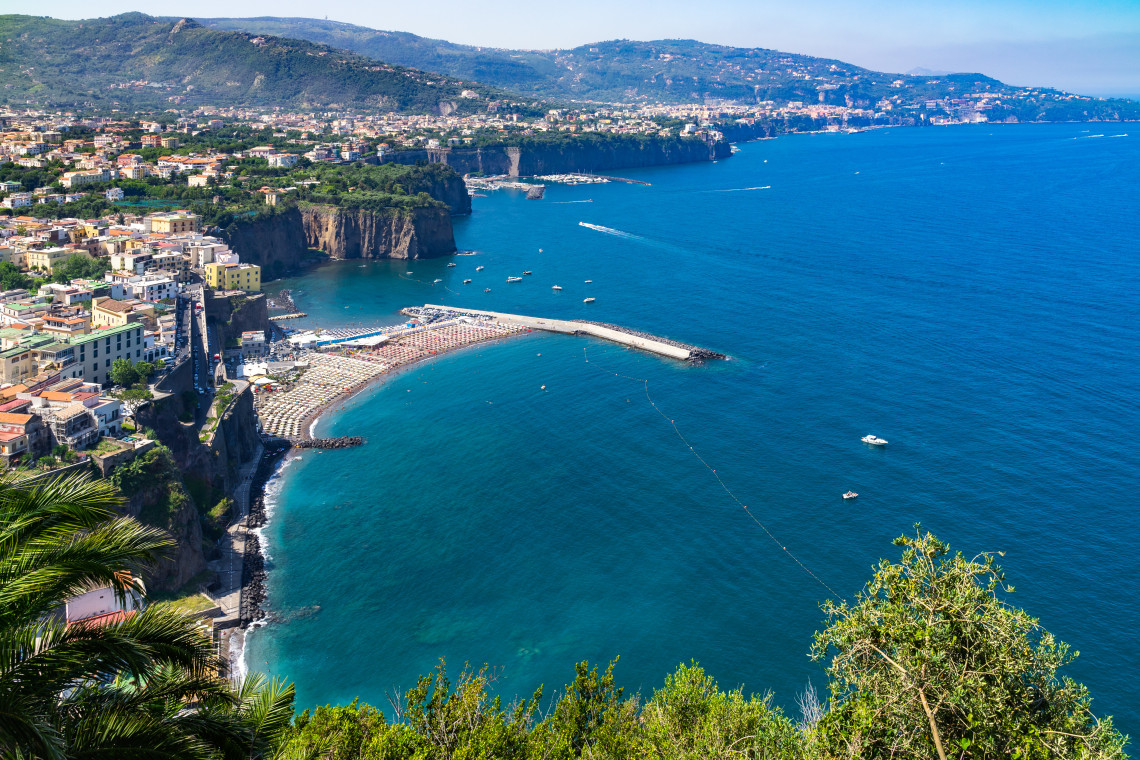
The gateway city. Larger, easier logistics, more affordable. Better for families with kids.
Minimum stay: 2 to 3 nights, especially if this is your first visit and you want easy access to Naples + Pompeii.
What to do: Piazza Tasso, the Old Town, Villa Comunale (sunset viewpoint over the Bay of Naples with Vesuvius), boat trips to Capri (30 min ferry), day trip to Pompeii (30 min train), limoncello tastings.
Other stops worth naming
Minori and Maiori: Larger sandy beaches (Amalfi Coast otherwise has pebbles). Base for families.
Cetara: Fishing village famous for colatura di alici (Roman-era fermented anchovy sauce, related to fish sauce). Best seafood on the coast.
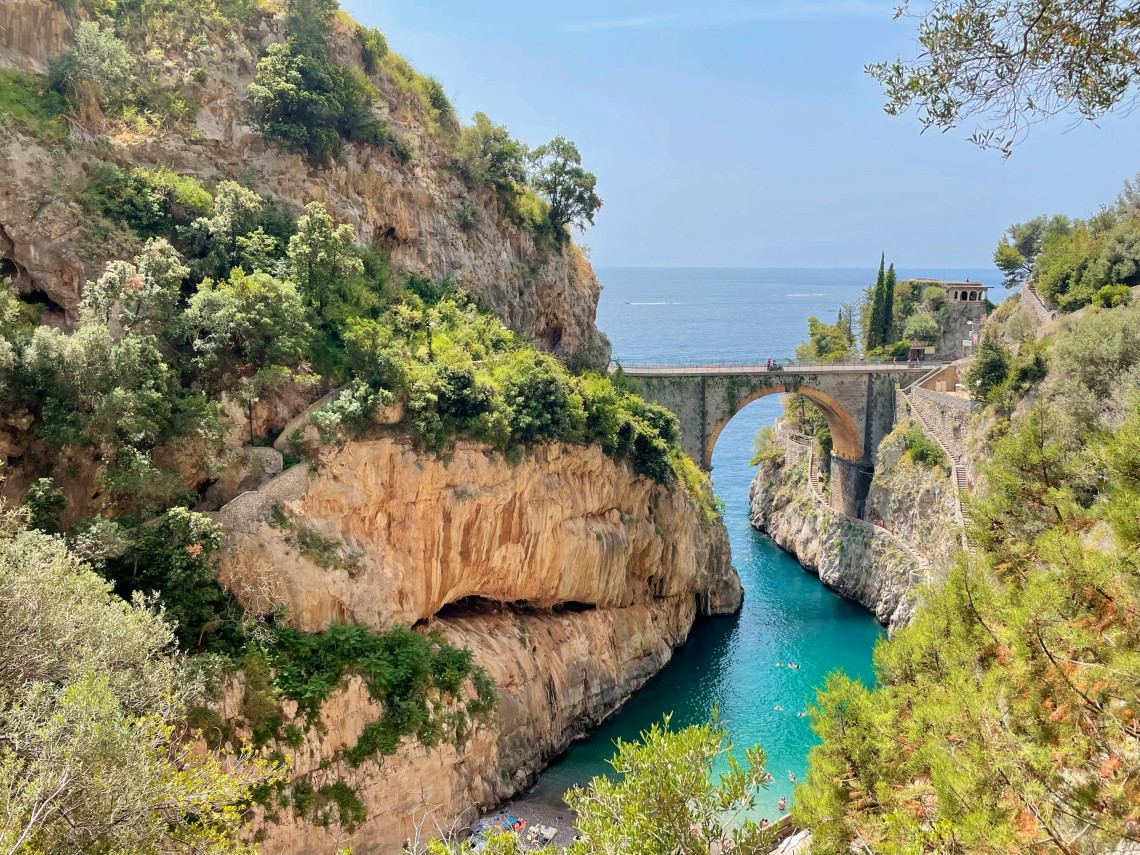
Furore: The tiny fjord village. Famous for the annual cliff-diving competition off the Furore Fjord bridge.
Atrani: Amalfi's smaller neighbor. 5-min walk. Often better dinner options than Amalfi itself.
Vietri sul Mare: The eastern end of the coast. Ceramics capital of Campania.
Capri (essential day trip)
Not technically the Amalfi Coast (it's an island off the Sorrento Peninsula), but the coast's essential companion.
How to visit:
- Day trip by ferry: From Sorrento (30 min), Positano (40 min), Amalfi (1h). Book ahead in high season.
- Overnight stay: 2 nights is ideal. Capri is a different experience after the day-trippers leave at 5pm.
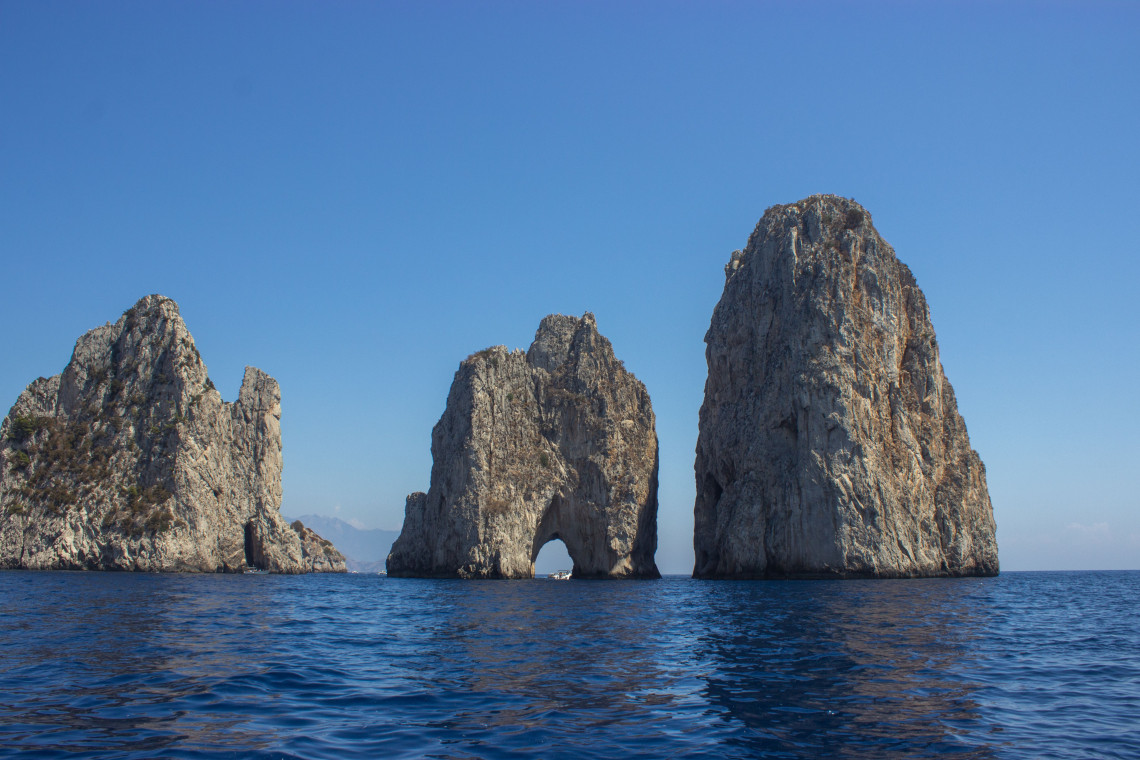
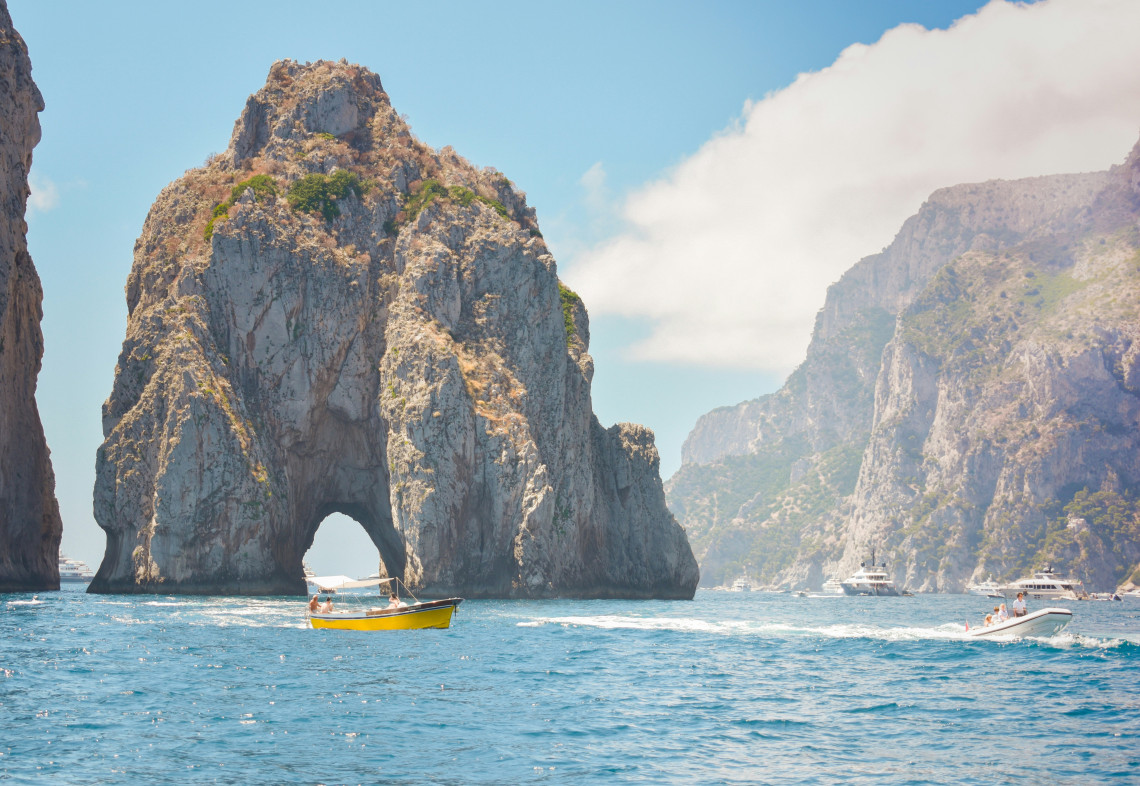
- Boat tour around the island: €25-€40 group, €200-€400 private. Blue Grotto (€18 extra), Grotta Verde, White Grotto, Faraglioni rock stacks.
What to see on Capri: Piazzetta (the town square), Gardens of Augustus, Via Krupp (winding path down the cliffs), Monte Solaro chairlift (€14 round-trip, best view on the island), Anacapri (the quieter upper village), the Blue Grotto (touristy but famous; skip if seas are rough).
How to get there
By plane: Naples Capodichino (NAP). Direct flights from most European hubs and seasonal from Newark, Toronto. About 45 min from central Sorrento by car.
From Naples to the Amalfi Coast:
- Private driver (€120-€180 one-way): Best for first-timers, families, or anyone with heavy bags. 1h 15min to Sorrento, 1h 45min to Positano, 2h to Amalfi.
- Curreri bus + train (€10 + €4): Curreri bus airport to Sorrento (75 min), then SITA bus to Amalfi/Positano (1h 30min). Cheap, slow, luggage-hostile.
- Ferry from Naples port (May-October): Alicost/Travelmar. Naples port to Positano 1h 20min. Bags free.
By train from Rome: Frecciarossa Rome to Naples (1h 10min), then transfer as above. About 4h total to Positano door-to-door.
By private boat charter from Naples/Sorrento: €800-€1,500 for a small group. Fastest and most photogenic.
How to get around
The Amalfi Coast is a nightmare to drive. The SS-163 (State Route 163) is one of the world's most beautiful roads and one of its most stressful for anyone unfamiliar. Blind corners, cliffs, tour buses coming the other direction, no parking, ZTL zones. In summer, drives that should take 30 minutes take 2 hours.
Best strategy: mix ferries and buses. Add a private driver for point-to-point transfers.
Ferries (April to October):
- Positano to Amalfi: 25 min, €10.
- Positano to Capri: 40 min, €22.
- Amalfi to Capri: 1h, €25.
- Sorrento to Positano: 40 min, €18.
- Sorrento to Capri: 30 min, €22-€30.
- Book online through NLG, Travelmar, or Alilauro.
SITA buses:
- Sorrento to Amalfi (via Positano): €4 per ticket. Runs frequently. Standing-room only in summer. The window seats on the right side (Sorrento to Amalfi direction) get the best views.
Private driver:
- Full day: €300-€500 for a car with driver. Best for door-to-door hotel transfers, day trips (Pompeii, Paestum), and evening dining reservations.
Rental car:
- Only recommended for out-of-season travelers (November to March) or those with strong Italian driving experience. Hotel parking runs €30-€60/day extra.
When is the best time to visit?
Spring (April to May): Best. Villages in bloom, mild temperatures (20 to 24°C / 68 to 75°F), no crowds yet. Some restaurants and beach clubs open around Easter, all open by early May.
Early summer (June): Warm sea, beach clubs in full swing, still manageable crowds. Best window if you want to swim.
High summer (July to August): Peak crowds, peak prices, peak heat (30 to 34°C / 86 to 93°F), ferry queues, no restaurant tables without booking. Hotels booked 6 to 12 months ahead.
Fall (September to early October): Second sweet spot. Sea still warm (24 to 26°C / 75 to 79°F), crowds thinning, prices dropping.
Late October: Weather variable. Some hotels start closing for winter.
November to March: Most hotels closed. Some villages feel abandoned. Positano's icons all shut. Only recommended for atmospheric photographers.
What to eat
The Amalfi Coast's cuisine is Campanian coastal: seafood, lemons, mozzarella di bufala, and pasta traditions distinct from Rome or Naples.
Signature dishes:
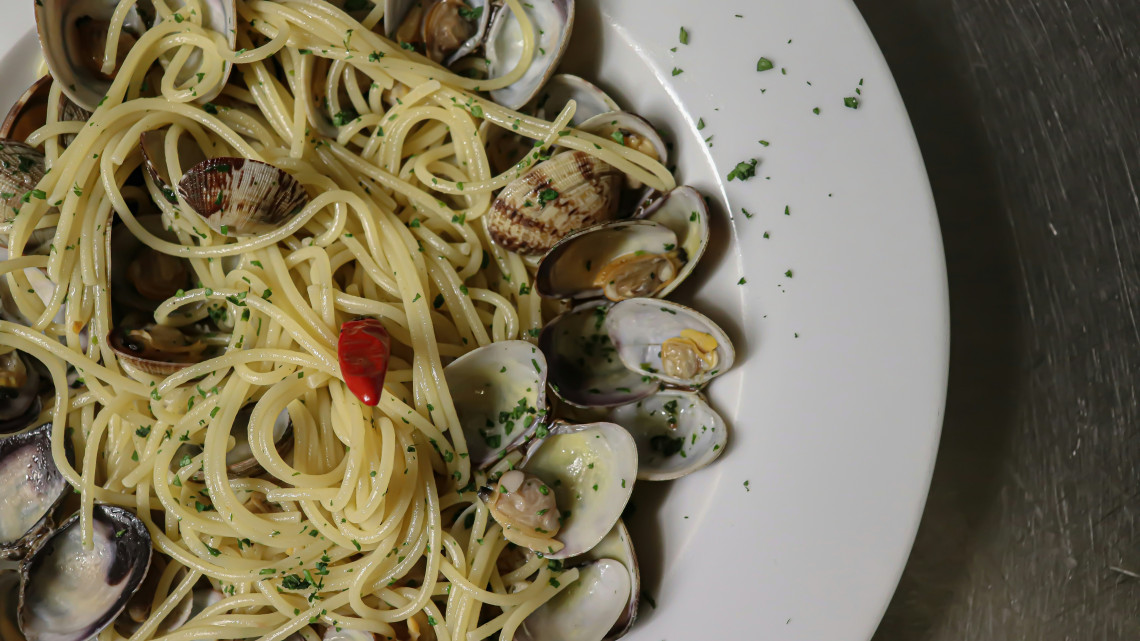
- Spaghetti alle vongole: Clam pasta, classic.
- Scialatielli ai frutti di mare: Local hand-cut pasta with mixed seafood.
- Delizia al limone: Amalfi's iconic dessert. A lemon-cream dome cake.
- Sfogliatella: Neapolitan shell-shaped pastry filled with sweet ricotta.
- Pizza margherita: Best in Naples but excellent in Sorrento.
- Limoncello: Made from Sfusato Amalfitano lemons.
- Colatura di alici: Cetara's fish sauce, drizzled on spaghetti.
- Mozzarella di bufala: From nearby Paestum, eaten within 24 hours of making.
Where to eat (restaurant highlights):
- Positano: Il San Pietro (Michelin), La Sponda at Le Sirenuse (Michelin), Chez Black (beach club dining), Da Vincenzo (mid-range classic).
- Ravello: Rossellinis at Palazzo Avino (Michelin 2-star), Belvedere at Hotel Caruso.
- Amalfi: Da Gemma, Marina Grande (beachside).
- Praiano: La Tagliata (family-style, tasting menu, mountain views).
- Nerano (between Positano and Sorrento): Lo Scoglio (celebrity spot, spaghetti alla Nerano invented here).
The one-week Amalfi Coast itinerary
Day 1: Fly Naples. Private driver to Positano. Sunset from Le Sirenuse rooftop or your hotel.
Day 2: Positano. Beach morning. Boat to Praiano for lunch. Sunset in Positano.
Day 3: Boat to Capri. Day trip: Piazzetta, Monte Solaro, Blue Grotto. Return Positano evening.
Day 4: Ferry to Amalfi. Cathedral, Cloister of Paradise. Bus up to Ravello for the afternoon (Villa Rufolo + Villa Cimbrone). Overnight in Ravello.
Day 5: Ravello. Slow morning. Path from Ravello down to Amalfi (or bus). Dinner in Atrani.
Day 6: Day trip to Pompeii and/or Herculaneum via SITA bus and Circumvesuviana train. Or drive Path of the Gods hike.
Day 7: Fly out Naples. Private driver morning.
Alternative: Add 2 nights in Naples at the start for Pompeii, pizza, and Naples Archaeological Museum before heading south.
Practical tips
Book restaurants ahead. Every good restaurant on the coast is fully booked 1 to 3 weeks out in high season. Have your hotel concierge do it before you arrive.
Bring cash. Some smaller villages, beach clubs, and family-run restaurants prefer cash. ATMs in Positano and Amalfi are reliable.
Wear flat shoes. Positano has 300+ stairs. Every village involves steep alleys and cobbles.
Pack a swimsuit even off-season. Boat trips run April to October.
Skip the Amalfi Coast bus in high summer. The queues at Sorrento and Amalfi stations regularly hit 90 minutes. Take a ferry or private driver instead.
The Blue Grotto is not always open. It closes when seas are rough. Even when open, you queue 30 to 90 minutes to get in. If you have limited time, prioritize the general Capri boat tour.
Beach clubs are pricey. Expect €25-€60 per day for two loungers + umbrella at a good beach club. Free beach sections exist but are often small and packed.
Currency: Euro. Cards work almost everywhere; small tips (round up or 5-10%) appreciated.
Language: Italian. English very common in tourist zones; less so in Cetara, Furore, and inland villages.
Common mistakes
Trying to base in one village and see all 5. Traffic and ferry timings make this frustrating. Base in two villages instead (Positano + Ravello is the classic).
Driving your own car. Everyone regrets it. Blind corners, ZTL fines, no parking, tour buses. Take ferries and buses.
Doing Capri as a 3-hour day-trip. You spend more time on ferries than on the island. Give it a full day or an overnight.
Booking hotels last-minute in July or August. The Amalfi Coast books out 6 to 12 months ahead in peak summer.
Skipping Ravello because "it's above the coast." Ravello is arguably the coast's most beautiful village and its most peaceful base.
Bottom line
The Amalfi Coast rewards planning. Base in Positano or Praiano plus Ravello, use ferries and private drivers rather than driving yourself, add a Capri overnight, and travel in May, June, September, or early October. Combined with 2 nights in Naples for Pompeii, it makes one of Europe's most rewarding coastal trips.
Frequently asked questions
How many days do you need on the Amalfi Coast? Five to seven nights minimum. Anything less and half your time is transit between villages.
Is the Amalfi Coast worth visiting? Yes. UNESCO World Heritage since 1997. One of the world's most photographed coastlines and Italy's most iconic coastal region.
When is the best time to visit the Amalfi Coast? May, June, September, and early October. Avoid July and August (crowds, heat, ferry chaos, sold-out hotels).
Should I stay in Positano or Sorrento? Positano for scenery, romance, and the iconic Amalfi Coast experience. Sorrento for easier logistics, family-friendly, and cheaper base with easy Pompeii/Naples access.
Should I stay in Positano or Ravello? Both, ideally. Positano for iconic scenery and beach access; Ravello for peace, views, and gardens. Split 3 nights in each.
How do I get from Naples to Positano? Private driver (€120-€180, 1h 45min), ferry from Naples port April-October (1h 20min), or Curreri bus to Sorrento + SITA bus (2h 30min, cheapest).
Do I need to rent a car for the Amalfi Coast? No. In fact, avoid it in high season. Ferries, buses, and private drivers cover everything and save you the stress of the SS-163.
How do I visit Capri from the Amalfi Coast? Ferry from Positano (40 min), Amalfi (1h), or Sorrento (30 min). Book ahead in high season. Full day or overnight.
Is the Amalfi Coast expensive? Yes. It is one of Italy's priciest regions. 4-star hotels €300-€600/night in high season. Meals €50-€100 per person at good restaurants. Praiano and Amalfi town are cheaper than Positano and Ravello.
Which villages are on the Amalfi Coast? The main villages, west to east: Positano, Praiano, Furore, Conca dei Marini, Amalfi, Atrani, Ravello (above), Minori, Maiori, Cetara, Vietri sul Mare.
Is Sorrento on the Amalfi Coast? Technically no. Sorrento is on the Sorrento Peninsula, north of the Amalfi Coast. But it's the gateway to the coast and often included in Amalfi trips.
What is the Path of the Gods? Sentiero degli Dei. A 6.5 km hiking trail from Bomerano (above Praiano) to Nocelle (above Positano), high above the coast with dramatic sea views. Moderate difficulty, 3 to 4 hours.
Can I swim on the Amalfi Coast? Yes. Most beaches are pebble; sand is rare (Minori, Maiori). Beach clubs charge €25-€60/day for loungers. Free sections exist at Spiaggia Grande in Positano and Marina Grande in Amalfi.
What food is the Amalfi Coast famous for? Lemons and limoncello, mozzarella di bufala, spaghetti alle vongole, scialatielli ai frutti di mare, delizia al limone (lemon dessert), colatura di alici (Cetara fish sauce).
When is the Ravello Music Festival? July to early September. Book concert tickets 3+ months ahead. Villa Rufolo hosts many performances.
How do I visit Pompeii from the Amalfi Coast? From Sorrento: Circumvesuviana train (30 min, €3). From Positano/Amalfi: SITA bus to Sorrento then train, or private driver (€200-€300 return).
Amalfi Coast, without the logistics headache.
Our Italy travel experts book hotels, private drivers, ferries, and Capri day trip so you show up and enjoy the coast.
See Italy Packages Tailor-Made Trip