August 3, 2026 • 14 min read
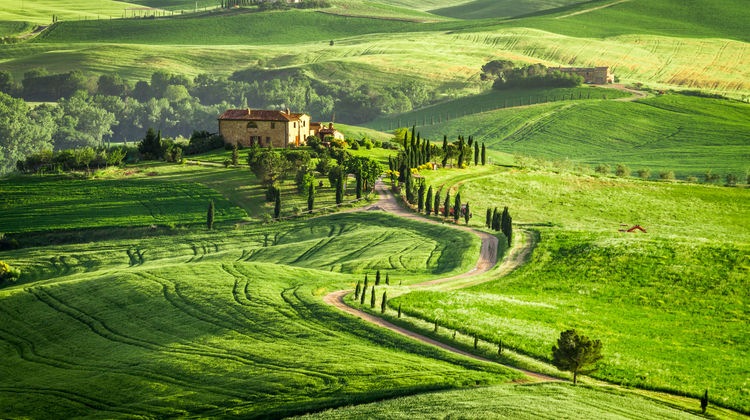
Italy makes more wine than any country on Earth and grows 500+ indigenous grape varieties. Chianti Classico's cypress hills, Barolo's fog-bound Langhe villages, Prosecco Superiore's steep terraces, Amarone's dried-grape reds, Etna's black volcanic vineyards. Each region is a distinct trip.
Here is the honest guide to Italy's greatest wine regions, when to visit each, and how to build a trip around one or two.
The short answer
Italy has 20 wine regions (matching its 20 political regions) and over 400 official DOC and DOCG wines. The big-name regions travelers plan trips around:
- Tuscany (Chianti, Brunello di Montalcino, Vino Nobile, Super Tuscans): Best combined with a Renaissance city visit.
- Piedmont (Barolo, Barbaresco, Barbera, Moscato d'Asti): For serious red wine collectors. Slow, foggy, Michelin-heavy.
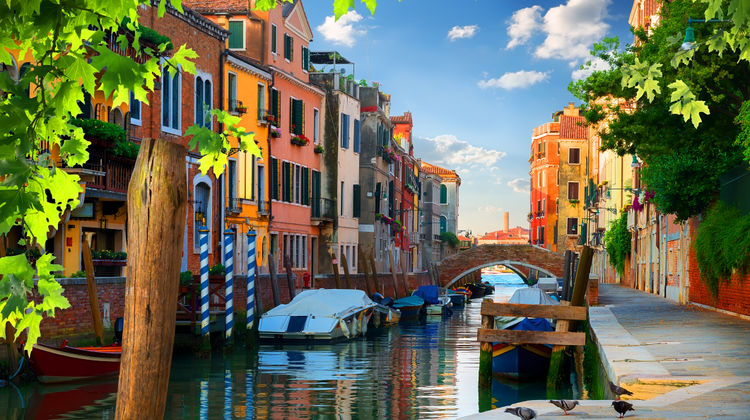
- Veneto (Prosecco, Amarone, Soave, Valpolicella): Best combined with Venice + Verona.
- Sicily (Etna Rosso, Etna Bianco, Nero d'Avola): Volcanic. Rising fast. Best combined with a Sicily road trip.
- Puglia (Primitivo, Negroamaro, Salice Salentino): Warm, fruit-forward, great value.
- Campania (Falanghina, Aglianico, Greco di Tufo): Ancient vineyards from Amalfi to inland Irpinia.
- Friuli (Friulano, Ribolla Gialla, orange wines): For white wine specialists.
Plan for:
- 1 wine region per trip. Do it properly, not superficially.
- Best months: May, June, September, October. Harvest (vendemmia) is late August to early October.
- Book tastings 3-4 weeks ahead. Bigger estates require reservations, not walk-ins.
- Hire a driver or stay in a bike/walk-friendly base. Italy's drink-drive limits are strict (0.05% BAC).
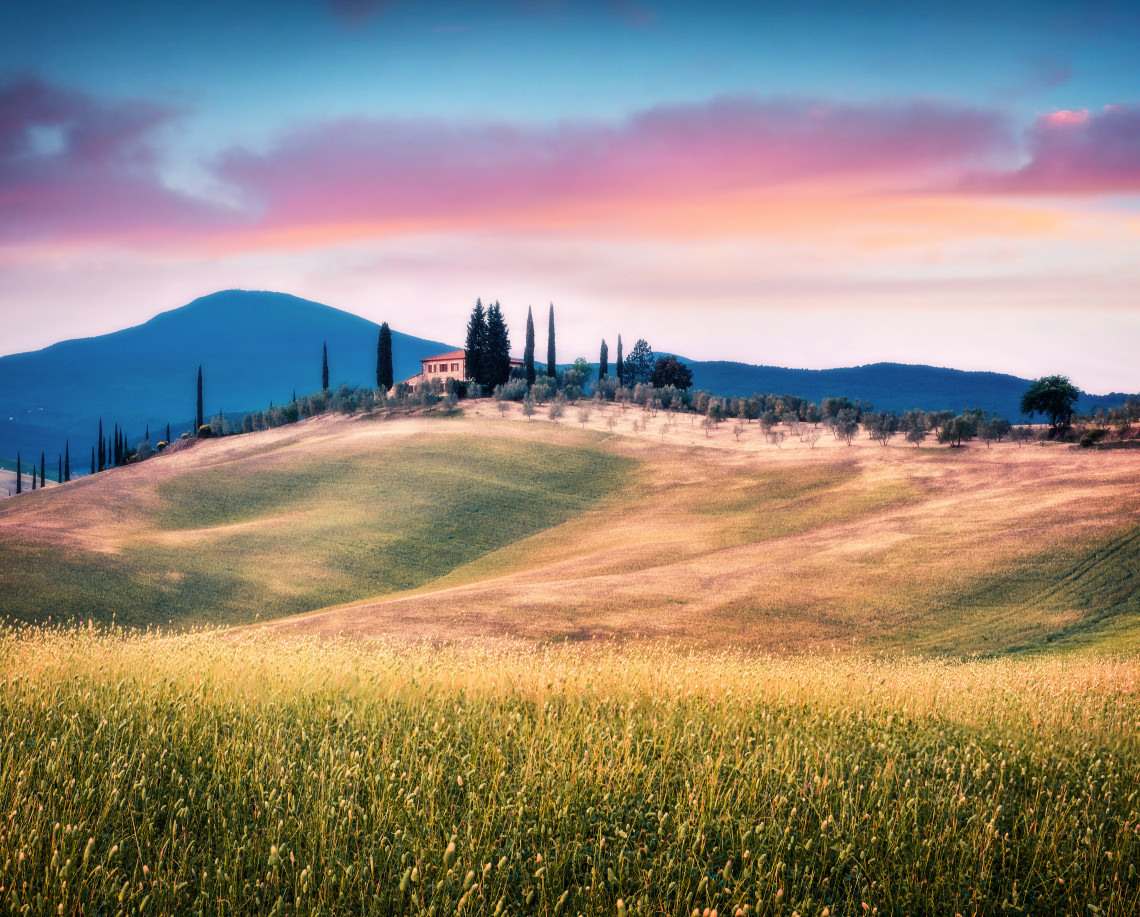
1. Tuscany: Chianti, Brunello, Vino Nobile, and the Super Tuscans
Where: Central Italy. Chianti sits between Florence and Siena; Brunello is around Montalcino; Vino Nobile around Montepulciano; Super Tuscans concentrated in Bolgheri on the coast.
The grapes: Sangiovese is the region's dominant red grape. Different clones and terroirs make dramatically different wines.
The essential wines:
- Chianti Classico DOCG: Sangiovese-based (minimum 80%). Marked by the black rooster (Gallo Nero) seal on the neck. Modern versions can rival Brunello. €15-€80 per bottle at cellar.
- Chianti Classico Riserva DOCG: Aged minimum 24 months. Deeper, more structured.
- Chianti Classico Gran Selezione DOCG: Top tier introduced 2013. Estate-grown grapes, aged 30+ months. €40-€150.
- Brunello di Montalcino DOCG: 100% Sangiovese Grosso, aged 5 years minimum (2 in oak). Italy's most collected red. €50-€500.
- Vino Nobile di Montepulciano DOCG: Sangiovese blend from Montepulciano. Softer than Brunello. €25-€80.
- Vernaccia di San Gimignano DOCG: Tuscany's most historic white. Crisp, mineral. €15-€40.
- Super Tuscans (IGT): Non-traditional blends (Sangiovese + Cabernet, Merlot, Syrah). Sassicaia, Ornellaia, Tignanello, Solaia are iconic. €80-€800.
- Bolgheri DOC: The Super Tuscan homeland on the Tuscan coast.
Where to taste:
- Chianti: Antinori nel Chianti Classico (Bargino, €40-€150 tastings, book ahead), Castello di Ama, Castello di Brolio, Fattoria di Fèlsina, Ricasoli 1141.
- Montalcino (Brunello): Poggio Antico, Il Poggione, Casanova di Neri, Biondi-Santi (Brunello's inventor).
- Montepulciano (Vino Nobile): Avignonesi, Poliziano, Contucci.
- Bolgheri (Super Tuscans): Tenuta San Guido (Sassicaia, hard to book), Ornellaia (regular tastings), Tenuta Guado al Tasso (Antinori).
Where to stay: Agriturismos in Chianti (Villa Bordoni, Castello di Spaltenna), boutique hotels in Val d'Orcia (Rosewood Castiglion del Bosco), luxury on the Bolgheri coast.
When: May to June, September to mid-October. Vendemmia in September.
Combine with: Florence, Siena, San Gimignano. See our Tuscany Road Trip Guide.
2. Piedmont: Barolo, Barbaresco, Barbera, Moscato
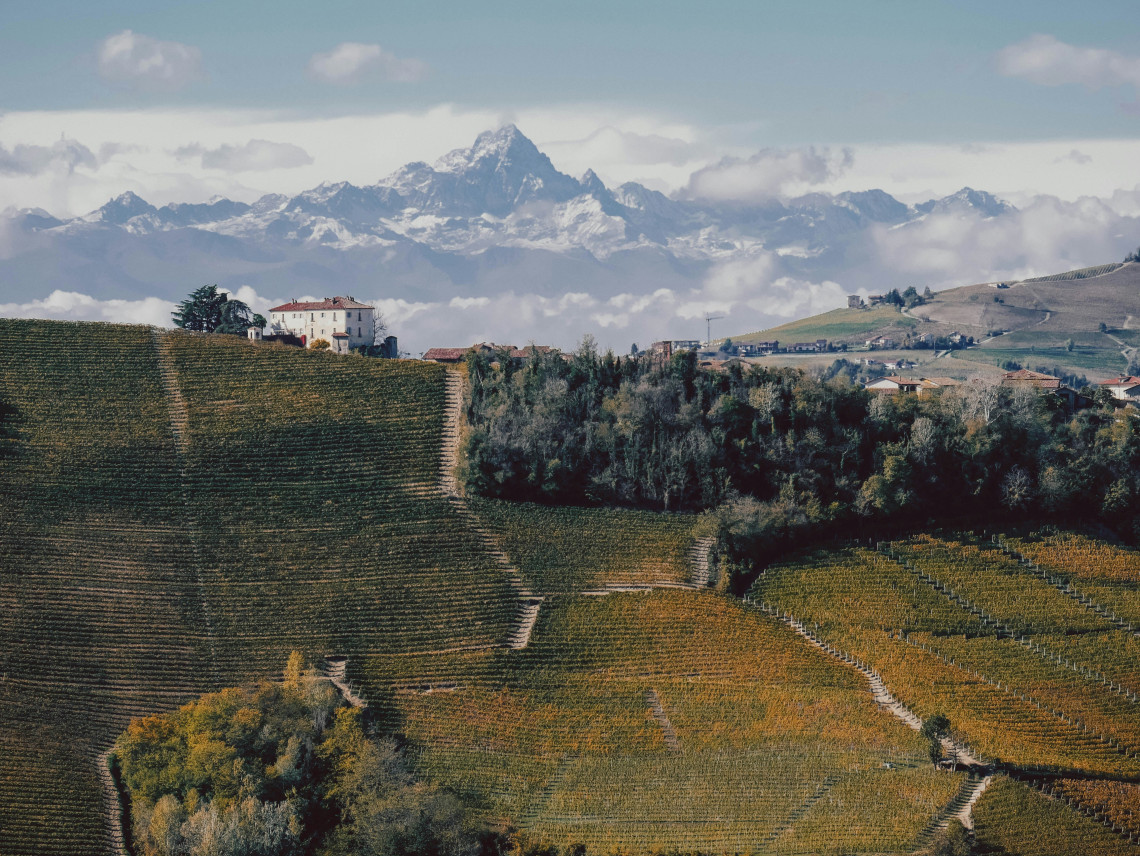
Where: Northwestern Italy, southern Piedmont, around Alba. The Langhe hills.
The grapes: Nebbiolo (the noble red), Barbera, Dolcetto, Arneis (white), Moscato Bianco.
The essential wines:
- Barolo DOCG: Nebbiolo-based, "the king of wines and the wine of kings." Aged minimum 38 months. Tannic, ageable, complex. €40-€500+ per bottle.
- Barbaresco DOCG: Nebbiolo from villages northwest of Alba. Slightly softer than Barolo. €35-€200.
- Barbera d'Alba and Barbera d'Asti DOCG: Everyday reds, food-friendly.
- Dolcetto d'Alba DOC: Soft, plummy, drink-young.
- Moscato d'Asti DOCG: Lightly sweet sparkling white. Iconic dessert wine.
- Asti Spumante DOCG: Sweeter, fuller sparkler.
- Roero Arneis DOCG: The region's serious white.
- Alta Langa DOCG: Traditional-method sparkling wine (like Champagne).
Where to taste:
- Barolo: Marchesi di Barolo, Renato Ratti, Vietti, Bruno Giacosa, Elio Altare, Ceretto, Pio Cesare, Luciano Sandrone. Iconic tasting rooms in the village of Barolo itself.
- Barbaresco: Gaja (nearly impossible to book, most famous producer), Produttori del Barbaresco (co-op with excellent wines), Bruno Rocca, Roagna.
- Wine Museum: WiMu (Wine Museum) in Castello di Barolo. €12 self-guided.
Where to stay:
- Barolo village and Monforte d'Alba: Small hotels and boutique B&Bs. €150-€400.
- Alba (nearby larger town): Nite Hotel Alba (€200-€350), Palazzo Finati (€250-€500).
- Luxury: Villa d'Amelia (€400-€700), Cà del Baio.
When: Late September to early November. The Alba White Truffle Fair (October to early December) is a peak wine + truffle season combo. Book 6+ months ahead.
Combine with: Milan (2h drive), Turin (1h), the Langhe hills, hazelnut farms (Nutella comes from here).
3. Veneto: Prosecco, Amarone, Valpolicella, Soave
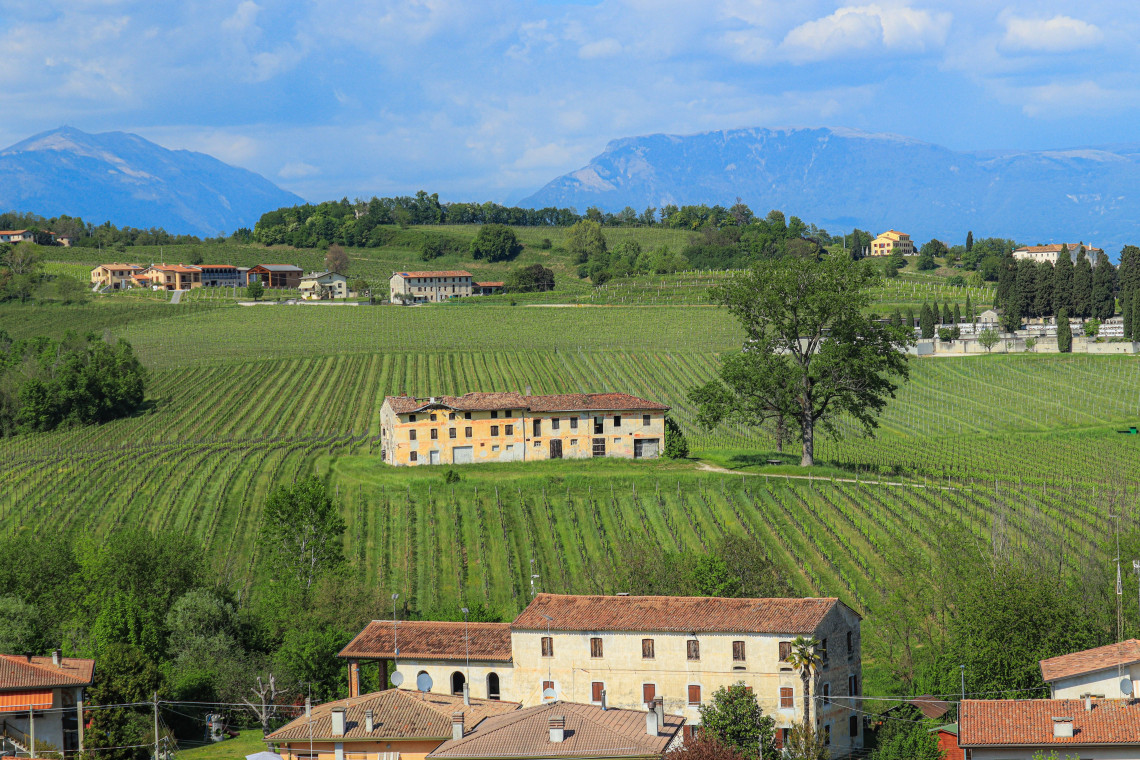
Where: Northeast Italy. Prosecco hills between Conegliano and Valdobbiadene (UNESCO since 2019). Amarone and Valpolicella in the hills north of Verona.
The grapes: Glera (Prosecco), Corvina and Rondinella (Valpolicella and Amarone), Garganega (Soave).
The essential wines:
- Prosecco DOC: The everyday sparkling.
- Prosecco Superiore DOCG (Conegliano Valdobbiadene): The premium version. Steeper vineyards, hand-harvested. €15-€40.
- Cartizze DOCG: Prosecco's smallest DOCG, 107 hectares. The elite of Prosecco. €25-€60.
- Amarone della Valpolicella DOCG: Made from dried grapes (appassimento method). Big, rich, port-like. €40-€300+.
- Valpolicella Ripasso DOC: "Baby Amarone" made from re-fermenting Valpolicella on Amarone skins.
- Recioto della Valpolicella DOCG: Sweet dessert version of Amarone.
- Soave DOCG: Crisp mineral white from Garganega grapes.
Where to taste:
- Prosecco (Conegliano-Valdobbiadene): Bisol (iconic Cartizze producer), Nino Franco, Andreola, Villa Sandi, Ca' del Poggio.
- Amarone (Valpolicella): Allegrini, Masi, Tommasi, Zenato, Bertani (invented Amarone in 1936).
- Soave: Pieropan, Inama, Suavia.
Where to stay:
- Prosecco region: Villa Sandi (€200-€400), Relais Casa dei Massi, Villa Colle San Giuseppe. Bike-friendly hills.
- Valpolicella: Byblos Art Hotel Villa Amistà (€300-€600), Villa del Quar (€250-€500).
When: May to June and September to October. Vendemmia in September.
Combine with: Venice (1h to Prosecco region), Verona (30 min to Valpolicella), Lake Garda.
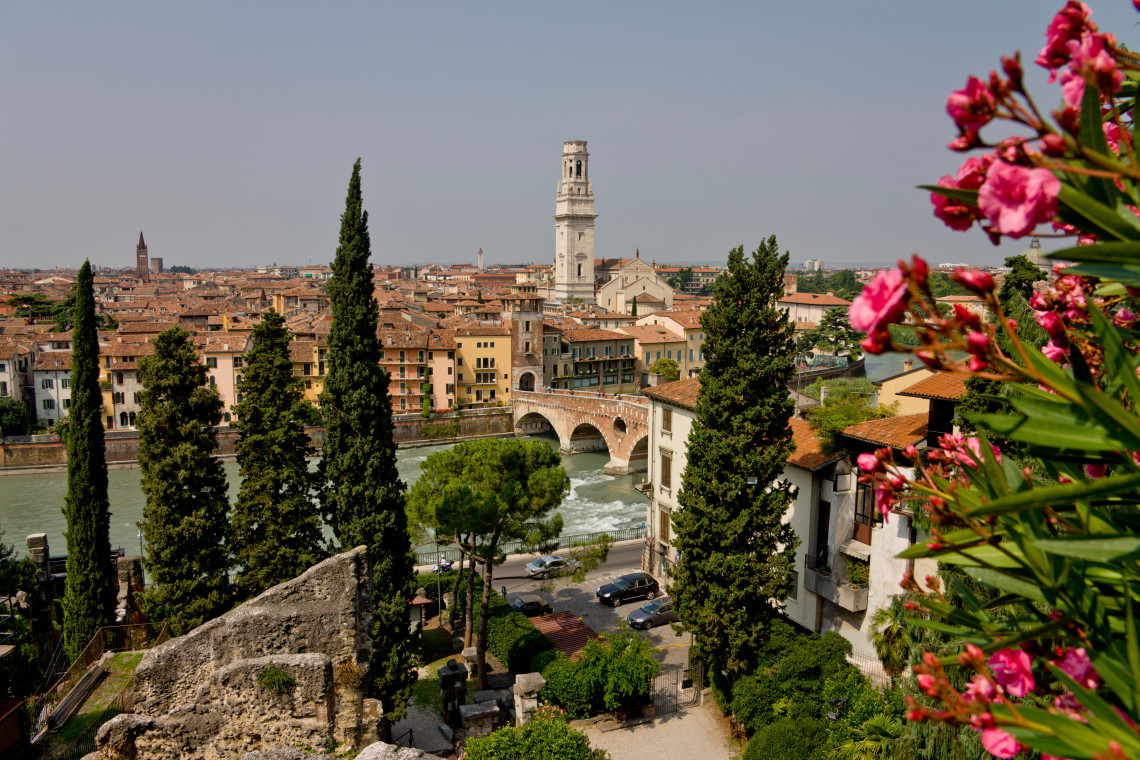
4. Sicily: Etna, Nero d'Avola, and the Rising Volcanic Wines
Where: Sicily. Etna's black volcanic slopes on the east coast; Nero d'Avola across the island; Marsala on the west coast.
The grapes: Nerello Mascalese (Etna Rosso), Carricante (Etna Bianco), Nero d'Avola, Grillo, Catarratto, Zibibbo (Passito di Pantelleria).
The essential wines:
- Etna Rosso DOC: Nerello Mascalese from vineyards on volcanic soil at 500-1,000m altitude. Silky, mineral, often called "the Barolo of the south." €25-€100.
- Etna Bianco DOC: Carricante-based. Steely, mineral, ageable. €18-€50.
- Nero d'Avola: Sicily's most planted red. Bold, dark-fruit forward. €12-€80.
- Cerasuolo di Vittoria DOCG: Sicily's only DOCG. Blend of Nero d'Avola and Frappato.
- Passito di Pantelleria DOC: Dessert wine from Zibibbo grapes, dried in the Pantelleria wind. Cult sweet wine. €30-€100 per half-bottle.
- Marsala DOC: Fortified sweet wine (historically Sicily's answer to Sherry).
Where to taste:
- Etna: Planeta, Tasca d'Almerita (Tenuta Tascante), Passopisciaro, Frank Cornelissen (natural wine icon), Benanti.
- Central Sicily: Regaleali (Tasca d'Almerita's flagship), Feudo Montoni.
- Marsala: Cantine Florio, Marco De Bartoli.
Where to stay:
- Etna (Milo, Randazzo villages): Monaci delle Terre Nere (€250-€500), Shalai Resort (€300-€600).
- Central Sicily: Regaleali Estate stays.
When: May to June and September to October. Vendemmia stretches longer here (August to October) due to altitude variations.
Combine with: Sicily road trip (see our Sicily Road Trip Guide), Taormina, Syracuse, Palermo.
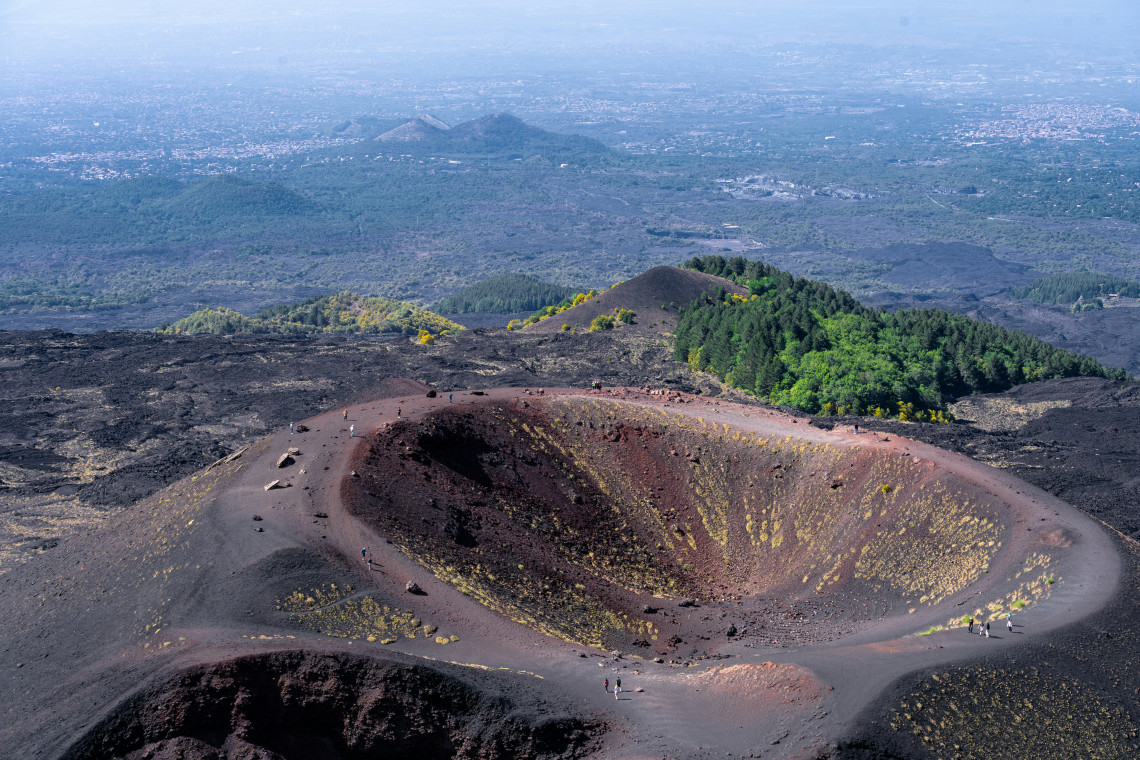
5. Puglia: Primitivo, Negroamaro, and the Southern Star
Where: The heel of Italy. Primitivo mostly around Manduria; Negroamaro in Salento.
The grapes: Primitivo (genetically identical to California Zinfandel), Negroamaro, Malvasia Nera, Nero di Troia.
The essential wines:
- Primitivo di Manduria DOCG: Rich, warming, chocolatey reds. €15-€60.
- Primitivo di Manduria Dolce Naturale DOCG: Sweet version.
- Salice Salentino DOC: Negroamaro-based blend from central Salento. Everyday drinker.
- Negroamaro del Salento IGT: Spicy, dark reds.
- Locorotondo DOC: Fresh white from the Itria Valley. Perfect summer wine.
- Castel del Monte DOC: Northern Puglia, includes Bombino Nero rosé.
Where to taste:
- Manduria (Primitivo): Feudi di San Marzano, Racemi, Gianfranco Fino, Attanasio.
- Salento (Negroamaro): Cantine Menhir, Apollonio, Cantine Due Palme.
- Itria Valley (Locorotondo): Cantina Coppi.
Where to stay: Masserie across the Itria Valley. See our Puglia Complete Guide.
When: May, June, September, early October.
Combine with: Puglia road trip, Matera, Amalfi Coast.
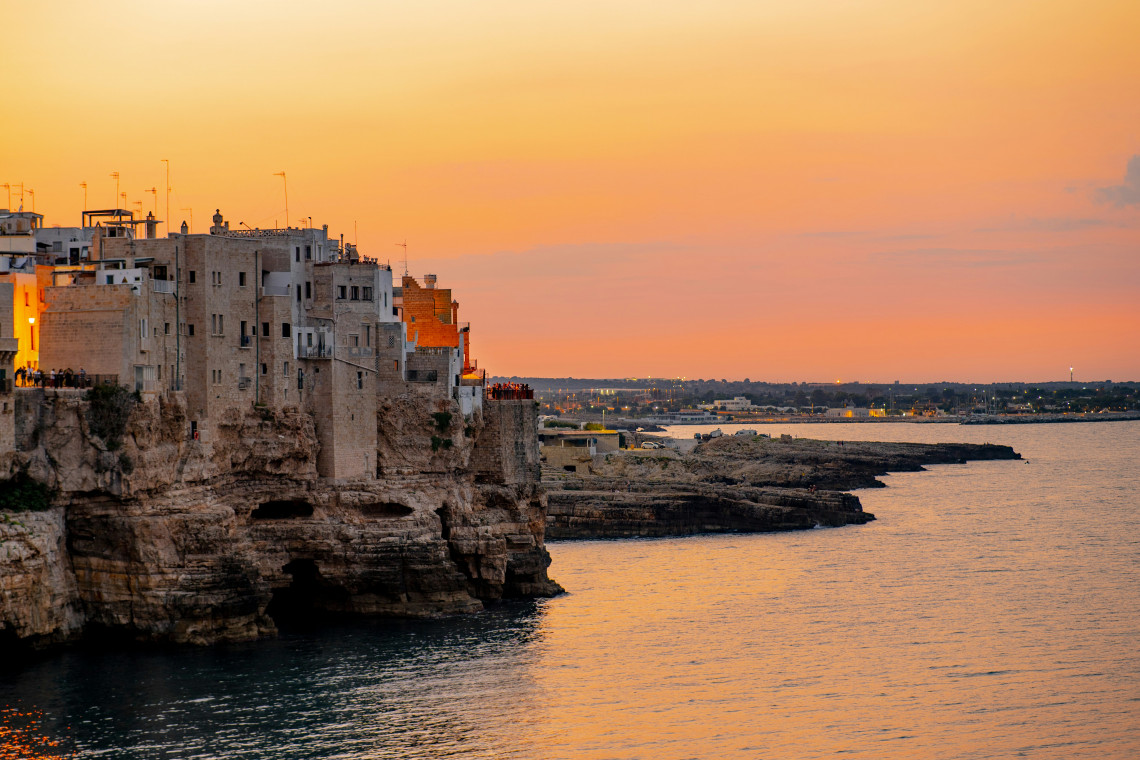
6. Campania: Ancient Vineyards from Vesuvius to Irpinia
Where: Around Naples, Vesuvius, and inland Irpinia. Some of Italy's oldest wine traditions (2,700+ years).
The grapes: Aglianico (the noble red), Falanghina, Greco di Tufo, Fiano di Avellino.
The essential wines:
- Taurasi DOCG: Aglianico-based. Nicknamed "the Barolo of the South." Ageable red. €25-€100.
- Fiano di Avellino DOCG: Serious white from Irpinia. Ageable. Peach and honey notes.
- Greco di Tufo DOCG: Mineral-driven white from volcanic tuff soil.
- Falanghina del Sannio DOC: Fresh, easy-drinking white. Amalfi Coast go-to.
- Lacryma Christi del Vesuvio DOC: From vines on Vesuvius. "Christ's Tears", the legend involves Christ weeping over Naples.
Where to taste:
- Irpinia (inland): Feudi di San Gregorio, Mastroberardino (kept the tradition alive after WWII), Terredora, Villa Raiano.
- Vesuvius: Cantina del Vesuvio, Sorrentino Vini.
Where to stay: Base on the Amalfi Coast or in Naples, day-trip to inland cellars.
When: May to October.
Combine with: Amalfi Coast, Naples, Pompeii.
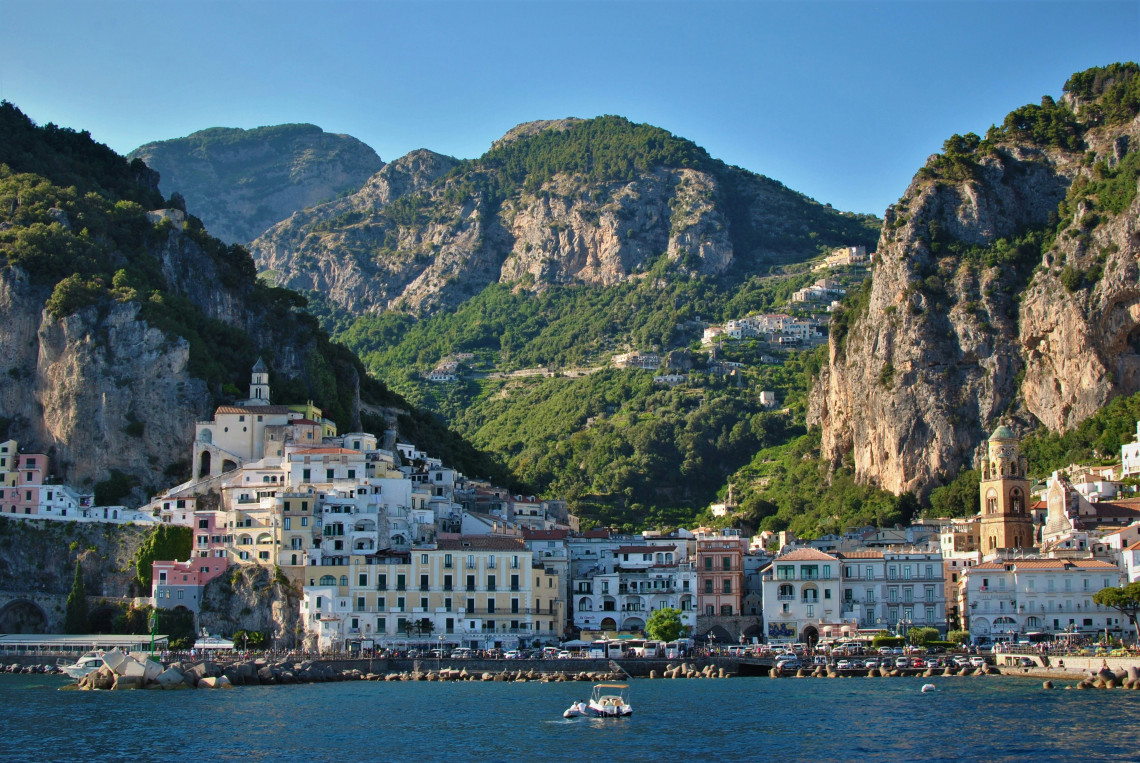
7. Friuli-Venezia Giulia: Whites and Orange Wine
Where: Northeast, near the Slovenian border. Collio hills.
The grapes: Friulano (formerly Tocai), Ribolla Gialla, Malvasia Istriana, Sauvignon Blanc, Pinot Grigio.
The essential wines:
- Friulano DOC: The regional signature white.
- Collio Bianco DOC: Complex white blends. Some of Italy's most respected.
- Colli Orientali del Friuli DOC: Complex whites and reds.
- Ribolla Gialla: Ancient grape, revival lead by natural-wine producers like Radikon and Gravner.
- Orange wines: Friuli invented the modern orange wine movement. Josko Gravner and Stanko Radikon are cult producers.
Where to taste: Gravner, Radikon, Movia (across the Slovenian border), Livio Felluga, Vie di Romans.
Where to stay: Boutique wine hotels in the Collio hills. €200-€500.
When: May to October.
Combine with: Venice (2h), Slovenia (across the border).
Other regions worth naming
Trentino-Alto Adige: Alpine wines from South Tyrol. Excellent Pinot Grigio, Gewürztraminer, and traditional-method sparkling (Trento DOC).
Lombardy (Franciacorta): Italy's most prestigious sparkling wine, made in the traditional method. Ca' del Bosco, Bellavista, Berlucchi.
Emilia-Romagna (Lambrusco): Sparkling reds. Under-appreciated by non-Italians.
Marche (Verdicchio): Excellent inland whites and Rosso Conero reds.
Umbria (Sagrantino di Montefalco): Powerful tannic reds. Small production.
Sardinia (Cannonau, Vermentino): Cannonau (same grape as Grenache in France) is the region's ancient red.
How to build a wine trip
Rule 1: Do one region deeply, not four superficially.
Rule 2: Book cellar tastings 3-4 weeks ahead. Larger and prestige estates require appointments, not walk-ins. Many charge €30-€150 per tasting, with the fee often refundable if you buy bottles.
Rule 3: Hire a driver. Italy's drink-drive law is 0.05% BAC (lower than the U.S.). Wine tastings typically involve 4-8 wines per estate. Two estates in a day = intoxicated. Hire a driver (€300-€500/day) or use an enoteca-focused base where you can walk between tastings.
Rule 4: Time it around the vendemmia (harvest) if possible. Late August to early October depending on the region. Grape trucks running, cellars at their busiest, wine festivals in villages. The most atmospheric time to visit.
Rule 5: Skip the "wine bus tours" from Rome and Florence. Half a day of driving, one poor tasting, and a lunch at a tourist restaurant. Not the wine experience.
Sample itineraries by region
5-day Chianti + Brunello (Tuscany): Fly Florence. 2 nights in Chianti agriturismo (tastings at Antinori, Ricasoli). 2 nights in Val d'Orcia (Brunello tastings at Poggio Antico, Il Poggione). Fly out Florence or Rome.
5-day Barolo + Barbaresco (Piedmont): Fly Turin or Milan. Base in Barolo village or Alba. Tastings at Vietti, Marchesi di Barolo, Bruno Giacosa, Produttori del Barbaresco. October truffle season is peak.
5-day Prosecco + Amarone (Veneto): Fly Venice or Verona. 2 nights in Prosecco hills (Villa Sandi, Nino Franco). 2 nights in Valpolicella (Allegrini, Masi). Add Venice or Verona at the start.
7-day Etna + eastern Sicily: Fly Catania. Base near Etna (Milo, Randazzo). Tastings at Passopisciaro, Cornelissen, Benanti. Add Taormina and Syracuse.
Wine terms and DOCG/DOC/IGT explained
Italy has four wine quality tiers:
- DOCG (Denominazione di Origine Controllata e Garantita): The top tier. 77 wines. Government-guaranteed.
- DOC (Denominazione di Origine Controllata): Regional protected designation. 330+ wines.
- IGT (Indicazione Geografica Tipica): Regional identification, more flexible rules. Super Tuscans start here.
- VdT (Vino da Tavola): Table wine, no origin protection.
DOCG is not automatically better than IGT. Super Tuscans like Sassicaia and Tignanello are IGT (originally, they broke the rules) and cost more than most DOCGs.
Practical wine trip tips
Book Michelin lunches early. Many top Italian restaurants sit in wine regions and pair local wines. Book 3+ months ahead.
Bring an empty duffel bag. For bringing bottles home. Airlines allow 1-2 bottles in checked luggage internationally; specialized wine-bag inserts protect them.
Shipping wines home from Italy is legal but complex. Wineries partner with shippers (Wine Sitting, Divino Wine Storage, or the winery's own). Expect €30-€60 per bottle in shipping costs. Only cost-effective for €50+ bottles.
Spit at professional tastings. Nobody swallows all 8 wines at a cellar tasting. Buckets are provided. It's not rude.
Bring cash for smaller estates. Some village wineries prefer cash.
Learn a handful of terms:
- Annata: Vintage year.
- Riserva: Aged longer than the standard.
- Vendemmia tardiva: Late harvest (dessert style).
- Passito: Made from dried grapes.
- Metodo classico: Traditional-method sparkling (Champagne process).
- Rifermentazione: Method for sparkling wine done in tank (Charmat/Prosecco).
Common mistakes
Trying to do Chianti, Tuscany, Piedmont, and Veneto in one trip. They are 3-8 hours apart. Do one region per trip.
Booking a rental car and driving between cellars. Fines for drink-driving are €600+ and license suspension. Hire a driver.
Walking into famous cellars unannounced. Sassicaia, Gaja, Biondi-Santi rarely accept walk-ins. Book 3-4 weeks ahead.
Buying wine you cannot bring home. Check your airline's alcohol allowance and shipping options.
Focusing only on famous names. Italy's smaller producers often outperform the icons at a fraction of the price. Ask locals for their favorite estates.
Skipping harvest season because "it's busy." Harvest is the reason to visit. The energy, the smells, the wine festivals, the light on the vineyards.
Bottom line
Italian wine trips reward depth. Pick one region, base in a wine hotel or agriturismo for 4-7 nights, book 3-4 cellar tastings, hire a driver for at least one full day, and time it for late April to June or September to October. Combined with a nearby cultural city (Florence, Milan, Venice, Naples), it makes one of Europe's most rewarding culinary trips.
Frequently asked questions
What are the best wine regions in Italy? Tuscany (Chianti, Brunello, Super Tuscans), Piedmont (Barolo, Barbaresco), Veneto (Prosecco, Amarone), and Sicily (Etna) are the most-visited. Puglia, Campania, and Friuli are rising fast.
When is the best time for a wine trip in Italy? Late April to June and September to October. Harvest (vendemmia) is late August to early October depending on region.
Do I need to book cellar tastings ahead? Yes for larger and prestige estates. Sassicaia, Gaja, Biondi-Santi, Ornellaia, Antinori all require appointments. Book 3-4 weeks ahead.
How much do cellar tastings cost? €20-€150 per person depending on estate and wines tasted. Fee often refundable with a bottle purchase.
Can I combine multiple wine regions? Technically yes, but not recommended. Focus on one per trip for a proper experience. Trying to do Tuscany + Piedmont + Veneto in a week is 20+ hours of driving.
What is DOCG vs DOC vs IGT? DOCG is the top government-guaranteed tier (77 wines). DOC is protected origin (330+). IGT is regional identification with more flexibility. Super Tuscans are IGT but cost more than most DOCGs.
What's the difference between Chianti and Chianti Classico? Chianti Classico DOCG is the historic core region between Florence and Siena, marked by the black rooster seal. Regular Chianti DOCG covers a broader area with less rigorous rules.
What is Brunello di Montalcino? Italy's most prestigious red wine. 100% Sangiovese Grosso from vineyards around Montalcino. Aged minimum 5 years. €50-€500 per bottle.
What is a Super Tuscan? A non-traditional Tuscan blend using non-Italian grapes (Cabernet, Merlot, Syrah) alongside Sangiovese. Sassicaia, Ornellaia, Tignanello, Solaia are icons. Started as IGT rebels; now often considered top-tier Italian wines.
What is Barolo? Piedmont's flagship red wine, 100% Nebbiolo from the Barolo zone. Aged minimum 38 months. "The king of wines and the wine of kings." Ageable 20+ years. €40-€500+.
What is the difference between Prosecco and Champagne? Prosecco is made from Glera grape in tank (Charmat method); Champagne from Chardonnay, Pinot Noir, Pinot Meunier in the bottle (traditional method). Prosecco is fruitier and cheaper; Champagne is drier, toastier, more complex.
What is Amarone? Big red from Valpolicella, made using dried grapes (appassimento). 15-17% alcohol. Rich, port-like. €40-€300+.
Are Sicilian wines good? Yes. Etna Rosso and Etna Bianco have risen dramatically since the 2000s. Nero d'Avola is a Sicilian workhorse red. Rising fast.
Can I ship wine from Italy to the U.S.? Yes but complex. Wineries partner with shippers. €30-€60 per bottle shipping cost. Only cost-effective for €50+ bottles. Check your state's alcohol import rules.
What is the vendemmia? The grape harvest, typically September (some regions late August or October). The most atmospheric time to visit Italian wine country.
Do Italian wine regions have hotels? Yes. Wine estates often have on-site accommodations (relais, cantina hotels). Agriturismos serve as budget alternatives. Book 4-8 weeks ahead in high season.
Should I hire a driver for a wine trip? Yes. Italy's drink-drive limit is 0.05% BAC. Wine tastings involve 4-8 wines per estate. Two estates in a day = intoxicated. Hire a driver (€300-€500/day) or base in a walkable wine village.
Italian wine, done properly.
Our Italy travel experts book cellar tastings at cult producers, arrange drivers, and pair wine trips with Michelin dinners and boutique wine hotels.
See Italy Packages Tailor-Made Trip