August 3, 2026 • 14 min read
Puglia is the heel of Italy's boot. 800 km of coastline, olive groves older than the Roman Empire, the trulli of Alberobello, the whitewashed hill town of Ostuni, the Baroque of Lecce, and beaches that rival Greece for a fraction of the price. Overlooked by American travelers for decades, now the fastest-rising region in Italy.
Here is the honest guide to where to go, how to move, when to visit, and how to build a proper Puglia road trip.
The short answer
Puglia stretches from the Gargano peninsula in the north to Santa Maria di Leuca at the southern tip of Italy's heel. Roughly 400 km long. Three distinct sub-regions:
- Northern Puglia: Gargano peninsula, Trani, Bari, cathedrals.
- Central Puglia (Itria Valley): Alberobello, Ostuni, Locorotondo, Polignano a Mare, Monopoli.
- Southern Puglia (Salento): Lecce, Otranto, Gallipoli, Santa Maria di Leuca.
Plan for:
- 7 to 10 days minimum. 5 days rushes; 14 days is not too much.
- Fly into Bari (BRI) or Brindisi (BDS). Both airports serve most of the region.
- Rent a car. Essential. Distances are small (rarely more than 90 min between stops) but public transport is limited.
- Best months: May, June, September, early October. Summer (July-August) brings Italian domestic tourism and heat.
- Base in 2 to 3 places, not more. The classic split: Itria Valley (Ostuni or a masseria) + Salento (Lecce or Otranto).
The essential stops
Alberobello
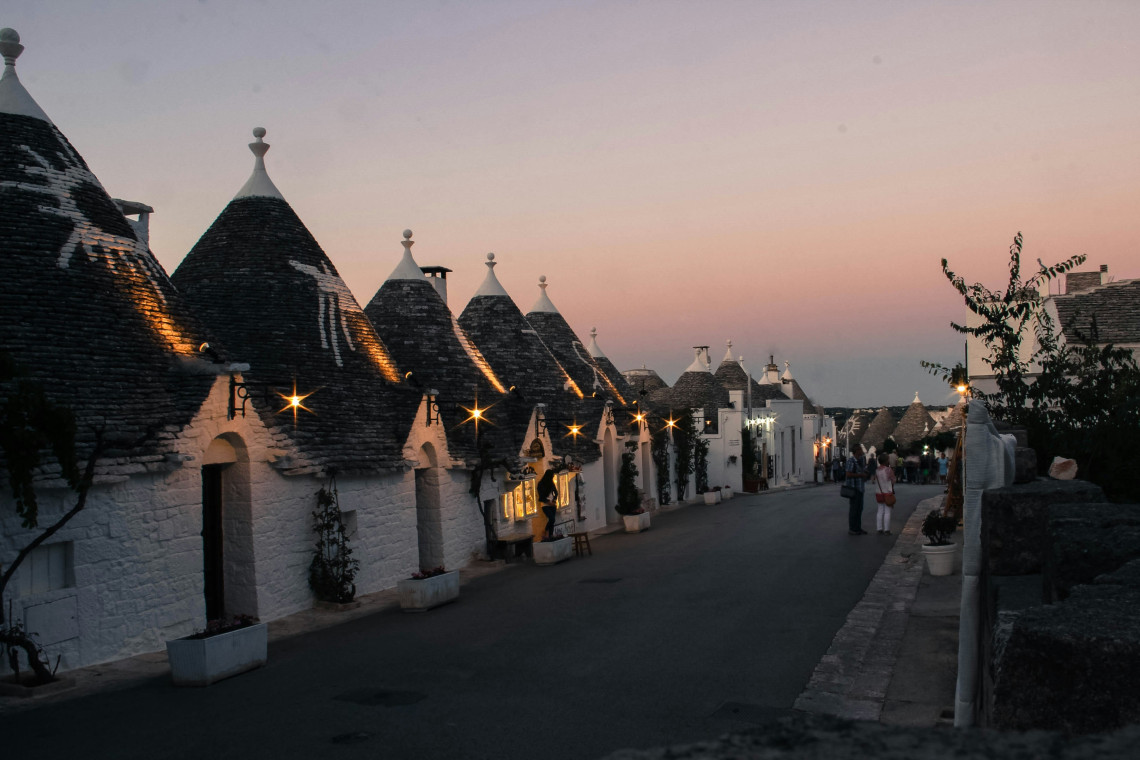
The trulli town. Roughly 1,500 whitewashed conical dry-stone houses in one place. UNESCO since 1996. Nothing like it anywhere else in Europe.
Minimum stay: 1 night, or a long day trip.
What to see:
- Rione Monti: The larger trulli quarter (about 1,000 buildings), most now shops and restaurants.
- Rione Aia Piccola: The quieter residential quarter (about 400 trulli, still lived in).
- Trullo Sovrano: The only two-story trullo. €2 to enter.
- Church of Sant'Antonio: A trullo-shaped church.
- Trullo Siamese: Twin-connected trulli with a legend behind them.
Where to stay: In a restored trullo. Trulli Holiday Alberobello, Le Alcove, Charming Trulli, Tipico Resort.
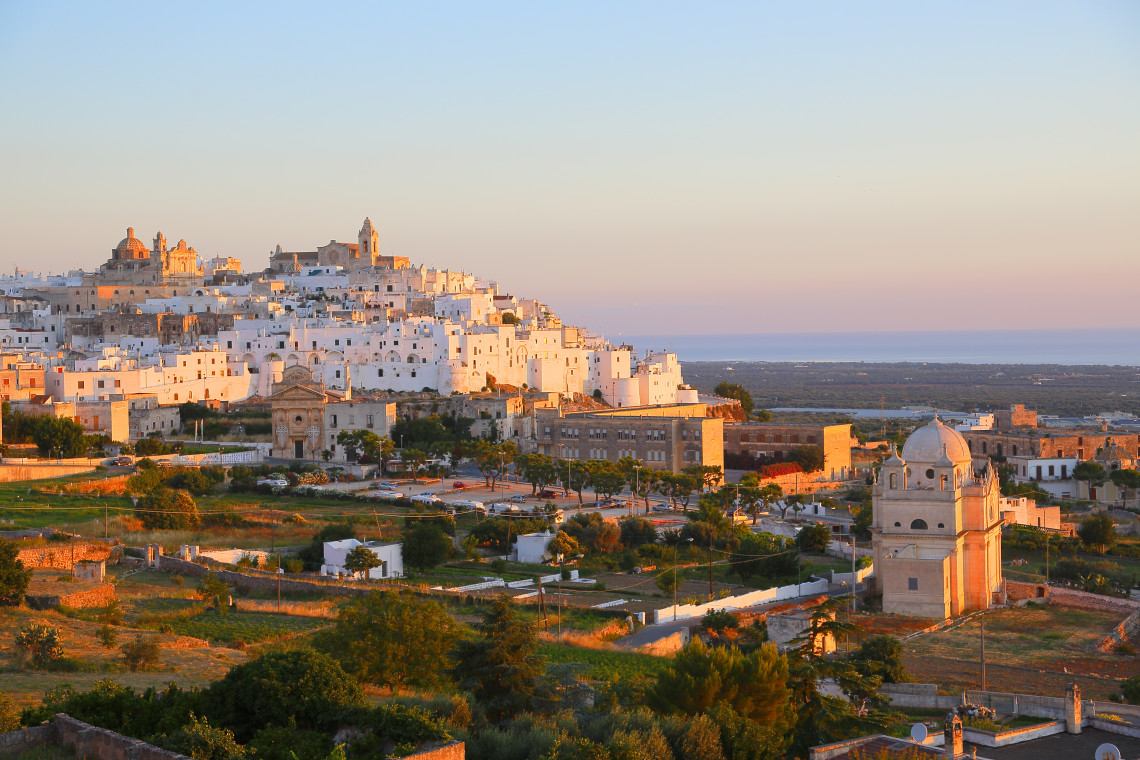
Ostuni (the White City)
Perched on a hilltop, entirely whitewashed. Visible from 20 km away. Best base for exploring central Puglia.
Minimum stay: 2 to 3 nights.
What to see: The historic center's whitewashed alleys, Cathedral of Ostuni (Gothic-Romanesque), Piazza della Libertà, the ramparts walk, olive tree groves at Masseria Il Frantoio (thousand-year-old olives), Fasano Zoo Safari (if traveling with kids).
Where to stay: In a masseria (fortified farmhouse converted to luxury hotel). Masseria Torre Coccaro, Borgo Egnazia, Masseria Il Frantoio, Ostuni Palace Hotel.
Polignano a Mare
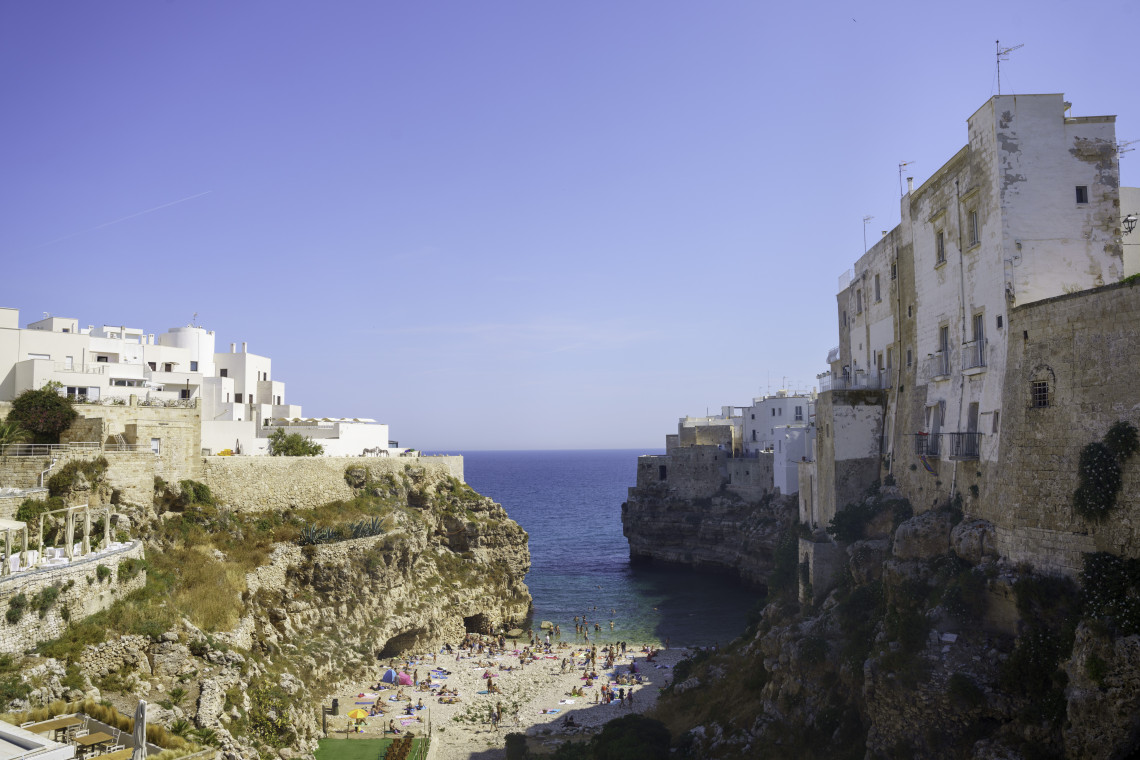
Cliffside village above turquoise sea caves. Old town perches on a limestone cliff. The postcard shot of Puglia. Home town of Domenico Modugno (composer of Volare).
Minimum stay: 1 night, or day trip from Ostuni or Monopoli.
What to see: Lama Monachile (the cove beach below the town), Grotta Palazzese (a sea cave restaurant, dinner in the cave), the cliff-top walking path, Piazza dell'Orologio, boat tours around the sea caves.
Where to stay: Hotel Covo dei Saraceni, Palazzo Rocco, Al Palazzo Boutique Hotel.
Monopoli
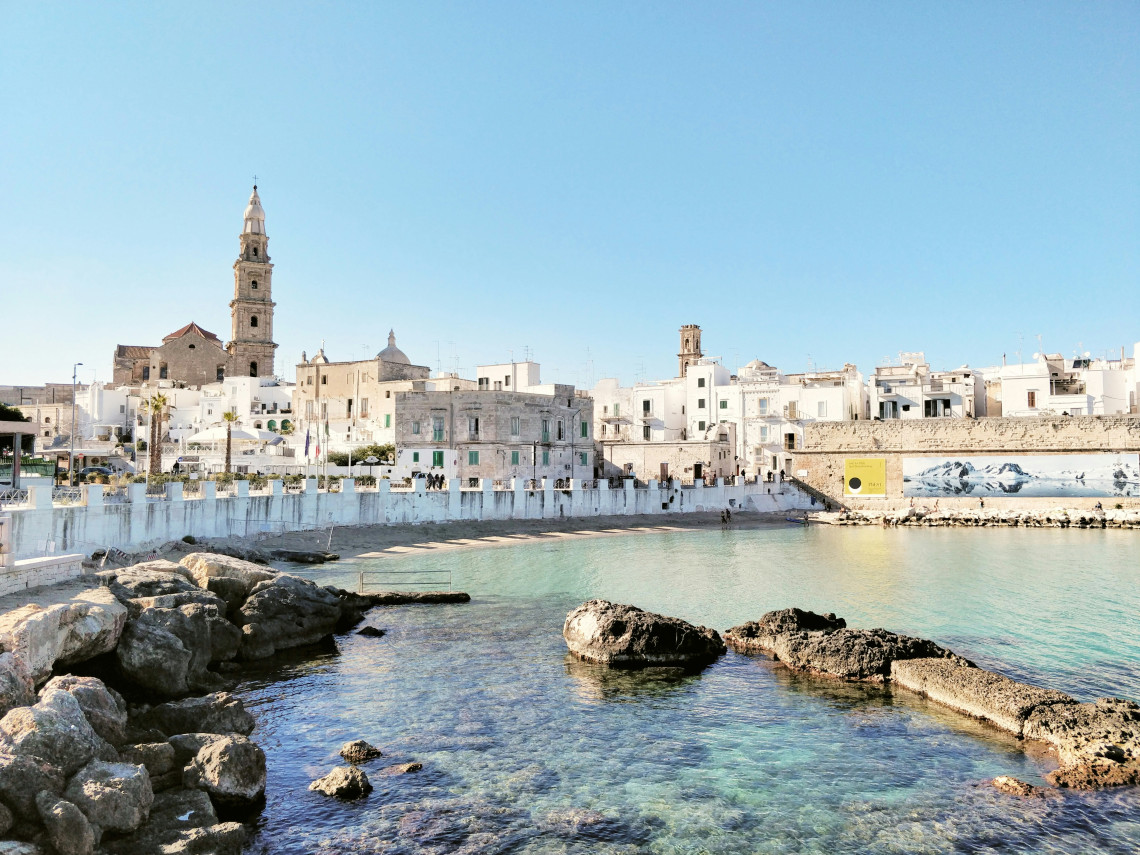
Working port with a Baroque old town. More local than Polignano, quieter, better restaurants for the money. Just 8 km south of Polignano.
Minimum stay: 1 to 2 nights (or a day-hop from Polignano/Ostuni).
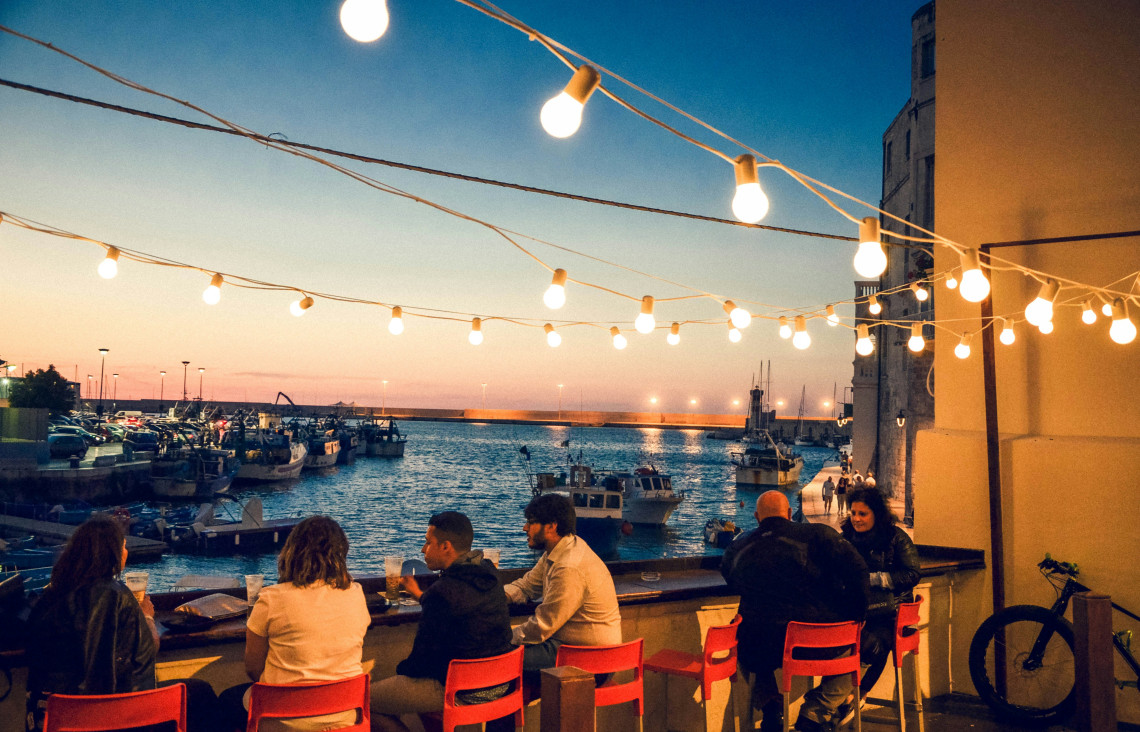
What to see: Historic center, Cathedral of Monopoli, Porto Vecchio (old fishing port), Castello Carlo V, the harbor at sunset, Cala Porta Vecchia (the small beach beneath the old town).
Where to stay: Don Ferrante Dimore di Charme, Palazzo Palmieri, Miramare Suite.
Locorotondo
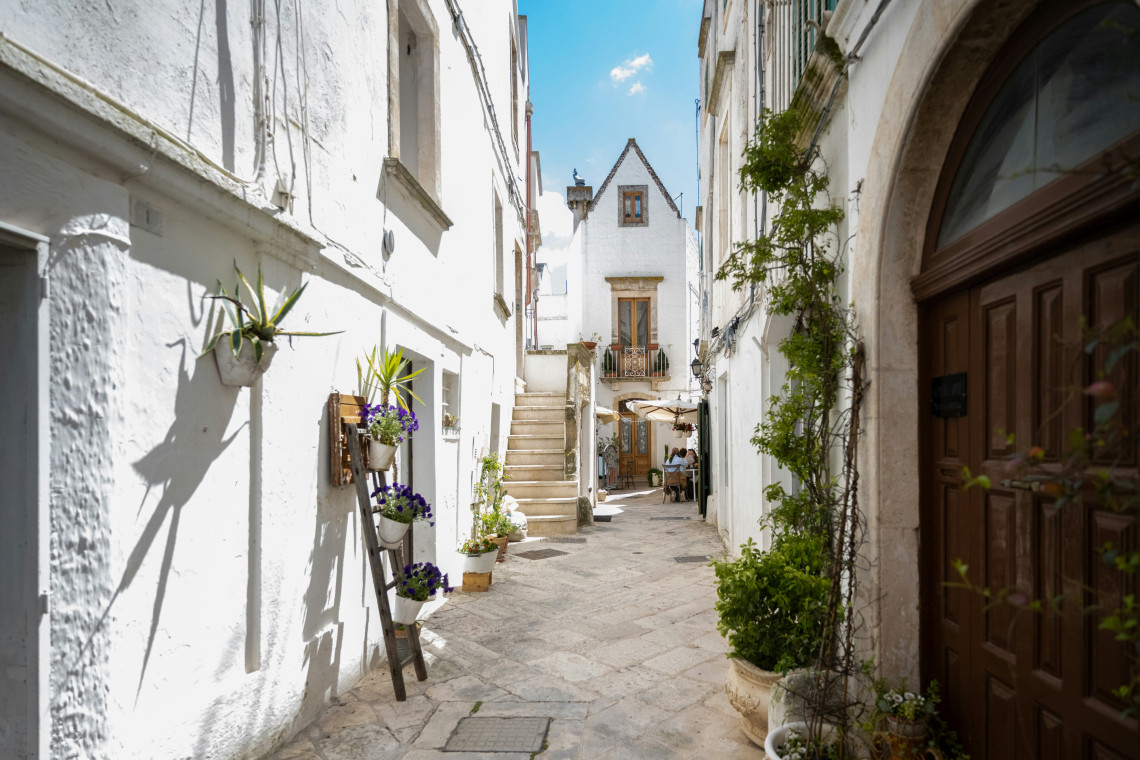
The most beautiful town in Italy, by some polls. Circular whitewashed hilltop town with cummerse (pitched-roof houses unique to Locorotondo).
Minimum stay: Day trip or 1 night.
What to see: The circular old town, Church of San Giorgio, the Villa Comunale panoramic terrace over the Itria Valley (see trulli in the countryside below), sunset from the town walls.
Where to stay: Sotto le Cummerse, agriturismos in the countryside.
Lecce (the Florence of the South)
Puglia's cultural capital and Baroque masterpiece. Local honey-yellow limestone (pietra leccese) allowed sculptors to carve elaborate façades in the 17th century. Home of the pasticciotto (pastry filled with custard).
Minimum stay: 2 nights.
What to see: Piazza del Duomo (one of Italy's most beautiful squares), Basilica di Santa Croce (peak Lecce Baroque façade), Roman Amphitheatre in Piazza Sant'Oronzo, the Column of Sant'Oronzo, papier-mâché workshops (cartapesta, Lecce specialty), Castello di Carlo V.
Where to stay: Palazzo Bernardini, La Fiermontina Urban Resort, Suite 68.
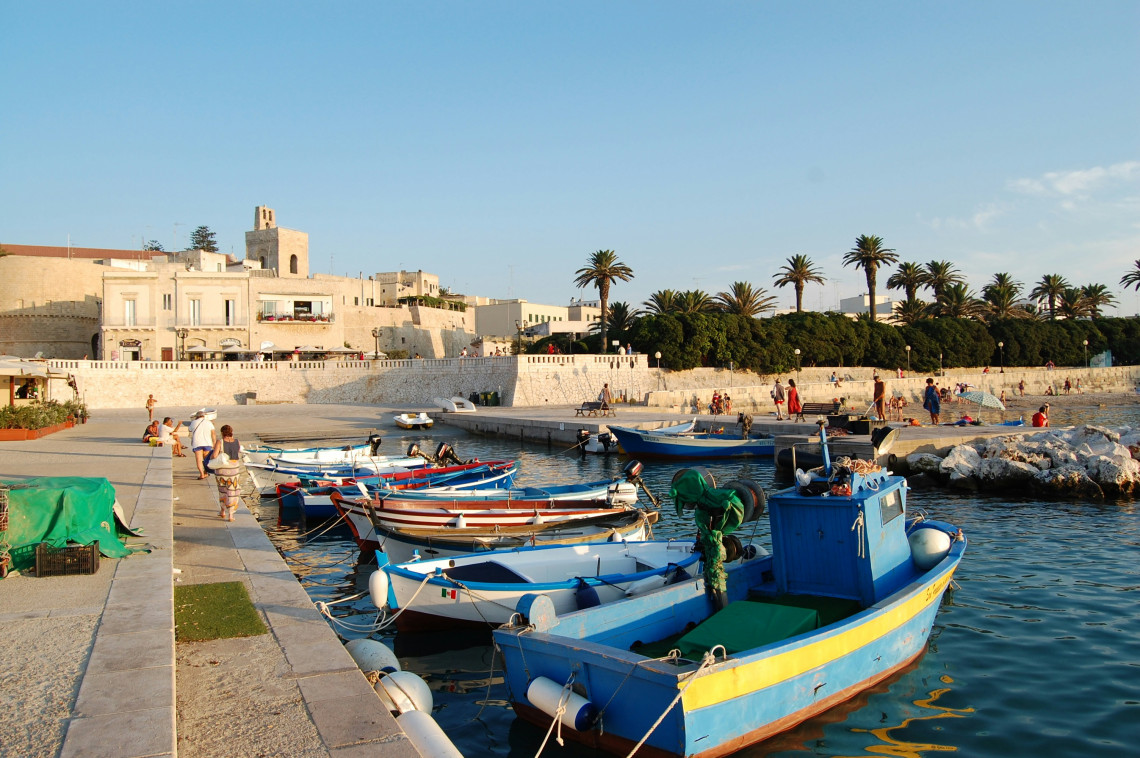
Otranto
The easternmost town in Italy. Byzantine mosaic floor in the Cathedral (12th century), Aragonese castle, and Turkish siege history (813 martyrs killed here in 1480). Nearby beaches at Baia dei Turchi and Alimini.
Minimum stay: 1 to 2 nights.
What to see: Cathedral of Otranto with the mosaic floor and the martyrs' chapel, Castello Aragonese, the old town on the sea, Punta Palascìa (Italy's easternmost point, lighthouse).
Where to stay: Palazzo de Mori , Palazzo Papaleo , Masseria Muntibianchi.
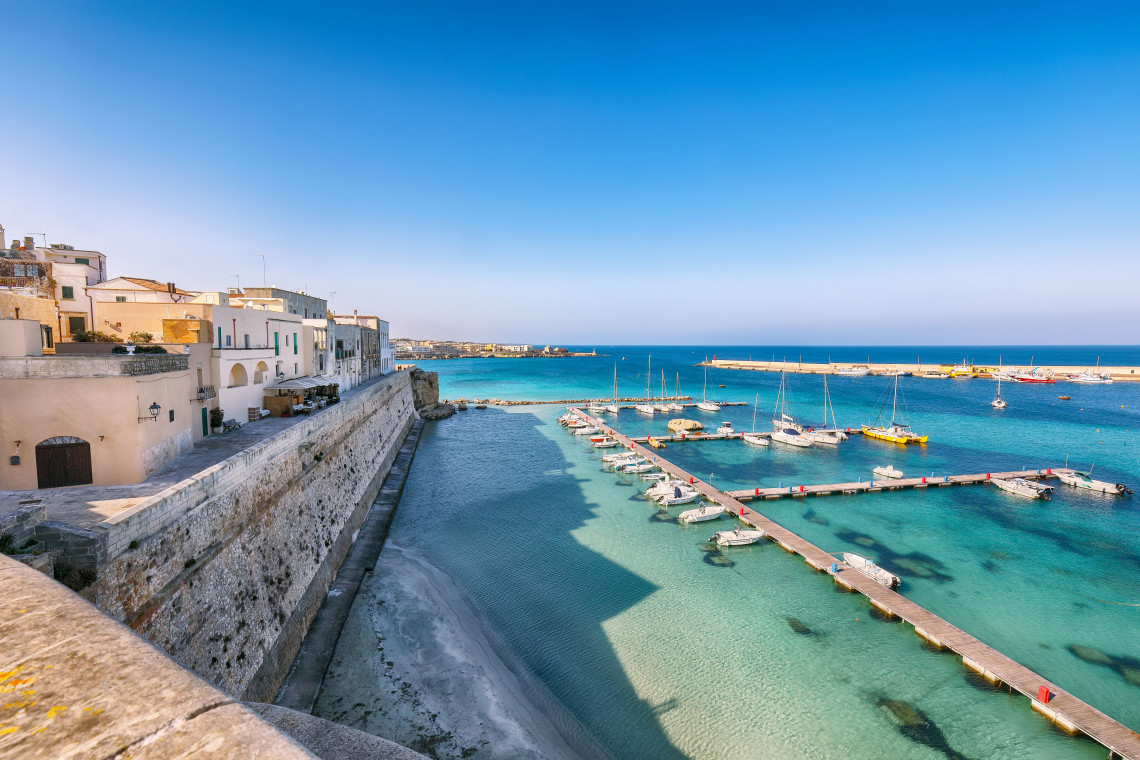
Gallipoli
The Salento beach city. Old town on an island connected by bridge, beaches on either side, seafood-forward restaurants, lively nightlife.
Minimum stay: 1 to 2 nights.
What to see: The old town on the island, Cathedral of Sant'Agata, Castello Angioino, Baia Verde and the Salento beaches (some of Italy's best), evening passeggiata.
Where to stay: Palazzo del Corso, Relais Corte Palmieri.
Optional stops
Trani (northern Puglia): Romanesque cathedral rising directly from the sea. See our Hidden Italy guide.
Matera (Basilicata, not Puglia but 1h from Bari): UNESCO cave city. Sextantio Le Grotte cave hotels. See our Hidden Italy guide.
Gargano peninsula (northern Puglia): The "spur" of Italy. Vieste clifftop old town, Peschici fishing village, Umbra forest.
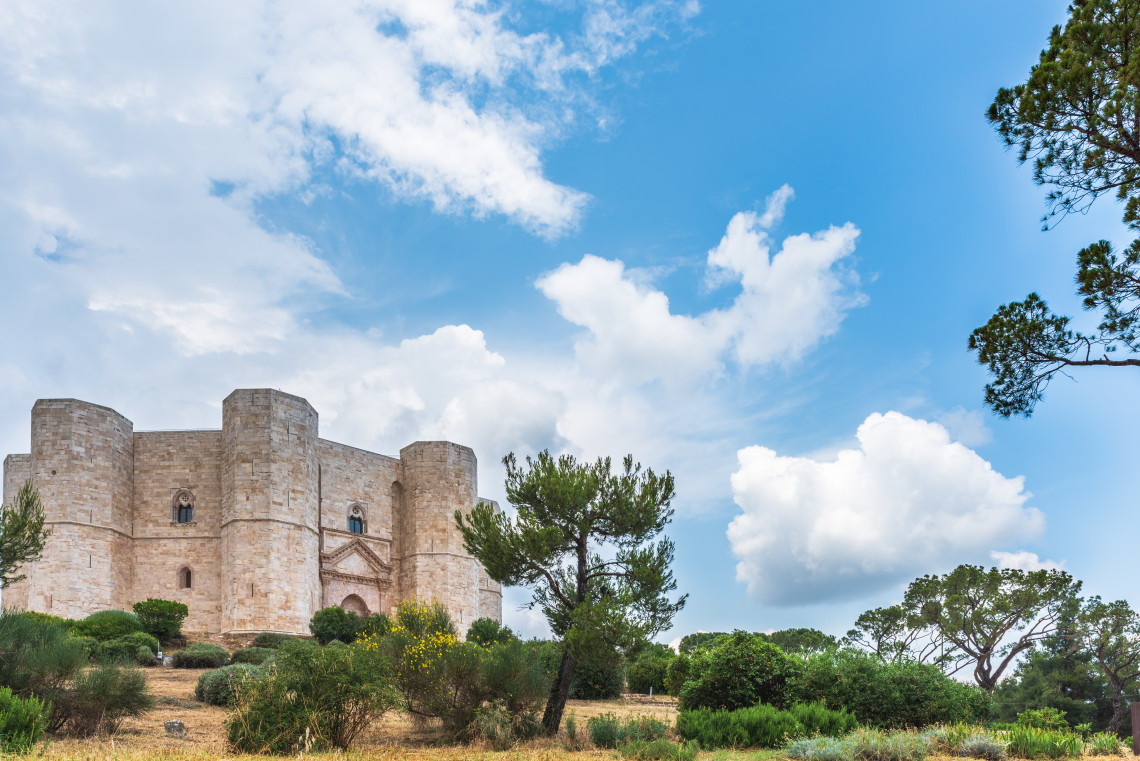
Castel del Monte: UNESCO octagonal 13th-century castle, 40 min inland from Bari.
Grotte di Castellana: Cave system with 1h and 2h guided tours (€18-€25).
The classic Puglia route (10 days)
Day 1: Fly Bari. Pick up rental car. Drive to Polignano a Mare (30 min). Explore the town, sunset from Lama Monachile.
Day 2: Monopoli morning. Drive to Ostuni (45 min). Check into your masseria. Slow afternoon by the pool.
Days 3-4: Base in Ostuni/masseria. Day trips to Alberobello, Locorotondo, Cisternino. One dinner in a trullo restaurant. One masseria cooking class or olive oil tasting.
Day 5: Drive to Lecce (1h 30min). Explore the Baroque center. Cartapesta workshop visit. Dinner in the historic center.
Day 6: Lecce day. Papier-mâché workshop, coffee at Caffè Alvino (invented the caffè leccese with almond milk and espresso), evening passeggiata.
Day 7: Drive to Otranto (45 min). Cathedral mosaic, castle. Continue to Santa Maria di Leuca (Italy's southernmost tip, 1h). Overnight Otranto or Gallipoli.
Day 8: Salento beach day. Baia dei Turchi, Torre dell'Orso, Punta Prosciutto (some of Italy's cleanest turquoise waters).
Day 9: Drive back north via Gallipoli. Overnight Gallipoli or Bari.
Day 10: Fly out Bari or Brindisi.
Shorter option (7 days): Skip Lecce and Salento, focus on Alberobello, Ostuni, Polignano, Matera.
Longer option (14 days): Add Gargano peninsula in the north (Vieste, Peschici, Umbra forest) or extend Salento.
Puglia food is legendary
Puglia's cuisine is la cucina povera ("poor food") elevated: bread, olive oil, wheat, legumes, seafood, vegetables. Italy's poorest region historically, now its most food-obsessed.
Signature dishes:
- Orecchiette con cime di rapa: "Little ears" pasta with turnip greens, anchovies, garlic, and chili. Puglia's iconic pasta.
- Focaccia barese: Puglian focaccia with cherry tomatoes and olives on top.
- Panzerotti: Deep-fried folded dough filled with mozzarella and tomato. Bari street food.
- Burrata: Pouch of mozzarella filled with cream and stracciatella. Invented in Andria (Puglia).
- Rustico leccese: Puff pastry filled with mozzarella, tomato, and béchamel. Lecce specialty.
- Pasticciotto: Custard-filled pastry. Lecce breakfast staple.
- Caffè leccese: Espresso with almond milk over ice. Salento invention.
- Bombette: Grilled pork rolls stuffed with cheese. Cisternino specialty. Order in a butcher's shop; they cook them on the spot.
- Cavatelli: Small elongated pasta shape from Puglia.
- Fave e cicoria: Fava bean purée with wild chicory. La cucina povera classic.
- Tiella barese: Rice, potatoes, and mussels baked together.
Signature wines:
- Primitivo di Manduria DOCG: Big red, same grape as California Zinfandel (genetically identical).
- Negroamaro: Southern Salento red, spicy and dark.
- Salice Salentino: Red DOC from central Salento.
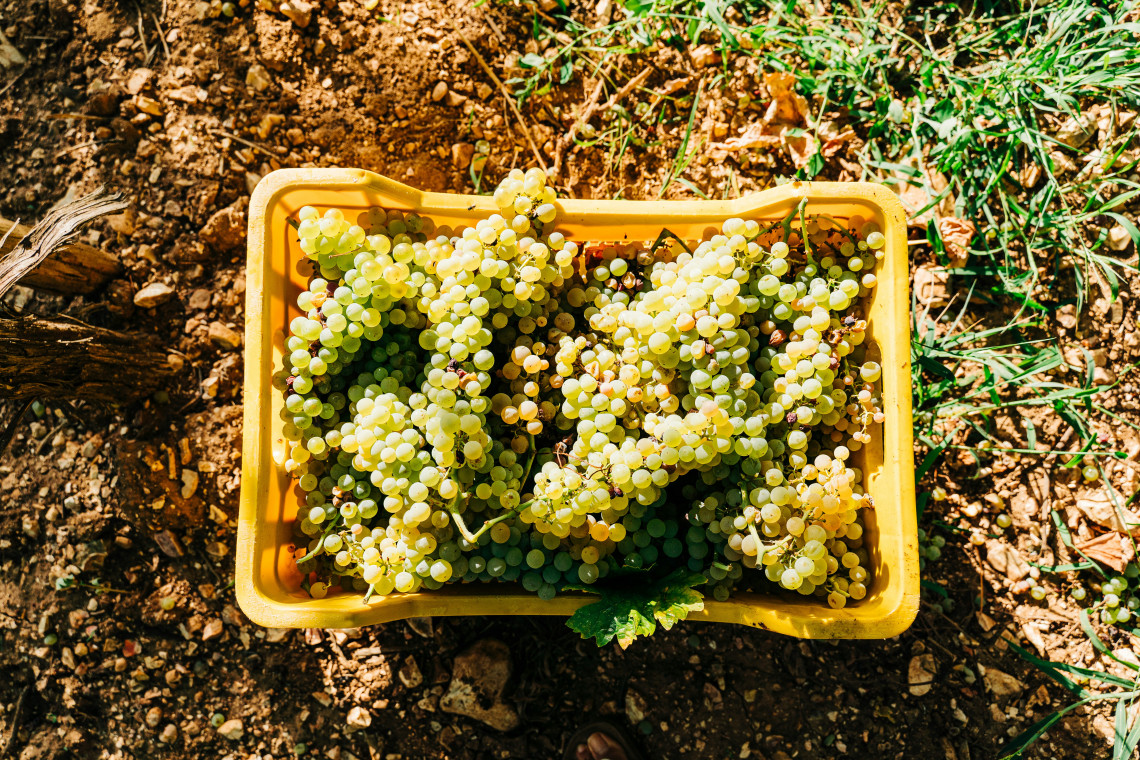
- Locorotondo DOC: Crisp white from Locorotondo, perfect summer wine.
Where to eat (highlights):
- Alberobello: Il Poeta Contadino (Michelin), La Cantina.
- Ostuni: Osteria del Tempo Perso, Cielo (masseria dining).
- Polignano: Grotta Palazzese (sea cave dining), Osteria di Chichibio.
- Cisternino butcher shops: Order bombette at Zio Pietro or Antichi Sapori, they cook while you wait.
- Lecce: Alle Due Corti, Trattoria Le Zie, Pasticceria Natale (best pasticciotto).
- Otranto: Peccato di Vino, La Bella Idrusa.
- Gallipoli: La Puritate (seafood on the harbor).
How to get to Puglia
By plane:
- Bari (BRI): Larger airport, more European connections. Best for Itria Valley base.
- Brindisi (BDS): Smaller, closer to Lecce and Salento.
- From U.S.: Connect through Rome, Milan, London, Frankfurt, or Munich.
By train:
- From Rome: Frecciarossa or Italo to Bari (4h) or Lecce (5h 30min).
- From Naples: Frecciarossa to Bari (3h 30min).
- From Venice: Frecciarossa to Bari (7h).
By car from other Italian regions:
- Rome to Bari: 4h 30min via A1 and A16.
- Naples to Bari: 3h via A16.
Getting around Puglia
Rent a car. The single biggest logistical decision. Public transport is limited. Trains run Bari-Lecce fast but not to smaller towns. A car unlocks Alberobello, the masseria countryside, and Salento beaches.
Rental basics:
- Book automatic 4-8 weeks ahead. Rarer in Italy, pricier.
- Automatic surcharge: 30-50% over manual.
- Insurance: Take super collision waiver.
- Fuel: €1.75-€1.90 per liter.
ZTL zones. Bari, Lecce, Ostuni, Monopoli, Alberobello, Polignano all have ZTLs. Do not drive into historic centers. Park in official lots outside.
Distances (drive times):
- Bari to Alberobello: 55 min
- Bari to Ostuni: 1h
- Bari to Lecce: 2h
- Ostuni to Lecce: 1h 30min
- Ostuni to Alberobello: 30 min
- Ostuni to Matera: 1h 30min
- Lecce to Otranto: 45 min
- Lecce to Gallipoli: 45 min
When is the best time to visit Puglia?
Spring (April to early June): Best. Wildflowers, olive groves greening, mild temperatures (18-26°C), no crowds. Beaches not yet swimmable in April; June is warm enough.
Early summer (June): Sea warming, tourists arriving but manageable.
High summer (July-August): Italian domestic tourism peaks. Beaches packed. Restaurants full. Hotel prices doubled. 35°C+ inland. Coastal masserie book 6+ months ahead.
Fall (September to early October): Second sweet spot. Sea still warm, olive harvest starting, thinning crowds.
Late October to March: Off-season. Many masserie close November to March. Salento coastal towns semi-abandoned. But olive harvest (October-November) is a great niche time to visit inland.
Salento beaches (the swimming reason to visit)
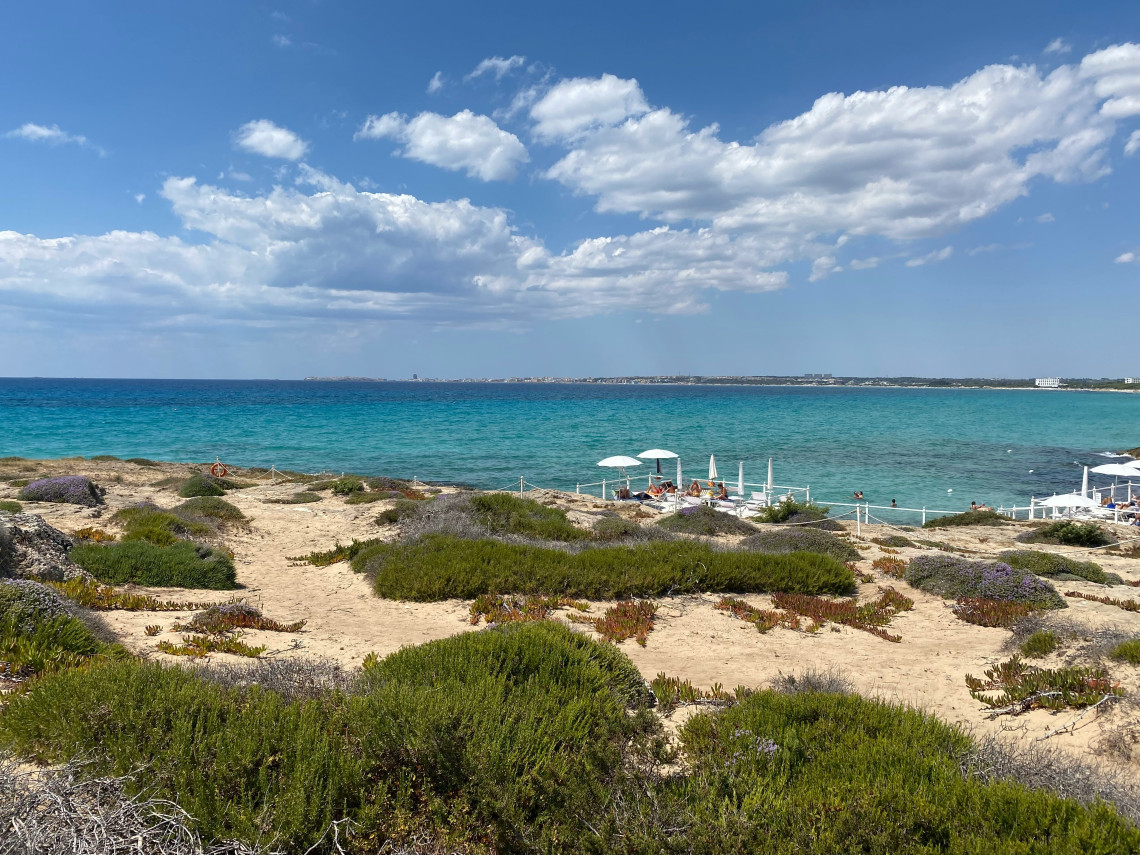
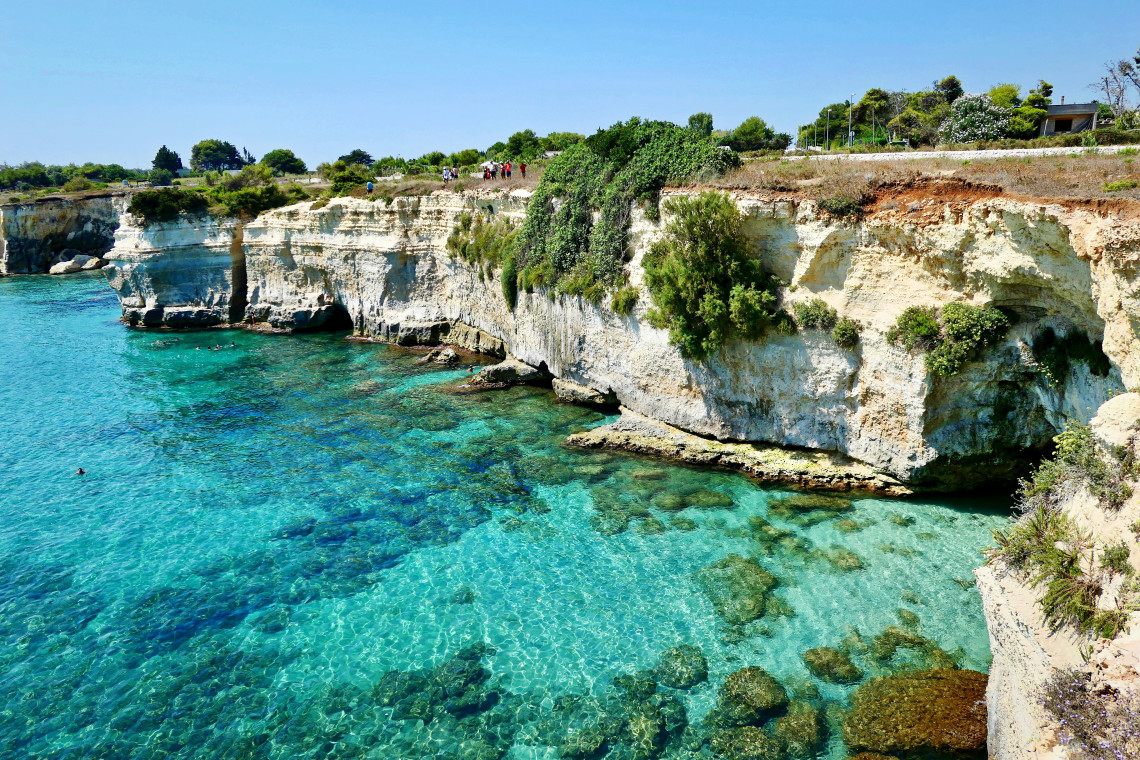
Salento has arguably Italy's best swimming. Water clarity rivals Greek islands, prices are half.
Adriatic side (east coast, rockier, more scenic):
- Baia dei Turchi (near Otranto): Legendary. Pine forest backing to a small beach.
- Torre dell'Orso: Two limestone stacks called "the Two Sisters."
- Grotta della Poesia (Roca Vecchia): Natural swimming hole in a limestone sinkhole.
- Torre Sant'Andrea: Dramatic sea stacks.
Ionian side (west coast, sandier, calmer):
- Punta Prosciutto: Long white-sand beach with turquoise shallow water. "Caribbean of Italy."
- Porto Cesareo: Family-friendly.
- Marina di Pescoluse: "Maldives of Salento." Fine white sand.
- Gallipoli beaches: Baia Verde, Punta della Suina.
Beach access: Most have both free public sections and paid lidos (loungers €15-€40/day).
Practical tips
Book masserie 3-6 months ahead for May, June, September, or October. Peak summer (July-August) needs 6-12 months.
Learn a few Puglian food terms. Menus often use local dialect: cavatelli, orecchiette, panzerotti, focaccia, bombette. Salento adds Griko (Greek dialect) words in menus in southern areas.
Cash. More important in Puglia than in Rome or Milan. Many small trattorias and rural masserie prefer cash.
Sunday closures. Many restaurants close Sunday evening and Monday. Book Sunday lunches ahead.
Sun protection. Puglian summer sun is intense. SPF 50, hat, water.
Beach shoes. Many Puglian beaches are rocky or have sea urchins near cliffs. Reef shoes help.
Time zones and pace. Puglia runs slower than Rome or Milan. Restaurants don't open for dinner until 8pm; small shops nap 1-4pm.
Language. Italian. English less common than in Rome/Florence/Venice. Basic Italian phrases go a long way.
Common mistakes
Trying to see all of Puglia in 4 days. The region is 400 km long. Base in the Itria Valley OR Salento, not both, if short on time.
Booking a car and then driving into historic centers. ZTL cameras will fine you €90-€200 six months later.
Skipping the masseria experience. The signature Puglian stay. Even one night is a highlight of any Italy trip.
Doing Alberobello as a rushed morning stop. It deserves a proper afternoon or overnight. The buses leave at 5pm and the trulli lit at dusk are the real experience.
Booking July or August without prior planning. Peak Italian domestic tourism. Book everything 6-12 months ahead.
Skipping Cisternino butcher-shop bombette dinner. Peak Puglian food experience. Order in a butcher shop, they grill on the spot.
Bottom line
Puglia is Italy's fastest-rising region and one of Europe's best-value coastal destinations. Base in a masseria in the Itria Valley for 3-4 nights, drive to Lecce for 2-3 nights, hit a Salento beach or two, and add Matera as a bonus. Skip July and August unless you have booked 6+ months ahead. Go in May, June, September, or October and you get 90% of the experience for half the price.
Frequently asked questions
How many days do you need in Puglia? Seven to ten days minimum. Fourteen is not overkill for a region that stretches 400 km.
Is Puglia worth visiting? Yes. Italy's fastest-rising region. Trulli of Alberobello (UNESCO), whitewashed hill towns (Ostuni, Locorotondo), Baroque Lecce, and Salento beaches that rival Greece.
When is the best time to visit Puglia? May, June, September, and early October. Avoid July and August (peak crowds, extreme heat, packed beaches).
Where should I stay in Puglia? The Itria Valley (Ostuni, Alberobello, Cisternino) in a masseria, plus Lecce or Otranto for Salento. Two bases, 2-4 nights each.
What is a masseria? A fortified Puglian farmhouse converted to a hotel, agriturismo, or restaurant. The signature Puglia stay. €150-€2,000+/night depending on tier.
What is a trullo? A conical whitewashed dry-stone house unique to Puglia. Alberobello has the largest concentration (1,500+). UNESCO since 1996.
Do I need to rent a car in Puglia? Yes. Public transport is limited. A rental car unlocks Alberobello, the masseria countryside, Salento beaches, and small towns.
How do I get to Puglia? Fly Bari (BRI) or Brindisi (BDS). From U.S., connect via Rome, Milan, London, or Munich. Frecciarossa from Rome to Bari (4h).
Is Puglia expensive? Cheaper than the Amalfi Coast, Cinque Terre, or Tuscany. Masseria stays range from €150 (agriturismo) to €2,000+ (luxury). Meals often half the cost of northern Italy.
What food is Puglia famous for? Orecchiette pasta, burrata, focaccia barese, panzerotti, bombette (grilled pork rolls), pasticciotto pastries, primitivo wine, olive oil (Italy's largest producer).
Are Salento beaches worth the drive? Yes. Punta Prosciutto, Baia dei Turchi, Torre dell'Orso, and Pescoluse are among Italy's best beaches with turquoise clarity.
What is Ostuni known for? "The White City." Entirely whitewashed hilltop town. Best base for exploring central Puglia and the trulli region.
Can I combine Puglia with Matera? Yes. Matera (Basilicata, UNESCO cave city) is 1h from Bari and 1h 30min from Ostuni. Common 2-3 night add-on.
Should I visit Bari city itself? Briefly. Bari Vecchia (old town) is atmospheric with the Basilica of San Nicola. One afternoon or a lunch stop is plenty for most travelers.
Are there direct flights from the U.S. to Puglia? Rarely. Most travelers connect through Rome, Milan, London, Frankfurt, or Munich. Bari has some seasonal transatlantic connections.
What is the difference between Puglia and Basilicata? Puglia is the heel of Italy; Basilicata is the arch, immediately west. Different regions. Matera (Basilicata) is often combined with Puglia trips.
When is Puglia's olive harvest? October to November. Puglia produces 40% of Italy's olive oil. Some masserie offer harvest-season experiences.
Puglia, from masseria to Salento beach.
Our Italy travel experts book masserie, rental car, cooking classes, and pair with Matera or the Amalfi Coast at either end.
See Italy Packages Tailor-Made Trip
.jpg)