August 3, 2026 • 14 min read
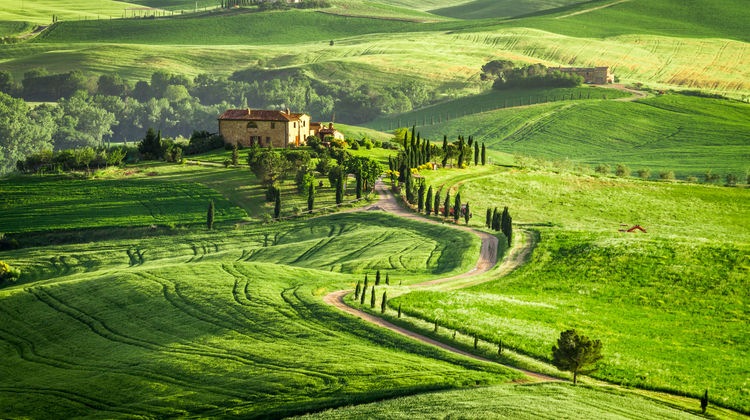
Tuscany is the Italian region most travelers know before they arrive: rolling cypress-lined hills, medieval hilltop towns, Renaissance Florence, Chianti vineyards, and the golden light of Val d'Orcia at sunset. A Tuscany road trip is one of Europe's great driving experiences and, if timed right, one of its most rewarding weeks.
Here is the honest guide to route, when to go, where to stay, ZTL zones, and the wine country most Americans miss.
The short answer
Tuscany covers 23,000 km² (8,900 sq mi) of central Italy, roughly the size of Vermont. The classic road trip loop is Florence, Siena, Chianti, San Gimignano, Val d'Orcia, and Montepulciano, ending back in Florence or continuing to Rome. Distances between towns are short (rarely more than 90 min drive), but Tuscany rewards slowness.
Plan for:
- 7 to 10 days minimum. 5 days rushes; 14 days is not overkill.
- Fly into Florence (FLR) or Pisa (PSA). Rome works if you want to end there.
- Pick up rental car OUTSIDE the city. Airport is best. Never drive into Florence historic center (ZTL).
- Base in 2 to 3 places. Not 6. Stay 2-3 nights in each base.
- Best months: May to June, September to mid-October.
The essential stops
Florence (Firenze)
The Renaissance capital. Home to the Uffizi Gallery, the Duomo, the Ponte Vecchio, and Michelangelo's David.
Minimum stay: 2 to 3 nights.
What to see:
- Uffizi Gallery (€25, booked ahead on uffizi.it): Botticelli, Leonardo, Raphael, Titian, Caravaggio.
- Accademia (€16, booked ahead): Michelangelo's David.
- Duomo di Firenze: The Brunelleschi dome. Climbing the dome costs €30 (booked well ahead). Cathedral entry free.
- Ponte Vecchio: Medieval bridge with jewelers.
- Pitti Palace and Boboli Gardens: Medici palace and formal gardens.
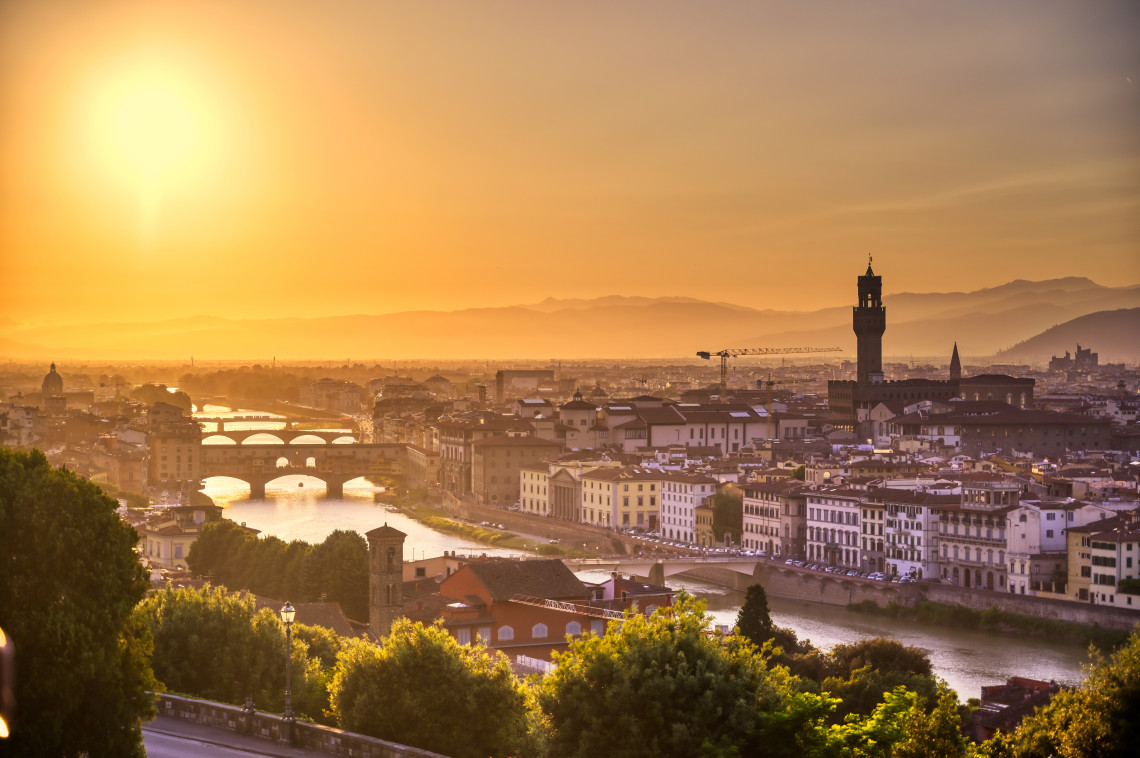
- Piazzale Michelangelo: Best sunset panorama over the city.
- Oltrarno: The artisan quarter across the river. Best food and least touristy.
Where to stay: In the historic center if you want walkability. Do not drive into Florence. ZTL zones and no parking.
Siena
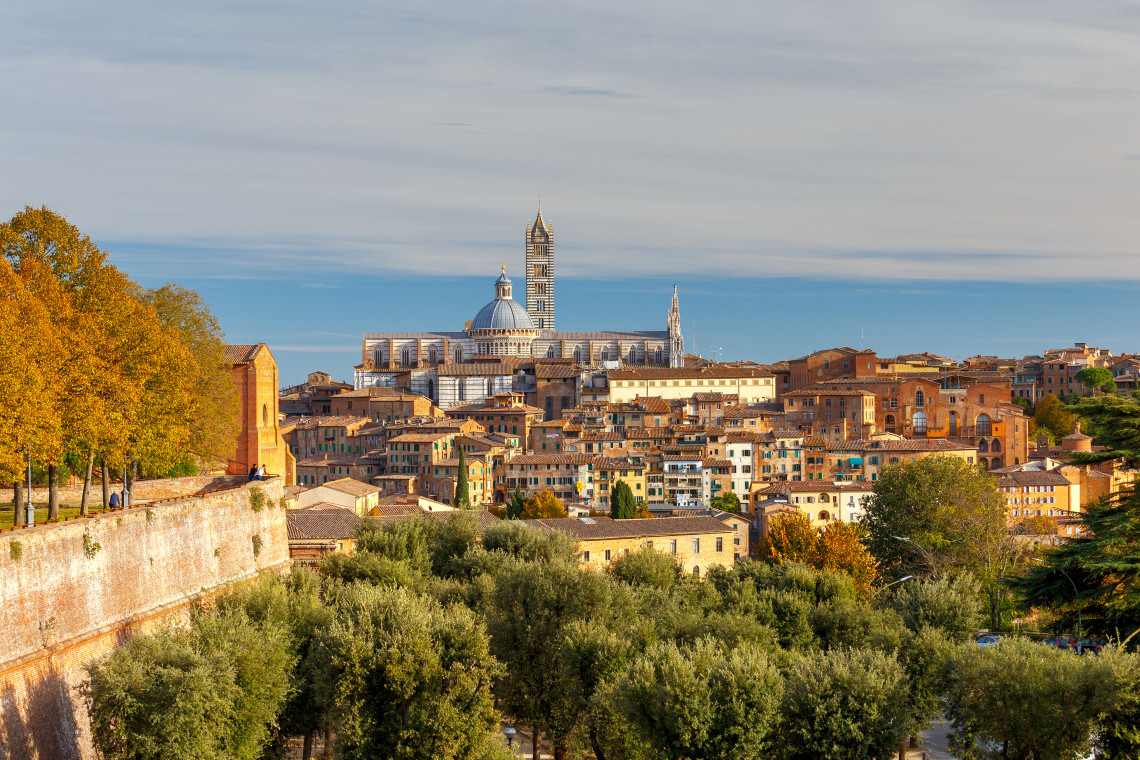
The medieval rival. A perfectly preserved medieval city that never became a Renaissance one. Il Campo, the shell-shaped main square, is one of Italy's greatest urban spaces.
Minimum stay: 1 to 2 nights (or a long day trip from Florence).
What to see:
- Piazza del Campo (Il Campo): The medieval square. Home of the Palio horse race (twice a year, July 2 and August 16).
- Torre del Mangia: The 87m bell tower on the Palazzo Pubblico. 400 steps up, best view in Tuscany (€10).
- Duomo di Siena: One of Italy's most beautiful Gothic cathedrals. Marble floor mosaics uncovered August-October only (€15 for the OPA Sì combined ticket).
- Piccolomini Library: Inside the Duomo. Renaissance frescoes by Pinturicchio.
- Museo dell'Opera del Duomo: Views over the city from the "Facciatone" (the unfinished wall).
Chianti (the wine region between Florence and Siena)
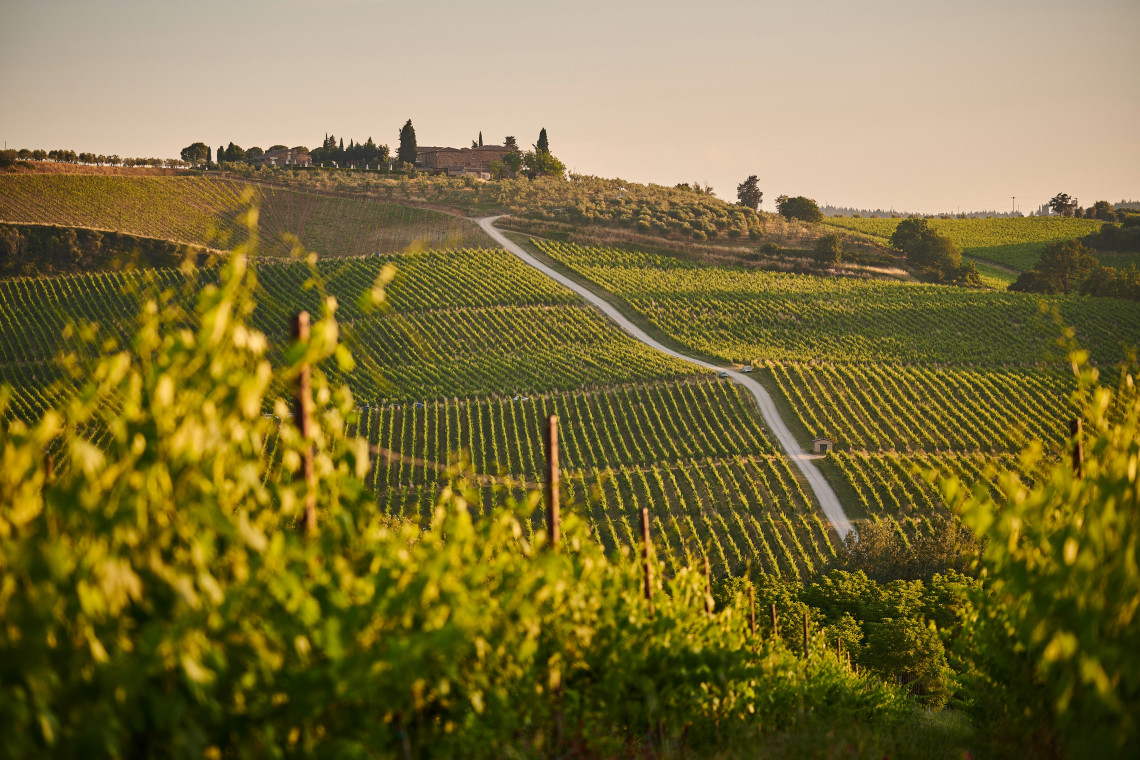
The wine road SR-222. The Strada Chiantigiana connects Florence to Siena via 60 km of Chianti Classico vineyards, cypress hills, and stone hamlets. The most iconic Tuscan drive.
Base for 2 to 3 nights in an agriturismo (working farm/wine estate with rooms).
What to see:
- Greve in Chianti: Central wine town. Enoteca Falorni (wine bar with 200+ Chianti wines available by the glass).
- Panzano: Home of Dario Cecchini, Italy's most famous butcher (Antica Macelleria Cecchini).
- Castellina in Chianti: Etruscan-era hilltop town.
- Radda in Chianti: Medieval Chianti Classico capital, quieter.
- Wine tastings: Antinori nel Chianti Classico (Bargino, €40-€100/tasting), Castello di Ama, Castello di Brolio, Ricasoli, Fattoria di Fèlsina.
San Gimignano
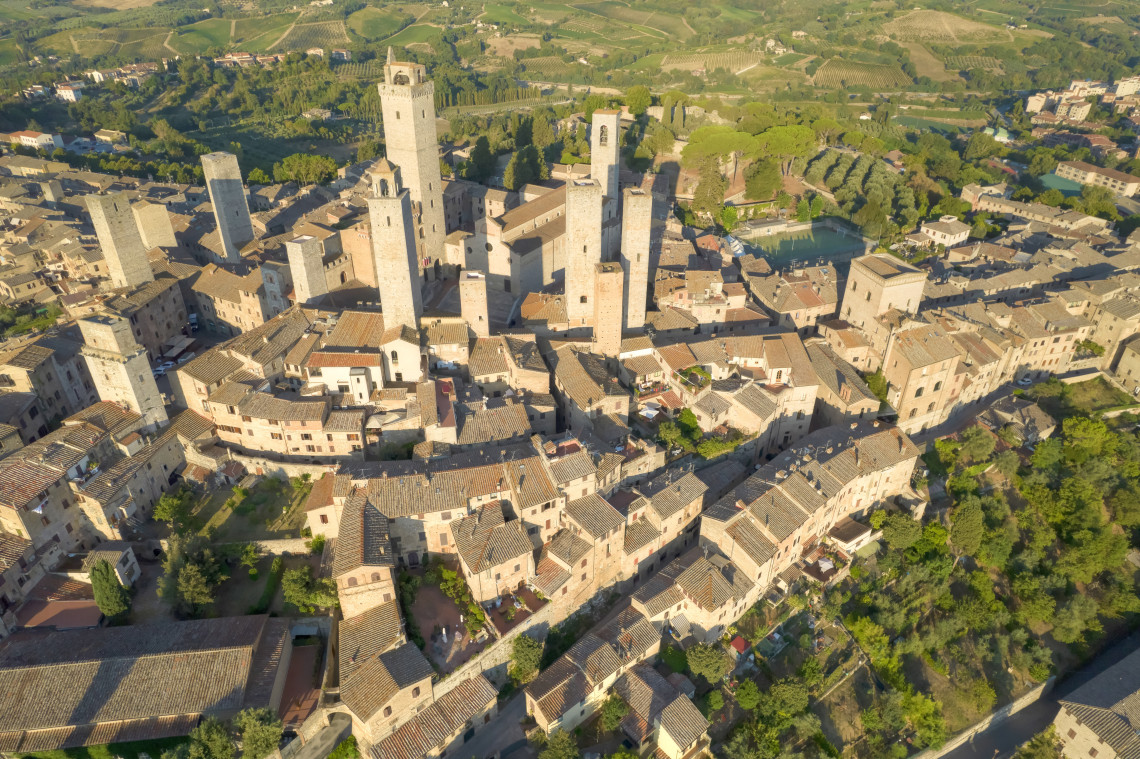
The Manhattan of the Middle Ages. 14 medieval towers rise above the town skyline (originally 72). UNESCO since 1990.
Minimum stay: 1 night, or a day trip from Chianti or Siena.
What to see:
- Piazza della Cisterna and Piazza del Duomo: The medieval main squares.
- Collegiate Church: Frescoes by Ghirlandaio and Benozzo Gozzoli.
- Torre Grossa: Climb the tallest tower (€10) for panoramic views.
- Gelateria Dondoli: Twice-crowned world gelato champion. Legitimate queue-worthy gelato.
- Vernaccia di San Gimignano wine: Tuscany's most famous white wine.
Val d'Orcia (the postcard Tuscany)
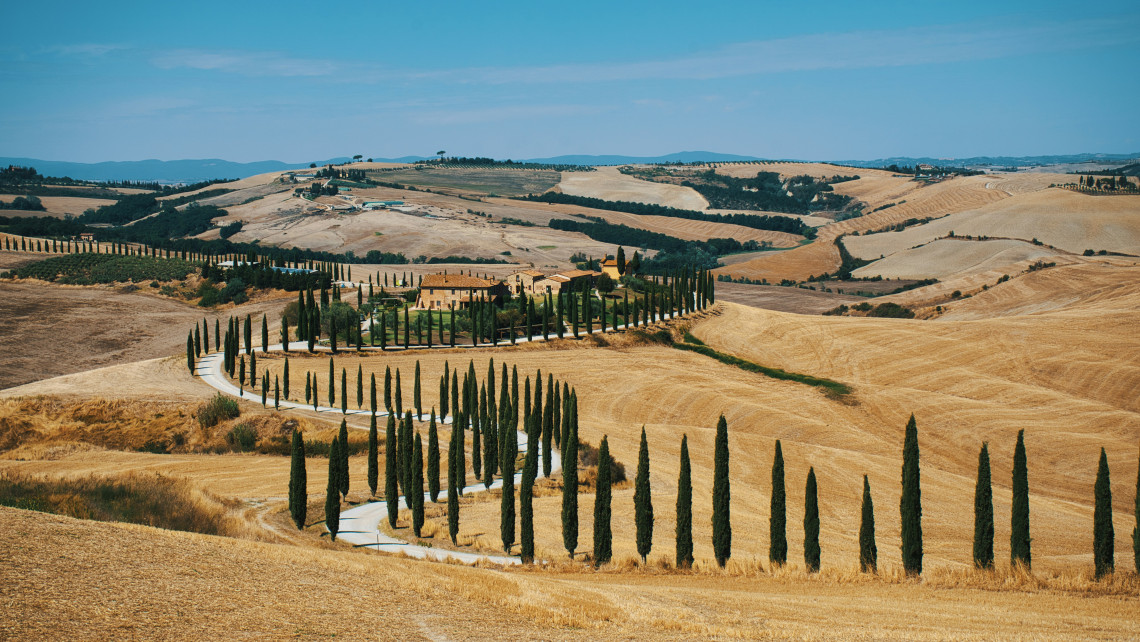
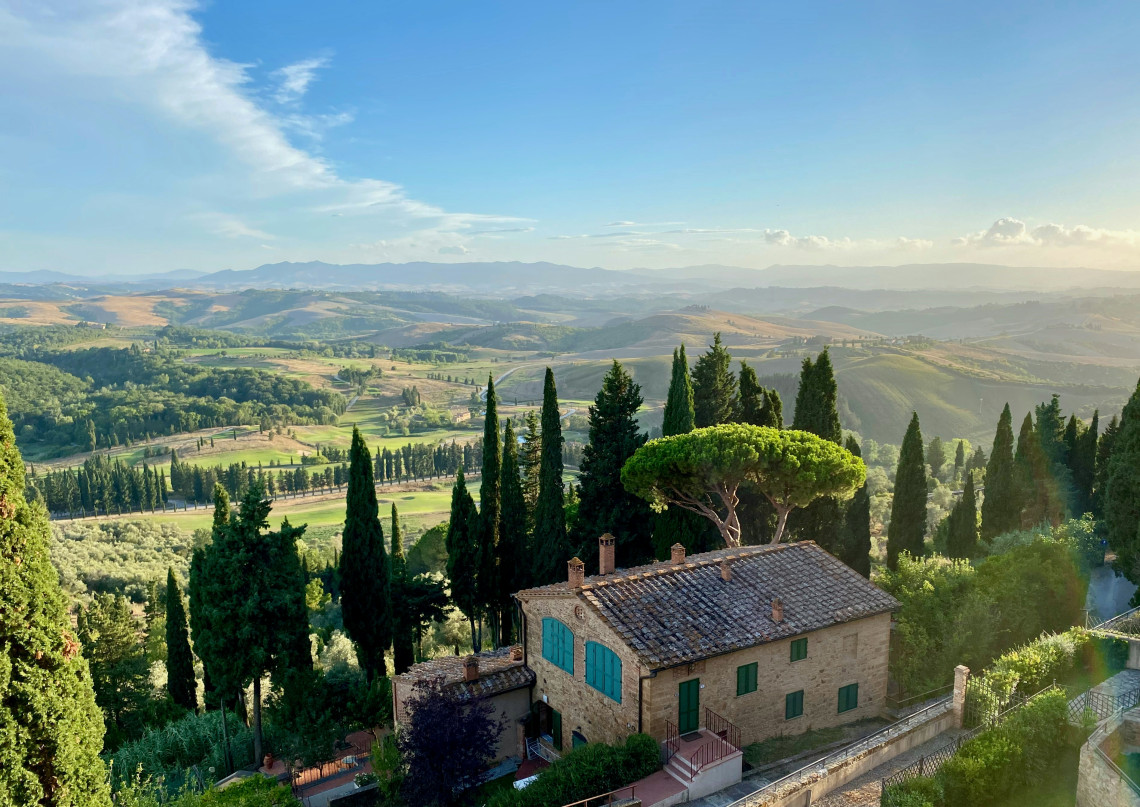
The rolling green-and-gold hills. UNESCO since 2004. The Tuscany of cypress-lined roads, isolated stone farmhouses, and golden wheat. Between Siena and Montepulciano.
Base for 2 to 3 nights in an agriturismo or spa town.
What to see:
- Pienza: Renaissance "ideal city" built by Pope Pius II. Pecorino di Pienza cheese country. UNESCO.
- Montepulciano: Hilltop wine town, home of Vino Nobile di Montepulciano.
- Montalcino: Home of Brunello di Montalcino, Italy's most prestigious red wine.
- Bagno Vignoni: Ancient Roman thermal baths village (the main "square" is a thermal pool).
- San Quirico d'Orcia: Medieval town central to the region.
- The cypress groups near Pienza: The most photographed trees in Tuscany (Cipressi di Poggio Covili, Cipressi di San Quirico).
- Abbey of Sant'Antimo: Romanesque abbey below Montalcino.
Optional: Lucca, Pisa, Cortona, Arezzo
Lucca (1-2 nights): Walled Renaissance town northwest of Florence. Complete circular walls you can bike on top of. Puccini's birthplace.
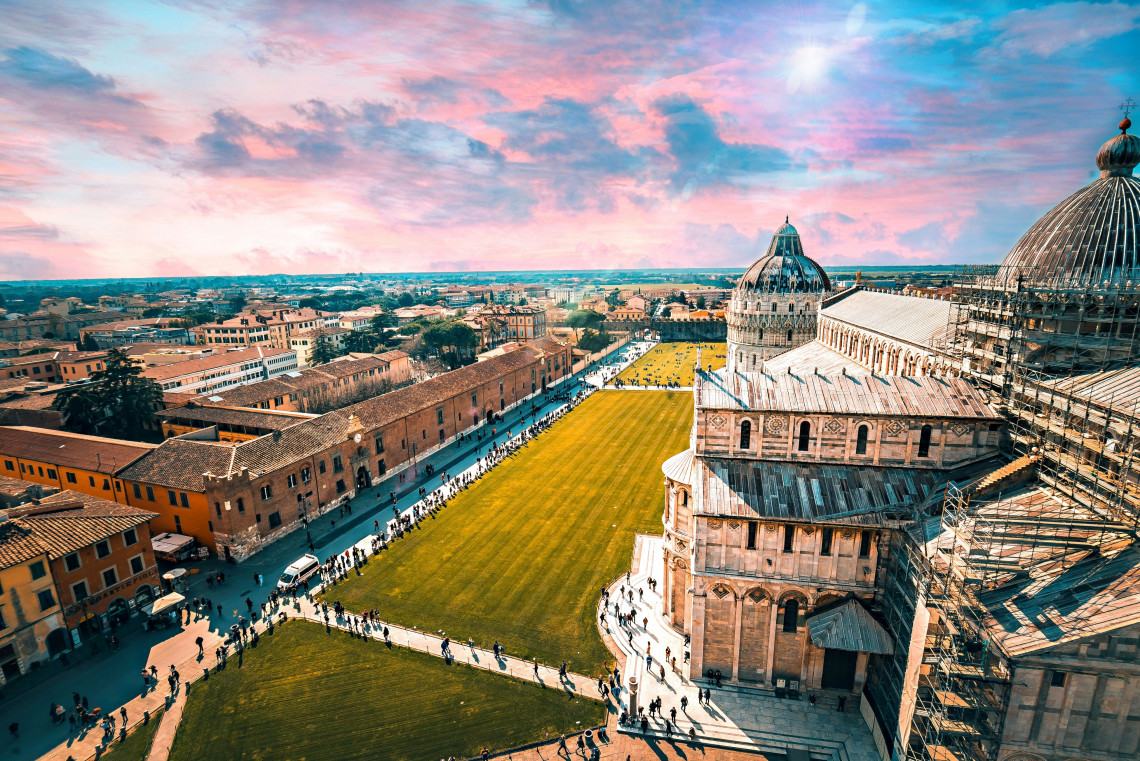
Pisa (day trip): The tower, the Duomo, the Baptistry. Half-day is plenty; a full day is too much.
Cortona (1-2 nights): The Under the Tuscan Sun town. Hilltop, Etruscan roots, sweeping views into Umbria.
Arezzo (1 night): Piero della Francesca's Legend of the True Cross frescoes. Home of the monthly antiques market.
The classic Tuscany route (10 days)
Day 1: Fly Florence or Pisa. Pick up rental car at airport. Drive to Chianti (30-60 min). Check in to an agriturismo. Slow evening.
Day 2: Chianti wine day. Panzano for lunch at Cecchini's, Greve or Castellina in Chianti for the afternoon. Wine tasting at Antinori or Castello di Ama.
Day 3: Drive to San Gimignano (1h). Half day exploring towers and Vernaccia. Continue to Siena (45 min). Overnight Siena.
Day 4: Siena morning. Il Campo, the Duomo, Torre del Mangia. Drive to Val d'Orcia (1h). Overnight in Pienza or Bagno Vignoni.
Day 5: Val d'Orcia. Pienza (Pecorino cheese), Montepulciano (Vino Nobile tasting), the cypress groves. Sunset drive.
Day 6: Montalcino. Brunello tasting at a bodega (Poggio Antico, Il Poggione, Casanova di Neri). Abbey of Sant'Antimo.
Day 7: Drive to Florence (2h). Return rental car at Florence airport or long-term parking outside city. Take train or taxi into Florence center.
Days 8-10: Florence. Uffizi, Accademia, Duomo, Oltrarno, Piazzale Michelangelo. Fly out from Florence.
Shorter option (7 days): Skip Val d'Orcia. Focus on Florence (3 nights) + Chianti (2 nights) + Siena/San Gimignano (2 nights).
Longer option (14 days): Add Lucca, Pisa, and Cortona, or add 2-3 days in Rome at the end.
How to get to Tuscany
By plane:
- Florence (FLR, Peretola): Small airport, mostly European connections. 20 min taxi to center.
- Pisa (PSA): Larger, more European budget airlines. Fast train to Florence (45-90 min).
- Rome Fiumicino (FCO): Best for U.S. long-haul, then take Frecciarossa to Florence (1h 30min).
- Bologna (BLQ): Direct connections to Florence by AVE (35 min).
By train:
- From Rome: Frecciarossa or Italo to Florence (1h 30min).
- From Milan: Frecciarossa to Florence (1h 40min).
- From Venice: Frecciarossa to Florence (2h 5min).
Rental car strategy
Pick up at the airport, not the city center. Florence has heavy ZTL restrictions and rental car offices near the historic center are chaotic. Pisa or Florence airports are cheaper and easier.
Book automatic 4-8 weeks ahead. Automatics are rarer and pricier in Italy. Manual is 30-50% cheaper.
Insurance. Take super collision waiver (SCDW). Tuscan roads are narrow, hedges scratch cars, and small collisions are common. Rental companies charge aggressively for damage.
Fuel. €1.75-€1.90 per liter (~$7 per US gallon). Diesel slightly cheaper.
Return car OUTSIDE Florence historic center. Return at airport, Firenze SMN train station (long-term lots outside ZTL), or a designated peripheral drop-off.
The ZTL warning
Every Tuscan hilltop town has a Zona a Traffico Limitato (ZTL). Automatic cameras. Fines €90-€200 per infraction. Rental companies bill you 6-12 months later plus a €40 admin fee.
Rules:
- Never drive inside city walls in Florence, Siena, San Gimignano, Cortona, Montepulciano, Pienza, or any historic center.
- Park in official paid lots outside the walls. Marked with a "P" sign.
- Hotels inside ZTL can register your license plate to enter for check-in and departure. Ask ahead. Otherwise you get fined.
- Check ZTL hours. Some towns restrict only during business hours; others 24/7.
When is the best time to visit Tuscany?
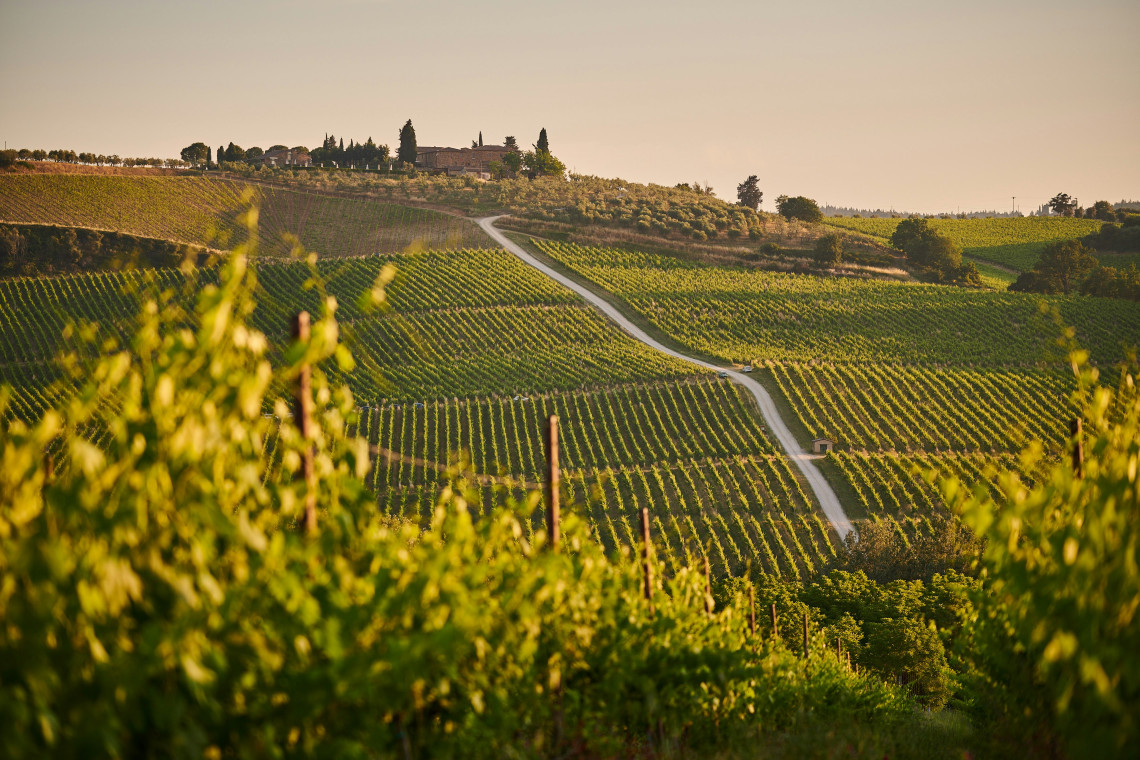
Spring (April to early June): Best. Rolling hills green, wildflowers, mild weather (18-24°C), Chianti vineyards leafing out. Book Uffizi and Accademia 3-4 weeks ahead.
Early summer (mid-June): Warm, sunflowers blooming in Val d'Orcia, high but manageable crowds.
High summer (July-August): Peak crowds, peak heat (35°C+ inland), packed monuments in Florence and Siena. Val d'Orcia is hot and golden. Palio di Siena in July 2 and August 16 (see below).
Fall (September to mid-October): Second sweet spot. Grape harvest in Chianti and Montalcino, olive harvest starting, comfortable weather, thinning crowds. Truffle season starts October in Piedmont but Tuscany has white truffles from San Miniato area.
Late October to March: Off-season. Chianti and Val d'Orcia are moody and empty. Some agriturismos close. Florence stays open year-round. Cheapest hotel prices.
What to eat and drink
Tuscan cuisine is peasant food elevated: bread, olive oil, beans, seasonal vegetables, wild game, and the region's iconic beef.
Signature dishes:
- Bistecca alla Fiorentina: T-bone steak from Chianina cattle, seared rare over wood coals. Priced by weight; €70-€100 for 1 kg (feeds 2-3).
- Pappa al pomodoro: Bread and tomato soup.
- Ribollita: Twice-boiled bread and vegetable soup.
- Pici pasta: Hand-rolled thick spaghetti from Val d'Orcia and Montalcino. Best with wild boar ragù (cinghiale).
- Panzanella: Bread and tomato salad, summer only.
- Pecorino di Pienza: Sheep's milk cheese from the town of Pienza.
- Cinta Senese pork: Traditional Sienese heritage pig.
- Cantucci and Vin Santo: Almond biscuits dipped in sweet dessert wine.
Signature wines:
- Chianti Classico DOCG (Sangiovese-based): Look for the black rooster (Gallo Nero) seal.
- Brunello di Montalcino DOCG: Italy's most prestigious red. 100% Sangiovese Grosso.
- Vino Nobile di Montepulciano DOCG: Sangiovese blend from Montepulciano.
- Vernaccia di San Gimignano DOCG: Tuscany's most famous white.
- Super Tuscans (Sassicaia, Ornellaia, Tignanello): IGT wines using non-Italian grapes (Cabernet, Merlot). Bolgheri and Maremma coast.
Where to eat
Florence:
- Trattoria Sostanza (est. 1869): Legendary Florentine trattoria. Bistecca and butter chicken.
- Il Latini: Family-style Tuscan, always packed.
- Trattoria da Ruggero (Oltrarno): Locals' choice.
- Enoteca Pinchiorri: Michelin 3-star, iconic fine dining.
- All'Antico Vinaio: Best schiacciata (Tuscan sandwich) in Florence. Queue is real.
Siena:
- Osteria Le Logge: Historic Sienese trattoria on Piazza del Campo.
- La Taverna di San Giuseppe.
Chianti:
- Antica Macelleria Cecchini (Panzano): Dario Cecchini's butcher shop and adjacent restaurants (Officina della Bistecca, MacDario). Meat feast.
- Ristoro di Lamole (near Greve): Panoramic views.
Val d'Orcia:
- Trattoria La Torre (Montalcino): Classic.
- Ristorante Osticcio (Montalcino): Wine list and views.
- La Terrazza del Chiostro (Pienza): Terrace over the valley.
The Palio di Siena
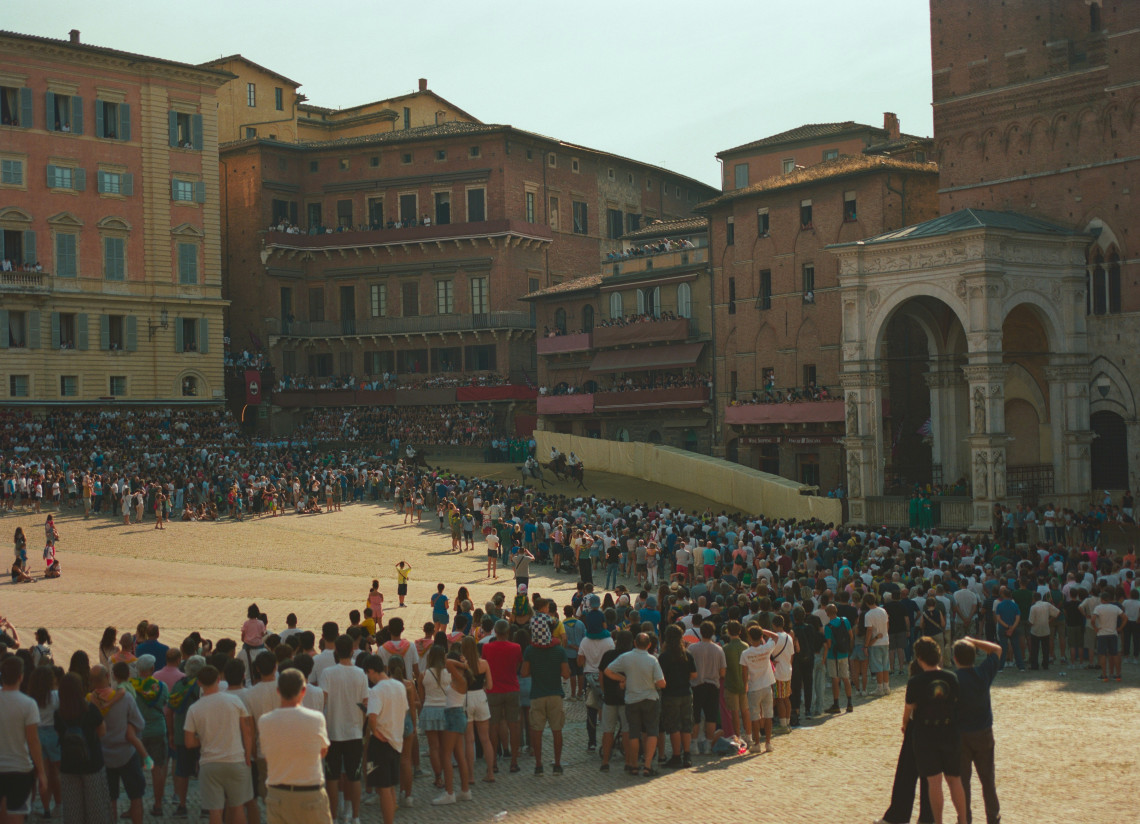
Twice a year: July 2 and August 16. A bareback horse race around Il Campo, involving Siena's 17 contrade (neighborhoods). Three-lap race, lasts 90 seconds. The buildup is a week of parades, blessings, and rivalry.
Watching options:
- Free standing in the Campo center: Arrive by 3pm for the 7pm race. Crowded, no toilets, no leaving.
- Paid grandstand seats at surrounding buildings: €300-€700 per person. Book 6-12 months ahead.
- Balcony rentals: €500-€1,500 per person for prime spots.
If you are in Tuscany during Palio dates, you either commit fully (arrive days ahead, immerse in the contrade rituals) or leave Siena for the day.
Practical tips
Book Uffizi and Accademia ahead. €4 booking fee is worth it. Same-day tickets often unavailable in high season.
Skip small-city day trips from Florence if you have a car. Base in the countryside instead.
Bring cash for small wineries and rural restaurants. Cards work in cities.
Sunday closures. Many small towns quiet. Restaurants often close Sunday evening and Monday.
Sun protection. The Tuscan summer sun is brutal in Val d'Orcia. SPF 50, hat, water.
Comfortable shoes. Every hilltop town has stairs and cobbles.
Book bistecca alla Fiorentina restaurants ahead. Real bistecca requires a proper wood-fire and a reservation.
GPS. Google Maps works but backup with the vehicle's GPS. Rural roads sometimes vanish from Google.
Common mistakes
Trying to base in Florence and see Tuscany. You spend all day driving in and out. Base in the countryside for at least 3-4 nights.
Driving into Florence historic center. ZTL cameras will fine you €90-€200 six months later. Return the rental at the airport.
Underestimating drive times. Tuscan roads wind. What Google says is 45 min often takes 75.
Doing Chianti in a rushed day. Wine tastings, lunch at Cecchini's, and the drive itself deserve 2 nights minimum.
Booking too many stops. Tuscany rewards slowness. Base in 3 places for 3 nights each rather than 9 towns in 9 nights.
Skipping Val d'Orcia because "we already did Chianti." The two regions are visually and culturally distinct. Both deserve time.
Bottom line
Tuscany is Italy's most photographable region and one of Europe's best road trips. Base in three places (Florence, Chianti, and Val d'Orcia), rent a car at the airport, take 10 days, and travel May, June, or September. Skip July and August unless the Palio is your reason for going.
Frequently asked questions
How many days do you need for a Tuscany road trip? Seven to ten days minimum. Fourteen is not overkill.
Is Tuscany worth visiting? Yes. Tuscany combines Renaissance city Florence, medieval Siena, Chianti wine country, Val d'Orcia's iconic landscapes, and hilltop towns like San Gimignano. Italy's most-photographed region.
When is the best time to visit Tuscany? May to June and September to mid-October. Avoid July and August (crowds, heat).
Should I rent a car in Tuscany? Yes. A car is essential for Chianti and Val d'Orcia. But do not drive into Florence historic center (ZTL). Rent at the airport.
Where should I stay in Tuscany? Base in Florence (2-3 nights), Chianti (2-3 nights in an agriturismo), and Val d'Orcia (2-3 nights near Pienza or Bagno Vignoni).
What is an agriturismo? A working farm that offers lodging. Rooms range from rustic to luxurious. Often with home-cooked breakfast, wine from the estate, and a pool. €150-€400/night.
Do I need to book the Uffizi ahead? Yes. Tickets often sell out days ahead in high season. €25 + €4 booking fee at uffizi.it.
Do I need to book the Accademia (Michelangelo's David)? Yes. €16 + €4 booking fee. Same-day tickets rare.
What is ZTL? Zona a Traffico Limitato, a restricted-traffic zone in Italian historic centers. Cameras fine unauthorized vehicles €90-€200. Never drive inside.
What is Chianti Classico? Italy's most famous wine region, between Florence and Siena. Chianti Classico DOCG wines carry a black rooster (Gallo Nero) seal.
What is Brunello di Montalcino? One of Italy's most prestigious red wines, produced only around Montalcino from 100% Sangiovese Grosso grapes. Aged minimum 5 years. €50-€500+ per bottle.
Is San Gimignano worth visiting? Yes. UNESCO since 1990. 14 medieval towers, unique skyline, world-champion gelato at Dondoli. Day trip or one overnight from Siena or Chianti.
Is Pisa worth visiting? Half a day. The Leaning Tower, Duomo, and Baptistry are magnificent but the rest of the city is not. Better as a stop en route rather than a base.
What is the Palio di Siena? Bareback horse race around Piazza del Campo, held twice a year (July 2 and August 16). One of Italy's most intense cultural events.
When is the wine harvest in Tuscany? Chianti Classico harvests in September. Brunello di Montalcino harvests mid to late September. Vernaccia di San Gimignano earlier, late August/early September.
What food is Tuscany famous for? Bistecca alla Fiorentina, pappa al pomodoro, ribollita, pici pasta, wild boar (cinghiale), Pecorino di Pienza cheese, Cantucci with Vin Santo, and the region's iconic wines.
Tuscany, hand-built by our travel experts.
Our Italy team books agriturismos, rental cars, Uffizi tickets, and wine tastings so you drive into a trip already sorted.
See Italy Packages Tailor-Made Trip