by Yes Getaways Team
August 3, 2026 • 11 min read
Spain runs on its own clock. Lunch is at 2pm, dinner is at 10pm, and shops close in the afternoon. Ordering tapas has rules that no one explains, and tipping is not what Americans expect. Get these small things right and Spain opens up.
Here are the 17 things we tell every U.S. and Canadian traveler before their first Spain trip.
1. Meal times are shifted
Spanish meal times are the biggest culture shock for North American visitors.
- Breakfast (desayuno): Small and light. Coffee + toast (tostada) or a pastry. 8-10am.
- Mid-morning snack (almuerzo): 11am-noon. A pincho, a coffee.
- Lunch (comida): 2-4pm. The main meal of the day.
- Merienda: 5-7pm. A snack or pastry with coffee.
- Dinner (cena): 9-11pm. Lighter than lunch, tapas or a full meal.
Restaurants that open for dinner at 6pm are tourist restaurants. Locals eat at 9pm or later.
2. The siesta still exists, sort of
The "siesta" as an actual midday nap is largely a myth in cities. What exists is a shop closure window from about 2pm to 5pm in smaller cities and villages. Museums, government offices, and small shops close; restaurants open for lunch. In big cities (Madrid, Barcelona, Seville), major shops and department stores stay open all day, but small family businesses often close.
Plan around it: use the 2-5pm window for lunch, museum interiors, or a hotel rest.
3. Tipping is minimal
Spain does not have tipping culture like the U.S. Service is included in the price, and servers are paid a proper wage.
- Restaurants: Round up or leave 5-10% for good service. Not more.
- Bars and cafés: Leave the small change. Not required.
- Hotels: €1 per bag for porters, €1-€2 per day for housekeeping.
- Taxis: Round up to the next euro. Not required.
- Tour guides: €5-€10 per person for a half-day tour is generous.
Do not over-tip. It marks you as a tourist and can feel awkward.
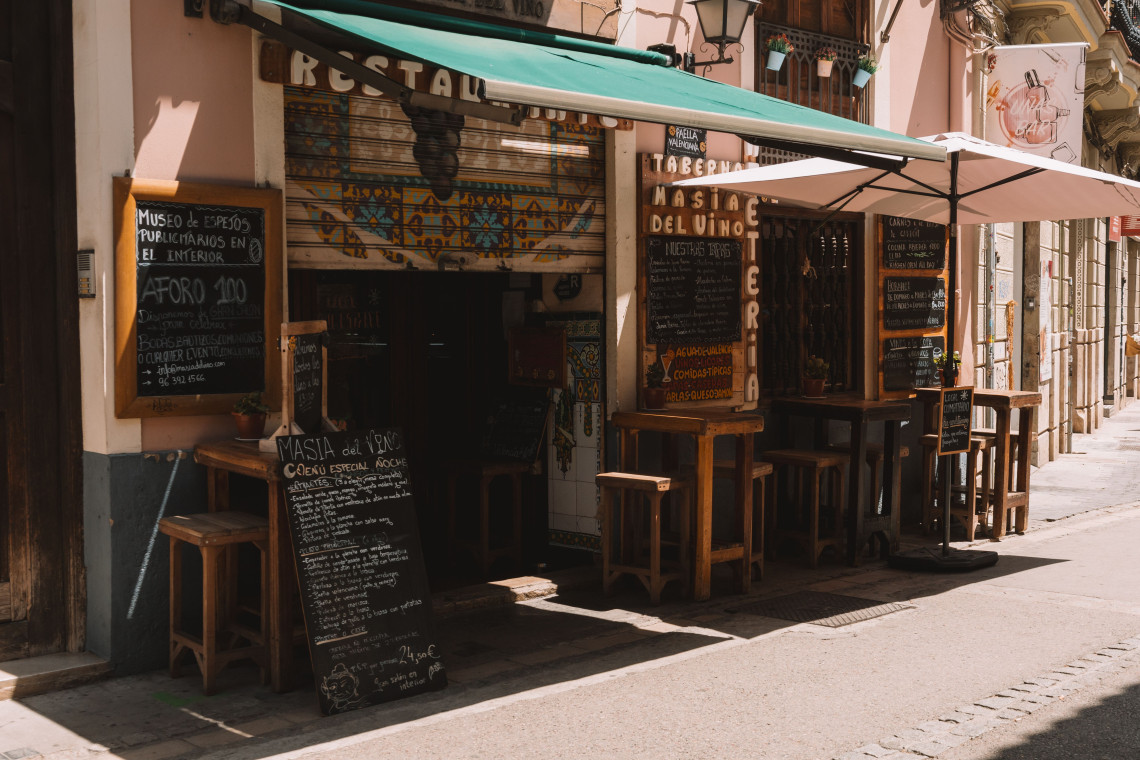
4. Order tapas the right way
Tapas culture varies by region. Here's the rough map:
- Andalusia (especially Granada): Free tapa with every drink. Order a beer or wine, receive a small tapa. Do not ask for it; it appears.
- Basque Country: Tapas are called pintxos and are laid out on the bar counter. Take what you want, keep the toothpicks for the bill.
- Madrid, Barcelona, Valencia: Tapas are paid. Order per plate. Some bars have free small tapas with drinks (called "un pincho").
- Rest of Spain: Varies. When in doubt, ask.
Ordering: stand at the bar (cheaper) or sit at a table (slightly pricier). Order one round, drink it, then order the next. Do not order everything at once.
5. Cash and cards work almost everywhere
Spain is card-friendly. Contactless payment is universal in cities. But:
- Carry €50-€100 in cash for small tapas bars, taxis in some cities, and tips.
- ATMs everywhere. Use bank ATMs (BBVA, Santander, CaixaBank) rather than Euronet standalone ATMs (they charge worse rates).
- Notify your bank before travel to avoid card blocks.
- Use a no-foreign-transaction-fee card (Chase Sapphire, Capital One Venture, Wise, etc.).
6. The Spanish language matters (but not always)
Spanish (Castilian) is universal. English is common in hotels, tourist restaurants, and major museums in Madrid and Barcelona. It is less common in Andalusian small towns, Basque coastal villages, and Galician fishing towns.
Regional languages are also common:
- Catalan in Catalonia (Barcelona, Girona, Tarragona) and the Balearics.
- Basque (Euskera) in Basque Country.
- Galician (Galego) in Galicia.
- Valencian (a Catalan dialect) in Valencia.
Signs are usually bilingual (Spanish + regional). Locals appreciate a "gracias" or "hola" in the regional language when you see the signage.
Learn: hola (hello), gracias (thank you), por favor (please), la cuenta (the bill), agua (water), sin/con gas (still/sparkling water), una cerveza (a beer), un vino tinto/blanco (red/white wine).
7. Sagrada Familia and Alhambra: book ahead
The two Spanish monuments that require advance booking are:
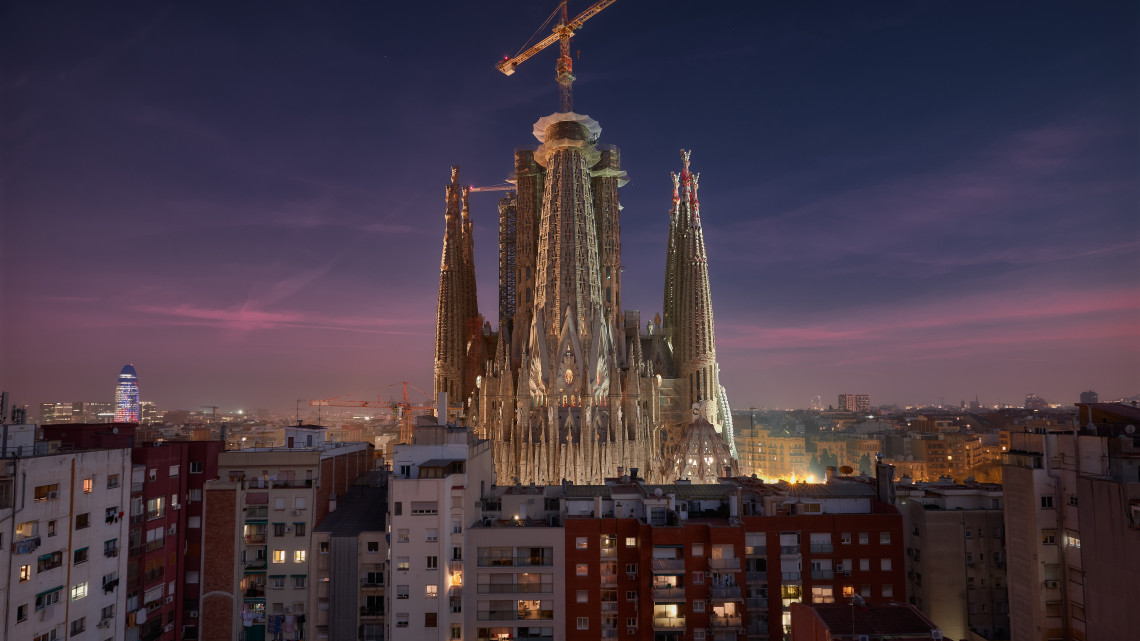
- Sagrada Familia (Barcelona): Book 2-3 weeks ahead year-round, 4-6 weeks in July-August. Add tower access for the extra fee.
- The Alhambra (Granada): Book 2-3 months ahead. Book the 8:30am slot for the coolest, least-crowded experience. The Nasrid Palaces require a specific 30-minute entry window.
Book only through official websites (sagradafamilia.org, alhambra-patronato.es) or via your travel operator. Third-party resellers charge 30-50% more.
8. Public transport is excellent
Madrid, Barcelona, Seville, Valencia, and Málaga all have efficient metro/tram systems. Buy multi-day tourist passes.
- Madrid Metro Tourist Pass: €8.40 for 1 day, €35 for 7 days. Includes airport, Cercanías, EMT buses.
- Barcelona T-Casual: €12.55 for 10 rides. Or the Hola Barcelona Travel Card (€17.50 for 48h unlimited).
- AVE tickets: Buy 4-8 weeks ahead on renfe.com, iryo.eu, or ouigo.com for the lowest fares.
Google Maps + Citymapper both work well.
9. Uber, Cabify, and taxis
Uber operates in Madrid, Barcelona, Málaga, Valencia, and a few other cities but not everywhere. Cabify (a Spanish-Portuguese equivalent) is more widespread. Regular taxis are metered, honest, and easy to hail.
Airport taxi fares are usually fixed. Confirm before you leave.
10. Sunday shopping is limited
Most non-essential shops close on Sunday except in tourist zones and department stores (El Corte Inglés stays open). Supermarkets have shorter Sunday hours. Restaurants and cafés are open. Museums are open (many are free on Sunday afternoons).
Plan shopping days accordingly. If you need pharmacy items on Sunday, look for "farmacia de guardia" (rotating on-duty pharmacies).
11. The Spanish shower schedule
Water pressure and heat vary. In older Andalusian buildings and some rural stays, hot water can run out if the household showers back-to-back. Not a problem in modern hotels.
12. Sun protection is not optional
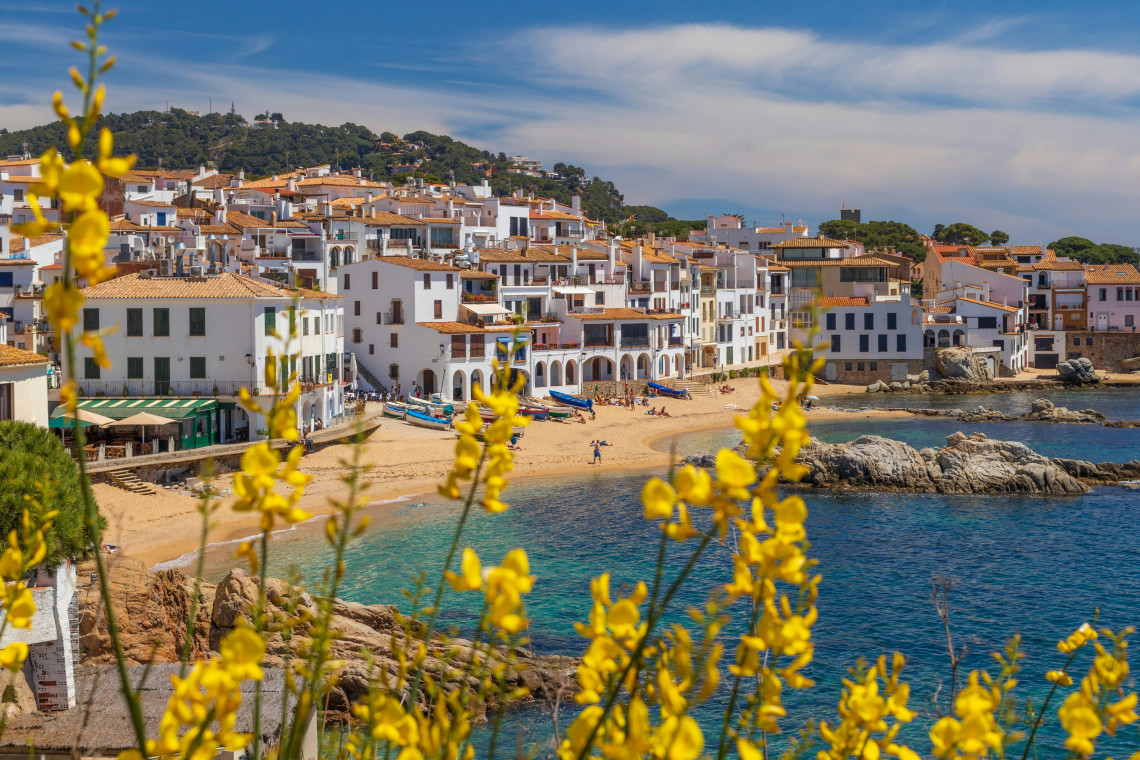
Spain gets serious sun year-round. From May to October, use SPF 50 on face and shoulders. In summer, the Andalusian, Balearic, and Canary sun burns skin in 20 minutes. Bring a hat.
13. Understand the tourist crush months
Peak crowds are July and August in coastal Spain, plus:
- Semana Santa (Easter Week): Late March or April. Seville and Málaga see huge domestic Spanish crowds. Book 6+ months ahead.
- Feria de Abril (Seville): Late April. Massive city-wide festival, hotels double.
- San Fermín (Pamplona): July 6-14. Running of the bulls. Hotel prices multiply.
- La Mercè (Barcelona): Third week of September. Barcelona's biggest festival.
- Christmas to Three Kings (Dec 22 - Jan 6): Peak winter travel.
- Fallas (Valencia): March 15-19. City-wide fireworks and burning of giant sculptures.
Book 3-6 months ahead if traveling during these windows.
14. Beach etiquette differs from the U.S.
- Topless sunbathing is legal and common on most Spanish beaches. Nudist beaches are marked (playa nudista).
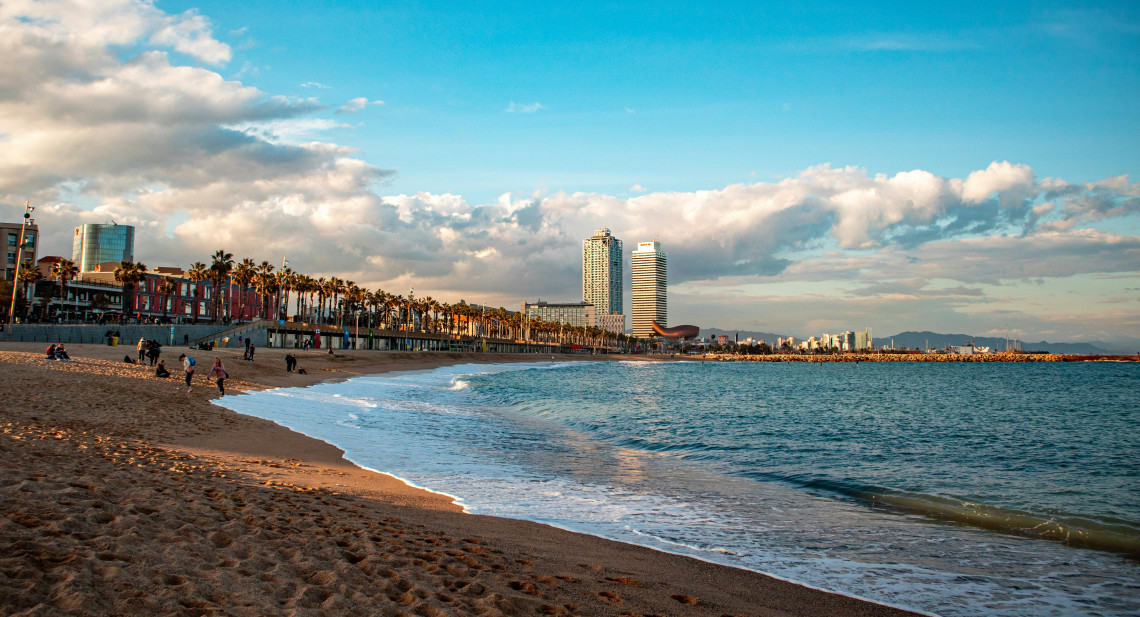
- Beach chairs and umbrellas cost €10-€20/day on organized beaches.
- Chiringuitos (beach restaurants) serve simple food (paella, sardines, salads).
- Do not sit on your towel at 2pm. The sun is brutal. Locals arrive at 4-5pm and stay until sunset.
15. Restaurants have a coveredcharge
- Bread (pan) and olives are usually brought without asking. If you accept them, expect €1-€3 on the bill. Refuse politely if you don't want to be charged.
- Water: Always pay for bottled water. Tap water (agua del grifo) is safe and free in most places; just ask.
- Bread charge (cubierto): €1-€2 per person is common in tourist restaurants. Not a scam.
16. Sundays and Mondays: what closes
- Mondays: Many museums close (Prado, Reina Sofía, Guggenheim Bilbao). Also many restaurants (locals' rest day).
- Sundays: Most retail shops close, but restaurants, museums, and public transport run normally. Cathedral mass restricts visiting hours.
Check specific museum closures on their websites; the pattern is not universal.
17. Spanish nightlife starts late
Nightlife in Spain starts at 11pm or midnight. Bars fill after dinner (10pm+). Clubs open around 1am and go until 6am. If you go clubbing at 10pm in Madrid or Barcelona, you will be alone.
If you have jet lag, do not fight it. Adjust to Spanish hours by having a late lunch, taking an afternoon rest, and going out at 10pm.
Bonus: Small things that save time and stress
- Bring a European adapter. Type C or F plugs. Two-round-pin.
- Sim cards: Vodafone, Orange, and Movistar all sell 30-day prepaid tourist SIMs at the airport for €15-€30 with plenty of data. Or use an eSIM (Airalo, Holafly).
- Water bottle: Refillable. Tap water in Spanish cities is safe.
- Comfortable shoes: Spanish cobblestones are aggressive.
- A light jacket, even in summer: Restaurants and museums are heavily air-conditioned. Nights in Madrid or Granada cool 15°C+ from daytime peaks.
- The 90-day rule: ETIAS + Schengen means you have 90 days per 180 for combined Schengen area stays.
- Passport in hand for hotel check-in: Legally required for all guests over 14.
Common mistakes to avoid
Booking a 6pm dinner. Restaurants are empty. Locals eat 9-10pm.
Skipping the Alhambra because "it's too crowded." Book the 8:30am slot 2-3 months out. It is manageable and unforgettable.
Ordering paella outside Valencia. Real paella comes from Valencia. Elsewhere it is often mass-market. Not always, but usually.
Trying to rent a car for a Madrid or Barcelona city break. You will pay €30/day for parking, deal with ZBE emission zones, and never drive it.
Thinking August is high season everywhere. August is peak on the coasts, but Madrid empties out (many restaurants close, half the population is at the beach). Central Spain in August is quieter than in June.
Not learning "gracias." Just start with that. Doors open.
Bottom line
Spain is easier than most travelers fear once you understand its rhythm. Meals shifted three hours later, tipping barely exists, tapas are ordered round by round, and the AVE gets you anywhere. Book the Alhambra and Sagrada Familia ahead, don't over-plan, and let the Spanish clock run your day.
Frequently asked questions
What should tourists know before visiting Spain? Meal times are shifted (lunch 2pm, dinner 9pm), tipping is minimal (5-10% max), book Alhambra and Sagrada Familia weeks ahead, and expect afternoon shop closures.
Is Spain expensive to visit? Cheaper than France, Germany, or Switzerland. Comparable to Italy in most regions. Andalusia and central Spain are the best value; Barcelona and San Sebastián are the priciest.
Do I need to speak Spanish? No, but a few words (hola, gracias, por favor) go a long way. English is widely spoken in hotels and tourist areas. Less common in rural Andalusia and Basque villages.
What is the tipping etiquette in Spain? Round up or leave 5-10% at restaurants for good service. Not required for bars, cafés, or taxis. Not more than 10%.
Do I need to book the Alhambra in advance? Yes. Book 2-3 months ahead through the official Alhambra website. Especially in high season.
Do I need to book the Sagrada Familia in advance? Yes. Book 2-3 weeks ahead year-round through the official website. Book tower access separately.
What time do restaurants open for dinner in Spain? 8-9pm at the earliest. Locals eat 9-11pm. Tourist restaurants open at 6-7pm but the vibe is different.
Is Spain safe for tourists? Very. Petty theft (pickpockets in Madrid, Barcelona, and Seville metro/tourist zones) is the main risk. Use a crossbody bag and pay attention in crowds.
Do I need a visa for Spain? U.S. and Canadian passport holders do not need a visa for stays under 90 days. From late 2026, you will need ETIAS (a pre-travel authorization).
What's the best way to get money in Spain? Use bank ATMs (BBVA, Santander, CaixaBank) not standalone Euronet machines. Notify your bank before travel. Use a no-foreign-transaction-fee credit card.
Are Spanish cities walkable? Yes. Madrid, Barcelona, Seville, Granada, Valencia, and most old towns are best walked. Metro/tram fills the gaps.
What voltage is Spain? 230V, 50Hz. European two-round-pin plugs (Type C, F). Bring a universal adapter.
Is tap water safe in Spain? Yes in cities. Filter or bottled water is more common in the Canary Islands and some rural areas.
When is Spain hottest? July and August. Inland Andalusia (Seville, Córdoba) regularly exceeds 40°C / 104°F. Coasts stay mild thanks to sea breezes.
Spain, on the Spanish clock.
Our Spain travel experts pre-book the tricky things and brief you on the small etiquette so you can arrive confident.
See Spain Packages Tailor-Made Trip