by Yes Getaways Team
June 01, 2026 •12 min read
France is the most visited country on earth, and it is enormous — twice the size of the United Kingdom, larger than California, with thirteen distinct mainland regions that each function almost as their own country in cuisine, architecture, climate, and pace.
Which means the most common question we get from first time France travelers is the right one to ask: not "what should I see in France," but "which region should I see first."
This guide compares the seven regions almost every first time traveler will eventually choose between, with the honest tradeoffs that brochures rarely include.
The short answer
If this is your first ever European trip and you only have 7 to 10 days, do Paris plus one neighboring region (Loire Valley, Champagne, or Normandy). You will not regret the focus.
If you have been to Europe before and want the most photogenic, food-led version of France, do Provence plus the French Riviera with a day or two in Paris bookending it.
If you are going in winter for Christmas markets, do Alsace plus Paris.
If you are going in summer for beaches, do the French Riviera plus a Provence day trip.
If you want the most under-the-radar France, do the Dordogne, Brittany, or Burgundy.
The rest of this article explains why.
How to think about choosing
The seven regions below all reward a first visit. They differ on five axes:
- Pace — how much you can see per day before you are exhausted
- Photo density — how often you find yourself reaching for the camera
- Logistical friction — train vs car, language, queues, parking
- Food and wine intensity — how central food is to the daily experience
- Off season usability — whether the trip still works outside June to September
Use the table at the end of the article to compare them on these axes at a glance.
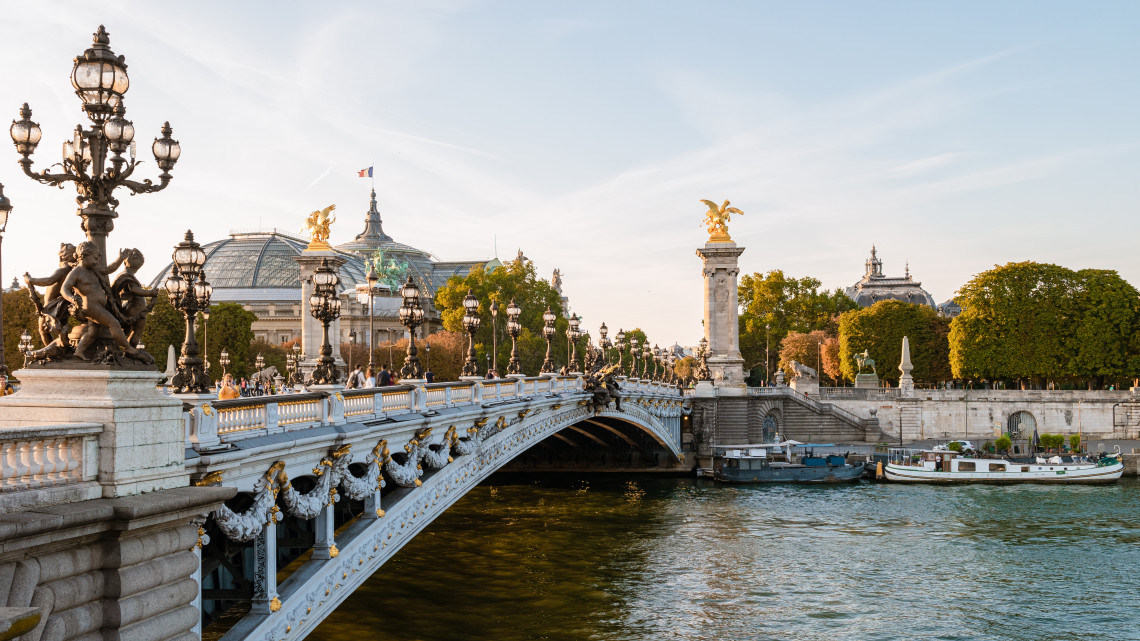
Paris and the Île-de-France
What it is: The capital. Six and a half million people in the metro area. Twenty arrondissements, twenty distinct neighborhoods. The Louvre, the Eiffel Tower, Notre-Dame (reopened December 2024), the Musée d'Orsay, Versailles, Montmartre, the Marais. The single most visited city in Europe.
Best for: First time travelers who want the icons. Couples on a city break. Anyone serious about art and architecture. Anyone who wants a destination where you can land, drop your bag, and start walking without renting anything.
Honest tradeoffs:
- The icons come with crowds. The Louvre receives 30,000 visitors a day. Versailles peaks at 8,000 in a single hour. Pre-booked timed tickets are essential, and even with them, you will queue.
- Paris food is more uneven than its reputation suggests. The good restaurants are excellent. The tourist trap bistros around the Trocadéro and Notre-Dame are not.
- Many travelers underestimate how much they will walk. Plan on 15,000 to 22,000 steps a day. Wear shoes you have already broken in.
- A 4 or 5 day Paris visit feels right for most first timers. Less and you skip too much; more and you start running out of obvious targets.
When to go: Best in late April to mid June and mid September to late October. Avoid August (many small businesses close as the French take their own holidays).
Pair it with: Loire Valley, Champagne, Normandy, or Burgundy — all 1 to 2 hours by TGV from Paris.
Provence
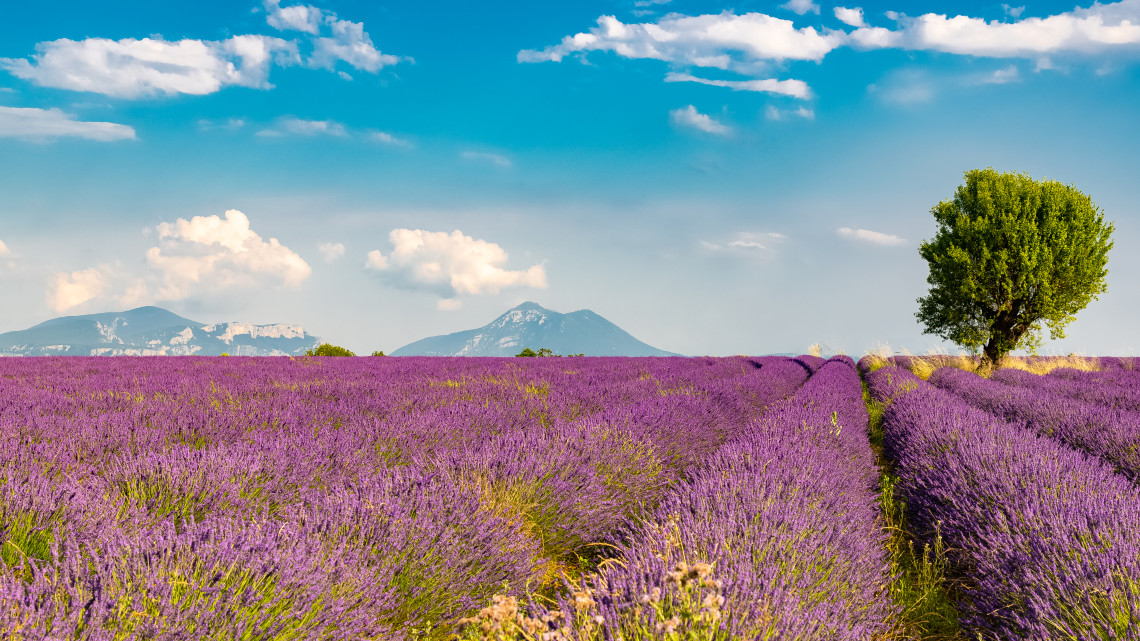
What it is: Roman ruins, lavender fields, Roman aqueducts, hilltop villages, sunflowers, olive groves, rosé in carafes. Avignon, Arles, Aix-en-Provence, Saint-Rémy, Gordes, Roussillon, Les Baux. The region that defines what most travelers picture when they say "the south of France."
Best for: Second time France travelers. Photographers. Slow travel. Anyone who has done Paris and wants the rural counterpoint. Couples on a romantic week. Foodies.
Honest tradeoffs:
- The lavender bloom is only roughly three weeks a year (mid June to mid July, varying by elevation). Outside that window the fields are green or harvested stubble. If lavender is your goal, the date matters more than the place.
- A car is effectively required to do Provence properly. The villages are not on the train network. Avignon and Aix-en-Provence have excellent TGV stations and rental desks.
- July and August are hot and crowded. The Mistral wind can blow for days. Restaurants in tourist villages can disappoint if you do not have local recommendations.
- The mid-Provence villages (Gordes, Bonnieux, Lacoste, Ménerbes, Roussillon) cluster in the Luberon and are best explored from a single base.
When to go: Mid May to late June and mid September to late October are best. July is hot and very busy.
Pair it with: The French Riviera (45 minutes from Aix to Cannes by TGV), or a few days in Paris to bookend.
The French Riviera (Côte d'Azur)
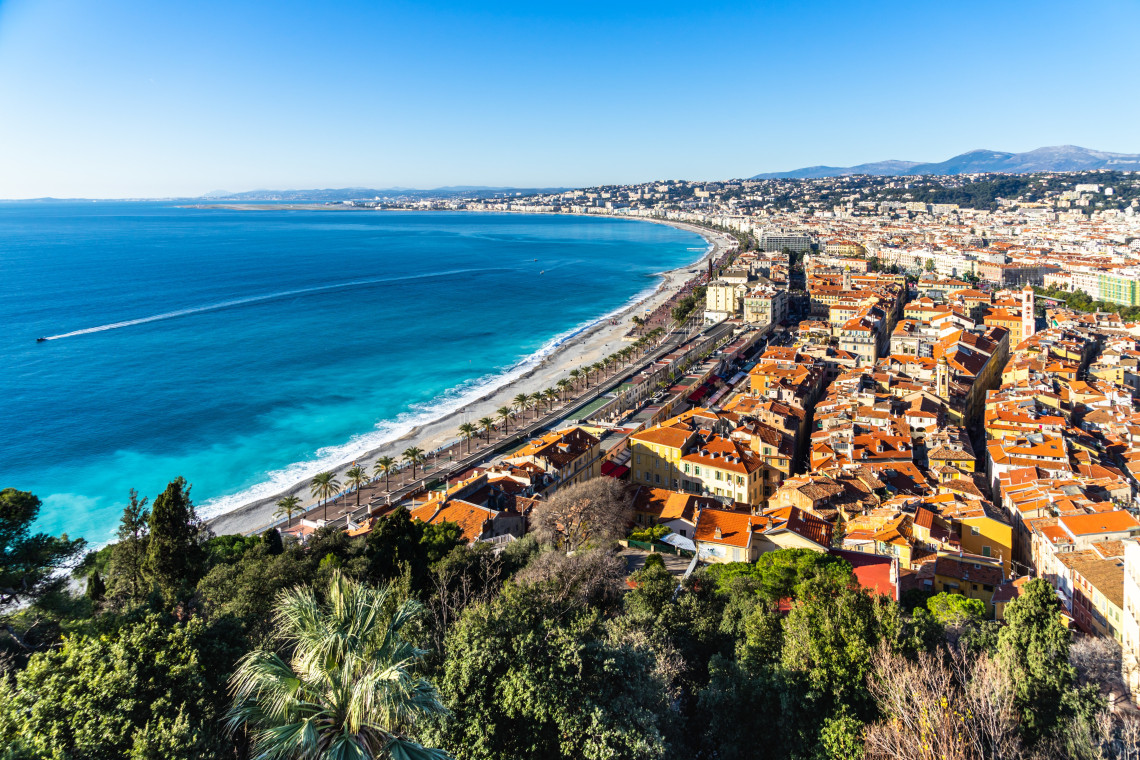
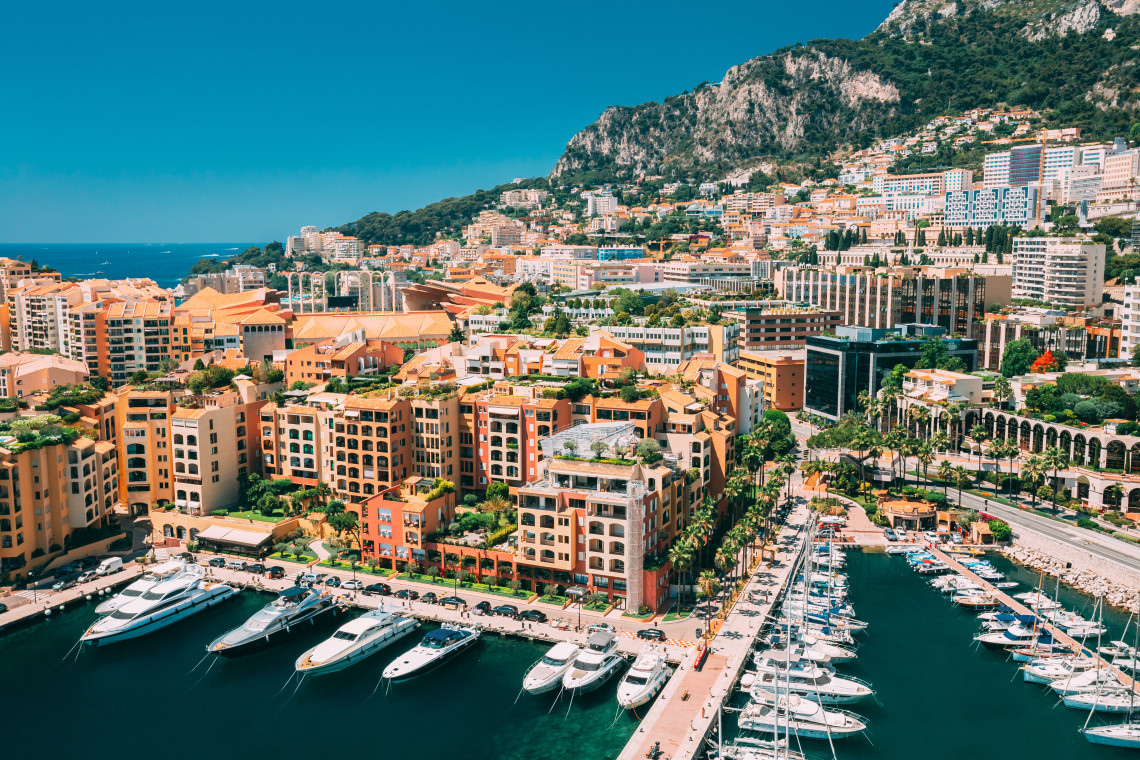
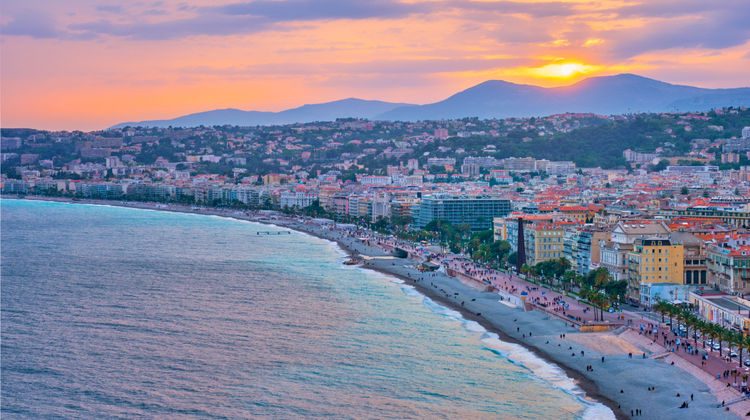
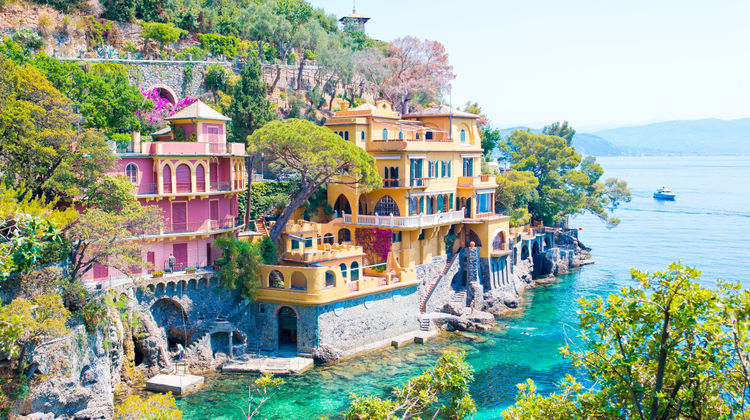
What it is: The Mediterranean coast from Saint-Tropez to Menton, taking in Cannes, Antibes, Nice, Èze, Villefranche, Monaco, and the back country villages. The most famous summer coast in Europe.
Best for: Beach holidays. Summer trips. Travelers who want the train to do the work. Returning France visitors who want a base they can use as a launchpad. Honeymoons and anniversaries.
Honest tradeoffs:
- Riviera prices in July and August are at European peak. A nice hotel in Nice old town can be 250 to 400 euros a night in season. Antibes and Villefranche are slightly more affordable than Cannes or Monaco.
- The coastal train (TER) makes the Riviera one of the easiest train holidays in Europe. You can base in Nice and day trip to Monaco, Cannes, Antibes, Villefranche without renting a car.
- The beaches are mostly pebble, not sand, except in Saint-Tropez and Cannes. Bring beach shoes or rent a sun bed.
- Off season (late October to April), many Riviera hotels and restaurants close. The exception is Nice, which functions year round.
- Monaco is a separate country, but for U.S. and Canadian travelers it is the same border and the same euro currency.
When to go: May to early July, and September. August is peak crowds and traffic. January through March is mild but partly closed.
Pair it with: Provence (45 minutes from Cannes to Aix by TGV) or a Riviera-only trip from Paris if you have less than 7 days.
Loire Valley
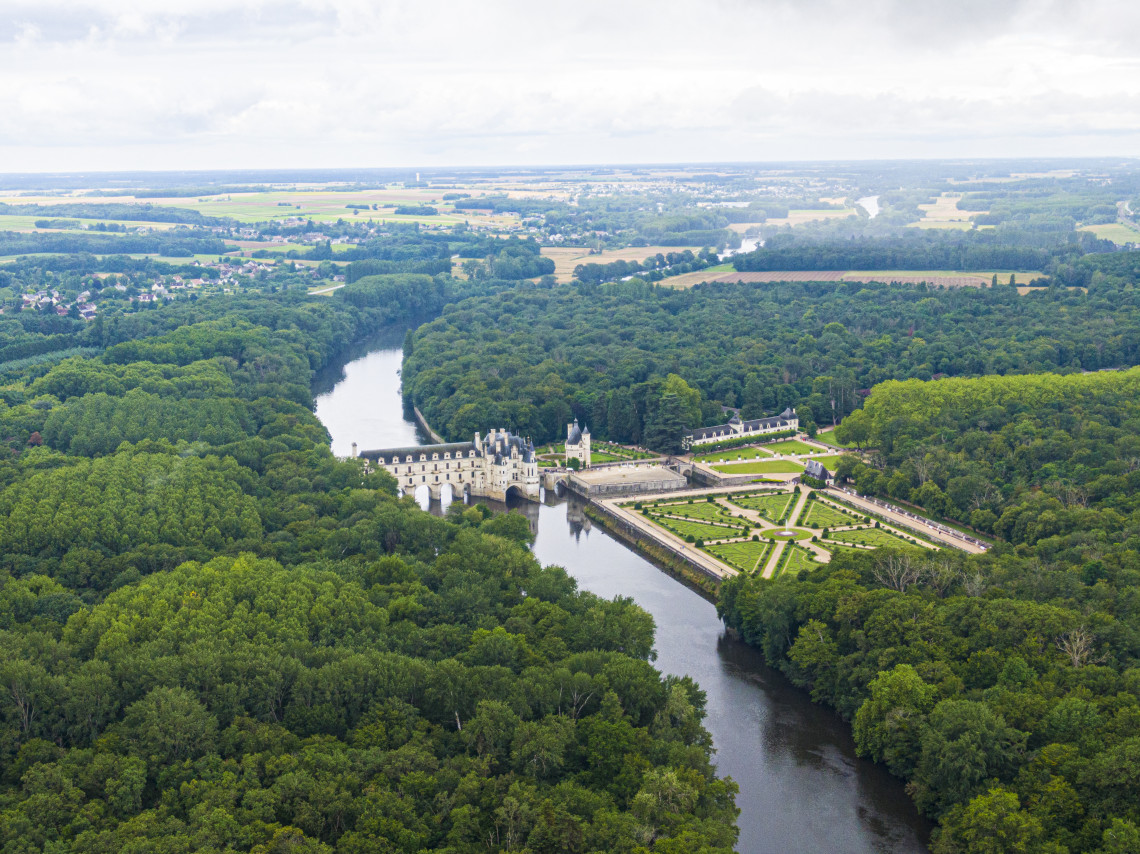
What it is: Three hundred kilometers of river valley between Orléans and Angers, lined with more than three hundred châteaux from the Renaissance and Middle Ages. Chambord, Chenonceau, Amboise, Villandry, Azay-le-Rideau, Cheverny, Ussé. Plus excellent white wines (Sancerre, Pouilly-Fumé, Vouvray) and the best French formal gardens outside Paris.
Best for: History lovers. Architecture fans. Families with school age children. First time France travelers wanting an easy add-on to Paris (1h05m TGV to Tours). Slower paced trips.
Honest tradeoffs:
- Doing the Loire by train alone is hard. You can reach Tours, Amboise, Blois, Saumur, Angers by TGV/TER, but the châteaux themselves are 5 to 20 km out. Most first timers rent a car for 3 to 5 days.
- A reasonable Loire itinerary covers 4 to 6 châteaux, not 20. They are bigger and slower than they look. Spend a full half-day at Chambord and at Chenonceau.
- The weather is similar to Paris (cooler than Provence, wetter than the Riviera). Spring and early summer are most photogenic.
- The Loire is less food-led than Provence or Burgundy. Expect competent French rather than transcendent.
When to go: April to June and September to early October. Châteaux gardens are at their peak in May.
Pair it with: Paris (1h05m TGV) — this is the classic first time France pairing.
Alsace
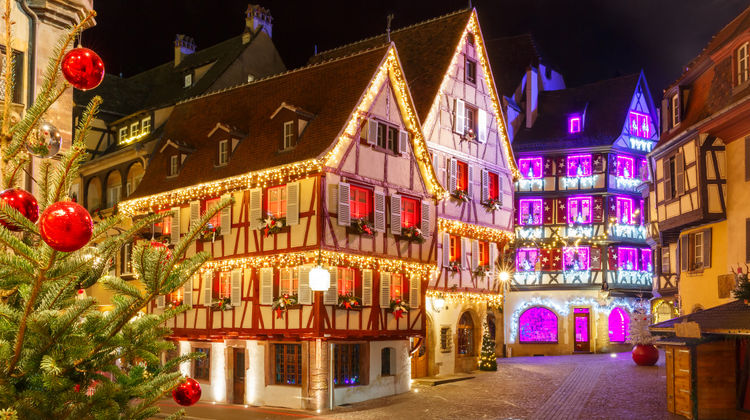
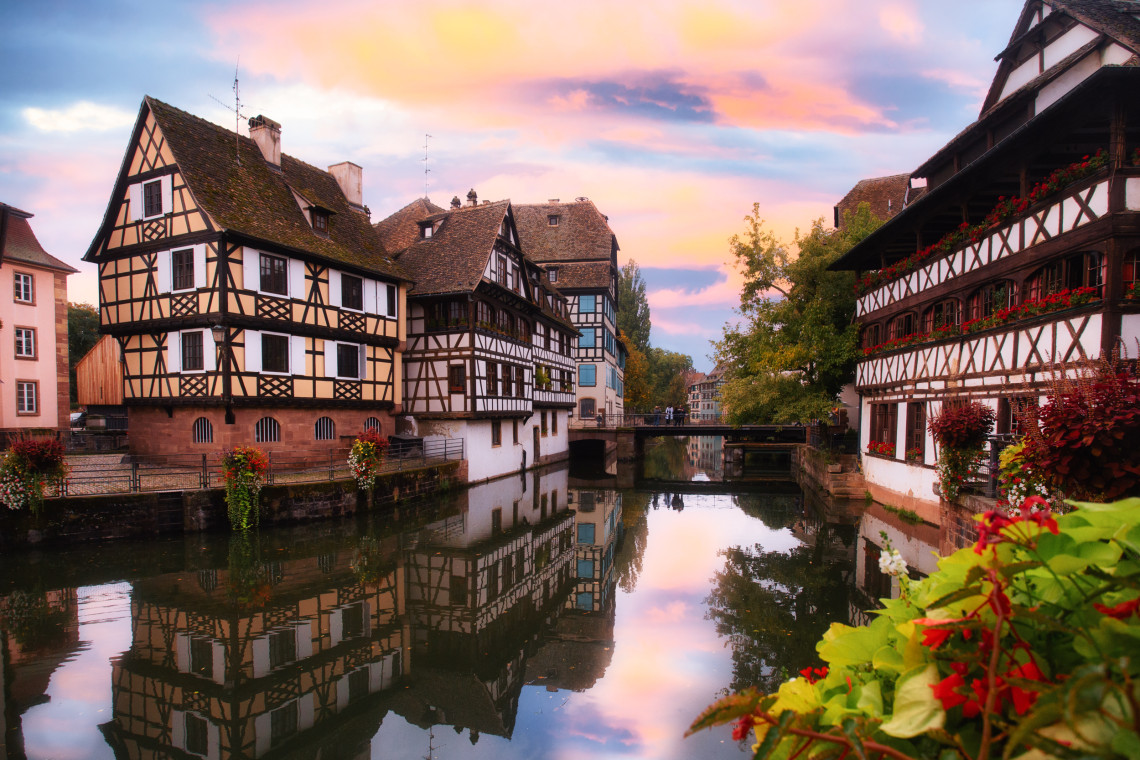
What it is: The wine route along the German border, with timber framed villages that look like fairy tale illustrations (Riquewihr, Eguisheim, Kaysersberg, Ribeauvillé). Strasbourg and Colmar as the gateway cities. The most famous Christmas markets in Europe.
Best for: Winter travel and Christmas markets (late November to late December). White wine lovers (Riesling, Gewürztraminer, Pinot Gris). Photographers. Travelers who liked the Bavarian villages and want a French version. Second time France travelers wanting a region they did not see on the first trip.
Honest tradeoffs:
- Outside Christmas market season, Alsace has fewer obvious tourist hooks. The villages remain beautiful but the atmosphere is quieter.
- Strasbourg is the only city with the full TGV connection (Paris in 1h45m). From there, Colmar is 30 minutes by TER and the wine route villages need a car or a guided day tour.
- December crowds in Strasbourg and Colmar can be intense. Book accommodation early.
- The region's food is German-influenced (choucroute, tarte flambée) more than classically French, which delights some travelers and surprises others.
When to go: Late November to late December for Christmas markets, May to early July for wine route in bloom, October for autumn colors.
Pair it with: Paris (1h45m TGV) for Christmas market trips. Difficult to combine with the south without a long travel day.
Normandy
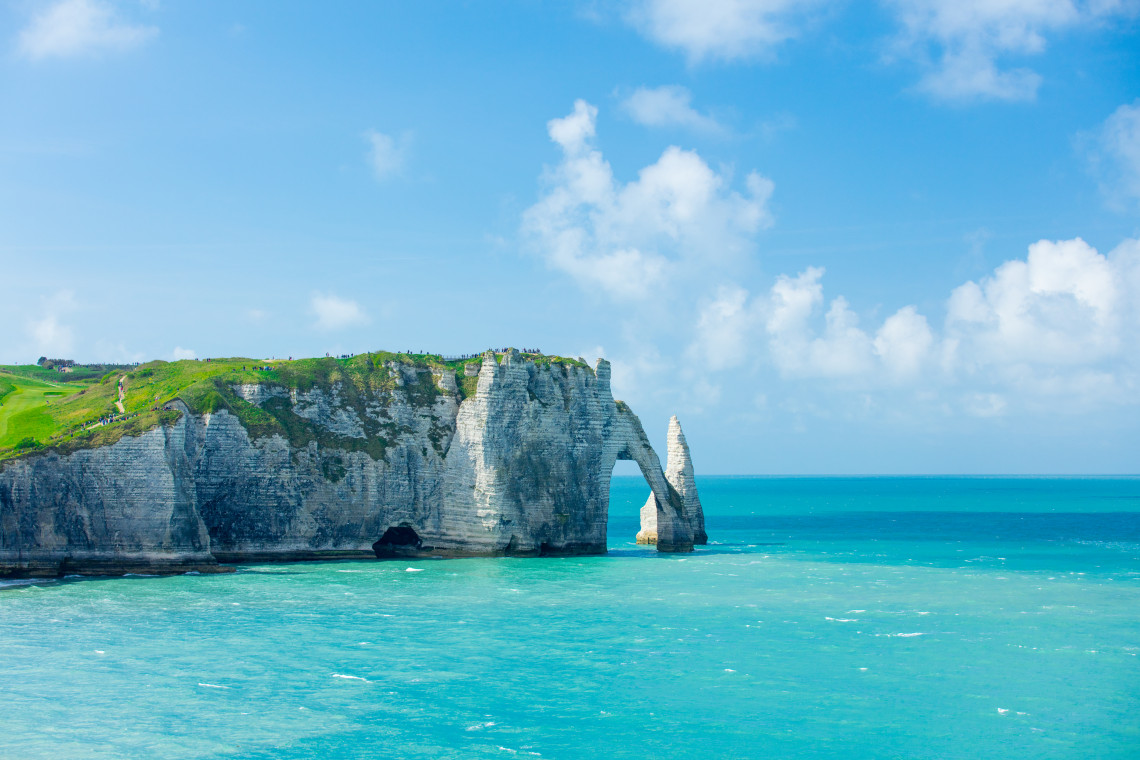
What it is: The northwestern coast and countryside. Mont-Saint-Michel, the D-Day landing beaches, Bayeux (and the Bayeux Tapestry), Honfleur, Étretat's chalk cliffs, the Calvados apple country, the cream-and-butter culinary tradition.
Best for: History travelers, especially World War II history. Travelers combining France with the UK. Travelers who want a French region that is cool, green, dramatic, and unlike the rest of the country. Photographers who like cliffs, fog, and northern light.
Honest tradeoffs:
- Normandy is wetter and cooler than southern France. Bring layers and a rain jacket even in summer.
- The D-Day beaches are spread across 80 km of coast. To see them properly (Utah Beach, Omaha Beach, the American Cemetery at Colleville-sur-Mer, Pointe du Hoc, Arromanches, Gold and Sword beaches) requires either a car or a full day guided tour from Bayeux.
- Mont-Saint-Michel is one of the most photographed sites in France, and accordingly crowded between 10am and 5pm. Stay overnight on the island or the mainland causeway to experience it at dawn or dusk.
- Normandy is best on a 3 to 5 day add-on to a Paris trip. It rarely supports a standalone 10 day visit.
When to go: Late May to September. Off season the beaches and clifftops are dramatic but cold and wet.
Pair it with: Paris (Bayeux is 2h15m by direct train, Mont-Saint-Michel is 4 hours by combined train and bus from Paris) or Brittany.
Burgundy
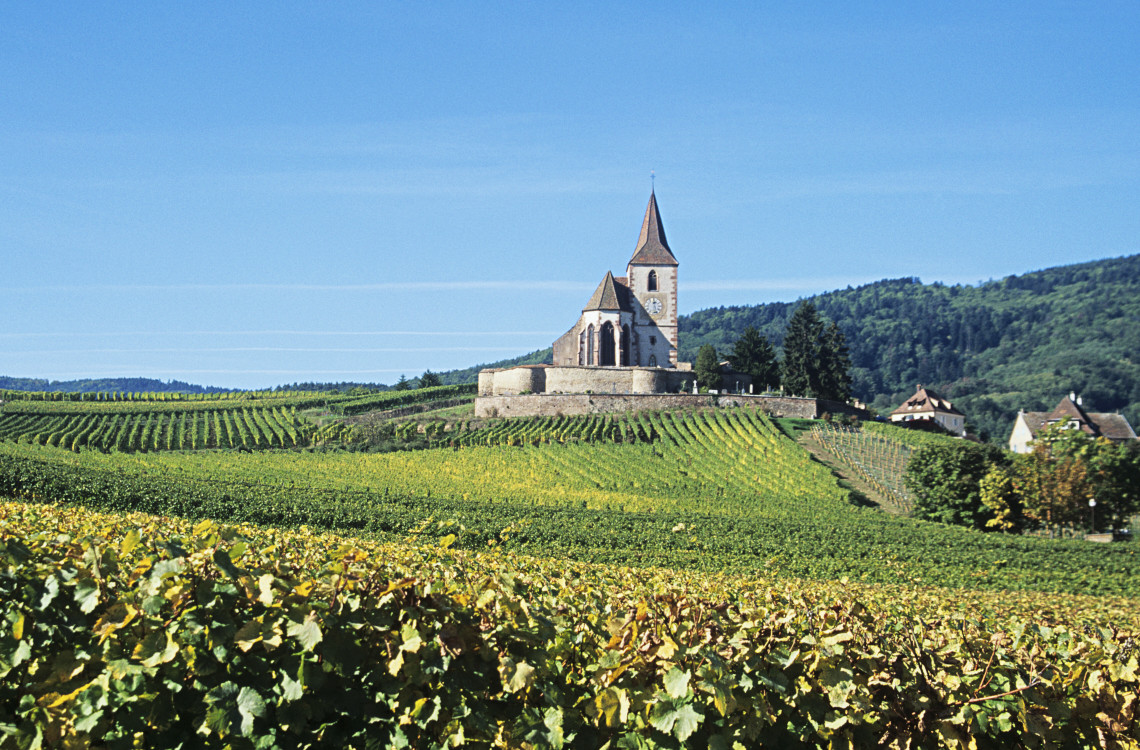
What it is: Wine country between Dijon and the Mâconnais. Beaune as the wine capital. The Côte de Nuits (Pinot Noir at its global peak) and the Côte de Beaune (white Burgundy: Meursault, Puligny-Montrachet). Cluny abbey, Romanesque churches, foie gras and Charolais beef, the Burgundy Canal.
Best for: Wine and food travelers. Second or third time France visitors. Returning travelers who already did Paris and the south. Slower paced trips.
Honest tradeoffs:
- Burgundy is the most wine-led French region. If you do not drink wine, much of what makes it special is invisible to you.
- Outside Beaune and Dijon, Burgundy is quiet. Some villages have one restaurant. Plan dinner reservations ahead.
- Most of the great wineries (domaines) require advance appointments. The walk-in approach that works in some New World wine regions does not apply here.
- Dijon to Paris is 1h35m by TGV — making Burgundy the easiest French wine region to combine with a Paris trip.
When to go: May to early July and mid September to mid October (harvest). November to March is quiet.
Pair it with: Paris, Alsace (3 hours by train via Strasbourg), or Provence (1h35m Dijon to Avignon by TGV).
The one we recommend most often for a first trip
For a 9 or 10 day first time France trip, the combination that works for the highest number of travelers is:
Paris (4 nights) + Loire Valley (2 nights) + Provence (3 nights)
This gives you the icons, the quintessential châteaux, and the photogenic rural south. Logistics are clean (TGV from Paris to Tours, TGV from Tours to Avignon, fly out of Marseille or take the TGV back to Paris). The pace is realistic.
For a 7 day first time trip, drop one of the legs. Most travelers drop the Loire and go straight Paris plus Provence.
For a 14 day first time trip, add the French Riviera (3 nights after Provence) or Champagne and Burgundy (3 nights after Paris before going south).
Frequently asked questions
What is the most beautiful region of France?
This is the wrong question — they are beautiful in different ways. Provence in lavender season is the most postcard-perfect, the French Riviera is the most glamorous, the Loire Valley is the most regal, Alsace is the most fairy tale, Normandy is the most dramatic.
Where should I avoid in France?
There are no regions to avoid outright, but tourist trap restaurants exist in every iconic location (immediate vicinity of the Eiffel Tower, Promenade des Anglais in Nice in August, central Avignon during the festival). Use the local recommendations system in our trip pages or ask your travel expert.
Is it safe to travel to France?
France is among the safer countries in Europe by official metrics. Standard travel precautions apply — pickpockets work the Paris metro and tourist sites, and there is occasional petty theft in Nice and Marseille. Violent crime against tourists is rare.
Can I visit France in winter?
Yes, with the right region. Paris is wonderful in January and February (no crowds, lowest hotel prices, museums empty). Alsace is at its peak in late November to December for Christmas markets. The Alps are at their peak for skiing from January to March. The Riviera is mild but partly closed. Provence in winter is for the brave.
Is one week enough for France?
For one region, yes. For a multi-region trip, it is tight. Most travelers we plan one-week trips for do Paris plus one neighbor (Loire, Normandy, Champagne, or Burgundy).
What is the difference between Provence and the French Riviera?
Provence is inland and rural (villages, lavender, olive trees, Roman ruins). The French Riviera is coastal and resort-based (beaches, harbors, casinos, glamorous hotels). They share a border around Cannes-Saint-Tropez and combine very well on a single trip.
Which French region is best for kids?
The Loire Valley wins for school age children — actual castles, working drawbridges, Renaissance gardens, easy hotel stays, manageable driving distances. Paris is great for older children but exhausting for under-eights.
Where do French people themselves vacation?
Different regions for different things, but in summer the dominant patterns are: the French Riviera and Corsica for sun, Brittany and Atlantic coast for surfing and family beaches, the Alps for hiking, the Dordogne and Ardèche for inland nature, and the Basque Country (the Pays Basque) for surf and food.
What is the most underrated French region?
The Dordogne, Brittany, and the Basque Country come up most often in this category. All three offer rural France at its most distinctive and are visited proportionally less by North Americans.
Choosing your first French region?
Our travel experts have built a France trip for every type of traveler. We will help you choose.
See France Packages Tailor-Made Trip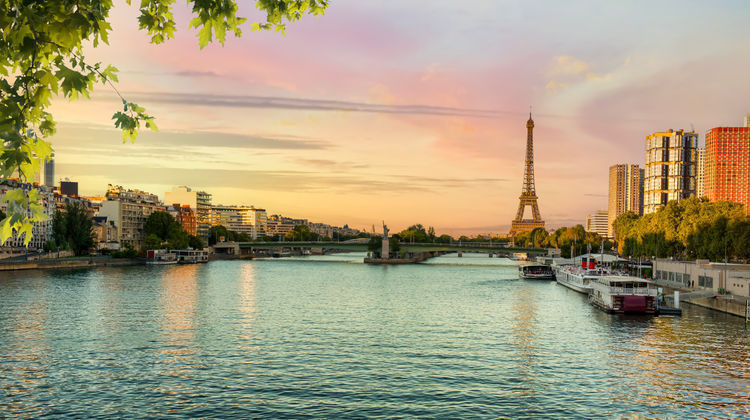

.jpg)