by Yes Getaways Team
June 03, 2026 •12 min read
There is no single French coast. France has roughly 5,500 kilometers of coastline if you count the islands, and the experiences range from Mediterranean palm-and-marble glamour to wild Atlantic cliffs in fog and rain. A traveler who pictures "the French coast" pictures only one of them, usually the Riviera. The other three are arguably more interesting.
This guide compares the four coastlines that matter for a first time visit and explains which one rewards which kind of traveler.
France has four coastlines worth flying for, and they are nothing like each other.
The short answer
If you want palm trees, beaches, glamour, harbors, and Mediterranean sun, go to the French Riviera (Côte d'Azur).
If you want wild cliffs, rain, oysters, lighthouses, and the most underrated coast in France, go to Brittany.
If you want dramatic chalk cliffs, history, butter, and a coastline shaped by D-Day and Impressionism, go to Normandy.
If you want mountainous Mediterranean islands with empty coves and almost nothing of the tourist machinery, go to Corsica.
The rest of the article makes the honest case for each.
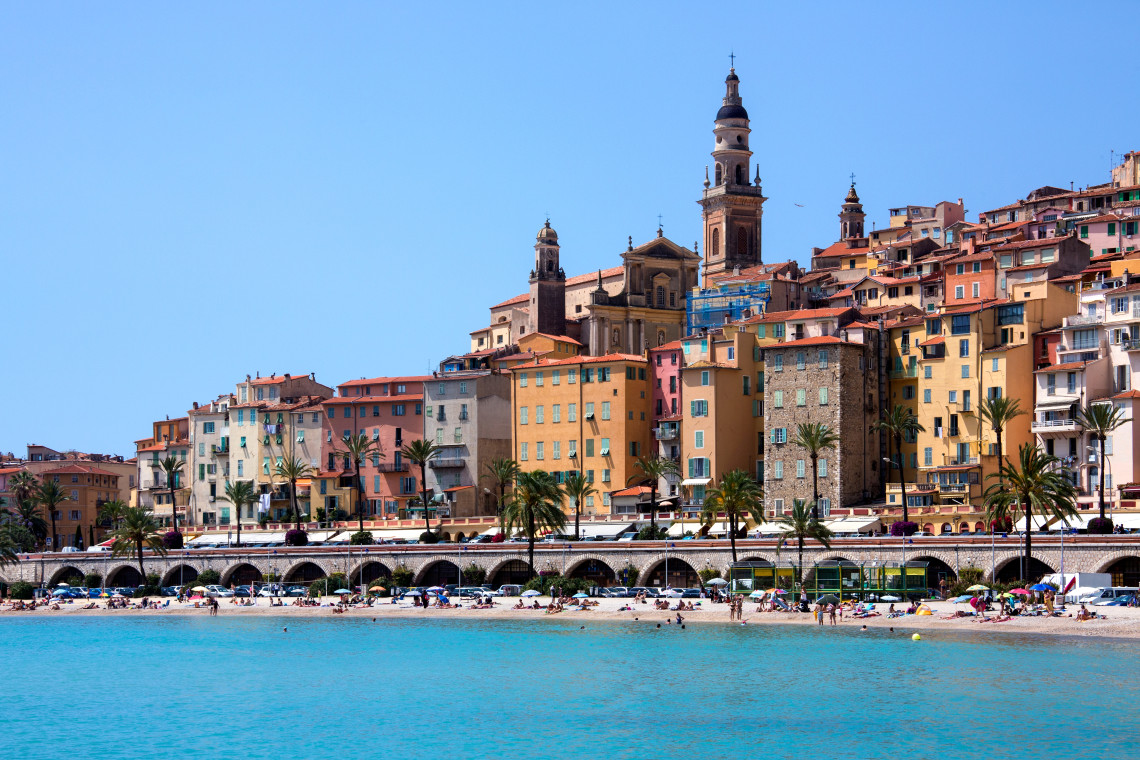
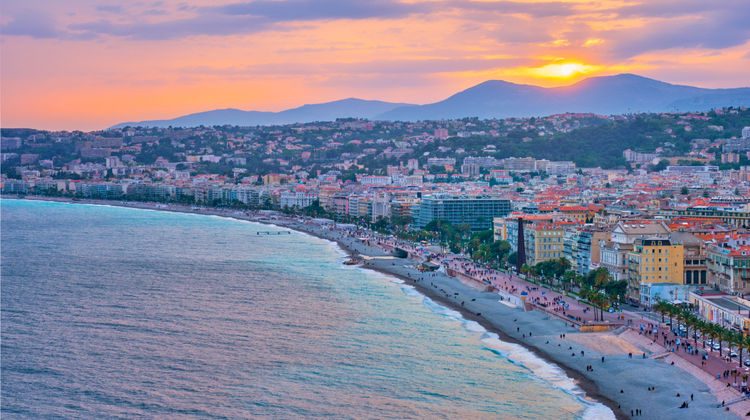
The French Riviera (Côte d'Azur): the famous one
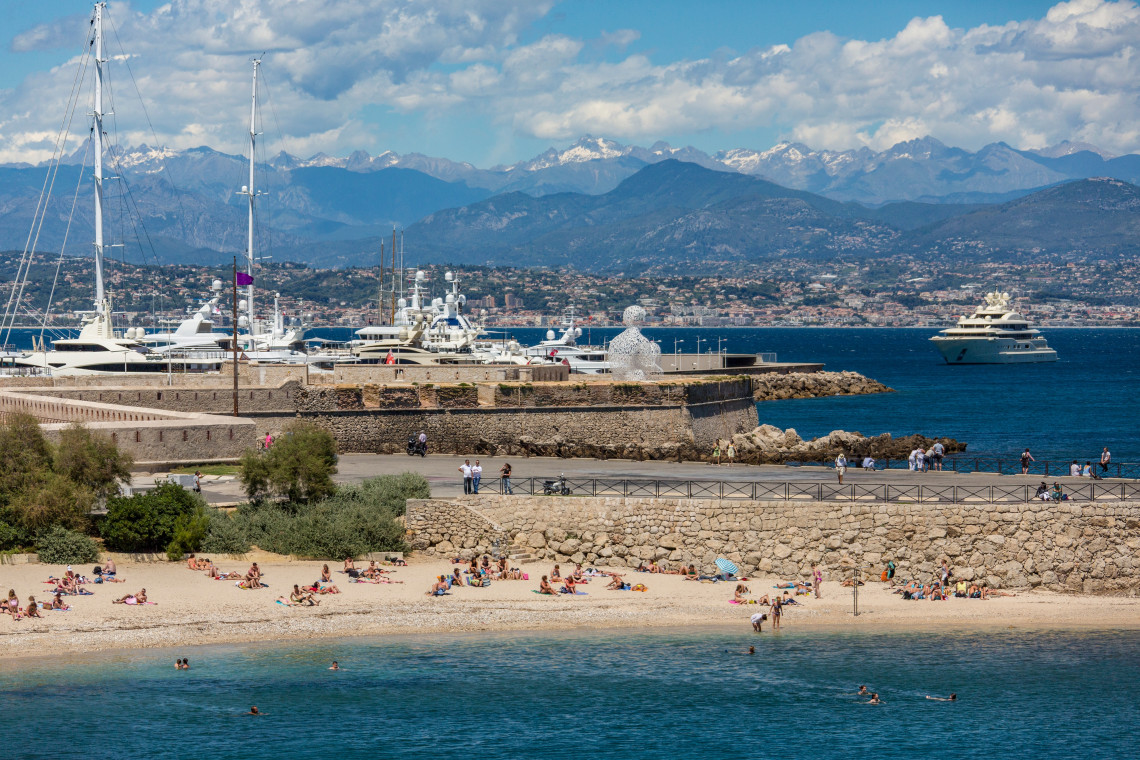
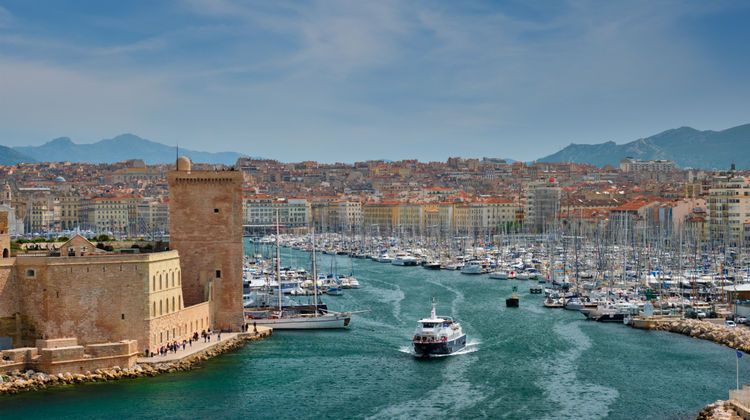
What it is. The Mediterranean coast from Saint-Tropez to Menton, taking in Cannes, Antibes, Cap d'Antibes, Nice, Villefranche, Èze, Monaco, and the Italian border. The most famous summer coast in Europe, a magnet for film stars, yacht owners, art collectors, and several million summer tourists.
The geography. The Riviera is narrow. The Maritime Alps drop almost directly into the Mediterranean, so the coast is a series of bays, capes, and clifftop villages. The single coastal road (the Basse Corniche, with the Moyenne Corniche and the Grande Corniche above it for views) runs the entire length. The TER train follows the coast through every town.
What you do here. Beach days (mostly pebble, not sand), harbor wandering, gallery visits (Matisse and Chagall in Nice, the Maeght Foundation in Saint-Paul-de-Vence, the Picasso Museum in Antibes, the Léger Museum in Biot), day trips by train to Monaco, Italian Riviera lunches in Ventimiglia, sundowners on terraces, summer film and music festivals.
Where to base. Nice is the practical choice: largest city, international airport, train hub, year round amenities. Antibes for a softer, more harbor-town feel. Villefranche for the prettiest small base. Cannes for film festival glamour (and inflated prices in May). Monaco for casinos and the Grand Prix.
The honest tradeoffs.
- Pros: Best weather of the four coasts in summer (sea temperatures 24°C / 75°F in July to August). The TER train makes the entire coast easy without a car. Wonderful day trips to back-country villages (Saint-Paul-de-Vence, Èze, Gourdon). Excellent food year round. Functions in shoulder seasons.
- Cons: Most expensive of the four coasts in July and August (hotels in central Nice 280 to 600 euros per night in peak). Pebble beaches, not sand (except Saint-Tropez and Cannes). Coastal traffic is brutal in summer. Less "wild" than any of the other three coasts. Less off the beaten path than it was 30 years ago.
When to go. Mid May to mid July and September are the consistent sweet spots. August is peak crowd and price. Winter is mild but partly closed (October to April some hotels and restaurants shutter).
Suits travelers who: want sun, want a coast that works without a car, prefer hotel-and-restaurant comfort to wild nature, like art and harbor towns.
Brittany: the wild Atlantic
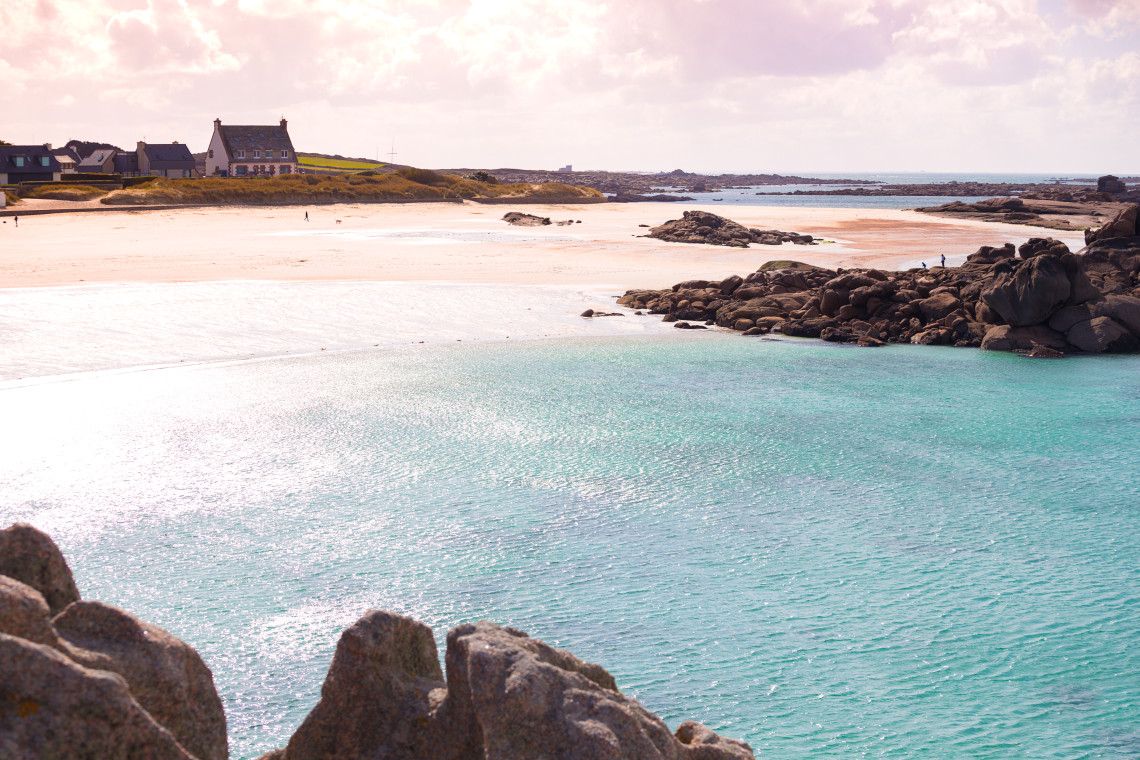
What it is. France's northwestern peninsula, jutting into the Atlantic. The most ruggedly beautiful French coast, with dramatic cliffs, pink granite shores, hundreds of small islands, oyster beds, lighthouses, walled cities (Saint-Malo), and a Celtic culture that feels closer to Ireland or Cornwall than to the rest of France.
The geography. Brittany has two coasts. The north coast (the Côte d'Émeraude around Saint-Malo, the Côte de Granit Rose around Perros-Guirec) faces the English Channel and has the most dramatic cliff scenery. The south coast (Quiberon, Carnac, the Golfe du Morbihan) is gentler, with islands and beaches. The Brittany interior is rural and quiet — a separate trip experience.
What you do here. Walk coastal paths (the GR34 hiking trail runs the entire Brittany coast — over 2,000 km), eat oysters from the bed they were pulled from, visit Saint-Malo's walled old town and its tidal pools, take ferries to islands (Belle-Île, Île de Bréhat, Île d'Ouessant), see the prehistoric standing stones at Carnac (older than Stonehenge), surf the Atlantic at Quiberon.
Where to base. Saint-Malo for the north coast: walled city, day trip to Mont-Saint-Michel (45 minutes), easy ferry to the Channel Islands. Dinard as the elegant Belle Époque neighbor of Saint-Malo. Quiberon for the south coast and Belle-Île ferry. Perros-Guirec for the Pink Granite Coast. Vannes for the Gulf of Morbihan.
The honest tradeoffs.
- Pros: Most dramatic of the four coasts. Wild, photogenic, often empty. Oysters and seafood at the source. The walled cities (Saint-Malo, Concarneau, Dinan) have no equivalent on the other French coasts. Culture is distinctive: Breton language, Celtic music, crêperies and galettes, cidre instead of wine.
- Cons: Weather is the biggest variable. Rain and fog are common even in summer. Cool sea temperatures (16 to 19°C / 60 to 66°F at peak summer). Less train coverage than the Riviera — a car is helpful for inland and remote coast. Some travelers find the weather too unpredictable for a beach-driven trip.
When to go. Late May to mid September. July and August are warmest but Brittany rarely gets the heat the south does. Off season is dramatic but cold and wet.
Suits travelers who: love wild coastal walking, hate crowds, want a less touristy France, are not chasing beach weather, enjoy oysters, lighthouses, and dramatic light.
Normandy: the dramatic Channel coast
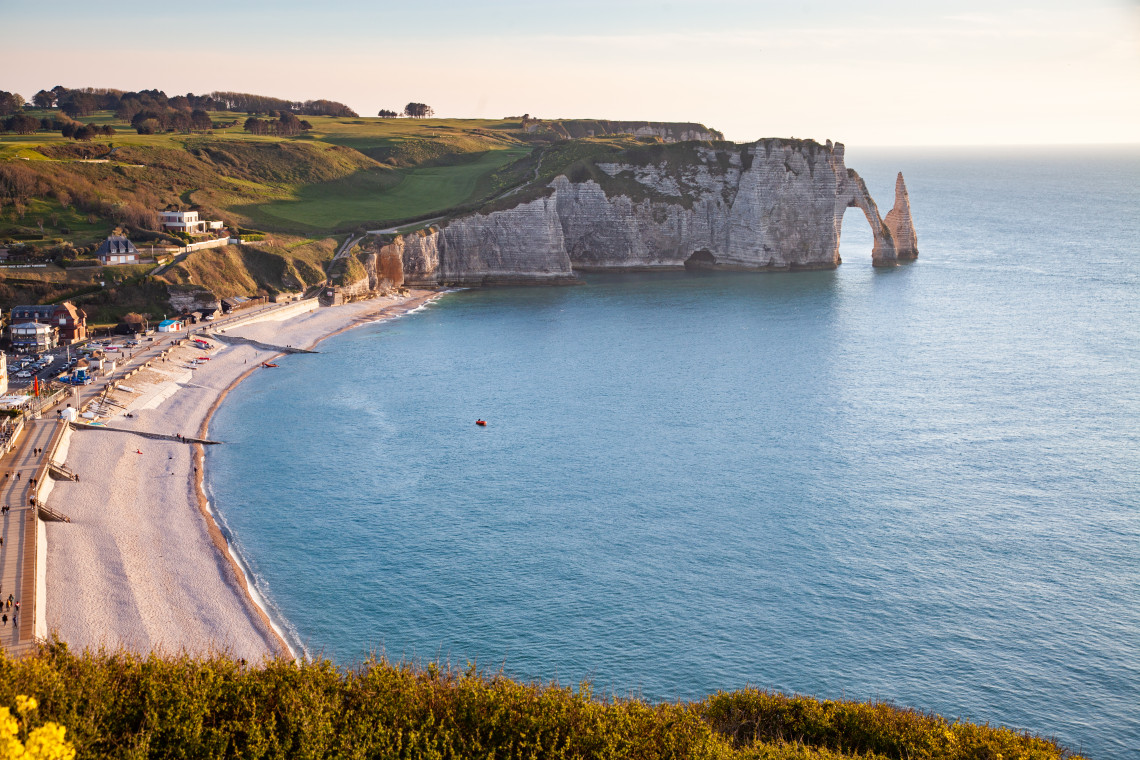
What it is. The northwestern French coast facing the English Channel. The Alabaster Coast (Côte d'Albâtre) of chalk cliffs at Étretat and Fécamp, the Côte Fleurie of Belle Époque resorts (Honfleur, Deauville, Trouville), the D-Day landing beaches west of Caen (Omaha, Utah, Gold, Juno, Sword), and the island commune of Mont-Saint-Michel at the Brittany border.
The geography. Normandy's coastline is shorter than Brittany's but more historically dense. The cliffs of Étretat (made famous by Monet's paintings) are 80 km west of Le Havre. The Côte Fleurie with its half-timbered resort towns is around Honfleur, 50 km further west. The D-Day beaches are another 70 km west of that. Mont-Saint-Michel sits at the western boundary on the Brittany border.
What you do here. Walk the cliff tops of Étretat, photograph the natural arches (Aval, Amont, Manneporte), visit Honfleur's harbor (the inspiration for Impressionism), eat moules-frites in Trouville, drive the D-Day beaches with a guide (Pointe du Hoc, the American Cemetery at Colleville-sur-Mer, Omaha Beach, the Mulberry harbor remains at Arromanches), see Bayeux's medieval tapestry, cross the Mont-Saint-Michel causeway at sunset.
Where to base. Honfleur for the harbor and the Côte Fleurie. Bayeux for the D-Day beaches and the medieval city. Étretat itself for the cliff trip (or Le Havre as a larger base). Caen for the central position and the war memorial museum.
The honest tradeoffs.
- Pros: Historically rich (D-Day, Impressionism, medieval Bayeux). The Étretat cliffs are visually iconic. Honfleur is one of France's most beautiful small ports. Combines naturally with Mont-Saint-Michel. Excellent food (Camembert and Livarot cheeses, Calvados apple brandy, butter, oysters).
- Cons: Weather similar to Brittany (cool, wet, variable). Beach swimming is for the brave (sea temperatures rarely exceed 18°C / 65°F). The D-Day beaches need a car or a guided tour to do properly. Less iconic French coastal feel — the architecture is more Channel-influenced than Mediterranean.
When to go. Late May to mid September. June for D-Day commemorations (busy but atmospheric). July and August for the warmest conditions (still cool by Riviera standards).
Suits travelers who: love WWII history, Impressionist painting, dramatic cliffs, walled medieval cities, do not need beach weather, want a coast that combines naturally with Paris (Bayeux is 2h15m by direct train from Gare Saint-Lazare).
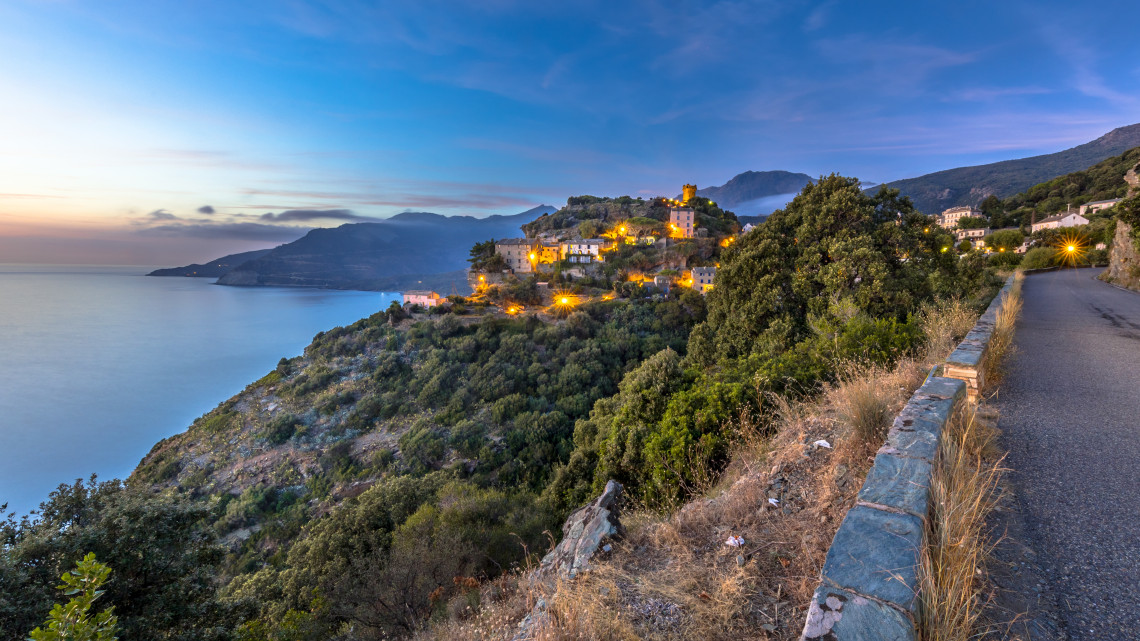
Corsica: the empty Mediterranean
What it is. France's largest Mediterranean island, 200 km south of the Riviera, closer to Italy than to mainland France. Mountainous, rugged, with some of the cleanest beaches in the Mediterranean and a fierce local culture (Corsicans speak their own language and identify strongly as Corsican first, French second).
The geography. Corsica is essentially a mountain in the sea. The interior reaches 2,706 m at Monte Cinto. The coast has roughly 1,000 km of shoreline, of which the most spectacular runs the west coast: Calvi and the Balagne in the north, Porto with the Calanques de Piana (red granite sea cliffs, UNESCO listed), Ajaccio as the capital, and Bonifacio at the southern tip on cliffs above the Strait of Bonifacio. The east coast is flatter, less spectacular, more agricultural. The south coast (Porto-Vecchio, Bonifacio) has the best beaches.
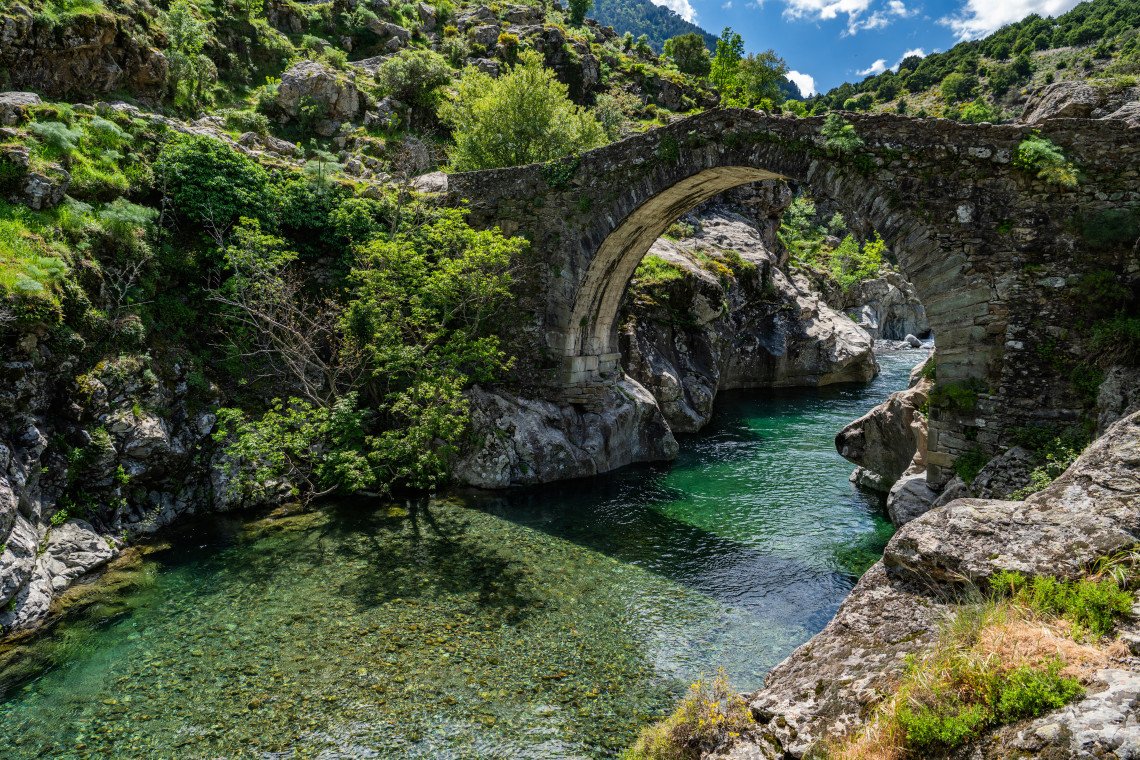
What you do here. Beach days at coves the Riviera cannot match (Palombaggia, Santa Giulia, the beaches near Saint-Florent in the Désert des Agriates), hike the GR20 (often called the toughest long-distance trail in Europe), boat trips to the Lavezzi Islands and the Scandola nature reserve, drive the mountain roads of the interior, eat charcuterie (the famous Corsican pigs run wild and eat chestnuts), drink the local wines from Patrimonio and Ajaccio.
Where to base. Two-base trips are the standard: one in the north (Calvi or Saint-Florent), one in the south (Porto-Vecchio or Bonifacio). Ajaccio is the capital and easy point of entry but the most "urban" of the bases.
The honest tradeoffs.
- Pros: Some of the best beaches in the Mediterranean. Dramatic interior mountains accessible by short drive. Genuinely empty stretches of coast in shoulder season. Distinctive culture and food. The Calanques de Piana are extraordinary.
- Cons: Logistics are harder (fly from Paris, Nice, or Marseille; or ferry from Nice, Marseille, Toulon). Mountain roads require careful driving. Limited train network. English coverage is lower than Riviera or Normandy. August is the only crowded month and it is genuinely crowded.
When to go. May, June, September, early October are the consistent sweet spots. July and August for full summer (peak crowds and prices). Winter is mild but most coastal hotels are closed.
Suits travelers who: want an island, want the most beach-quality of the four coasts, are comfortable with car-based logistics, want a Mediterranean coast that does not feel "developed," enjoy hiking or boat trips.
The combination most travelers do not consider
A pattern worth thinking about: two French coasts in one trip. The two most natural pairings:
Riviera + Corsica. Fly into Nice for 3 to 4 days on the Riviera, then ferry overnight to Corsica (or fly the 1h hop) for 5 to 7 days. Returns the most beach value on a single France trip.
Normandy + Brittany. Drive coast to coast from Le Havre or Honfleur all the way west through D-Day beaches, Mont-Saint-Michel, into Saint-Malo and the Brittany coast. About 350 km of mostly coastal driving. The most varied of the French coastal trips.
For most first time visitors, however, picking one coast is enough.
The most underrated of the four
Brittany is the consistent answer when we ask returning travelers which French coast they want to go back to. The combination of dramatic landscape, distinctive culture, oysters at the source, and the absence of the Riviera crowds gives Brittany an emotional pull the more famous coasts do not have for repeat visitors.
For first timers, however, the Riviera remains the most accessible introduction.
Frequently asked questions
Which French coast is best in summer?
The Riviera for the most reliable beach weather and the easiest logistics. Corsica for the best beaches with slightly fewer crowds (outside August). Brittany and Normandy in summer are pleasant but cooler.
Which French coast is least touristy?
Brittany, especially the inland coastal villages and the smaller Channel-facing towns. Corsica is empty in shoulder season but crowded in August. The Riviera is busy year round.
Which French coast is best for families?
Brittany's south coast (Quiberon, the Golfe du Morbihan) has sandy beaches and shallow water. The Riviera works for families but pebbly beaches and high prices are tradeoffs. Corsica's south coast has the best beaches but the logistics are harder with kids.
Are French Riviera beaches sandy?
Mostly pebble. Saint-Tropez and Cannes have sandy stretches. Nice and Villefranche are pebbly. Many resort beaches have private sun-bed clubs that essentially sit you on a smooth wood platform over the pebbles.
Is Mont-Saint-Michel in Normandy or Brittany?
Mont-Saint-Michel is administratively in Normandy but it sits at the Brittany border and is often visited as part of a Brittany trip from Saint-Malo (45 minutes by car) or as a day trip from Bayeux or Rennes.
Can I see the D-Day beaches without a car?
With difficulty. Most travelers take an organized day tour from Bayeux (where the train arrives from Paris in 2h15m). Self-driving is possible but the beaches are spread across 80 km of coastline.
How long do I need on the French Riviera?
4 to 6 nights is the sweet spot. Less than 3 nights and you cannot day-trip properly. More than a week and travelers often want to add the back country (Provence) or Corsica.
Is Corsica part of France?
Yes. Corsica is a French region with strong local autonomy. Currency is the euro, passports work the same as mainland France, but the language and identity are distinctly Corsican.
Which French coast is best for food?
Brittany for seafood (oysters, mussels, scallops) and crêperies. Normandy for cheese, cream sauces, butter, and Calvados. The Riviera for Provence-Mediterranean cuisine (bouillabaisse, salade niçoise, pissaladière). Corsica for charcuterie and chestnut-based dishes.
Can I drive between French coasts?
Yes, but the distances are real. Riviera to Brittany is 1,200 km. Normandy to the Riviera is 1,000 km. For long inter-coast moves, fly or take the TGV.
What is the warmest French coast?
The Riviera and Corsica in summer (sea temperatures 23 to 26°C / 73 to 79°F at peak). Brittany rarely exceeds 19°C / 66°F. Normandy is similar to Brittany.
Four French coasts, four different trips.
Our travel experts will pair you with the right one.
See France Packages Tailor-Made Trip
.jpg)