by Yes Getaways Team
September 24, 2026 • 12 min read
There is no wrong answer to this question, but there is a right answer for you specifically. The seven Canary Islands are more different from each other than most first-time visitors expect. They share the climate (year-round warm), the currency (euro), and the language (Spanish), but the actual experience of a week in Lanzarote is nothing like a week in La Gomera, and Tenerife has more in common with a subtropical continent than with its own neighbor La Palma. This guide walks through each island honestly, then matches them to what you actually want out of a trip.
The short answer
- First-time visitors, no strong preference: Tenerife. The most infrastructure, the widest hotel choice, the biggest single attraction (Mount Teide), and direct flights from most US East Coast cities.
- Beach, resort, all-inclusive focus: Tenerife (south coast) or Gran Canaria. Both have the largest hotel inventory and the most consistent beach weather.
- Volcanic landscapes and design: Lanzarote. Nowhere else in the world looks like this.
- Long beaches and wind sports: Fuerteventura. Longest sand beaches in the Canaries, best windsurfing.
- Hiking, forest, and stargazing: La Palma. UNESCO Biosphere Reserve, Starlight Reserve, quietest of the big-name islands.
- Untouched authentic Canaries: La Gomera. Small, mountainous, forested, still local.
- Getting off the map entirely: El Hierro. Smallest, farthest west, fewest tourists of any inhabited island.
- Two-island combos: Tenerife + Gran Canaria is the classic. Tenerife + La Gomera is the local-favorite. Lanzarote + Fuerteventura is the wind-sports pair.
Tenerife & Gran Canaria: 9-Day Island Escape — the classic two-island first trip, with flights, hotels on both islands, and the interisland transfer included.
See two-island packages →Understanding the Archipelago
Seven inhabited islands (plus tiny inhabited La Graciosa), grouped in two natural clusters:
The western group: Tenerife, La Gomera, La Palma, El Hierro. Younger volcanically, taller, greener. All four have significant mountain ranges. Tenerife has the tallest peak in Spain (Mount Teide, 3,715m). Rainfall is higher (in relative terms), forests are subtropical, and the landscape feels closer to Madeira or Hawaii than to Morocco.
The eastern group: Lanzarote, Fuerteventura, Gran Canaria. Older volcanically (much older for Lanzarote and Fuerteventura), lower, drier, more Saharan. Long beaches of white or golden sand blown in from the Sahara over millennia. Wind is stronger and more reliable, which makes them the wind-sport capitals of Europe.
Gran Canaria is a hybrid. It sits in the eastern group geographically but shares some characteristics with the west (a mountainous interior, forests in the north, microclimates). Locals call it a "continent in miniature" because you can drive from tropical banana plantations to alpine pine forest to Saharan sand dunes in an afternoon.
Distances are short. Interisland flights are 20 to 45 minutes. Ferries between the closest islands (Tenerife-La Gomera, Lanzarote-Fuerteventura) are 45 minutes to 2 hours. It is realistic to visit two islands in a single trip, less realistic to visit three unless you have 12+ days.
Tenerife: The Best First Trip Default
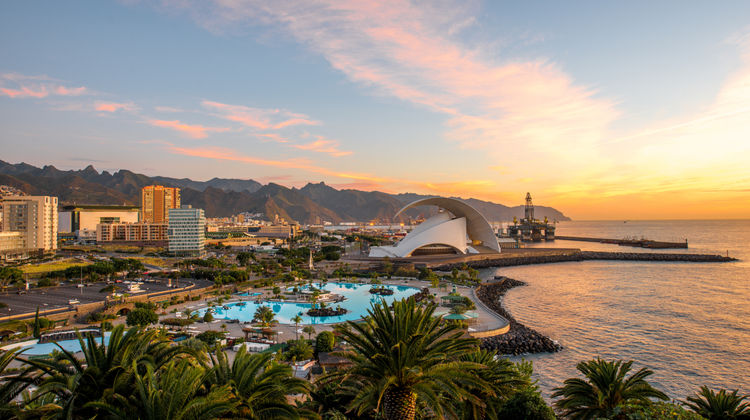
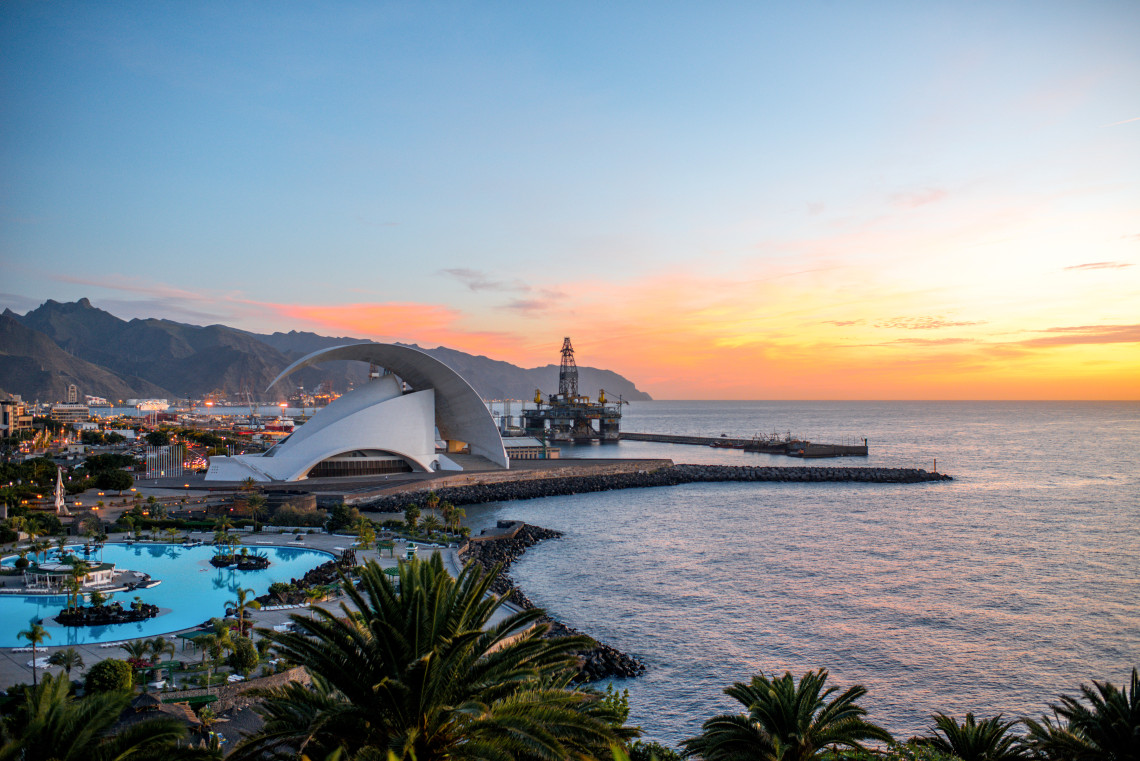
The largest of the Canary Islands (785 square miles), the most populated (nearly a million people), and the most visited by international travelers. This is the default first-timer island for one reason: it does everything reasonably well. Beach resorts, hiking, volcano, whale watching, food scene, nightlife, and airline connectivity are all better here than anywhere else in the archipelago.
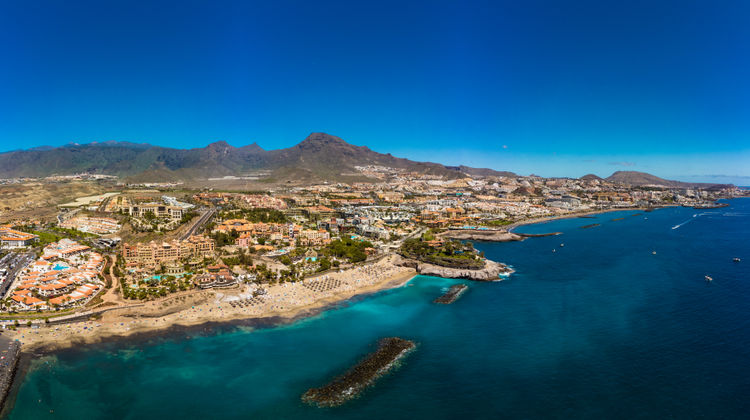
The character. Two-part island. The south (Costa Adeje, Playa de las Americas, Los Cristianos) is beach-and-resort Tenerife: reliably sunny, big all-inclusive hotels, wide range of restaurants, and easy access to whale watching boats. The north (Puerto de la Cruz, La Orotava, La Laguna) is greener, cooler, more Spanish-feeling, with black-sand beaches and colonial architecture. The center is Mount Teide National Park, Spain's most visited national park.
Best for: First-time Canary Islands visitors. Families. Multi-generational trips. Anyone who wants a lot of options in one place. Winter sun travelers.
Weather note: South Tenerife is the sunniest and driest place in Europe. Rain is genuinely rare on the south coast.
Downside: Some of the south coast resorts (Playa de las Americas specifically) feel over-developed and cater to a party demographic that not everyone wants. Costa Adeje and Los Cristianos are the more polished alternatives.
Best week length: 7 days is comfortable. 10 days lets you split between south (beach) and north (culture and hiking).
Gran Canaria: The Diverse Alternative
Third-largest island (about 60 percent the size of Tenerife) but with the most microclimate variation of any single Canary. Nicknamed "the continent in miniature" because you can experience banana plantations, pine forests, alpine peaks, and Saharan dunes on the same day.
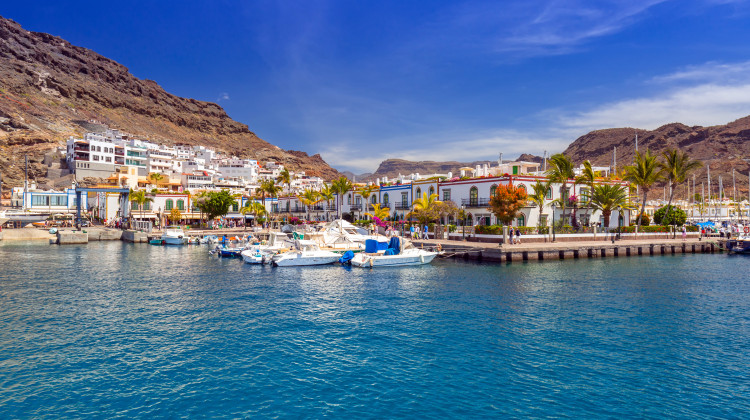
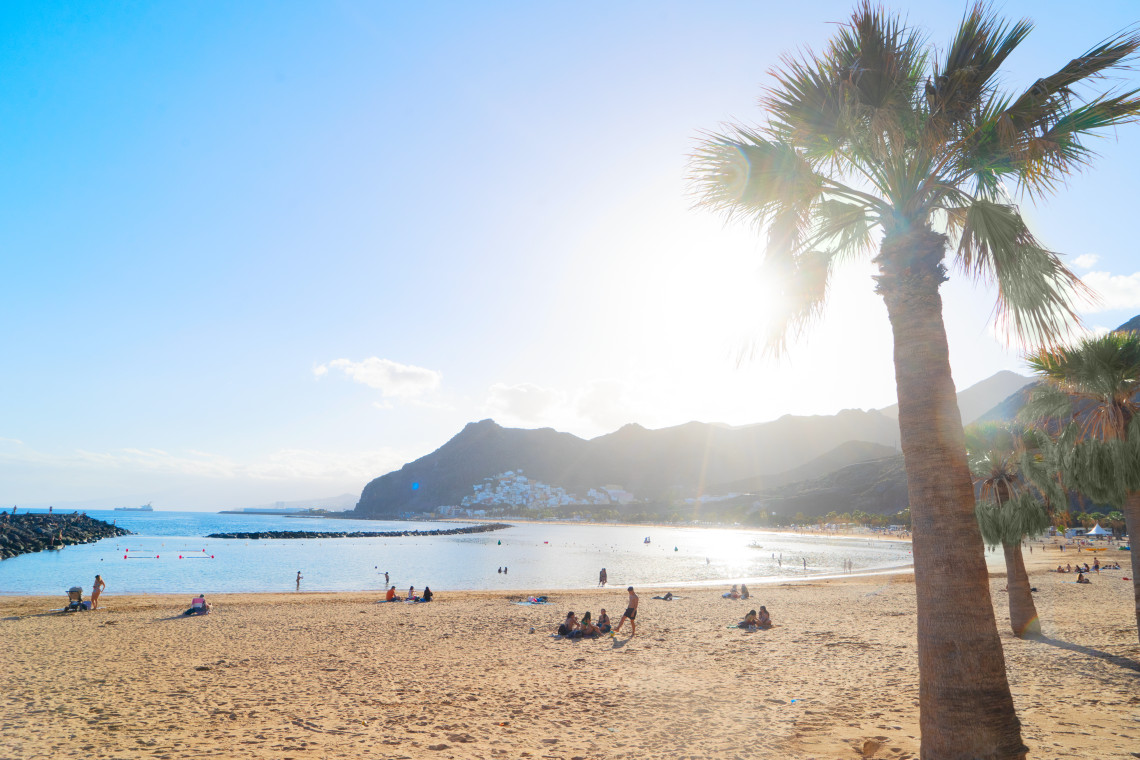
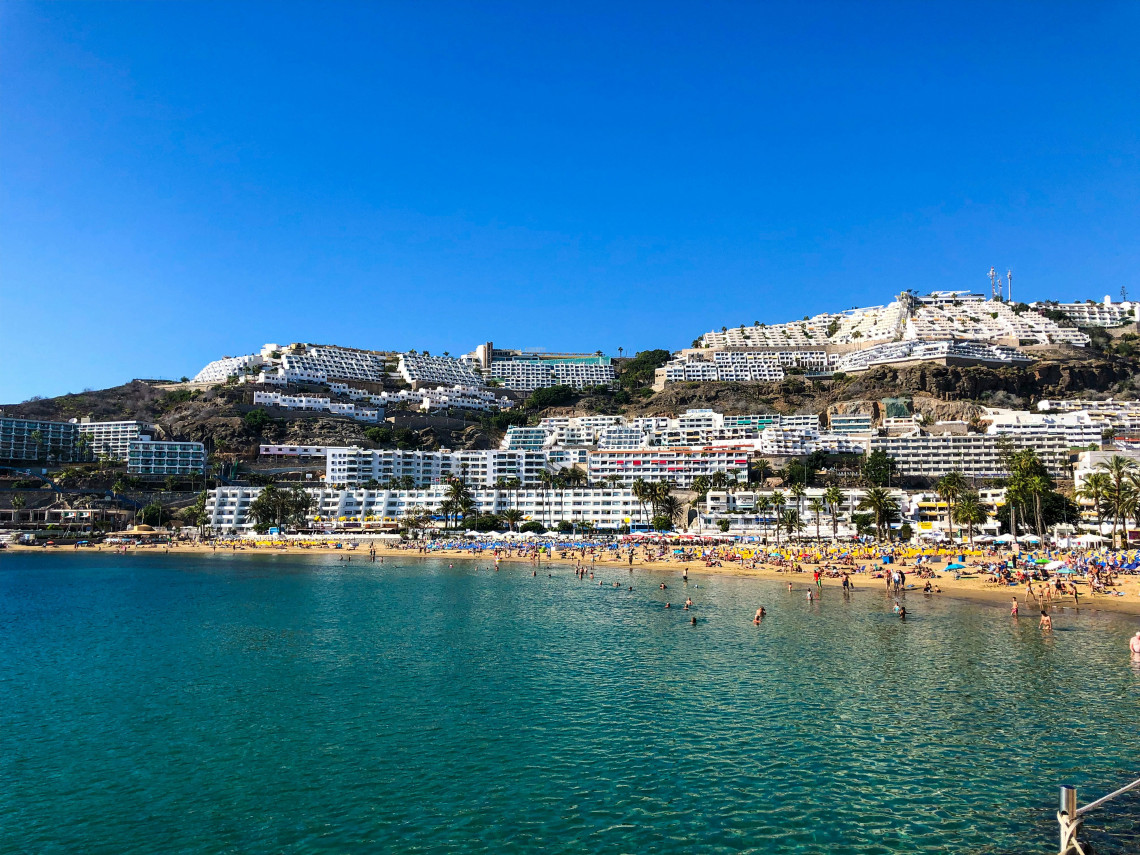
The character. Split by climate. The south (Maspalomas, Playa del Ingles, Puerto Rico) has the classic Canary desert-and-beach experience: the famous Maspalomas Dunes (miles of protected sand dunes running right into the Atlantic), consistent sun, and big resort infrastructure. The north is greener and includes Las Palmas de Gran Canaria, the largest city in the archipelago and a proper Spanish city with a real cultural scene. The interior has mountain villages, pine forests, and Roque Nublo (a 300-foot volcanic monolith).
Best for: Travelers who want beach and city in one trip. Culture-seekers. Digital nomads (Las Palmas has one of Europe's most active remote work scenes). Multi-generational trips.
Weather note: Wider temperature spread than Tenerife because of the interior mountains. The south coast is comparable to south Tenerife.
Downside: Some south coast resorts have a strong package-tour feel. Maspalomas and Playa del Ingles are historically the party towns; Meloneras is the polished alternative.
Best week length: 7 days minimum. Add a couple more days if you want to base part of the trip in Las Palmas.
Lanzarote: The Design Island
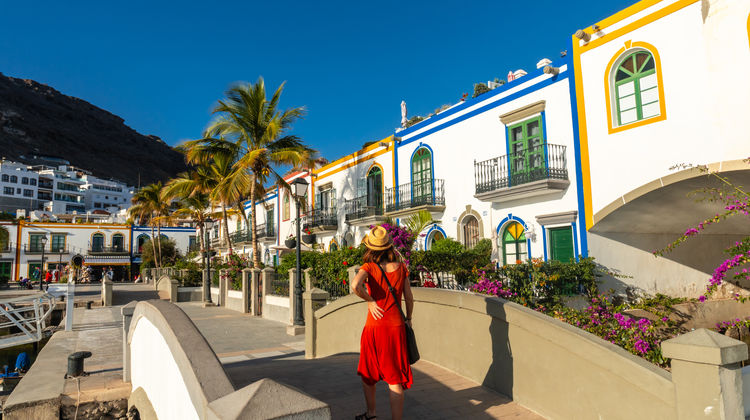
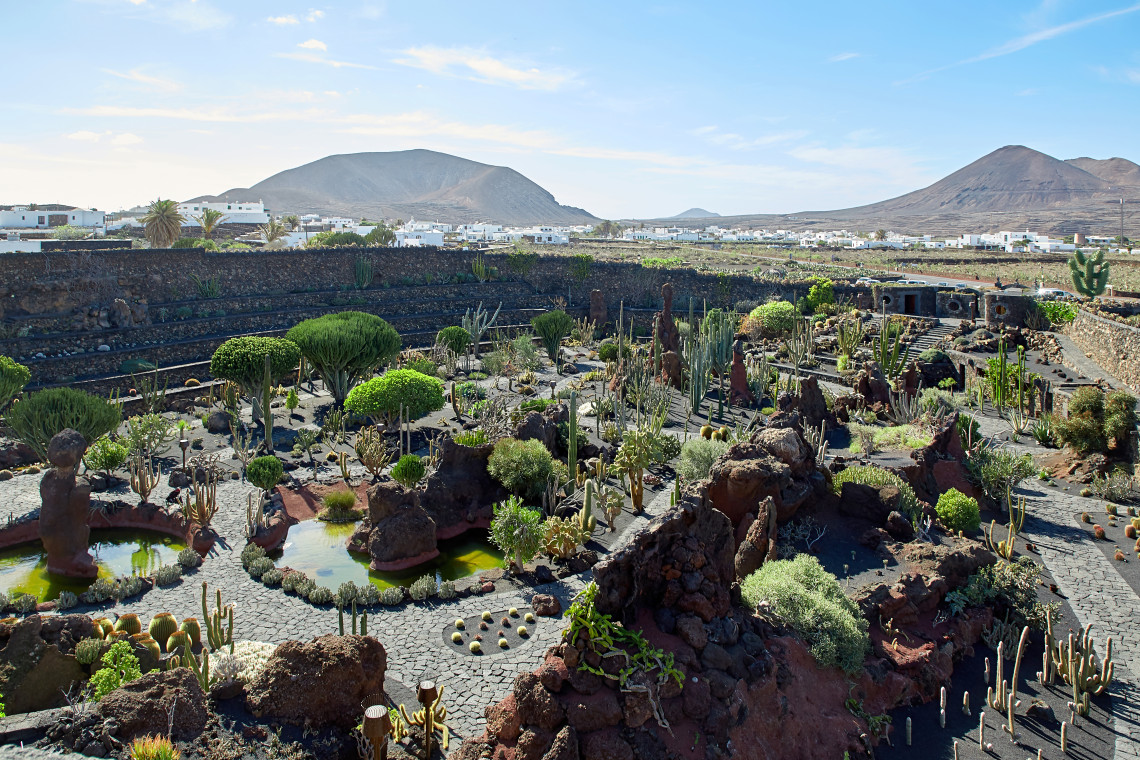
The northeasternmost island, the fourth-largest, and visually the most distinctive of the entire archipelago. Volcanic activity in the 1730s (the Timanfaya eruptions) covered a quarter of the island in black lava, and the results are still surreal 300 years later. Add to that the entire tourism development of the island being shaped by César Manrique, the local artist who insisted on white low-rise buildings, no billboards, and no high-rise hotels, and Lanzarote looks like nowhere else on earth.
The character. Black volcanic landscape dotted with whitewashed houses, green-shuttered windows, and camels. The famous Timanfaya National Park in the middle of the island is where you can drive through active volcanic landscape and watch a chef grill chicken over a natural volcanic vent. The wine region of La Geria grows grapes in individual pits dug into the black volcanic ash. Manrique's own house (now a museum) is built inside five volcanic bubbles connected by tunnels.
Best for: Design and architecture travelers. Photographers. Couples on a distinct trip. Return Canary Islands visitors who have already done Tenerife or Gran Canaria. Windsurfers.
Weather note: Drier and windier than the western islands. Rain is rare. Trade winds are constant.
Downside: Beaches are smaller and less dramatic than Fuerteventura's or south Gran Canaria's. Not the best pick if you want a pure beach-and-pool week.
Best week length: 5 to 7 days is ideal. Lanzarote is compact enough to see comfortably in a week.
Fuerteventura: The Beach Island
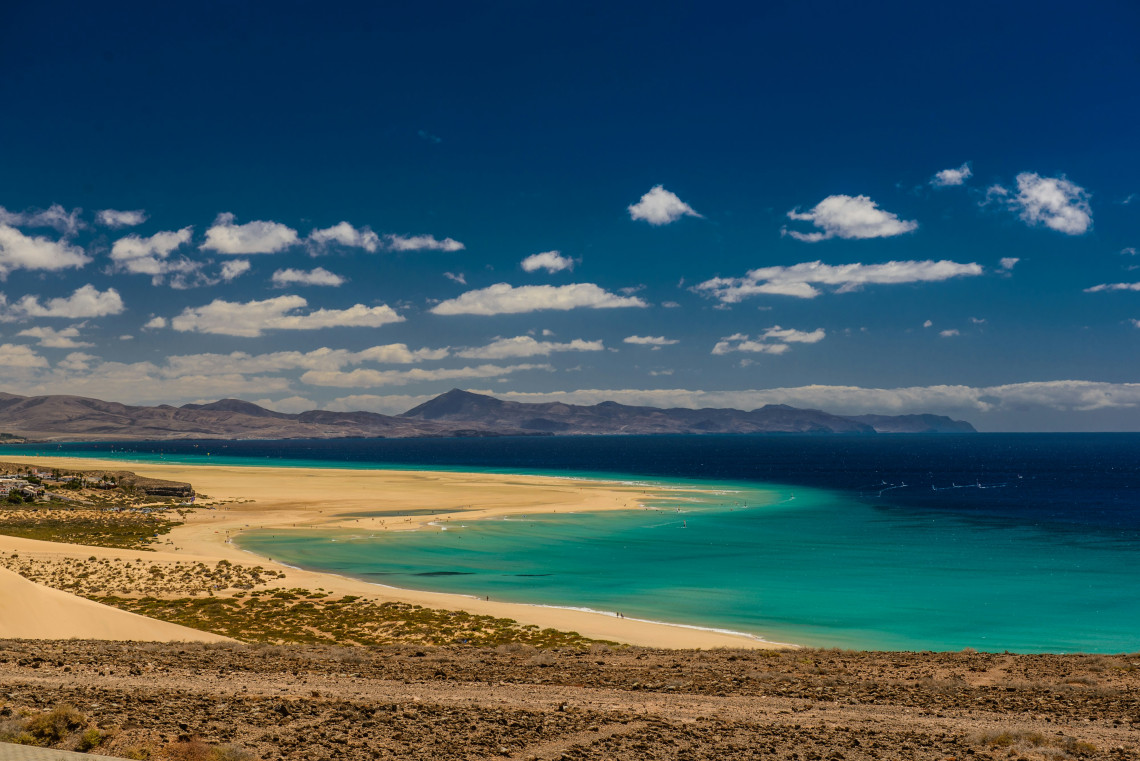
The second-largest by area, the second-oldest volcanically, and by consensus the best beach island in the Canaries. Long uninterrupted stretches of white and golden sand, gentle turquoise water, and a landscape that looks like a Saharan extension because that is essentially what it is (Fuerteventura is 60 miles from the African coast).
The character. Flat, dry, and beach-heavy. Two coasts. The east coast (Corralejo in the north, Costa Calma and Jandia in the south) has the developed beach resorts and the biggest hotel inventory. The west coast is quieter, wilder, and the base for the surf scene. The interior is arid volcanic plain, best crossed by rental car.
Best for: Pure beach travelers. Surfers and windsurfers (Sotavento beach is one of the top windsurfing spots in the world). Families with beach-oriented kids. Travelers who want to relax rather than sightsee.
Weather note: Consistently sunny. Windier than Tenerife or Gran Canaria on average, which is why the wind sports are so good.
Downside: Culturally quieter. If you want cities, food scenes, or non-beach activities, this is not the island.
Best week length: 7 days is standard. 5 days works for a shorter beach reset.
La Palma: The Green Island
The fifth-largest and, by consensus, the greenest and most beautiful of the Canaries. Also called "La Isla Bonita" (the pretty island). Steep, forested, dramatic, and quiet. La Palma is a UNESCO Biosphere Reserve, a Starlight Reserve (for its exceptional night skies), and one of the most under-visited islands.
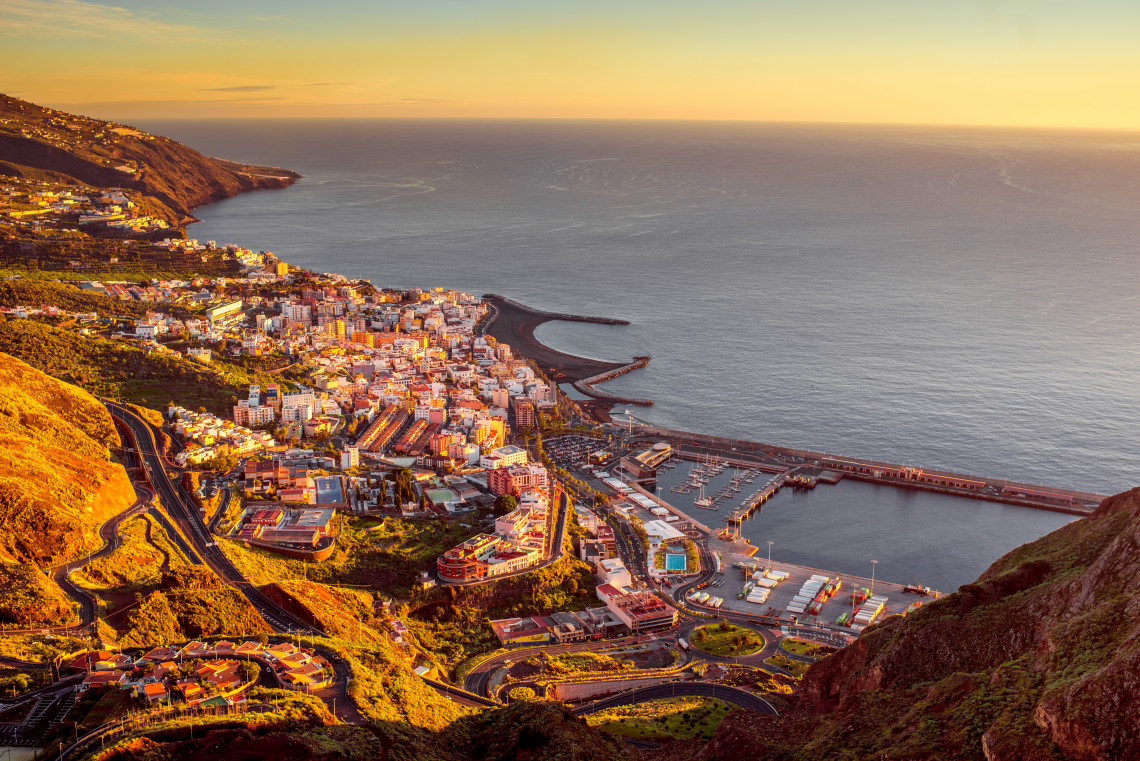
The character. Vertical. The center of the island is the Caldera de Taburiente, a massive erosion crater 8 km across, filled with pine forest and hiking trails. The east has the small capital Santa Cruz de La Palma, a well-preserved colonial port town. The west has the volcanic ridge that erupted as recently as 2021 (the Cumbre Vieja eruption), which added new land to the island's southwest coast.
Best for: Hikers. Nature lovers. Stargazers (the Roque de los Muchachos observatory is one of the world's top astronomy sites). Travelers who have been to the more famous islands and want the quieter, greener alternative.
Weather note: Wetter than the eastern islands. The north gets significant cloud cover and mist, which is why the forests are so lush.
Downside: Fewer beaches, less resort infrastructure, more distance from the international airports (usually connects via Tenerife).
Best week length: 5 to 7 days for hikers. Can be extended if you love the outdoor scene.
La Gomera: The Local Favorite
The second-smallest of the main inhabited islands. Small, mountainous, forested, and traditional in a way the bigger islands are not. La Gomera is the island Canarians go on holiday to.
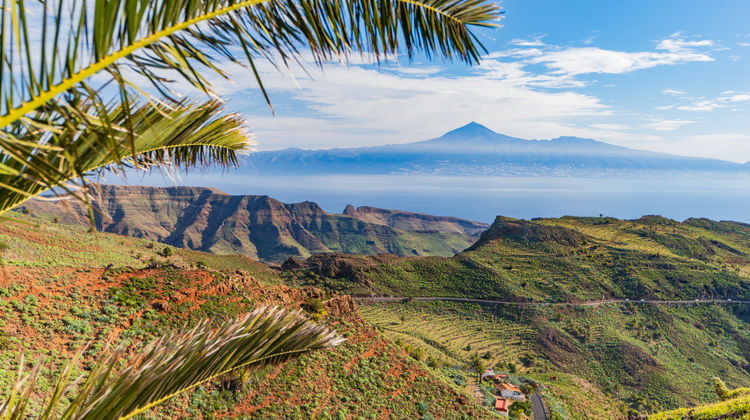
The character. Vertical and steep. Deep ravines cut the island into slices, with small villages clinging to the ridges above them. The center is the Garajonay National Park, a UNESCO-listed laurel forest that is a remnant of the subtropical forest that once covered southern Europe millions of years ago. Locals still use "Silbo Gomero", a whistled language that carries across the ravines, recognized by UNESCO as an intangible cultural heritage.
Best for: Hikers. Slow travelers. Anyone who has been to the bigger Canary Islands and wants the local, unpolished version.
Weather note: Wetter than the eastern islands, comparable to La Palma.
Downside: Very limited resort infrastructure. Small hotels only. No direct US or major-European airport; you fly to Tenerife and take the 45-minute ferry across.
Best week length: 3 to 4 days as an add-on to a Tenerife trip. 5 to 7 days if La Gomera is the point.
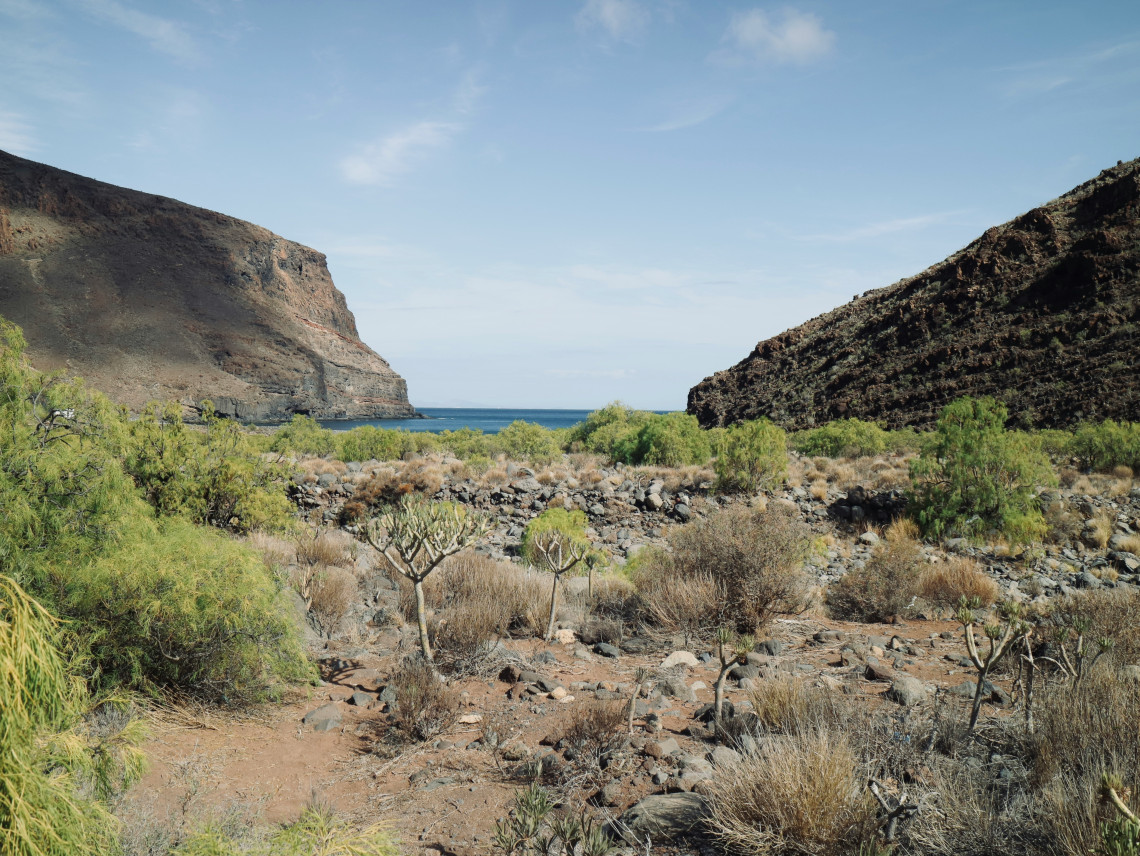
El Hierro: The Off-Map Choice
The smallest and westernmost inhabited island. Dramatic, remote, and rarely visited. UNESCO Biosphere Reserve and one of the first islands in the world to run entirely on renewable energy (wind and pumped-storage hydro) some days of the year.
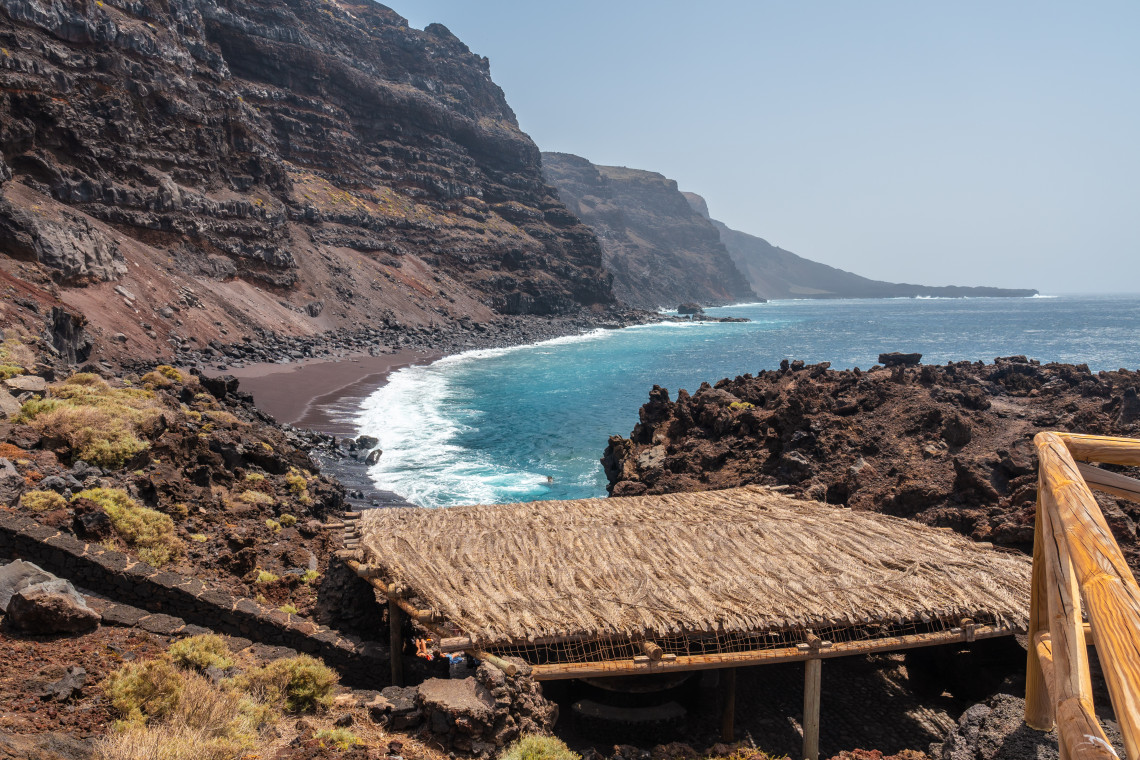
The character. Volcanic cliffs dropping straight into the ocean. A small population (about 11,000). A UNESCO Geopark. Some of the best scuba diving in the Atlantic (the marine reserve at La Restinga is legendary). No big hotels. No beach resorts in the conventional sense.
Best for: Divers. Off-the-beaten-path travelers. Third-visit-to-the-Canaries travelers. Anyone who does not need infrastructure.
Downside: Very limited hotel and restaurant options. Getting there requires a connection through Tenerife.
Best week length: 4 to 5 days is enough for the whole island.
La Graciosa: The Bonus Island
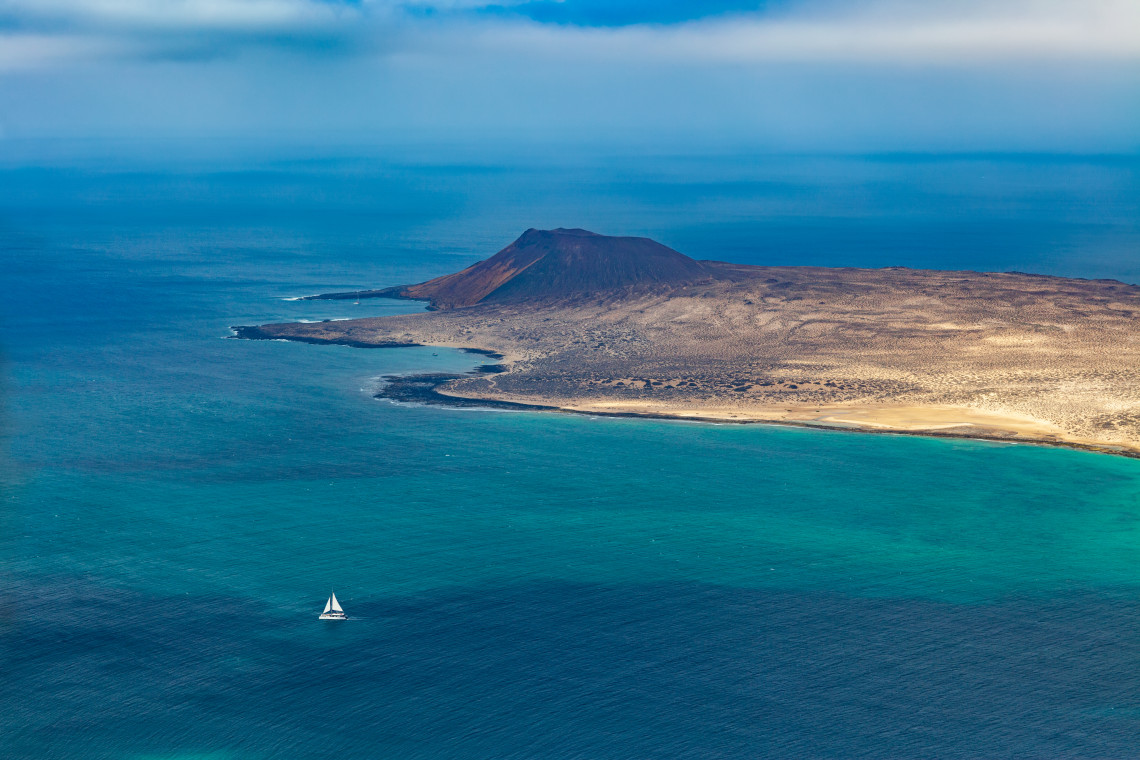
Tiny (7 square miles), officially the eighth inhabited Canary Island (granted status in 2018), and reachable only by ferry from Lanzarote (25 minutes). Population under 800. Sandy streets, no cars for tourists (locals have limited vehicles), a handful of restaurants, and some of the best beaches in the Canaries.
Best for: A day trip or overnight from Lanzarote. Total escape.
Tenerife Fly & Drive: 8 Days of Volcanoes & Beaches
Explore Tenerife by car: volcanic landscapes, mountain villages, hidden beaches, and Mount Teide. Flights, hotel, and rental car included.
See Tenerife Fly & Drive →Decision Matrix: Match the Island to Your Trip
If this is your first Canary Islands trip and you have a week: Tenerife. Best default for first-timers.
If this is your first trip and you have 9-10 days: Tenerife + Gran Canaria. The classic two-island combo, with the interisland flight or ferry making it easy.
If you want the classic Canary beach vacation: Fuerteventura for pure beach, or south Tenerife/south Gran Canaria for beach plus resort infrastructure.
If you want distinct landscapes and are willing to trade some beach quality: Lanzarote.
If you are outdoor-active (hiking, cycling, running): La Palma or La Gomera. Both have serious trail networks.
If you are windsurfing or kitesurfing: Fuerteventura (Sotavento) or Lanzarote (Famara). Same wind season, different vibes.
If you are surfing: North Fuerteventura, north Tenerife, or north Lanzarote. All three have consistent Atlantic swells October to April.
If you want city plus beach: Gran Canaria. Las Palmas is a proper Spanish city.
If you want an all-inclusive resort week: Tenerife or Gran Canaria. Both have the largest all-inclusive inventory. The Yes Getaways all-inclusive packages are anchored in these two islands.
If you have been to the Canaries before and want something different: Lanzarote, La Palma, La Gomera, or El Hierro (in ascending order of "how much of an adventure").
If you want to combine the Canaries with mainland Spain: Tenerife or Gran Canaria plus Barcelona. Both fly directly to Barcelona in about 3 hours.
Two-Island Combinations
Tenerife + Gran Canaria (the classic). Two of the biggest islands, both with major airports, connected by 25-minute flights or 90-minute ferries. Standard 9-day trip: 4-5 nights on each. Complementary characters (Tenerife has Teide, Gran Canaria has microclimates and Las Palmas city).
Tenerife + La Gomera (the local favorite). Fly into Tenerife, ferry to La Gomera (45 minutes from Los Cristianos), spend 3-4 days on La Gomera, return to Tenerife for the rest of the trip. Best if you want a hiking day in the Garajonay forest and a taste of an unpolished Canary.
Tenerife + La Palma (the outdoor combo). Fly into Tenerife, take the interisland flight (30 minutes) to La Palma, spend 4-5 days hiking and stargazing, return to Tenerife. Best for outdoor active travelers.
Lanzarote + Fuerteventura (the eastern combo). Fly into either, ferry between them (25 minutes at the shortest crossing). Both islands are compact enough that 3-4 days on each is comfortable. Best for wind sports travelers and travelers who love the distinctive eastern volcanic-and-beach landscape.
Gran Canaria + Fuerteventura. Ferry connection (2 hours). Combines a bigger city island with a pure beach island. Less common but works well for beach-focused trips that want a day or two of city variety.
Frequently Asked Questions
Which Canary Island is best for a first trip? Tenerife. The largest island, most infrastructure, direct US flights available, and the widest range of activities in one place.
Which Canary Island has the best weather? All seven have similar climate stability. Fuerteventura and Lanzarote are the driest and sunniest. La Palma and La Gomera are the greenest but also the wettest.
Which Canary Island has the best beaches? Fuerteventura for the longest and most uninterrupted beaches. Gran Canaria for the biggest single beach system (Maspalomas dunes). Tenerife for the widest range of beach types (black sand, white sand, sheltered coves).
Which Canary Island is best for families? Tenerife and Gran Canaria have the largest kid-friendly hotel inventory and the most family-oriented attractions (Loro Parque and Siam Park in Tenerife, Palmitos Park in Gran Canaria).
Which Canary Island is best for hiking? La Palma for the most vertical and dramatic. La Gomera for the Garajonay laurel forest. Tenerife for Mount Teide summit hikes.
Which Canary Island is best for couples? Lanzarote for design travelers, La Palma for outdoor active couples, north Tenerife for a quieter culture-heavy stay.
Which Canary Island is best for a winter sun escape? South Tenerife or south Gran Canaria. Both are the driest and sunniest in winter and have the most winter-open resort inventory.
Which Canary Island is best for surfing? Fuerteventura (north beaches), Lanzarote (Famara), and north Tenerife. All three have consistent Atlantic swells October to April.
Which Canary Island is best for windsurfing? Fuerteventura (Sotavento beach) is the world-class spot. Lanzarote (Famara) is second best.
Which Canary Island has the fewest tourists? El Hierro, then La Gomera, then La Palma, in that order.
Can I visit two Canary Islands in one week? Yes, if you accept less time on each. 5-6 nights on one plus 2-3 nights on the second is a comfortable split for a 9-day trip.
Can I do three Canary Islands in one trip? Yes, but only if you have 12+ days and are willing to move quickly. Not recommended for a first visit.
How do I get between the Canary Islands? Interisland flights (Binter and CanaryFly are the main airlines, 20-45 minute flights) or ferries (Fred Olsen and Naviera Armas). Flights are faster and often not much more expensive. Yes Getaways handles the connections in multi-island packages.
Which Canary Island is most like Hawaii? Tenerife, because of the combination of subtropical forest, big volcano, beach coast, and reasonable infrastructure. La Palma is similar geologically but much quieter.
Which Canary Island is closest to Africa? Fuerteventura, at about 60 miles from the Moroccan coast. Lanzarote is second closest.
Should I visit the same island twice? Yes, if you loved it. Many travelers who first visit Tenerife return for Gran Canaria, then Lanzarote, then eventually work through the smaller western islands.
Your Canary Islands, Your Way
Whether it is a Tenerife-only week, the two-island Tenerife + Gran Canaria combo, an all-inclusive resort stay, or a bespoke multi-island trip, Yes Getaways builds it around your dates.