July 28, 2026 • 13 min read
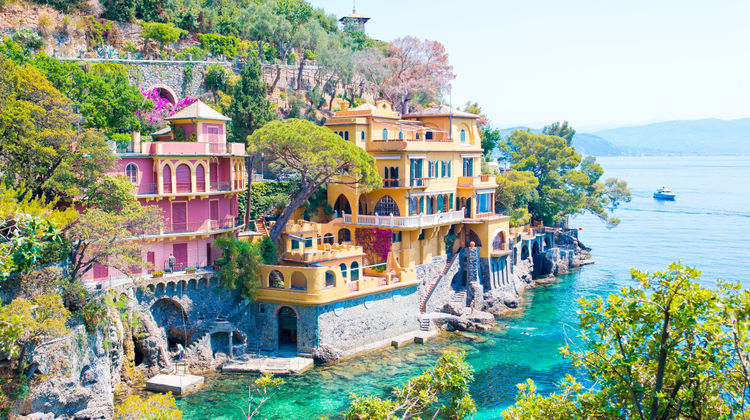
Andalusia is the Spain that most of the world pictures when they think "Spain." Flamenco, the Alhambra, orange trees, whitewashed villages, sherry, tapas, Semana Santa, and the beaches of the Costa del Sol. It is Spain's largest region, its most historically layered, and for many travelers its most rewarding.
Here is the complete guide to planning the definitive Andalusia trip: which cities, which villages, which days, which months.
The short answer
Andalusia sits in southern Spain, stretching from the Portuguese border to the Mediterranean, from Ronda's mountains to the sherry country of Jerez. The classic Andalusia trip covers Seville, Córdoba, Granada, Ronda, and Málaga in 7-10 days.
The essentials:
- Seville (3 nights): the cathedral, Alcázar, Barrio Santa Cruz, flamenco.
- Córdoba (1 night or day trip): the Mezquita and the Jewish Quarter.
- Ronda (1 night): the Puente Nuevo bridge over the Tajo gorge.
- Granada (2 nights): the Alhambra (booked 2-3 months ahead).
- Málaga (1 night, or fly out from here): Alcazaba, Picasso Museum.
Best months: April-May, October-early November. Avoid July-August (extreme heat).
What is Andalusia?
Andalusia (Andalucía in Spanish) is Spain's southernmost autonomous region and the second-largest by area. It covers 87,268 km² (33,694 sq mi), roughly the size of Portugal. Population 8.5 million.
Historically, Andalusia was the heart of al-Andalus, the Islamic caliphate that ruled most of the Iberian Peninsula from 711 to 1492. During this period, Córdoba became the largest city in Europe (with 500,000 inhabitants in the 10th century) and one of the world's centers of learning. The Moorish architectural legacy, the Alhambra in Granada, the Mezquita in Córdoba, the Alcázar in Seville, the tower of the Giralda, is the reason most travelers come.
After the Reconquest in 1492, Andalusia became the launch region for Spain's colonial expansion. Seville was the exclusive port for trade with the Americas until the 18th century.
Today Andalusia is Spain's most stereotype-fulfilling region: flamenco, bullfighting culture, sherry, orange trees, Iberian ham, whitewashed villages, and the warmest climate.
The essential cities
Seville
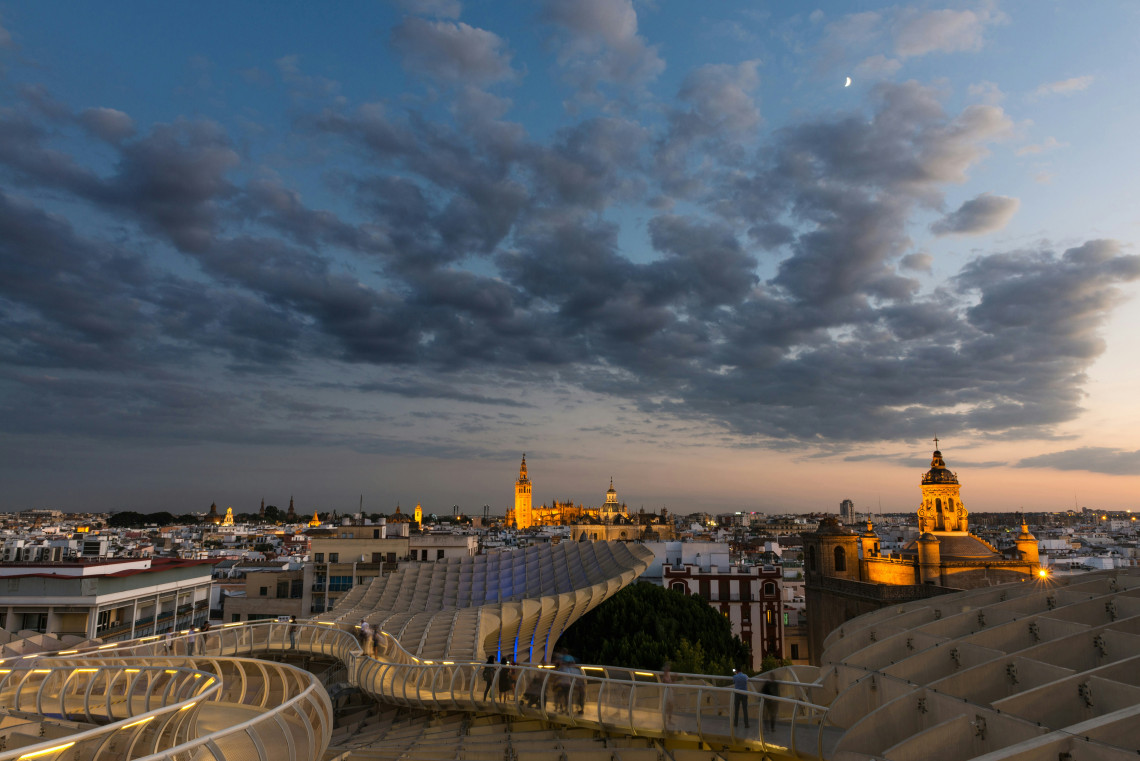
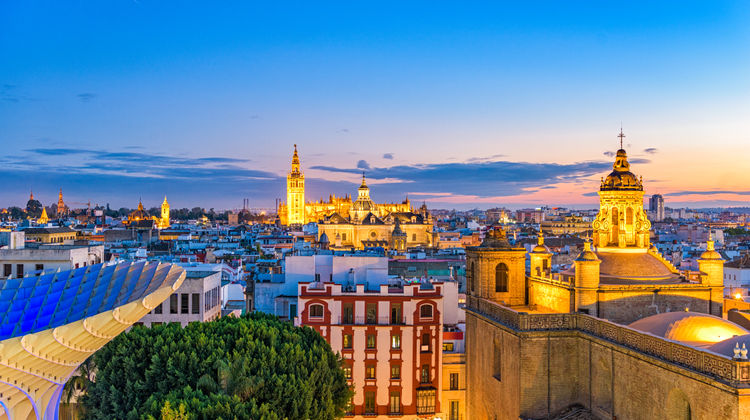
The soul of Andalusia. Home to the world's largest Gothic cathedral, the Alcázar (a Moorish-Mudejar palace still used by the Spanish royal family), and Barrio Santa Cruz (the old Jewish quarter with orange-tree-lined alleys).
Minimum stay: 3 nights.
What to see:
- Seville Cathedral and Giralda Tower: The world's largest Gothic cathedral. Christopher Columbus's tomb inside. Climb the Giralda for panoramic views.
- Real Alcázar: Moorish palace still used by the Spanish royal family. Featured as Dorne in Game of Thrones. Book ahead in peak season.
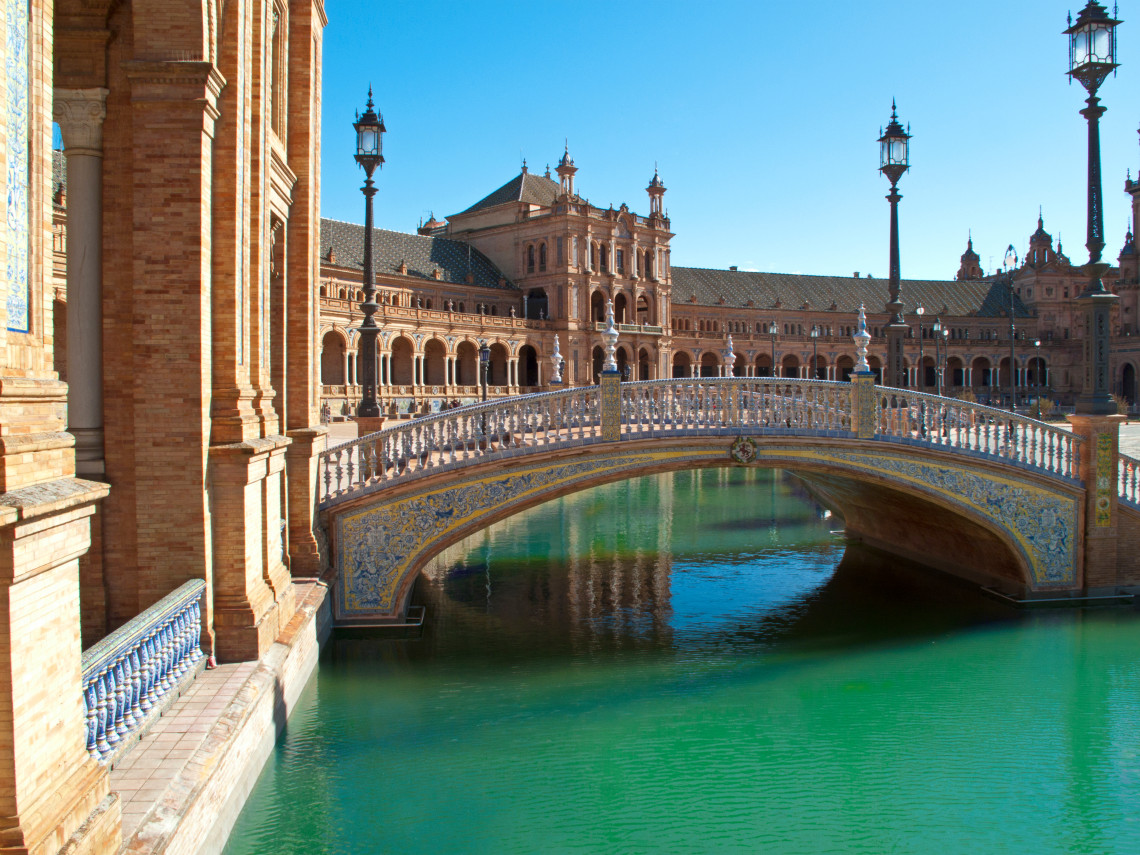
- Plaza de España: Semi-circular tiled plaza built for the 1929 Ibero-American Exposition. Free.
- Barrio Santa Cruz: Old Jewish quarter, orange-blossom alleyways, tapas taverns.
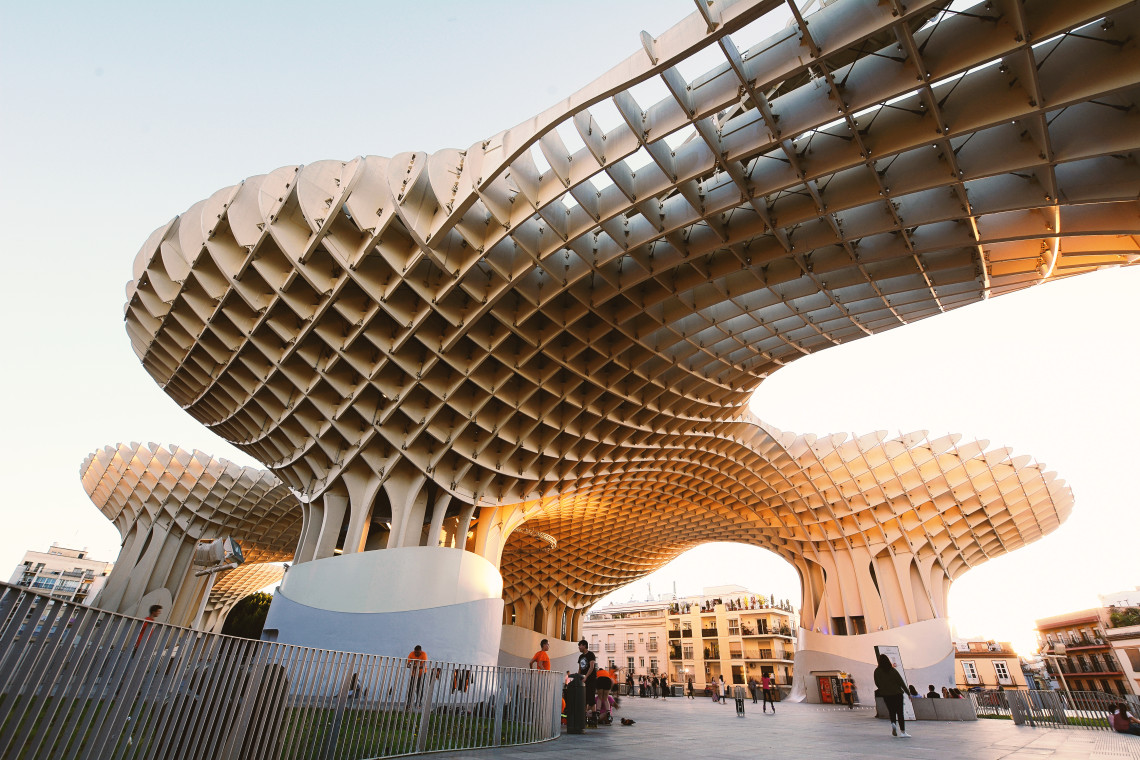
- Metropol Parasol (Las Setas): Modern wooden structure with rooftop walkway.
- Triana: Working-class neighborhood across the Guadalquivir. Flamenco cradle, ceramics, tapas.
- Flamenco tablao: Casa de la Memoria, La Casa del Flamenco, or Tablao El Arenal are the top recommendations.
When to visit: March-May and October-November. Semana Santa (Holy Week) and Feria de Abril in April are unrivalled cultural experiences but hotel prices double. Summer heat is brutal (40°C+).
Granada
The Alhambra and the Albaicín. Granada is a smaller city than Seville but has arguably the most impressive single monument in Europe.
Minimum stay: 2 nights.
What to see:
- The Alhambra: Book 2-3 months ahead through alhambra-patronato.es. See our dedicated Alhambra guide for details.
- Albaicín: UNESCO-listed old Moorish quarter opposite the Alhambra. Steep cobbled streets, Mirador de San Nicolás sunset.
- Sacromonte: The old Roma cave quarter. Attend an evening cueva flamenco show (the zambra style is unique to Sacromonte).
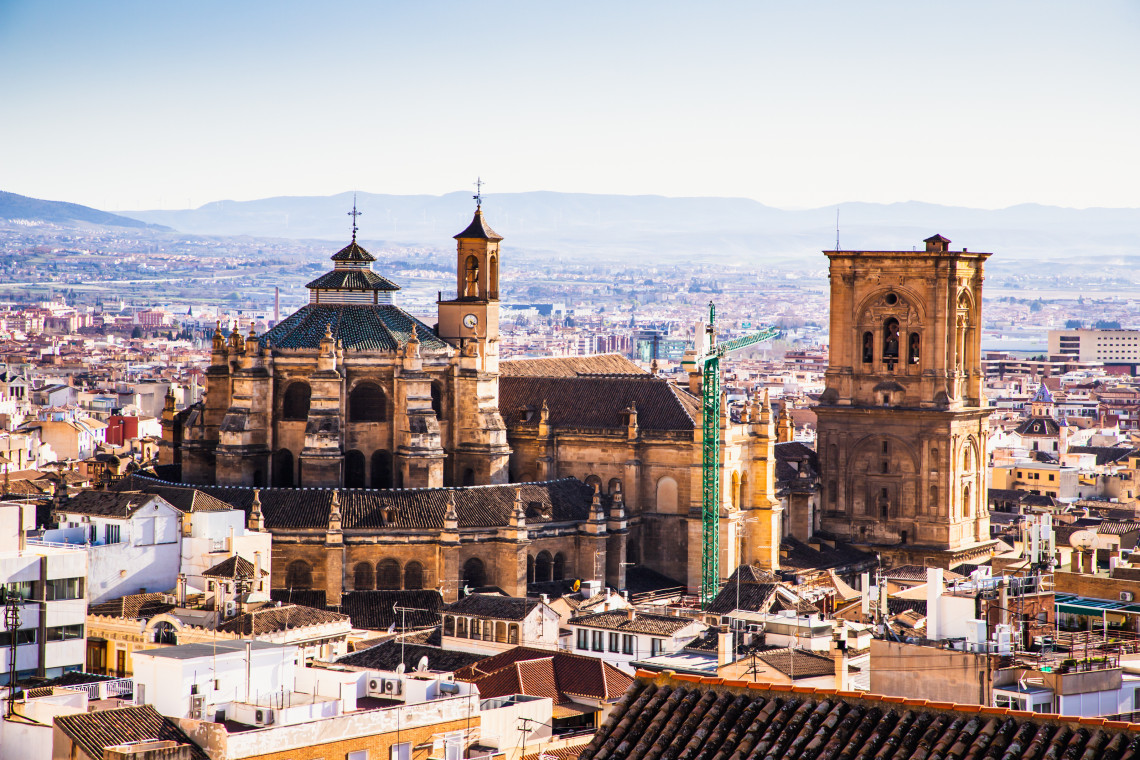
- Granada Cathedral and Capilla Real: Where Ferdinand and Isabella are buried.
- Free tapa culture: Granada is one of the last Spanish cities where drinks come with a free tapa.
When to visit: April-May and October-November. Winter has Sierra Nevada snow in the background (photogenic).
Córdoba
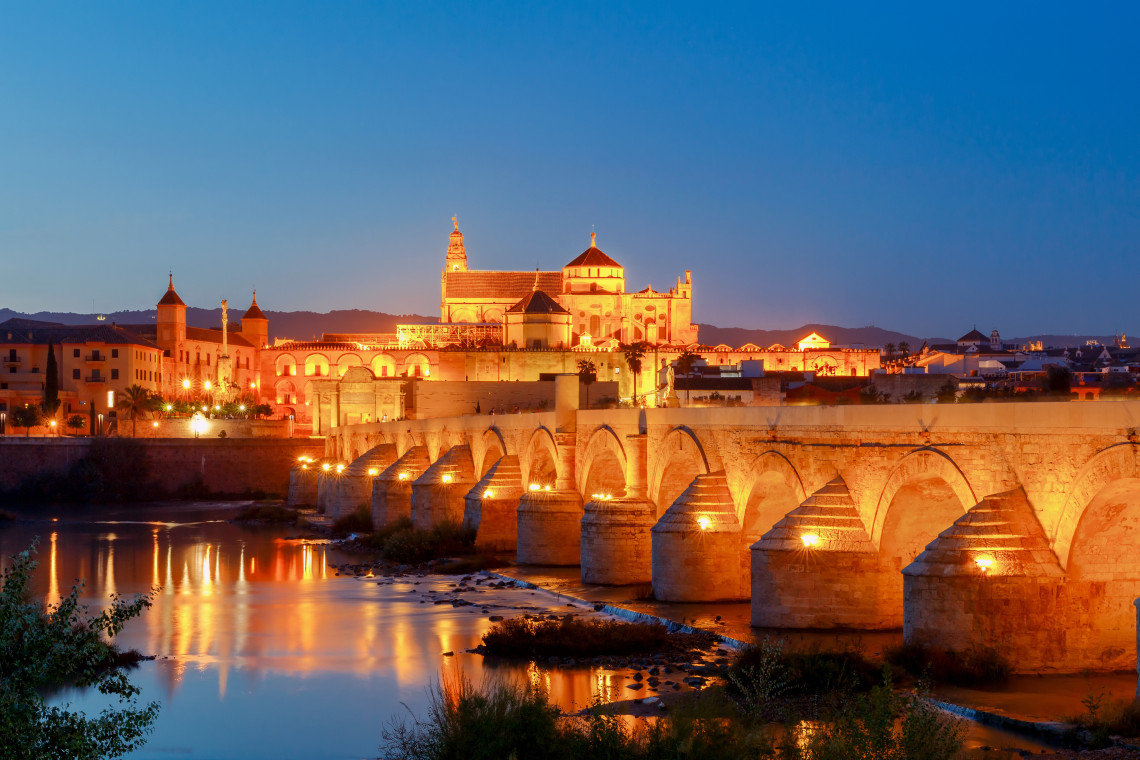
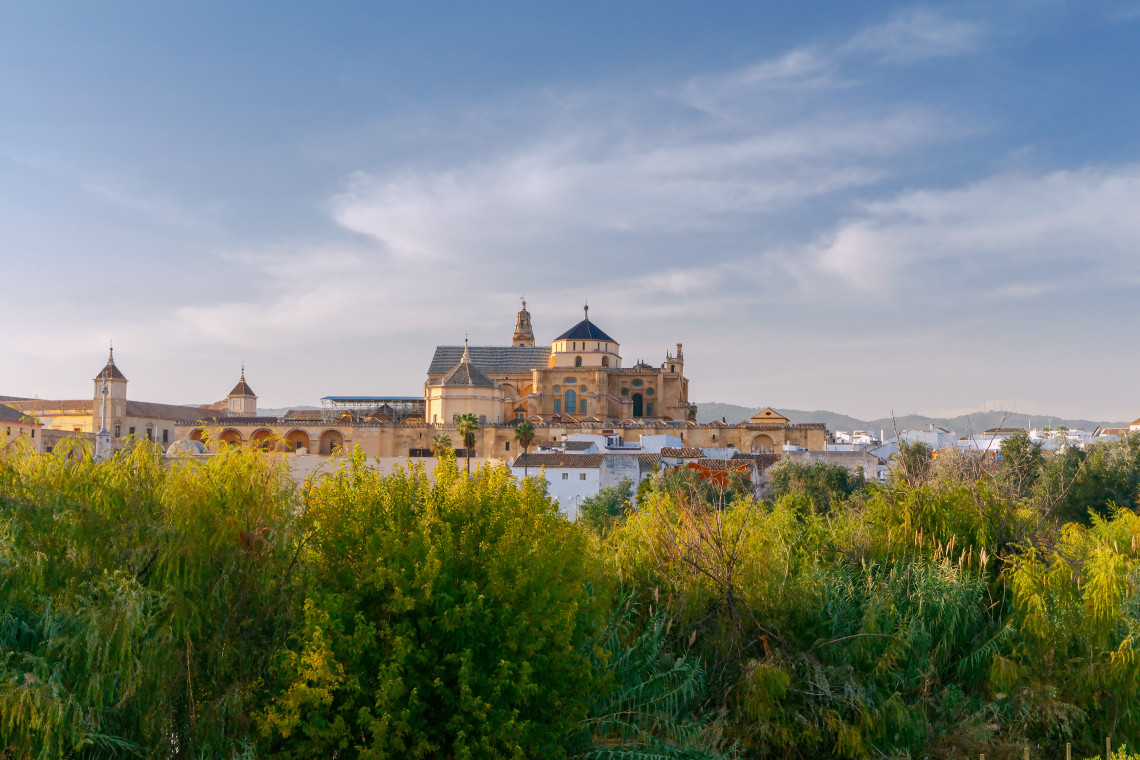
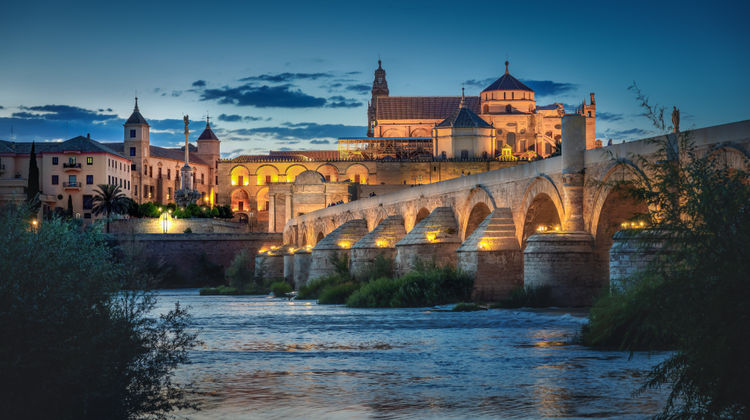
The Mezquita. Once the greatest mosque in the Western world, converted into a Christian cathedral after the Reconquest. The 850 red-and-white striped arches of the prayer hall are one of Spain's most iconic architectural sights.
Minimum stay: 1 night, or day trip from Seville (45 min by AVE).
What to see:
- Mezquita-Catedral: Free before 9:30am on weekdays.
- Jewish Quarter (Judería): Narrow whitewashed streets, tiny synagogue (14th c.), Calleja de las Flores.
- Palacio de Viana: Aristocratic house with 12 patios.
- Alcázar de los Reyes Cristianos: Christian fortress with gardens where Isabella received Columbus.
- Roman bridge (Puente Romano) and Torre de la Calahorra: Best sunset view.
When to visit: May Cross Festival (Cruces de Mayo, first week of May) and the Festival of the Patios (early May) are the two greatest Cordobese festivals.
Ronda
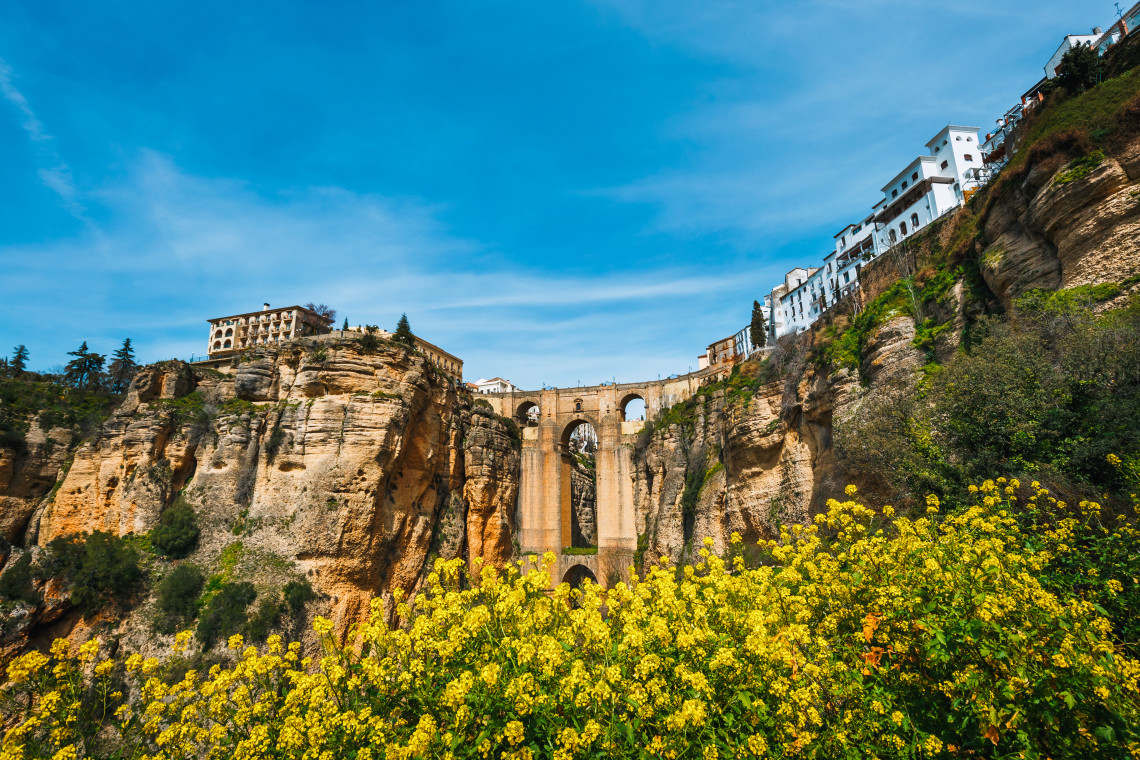
The dramatic hilltop town perched above a 100-meter (330 ft) gorge. Home to the Puente Nuevo bridge, one of Spain's most photographed structures, and the oldest bullring in Spain (the Plaza de Toros de Ronda, 1785).
Minimum stay: 1 night. Perfect stopover between Seville and Granada or between Málaga and Seville.
What to see:
- Puente Nuevo: The three-arched bridge over the Tajo gorge. View from below (a walking path leads down).
- Ronda old town (La Ciudad): Whitewashed, quiet, filled with palaces and hidden viewpoints.
- Plaza de Toros de Ronda: Spain's oldest bullring. Museum inside.
- Baños Árabes: Well-preserved 13th-century Moorish baths.
When to visit: Year-round. Fall vineyards in nearby Ronda wine country are photogenic.
Málaga
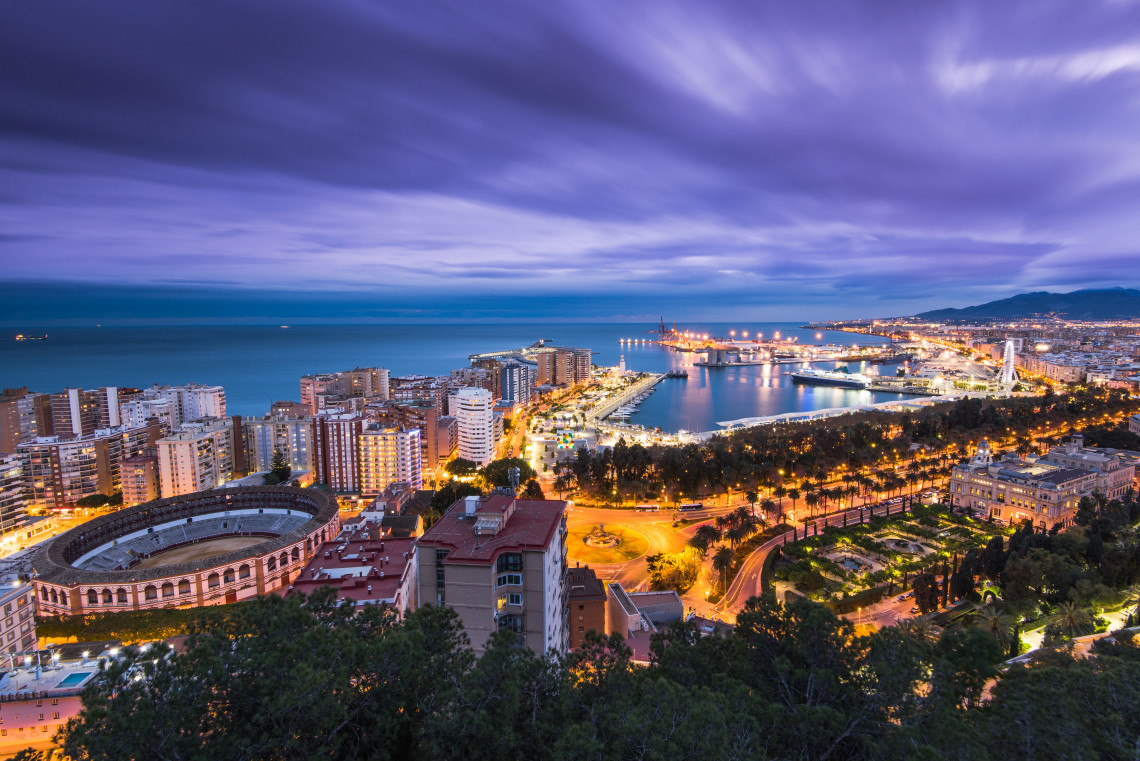
The Costa del Sol gateway. Picasso's birthplace. Modernized in the last 20 years into one of Spain's best-value coastal cities.
Minimum stay: 1 night, or use as base for Costa del Sol.
What to see:
- Museo Picasso Málaga: In the Picasso family palace.
- Alcazaba: Moorish fortress connected to the Roman theater below.
- Gibralfaro Castle: Above the Alcazaba, panoramic view.
- Málaga Cathedral: Nicknamed "La Manquita" (one-armed) because the south tower was never completed.
- Playa de la Malagueta: City beach with chiringuitos serving espeto de sardinas (grilled sardines on a stick).
- Larios Street: Main shopping and pedestrian street.
When to visit: Any month. Málaga has the mildest winter of any mainland Spanish city.
Cádiz
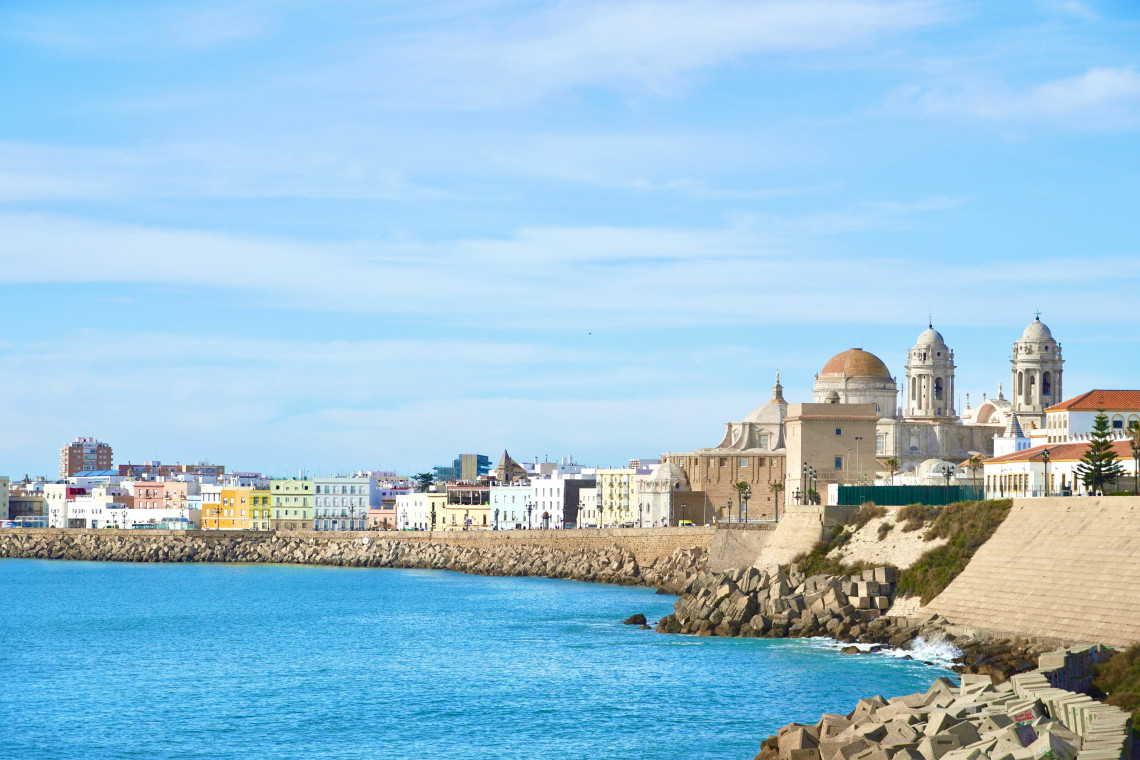
Europe's oldest continuously inhabited city. Founded by the Phoenicians in 1104 BC. Peninsula town surrounded by sea on three sides.
Minimum stay: 1-2 nights.
What to see:
- La Caleta beach.
- Cádiz Cathedral: Golden dome above the old town.
- Torre Tavira: Historic watchtower with camera obscura and panoramic view.
- The old town: Narrow, seagull-populated, atmospheric.
- Barrio de Santa María: Flamenco cradle (birthplace of Camarón de la Isla).
When to visit: February Carnival (one of Spain's biggest). May-June and September-October are best for beaches.
The white villages (pueblos blancos)
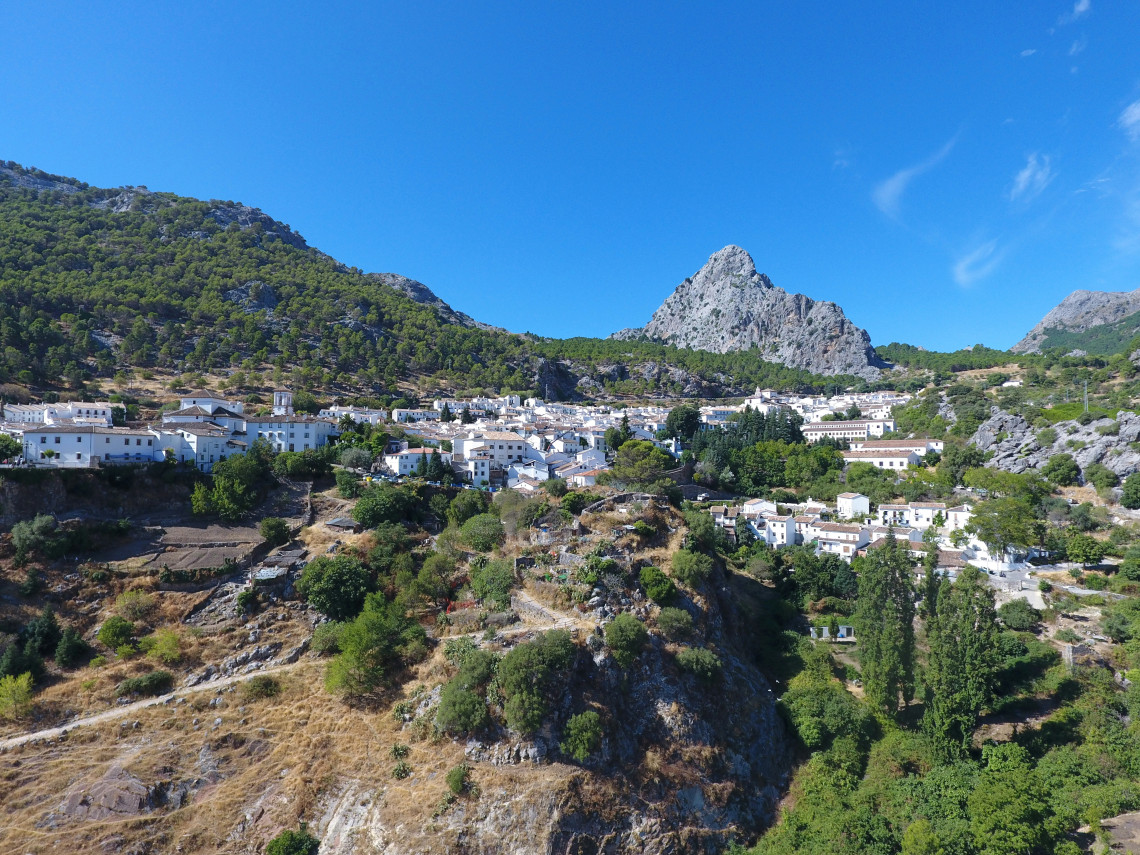
Between Seville, Ronda, and Málaga lies the Sierra de Grazalema and Sierra de Cádiz, dotted with whitewashed hilltop villages called pueblos blancos. Best explored by rental car over 2-3 days.
The essential white villages:
- Ronda: The largest and most famous.
- Zahara de la Sierra: Whitewashed village around a reservoir with a castle above.
- Grazalema: In a natural park, one of Spain's rainiest towns (yes, in Andalusia).
- Setenil de las Bodegas: Houses built into the rock overhang, unlike anywhere else.
- Arcos de la Frontera: Whitewashed town on a cliff, first of the classic pueblos blancos drive.
- Vejer de la Frontera: Between Cádiz and Tarifa, whitewashed on a hill.
- Frigiliana: Between Málaga and Nerja on the Costa del Sol. The most photographed pueblo blanco.
- Olvera: Whitewashed with 12th-century Moorish castle.
Route suggestion (2-day pueblos blancos loop): Seville → Arcos de la Frontera → Zahara de la Sierra → Grazalema → Ronda (overnight) → Setenil de las Bodegas → drive on to Granada or Málaga.
The Andalusian food essentials
- Jamón ibérico: The world's greatest cured ham comes from Extremadura and Andalusia. Look for "ibérico de bellota" (acorn-fed).
- Salmorejo: Cold tomato-and-bread soup thicker than gazpacho. Córdoba specialty.
- Gazpacho: The classic cold tomato soup. Peak in summer.
- Pescaíto frito: Andalusian fried mixed seafood. Málaga and Cádiz specialties.
- Espeto de sardinas: Sardines skewered on a bamboo stick and grilled over open fire on the Málaga beaches.
- Rabo de toro: Braised oxtail. Córdoba and Seville classic.
- Flamenquín: Rolled pork loin stuffed with ham, breaded and fried. Córdoba invention.
- Pescado en amarillo: Fish in saffron broth. Cádiz dish.
- Torrijas: Andalusian French toast, dessert.
- Sherry (Jerez): The fortified wine from Jerez de la Frontera. Fino, Manzanilla, Amontillado, Oloroso, Pedro Ximénez.
The Andalusia driving route (7 days)
Day 1: Land Málaga. Drive or train to Seville (2h 30min by AVE). Day 2: Seville: Cathedral, Alcázar. Day 3: Seville: Barrio Santa Cruz, flamenco night. Day 4: AVE day trip to Córdoba (Mezquita, Jewish Quarter). Return Seville. Day 5: Rent a car, drive Seville → Zahara → Grazalema → Ronda (overnight). Day 6: Ronda morning, drive via Setenil → Granada (2h). Albaicín sunset. Day 7: Alhambra morning (booked ahead). Drive to Málaga or fly out from Granada.
The Andalusia driving route (10 days)
Same as above, plus:
- 1 extra night in Seville.
- Overnight in Córdoba instead of day trip.
- 1 night in Frigiliana or Nerja on the Costa del Sol.
- Optional: 2 nights in Cádiz.
Best time to visit Andalusia
Spring (March-May): The perfect Andalusia season. Orange blossoms in Seville, patios of Córdoba in bloom, mild temperatures (18-26°C / 65-80°F). Peak crowds around Semana Santa and Feria de Abril.
Fall (September-early November): Second sweet spot. Warmer than spring, fewer crowds after mid-September, olive harvest starts, wine harvest in Ronda.
Winter (December-February): Coldest, cheapest, quietest. Málaga stays mild (16°C / 61°F daytime). Sierra Nevada snow above Granada. Christmas markets in Málaga and Seville.
Summer (July-August): Inland Andalusia is brutal (Seville and Córdoba regularly exceed 40°C / 104°F). Costa del Sol beaches are peak crowded. Avoid unless coastal-only.
How to get around Andalusia
- AVE high-speed rail: Connects Madrid → Córdoba → Seville. Also Madrid → Málaga. Barcelona to Andalusia AVE is 5+ hours; flying is faster.
- Renfe Media Distancia: Regional trains between Andalusian cities. Not high-speed but functional.
- Bus (Alsa, Damas): Serves smaller towns. Ronda is best reached by bus or car from Seville or Málaga.
- Rental car: Essential for pueblos blancos and Costa del Sol beach hopping. Not essential for city-only trips.
- Domestic flights: Rarely needed in Andalusia. The AVE + rental car covers the region.
Beyond the classics
Jerez de la Frontera: The sherry capital. Bodega tours (Tio Pepe, González Byass, Domecq), Royal Andalusian School of Equestrian Art (horse shows), and Flamenco Festival in February.
Sanlúcar de Barrameda: Manzanilla sherry, langoustines, and the Doñana National Park just across the estuary.
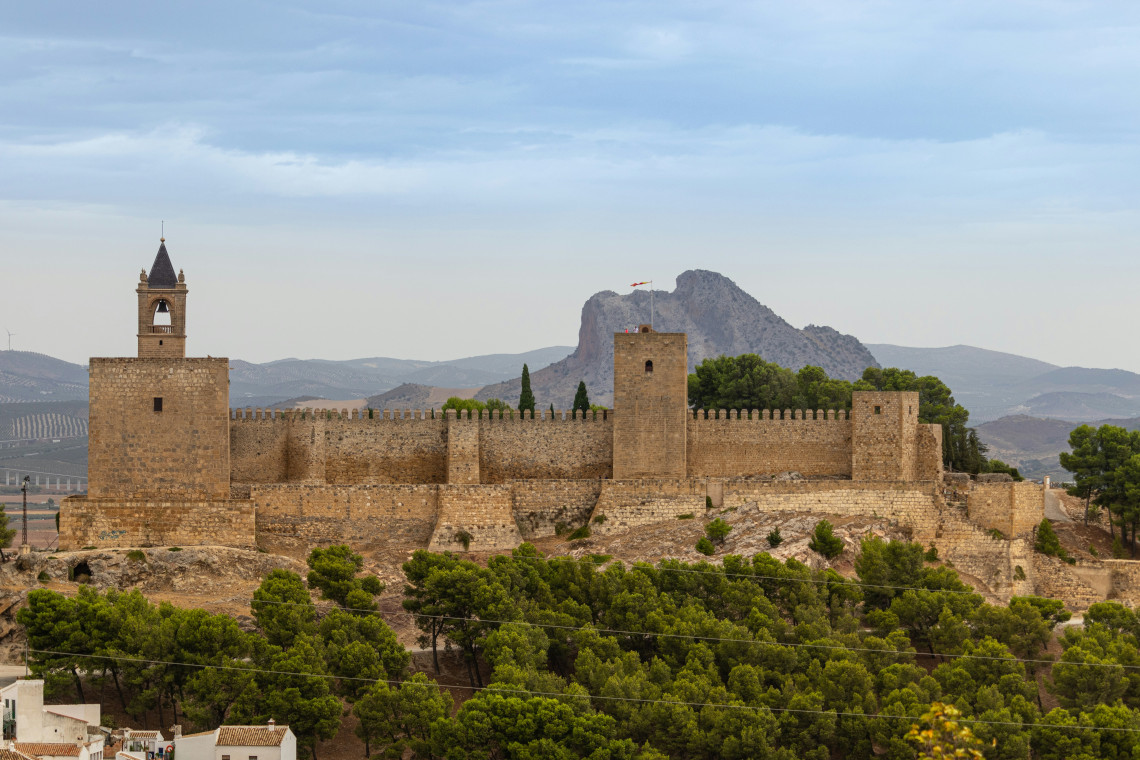
Antequera: El Torcal karst limestone landscape, dolmens, and Peña de los Enamorados (the "Indian's head" mountain).
Doñana National Park: One of Europe's largest wetlands. Best explored by 4x4 tour from El Rocío.
Almería and Cabo de Gata: Volcanic desert coast, unspoiled beaches, where Spaghetti Westerns were filmed.
Sierra Nevada: Europe's southernmost ski resort (December-April), 35 min from Granada.
Costa de la Luz: Cadiz-facing Atlantic coast. Wilder beaches than the Mediterranean coast. Tarifa, Bolonia, Zahara de los Atunes.
Bottom line
Andalusia deserves 7-10 days minimum. The classic loop of Seville → Córdoba → Ronda → Granada → Málaga is one of Europe's greatest itineraries and rewards travelers with monuments that stand alongside anything in Rome, Paris, or Athens. Add the pueblos blancos for the postcard shots. Skip July and August. Book the Alhambra now.
Frequently asked questions
What is the best city to visit in Andalusia? Seville is the most iconic for first-timers. Granada is next for the Alhambra. Córdoba for the Mezquita. Málaga for beaches and coast.
How many days should I spend in Andalusia? Seven days minimum for the classic loop (Seville + Córdoba + Ronda + Granada + Málaga). Ten days for a comfortable pace with pueblos blancos.
What is the best time to visit Andalusia? March to May and October to early November are best. Avoid July and August (extreme heat inland).
Is Andalusia worth visiting? Absolutely. Andalusia has arguably the most iconic monuments in Spain (Alhambra, Mezquita, Seville Cathedral and Alcázar) and the most distinct cultural identity.
Should I fly into Seville or Málaga? Málaga has more direct international flights and is often cheaper. Seville is more convenient for the classic Andalusia loop. Fly into Málaga, out of Seville (or vice versa) is a great combination.
Do I need a car in Andalusia? Not for cities (AVE connects them). Essential for pueblos blancos and Costa del Sol villages.
What are the pueblos blancos? White villages of southern Spain, mostly in Cádiz and Málaga provinces. Ronda, Zahara de la Sierra, Setenil de las Bodegas, Arcos de la Frontera, and Frigiliana are the classic ones.
What food is Andalusia known for? Iberian ham, salmorejo, gazpacho, pescaíto frito, espeto de sardinas, sherry (from Jerez), and free tapas culture in Granada.
Is Andalusia hot? Inland Andalusia (Seville, Córdoba) is very hot in summer (regularly above 40°C / 104°F). Coastal Andalusia (Málaga, Cádiz) is milder. Winter is mild across the region.
Is Andalusia expensive? No. Andalusia is one of Spain's most affordable regions. Hotels, meals, and transport are cheaper than Barcelona, Madrid, or the Balearics.
What is the best flamenco city in Andalusia? Seville (Triana neighborhood), Jerez de la Frontera, and Granada (Sacromonte for the zambra style) are the three flamenco capitals.
Can I visit Andalusia and Morocco in the same trip? Yes. Ferry from Tarifa to Tangier (Morocco) takes 1 hour. Popular combined itineraries include 7-10 days in Andalusia plus 3-5 days in northern Morocco.
Is Andalusia safe? Yes, very. Petty theft in tourist zones (Seville, Málaga) is the main risk. Otherwise, one of Europe's safer regions.
Are there beaches in Andalusia? Yes, along the Costa del Sol (Mediterranean) and Costa de la Luz (Atlantic). The Atlantic side has wilder, less-developed beaches.
Andalusia, built with local hands.
Our Spain travel experts secure the Alhambra, book rental cars, and pair Seville, Ronda, and Granada into one seamless loop.
See Spain Packages Tailor-Made Trip

.jpg)