by Azores Getaways Team
June 26, 2026 • 10 min read
Spain rewards almost every month of the year, but the trip you have depends entirely on when you go. Madrid in February is a different city to Madrid in July. Andalusia in late April is a different region to Andalusia in mid August. The Costa Brava in early June is a different coast to the Costa Brava in late August. And the Canary Islands sit on a completely separate climate clock from the mainland.
This guide walks you through Spain season by season, then breaks down the best months by region and by activity, so you can match your trip to the moment.
The short answer
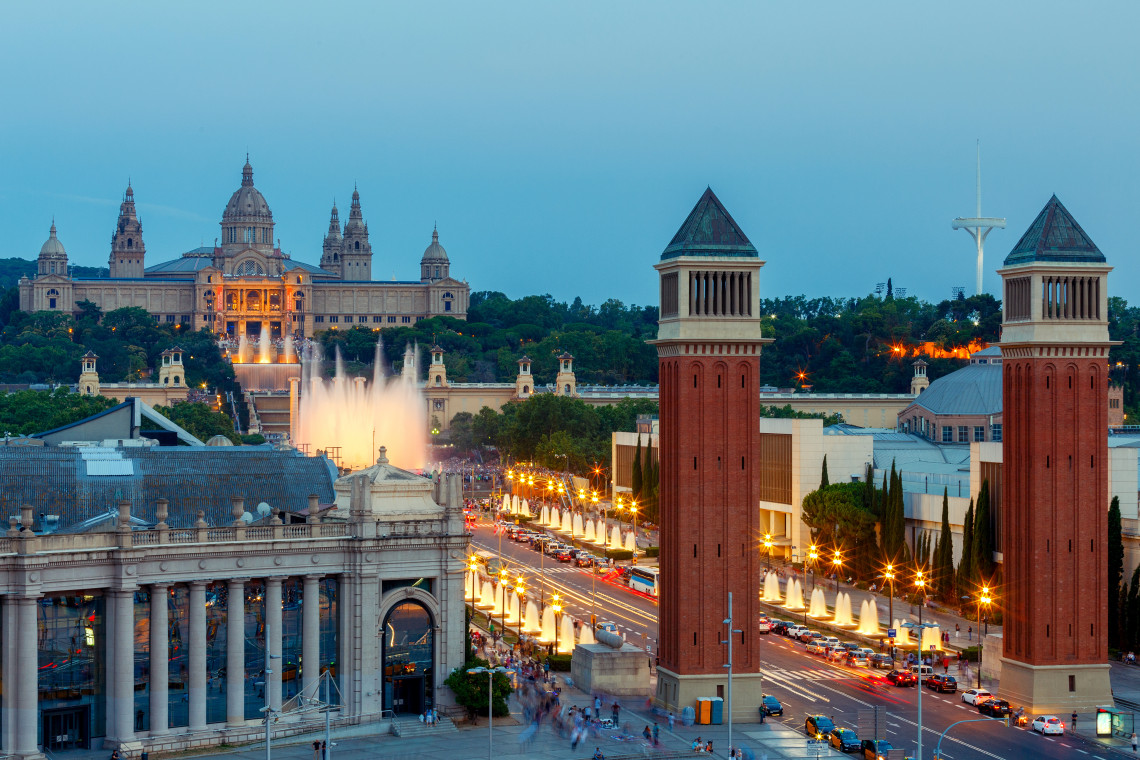
For most North American travelers visiting Spain for cities, food, and history, the two sweet spot windows are mid April to mid June and mid September to late October. You get mild weather, longer daylight than the shoulder months, meaningfully smaller crowds than July and August, and prices well below summer peak.
If you are going for the Mediterranean beaches (Costa Brava, Costa del Sol, Balearics), target mid June to mid September. If you are going for Andalusia or central Spain in comfort, target April to May or October to early November (the famous Andalusian summer heat is real). If you are going for the Canary Islands, almost any month works (the climate is mild year-round). If you are going for Christmas markets, festive lights, and the Three Kings parades, target late November to January 6.
Spring (April to June): the sweet spot for cities and culture
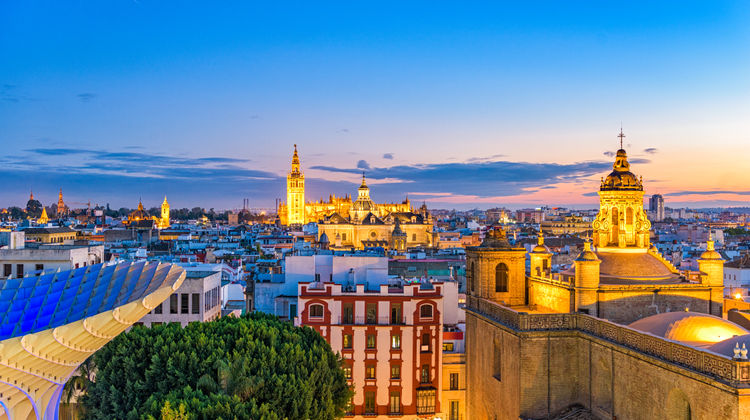
Spring is when Spain hits its best balance: warm enough for outdoor café meals, cool enough to walk Andalusian cities without melting, dry enough to be reliable. Madrid daytime temperatures climb from 19°C / 66°F in April to 28°C / 82°F by early June. Barcelona warms similarly along the coast. Andalusia is at its photogenic peak, with the spring orange blossoms in Seville and the patios of Córdoba opening for the May festival.
Pros: Excellent weather for walking cities and visiting monuments. Lighter museum lines than summer. Andalusia's white villages at their most photogenic. The famous April Fair (Feria de Abril) in Seville and the May Crosses (Cruces de Mayo) in Córdoba and Granada bring local atmosphere.
Cons: Easter Week (Semana Santa) brings huge domestic crowds, especially in Seville, Málaga, and Valladolid. Hotel prices spike across the Easter window. Northern Spain (Basque Country, Galicia, Asturias) can still be wet through April.
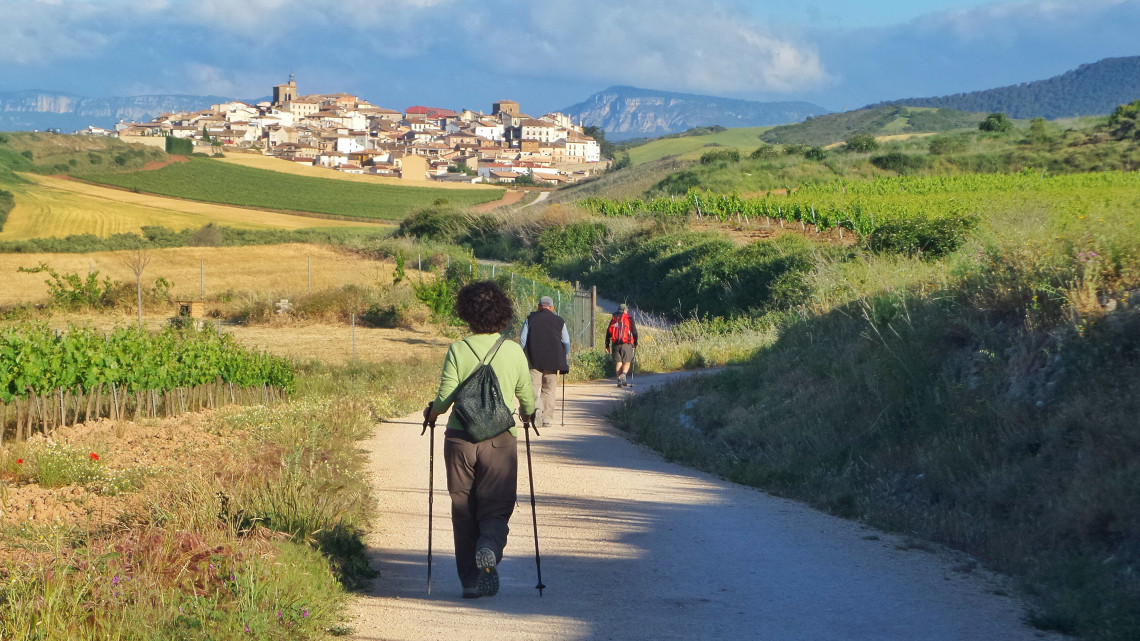
Best for: First time Spain trips, Madrid plus Andalusia combinations, Barcelona before peak, the Camino de Santiago beginning.
Summer (July to August): the beaches, the festivals, and the heat
Spain in high summer splits cleanly between two countries. The coasts (Costa Brava, Costa del Sol, Costa Blanca, Balearics, Canaries) hit peak season. The cities and inland (Madrid, Seville, Córdoba) hit temperatures that can exceed 40°C / 104°F in extreme heat waves, which is why most Spaniards leave the cities for the coast in August.
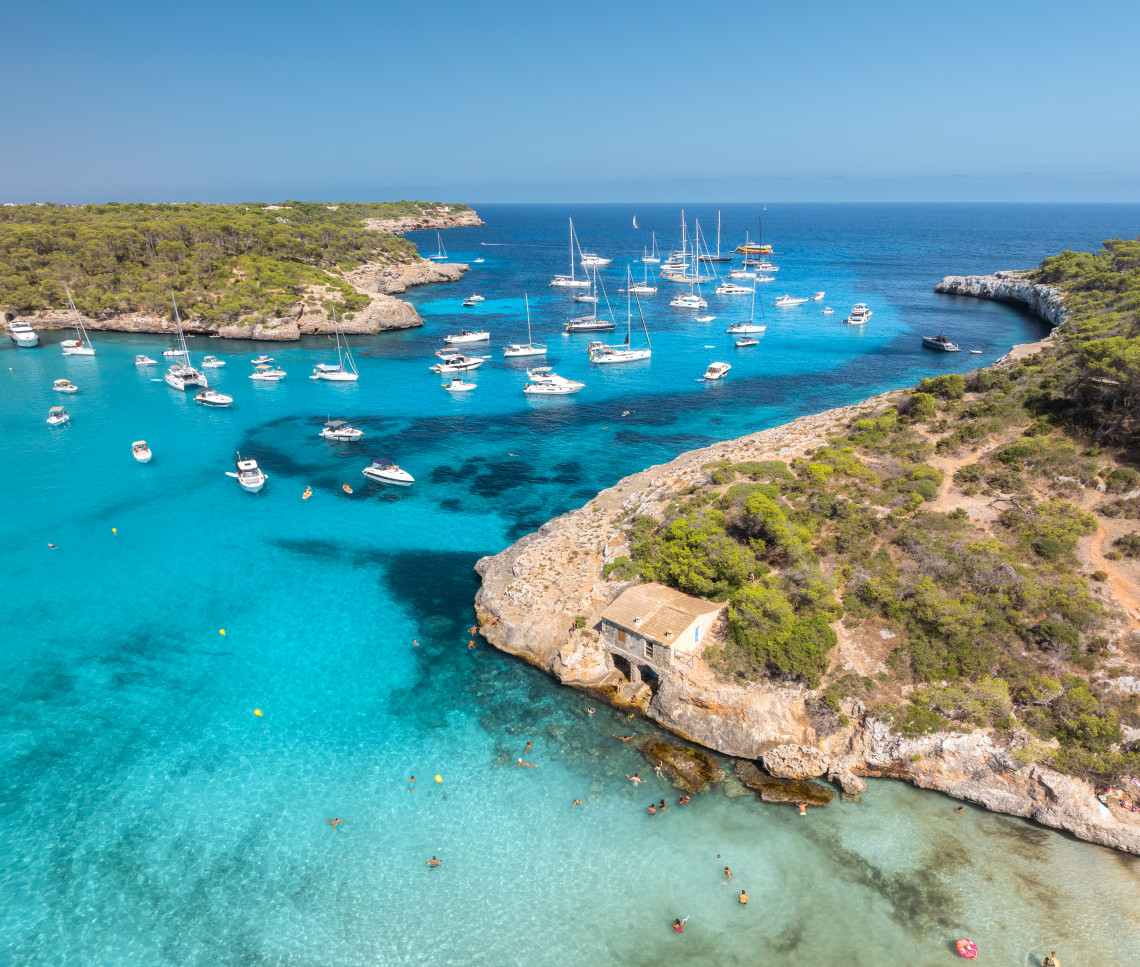
Pros: Mediterranean sea temperatures at their warmest (25°C / 77°F). The Balearics (Mallorca, Menorca, Ibiza) are at full swing. Northern Spain (Basque Country, Galicia, Cantabria) becomes the most comfortable region. The famous festivals run: San Fermín in Pamplona (July 6 to 14), La Tomatina in Buñol (late August), Festival Internacional de Música y Danza in Granada (June to July), the Pirineos Sur world music festival.
Cons: Highest prices of the year, especially on the Mediterranean coast and Balearics. Madrid and Andalusia in August are brutal heat. Many Madrid small restaurants close in August as locals leave. Big crowds at the Alhambra (Granada), the Sagrada Família (Barcelona), and the Mezquita (Córdoba). Booking the Alhambra requires advance planning year-round, but in summer you must book 2 months ahead.
Best for: Beach holidays (Costa Brava, Costa del Sol, Balearics, Canaries). Festival travelers (San Fermín, La Tomatina, summer concert season). Northern Spain (Basque Country, Galicia) as a cool-weather alternative.
Fall (September to November): the harvest, the empty Andalusia, the perfect Madrid
September is arguably the single best month to visit Spain for most travelers. Summer crowds clear, the heat breaks in Andalusia, and the weather across the country is consistently good. October brings the wine harvest in Rioja, Ribera del Duero, and Priorat. November is mild in the south, cooler in the north, and the museums and monuments are at their most accessible.
Pros: Comfortable temperatures across most regions (18 to 28°C / 65 to 82°F in September). Andalusia at its second sweet spot — warm but no longer extreme. Madrid restaurants reopen after the August lull. Wine harvest in Rioja and Ribera del Duero (the vendimia) makes September and October the foodie peak. Sea temperatures on the Mediterranean still swimmable through September and into early October. Crowds at the major monuments drop meaningfully.
Cons: Weather is unpredictable from mid October. Some Balearic and Costa hotels begin to close from mid October to Easter. School holidays in late October bring a brief crowd return.
Best for: Wine country (Rioja, Ribera del Duero, Priorat, Jerez). Madrid and Barcelona city breaks after the August lull. Andalusia in the gentler shoulder season. Galicia and the Camino de Santiago in less rainy weather.
Winter (December to March): the cities without lines, the Pyrenees with snow, the Canaries with sun
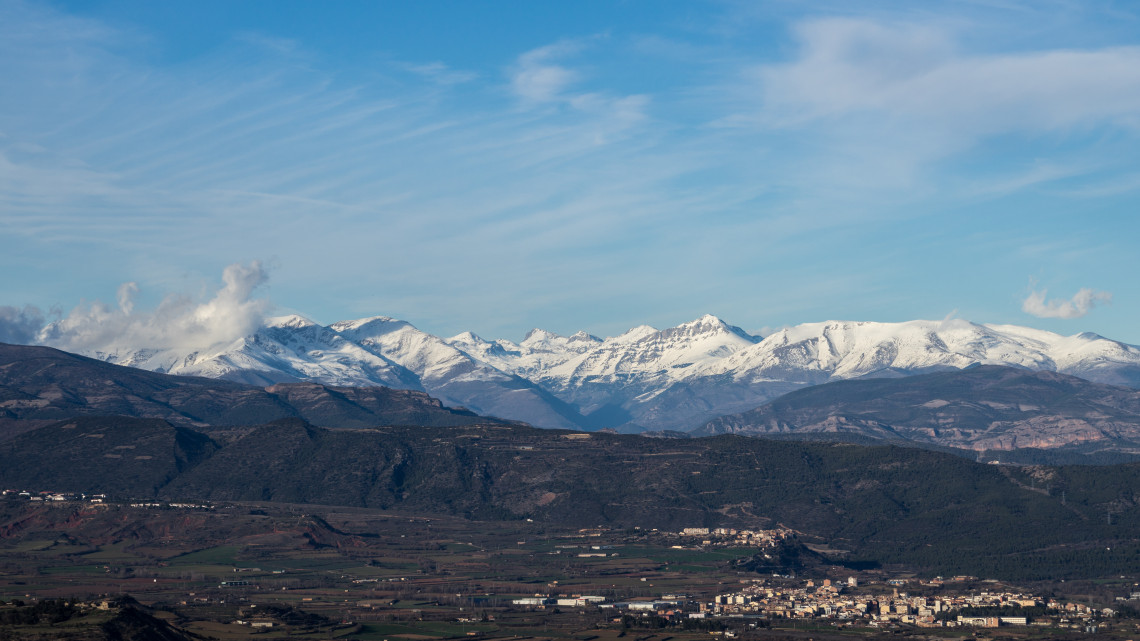
Spanish winter splits into three completely different trips. Madrid, Barcelona, and the inland cities become uncrowded and atmospheric, with Christmas markets in late November to early January and the Three Kings parades on January 5. The Pyrenees and Sierra Nevada turn into ski destinations. The Canary Islands sit on a separate climate clock entirely, with temperatures of 20 to 24°C / 68 to 75°F and reliable sun (the consistent winter beach destination for Europeans).
Pros: Lowest prices of the year on the mainland (except during the Christmas-New Year-Three Kings window). Walk into the Prado, the Sagrada Família, and the Alhambra with shorter lines in January and February. Christmas markets in Madrid (Plaza Mayor), Barcelona (Fira de Santa Llúcia), Seville, and Málaga from late November through January 6. The Three Kings parades on the evening of January 5 are the largest Spanish public celebration of the year. Skiing in the Pyrenees (Baqueira-Beret, Cerler, Formigal) and Sierra Nevada from December to April. The Canaries in winter (18 to 24°C / 65 to 75°F) are reliably warm.
Cons: Madrid weather can be cold (5 to 12°C / 41 to 54°F daytime in December and January). Northern Spain (Basque Country, Galicia, Asturias) is wet from November through March. Short daylight (sunset around 5:45pm in December). The Canaries in winter book out early — flights and hotels need advance planning.
Best for: Christmas markets and Three Kings parades. Skiing in the Pyrenees or Sierra Nevada. City breaks in Madrid and Barcelona for couples who hate crowds. Canary Islands winter sun escape.
The best time to visit Spain, by region
Spain's climate is not one climate. Here is what to know region by region.
Madrid (the capital and central plateau)
- Best months: Late April to early June, mid September to late October.
- Why: Mild temperatures, museum-friendly weather, excellent café terraces. Summer is brutally hot (peaks above 35°C / 95°F), and winter can be cold.
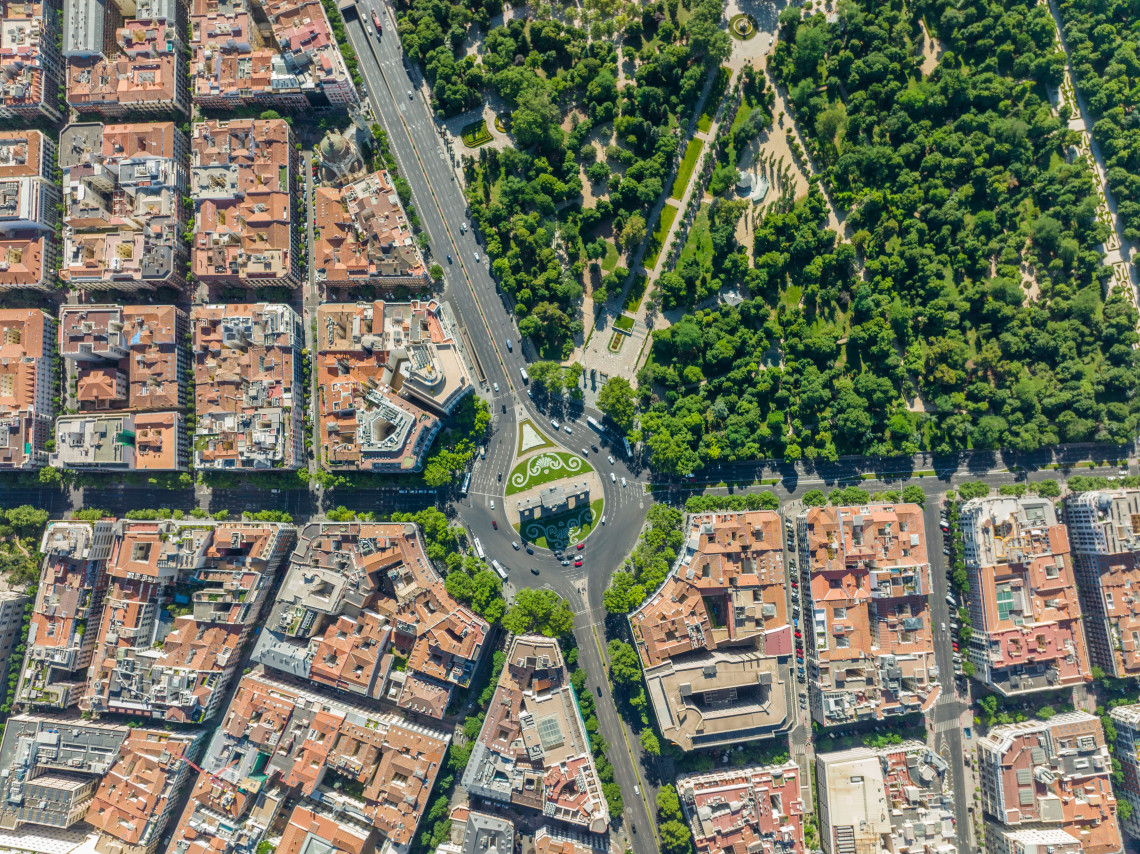
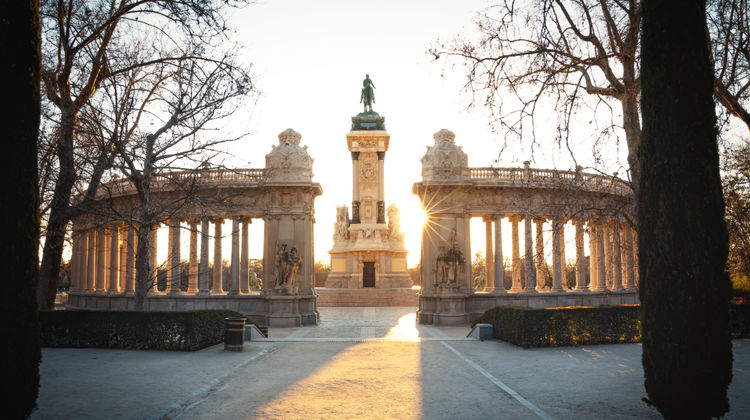
- Highlights by season: Spring for the Retiro park gardens, fall for the museum reopening after summer, winter for Christmas lights on Gran Vía and the Three Kings parade.
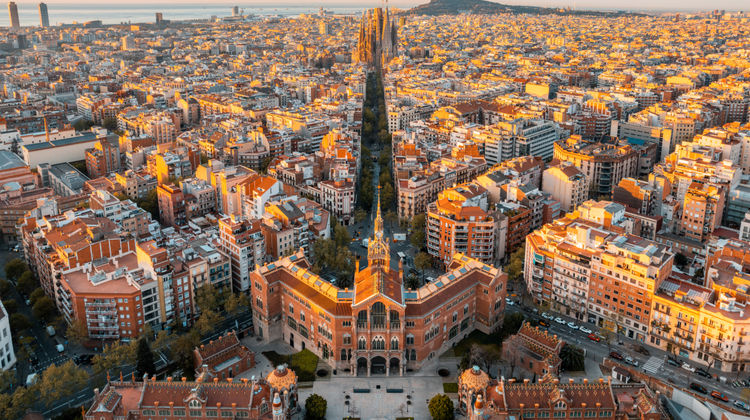
Barcelona and Catalonia
- Best months: May to mid June and mid September to late October.
- Why: Mediterranean climate, so it never gets as hot as Madrid or Seville, but summer becomes very crowded with European holidaymakers. Spring and fall give you the city without the crowds.
- Highlights: La Mercè festival in late September is one of Spain's best urban festivals. Christmas Fira de Santa Llúcia in early December.
Andalusia (Seville, Córdoba, Granada, Málaga, Ronda)
- Best months: March to May (excluding Easter Week) and October to early November.
- Why: Andalusian summer is famously extreme — Seville and Córdoba regularly exceed 40°C / 104°F. April to May and October are the comfortable windows. Winter is mild but the famous patios and gardens are at their best in spring.
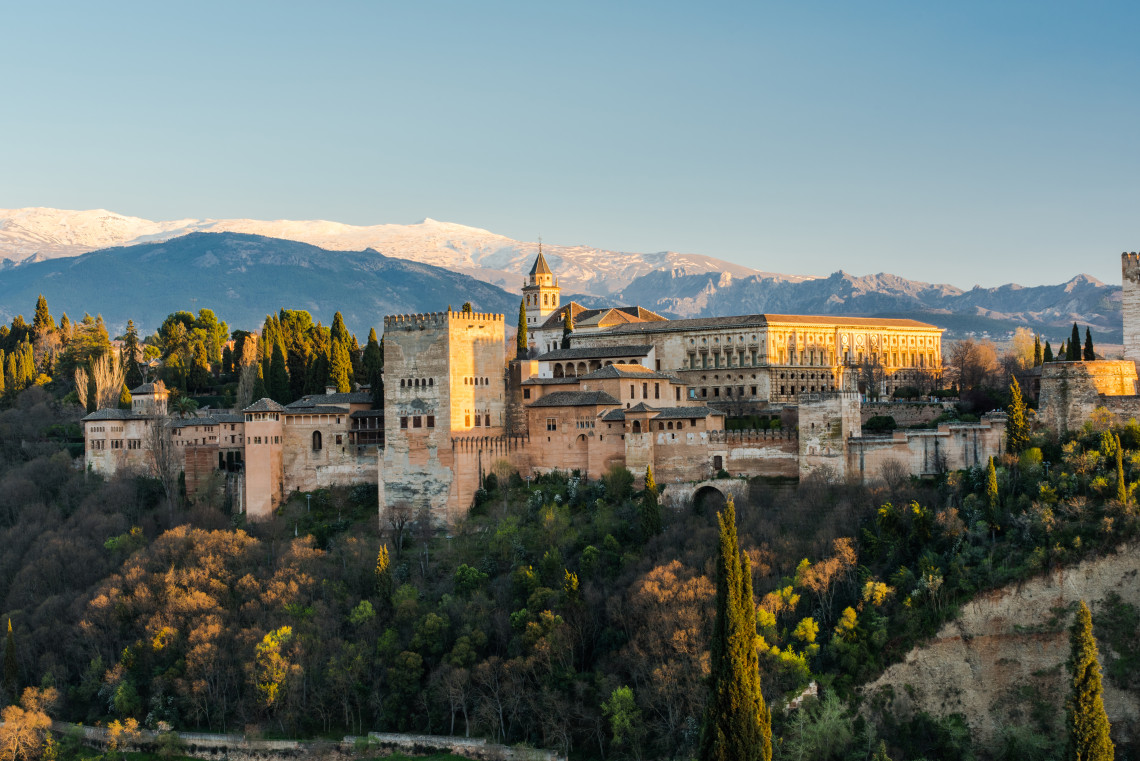
- Highlights: Seville Holy Week (Semana Santa, late March to early April) and Feria de Abril (late April to early May) are unrivalled cultural experiences. Córdoba's Festival of the Patios in early May. Granada Alhambra is essential year-round but book months ahead.
Basque Country (Bilbao, San Sebastián, Vitoria)
- Best months: Late June to early September. May and October work but with rain risk.
- Why: Wettest region in Spain. Atlantic climate. The summer (June to September) is the most reliable window. Pintxos culture and Michelin-star density is the country's best.
- Highlights: San Sebastián Film Festival in mid September. The summer beach scene at La Concha.
Galicia (Santiago de Compostela, Costa da Morte)
- Best months: Mid May to mid September. The Camino de Santiago is busiest in July to August.
- Why: Wetter than mainland Spain. Atlantic light, Celtic culture, dramatic coast. Summer gives the most reliable weather; winter is rainy but atmospheric.
- Highlights: The Feast of St. James (Festa do Apóstolo) on July 25 in Santiago. The Albariño wine festival in Cambados in August.
Valencia (city + Costa Blanca)
- Best months: Mid March to early June and mid September to mid November.
- Why: Mild Mediterranean climate, but with hotter summers than Catalonia. The famous Fallas festival in mid March is one of Spain's great events.
- Highlights: Fallas (March 15 to 19) is the loudest, most theatrical Spanish festival. Paella at the source. Beach weather April to October.
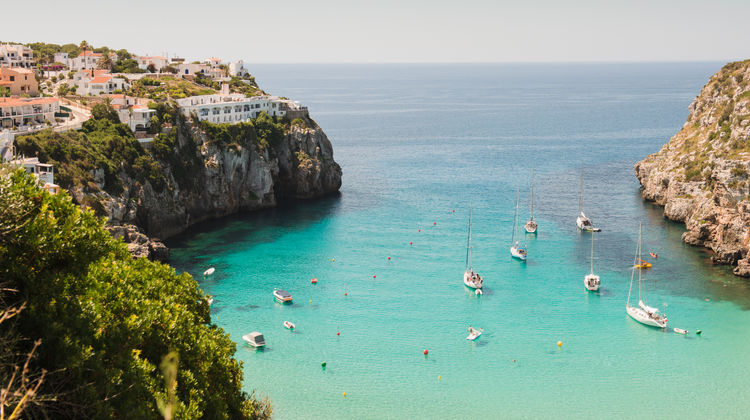
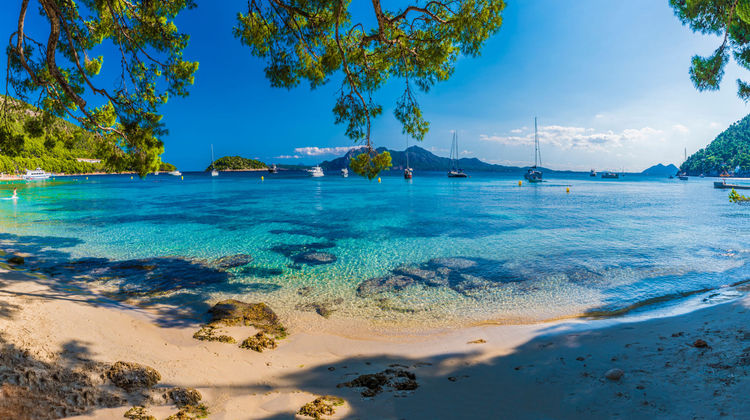
Balearic Islands (Mallorca, Menorca, Ibiza, Formentera)
- Best months: May to mid June and September to early October. July and August are peak (and peak crowded).
- Why: Classic Mediterranean. May offers the comfort without the crowds, September delivers the warmest sea (still 25°C / 77°F) with most tourists already gone.
- Highlights: Ibiza's club scene runs June to September. Mallorca's Tramuntana hiking is best in spring and fall.
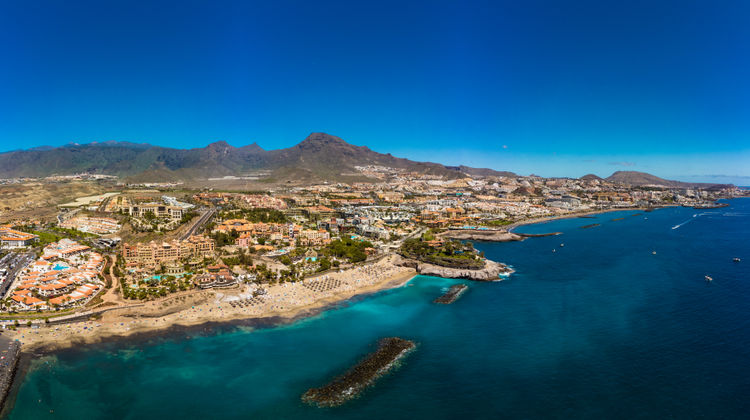
Canary Islands (Tenerife, Gran Canaria, Lanzarote, Fuerteventura, La Palma)
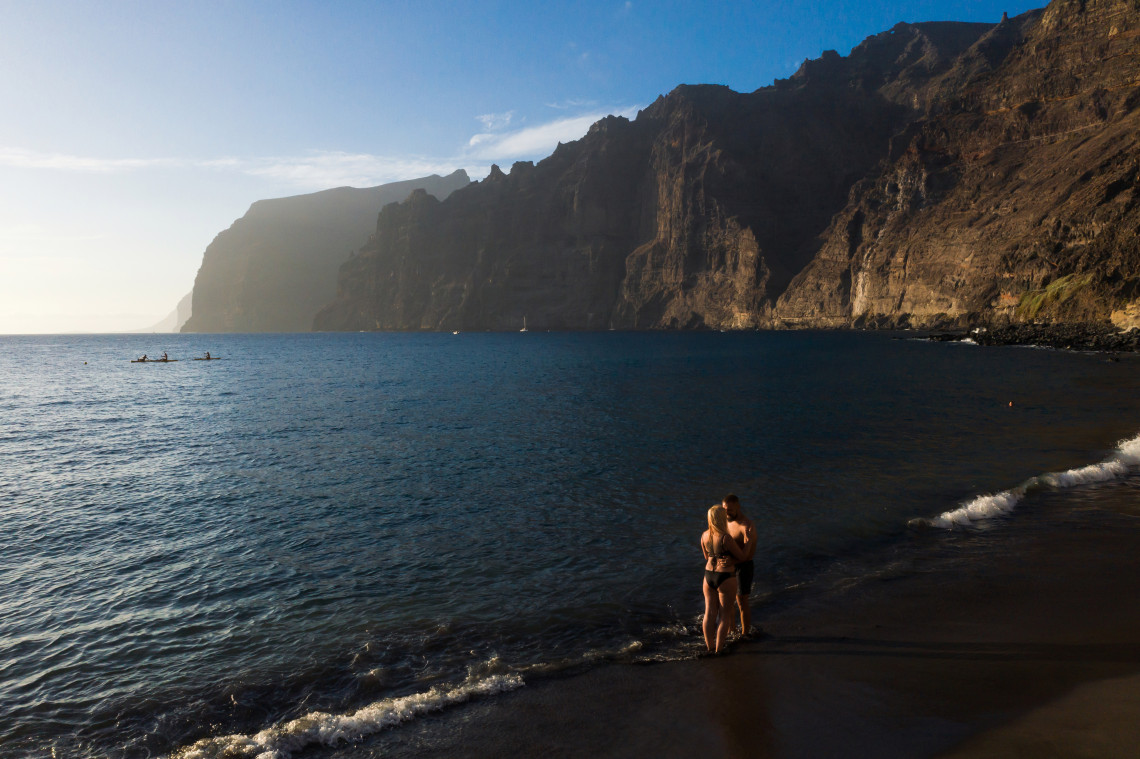
- Best months: Year-round. The sub-tropical climate keeps temperatures between 18°C / 65°F (winter) and 28°C / 82°F (summer) at the coast.
- Why: Spain's winter sun destination. North-facing coasts can be cloudier; south-facing coasts (Maspalomas in Gran Canaria, Costa Adeje in Tenerife) get the most reliable sun.
- Highlights: Tenerife Carnival in February is the second-largest in the world after Rio. Hiking on La Palma and Gran Canaria year-round.
Best time to visit Spain by activity
- Beach holidays: Mid June to mid September on the mainland coasts and Balearics. October to April for the Canaries.
- City sightseeing: April to May and September to October.
- Wine harvest (vendimia): Mid September to mid October across Rioja, Ribera del Duero, Priorat, Jerez.
- Skiing: December to April in the Pyrenees (Baqueira-Beret, Cerler, Formigal, Astún-Candanchú) and Sierra Nevada (the southernmost ski resort in Europe).
- Christmas markets: Late November to January 6 (Three Kings Day).
- Three Kings parades (Cabalgata de Reyes): Evening of January 5 across every Spanish city.
- Festivals: Spring (Easter Week, Feria de Abril, Fallas). Summer (San Fermín, La Tomatina, La Mercè). Fall (San Sebastián Film Festival, La Mercè in Barcelona).
- Camino de Santiago: Late April to October. Peak July to August (most crowded). Best balance May to June and September.
The Spanish holiday calendar
A few dates that shift hotel pricing and crowd patterns across Spain:
- Three Kings Day (January 6): National holiday. The Cabalgata de Reyes on January 5 evening is huge.
- Carnival (February): Tenerife, Cádiz, and Sitges host the most famous Carnivals.
- Fallas (March 15-19): Valencia. Huge.
- Easter Week / Semana Santa (variable, late March or April): Most intense in Seville, Málaga, Valladolid, Granada.
- Feria de Abril (late April to early May): Seville.
- Patios de Córdoba (early May): Two-week festival of decorated patios.
- San Fermín (July 6-14): Pamplona running of the bulls.
- La Mercè (third week of September): Barcelona.
- Christmas to Three Kings (December 22 to January 6): Peak winter season.
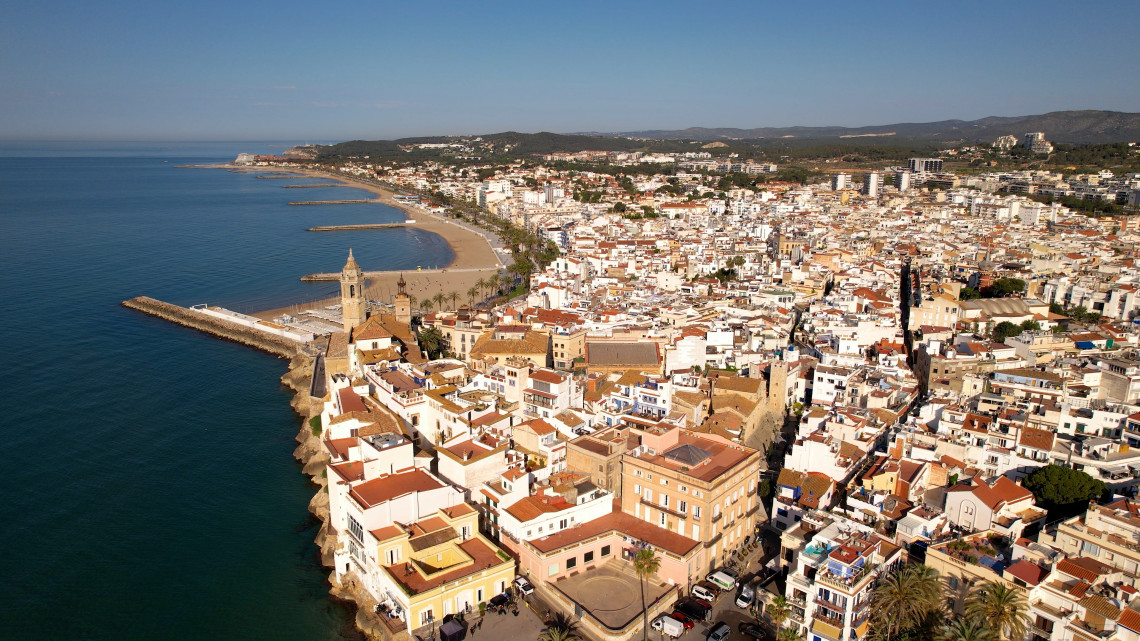
Spring and early autumn suit Sitges well, warm enough for the beach but before the summer crowds fill the coastal town.
Bottom line
For most North American travelers visiting Spain for the first time, the answer is late April to mid June or mid September to late October. You get the right weather across the most regions, manageable crowds, and prices below summer peak.
If your trip must be in summer, weight the coasts (Costa Brava, Costa del Sol, Balearics) or the cooler north (Basque Country, Galicia) and skip Andalusia in July and August.
If your trip must be in winter, weight the Canary Islands (reliable sun), Madrid and Barcelona for empty museums, or the Pyrenees for skiing.
Frequently asked questions
What is the best month to visit Spain? For most travelers: May, late September, or early October. These months balance good weather, fewer crowds, and lower prices across the most regions.
Is Spain too hot in summer? Yes for inland Andalusia, Madrid, and central Spain (regularly above 35°C / 95°F in July-August). No for the Mediterranean coasts and Balearics (hot but with sea breezes) and the Atlantic north (Basque Country, Galicia, Cantabria) where summer is the most comfortable season.
When is the rainy season in Spain? Most of mainland Spain has dry summers and wetter winters. The Atlantic north (Galicia, Basque Country, Cantabria, Asturias) is wet year-round but particularly October to March. The Canary Islands stay dry year-round.
What is the cheapest time to visit Spain? January and February on the mainland (except the Three Kings window). November is also affordable. The Canary Islands stay expensive in winter (it is the European winter sun destination) but cheaper in October and November.
Is December a good time to visit Spain? Yes for Christmas markets in Madrid, Barcelona, Seville, and Málaga. Excellent for skiing in the Pyrenees. Mild for the Canaries. Avoid for beach holidays on the mainland.
When can I see lavender in Spain? Spain's lavender season is mid June to mid July, mostly in the Brihuega region near Madrid. Less famous than Provence but increasingly photographed.
When is the wine harvest in Spain? The vendimia runs mid September to mid October across Rioja, Ribera del Duero, Priorat, Jerez (Sherry harvest is earlier — late August). The most atmospheric weeks to visit a Spanish bodega.
When is the best time for the Camino de Santiago? Late April to October. Peak crowds July to August. Best balance May to June and September. Spring is the most flowering, fall is the harvest. Winter requires more preparation due to weather and shorter daylight.
When can I ski in Spain? December to April in the Pyrenees (Baqueira-Beret is the country's largest resort) and Sierra Nevada (the southernmost in Europe). January through March is the most reliable snow.
Should I visit Spain during Holy Week? If you want to see Semana Santa processions (Seville, Málaga, Valladolid), yes. If you want quiet sightseeing, no. Hotel prices spike, crowds peak, many museums have shortened hours.
Spain by season, hand-built.
Our Spain travel experts pair your dates to the right region and the right experience.
See Spain Packages Tailor-Made Trip

.jpg)