by Yes Getaways Team
July 28, 2026 • 11 min read
The difference between a smooth Austria trip and a frustrating one is rarely the destination. It is the small operational details that nobody mentions until you have already missed the coffee house ritual, ordered the wrong pastry, or gotten the tipping wrong at the heuriger.
Here are 17 things that will save you time, money, and friction on your first Austria trip, plus a few that will make the trip more enjoyable on every subsequent visit.
Money and payments
1. Austria uses the euro, and cash still matters
Austria is firmly part of the eurozone. ATMs are everywhere in cities and available at all train stations and airports. Most major banks no longer charge withdrawal fees abroad if you use a partner network. Check with your bank before you fly.
Bring about 100 to 150 euros in cash for the first 48 hours. Coffee houses, heurigers, some traditional restaurants, market stalls, small village shops, and public toilets in train stations often prefer cash. Austria is less cashless than Germany or the Netherlands.
2. Tap-to-pay works in cities, less so in the countryside
Contactless payments work in 90 percent of Vienna, Salzburg, Innsbruck, and Graz. In smaller Alpine villages, on the Wachau wine route, and at heurigers (traditional wine taverns), expect to need cash. Bring at least one card set up for chip and PIN (not just signature).
3. Tell your bank you are traveling
Set a travel notice with each card issuer and bring a backup card stored separately. Austrian banks and merchants sometimes decline U.S. cards without a travel notice.
4. Tipping: rounded up, not percentaged
Austrian tipping is different from U.S. tipping. Restaurants include service by law, so you do not tip 18-20 percent. Instead: round up. A 27 euro meal becomes 30 euros. A 46 euro meal becomes 50 euros. At nicer restaurants, an extra 5 to 10 percent on top of rounding is appreciated.
Say the total including tip when handing over cash or card. "Vierzig, bitte" (forty, please) for a 37 euro meal means you want to pay 40 with the tip included. Do not leave the tip on the table like in the U.S. Say it to the server directly.
For taxis, round up. For hotel porters, 1 to 2 euros per bag. For housekeeping, 2 to 5 euros per day.
Language
5. Learn six German phrases, use them every day
You do not need to speak German to travel Austria well. You do need to use the following six phrases consistently, in this order, every time you interact with an Austrian:
- Grüß Gott (GRUESS GOTT) — Traditional Austrian greeting, used across German-speaking Austria all day. Instead of "Guten Tag" which is more German. "Grüß Gott" is warm and specifically Austrian.
- Servus — Casual Austrian "hello" or "goodbye" — informal, used with people you know slightly.
- Bitte (BIT-tuh) — Please, and also "you're welcome," and also "what did you say?" (context matters).
- Danke (DAHN-kuh) — Thank you.
- Auf Wiedersehen (owf VEE-der-zayn) — Goodbye, formal.
- Entschuldigung (ent-SHUL-di-gung) — Excuse me / sorry.
The single biggest mistake U.S. travelers make is opening with "Guten Tag" (very Northern German). Locals will understand you but appreciate "Grüß Gott" much more. It marks you as someone who noticed the difference.
6. English coverage varies
In Vienna, Salzburg, and Innsbruck, and at all major tourist sites, English is widely spoken. In smaller Alpine villages, on the wine route, and in Styria, the percentage drops. Basic German phrases and Google Translate cover the gap.
Coffee house culture (this is a real thing)
7. Coffee houses are UNESCO listed. Sit down.
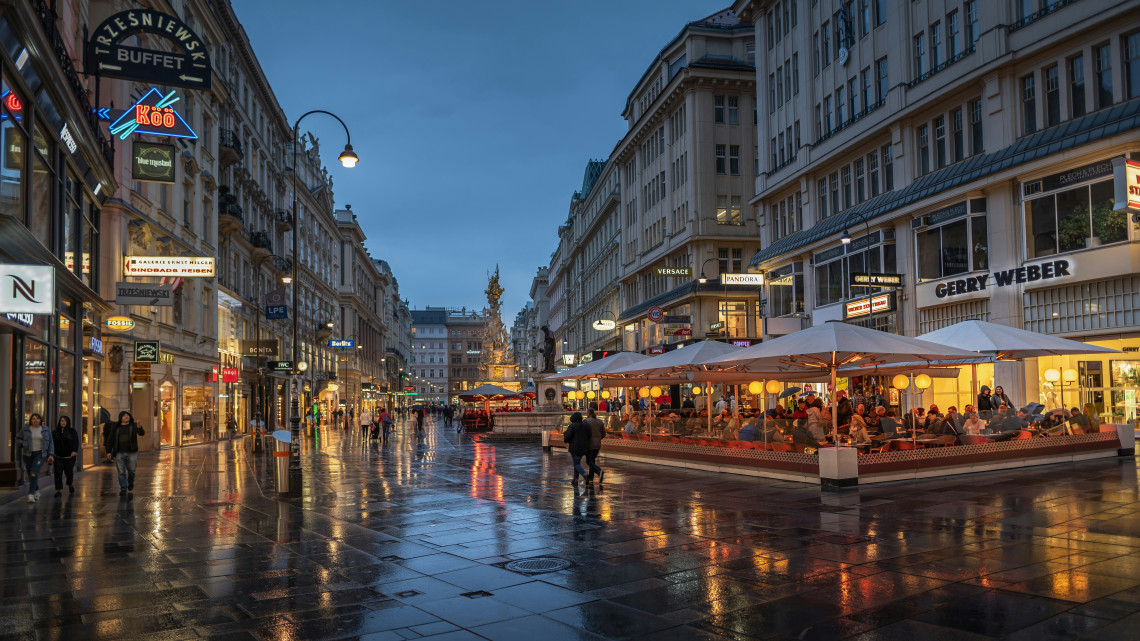
Vienna's coffee house culture is on the UNESCO Intangible Cultural Heritage list. This is not a marketing line. The coffee houses are living rooms where locals read newspapers, work on laptops, meet friends, and stay for hours. If you sit down, you can stay for two hours over a single coffee. Servers will not rush you.
Etiquette: sit at any open table, wait for the server (do not order at the counter). Order a coffee and, if you want, a pastry or a savory dish. Say "Zahlen bitte" (the check please) when you are ready to leave.
8. Order coffee correctly
Austrian coffee vocabulary is a whole culture. Key words:
- Melange — Vienna's classic. Espresso plus steamed milk plus foam. Similar to a cappuccino but larger.
- Kleiner Brauner — Small espresso with a splash of cream.
- Großer Brauner — Double espresso with cream.
- Verlängerter — Espresso lengthened with hot water. Similar to an Americano.
- Einspänner — Espresso in a glass with whipped cream on top. Iconic Vienna.
- Fiaker — Coffee with a shot of rum or brandy and whipped cream.
- Wiener Eiskaffee — Cold coffee with ice cream (summer specialty).
Avoid ordering an American drip coffee (you will get a Verlängerter, which is fine but different).
9. Pastries and the cake culture
Austrian pastry culture is world-class. Order at least once during your trip:
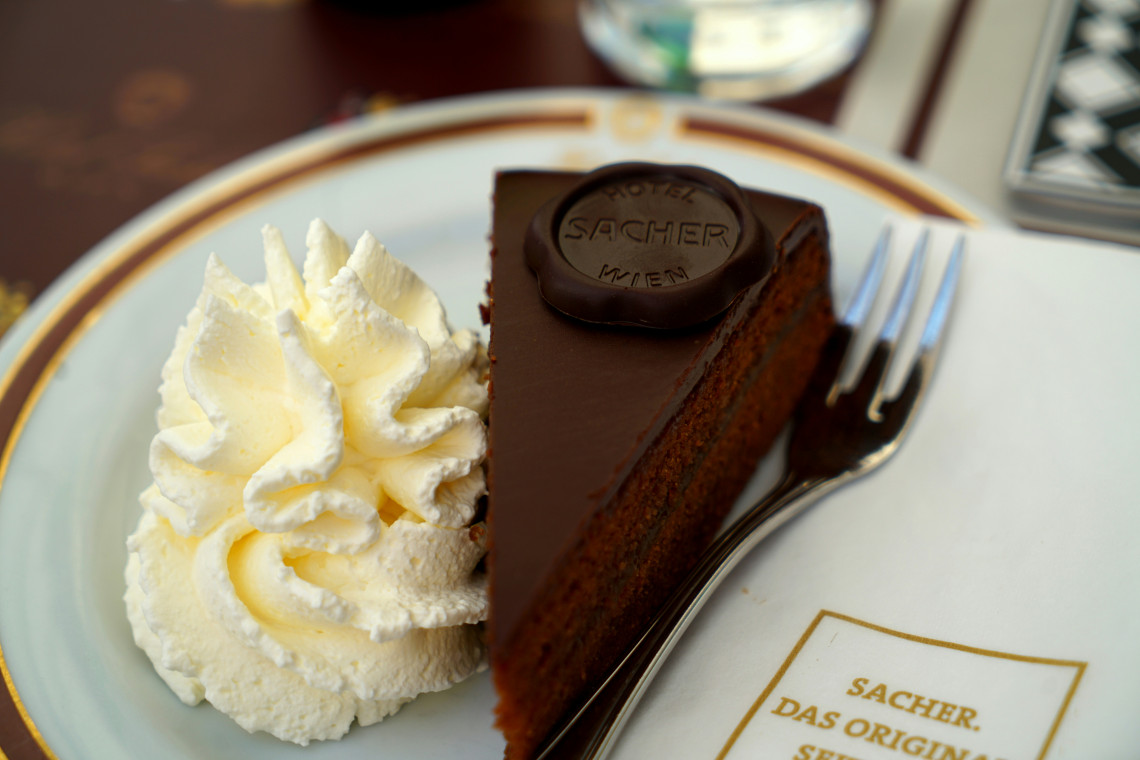
- Sachertorte — dense chocolate cake with apricot jam, invented in Vienna. Try at Hotel Sacher or Demel.
- Apfelstrudel — thin pastry layers with apple filling.
- Kaiserschmarrn — shredded pancake with plum compote or raisins. Traditionally a dessert or hearty snack.
- Palatschinken — thin pancake filled with apricot jam.
- Punschkrapferl — small pink cake soaked in rum. Advent classic.
- Mohnstrudel — poppyseed strudel.
Food and meal times
10. Austrian meal times
Restaurants typically serve lunch from 11:30am to 2:00pm and dinner from 6:00pm to 9:30pm. Between 2 and 6pm, many restaurants close (coffee houses stay open all day). Alpine restaurants may close earlier in evening (last orders at 8pm).
Sundays: many restaurants close entirely or open only for lunch. Check ahead.
11. The heuriger tradition
A heuriger (HOY-ree-guh) is a traditional wine tavern selling wine made by the owner, plus cold food (cheese, cold cuts, spreads, salads). Distinctively Austrian, especially in Vienna's outer districts (Grinzing, Nussdorf, Neustift am Walde) and throughout wine country.
Look for the Buschenschank sign (a bundle of pine branches hanging outside — traditional signal that the heuriger is open). Order at the counter, sit at long shared tables outside if weather allows.
12. The Sunday problem
Austria has stricter Sunday shopping laws than the U.S. Supermarkets, most shops, and many restaurants close on Sundays. Plan around it: buy groceries by Saturday evening, restaurants Sunday require advance reservation. Bakeries and coffee houses typically open Sunday mornings.
Transport
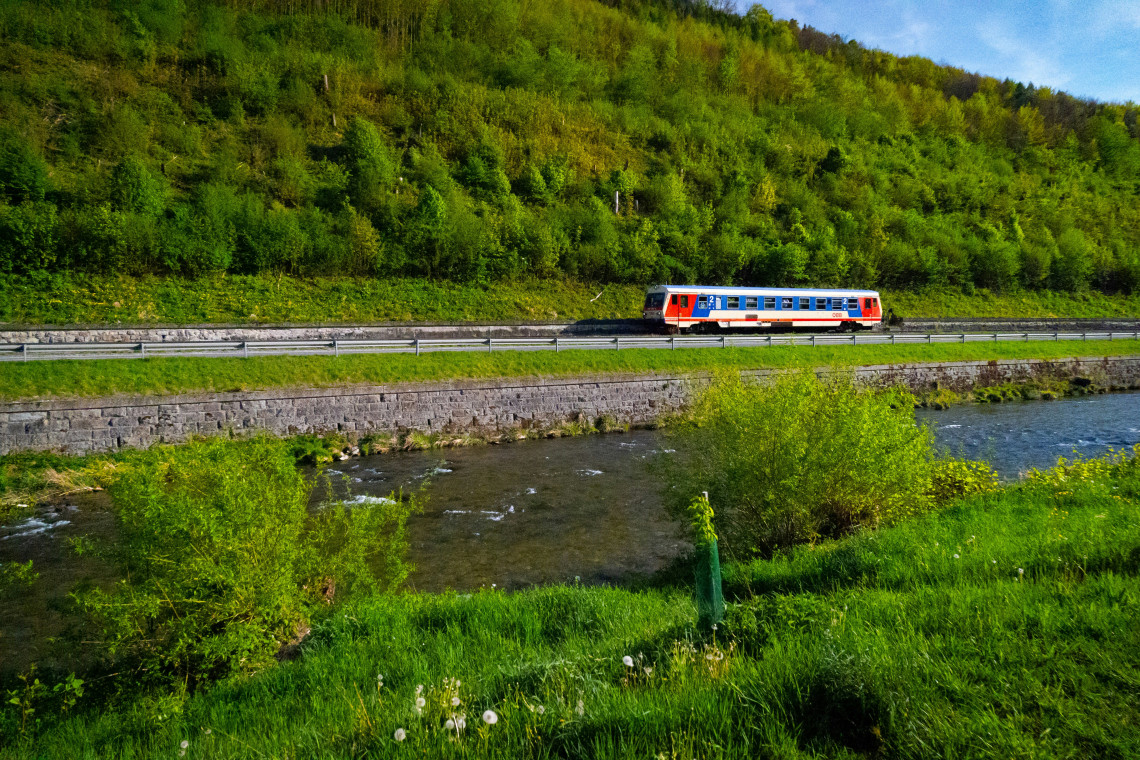
13. Validate regional train tickets, not Railjet
Railjet tickets are seat-specific and do not require validation. But if you have a regional REX or R train ticket, you must stamp it at one of the small blue Entwerter machines on the platform before boarding. Failing to validate is treated as fare evasion (fine 100 euros).
E-tickets bought online and shown on a phone do not need validation. Paper regional tickets do.
14. Vienna U-Bahn is efficient
Vienna's U-Bahn (metro) has 5 lines, runs every 3 to 7 minutes, and reaches every major tourist site. Buy a 24-hour, 48-hour, 72-hour, or weekly pass at any station machine. Also usable on trams and buses in Vienna. The one-way single ticket is 2.40 euros; day passes start at 6 euros.
15. Vienna Airport (VIE) is fast
Vienna International Airport is 20 minutes from central Vienna by CAT (City Airport Train, 14 euros, non-stop). Alternative: S7 train (25 minutes, 4.30 euros). Taxi is 40 to 55 euros. CAT is fastest, S7 is cheapest. Both terminate at Wien Mitte station in the city center.
Alpine and driving
16. Winter tire law is real
From November 1 to April 15, Austrian law requires winter tires or all-season tires with mud-and-snow marking on all axles whenever winter conditions exist. Rental cars in Austria come equipped. If you drive your own car (from Germany, Switzerland), verify tires are compliant.
Snow chains may be required above certain altitudes in heavy snow. Rental cars come with chains available on request.
17. Alpine pass and tunnel etiquette
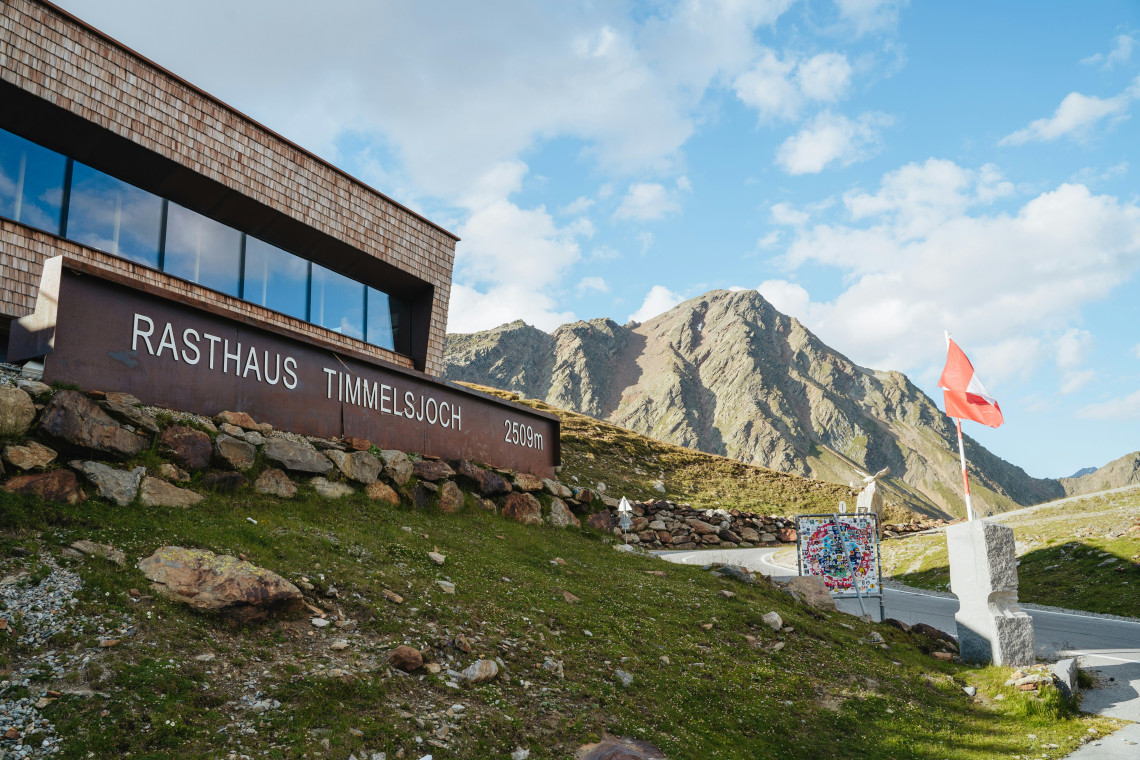
If you drive mountain passes (Grossglockner, Timmelsjoch, Silvretta), respect the etiquette: slower cars pull over for faster cars, always. Trucks and buses have priority at narrow sections. Cyclists have priority on the roads shared with them (Grossglockner especially).
Alpine tunnels (Arlberg, Karawanken, Brenner) have separate tolls beyond the vignette. Costs 10 to 40 euros each direction.
Bonus: The Sunday hiking rush
On summer Sundays, Alpine trailheads fill by 9am with Austrians hiking. This is genuinely local culture. If you want to hike weekdays are much quieter, but Sundays are the most alive experience of Austrian outdoor culture.
Etiquette
The polite formal register
Austrians use "Sie" (formal you) with strangers, service staff, and older people. Only "du" (informal you) with people you know. This is more formal than modern German. When in doubt, "Sie" is always safe.
Punctuality is real
Show up on time or a few minutes early. Being 5 minutes late is noticed in a way that would seem unusual in the U.S. This applies to tour appointments, restaurant reservations, and social meetings.
Quiet zones exist
Trains have quiet zones (marked with a symbol). Do not take phone calls in these carriages. Public conversation volume in Austria is meaningfully lower than in the U.S. or Italy.
The trash sorting culture
Austrian recycling is serious. Every hotel room has 4 to 5 trash bins for different waste types (paper, plastic, glass, organic, general). Follow the labels. Cities do audit and it matters.
Frequently asked questions
What should I not do in Austria? The top five: do not use "Guten Tag" (use "Grüß Gott"), do not tip at U.S. rates (round up instead), do not rush at coffee houses, do not skip Sunday shopping preparation, do not drive without winter equipment November to April.
How much cash should I bring to Austria? About 100 to 150 euros in cash for the first 48 hours. After that, ATMs are widely available. Coffee houses, heurigers, and rural shops often prefer cash.
Is Austria expensive? Mid-range for Europe. Vienna and Salzburg are more expensive than Prague or Budapest but cheaper than Zurich or Paris. Alpine resorts in ski season are at European peak. Off-season and smaller cities (Graz, Innsbruck) are more affordable.
Can I drink the tap water in Austria? Yes, tap water is excellent across Austria. In Vienna, the tap water comes directly from the Alpine springs and is one of Europe's cleanest.
Are credit cards accepted everywhere in Austria? In cities, yes. In villages and heurigers, sometimes no. Bring cash for rural areas and traditional venues.
What clothes should I wear in Austria? Similar to Germany: smart-casual works for cities and restaurants. Alpine areas require appropriate outdoor gear. For classical concerts (Musikverein, State Opera), smart casual to semi-formal.
Do I need a visa for Austria? U.S. and Canadian citizens do not need a visa for short stays. From late 2026, ETIAS (7 euro online pre-authorization) is required.
Is it safe to walk around Vienna at night? Very safe. Central Vienna is one of the safest capital cities in Europe. Standard precautions in the areas around Praterstern and Westbahnhof at night.
Can I use my U.S. cell phone in Austria? Yes. Most U.S. carriers offer international roaming. T-Mobile typically includes Europe data; Verizon and AT&T charge daily fees. An eSIM (Airalo, Holafly) is often cheaper for stays over 3 days.
What is the most useful German word beyond "Grüß Gott"? "Bitte" (please, thank you, excuse me, all in one). It smooths every interaction.
Should I rent a car in Austria? Depends on region. Vienna: no. Salzburg: no. Salzkammergut, Wachau, Tyrol villages: yes. See our Austria by Train vs Car guide.
What is the biggest myth about traveling in Austria? That Austrians speak German the same way Germans do. The Austrian dialect is different (softer, more melodic), and "Grüß Gott" instead of "Guten Tag" is the first signal you have crossed the border culturally.
All the practical details, handled for you.
Our Austria travel experts brief you on every tip and book every transfer, hotel, and reservation.
See Austria Packages Tailor-Made Trip